
When you experience a sports injury, it's easy to brush it off or think you can power through. However, seeking care is essential for a variety of reasons that can greatly impact your recovery and future performance. From ensuring a proper diagnosis to accessing specialized treatments, the benefits of professional care extend beyond just healing. You might be surprised to learn how these steps can not only reduce pain but also enhance your overall well-being. Let's explore seven compelling reasons why prioritizing your recovery is vital for any athlete.
Prevent Long-Term Damage
Preventing long-term damage from sports injuries is essential for every athlete's well-being. You might think that a minor injury can be brushed off, but ignoring it can lead to chronic pain or even permanent disability. When you push through the pain, you risk exacerbating the injury and complicating your recovery. It's imperative to listen to your body and take the necessary steps to heal.
First, you should prioritize rest and rehabilitation. Whether it's a sprain, strain, or fracture, allowing your body to recover is important. Engage in appropriate physical therapy exercises designed to strengthen the injured area and prevent re-injury.
Don't rush back into your sport; doing so can set you back even further.
Next, consider your training regimen. Gradually increasing intensity and duration can help prevent injuries before they happen. Incorporate flexibility and strength training into your routine to build resilience.
Proper warm-up and cool-down practices are equally important, as they prepare your muscles for activity and aid in recovery afterward.
Lastly, pay attention to your equipment. Using the right gear tailored to your sport can greatly reduce injury risk. Shoes that provide adequate support and protective padding can make a world of difference.
Ensure Proper Diagnosis
When it comes to sports injuries, accurate injury identification is essential for your recovery.
If you don't get the right diagnosis, you risk complicating your condition and prolonging your time away from the game.
Let's explore how proper diagnosis can help you prevent future complications and get back to what you love.
Accurate Injury Identification
Accurate injury identification is essential for effective sports injury care, as misdiagnosis can lead to improper treatment and prolonged recovery. When you experience pain or discomfort, it's vital to seek professional help to determine the exact nature of your injury. A knowledgeable healthcare provider will assess your symptoms, conduct physical examinations, and may even use imaging techniques like X-rays or MRIs to pinpoint the issue.
By ensuring an accurate diagnosis, you can avoid the pitfalls of treating the wrong condition, which can exacerbate your injury or create new problems. For instance, a sprain may be mistaken for a strain, leading to inadequate treatment and a longer healing process.
You might think you can manage the pain on your own, but self-diagnosing often results in more harm than good. Taking the time to get a proper diagnosis allows you to understand your injury better.
This understanding helps you follow an appropriate rehabilitation plan, ensuring you return to your sport stronger and more prepared. Remember, accurate injury identification is the first step in your journey to recovery, so don't hesitate to seek care when you need it.
Prevent Future Complications
A thorough diagnosis is vital in preventing future complications from sports injuries. When you seek professional care, healthcare providers can accurately identify the nature and extent of your injury. This step is critical because an improper diagnosis can lead to inadequate treatment, prolonging your recovery and increasing the risk of re-injury.
By addressing your injury correctly from the start, you can implement a tailored rehabilitation plan that targets your specific needs. This plan may include physical therapy, strengthening exercises, or even modifications to your training routine, all designed to guarantee you heal properly.
Additionally, understanding the underlying causes of your injury can help you avoid similar issues in the future.
Ignoring symptoms or self-diagnosing might seem tempting, but it often leads to more significant problems later on. You could end up with chronic pain or limited mobility.
As a result, taking the time to get a thorough diagnosis isn't just about immediate care; it's about securing your long-term health and performance. So, don't hesitate to consult a professional if you experience any sports-related injuries. Your future self will thank you for it!
Accelerate Recovery Time
To accelerate your recovery time, you need an expert assessment and diagnosis to pinpoint the exact issue.
From there, tailored rehabilitation programs can help you regain strength and mobility efficiently.
Plus, incorporating injury prevention strategies can keep you in the game and reduce the risk of future setbacks.
Expert Assessment and Diagnosis
Injuries can sideline athletes, but expert assessment and diagnosis are key to speeding up recovery. When you sustain an injury, seeking professional help guarantees you receive a thorough evaluation. Trained specialists can identify the extent of your injury and rule out any serious conditions that might complicate your recovery.
Getting an accurate diagnosis allows you to understand your specific situation. Rather than guessing or self-medicating, professionals will use advanced imaging and evaluation techniques to pinpoint the issue. This clarity helps you avoid unnecessary setbacks and emotional stress, allowing you to focus on your recovery.
Additionally, accurate assessments lead to better treatment options. Instead of wasting time on ineffective remedies, you'll receive targeted interventions that address your unique needs. This approach not only accelerates your recovery but also minimizes the risk of re-injury down the line.
Don't underestimate the value of expert assessment. By investing in your health from the start, you're taking the first step toward getting back in the game. Trusting in the expertise of professionals guarantees that you're on the right path to a full and swift recovery.
Tailored Rehabilitation Programs
Many athletes find that personalized rehabilitation programs play an essential role in speeding up their recovery.
These programs are specifically designed to address your unique needs, taking into account the type and severity of your injury. When you follow a tailored approach, you can expect not only quicker recovery but also a more effective return to your sport.
Here are some key benefits of participating in a personalized rehabilitation program:
- Individualized Assessment: You receive a thorough evaluation to identify your specific limitations and strengths.
- Targeted Exercises: Your program includes exercises that focus on strengthening the injured area while promoting overall physical performance.
- Monitoring Progress: Regular check-ins help track your recovery, allowing adjustments to your program as needed.
- Expert Guidance: You benefit from professional insights to guarantee you're using proper techniques and not risking further injury.
Injury Prevention Strategies
While you can't always prevent injuries, implementing effective injury prevention strategies can considerably reduce your risk and accelerate recovery time when setbacks do occur.
Start by focusing on a proper warm-up routine before each practice or game. Engaging in dynamic stretches and sport-specific movements prepares your muscles and joints for the demands ahead.
Next, pay attention to your technique. Whether you're running, jumping, or throwing, using the right form can minimize strain and reduce the likelihood of injury. Consider working with a coach or trainer who can provide feedback on your performance.
Additionally, incorporate strength training and flexibility exercises into your regimen. Strengthening your muscles supports your joints, while flexibility helps maintain a full range of motion, both of which can prevent injuries.
Don't forget to listen to your body. If you feel pain or discomfort, it's essential to rest or seek professional advice.
Finally, make sure you're using the right equipment for your sport, as improper gear can lead to injuries. By adopting these strategies, you not only lower your chances of injury but also set yourself up for a faster recovery when setbacks occur.
Enhance Performance
To enhance your performance in sports, understanding the balance between training intensity and recovery is vital. When you push your body to its limits without proper care, you risk injury and burnout, which can set you back considerably.
Seeking care for sports injuries isn't just about treating pain; it's about optimizing your training regimen to reach your full potential.
Incorporating professional care into your routine can provide insights that improve your performance. Here are a few ways seeking care can help:
- Tailored Training Plans: Professionals can create customized training approaches that suit your individual needs, ensuring you target the right areas for improvement.
- Biomechanical Assessments: Understanding your movement patterns can highlight inefficiencies and help prevent injuries, allowing you to perform better.
- Nutritional Guidance: Proper nutrition plays a vital role in recovery and performance. Experts can offer advice on fueling your body effectively.
- Mental Resilience: Sports injuries can take a toll on your mindset. Professional support can help you build the mental strength needed to push through challenges.
Reduce Pain and Discomfort
Pain can be a considerable barrier to enjoying sports and achieving your goals. Whether you're dealing with a sprain, strain, or any other type of injury, discomfort can hold you back from performing at your best.
Seeking care for your sports injuries is essential not just for recovery but also for reducing that pain and discomfort that's keeping you from the activities you love.
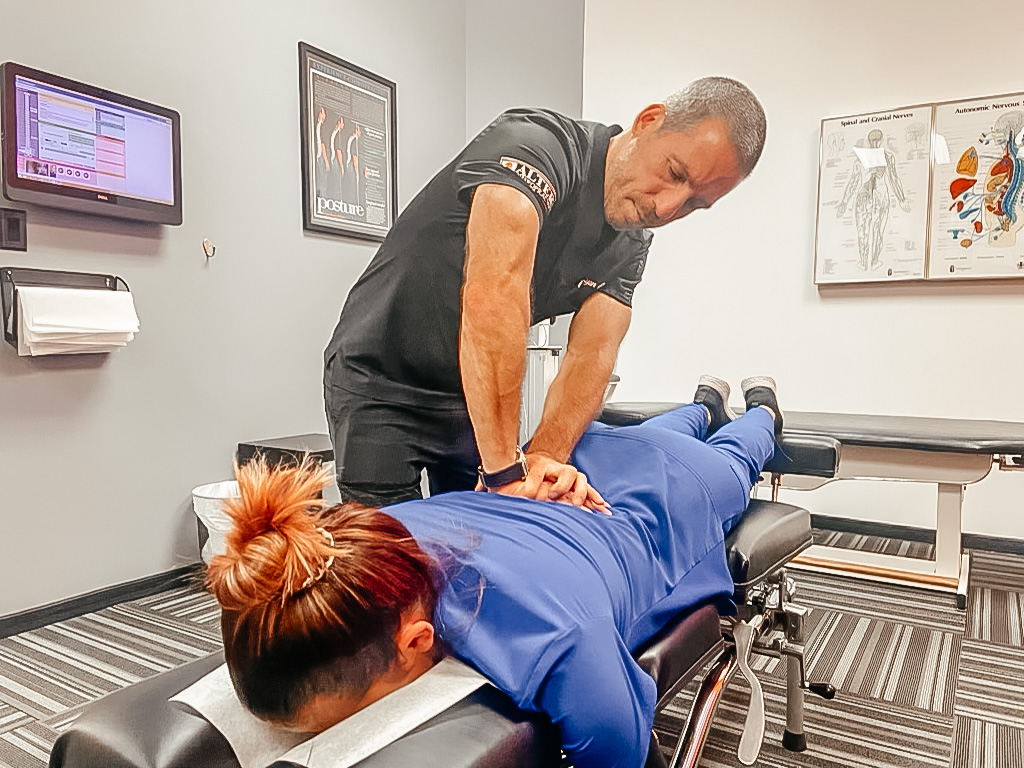
When you consult a healthcare professional, they'll assess your injury and provide you with a clear treatment plan tailored to your needs. This plan might include physical therapy, which can help strengthen the affected area and increase flexibility, ultimately reducing pain. You'll likely learn specific exercises to alleviate discomfort and promote healing.
Additionally, healthcare providers can recommend pain management techniques, such as ice therapy, over-the-counter medications, or even more advanced options like injections if necessary. These strategies can considerably reduce your pain levels, allowing you to return to your sport sooner and more comfortably.
Ignoring pain isn't a solution; it often leads to further injuries down the line. By addressing your discomfort promptly, you'll not only enhance your current recovery but also protect against future issues.
Access Specialized Treatment
Accessing specialized treatment can greatly enhance your recovery process and overall performance. When you're dealing with a sports injury, seeing a professional who understands the unique demands of your sport can make a considerable difference.
Specialized treatment isn't just about healing; it's about optimizing your body's function and preventing future injuries.
Here are some key benefits of seeking specialized treatment:
- Tailored rehabilitation programs: Professionals can create a recovery plan specifically designed for your sport, ensuring you regain strength and flexibility effectively.
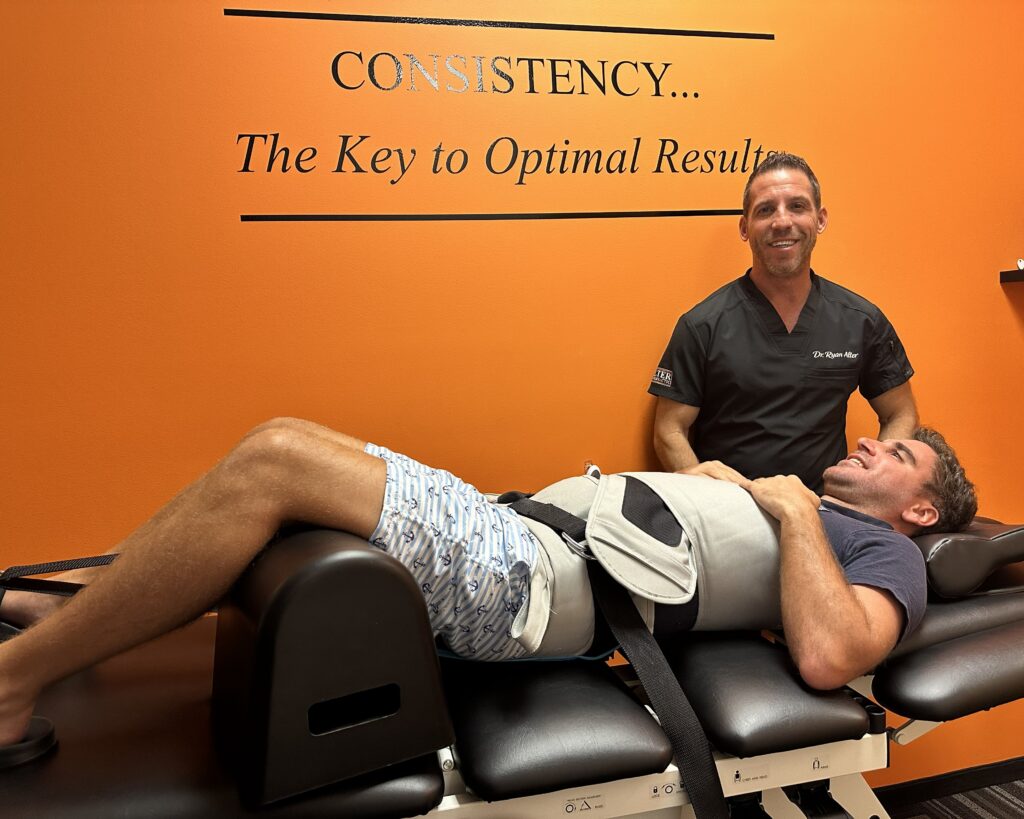
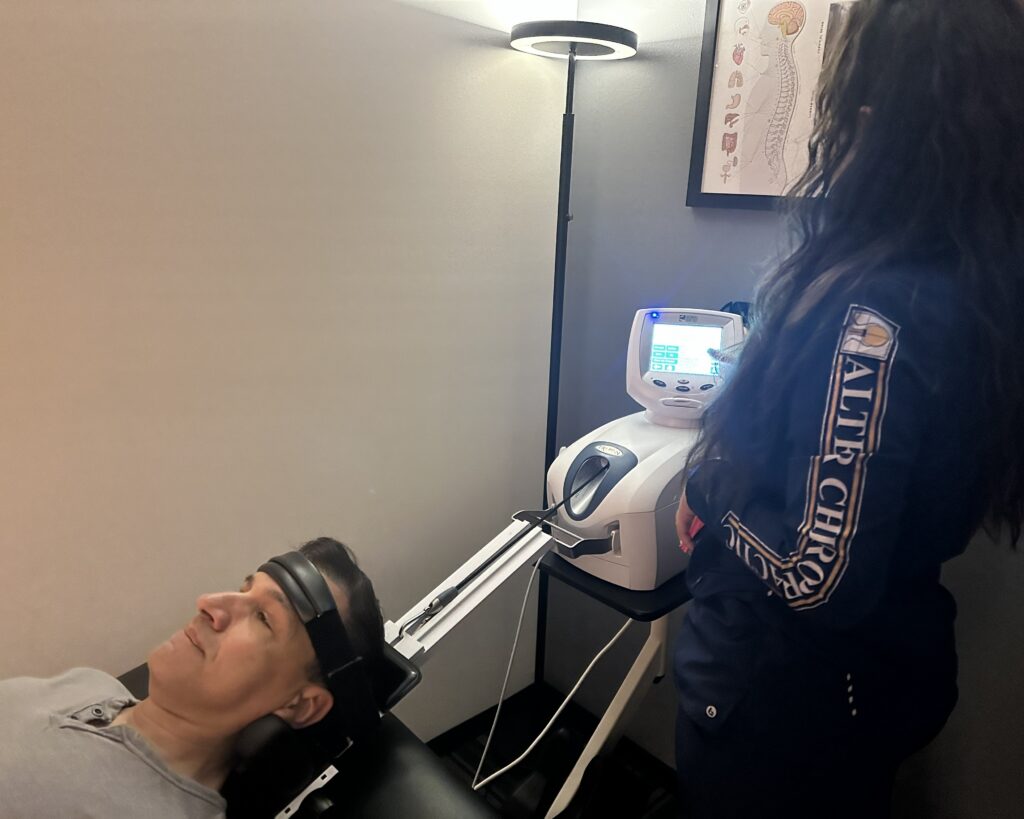
- Advanced diagnostic tools: Specialized clinics often use state-of-the-art technology to assess your injury accurately, allowing for precise treatment strategies.
- Expert knowledge: These specialists are well-versed in the latest techniques and research, providing you with the best evidence-based care available.
- Holistic approach: Specialized treatment considers not just the physical aspects of your injury, but also the psychological and emotional factors, which can considerably impact your recovery.
Improve Overall Well-Being
Improving your overall well-being is vital, especially after experiencing a sports injury. When you seek care, you're not just addressing the physical aspects of your injury; you're also focusing on your mental and emotional health. Sports injuries can lead to frustration, anxiety, and even depression, particularly if they sideline you from activities you love.
By getting the right treatment, you can alleviate these emotional burdens and regain confidence in your body.
Physical rehabilitation after an injury often includes tailored exercises that not only promote healing but also enhance your overall fitness. Engaging in physical therapy helps you regain strength, flexibility, and balance, which can improve your performance in future activities.
Feeling physically strong again can greatly boost your self-esteem and motivation.
Moreover, seeking professional care fosters a sense of community and support. You'll connect with trainers, therapists, and fellow athletes who understand your journey. This network can uplift your spirits and provide encouragement during your recovery.
Additionally, addressing your injury through proper care can prevent chronic pain or further complications down the road. By taking proactive steps now, you're setting yourself up for a healthier future.
Ultimately, prioritizing your well-being after a sports injury allows you to return to your favorite activities with renewed vigor and enthusiasm.
Don't underestimate the impact this has on your life—both physically and mentally. Seeking care is an essential step in reclaiming your joy and passion for sports.
Conclusion
To sum up, seeking care for sports injuries is essential for your long-term health and performance. By getting a proper diagnosis, you can prevent further damage and accelerate your recovery. Specialized treatments not only reduce pain but also enhance your overall well-being. Remember, prioritizing your recovery allows you to return to your sport stronger and more resilient. Don't hesitate to reach out for help—you deserve to perform at your best and enjoy a healthy athletic future!