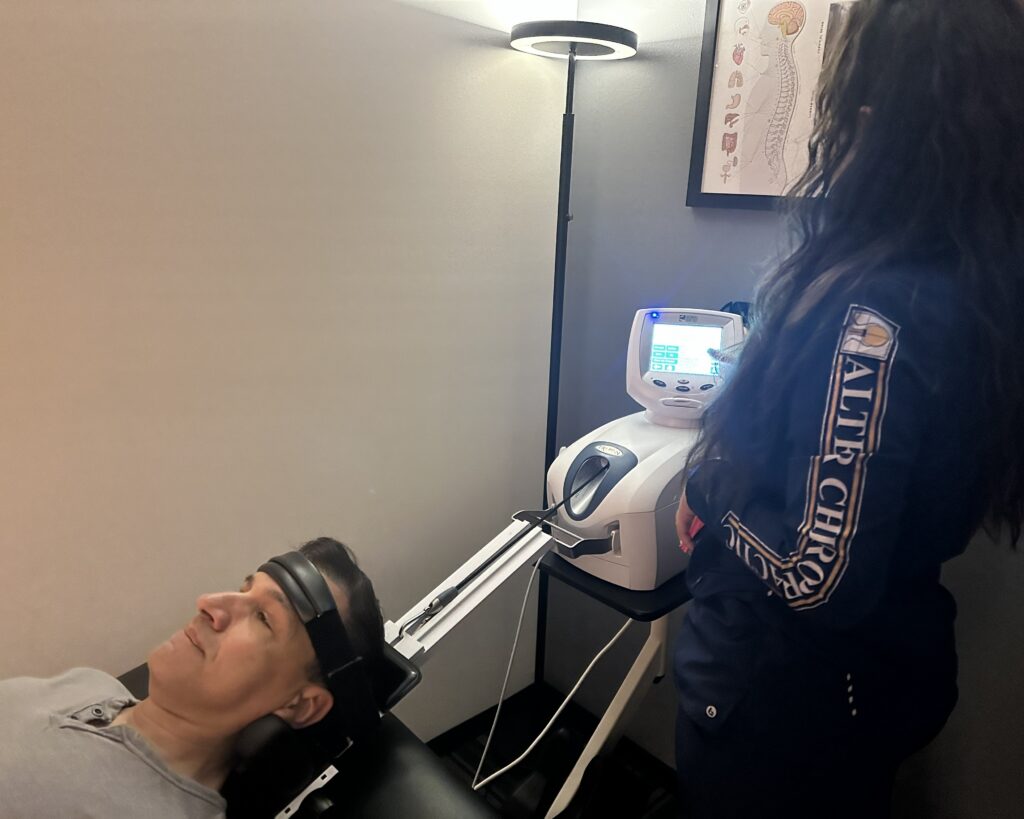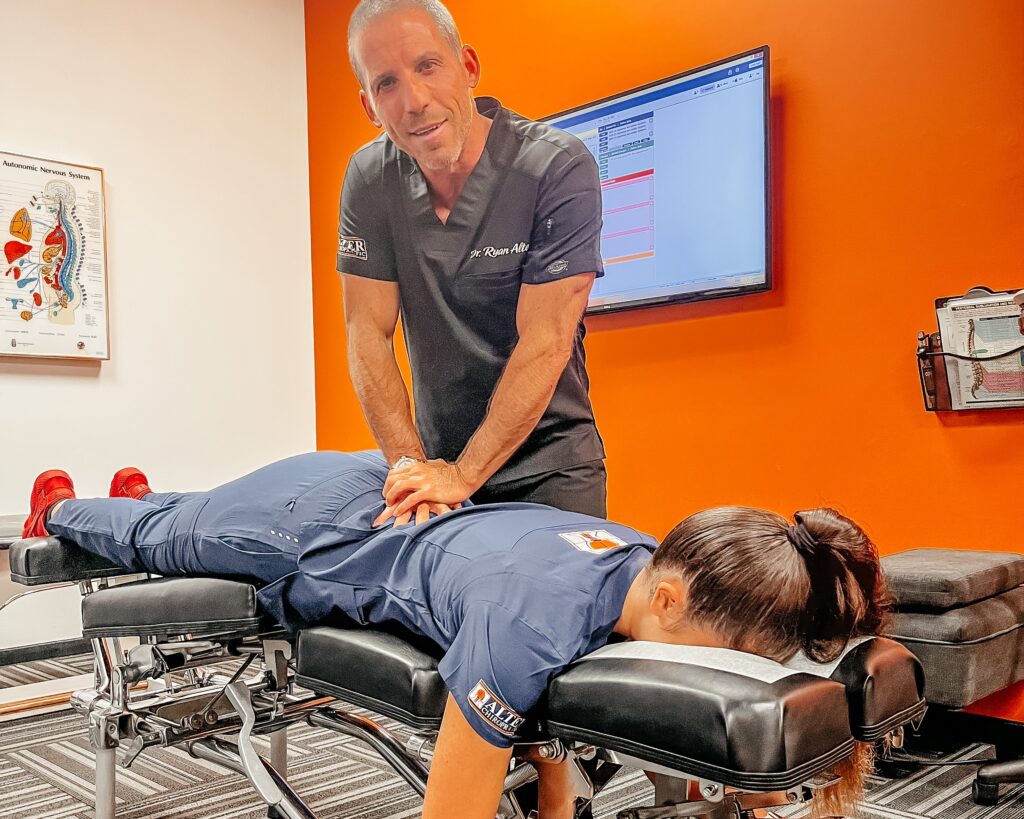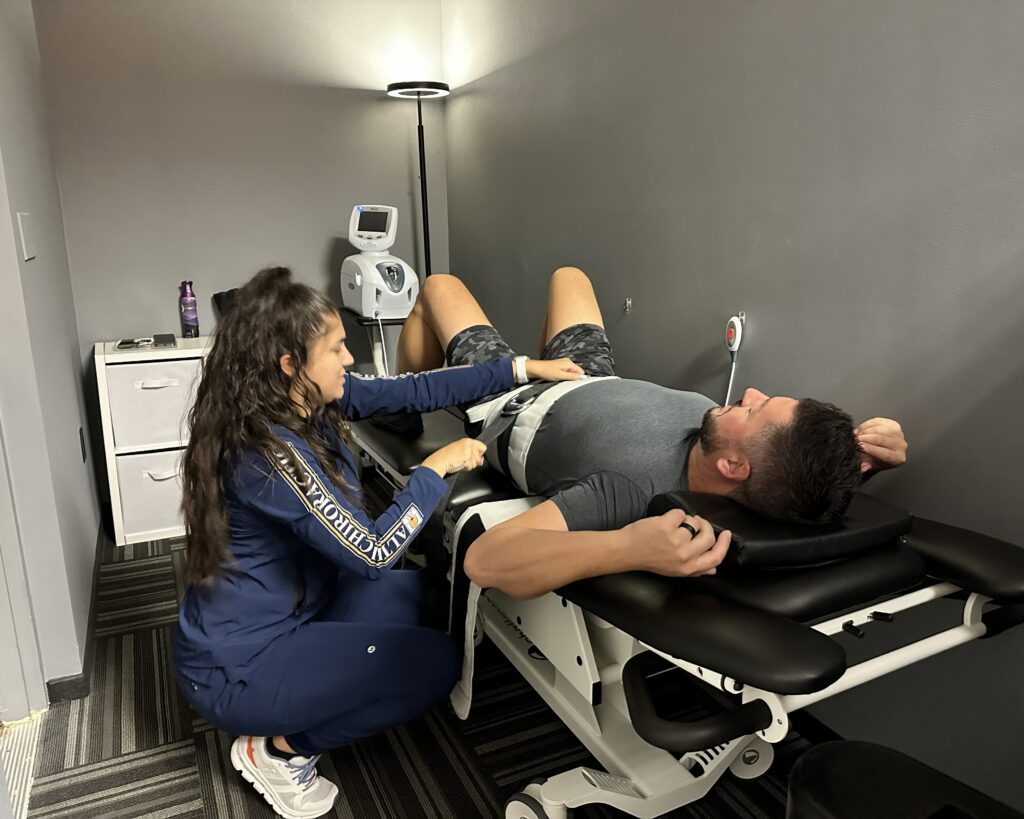

When you think about your health, consider how a tailored treatment plan could transform your well-being. By focusing on your unique medical history, lifestyle, and personal goals, healthcare providers can design interventions that resonate with you. This personalized approach not only addresses your specific symptoms but also fosters a deeper connection with your care team. You'll likely find yourself more engaged and committed to your health journey. But what are the key components that make such plans effective, and how can they adapt to your evolving needs?
Understanding Tailored Treatment Plans
Tailored treatment plans are increasingly becoming the standard in modern healthcare. You might wonder what that means for you. Simply put, it's all about customizing your healthcare experience to suit your unique needs. Instead of a one-size-fits-all approach, healthcare providers analyze your specific medical history, lifestyle, and preferences to create a plan that's designed just for you.
When you engage in this process, your healthcare team gathers detailed information about your health background, current conditions, and even genetic factors. They might ask about your daily routines, dietary habits, and any medications you're currently taking. This thorough understanding allows them to identify the most effective treatments or interventions tailored to your individual situation.
You'll likely find that these personalized plans can greatly enhance the relevance and effectiveness of your care. By focusing on your unique circumstances, healthcare providers can target the root of your issues rather than just addressing symptoms. This way, you're more likely to achieve better health outcomes.
Moreover, tailored treatment plans often foster a stronger partnership between you and your healthcare team. When you're involved in the decision-making process, you're more likely to adhere to the plan and feel empowered in your health journey.
It's an ongoing dialogue that adapts as your needs change, ensuring that your care remains effective and relevant over time. Understanding tailored treatment plans can be the first step toward a more proactive and engaged approach to your health.
Benefits of Personalization
When you embrace personalization in your healthcare, you're likely to experience numerous benefits that enhance your overall well-being. One of the most significant advantages is that personalized treatment plans are designed specifically for you. This means your unique health history, lifestyle, and preferences are taken into account, leading to more effective interventions. You won't waste time on generic treatments that may not work for you.
Another key benefit is improved adherence. When you feel that your treatment aligns with your goals and needs, you're more likely to stick to it. This can result in better health outcomes and a greater sense of control over your health journey.
Personalization also fosters a stronger relationship between you and your healthcare provider. Open communication and collaboration lead to trust, making it easier to express your concerns and preferences.
Moreover, personalized plans can help identify potential risks early. By understanding your specific risk factors, you can implement preventive measures that could save you from future complications. This proactive approach not only promotes a healthier lifestyle but also reduces healthcare costs in the long run.
Lastly, experiencing tailored healthcare can boost your mental and emotional well-being. Feeling valued and understood can reduce anxiety and promote a positive outlook on your health.
To conclude, personalization in healthcare isn't just about treatment; it's about creating a holistic approach that caters to you, leading to a more fulfilled and healthier life.
Key Components of Plans
When creating a tailored treatment plan, you'll want to focus on a few key components.
An individualized assessment process helps you understand specific needs, while goal-setting strategies guide your progress.
Continuous progress monitoring guarantees you stay on track and make necessary adjustments along the way.
Individualized Assessment Process
In creating effective treatment plans, the individualized assessment process is crucial for addressing each patient's unique needs. This process allows you to gather essential information that shapes your tailored treatment approach.
Here are some key components to focus on:
- Comprehensive Evaluation: Assess medical history, lifestyle factors, and psychological background to understand the full picture.
- Patient Engagement: Involve patients in discussions about their symptoms, preferences, and concerns, making sure they feel heard and valued.
- Collaboration: Work with other healthcare professionals, such as therapists or nutritionists, to gather diverse insights that may inform your treatment plan.
- Ongoing Monitoring: Regularly revisit and adjust the assessment based on progress and feedback to make sure the plan remains effective and relevant.
Goal Setting Strategies
Effective goal-setting strategies are essential for developing tailored treatment plans that drive patient success. To start, make your goals SMART: Specific, Measurable, Achievable, Relevant, and Time-bound. This approach helps you create clear and actionable objectives, guaranteeing you know exactly what you're working toward.
Next, involve yourself in the goal-setting process. When you actively participate, you're more likely to feel a sense of ownership and commitment to your goals. Think about your personal values and what matters most to you—this will guide you in setting meaningful goals that align with your overall vision of well-being.
Break larger goals into smaller, manageable steps. This makes it easier to track your progress and stay motivated. Celebrate small victories along the way; each step forward reinforces your dedication and encourages you to keep going.
Lastly, be flexible. Life happens, and your circumstances can change. Regularly reassess your goals to verify they still fit your needs and aspirations. Adjusting them as necessary allows you to maintain focus and adapt to new challenges, ultimately leading to a more successful treatment journey.
Continuous Progress Monitoring
Monitoring your progress is essential for guaranteeing that your tailored treatment plan remains effective and aligned with your goals. By regularly evaluating your progress, you can identify what's working and what needs adjustment. This proactive approach helps keep you on track and motivated.
Here are some key components to reflect on for continuous progress monitoring:
- Regular Check-Ins: Schedule weekly or bi-weekly meetings with your healthcare provider to discuss your progress and any challenges.
- Self-Assessment Tools: Use questionnaires or journals to log your feelings, thoughts, and behaviors, allowing you to reflect on your journey.
- Goal Reevaluation: Periodically revisit your goals. As you make progress, your objectives may need to be adjusted to better suit your evolving needs.
- Feedback Loop: Encourage open communication with your care team. Their insights can enhance your treatment plan and guarantee that it remains relevant.
Role of Medical Professionals
Medical professionals play an essential role in creating tailored treatment plans. Their expertise in diagnosis guarantees you receive the right care, while a collaborative care approach means they work closely with other specialists to address all aspects of your health.
This partnership not only enhances your treatment but also empowers you to take an active role in your recovery.
Expertise in Diagnosis
Accurate diagnosis is the cornerstone of tailored treatment plans, and skilled medical professionals play an essential role in this process. When you seek medical attention, your doctor's expertise in diagnosis can greatly impact your health journey. They utilize a variety of methods to understand your condition, ensuring that your treatment isn't just effective but personalized.
Here are key aspects of their diagnostic expertise:
- Comprehensive Patient History: They gather detailed information about your symptoms, lifestyle, and medical background.
- Advanced Diagnostic Tools: They employ cutting-edge technologies and tests to obtain accurate results.
- Clinical Judgment: Their experience allows them to interpret data and recognize patterns that might be missed.
- Continuous Education: They stay updated on the latest research and advancements in medical science.
With these skills, medical professionals can discern subtle differences in conditions, leading to timely and precise diagnoses. This not only aids in choosing the right treatment but also enhances your overall well-being.
Trusting in their expertise means you're on the path to receiving the most effective, tailored care possible. Remember, a well-informed diagnosis is the first step toward a healthier you.
Collaborative Care Approach
Once a diagnosis is made, the next step involves a collaborative care approach that brings together various medical professionals to optimize your treatment. This team typically includes doctors, nurses, therapists, and specialists who all contribute their expertise to create a thorough plan tailored to your needs.
You'll find that each professional plays a unique role. For instance, your primary care physician coordinates the overall treatment, while specialists provide insights specific to their fields. Nurses often monitor your progress and offer support, ensuring you stay on track with the plan. Therapists can assist with mental and emotional well-being, which is essential for holistic health.
Regular communication among these professionals is vital. They'll hold meetings, share updates, and adjust your treatment as necessary, ensuring everyone is on the same page. This seamless collaboration can greatly improve your outcomes, as it allows for timely adjustments based on your responses to treatment.
You're not just a patient; you're an active participant in this process. By engaging with each member of your care team, you can voice your concerns and preferences, ultimately leading to a more personalized and effective treatment plan.
Integrating Lifestyle Changes
Integrating lifestyle changes into your treatment plan can greatly enhance your overall health and well-being. By making small, sustainable adjustments to your daily habits, you can support your treatment goals and improve your quality of life.
It's important to focus on areas that resonate with you personally, making the changes feel less like a chore and more like a positive step forward.
Consider incorporating these lifestyle changes into your routine:
- Balanced Nutrition: Prioritize whole foods, such as fruits, vegetables, lean proteins, and whole grains. This helps fuel your body and provides essential nutrients.
- Regular Physical Activity: Aim for at least 150 minutes of moderate exercise each week. Find activities you enjoy, whether it's walking, dancing, or yoga, to make exercise more enjoyable.
- Adequate Sleep: Establish a sleep routine that allows for 7-9 hours of quality rest each night. Proper sleep is essential for your body's recovery and overall mental clarity.
- Mindfulness Practices: Incorporate techniques like meditation or deep-breathing exercises into your day. These practices can help reduce stress and enhance your emotional resilience.
Mental Health Considerations
While making lifestyle changes can greatly improve your physical health, it's equally important to pay attention to your mental health. Your emotional well-being plays an essential role in how you adapt to these changes. Stress, anxiety, and depression can hinder your progress, making it imperative to develop strategies that support your mental wellness alongside your physical goals.
Start by incorporating mindfulness practices into your daily routine. Techniques such as meditation, deep breathing, or yoga can help you stay grounded and reduce stress. Make it a habit to check in with yourself; take a moment to reflect on your feelings and thoughts. This self-awareness can empower you to address any negative emotions that arise during your journey.
Connecting with others is another important aspect of maintaining mental health. Share your experiences with friends or family members who understand your goals. You might also consider joining a support group where you can exchange ideas and encouragement with those facing similar challenges. Social connections not only enhance your emotional resilience but also motivate you to stay on track.
Don't shy away from seeking professional help if you find your mental health struggles are overwhelming. A therapist or counselor can provide tailored strategies to help you navigate your feelings and maintain a positive outlook.
Nutritional Guidance Importance
Nutritional guidance is crucial not just for achieving physical health but also for enhancing your overall well-being. The right nutrition can greatly impact your mood, energy levels, and even mental clarity. By understanding the importance of what you eat, you're taking a critical step toward a healthier, happier life.
Here are some key reasons why nutritional guidance matters:
- Improved Energy Levels: Eating balanced meals fuels your body and keeps you energized throughout the day.
- Mental Clarity: Proper nutrition can enhance cognitive function, helping you focus better and think more clearly.
- Emotional Stability: Nutrient-rich foods can positively influence your mood, reducing feelings of anxiety and depression.
- Stronger Immune System: A well-rounded diet strengthens your immune system, helping you fend off illnesses more effectively.
When you prioritize nutritional guidance, you're not just following a diet; you're adopting a lifestyle that promotes longevity and wellness.
Tailoring your meals to include a variety of nutrients guarantees that your body gets what it needs to thrive. Consulting with a nutrition professional can help you create a personalized eating plan that aligns with your health goals, preferences, and lifestyle.
Tracking Progress and Outcomes
To effectively gauge the success of your tailored treatment plans, tracking progress and outcomes is essential. This process not only highlights the effectiveness of your current strategies but also helps you make necessary adjustments along the way. Start by establishing clear, measurable goals. Whether it's improving your physical health, mental well-being, or both, having defined objectives allows you to monitor your journey more precisely.
Next, utilize tools like journals, mobile apps, or spreadsheets to log your daily activities, mood changes, and any other relevant metrics. Regularly reviewing this data can reveal patterns that show you what's working and what isn't. For instance, if you're aiming to improve your diet, track your food intake and how it affects your energy levels. This information will be invaluable in refining your nutritional guidance.
Don't forget the importance of feedback. Regular check-ins with healthcare professionals can provide you with insights that you might overlook. They can help interpret your data and suggest modifications to your treatment plan based on your unique experiences.
Lastly, celebrate your successes, no matter how small. Acknowledging progress not only motivates you but also reinforces positive behavior changes. By actively tracking your progress and outcomes, you empower yourself to take charge of your well-being and make informed decisions that align with your health goals.
This proactive approach guarantees that your tailored treatment plans remain effective and truly beneficial for your overall health.
Future of Tailored Treatments
As advancements in technology and healthcare continue to evolve, the future of tailored treatments promises to become even more personalized and effective. You can expect a shift toward precision medicine that considers not just your symptoms, but your unique genetic makeup, lifestyle, and preferences. This means that treatments will be designed specifically for you, enhancing your overall well-being.
Here's what you can look forward to:
- Genomic Insights: Your DNA will help shape treatment plans, ensuring they target your specific health needs.
- Wearable Technology: Devices will monitor your health in real-time, allowing for instant adjustments to your treatment.
- AI and Data Analysis: Advanced algorithms will analyze vast amounts of data to predict which treatments will work best for you.
- Holistic Approaches: Future treatments will integrate physical, mental, and emotional health, recognizing that all aspects of your well-being are interconnected.
These innovations won't only improve the efficacy of treatments but also enhance your engagement in the process. You'll be empowered to take charge of your health like never before.
By collaborating with healthcare professionals who utilize these advancements, you'll find that tailored treatments can lead to quicker recoveries, fewer side effects, and overall better health outcomes.
The future of healthcare looks promising, and by embracing these tailored approaches, you can greatly improve your quality of life.
Conclusion
To summarize, tailored treatment plans empower you to take charge of your health by focusing on your unique needs and preferences. By collaborating with healthcare professionals and integrating lifestyle changes, you can enhance your overall well-being. Embracing this personalized approach not only strengthens your relationship with providers but also promotes active participation in your care. As you track your progress, you'll gain valuable insights, paving the way for a healthier, happier future.