
As a local chiropractor, I understand that dealing with a sports injury can be quite daunting. With so many recovery techniques available, it's easy to feel overwhelmed. While traditional methods like RICE (Rest, Ice, Compression, Elevation) are commonly known, I encourage you to explore some innovative approaches that can complement your healing process.
In my practice, I've seen the benefits of treatments such as cryotherapy and electrical stimulation, which can offer unique advantages for recovery. Additionally, chiropractic care focuses on restoring proper function and alignment, which can greatly enhance your body's natural healing abilities.
It's also essential to consider the role of physical therapy in your recovery plan. A well-rounded approach that includes attention to nutrition and psychological support can make a significant difference. Each recovery technique has its strengths and potential limitations, so finding the right combination tailored to your needs is key. Together, we can create a personalized recovery plan that supports your journey back to optimal health and performance.
Traditional Recovery Methods
As a local chiropractor, I want to share some essential insights about traditional recovery methods that can greatly aid in managing sports injuries. One of the most effective approaches is known as the RICE method—Rest, Ice, Compression, and Elevation. Understanding and applying these principles can help you on your journey to recovery.
First and foremost, rest is crucial when you sustain an injury. Allowing your body the time it needs to heal is vital. Engaging in activities that could worsen the injury may lead to prolonged recovery.
Listen to your body, and give it the space it needs to start the healing process.
Next, let's talk about ice. Applying ice to the injured area can significantly reduce swelling and alleviate pain. I recommend icing the injury for about 15-20 minutes every hour, especially during the first 48 hours following the injury.
Just a quick tip: always use a cloth or some form of barrier when applying ice to protect your skin from frostbite.
Compression is another critical component of recovery. Utilizing an elastic bandage can help limit swelling and provide necessary support to the injured area.
Make sure the bandage is snug but not excessively tight, as you want to ensure that blood circulation remains unobstructed. A simple way to check this is to ensure that the toes or fingers near the injury stay warm and pink.
Lastly, elevation is a powerful technique to help minimize swelling. Whenever possible, keep the injured area elevated above heart level, especially while resting or sleeping.
This simple act can make a significant difference in your recovery.
Incorporating these traditional recovery methods—RICE—into your healing regimen can promote faster recovery and help you regain strength.
However, I always encourage my patients to consult with a healthcare professional, like myself, for tailored advice that considers your unique situation.
By understanding and implementing these techniques, you can pave the way for a smoother return to the activities you love.
Physical Therapy Techniques
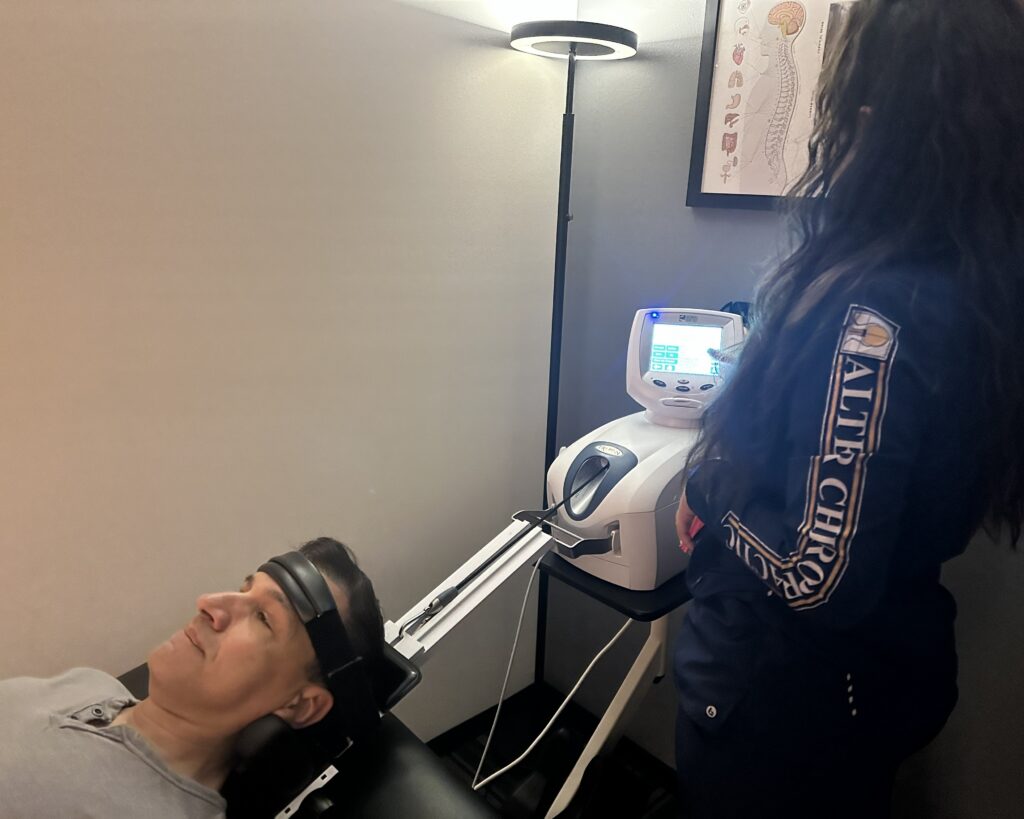
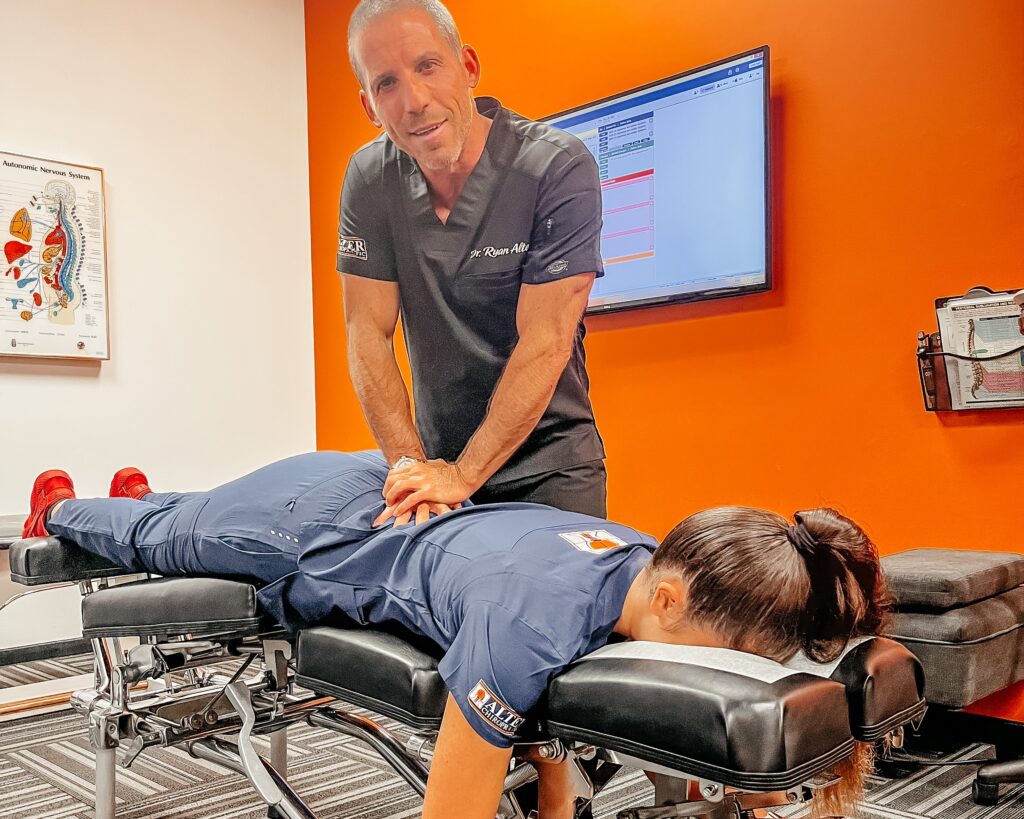
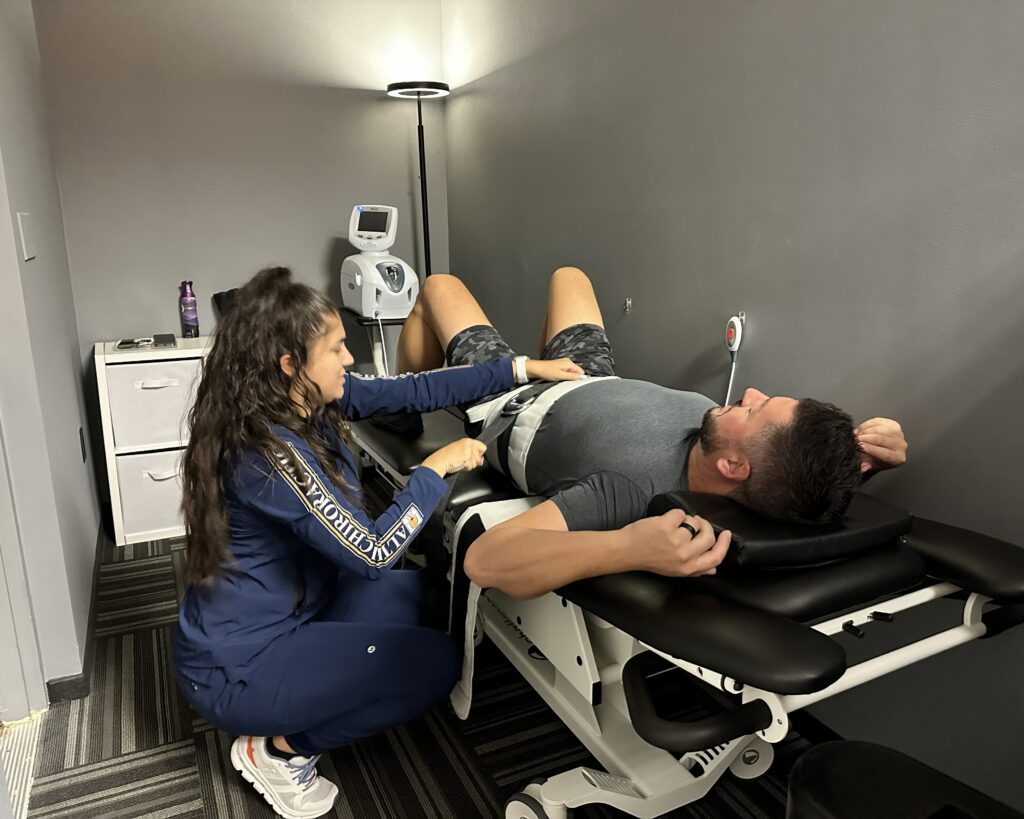
When recovering from a sports injury, incorporating chiropractic care into your rehabilitation can be incredibly beneficial. As a local chiropractor, I want to emphasize the importance of natural healing methods that can support your recovery.
Techniques such as spinal adjustments and manual therapy can alleviate tension in your body, promoting better mobility and function. Additionally, we focus on strengthening exercises tailored to your specific needs, helping to rebuild your muscles safely and effectively.
Various natural pain relief modalities we offer can assist in managing discomfort, allowing you to feel better and enhance your overall recovery process. Embracing chiropractic care can be a vital step towards achieving optimal health and wellness after an injury.
Manual Therapy Methods
As a local chiropractor, I want to share with you the significant benefits of manual therapy methods in the recovery process from sports injuries.
These hands-on techniques are designed to alleviate pain and enhance mobility, helping you regain your strength and function more effectively. By focusing on the manipulation of muscles, joints, and soft tissues, we can target specific areas of tension or restriction, leading to reduced discomfort and improved overall performance.
Here are some common manual therapy techniques you might encounter in our practice:
- Massage Therapy: This technique helps relieve muscle tension, promotes relaxation, and can significantly aid in your recovery.
- Joint Mobilization: Gentle movements are employed to restore joint function and alleviate stiffness, facilitating smoother movement.
- Myofascial Release: By targeting the fascia, or connective tissue, we can release tightness and improve blood flow, which is essential for healing.
- Trigger Point Therapy: This method focuses on specific painful areas in your muscles, helping to reduce pain and restore normal movement patterns.
Incorporating these manual therapy methods into your recovery plan can be a game changer.
Not only do they support your physical healing, but they also contribute to your mental well-being. As your pain decreases and mobility improves, you'll likely feel more confident in returning to your sport.
I encourage you to embrace these techniques, as they're vital steps toward a successful recovery and a return to the activities you love.
Strengthening Exercises Overview
As a local chiropractor, I want to emphasize the importance of strengthening exercises in your recovery journey from sports injuries. These exercises are crucial for rebuilding muscle strength and stability, which can enhance your overall physical capabilities and significantly reduce the risk of future injuries.
When you're integrating strengthening exercises into your rehabilitation routine, it's essential to target the specific muscles that need attention. Focusing on a mix of both concentric and eccentric movements is key, as these types of exercises can improve your muscle endurance and flexibility.
Start off with low-resistance exercises and gradually increase the intensity as your strength builds. Remember, it's important to listen to your body during this process; if you experience any pain, don't hesitate to adjust the exercises or consult with me for guidance.
Utilizing bodyweight exercises, resistance bands, or light weights can lead to remarkable improvements in your strength and stability. I recommend aiming for consistency—try to practice your exercises several times a week.
It's equally important to balance your strengthening routine with adequate rest and recovery to allow your muscles the time they need to heal and rebuild effectively.
Ultimately, incorporating these exercises into your recovery will help you regain confidence in your body, enabling you to return to your sport even stronger than before. As your chiropractor, I'm here to support you on this journey to natural healing and optimal health.
Modalities for Pain Relief
As a local chiropractor, I'm here to help you understand various natural modalities for pain relief that can significantly enhance your recovery from sports injuries.
These techniques not only target pain but also work to reduce inflammation and improve circulation, making your rehabilitation process smoother and more effective.
Here are some popular modalities that I often recommend:
- Ice Therapy: This is a simple yet effective method. By applying ice packs to the injured area, you can minimize swelling and numb sharp pain, especially right after an injury occurs. It's a great first step in managing acute pain.
- Heat Therapy: On the other hand, using heat pads can work wonders for chronic pain. Heat helps relax tight muscles and improves blood flow, providing relief for ongoing discomfort and promoting relaxation.
- Electrical Stimulation: In my practice, I often use electrical stimulation, which involves applying electrical currents to the affected area. This technique can help reduce pain and promote muscle recovery, making it a valuable tool, especially in physical therapy settings.
- Ultrasound Therapy: Another effective modality is ultrasound therapy. By using sound waves that penetrate deep into the tissues, we can promote healing, reduce pain, and enhance blood flow and cellular activity.
Incorporating these natural modalities into your recovery plan can truly be transformative.
I always encourage my patients to consult with me or another healthcare professional to determine the best options tailored to their specific injuries.
By actively engaging in these pain relief techniques, you can get back to your favorite activities more quickly and with less discomfort.
Innovative Approaches
As a local chiropractor, I want to share some innovative approaches that can greatly aid in your recovery from sports injuries. Many people aren't familiar with how chiropractic care can enhance healing, so let me introduce you to a few techniques that can make a significant difference.
One such technique is Active Release Therapy, which focuses on releasing tension in muscles and fascia to promote better movement and reduce pain. This method can be particularly effective in addressing soft tissue injuries, helping you regain mobility faster.
Additionally, cryotherapy is a cutting-edge option that involves using cold temperatures to reduce inflammation and speed up recovery. This technique can help alleviate pain and swelling after an injury, allowing you to get back to your activities more quickly.
Kinesiology taping is another innovative strategy that I often recommend. This method involves applying elastic tape to the skin to support muscles and joints, reduce strain, and improve circulation during your recovery process.
By exploring these chiropractic techniques, you can take a proactive approach to your healing journey, enhancing not only your recovery but also your overall performance in your chosen sport.
Let's work together to ensure you get back to doing what you love!
Active Release Techniques
As a local chiropractor, I want to introduce you to Active Release Techniques (ART), a modern and effective approach to sports injury recovery that focuses on the body's soft tissues. This technique is particularly valuable for individuals who may not be familiar with chiropractic care or natural healing methods.
ART emphasizes the importance of relieving tension in muscles, fascia, and nerves, which can help restore movement and alleviate pain.
When you engage with ART, you'll benefit from a hands-on method that specifically targets areas of concern, promoting healing in a way that's both efficient and effective.
Here's why incorporating Active Release Techniques into your recovery plan can be so beneficial:
- Personalized Treatment: As your chiropractor, I assess your unique issues and tailor the ART approach to meet your specific needs, ensuring you receive the best care possible.
- Enhanced Mobility: By releasing tension, many patients experience improvements in their range of motion, making it easier to return to the activities they love.
- Pain Relief: Numerous athletes and active individuals report significant reductions in pain after ART sessions, helping them get back on track more quickly.
- Preventative Care: ART isn't just about recovery; it also plays a crucial role in preventing future injuries by maintaining healthy soft tissues.
By incorporating Active Release Techniques into your treatment plan, we can work together to achieve transformative results, ensuring you stay in peak condition and can perform at your best.
If you're interested in learning more about ART and how it can benefit your health, don't hesitate to reach out!
Cryotherapy Benefits
As a local chiropractor, I want to introduce you to the benefits of cryotherapy, an innovative method that can significantly aid in sports injury recovery. This technique, which involves exposing your body to cold temperatures for a brief period, is becoming increasingly popular among athletes and fitness enthusiasts, and for good reason.
Cryotherapy works by constricting your blood vessels, which helps to reduce inflammation and alleviate pain. This is particularly beneficial after intense workouts, as it can help ease muscle soreness and speed up recovery times.
When your body warms back up post-treatment, blood flow increases, allowing essential nutrients to reach your muscles and joints more effectively. This process not only helps in healing injuries but also enhances your overall mobility.
Moreover, there are mental health benefits associated with cryotherapy. Many individuals report experiencing improved mood and reduced stress levels after a session. This can lead to increased energy and focus, which is vital for both recovery and performance enhancement.
Incorporating cryotherapy into your recovery routine could be a game-changer, whether you're dealing with an injury or simply looking to improve your athletic performance.
As a chiropractor, I encourage you to explore how this natural healing technique can complement your overall health and recovery strategy.
Kinesiology Taping Methods
As a local chiropractor, I'd like to introduce you to a remarkable technique known as kinesiology taping, which can significantly enhance your recovery from sports injuries and improve your overall performance.
This method involves the application of elastic therapeutic tape directly onto your skin, providing support to injured muscles and joints while still allowing for a full range of motion. It has gained popularity among athletes who want to stay active during their healing process.
Here are some of the benefits you could experience with kinesiology taping:
- Pain Relief: The tape works by alleviating discomfort, as it reduces pressure on pain receptors in your body.
- Improved Circulation: It helps enhance blood flow, which is essential for promoting healing and reducing swelling around injuries.
- Muscle Support: Kinesiology tape assists with muscle function and serves as a preventative measure against further injury.
- Enhanced Performance: Many athletes have reported increased stability and coordination during their activities after using kinesiology taping.
Incorporating kinesiology taping into your recovery routine can truly be transformative.
Whether you're experiencing a sprain, strain, or chronic pain, this innovative approach offers a versatile option for rehabilitation.
I recommend consulting with a trained professional who can guide you on the best application techniques suited to your specific needs.
You may find that kinesiology taping not only aids in your recovery but also enhances your overall athletic performance.
Embracing this natural healing method can be a step towards a healthier, more active lifestyle.
Nutritional Considerations
As a local chiropractor, I want to emphasize how crucial nutrition is in your recovery journey from a sports injury. The food you consume can significantly influence your healing process, helping to repair tissues, reduce inflammation, and restore your strength. To enhance your recovery, it's essential to focus on a balanced diet that includes vital nutrients.
First and foremost, let's talk about protein. This macronutrient is vital for muscle repair and recovery. I encourage you to incorporate lean meats, fish, eggs, dairy, legumes, and nuts into your daily meals. After your rehabilitation sessions, aim for a protein-rich snack—this can significantly aid in muscle recovery.
Next, don't underestimate the power of carbohydrates. They serve as your body's primary energy source, especially important when you're active in your rehabilitation. Whole grains, fruits, and vegetables will provide the necessary fuel to keep your energy levels elevated and support your overall healing.
Healthy fats should also be on your radar. Omega-3 fatty acids, which can be found in fish, flaxseeds, and walnuts, play a significant role in reducing inflammation—an essential aspect of the healing process.
Hydration is equally important. Make sure to drink plenty of water throughout the day. If you're sweating during your recovery activities, consider electrolyte-rich beverages to replenish lost fluids. Staying well-hydrated supports your body's overall functions and aids in the transport of nutrients.
Lastly, let's not forget about vitamins and minerals. Vitamin C, found in citrus fruits and bell peppers, is crucial for collagen production, while zinc, present in meats and seeds, is essential for tissue healing. While a multivitamin can be beneficial, I recommend consulting with a healthcare professional before starting any supplementation.
Psychological Aspects of Recovery
Recovering from a sports injury isn't just about physical healing; it also has significant psychological implications. As a chiropractor, I want to emphasize that your mental well-being plays a crucial role in your overall recovery process. You may experience feelings of frustration, anxiety, or even sadness as you navigate the challenges of healing.
It's essential to recognize that mental health is just as important as physical rehabilitation.
Here are some psychological aspects to consider during your recovery journey:
- Cultivate a Positive Attitude: A positive mindset can influence how quickly you recover. Celebrate small achievements, whether that's regaining some flexibility or completing a rehabilitation session. These small victories can help keep your spirits high.
- Set Attainable Goals: It's vital to establish realistic, short-term goals that can keep you motivated. Rather than focusing solely on a swift return to your sport, break your recovery into smaller, manageable milestones. This approach allows you to track your progress without feeling overwhelmed.
- Engage with Supportive People: Surrounding yourself with a network of supportive friends, family, or fellow athletes can significantly enhance your emotional resilience. Discussing your feelings and experiences with others can provide valuable comfort and understanding.
- Incorporate Mindfulness Practices: Techniques such as meditation and deep-breathing exercises can effectively reduce anxiety and help you remain present. These practices can assist you in coping with the emotional ups and downs that often accompany an injury.
As your chiropractor, I'm here to support both your physical and mental recovery. Together, we can work towards a holistic approach to healing that addresses all aspects of your well-being.
Evaluating Effectiveness and Risks
As you embark on your journey to recovery, understanding the effectiveness of various techniques and treatments is crucial, especially when it comes to chiropractic care and natural healing methods. Each approach, whether it's spinal adjustments, massage therapy, or exercises, has its unique benefits and potential drawbacks.
It's essential to evaluate how well each treatment aligns with your recovery goals while remaining aware of any side effects. Start by monitoring your progress. Are you noticing a reduction in pain, enhanced mobility, or increased strength? Keeping a journal can be an excellent way to track which chiropractic techniques or natural therapies are yielding the best results for you.
Don't hesitate to consult with a chiropractor who can provide personalized insights based on your specific condition and recovery needs. It's also important to consider the risks associated with various treatments. While chiropractic adjustments are generally safe, some individuals may experience temporary discomfort or soreness afterward.
It's vital to weigh these risks against the benefits you aim to achieve. For instance, while certain treatments may bring quick relief, they should also be assessed for their long-term impact on your overall health. Moreover, think about your long-term objectives. Recovery isn't solely about alleviating pain; it's about ensuring that you can engage in your daily activities and hobbies safely and effectively in the future.
Sometimes, a more gradual and conservative approach can lead to more sustainable outcomes. Lastly, remain flexible with your recovery plan. What works for one individual mightn't necessarily work for you. Regularly re-evaluate your treatment strategy, and don't hesitate to explore new chiropractic techniques or natural therapies if your current approach isn't meeting your expectations.
Conclusion
As a local chiropractor, I want to emphasize the importance of exploring various techniques for sports injury recovery to enhance your healing journey. Traditional methods like RICE (Rest, Ice, Compression, Elevation) have their place, but I encourage you to consider innovative approaches, including chiropractic care, which focuses on restoring proper alignment and function to your body.
Chiropractic adjustments can help alleviate pain, improve mobility, and promote faster healing by addressing underlying issues that may be contributing to your injury. Additionally, don't overlook the vital role of nutrition and psychological support in your recovery. A balanced diet can aid in healing, while mental well-being can significantly impact your motivation and resilience.
By evaluating all these techniques and finding what resonates with you—especially the benefits of chiropractic care—you'll be on your way to a more effective and thorough recovery. Remember, your path to healing is unique, and I'm here to support you in finding the most effective strategies for your individual needs!