
As a local chiropractor, I want to reassure you that if you're dealing with persistent upper back pain, you're certainly not alone. Many individuals often overlook straightforward yet highly effective strategies that can lead to significant relief. Simple adjustments to your workspace and the incorporation of specific stretches into your daily routine can make a world of difference.
It's essential to understand that recognizing the root causes of your discomfort is just as crucial as knowing how to manage it. Chiropractic care focuses on natural healing methods that can help restore balance and function to your spine and surrounding muscles. Are you curious about which techniques can provide lasting relief? Let's dive into some essential steps that could truly transform your experience and guide you toward a pain-free life. Together, we can explore how chiropractic adjustments, posture corrections, and tailored exercises can empower you to take control of your health and well-being.
Understanding Upper Back Pain
As a local chiropractor, I want to help you understand upper back pain and its various causes. This discomfort frequently arises from several factors, including poor posture, muscle strain, and even emotional stress. By pinpointing the source of your pain, you can take meaningful steps toward relief.
Your upper back, which consists of the thoracic spine, is a complex structure involving vertebrae, muscles, and ligaments. It plays a crucial role in providing stability and support for your upper body. Many of us find ourselves sitting hunched over a computer or constantly looking down at our phones, which can lead to overstraining the muscles in this region.
It's essential to be mindful of your posture throughout the day; maintaining a neutral spine can significantly reduce your risk of experiencing pain.
Emotional stress is another often-overlooked contributor to upper back tension. When you feel anxious or overwhelmed, the muscles in your back tend to tighten, resulting in discomfort. Practicing relaxation techniques, such as deep breathing or mindfulness exercises, can be effective in alleviating this tension and promoting overall well-being.
Moreover, consider your physical activity levels. A sedentary lifestyle can weaken the muscles that support your upper back, making it more prone to pain. Regular exercise that focuses on strengthening these muscles and enhancing flexibility can be incredibly beneficial for your overall spine health.
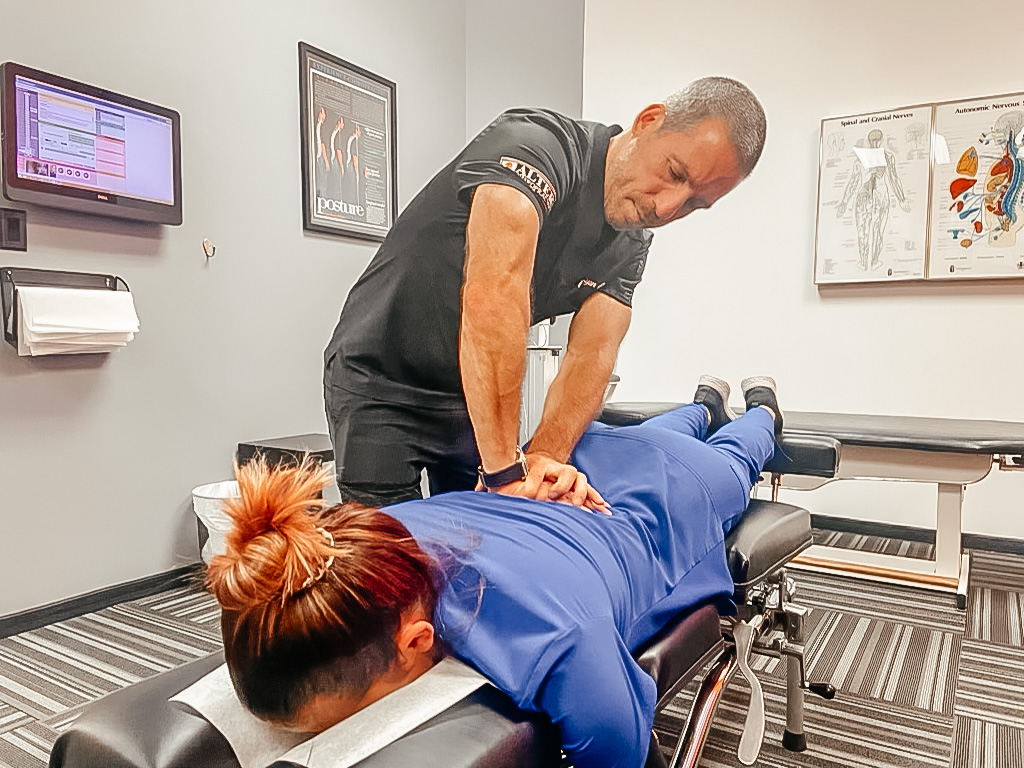
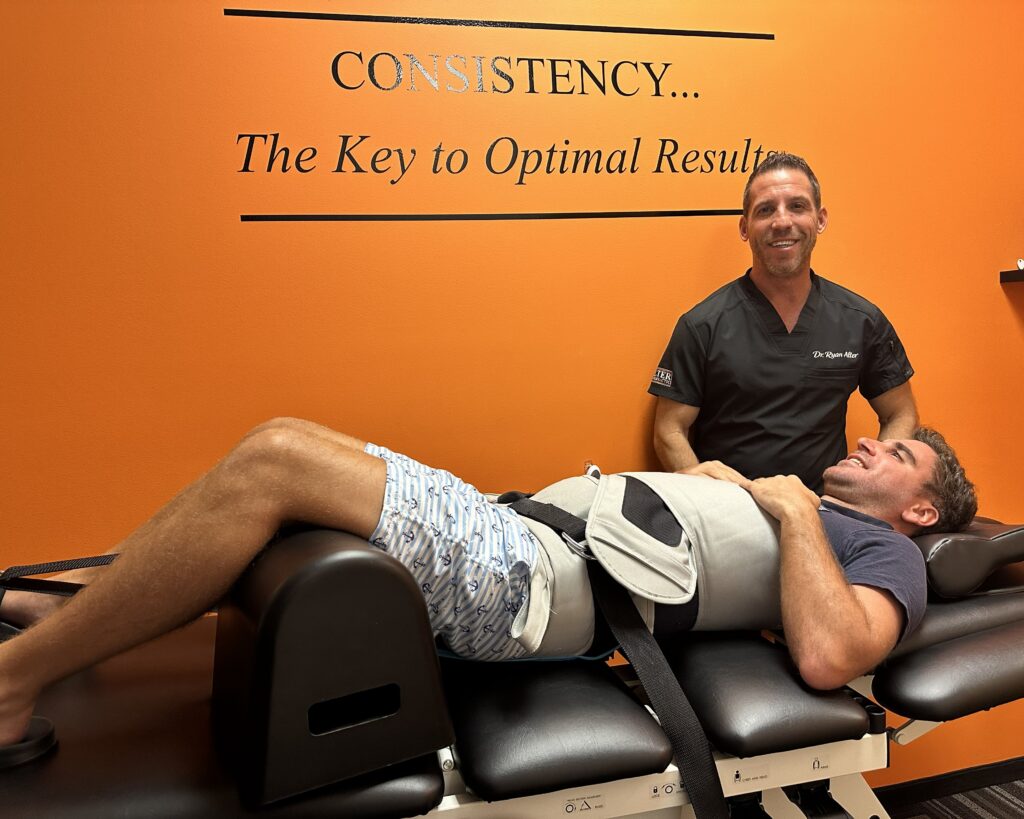
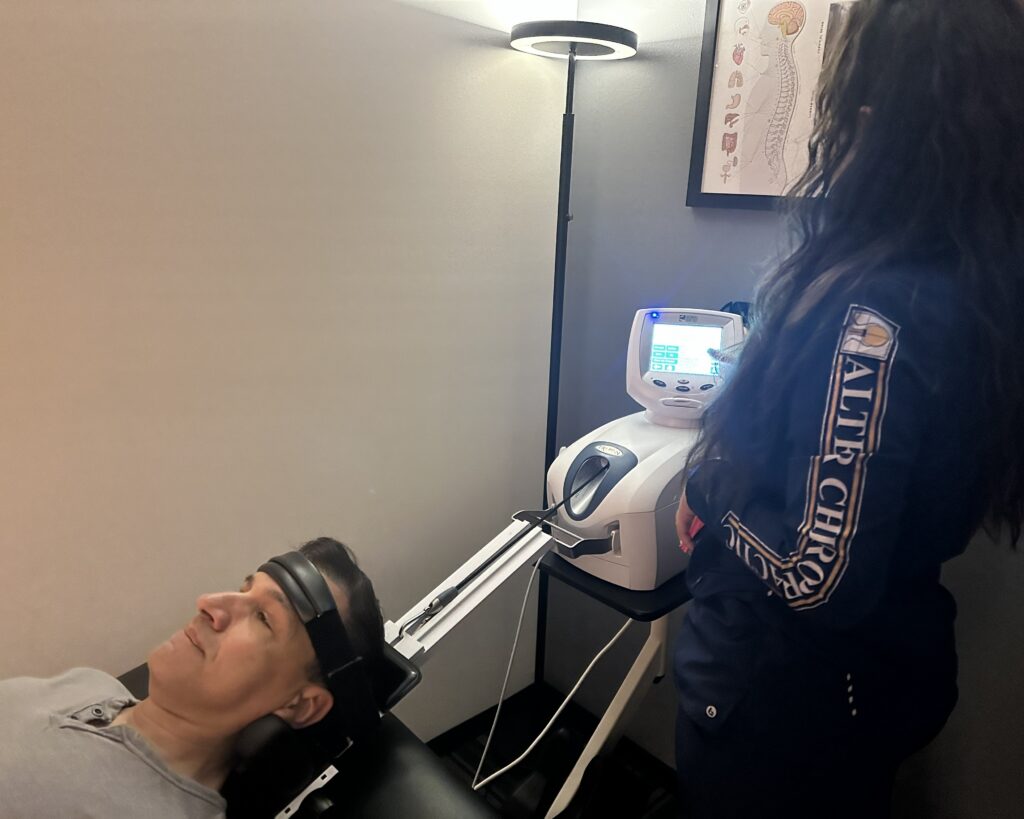
By understanding the factors that lead to upper back pain, you're better equipped to take proactive measures towards relief. Chiropractic care can play a pivotal role in addressing these issues holistically, helping you achieve a healthier, pain-free life.
If you're experiencing upper back discomfort, I invite you to explore natural healing options with me.
Common Causes and Triggers
As a local chiropractor, I want to help you understand the various factors that contribute to upper back pain, so you can manage your discomfort more effectively. One significant cause is poor posture. If you find yourself slouching at your desk or hunching over your phone, you may be straining your upper back muscles over time, which can lead to pain.
Muscle strain is another common trigger. This often happens when lifting heavy objects incorrectly or engaging in repetitive motions. If you've recently started new physical activities without proper conditioning, your back may be sending you signals that it needs attention.
It's also important to recognize the impact of stress on your body. When you're under stress, your muscles, particularly in your back and shoulders, tend to tense up. This tension can lead to discomfort and pain, which is something we can address through chiropractic adjustments and relaxation techniques.
Moreover, prolonged inactivity can weaken your back muscles, making you more vulnerable to pain. If you're sitting for long hours without moving, you're likely creating an environment for discomfort. Regular movement and stretching are essential in maintaining a healthy back.
Don't overlook any underlying conditions that might be contributing to your upper back pain, such as herniated discs or arthritis. If you have a history of these issues, I encourage you to discuss them with me so we can tailor a treatment plan that meets your specific needs.
Lastly, improper sleeping positions can also lead to upper back pain. If you're not using the right pillow or mattress, you could be placing unnecessary strain on your back while you sleep.
Effective Stretching Techniques
As a local chiropractor, I want to share some valuable insights on how to effectively alleviate upper back pain through targeted muscle release and a daily stretching routine. Many of you may not be familiar with the benefits of chiropractic care and natural healing, but these techniques are vital for improving flexibility and relieving tension in your muscles.
Incorporating consistent stretching into your daily routine can significantly enhance your comfort and mobility. By focusing on the specific muscles in your upper back, you can help restore balance and alleviate discomfort.
I encourage all my patients to embrace these simple yet powerful techniques, as they contribute to overall wellness and can make a significant difference in your daily life. Remember, taking care of your body through natural methods is an essential part of maintaining your health.
Targeted Muscle Release
As a local chiropractor, I'm here to help you understand how targeted muscle release techniques can significantly relieve upper back pain. Many people experience discomfort in this area due to tight muscles, but by focusing on specific muscle groups, we can effectively reduce tension and improve your overall mobility.
Here are three techniques you can try at home:
- Foam Rolling: A foam roller is a fantastic tool for easing tightness in your upper back. By gently rolling over the muscles, you can apply pressure that helps release built-up tension. Take your time and focus on any tight spots you find.
- Trigger Point Therapy: This involves finding tender points in your upper back and applying pressure to them. You can use your fingers or a massage ball for this technique. Hold the pressure for about 20-30 seconds before releasing, which can help alleviate muscle knots and discomfort.
- Stretching: Incorporating specific stretches into your routine can make a big difference. For example, the doorway stretch and the cat-cow pose are excellent for elongating tight muscles and enhancing flexibility. These stretches can help improve your posture and reduce pain over time.
By utilizing these techniques, you can take an active role in managing your upper back pain.
Daily Stretching Routine
As a local chiropractor, I want to emphasize the importance of incorporating a daily stretching routine into your wellness plan, especially if you're experiencing upper back pain. Stretching not only complements the targeted muscle release techniques we often discuss in our sessions, but it also plays a crucial role in enhancing flexibility, reducing muscle tension, and improving blood circulation to the affected areas, all of which are vital for your recovery.
To get started, I recommend beginning with gentle neck stretches. Slowly tilt your head from side to side, holding each position for about 15-20 seconds. This can help alleviate tension in your neck, which is often linked to upper back discomfort.
Following that, try shoulder rolls: lift your shoulders towards your ears and then roll them back and down. Aim to repeat this movement 10 times to really loosen up those tight muscles.
Next, let's incorporate the cat-cow stretch. Get on your hands and knees, and alternate between arching your back (like a cat) and rounding it (like a cow). This dynamic movement helps mobilize your spine and can significantly ease tightness in your upper back. Hold each position for a few seconds to maximize the benefits.
It's also essential to include a chest opener in your routine. Stand tall and clasp your hands behind your back, gently pulling your shoulders down and away from your ears. Hold this position for 20-30 seconds; it effectively stretches your pectoral muscles and counteracts the forward hunch that can contribute to back pain.
Finally, I encourage you to add the child's pose to your daily practice. Sit back on your heels with your arms extended in front of you, allowing your upper back to relax and stretch. This position not only helps relieve tension but also promotes a sense of calm.
For optimal results in alleviating upper back pain, aim to incorporate these stretches into your daily routine. Remember, consistency is key, and these simple practices can significantly enhance your overall well-being.
If you have any questions or would like personalized guidance, feel free to reach out during your next visit!
Strengthening Exercises for Relief
As a local chiropractor, I want to share some valuable insights on how to effectively alleviate upper back pain through natural healing methods. One of the most important aspects of recovery is incorporating strengthening exercises into your routine.
These exercises focus on enhancing core stability, which is crucial for supporting your spine and improving your overall posture.
In addition to strengthening, it's essential to include upper back stretches in your regimen. These stretches not only help improve flexibility but also relieve tension that can build up in your muscles.
By combining these strengthening exercises with stretching, you can create a balanced approach to managing and reducing your upper back pain.
Core Stability Workouts
As a local chiropractor, I want to emphasize the importance of a strong core in supporting your spine and alleviating upper back pain. Many people overlook the role of core stability in maintaining good posture and overall well-being.
A well-functioning core helps distribute weight more evenly, reducing unnecessary strain on your upper back. Here are three effective core stability exercises that I recommend incorporating into your routine to promote healing and support your spine naturally:
- Plank: Begin in a push-up position, ensuring your arms are straight and positioned directly under your shoulders. Your body should form a straight line from the top of your head to your heels. Aim to hold this position for 30 seconds to a minute, focusing on engaging your core muscles throughout the exercise.
- Dead Bug: Lie flat on your back with your arms extended toward the ceiling and your knees bent at a 90-degree angle. With control, slowly lower your right arm and left leg towards the ground while maintaining contact between your lower back and the mat. Return to the starting position and then alternate sides. This exercise helps with coordination and core engagement.
- Bird Dog: Position yourself on all fours, with your hands aligned under your shoulders and your knees under your hips. As you extend your right arm forward, simultaneously stretch your left leg back, ensuring your body remains stable and balanced. Hold this position for a few seconds before returning to the starting point and switching sides. This exercise promotes stability and strength in the core.
By integrating these exercises into your regular routine, you can effectively build core strength and contribute to alleviating upper back pain.
Upper Back Stretching
As a local chiropractor, I want to emphasize the importance of incorporating upper back stretching into your wellness routine. While strengthening your core is crucial for overall health, it's equally vital to stretch your upper back. This practice can help relieve tension, enhance flexibility, and promote better posture, which is essential for your spinal health.
Let's start with a fundamental stretch known as the cat-cow stretch. To perform this stretch, begin on all fours, with your hands directly under your shoulders and knees under your hips. First, arch your back upwards like a scared cat, allowing your head to drop between your arms. Then, smoothly transition into the cow position by lowering your belly, lifting your head, and tailbone towards the sky. Repeat this sequence for about 10 cycles; it's a fantastic way to loosen up your spine and alleviate stiffness.
Next, I recommend trying the child's pose. Kneel on the floor, gently sit back on your heels, and extend your arms forward on the ground. This position allows for a comforting stretch along your upper back. Hold this pose for about 30 seconds to fully enjoy the benefits.
Another excellent stretch is the eagle arms. Whether you're seated or standing, wrap your right arm beneath your left, bringing your palms together. Elevate your elbows to shoulder height and hold this position for 15 to 30 seconds before switching sides. This stretch can help open up the upper back and improve shoulder mobility.
Lastly, don't overlook the simple yet effective shoulder blade squeeze. While sitting or standing up straight, pinch your shoulder blades together and hold for five seconds. Repeat this several times throughout the day; it can be a great way to counteract the effects of prolonged sitting and enhance your posture.
Ergonomic Adjustments at Work
As a local chiropractor, I want to emphasize the importance of creating an ergonomic workspace to help prevent upper back pain, especially if you find yourself sitting at a desk for extended periods.
An improperly set up work environment can lead to undue discomfort and strain in your upper back, which is something we frequently address in our practice.
Here are three vital adjustments you can make to enhance your workspace ergonomically:
- Chair Height: It's essential to adjust your chair so that your feet are flat on the floor. Your knees should be at or slightly below hip level. This alignment supports your spine and helps reduce tension in your back, promoting overall spinal health.
- Monitor Position: Ensure your monitor is positioned at eye level and approximately an arm's length away. The top of the screen should be at or just below your eye level. This positioning allows you to maintain a neutral neck position, which can prevent you from leaning forward or hunching over—common culprits behind upper back pain.
- Keyboard and Mouse: Your keyboard and mouse should be close enough that your elbows can remain bent at about 90 degrees and relaxed by your sides.
This setup minimizes the need to reach, which can strain your shoulders and upper back. Also, keep your wrists straight while typing, avoiding resting them on the desk to prevent additional strain.
By making these simple adjustments, you can create a more supportive work environment that contributes to your overall well-being.
If you have any questions or need further guidance, don't hesitate to reach out to our office—your spine will thank you!
Relaxation and Mindfulness Practices
As a local chiropractor, I want to share with you some valuable techniques that can help alleviate upper back pain, especially in our fast-paced lives.
It's important to recognize that stress can significantly contribute to tension in your upper back, and incorporating relaxation and mindfulness practices into your daily routine can be a game-changer.
You don't need to dedicate hours to meditation; even a few minutes each day can have a profound impact.
Let's start with deep breathing exercises. Find a comfortable spot, close your eyes, and take slow, deep breaths. Inhale through your nose for a count of four, hold for four, and exhale through your mouth for a count of six.
Repeat this cycle several times. This simple practice not only calms your mind but also relaxes your muscles, helping to ease any tightness you may feel in your upper back.
Another effective technique is progressive muscle relaxation. Start by tensing the muscles in your feet for a few seconds, then release.
Gradually move up your body, focusing on each muscle group—especially around your shoulders and neck. This method can relieve tension and heighten your awareness of where you may be holding stress in your body.
Additionally, I encourage you to incorporate mindfulness into your daily activities. Whether you're eating, walking, or simply sitting, focus on the sensations and experiences of the moment.
Practicing mindfulness can help shift your thoughts away from daily stressors and reduce overall tension, contributing to better spinal health.
I believe that by integrating these relaxation and mindfulness practices, you can complement your chiropractic care and support your journey towards a pain-free life.
Conclusion
As your local chiropractor, I want to share some valuable insights that can significantly help in alleviating upper back pain. It's essential to first understand what might be causing your discomfort. Many people are unaware that poor posture, muscle imbalances, and stress can contribute to upper back issues.
Incorporating specific stretches and strengthening exercises into your daily routine can lead to remarkable improvements. These targeted movements not only relieve tension but also build resilience in your back muscles. Additionally, making ergonomic adjustments in your workspace or home can prevent further strain on your spine.
I also encourage you to explore relaxation and mindfulness techniques. These practices can play a crucial role in reducing muscle tension and enhancing your overall sense of well-being. Taking charge of your spine health through these natural methods can pave the way for a more comfortable, pain-free life.
If you're new to chiropractic care, I invite you to learn more about how we can work together to address your upper back pain and promote lasting relief. Let's embark on this journey to a healthier you!