
As a local chiropractor, I understand how frustrating it can be to deal with back pain after a game or workout. Many of my patients have shared their experiences of how this discomfort can significantly impact their performance and recovery. If you find yourself in this situation, you might be curious about the steps you can take to alleviate that pain and prevent it from returning.
Fortunately, there are several practical strategies rooted in chiropractic care and natural healing that can help you effectively manage this issue. By focusing on proper warm-up techniques, incorporating targeted exercises, and maintaining a healthy posture, you can make significant strides in relieving your back pain.
Here are seven reliable tips to consider:
- Warm Up Properly: Take the time to prepare your body before engaging in physical activity. Gentle stretching and mobility exercises can help increase blood flow and reduce the risk of injury.
- Strengthen Core Muscles: A strong core supports your spine and can alleviate pressure on your back. Incorporate exercises that target your abdominal and back muscles.
- Practice Good Posture: Whether you're playing sports or sitting at a desk, maintaining proper posture is crucial. It helps distribute your body weight evenly and reduces strain on your back.
- Stay Hydrated: Proper hydration is essential for muscle function and spinal health. Drinking enough water can help prevent cramps and discomfort.
- Use Ice and Heat Therapy: Applying ice can reduce inflammation, while heat can help relax tense muscles. Knowing when to use either can be a game-changer in managing pain.
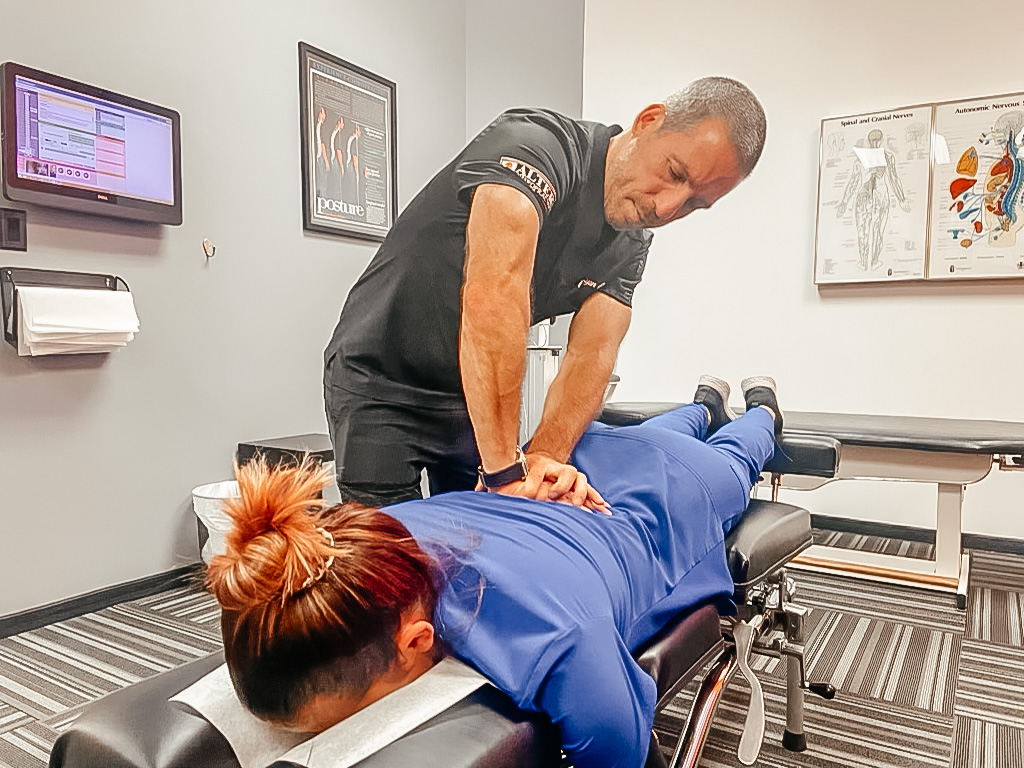
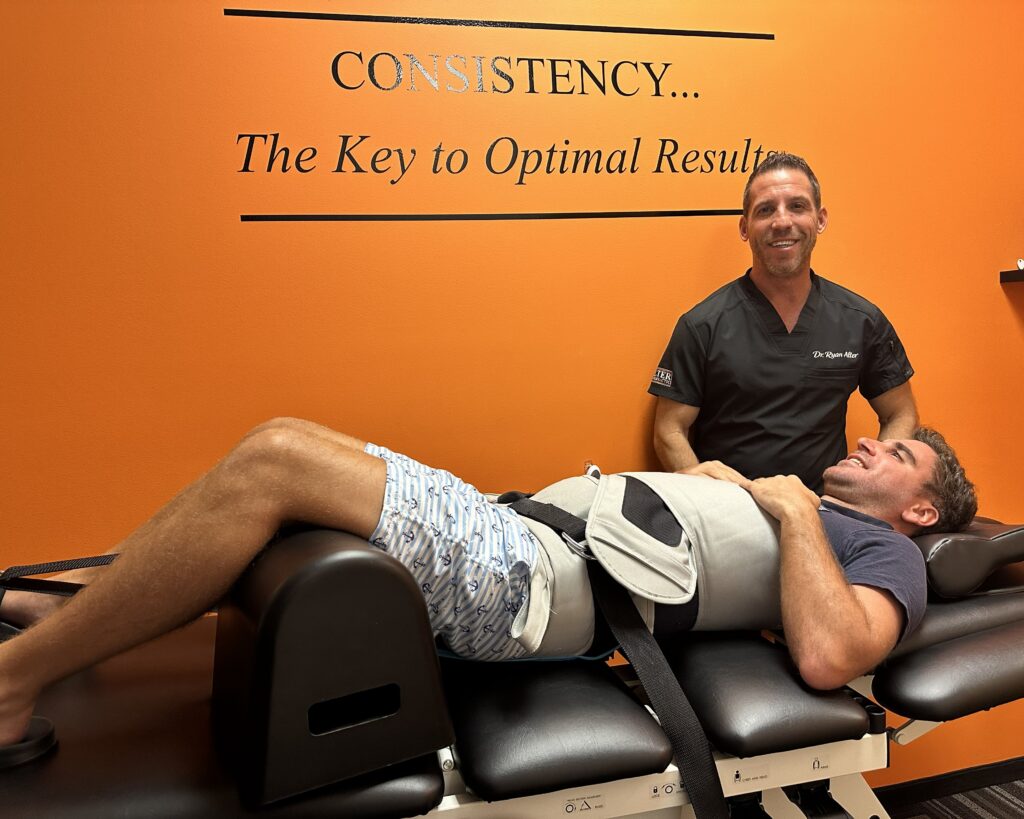
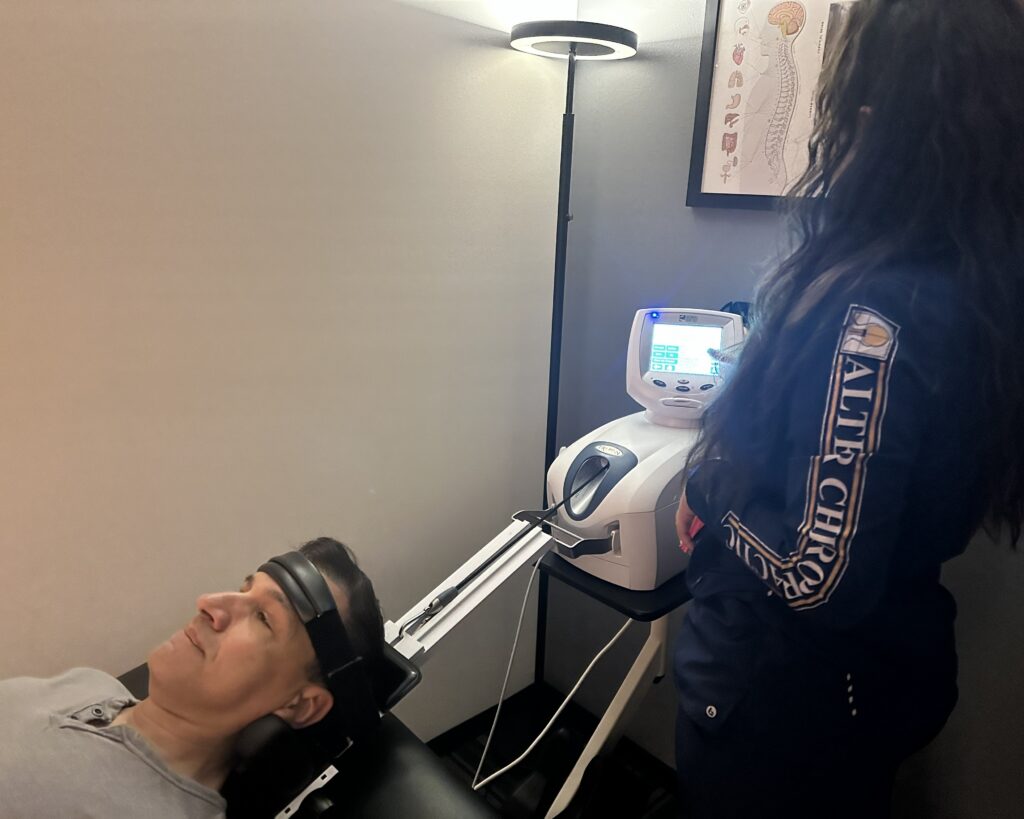
- Consider Chiropractic Adjustments: Regular visits to a chiropractor can help align your spine and improve your overall mobility, reducing pain and promoting healing.
- Listen to Your Body: Pay attention to the warning signs your body gives you. If you're experiencing pain, it's essential to rest and consult with a healthcare professional before pushing yourself too hard.
By integrating these tips into your routine, you can take proactive steps toward managing and alleviating your back pain. Understanding these methods is vital to getting back in the game without the nagging discomfort holding you back. Remember, natural healing and chiropractic care can play a significant role in your recovery journey.
Understand Your Pain
Understanding Your Back Pain: Insights from Your Local Chiropractor
As your local chiropractor, I want to help you understand the back pain you may experience from sports activities. Recognizing the root cause of your discomfort is essential for effective treatment and prevention of future injuries. Back pain can arise from various issues, such as muscle strains, ligament sprains, or improper posture during physical activities.
It's crucial to pinpoint where you're feeling the pain—ask yourself if it's localized to one area or more generalized across your back.
Take note of when the pain occurs. Does it strike immediately during a specific movement, or does it gradually develop over time? For example, if you experience a sharp pain while twisting or lifting, this could indicate a muscle strain. On the other hand, if you're dealing with a dull, persistent ache, it might suggest overuse or repetitive strain injuries.
Consider your training routine as well. Are you pushing your limits without giving your body enough time to recover? Overtraining can lead to muscle fatigue and heighten your risk of injury.
Furthermore, think about your body mechanics during sports. Are you using proper techniques? Incorrect movements can put excessive stress on your back, contributing to pain. Identifying any patterns in your discomfort will help us modify your training approach and improve your performance.
Lastly, pay attention to any radiating pain, numbness, or tingling sensations. These symptoms could indicate nerve involvement, and it's important to consult with a healthcare professional if you experience them.
Understanding your pain is the foundation for effective chiropractic care, enabling us to create a personalized treatment plan that will help you recover and return to your sport stronger and more resilient. Remember, your journey to healing starts with awareness and education!
Proper Warm-Up Techniques
As a local chiropractor, I want to emphasize the importance of warming up before engaging in any sports activity. A proper warm-up can significantly reduce the risk of back pain and other injuries.
Dynamic stretching is particularly beneficial, as it enhances your flexibility and primes your muscles for the specific movements you'll be making in your sport.
It's essential to customize your warm-up routine to fit the demands of your chosen activity. This tailored approach not only improves your performance but also helps keep you injury-free, allowing you to enjoy your favorite sports while taking care of your body.
Dynamic Stretching Benefits
As a local chiropractor, I want to take a moment to discuss the benefits of dynamic stretching, especially for those who may not be familiar with chiropractic care or natural healing practices.
Dynamic stretching is a fantastic way to prepare your body for physical activity, and it offers several advantages that can enhance your overall health and performance.
When you incorporate dynamic stretches into your warm-up routine, you're not just getting your muscles ready for action; you're also promoting better blood circulation, increasing your heart rate, and improving your range of motion. All of these factors are crucial for achieving peak performance while minimizing the risk of injury.
Here are some key benefits of dynamic stretching that I encourage my patients to consider:
- Increased Flexibility: Dynamic stretching enhances muscle elasticity, allowing for a greater range of motion, which is vital for all physical activities.
- Enhanced Performance: By engaging in dynamic stretches, you can improve your strength and speed, giving you a competitive edge whether you're an athlete or just staying active.
- Injury Prevention: Warming up your muscles through dynamic movements significantly reduces the likelihood of strains and sprains during vigorous activities.
- Improved Coordination: These stretches can enhance your balance and body control, which are essential for many sports and daily activities.
- Mental Preparation: Dynamic stretching also helps to sharpen your focus and mental readiness for whatever activity lies ahead, creating a positive mindset for performance.
Incorporating dynamic stretching into your warm-up routine is a simple yet effective strategy to elevate your physical experience and support your body's natural healing processes.
As you consider your health and fitness journey, remember that taking care of your body through practices like dynamic stretching can lead to lasting benefits.
Sport-Specific Warm-Up Routines
As a local chiropractor, I want to emphasize the importance of a well-structured warm-up routine tailored to your specific sport. This practice is essential for enhancing your performance and preventing injuries, which is something we often address in chiropractic care.
By incorporating movements that are specific to your sport, you can effectively prepare your muscles and joints for the demands of your activities, significantly reducing the risk of strains and sprains.
Begin your warm-up with light aerobic activity to elevate your heart rate and increase blood flow. Engaging in activities like jogging or cycling can get your body moving and ready for action.
Following this, it's beneficial to integrate dynamic stretches that mimic the motions of your sport. For instance, basketball players can benefit from high knees and lateral shuffles to activate their legs and core.
Additionally, incorporating sport-specific drills is crucial. If you're a swimmer, performing arm circles and torso twists can help loosen your upper body. Runners will find leg swings and walking lunges effective for preparing their lower body.
Remember, it's equally important not to skip the cooldown after your session. This phase allows your body to transition back to a resting state and can aid in recovery, something we often support through natural healing methods in chiropractic care.
Strengthening Exercises
As a local chiropractor, I want to emphasize the importance of strengthening your back muscles, particularly for those of you who may be experiencing sports-related back pain or want to prevent future issues.
A strong back is crucial for supporting your spine, improving your posture, and enhancing your overall athletic performance. By incorporating specific strengthening exercises into your routine, you can significantly improve how you feel during and after engaging in physical activities.
Here are some effective exercises that you can easily integrate into your weekly regimen:
- Deadlifts: This compound movement is excellent for targeting your lower back, glutes, and hamstrings. I recommend starting with lighter weights to ensure you master your form before progressing to heavier loads.
- Planks: These are fantastic for engaging your core and stabilizing your spine. Aim to hold the plank position for as long as you can while maintaining a straight line from your head to your heels.
- Bird-dogs: This exercise involves balancing on all fours while extending one arm and the opposite leg. It's particularly beneficial for strengthening your lower back while also improving coordination.
- Bridges: To perform this exercise, lie on your back with your knees bent and lift your hips towards the ceiling. This movement effectively targets your lower back, glutes, and hamstrings.
- Lat Pulldowns: By using a resistance machine, this exercise helps strengthen your upper back, which can promote better posture and reduce strain on your spine.
Incorporating these exercises into your routine can lead to significant improvements in your back strength and overall well-being.
However, it's essential to listen to your body—if you experience any pain or discomfort while performing these exercises, please consult with a healthcare professional.
Strengthening your back muscles not only provides lasting relief from pain but also enhances your athletic performance. Let's work together toward a healthier, stronger back!
Stretching and Flexibility
As a local chiropractor, I want to emphasize the importance of stretching and flexibility in your overall health, particularly for those experiencing back pain. Incorporating regular stretching into your daily routine can significantly enhance your range of motion and alleviate muscle tension, both of which are vital for reducing discomfort in your back.
Begin with gentle stretches that focus on the muscles surrounding your spine. Pay special attention to areas such as your hamstrings, hip flexors, and lower back. A great starting point is a seated forward bend: sit with your legs extended in front of you and gently reach for your toes. This stretch not only helps lengthen your spine but also relieves tightness in the lower back.
When stretching, aim to hold each position for about 20-30 seconds while practicing deep, controlled breathing. This technique encourages relaxation and increases blood flow to the muscles, which can promote healing and recovery.
Additionally, consider incorporating dynamic stretches into your warm-up routine. Movements like torso twists or arm circles can effectively prepare your body for physical activity and help prevent injuries.
It's essential to listen to your body during these exercises; if you feel discomfort, don't push through it. Remember that improving flexibility is a gradual process, so consistency is key. I recommend aiming for at least three to four stretching sessions each week.
By prioritizing these practices, you aren't only investing in your athletic performance but also taking proactive steps to manage and prevent back pain.
Stay dedicated to your stretching routine, and you may find that a more flexible body is better equipped to support a healthier back. If you have any questions or need guidance on specific stretches, feel free to reach out. Your well-being is my priority!
Use of Ice and Heat
As a local chiropractor, I want to help you understand how ice and heat can play a crucial role in managing sports-related back pain.
When you experience discomfort, applying ice can significantly reduce inflammation and numb any sharp pain you might be feeling. On the other hand, heat therapy is beneficial for promoting blood flow and easing tight muscles, allowing for greater flexibility and comfort.
It's important to know when and how to use these methods effectively. Generally, ice is best used shortly after an injury or during flare-ups to minimize swelling, while heat can be applied afterward to soothe stiffness and promote healing.
By incorporating these techniques into your recovery routine, you can enhance your healing process and get back to your favorite activities more comfortably.
If you have any questions about how to use ice and heat for your specific situation, feel free to reach out to me for guidance. Your path to recovery is our priority!
Ice Application Techniques
As a local chiropractor, I want to share some valuable information on how to effectively apply ice to relieve sports-related back pain. Understanding the proper technique can significantly enhance your recovery and comfort. Here's how to do it right:
First and foremost, it's crucial to protect your skin to avoid frostbite. Always wrap your ice or cold pack in a thin cloth before application. Place it gently on the affected area for about 15-20 minutes. After this time, allow your skin to warm up again before reapplying. This method can be repeated every 1-2 hours as needed, particularly within the first 48 hours following an injury.
To make the most of your ice application, consider these additional tips:
- Select the appropriate ice pack: Gel packs or crushed ice wrapped in a towel are excellent options.
- Find a comfortable position: Whether lying down or sitting, ensure your back is well-supported while you ice.
- Encourage circulation: If feasible, gently move the affected area after icing to help promote blood flow.
- Keep an eye on your skin: Regularly check for any signs of ice burn or unusual redness.
- Be consistent: Making icing a regular part of your recovery routine can significantly expedite healing.
Heat Therapy Benefits
As your local chiropractor, I want to share how heat therapy can be a powerful tool in managing sports-related back pain. When you apply heat to your back, it stimulates blood circulation, which helps to relax tight muscles and alleviate stiffness. This approach can be particularly beneficial after a workout or on days when your back feels sore.
There are several effective options for heat therapy that you can consider. A heating pad or hot water bottle can provide targeted relief for specific areas. Alternatively, enjoying a warm shower or bath can help soothe your entire back. However, it's important to be cautious—heat should never be applied to swollen areas, as it can worsen inflammation.
Using heat therapy before engaging in physical activity can also be advantageous, as it prepares your muscles, enhances flexibility, and decreases the risk of injury. Just remember not to overdo it—typically, 15 to 20 minutes of heat application is enough to enjoy the benefits without the risk of burns.
For even greater relief, consider combining heat therapy with ice therapy. Ice is effective for reducing inflammation immediately after an injury, while heat can be used later to promote muscle relaxation.
Always listen to your body and adjust your approach to find what works best for you. I'm here to help you navigate these methods and support your journey towards optimal health and wellness.
Ergonomic Equipment
As a local chiropractor, I want to emphasize the importance of using the right ergonomic equipment to help alleviate sports-related back pain and improve your overall athletic performance.
Whether you're an avid sports enthusiast or simply engage in physical activities, it's crucial that your gear supports your body, particularly your back. Proper alignment and support can significantly reduce strain, allowing you to concentrate on your performance without the distraction of discomfort.
Here are some key ergonomic items I recommend incorporating into your routine for optimal back health:
- Ergonomic Sports Shoes: It's vital to choose shoes that offer adequate arch support and cushioning. This will help absorb impact and lessen strain on your back while you engage in physical activities.
- Lumbar Support Cushions: If you find yourself sitting for long periods, particularly during recovery, a lumbar cushion can be incredibly beneficial. It assists in maintaining the natural curve of your spine, enhancing comfort and support.
- Adjustable Weightlifting Belts: For those of you who include weightlifting in your training regimen, using a weightlifting belt can provide crucial support to your lower back and help stabilize your core during lifts.
- Foam Rollers: I encourage you to incorporate foam rolling into your routine. This practice can effectively release muscle tension and improve flexibility, which may alleviate some of the back pain you experience.
- Standing Desks: If your day involves a lot of desk work, consider a standing desk. This can help promote better posture and keep your spine aligned, reducing the risk of discomfort associated with prolonged sitting.
By integrating these ergonomic items into your daily routine, you're taking proactive steps towards maintaining a healthy spine and enhancing your athletic performance.
Don't hesitate to reach out if you have any questions about how chiropractic care can further support your journey to better health!
Seek Professional Help
When it comes to managing sports-related back pain, I want to emphasize the importance of seeking professional help—specifically, chiropractic care. Many individuals think they can push through the pain or just rely on over-the-counter medications, but as a chiropractor, I can assure you that the targeted care we provide can make a significant difference in your recovery.
As a chiropractor, my approach begins with a thorough evaluation to determine the root cause of your pain. This is a crucial step, as it allows me to identify any underlying issues that may not be immediately obvious.
Once I've a clear understanding of your unique situation, I can create a personalized treatment plan tailored to your needs. This may include spinal adjustments, specific exercises, manual therapy, and suggestions for lifestyle changes.
One of the key benefits of chiropractic care is the specialized guidance I offer. I can teach you proper techniques to help prevent future injuries, ensuring you can continue enjoying your favorite sports for years to come.
Additionally, I'll help you understand your body mechanics and how your movements during athletic activities may be affecting your back.
If your pain continues despite initial treatments, I can also assist in recommending advanced options, such as imaging tests, to rule out more serious conditions. My goal is to find the most effective solutions for you, which may include natural therapies or alternative treatments that can yield better results than what you've previously tried.
In summary, I urge you not to overlook the benefits of reaching out for professional chiropractic care. It's a proactive step toward a healthier, pain-free life, allowing you to fully enjoy the sports you love without the burden of chronic back pain.
Your back deserves the best care possible, and I'm here to provide that support.
Conclusion
As a local chiropractor dedicated to helping you understand the importance of natural healing, I want to share some reliable tips that can significantly alleviate sports-related back pain. First and foremost, it's essential to understand the nature of your pain. By properly warming up before engaging in any physical activity, you set the foundation for a successful and pain-free experience.
Strengthening your core is another critical aspect of maintaining a healthy back. A strong core supports your spine and can help prevent injuries. Additionally, staying flexible through regular stretching can enhance your performance and reduce the risk of pain.
Don't overlook the therapeutic benefits of using ice and heat to manage inflammation and soothe sore muscles. Also, consider the importance of ergonomic equipment—investing in the right gear can provide the support your body needs during sports activities.
If you find that your pain persists despite these efforts, seeking professional help is always a wise decision. As a chiropractor, I can work with you to develop a personalized plan that addresses your specific needs and promotes healing.
Remember, taking these proactive steps now can pave the way for a healthier, pain-free sports experience in the future! Your body deserves the best care, and I'm here to guide you on that journey.