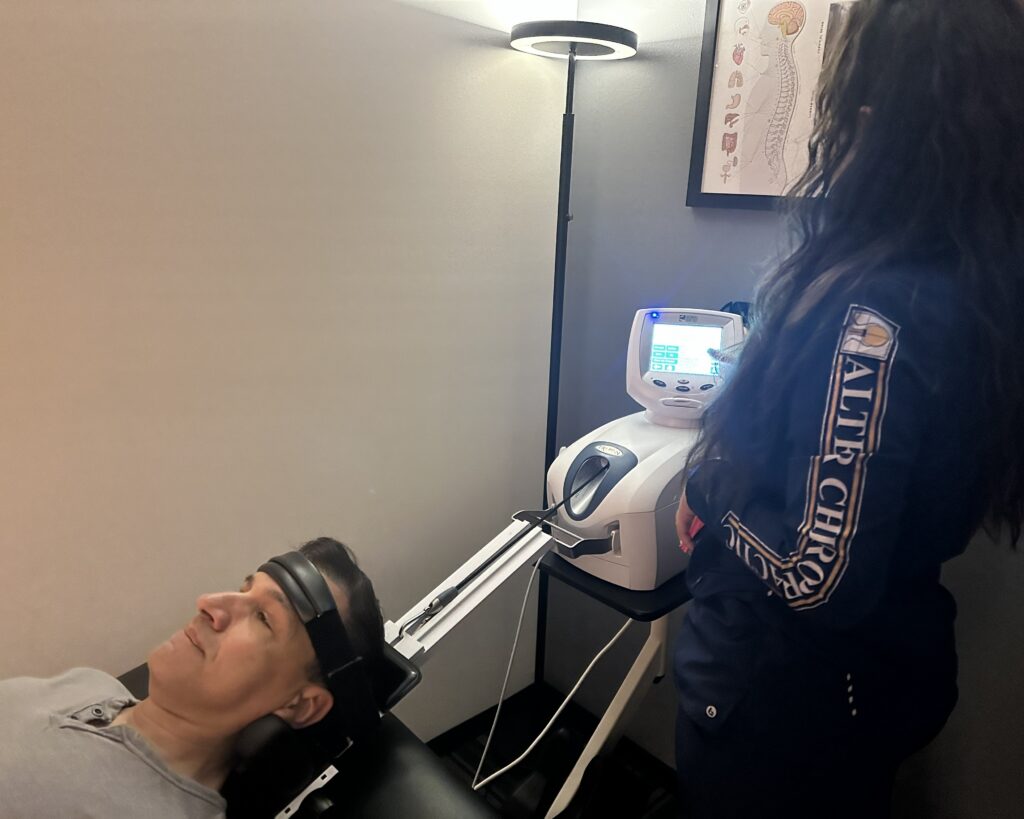

As a local chiropractor, I want to share some insights on managing pain through natural techniques that you may not be familiar with. Many of my patients are surprised by how effective methods like mindfulness, gentle movement, and specific herbal remedies can be in providing relief without the need for medication. By adopting a holistic approach, you can empower your body to heal in ways you might not expect.
If you’re curious about how these techniques can seamlessly fit into your daily routine, let’s dive into some effective strategies that you can start incorporating today. Understanding these natural methods not only enhances your well-being but also complements the chiropractic care we provide, helping to create a more balanced and pain-free life.
Mindfulness and Meditation Techniques
As your chiropractor, I understand that dealing with pain can sometimes feel overwhelming. However, I want to introduce you to some mindfulness and meditation techniques that can complement your chiropractic care and help you regain a sense of control over your discomfort.
Mindfulness encourages you to stay present, which can significantly reduce anxiety related to your pain. I recommend finding a quiet space where you can take some deep, calming breaths. As you inhale, visualize a sense of calmness entering your body; and as you exhale, imagine letting go of any tension you may be holding onto.
Another helpful practice is the body scan technique. This involves focusing your attention on different areas of your body one at a time. Acknowledge any pain you feel in those areas without judgment; simply recognize it. This practice can help you detach from the sensation of pain, making it feel less intense and overwhelming.
Additionally, incorporating meditation into your daily routine can be incredibly beneficial. Setting aside just a few minutes each day to sit in silence or use guided meditations specifically designed for pain management can shift how you respond to discomfort. Regular meditation practice helps build resilience and can enhance your overall well-being.
By integrating these mindfulness and meditation techniques alongside your chiropractic treatment, you’ll develop a stronger mental framework to cope with pain. This approach empowers you on your journey towards relief and a more fulfilling life.
Herbal Remedies for Pain Relief
As a chiropractor, I believe in a holistic approach to health and wellness, which includes not just spinal adjustments but also natural remedies for pain management.
Many individuals seeking relief from discomfort may not be aware of the benefits that herbal remedies can offer. For centuries, certain natural ingredients have been recognized for their pain-relieving properties.
Here are a few herbs I recommend considering in conjunction with your chiropractic care:
- Turmeric: This vibrant yellow spice is well-known for its powerful anti-inflammatory properties. It’s particularly beneficial for those suffering from arthritis or muscle strains, as it can help reduce pain and swelling.
- Ginger: While ginger is often associated with easing nausea, it also possesses anti-inflammatory qualities that can help alleviate muscle soreness and discomfort. Incorporating ginger into your diet may provide additional relief from pain.
- Willow Bark: This natural remedy contains salicin, a compound that’s similar to aspirin. Willow bark has been used for centuries to relieve headaches and lower back pain, making it a great option for those looking for a more natural approach.
Before trying any herbal remedies, I strongly encourage you to consult with a healthcare professional.
Together, we can ensure that these options are safe and appropriate for your specific health needs. By combining chiropractic care with natural healing methods, you can achieve more effective and sustainable pain management.
Gentle Movement Practices: Yoga and Tai Chi
As a local chiropractor, I want to share with you the incredible benefits of gentle movement practices like yoga and tai chi for pain management and overall well-being.
These methods focus on slow, controlled movements that not only help you reconnect with your body but also significantly reduce tension and stress.
Engaging in yoga can greatly improve your flexibility, strengthen your muscles, and enhance your posture, all of which play a crucial role in alleviating pain.
Tai chi, often referred to as “meditation in motion,” is excellent for promoting balance and coordination, allowing you to move gracefully while simultaneously calming your mind.
Incorporating these practices into your daily routine can lead to better pain management and a deeper sense of peace.
You don’t need to be an expert; I recommend starting with beginner classes or online tutorials that suit your level.
Consistency is vital, so aim for short sessions several times a week.
Always listen to your body and modify movements as necessary.
With time, you’ll likely experience improvements in both your physical health and emotional well-being.
Acupuncture and Acupressure Benefits
As a local chiropractor, I want to introduce you to some valuable natural techniques for pain management that can complement your chiropractic care: acupuncture and acupressure.
These ancient practices are designed to help you tap into your body’s innate healing abilities.
- Pain Relief: Both acupuncture and acupressure focus on specific pressure points to alleviate pain and reduce discomfort, making them effective tools for managing various types of pain.
- Stress Reduction: These methods promote relaxation, which can significantly help in easing tension and anxiety. This is especially important as stress can exacerbate physical symptoms.
- Improved Circulation: By stimulating blood flow, acupuncture and acupressure can enhance your overall health and support your recovery process.
Whether you’re dealing with chronic pain or occasional discomfort, incorporating these techniques into your wellness routine can provide substantial benefits.
You don’t have to rely solely on medications; these natural approaches can work in harmony with your existing pain management strategies.
By exploring acupuncture and acupressure, you may find a more balanced and effective path toward relief and well-being.
If you’re curious about how these practices can fit into your chiropractic care, feel free to ask during your next visit!
Nutrition and Diet for Pain Management
As a local chiropractor, I want to share with you how your diet can play a crucial role in managing pain, alongside the chiropractic care you receive. Many people tend to rely solely on medications for relief, but incorporating specific foods into your diet can significantly enhance your overall well-being and help alleviate discomfort.
Consider adding anti-inflammatory foods to your meals, such as fatty fish like salmon, nuts, and a variety of leafy greens. These foods are rich in omega-3 fatty acids, which are known to lower inflammation in the body. Additionally, the antioxidants found in fruits and vegetables combat oxidative stress, contributing to pain management.
Staying properly hydrated is also essential. Drinking sufficient water can prevent dehydration-related aches, which many may overlook. It’s important to be mindful of what you consume; processed foods, refined sugars, and excess alcohol can exacerbate inflammation and discomfort.
I also recommend incorporating natural pain relievers like turmeric and ginger into your cooking.
Creating balanced meals that include a variety of nutrients won’t only support your overall health but also empower you in your journey toward effective pain management. Remember, even small dietary changes can lead to significant improvements in how you feel.
Conclusion
As a local chiropractor, I want to share how incorporating natural techniques for pain management can significantly enhance your overall well-being. Many people are unaware of the powerful methods available to help manage discomfort without relying solely on medication.
Practicing mindfulness can help you develop a better connection with your body and recognize pain triggers. Exploring herbal remedies can offer natural relief, while gentle movements like yoga can improve flexibility and reduce tension.
Additionally, don’t underestimate the benefits of acupuncture, which can promote healing and alleviate pain by stimulating specific points in the body. A balanced diet rich in anti-inflammatory foods is also crucial, as the right nutrition can play a significant role in how your body responds to pain.
These holistic approaches not only help relieve discomfort but also support your overall health and well-being. By embracing these natural techniques, you can take charge of your journey towards a more comfortable, pain-free life. As your chiropractor, I’m here to guide you through these options and support you every step of the way.