As a local chiropractor, I often see patients struggling with persistent back pain, which can significantly disrupt daily life. One of the primary culprits behind this discomfort is poor posture. It’s important to recognize how your workspace setup, daily habits, and even your sleeping position can contribute to misalignment and discomfort.
If you’re curious about how to improve your posture and find relief from pain, I’d love to share some effective strategies with you. By making simple adjustments and incorporating positive habits into your routine, we can work together to enhance your alignment and overall comfort. Let’s delve into these steps that can truly make a difference in your well-being.
Understand the Importance of Good Posture
As a local chiropractor, I want to emphasize the importance of good posture for your overall health and well-being. It’s not just about looking confident; it significantly impacts how you feel every day.
When you practice good posture, you’re actively supporting your spine, which helps to alleviate unnecessary strain on your muscles and ligaments. This proper alignment is crucial in preventing pain and discomfort, particularly in your back and neck.
Many people don’t realize that poor posture, like slouching, can lead to a variety of issues, including tension headaches and fatigue. These problems can make it challenging to concentrate on daily tasks.
Set Up an Ergonomic Workspace
As a local chiropractor dedicated to promoting natural healing and overall well-being, I want to emphasize the importance of setting up an ergonomic workspace. One of the first steps you can take is to adjust your chair height so that your feet rest flat on the floor. This not only provides stability but also supports proper posture.
Additionally, it’s crucial to position your monitor at eye level. This simple adjustment can significantly reduce strain on your neck and back, which are common areas of discomfort for many individuals.
By implementing these changes, you can greatly improve your posture throughout the day, ultimately contributing to your spinal health and overall comfort.
Chair Height Adjustment
As a local chiropractor, I want to emphasize the importance of adjusting your chair height to promote a healthier workspace. This simple adjustment can significantly enhance your posture and overall well-being.
Start by sitting comfortably in your chair, ensuring your feet are flat on the floor and your knees form a 90-degree angle. Your thighs should be parallel to the ground, which helps maintain proper alignment of your spine.
It’s crucial to provide adequate support for your lower back as well. If you find that your chair sits too high, consider using a footrest to keep your feet supported and comfortable. Conversely, if your chair is too low, raise it to ensure that your elbows are also at a 90-degree angle while typing.
This ergonomic setup can help alleviate strain on your back and neck, allowing you to focus on your work without discomfort.
By taking the time to adjust your chair correctly, you’re not just enhancing your comfort; you’re also preventing potential musculoskeletal issues that can arise from poor posture.
Investing in your workspace setup is a step towards better health, especially for those of you spending long hours at a desk. Remember, your body deserves the care and attention to thrive.
Monitor Positioning Tips
As a chiropractor dedicated to promoting natural healing and overall wellness, I want to share some essential tips on how to optimize your monitor positioning. Proper placement of your monitor can significantly reduce strain on your neck and back, which is vital for maintaining good spinal health.
Here are some ergonomic guidelines to help you create a healthier workspace:
- Eye Level: It’s crucial to position the top of your monitor screen at or just below eye level. This keeps your neck in a neutral position, reducing the risk of discomfort and tension.
- Distance: Aim to keep your monitor about an arm’s length away. This distance helps minimize eye strain and allows for a more comfortable viewing experience.
- Tilt: Consider angling the monitor slightly backward, between 10 to 20 degrees. This simple adjustment can help reduce glare and improve visibility, making it easier for your eyes to focus.
- Centering: Make sure to place the monitor directly in front of you. This alignment prevents you from twisting your neck, which can lead to muscle strain over time.
By following these ergonomic guidelines, you can enhance your comfort and productivity while working, ultimately supporting your body’s health and well-being.
Practice Standing Tall
As a local chiropractor, I want to emphasize the importance of standing tall for your overall health. It begins with proper spinal alignment, which is crucial for a strong and confident posture. When your spine is aligned, it not only supports your body but also promotes better function and vitality.
One of the keys to achieving this alignment is strengthening your core muscles. These muscles play a vital role in maintaining stability and balance, allowing you to stand tall with ease. Incorporating exercises that target your core can significantly enhance your posture and reduce the risk of discomfort.
By practicing these techniques and being mindful of your posture throughout the day, you’ll likely notice a boost in your energy levels and an increase in self-confidence.
Align Your Spine
As a local chiropractor, I want to emphasize the importance of proper spinal alignment for your posture and overall well-being. You may not realize it, but a well-aligned spine plays a crucial role in your daily life. It ensures that your weight is distributed evenly, which helps reduce unnecessary strain on your muscles and joints.
Here are some tips to help you achieve effective spinal alignment:
- Feet Position: Stand with your feet shoulder-width apart. This stance helps distribute your weight evenly across your lower body, providing a solid foundation.
- Knees Soft: It’s important to keep your knees slightly bent. This prevents them from locking and allows for better mobility and flexibility, which is essential for avoiding injuries.
- Hips Level: Pay attention to your hip alignment. Your hips should be level with your shoulders; this means avoiding any tilting forward or backward, which can lead to discomfort and misalignment.
- Head Neutral: Your head should be positioned directly over your spine. Make sure your ears align with your shoulders, as this will help you maintain a neutral posture and prevent leaning forward or backward, which can strain your neck and spine.
By practicing these alignment techniques, you can help promote better posture and enhance your overall health.
If you have any questions or would like to learn more about how chiropractic care can support your journey to wellness, feel free to reach out!
Strengthen Core Muscles
Once you’ve learned about proper spinal alignment, the next crucial step in enhancing your posture is to strengthen your core muscles. A robust core serves as a supportive framework for your spine, helping you maintain that alignment effortlessly throughout your day.
I recommend incorporating exercises like planks, bridges, and abdominal crunches into your routine. These exercises not only help build strength but also improve stability, making it easier for you to stand tall and move with confidence.
It’s important to remember that engaging your core while sitting, standing, or walking reinforces good posture habits. As you work on strengthening your core, you may find that back pain decreases and your overall body mechanics improve.
Consistency is essential, so try to aim for at least three sessions a week. With dedication to these exercises, you’ll likely feel more confident and comfortable in your body, which will empower you to tackle daily activities with greater ease.
If you have any questions or need guidance on how to get started, feel free to reach out—I’m here to support you on your journey to better health!
Strengthen Your Core Muscles
As a chiropractor, I often emphasize the importance of a strong core for maintaining good posture and overall spinal stability.
When your core muscles are well-developed, they play a crucial role in supporting your spine, which can significantly reduce the risk of back pain and discomfort.
Here are four effective exercises that I recommend to help strengthen your core:
- Planks: Begin by holding a plank position for 30 seconds. As you build strength, gradually increase the duration. This exercise engages multiple muscle groups and enhances stability.
- Bridges: Lie on your back with your knees bent and feet flat on the floor. Lift your hips towards the ceiling, engaging your glutes and core. This movement not only strengthens your core but also helps to alleviate tension in your lower back.
- Russian Twists: Sit on the floor with your knees bent. Lean back slightly and twist your torso from side to side. This exercise targets your oblique muscles and promotes rotational strength, which is beneficial for daily activities.
- Bicycle Crunches: Lie on your back and alternate bringing your elbow to the opposite knee, mimicking a pedaling motion. This engaging exercise works both your upper and lower abdominal muscles.
Incorporating these exercises into your daily routine can lead to improved posture and a significant reduction in back discomfort.
Strengthening your core is a proactive approach to achieving a healthier back and enhancing your overall well-being.
If you have any questions or need personalized guidance, don’t hesitate to reach out during your next visit!
Stretch Regularly
As a local chiropractor, I want to emphasize the importance of stretching regularly for your overall health. Not only does it help maintain good posture, but it also plays a crucial role in preventing stiffness in your muscles and joints.
By incorporating effective stretching techniques that target key muscle groups, you can greatly improve your flexibility and support your body’s natural alignment.
Many of my patients are surprised to learn just how often they should be stretching to see the best results. It can significantly impact your posture and overall wellness.
Remember, taking the time to stretch is an investment in your health, and I’m here to guide you on the best practices to ensure you’re doing it safely and effectively.
Let’s work together to enhance your posture health through natural methods!
Importance of Stretching
As a local chiropractor, I often see patients who underestimate the importance of stretching in their daily routines. However, incorporating regular stretching can have a significant positive effect on your posture and overall well-being.
Stretching helps maintain flexibility, which is crucial for aligning your spine and relieving muscle tension. Here are some key benefits of stretching that I encourage you to consider:
- Improved Flexibility: By enhancing your range of motion, stretching makes everyday activities more manageable and less taxing on your body.
- Reduced Muscle Tension: Stretching alleviates tightness in muscles that can disrupt your posture, helping to keep your spine in proper alignment.
- Increased Circulation: Engaging in stretching exercises promotes better blood flow, which not only aids in recovery but also helps minimize stiffness in your muscles.
- Enhanced Mindfulness: Stretching encourages you to become more aware of your body, allowing you to identify and correct any poor posture habits that may be affecting your health.
Remember, caring for your body through practices like stretching is an essential part of a holistic approach to health.
If you’re curious to learn more about how chiropractic care and natural healing can complement your stretching routine, please feel free to reach out.
Effective Stretching Techniques
As your local chiropractor, I want to emphasize the importance of incorporating effective stretching techniques into your daily routine to enhance your overall health and well-being.
To reap the benefits of stretching, it’s crucial to start with gentle warm-ups that increase blood flow to your muscles. Engaging in dynamic stretches, such as arm circles and leg swings, can prepare your body for more intensive activities and help prevent injuries.
When you’re ready to stretch, aim to hold each position for 15 to 30 seconds. During this time, focus on your breathing—take deep, calming breaths and allow your body to relax into the stretch.
Pay particular attention to major muscle groups that often feel tight, including your hamstrings, hip flexors, and shoulders.
It’s important to listen to your body throughout the stretching process. Never push yourself to the point of pain, as this can lead to further discomfort or injury.
By incorporating both static and dynamic stretches into your routine, you can enhance your flexibility and strength, which is vital for promoting better posture and maintaining overall back health.
Stretching Frequency Guidelines
As your local chiropractor, I want to emphasize the importance of incorporating regular stretching into your daily routine. It’s a vital practice for maintaining flexibility and promoting better posture, which can significantly enhance your overall well-being.
Here are some stretching frequency guidelines that I recommend:
- Daily Stretching: Aim to dedicate at least 5-10 minutes each day to stretch your muscles. This simple habit can help keep your body flexible and reduce the risk of injury.
- Target Specific Areas: Pay particular attention to areas that often feel tight, such as your back, hips, and shoulders. I suggest stretching these areas at least 2-3 times a week to alleviate discomfort and improve your range of motion.
- Post-Workout Stretching: It’s crucial to stretch after your workouts. This practice not only aids in recovery but also helps prevent muscle stiffness, ensuring your body feels its best.
- Incorporate Breaks: If you find yourself sitting for long periods, make a point to take short stretching breaks every hour. These breaks can significantly reduce tension in your muscles and help maintain your mobility throughout the day.
By following these guidelines, you can support your body’s natural healing processes and enhance the benefits of chiropractic care.
Take Frequent Breaks
As a local chiropractor, I want to emphasize the importance of taking frequent breaks, especially for those of you who spend long hours sitting at a desk. It’s all too easy to become engrossed in your work and forget to move, but this can lead to stiffness and misalignment in your spine.
To combat this, I recommend setting a timer to remind you to stand up and stretch every 30 to 60 minutes. Even a quick one or two-minute break can significantly benefit your body.
During these breaks, consider walking around, doing some light stretches, or simply adjusting your seating position. These movements help alleviate tension and promote better blood circulation, which can keep you feeling more alert and focused throughout the day.
Remember, our bodies aren’t meant to be in a seated position for extended periods. By incorporating regular breaks into your routine, you can help prevent back pain and encourage better posture.
Use Supportive Seating
As your local chiropractor, I want to emphasize the importance of proper seating for your posture and overall comfort, especially after those essential breaks throughout your day.
The type of chair you choose plays a vital role in maintaining proper alignment and reducing strain on your back. Here are four important features to consider when selecting supportive seating:
- Lumbar Support: It’s crucial to have a chair that offers support for your lower back. This helps to encourage the natural curve of your spine, which is essential for preventing discomfort and pain.
- Adjustability: A chair that allows you to adjust the height, backrest, and armrests can be a game changer. This customization ensures that the chair fits your body perfectly, promoting better posture and comfort.
- Seat Depth: Look for a chair with an appropriate seat depth. Ideally, your back should rest comfortably against the backrest while keeping your knees at a 90-degree angle. This alignment is key to reducing strain on your spine.
- Material: Choose a chair made from breathable, cushioned material. This type of fabric not only enhances comfort during extended periods of sitting but also helps maintain good circulation.
Investing in supportive seating can significantly improve your posture and overall well-being.
Be Mindful of Your Footwear
As your local chiropractor, I want to emphasize the crucial role that your footwear plays in your posture and overall health. Many people may not realize how much their choice of shoes can impact their body alignment and well-being.
Wearing the right shoes is essential for supporting your body and promoting proper alignment, which is vital for preventing discomfort and pain. I recommend opting for shoes that provide good arch support and cushioning. This can significantly reduce strain on your feet and back, making a noticeable difference in how you feel throughout the day.
It’s important to steer clear of high heels and overly flat shoes, as these can disrupt your balance and lead to discomfort over time. When selecting your footwear, pay careful attention to the fit. Shoes that are either too tight or too loose can create unnecessary pressure on your feet, which can, in turn, affect your posture.
Consider your daily activities; if you spend a lot of time on your feet, choose shoes designed for comfort and support to help you stay aligned. I also suggest regularly rotating your shoes to prevent uneven wear and tear. This practice will help maintain their support and extend their lifespan.
Sleep in a Posture-Friendly Position
As a local chiropractor, I want to emphasize the importance of sleeping in a posture-friendly position for your overall health and well-being. The way you sleep significantly impacts your posture and can help reduce back pain.
Here are some essential tips to ensure you’re resting comfortably and effectively:
- Choose the Right Mattress: A medium-firm mattress is key. It should provide the right support for your spine’s natural curvature, helping to maintain its alignment while you sleep.
- Use Supportive Pillows: Selecting the right pillows is crucial. Look for options that keep your neck aligned with your spine. A contour pillow can be particularly beneficial in achieving this alignment.
- Sleep on Your Side: If feasible, try to sleep on your side. Placing a pillow between your knees can help maintain proper hip alignment, which is essential for reducing strain on your lower back.
- Avoid Stomach Sleeping: Sleeping on your stomach can put unnecessary strain on both your neck and spine. I encourage you to shift to a side or back sleeping position, as these are generally more beneficial for your posture.
By following these tips, you can foster better sleep habits that contribute to your spinal health and help alleviate discomfort.
Consider Professional Help
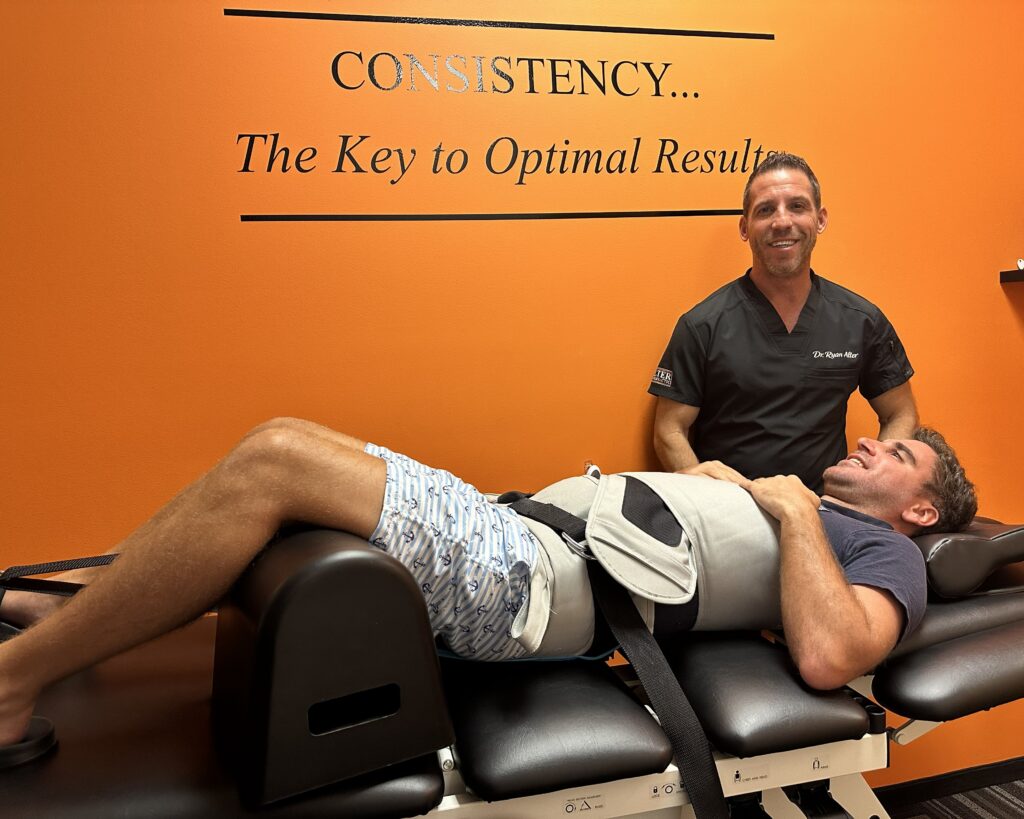
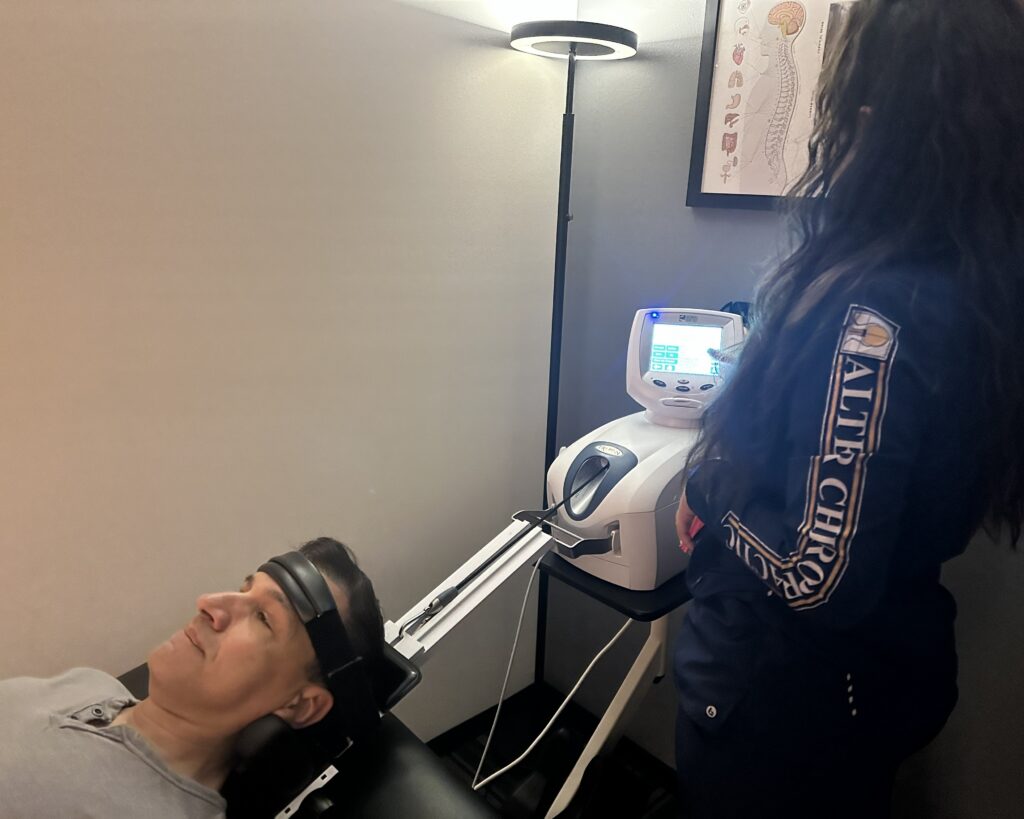
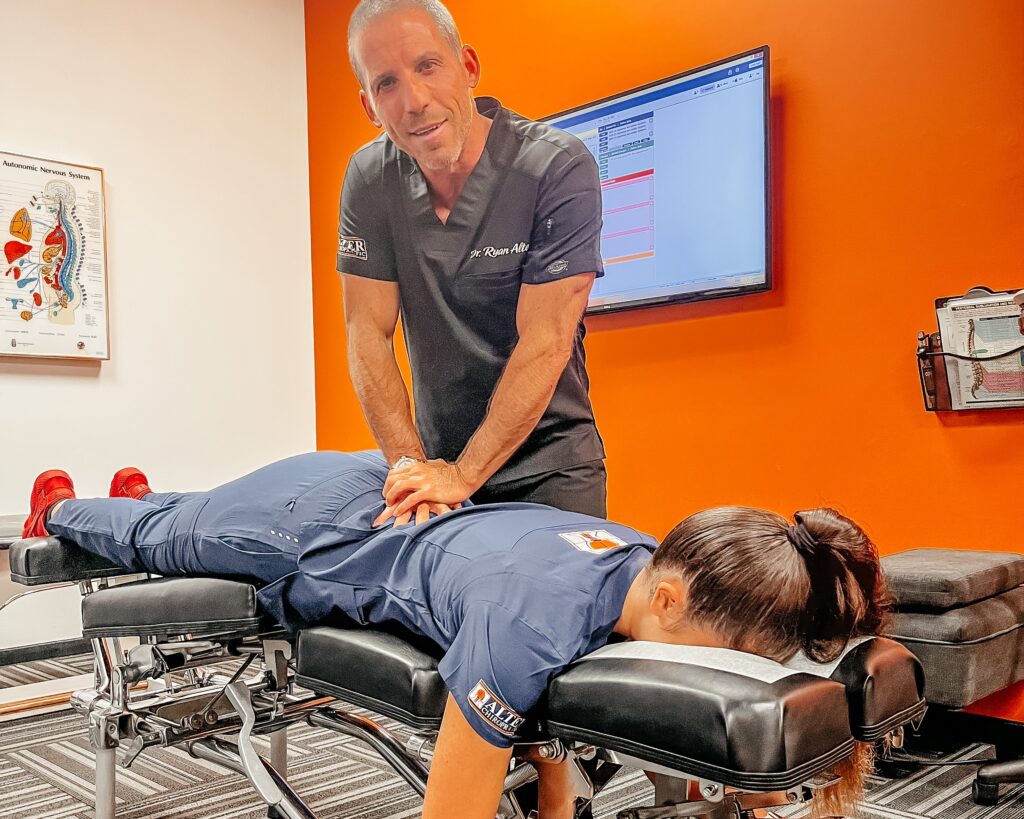
As a local chiropractor, I want to share with you the incredible benefits of chiropractic care for anyone dealing with persistent pain or poor posture. If you’ve made adjustments at home but still find yourself struggling, seeking professional help can truly transform your experience.
Chiropractors specialize in aligning your spine and addressing any misalignments that may contribute to your discomfort. By performing gentle manual adjustments, we can relieve pain and restore proper function to your body.
Beyond that, we focus on educating you about your posture and movement patterns, offering personalized strategies to integrate into your daily life.
In addition to spinal adjustments, I often recommend exercises that strengthen weak muscles and stretch tight ones, tailored specifically to your needs. This holistic approach not only helps alleviate pain but also empowers you to take charge of your posture.
If your discomfort continues despite our efforts, I may suggest consulting with an orthopedic specialist. They can help identify any underlying issues and create a comprehensive treatment plan to promote long-term healing.
Don’t forget about the value of massage therapy as well. It can complement chiropractic care by easing muscle tension and encouraging relaxation, further supporting your journey towards better posture and pain management.
Investing in chiropractic care is an investment in your overall health and well-being. Together, we can implement effective strategies that will help you manage pain and improve your posture for the long haul.
Let’s work together to create a healthier, more comfortable you!
Conclusion
As a local chiropractor, I want to share with you ten essential tips to help improve your posture and relieve back pain naturally. One of the first steps is to create an ergonomic workspace that supports your spine’s natural alignment. Strengthening your core muscles is also crucial, as they play a vital role in maintaining good posture. Don’t forget to incorporate regular stretching into your routine to keep your muscles flexible and reduce tension.
It’s important to pay attention to the kind of seating you use—opt for chairs that provide adequate support for your back, and be mindful of your footwear; supportive shoes can make a significant difference. Additionally, ensure that you’re sleeping in a position that promotes spinal health, which can greatly influence how you feel during the day.
If you find that discomfort persists despite these changes, I encourage you to seek professional help. A chiropractor can provide personalized guidance and adjustments to help realign your spine and promote healing. Consistency is key in this journey; by actively adopting these practices, you’ll not only improve your alignment but also enhance your overall well-being. Together, we can work towards a healthier, pain-free lifestyle.