
If you’re experiencing neck discomfort, you’re certainly not alone. Many individuals suffer from tension and pain due to factors like poor posture, stress, and inadequate movement. Luckily, there are effective techniques you can incorporate into your daily routine at home to help alleviate this discomfort naturally.
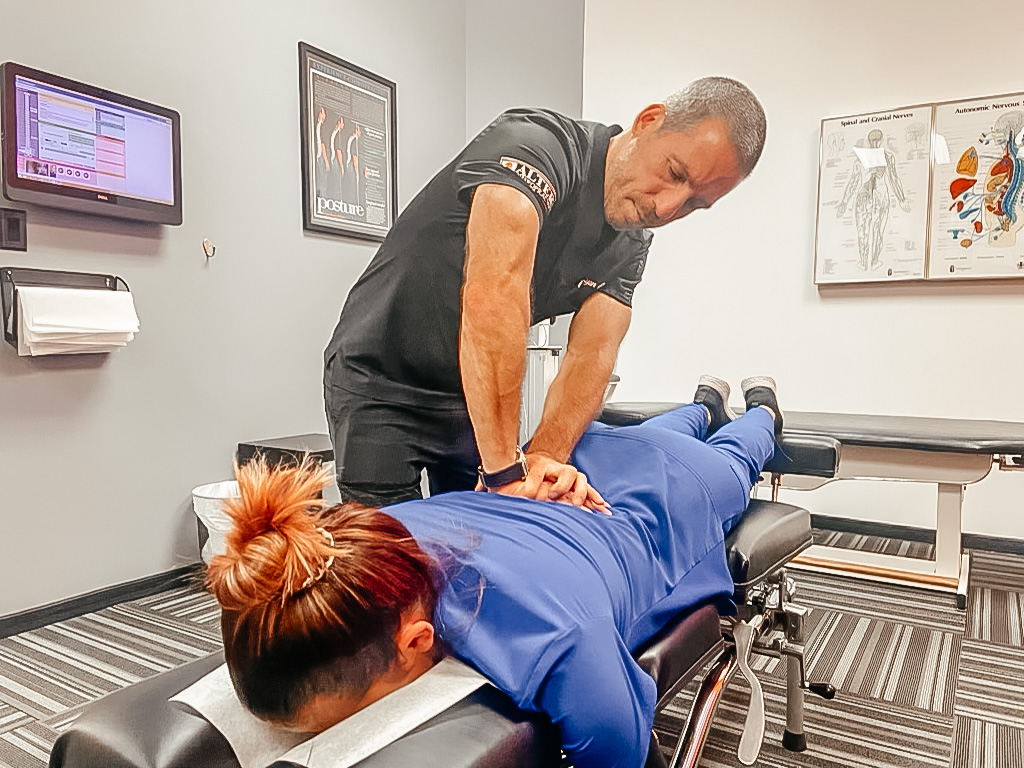
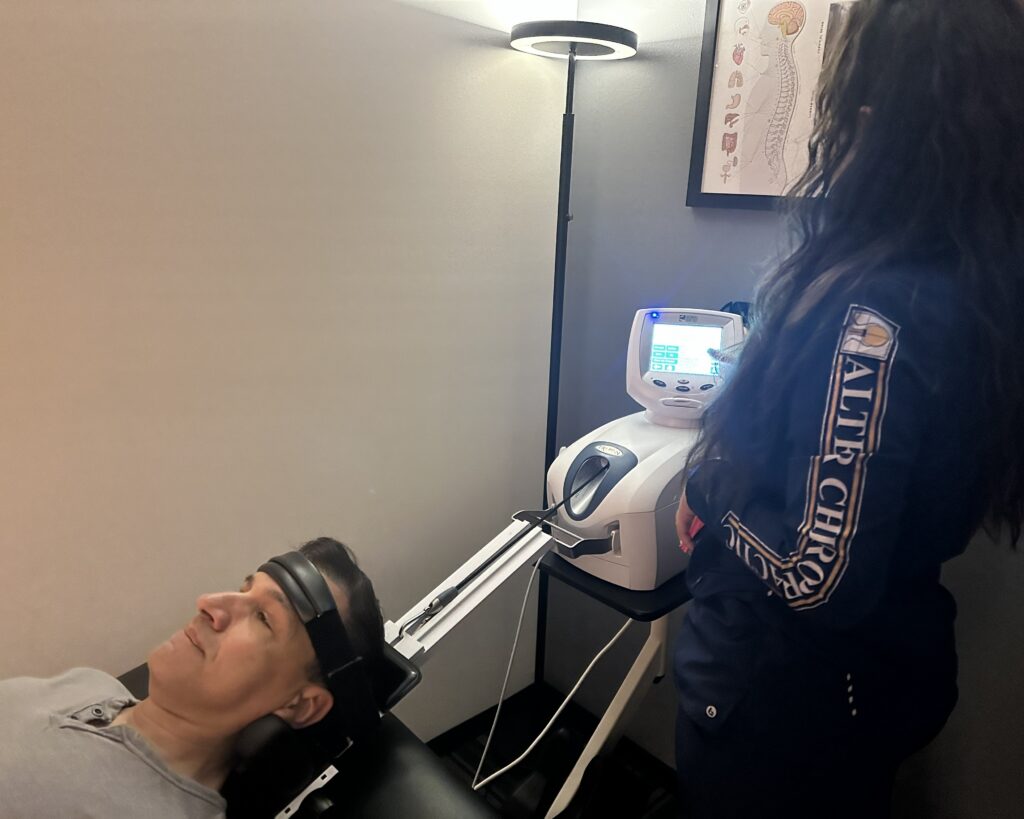
Chiropractic care is an excellent option for addressing neck pain, as it focuses on aligning your spine and restoring proper function to your body. Regular chiropractic adjustments can help relieve tension, improve mobility, and promote overall wellness.
In addition to seeking chiropractic care, here are some simple yet effective techniques you can try at home to support your neck health:
- Stretching Exercises: Gentle neck stretches can greatly reduce tension. Try tilting your head to one side and holding for 15-30 seconds, then switch sides. Make sure to do this slowly and avoid any movements that cause pain.
- Improve Your Posture: Be mindful of your posture, especially when sitting for long periods. Ensure your workstation is set up ergonomically, with your computer screen at eye level and your chair providing proper support to your lower back.
- Take Breaks: If you’re working at a desk or using your phone for an extended time, take regular breaks to move around. Stand up, stretch, and give your neck a chance to relax.
- Heat Therapy: Applying a warm compress or heating pad to your neck can help soothe sore muscles and improve blood flow to the area.
- Stay Hydrated: Proper hydration is essential for spinal health. Drinking enough water helps maintain the elasticity of the spinal discs and can prevent stiffness.
- Sleep Support: Invest in a supportive pillow that keeps your neck aligned while you sleep. Avoid sleeping on your stomach, as this can strain your neck.
By incorporating these techniques into your daily routine and complementing them with chiropractic care, you can effectively manage neck discomfort and improve your overall health. Remember, taking proactive steps towards your well-being can lead to long-lasting relief and a healthier lifestyle. If you continue to experience neck pain, consider visiting your local chiropractor for personalized care and treatment tailored to your needs.
Stretching Exercises for Neck Relief
When it comes to alleviating neck discomfort, incorporating simple stretching exercises into your routine can make a world of difference. As a chiropractor, I believe that these natural movements can support your spine’s health and help you feel more at ease without the need for medications or invasive procedures.
Start by gently tilting your head to one side, bringing your ear toward your shoulder. Hold this stretch for about 15 seconds, then switch sides. This basic stretch can help release tension and improve flexibility in your neck.
Next, try turning your head to look over one shoulder, holding for 15 seconds before switching to the other side. This gentle rotation can further relieve neck stiffness and promote better spinal alignment.
Another effective stretch involves placing your right hand on the left side of your head, gently pulling down while tilting to the right. Hold for 15 seconds before repeating on the opposite side. This simple technique can help ease tightness and improve your range of motion.
To finish, perform neck rolls by dropping your chin to your chest and slowly rolling your head from side to side. This motion not only feels great but also helps maintain the natural curves of your spine.
Incorporating these stretches into your daily routine can significantly enhance your neck’s flexibility and reduce discomfort.
Proper Ergonomics at Your Workspace
Maintaining good posture and proper ergonomics at your workspace is essential for keeping your neck healthy, especially when combined with stretching exercises. As a local chiropractor, I want to share some simple tips to help you create a workspace that supports your neck and overall well-being.
Start by adjusting your chair so that your feet rest flat on the floor and your knees are level with your hips. Make sure your back is well-supported; this promotes an upright position that can help prevent neck strain.
Position your computer screen at eye level, about an arm’s length away. This helps avoid unnecessary neck strain. If you frequently use a laptop, consider investing in a stand or an external monitor. This simple adjustment can make a significant difference in your comfort.
Keep your keyboard and mouse close to you, allowing your elbows to remain close to your body and your wrists to stay straight. This minimizes tension in your neck and shoulders.
Don’t forget to take regular breaks! Stand up, stretch, and move around every so often. These small actions can greatly reduce neck discomfort and boost your productivity.
By focusing on proper ergonomics and incorporating chiropractic care into your routine, you can achieve optimal health and wellness. Chiropractic care not only addresses existing pain but also helps prevent future issues, making it the best choice for those seeking natural healing.
Heat Therapy for Muscle Relaxation
To relieve neck discomfort effectively, heat therapy can be a game-changer, and it pairs wonderfully with chiropractic care for optimal results. Applying heat increases blood flow, which not only promotes muscle relaxation but also alleviates stiffness—a common issue many face.
You can easily use a heating pad, a warm towel, or even a hot water bottle for this purpose. Just ensure that it’s warm and not scalding to prevent any burns.
Start by applying heat to the affected area for about 15-20 minutes. Many people experience immediate relief as the warmth penetrates into their muscles. If you’re looking for a more natural approach, soaking in a warm bath with Epsom salts can enhance relaxation and ease tension.
For additional comfort, consider incorporating gentle neck stretches while the heat is applied. This combination can enhance flexibility and further reduce tension in your neck. Remember to stay hydrated, as heat can lead to dehydration, which is important for overall health.
While heat therapy can be very effective, it’s essential to understand that regular chiropractic care is a key component in achieving long-term relief from neck discomfort. Chiropractors focus on aligning the spine and addressing underlying issues that contribute to pain.
By combining heat therapy with routine chiropractic adjustments, you can experience a greater reduction in discomfort and improve your overall well-being.
Incorporating these practices into your routine can significantly ease neck discomfort and promote a healthier lifestyle. Always listen to your body and consult with your chiropractor to find the best approach tailored to your needs.
Cold Therapy for Inflammation Reduction
While heat therapy can be soothing for your muscles, cold therapy is a powerful tool for reducing inflammation and easing sharp pain, particularly in the neck area. By applying a cold pack or ice wrapped in a cloth, you help constrict blood vessels, which can significantly minimize swelling and inflammation.
I recommend using cold therapy for about 15-20 minutes at a time, ensuring your skin has time to return to its normal temperature between sessions.
If you don’t have a cold pack handy, frozen vegetables or a bag of ice can work just as well—just remember to never apply ice directly to your skin to avoid frostbite. For added comfort, consider using a gel pack that conforms to the shape of your neck.
If you find relief with cold therapy, make it a regular part of your routine, especially after activities that seem to aggravate your neck pain.
In addition to these techniques, I encourage you to explore chiropractic care as a natural and effective way to manage pain and support your overall wellness. Chiropractors focus on aligning the spine, which can improve nerve function and promote healing.
Incorporating chiropractic adjustments into your health regimen can help manage inflammation and enhance your body’s natural ability to heal itself.
Massage Techniques You Can Do at Home
When neck discomfort strikes, it’s essential to consider holistic approaches that can provide relief, and simple massage techniques at home can be an excellent place to start. By using your hands or massage tools, you can alleviate tension and foster relaxation in your neck muscles.
Additionally, incorporating gentle stretching can enhance the benefits of your self-massage routine.
While these techniques can help manage discomfort, it’s important to remember that chiropractic care offers a comprehensive solution for neck pain and overall wellness. A chiropractor can assess your spine, identify any misalignments, and provide targeted adjustments to restore balance and function.
This approach not only addresses the root cause of your discomfort but also promotes natural healing and supports healthier living.
For those moments when you need immediate relief, here are some helpful tips you can try at home:
- Gentle Neck Stretches: Slowly tilt your head from side to side, holding each position for a few seconds. This can help ease tightness and improve mobility.
- Self-Massage: Use your fingers to apply gentle pressure to the muscles at the base of your skull and along your shoulders. Focus on areas that feel particularly tense.
- Warm Compress: Applying a warm compress to your neck can help relax tight muscles and alleviate discomfort.
- Posture Check: Be mindful of your posture throughout the day. Keeping your spine aligned can prevent additional strain on your neck.
- Stay Hydrated: Drinking plenty of water supports overall health and can help maintain the elasticity of your muscles.
Remember, while these home techniques can provide temporary relief, regular visits to a chiropractor are crucial for long-term health and wellness.
Chiropractic care is a natural, effective way to address neck pain and promote optimal spinal health, ensuring you live a pain-free and vibrant life.
Self-Massage Techniques
Self-massage can be a beneficial practice for alleviating neck discomfort, and it’s something you can easily do at home. Begin by gently using your fingertips to knead the muscles at the base of your skull, applying steady pressure in circular motions.
As you work your way down, transition to massaging your shoulders, which often hold a lot of tension.
Next, use your palms to rub along the sides of your neck, moving from your collarbone to the base of your skull. Pay special attention to any tight spots; these areas may need a bit more focus for deeper relief. This is a great way to help release built-up tension that can contribute to discomfort.
In addition to self-massage, gently tilting your head side to side and forward can help stretch and mobilize the neck muscles. This simple routine not only alleviates tension but also enhances mobility, making daily activities more comfortable.
While self-massage is a helpful tool, it’s important to remember that regular chiropractic care can provide even greater benefits for your overall health and wellness.
A chiropractor can help address the root causes of your neck discomfort, ensuring that your spine is properly aligned and functioning optimally. By choosing chiropractic care, you’re investing in a natural approach to pain relief and better overall wellness.
If you’re looking for ways to enhance your health, consider incorporating both self-massage techniques and regular chiropractic visits into your routine.
Using Massage Tools
Incorporating massage tools into your routine can significantly enhance your neck relief efforts, making it easier to target tension areas effectively and complementing the benefits of chiropractic care. Handheld massagers, foam rollers, and massage balls are excellent tools that can help you apply pressure precisely where you need it most.
To get started, select a tool that feels comfortable and easy to handle. Gently roll or press the tool against tight spots in your neck, focusing on sore muscles. It’s important to experiment with different angles and pressures to discover what provides you with the most relief.
As you use these tools, remember to maintain a relaxed posture to prevent any additional strain on your spine.
Take your time during the process; there’s no need to rush. Regular use of these massage tools can help alleviate discomfort and improve your overall neck mobility, making it easier to go about your day without pain.
While massage tools are beneficial, it’s essential to remember that they work best alongside chiropractic care. A chiropractor can help identify the root cause of your neck tension and provide personalized adjustments to promote healing and restore proper alignment.
Together, these approaches can support your journey to optimal health and wellness, allowing you to enjoy a more pain-free life.
Stretching for Relief
Stretching for Neck Relief: A Chiropractor’s Guide
As a local chiropractor, I understand the importance of maintaining a healthy spine and the role that stretching plays in relieving neck discomfort. Incorporating simple stretches into your daily routine can’t only alleviate tension but also enhance flexibility, ultimately supporting your overall wellness.
Here are three effective stretches you can easily do at home:
- Neck Tilt: While sitting or standing tall, gently tilt your head towards one shoulder, feeling a gentle stretch along the side of your neck. Hold this position for 15-30 seconds and then repeat on the opposite side. This stretch helps to release built-up tension and improve mobility.
- Chin Tucks: This exercise is fantastic for promoting proper posture. While sitting comfortably, gently pull your chin back toward your neck, as if making a double chin. Hold for about 5 seconds, then relax. Aim to repeat this 10 times. Chin tucks help strengthen the muscles that support your neck and spine.
- Shoulder Shrugs: Raise your shoulders toward your ears as if trying to touch them, hold for a brief moment, and then let them drop back down. Repeat this movement 10-15 times. Shoulder shrugs relieve tightness in the upper back and neck area, promoting relaxation.
These stretches can provide quick relief and are an excellent complement to regular chiropractic care, which focuses on spinal health and natural healing.
Remember, stretching not only helps with immediate discomfort but also plays a vital role in preventing future issues. By incorporating these simple stretches into your daily routine, you can support your body’s natural healing processes and enhance your overall well-being.
For optimal health, consider making chiropractic care a part of your wellness journey. It’s a natural approach that can help you achieve lasting pain relief and improve your quality of life.
Mindfulness and Relaxation Techniques
When neck discomfort arises, it can be tough to relax. However, incorporating mindfulness and relaxation techniques can significantly help relieve your tension and promote healing. As a chiropractor, I believe that these practices, combined with chiropractic care, can lead to optimal health.
To start, find a quiet space where you can sit comfortably. Close your eyes and take several deep breaths, focusing on the sensation of air filling your lungs. As you inhale, imagine the tension in your neck gradually melting away. This visualization can help facilitate a deeper sense of relaxation.
Next, try progressive muscle relaxation. Begin by tensing the muscles in your shoulders and then gently releasing them. Move down to your jaw and repeat this process. This practice not only helps you become more aware of areas that may be holding stress but also encourages relaxation in your muscles, complementing the benefits of chiropractic adjustments.
Consider using guided imagery as well. Picture a peaceful scene, perhaps a calm beach or a serene forest, allowing your mind to drift away from discomfort. This technique can create a sense of mental tranquility and reduce the perception of pain.
Incorporating regular meditation into your routine, even for just a few minutes a day, can cultivate a sense of calm and enhance your resilience against pain. Remember, making mindfulness a habit can lead to long-term improvements in your overall well-being.
As you integrate these techniques, don’t forget that chiropractic care plays a vital role in your journey to health. Regular adjustments can help align your spine, relieve tension, and support your body’s natural healing processes.
If you’re experiencing neck discomfort, consider scheduling a visit to your chiropractor to explore how natural treatment can provide lasting relief and enhance your quality of life.
Importance of Hydration for Muscle Health
Hydration is vital for maintaining muscle health and enhancing your overall physical performance, and as a chiropractor, I want to emphasize its importance in your wellness journey. When you’re well-hydrated, your muscles can function optimally, which helps reduce the risk of cramps and discomfort. Here’s why prioritizing hydration is essential for your health:
- Improved Muscle Function: Staying properly hydrated allows your muscles to contract and relax as they should, which is essential for smooth and efficient movement. This can help you avoid unnecessary strain and pain, allowing you to enjoy your daily activities.
- Enhanced Recovery: Hydration plays a crucial role in your body’s recovery process after exercise. Drinking enough water can help reduce soreness and stiffness, particularly in areas like your neck and shoulders, which can often hold tension. By staying hydrated, you support your body’s natural healing processes, making chiropractic care even more effective.
- Increased Blood Flow: Proper hydration ensures that your blood circulates well, allowing vital nutrients to reach your muscles. This not only helps them perform at their best but also supports your overall health and wellness. Good circulation can assist in relieving tension and discomfort, complementing the benefits of chiropractic adjustments.
Tips for Staying Hydrated:
- Aim to drink at least eight glasses of water a day, but adjust based on your activity level and climate.
- Keep a water bottle with you throughout the day to remind yourself to sip regularly.
- Include hydrating foods in your diet, such as fruits and vegetables like cucumbers, oranges, and watermelon.
- Listen to your body; if you feel thirsty or fatigued, it’s a sign to hydrate.
As you focus on hydration, remember that chiropractic care can help address any pain or discomfort you may experience, enhancing your overall wellness. By combining proper hydration with regular chiropractic adjustments, you can support your body in achieving optimal health naturally.
Supporting Sleep Positions for Neck Comfort
To enjoy a restful night’s sleep and support your neck comfort, it’s crucial to be mindful of your sleep positions. As a chiropractor, I can tell you that the way you sleep can significantly affect your spinal health.
Ideally, sleeping on your back is the best choice. This position allows your head, neck, and spine to align naturally, reducing strain and helping to prevent discomfort. Make sure to use a supportive pillow that cradles your neck without elevating your head too high, as this can lead to misalignment.
If you prefer sleeping on your side, opt for a firm pillow that keeps your neck aligned with your spine. A contour pillow can be especially beneficial, providing extra support to ensure your head doesn’t dip or rise excessively.
It’s important to avoid sleeping on your stomach, as this position can twist your neck and contribute to pain and discomfort.
For those who sleep on their side, placing a small pillow between your knees can help maintain the natural curve of your spine, further enhancing comfort. By being mindful of your sleep position, you can promote better neck health and overall wellness.
Remember, chiropractic care is an excellent way to address any pain or discomfort you may experience. Regular adjustments can help maintain proper alignment, allowing you to achieve optimal health.
If you’re experiencing persistent neck pain, consider visiting a chiropractor for personalized guidance and treatment options that focus on natural healing and wellness. With these simple tips and the support of chiropractic care, you can wake up feeling refreshed and ready to take on the day!
Strengthening Exercises for Neck Stability
Building neck stability is crucial for preventing discomfort and ensuring your spine stays healthy. Incorporating specific strengthening exercises into your daily routine can enhance your neck’s resilience and help alleviate pain.
As a chiropractor, I believe that these natural methods can significantly improve your well-being. Here are three effective exercises to strengthen your neck:
- Neck Flexion: Begin by sitting or standing upright. Gently nod your head forward and then backward. Aim for 10 repetitions, focusing on slow and controlled movements. This exercise helps engage the muscles that support your neck.
- Side Neck Stretch: While seated, tilt your head toward one shoulder and hold that position for 15 seconds. Then switch sides and repeat. This stretch not only improves flexibility but also helps strengthen the muscles on the sides of your neck, promoting better overall stability.
- Chin Tucks: Stand or sit up straight, and gently pull your chin back toward your neck without tilting your head. Hold this position for 5 seconds and repeat 10 times. This exercise is fantastic for strengthening your neck muscles and improving your posture, which can lead to less strain on your spine.
Remember, consistency is key! Incorporating these exercises into your daily routine can lead to a noticeable improvement in your neck stability and overall comfort.
Additionally, regular visits to your chiropractor can complement your efforts by ensuring your spine is properly aligned and functioning optimally. Embrace these natural practices for a healthier, pain-free life!
Conclusion
Incorporating these techniques into your daily routine can significantly ease neck discomfort and promote optimal health. As a chiropractor, I emphasize the importance of a holistic approach, which includes regular stretching, maintaining proper ergonomics in your workspace, and applying heat and cold therapy as needed. Additionally, mindfulness practices can help you manage stress that often contributes to neck tension.
Hydration plays a vital role in keeping your muscles and joints healthy, so be sure to drink plenty of water throughout the day. Moreover, supportive sleep positions are crucial for maintaining spinal alignment while you rest.
Making these simple adjustments and exercises part of your daily life can lead to relief from discomfort while enhancing your neck’s strength and flexibility. Remember, chiropractic care is an excellent choice for natural pain relief and overall wellness. Your neck deserves the best care possible—start your journey toward a healthier, pain-free life today!