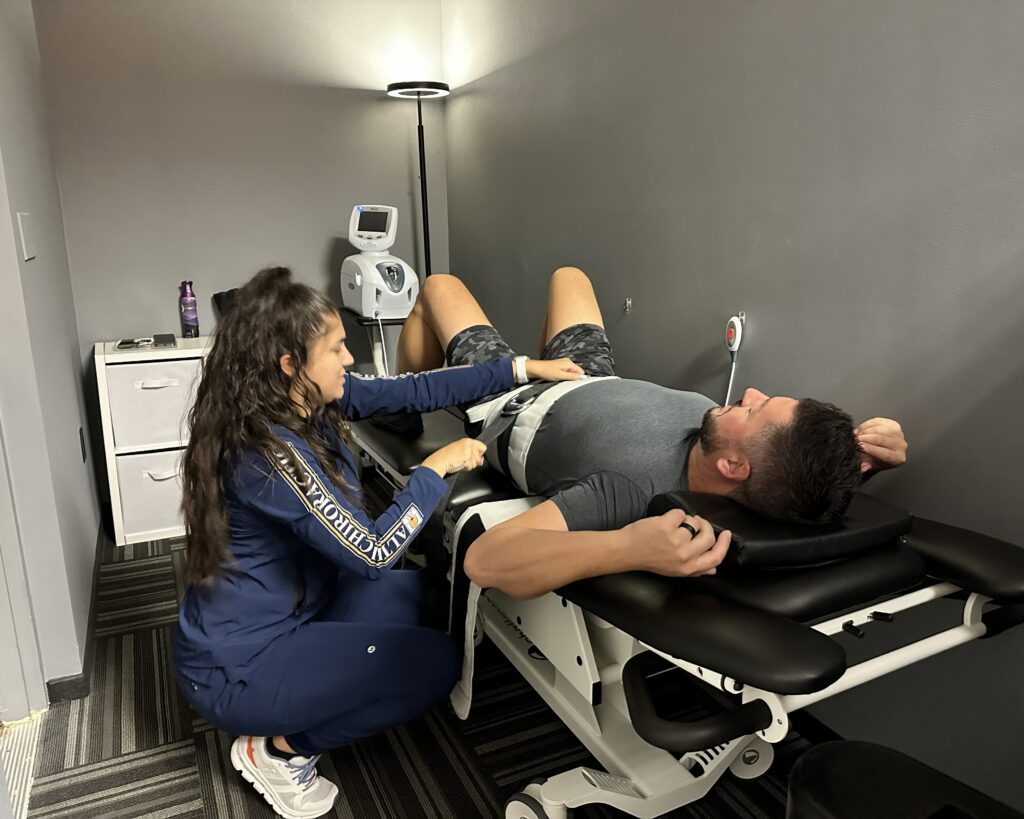

Managing pain at home can often feel overwhelming, but as a chiropractor, I want you to know that you have more control over your comfort than you might realize. By identifying your pain triggers and making simple lifestyle adjustments, you can pave the way for relief. Embracing natural remedies and enhancing your environment can significantly contribute to your well-being. So, what specific techniques can you implement today to start feeling better? Let’s explore some proven strategies that can truly impact your pain management journey.
- Stay Active: Gentle stretches and low-impact exercises can help maintain mobility and reduce stiffness. Consider incorporating activities like walking, swimming, or yoga into your daily routine. These movements can keep your body functioning optimally.
- Chiropractic Care: Regular chiropractic adjustments can be a game-changer for pain relief. By aligning your spine and improving your posture, chiropractic care helps your body heal naturally and optimally. It can reduce tension, enhance mobility, and promote overall wellness.
- Mind Your Posture: Poor posture can contribute significantly to pain, especially in the back and neck. Be mindful of how you sit and stand throughout your day. Use ergonomic furniture when possible, and take breaks to stretch and reset your posture.
- Heat and Cold Therapy: Using heat pads can help relax tense muscles, while cold packs can reduce inflammation. Experiment with both to see which provides the most relief for your specific pain.
- Stay Hydrated: Drinking enough water is crucial for muscle and joint health. Dehydration can exacerbate pain, so aim for at least eight glasses of water a day.
- Mindfulness and Relaxation Techniques: Stress can heighten your perception of pain. Practices such as deep breathing, meditation, or gentle yoga can help calm your mind and reduce pain levels.
- Nutrition for Healing: Eating a balanced diet rich in anti-inflammatory foods, such as fruits, vegetables, whole grains, and healthy fats, can support your body in its healing process.
- Sleep Well: Quality sleep is vital for recovery and pain management. Create a restful sleep environment, and establish a calming nighttime routine to improve your sleep quality.
By incorporating these techniques into your daily life, you can take significant steps towards managing your pain and enhancing your overall health. Remember, chiropractic care is a powerful ally in your journey toward natural wellness. If you’re looking for personalized approaches to pain relief, consider scheduling an appointment to explore how chiropractic adjustments can help you achieve optimal health.
Understanding Your Pain: Identifying Triggers and Patterns
Understanding your pain is crucial for effective management, especially when it comes to identifying triggers and patterns that can help you address issues before they escalate. A great starting point is to keep a pain journal. This can be as simple as noting when your pain occurs, how intense it is, and any activities or stressors that might be contributing to it. Over time, you’ll likely start to see patterns emerge that reveal specific triggers, whether they’re physical, emotional, or environmental.
It’s also important to pay close attention to your body’s signals. Are there particular movements or situations that make your pain worse? Recognizing these can empower you to make adjustments in your daily life, which is an essential part of finding relief.
Chiropractic care is an excellent option for addressing pain naturally. By focusing on spinal health and alignment, chiropractors can help reduce discomfort, improve mobility, and enhance overall well-being. It’s a holistic approach that not only targets your pain but also promotes a healthier lifestyle.
In addition to chiropractic adjustments, consider incorporating gentle stretches and exercises into your routine to strengthen your muscles and support your spine. Staying hydrated and eating a balanced diet can also play a big role in your overall health.
If you’re unsure where to start, talking to a chiropractor can provide valuable insights. They can help you analyze your findings from the pain journal and suggest tailored coping strategies that align with your lifestyle.
Lifestyle Adjustments: Diet and Exercise for Pain Relief
Making lifestyle adjustments, especially in diet and exercise, can significantly enhance your journey towards pain relief and overall wellness. As a chiropractor, I believe that these changes can work harmoniously with chiropractic care to help you achieve optimal health.
Start by adding anti-inflammatory foods to your meals. Incorporate plenty of colorful fruits and vegetables, whole grains, and fatty fish into your diet. These foods can help reduce inflammation, which is often a source of pain. On the other hand, try to steer clear of processed foods and sugary snacks, as they can worsen inflammation and discomfort. Staying well-hydrated is also crucial for your body’s healing processes, so be sure to drink plenty of water throughout the day.
In addition to dietary changes, engaging in regular exercise can substantially improve your pain management. Activities that promote flexibility and strength, such as yoga or swimming, can help alleviate stiffness and enhance your mobility. Even a simple daily walk can uplift your mood and increase your energy levels, making a positive impact on your overall well-being.
Remember to listen to your body. If an activity causes discomfort, be sure to modify your routine to avoid further strain. Incorporating chiropractic care into your wellness plan can also provide significant relief and support for your spine and overall health.
Natural Remedies: Herbal and Holistic Approaches
When it comes to finding effective pain relief, many people are turning to natural remedies, and as a chiropractor, I believe that incorporating these methods can complement your overall wellness journey.
While herbal teas and essential oils can offer soothing benefits, it’s essential to understand that chiropractic care stands out as one of the best options for achieving optimal health and pain management.
Chiropractic care focuses on aligning the spine and ensuring that your nervous system functions at its best, which plays a crucial role in your overall wellness. By addressing misalignments in the spine, chiropractic adjustments can help alleviate pain, improve mobility, and enhance your body’s natural healing abilities.
In addition to regular chiropractic adjustments, there are some simple tips and tricks you can incorporate into your daily routine to support your health:
- Stay Active: Regular physical activity helps keep your spine healthy. Simple exercises like walking, stretching, or yoga can promote flexibility and strength.
- Practice Good Posture: Being mindful of your posture, especially when sitting for long periods, can prevent unnecessary strain on your back and neck.
- Hydration is Key: Drinking plenty of water helps maintain the elasticity of your spinal discs and overall bodily function.
- Mindful Breathing: Techniques like deep breathing can reduce stress and tension, which often contribute to pain. Incorporate deep breathing exercises into your day.
- Warm Baths or Compresses: Applying heat can soothe muscle tension. A warm bath or a heat pack can help relax tight muscles around your spine.
While herbal teas and essential oils may provide temporary relief, remember that chiropractic care addresses the root cause of pain by ensuring your body is aligned and functioning optimally.
Herbal Teas for Relief
Herbal teas can be a wonderful companion on your journey to natural healing and wellness, especially when combined with chiropractic care. While chiropractic adjustments focus on aligning your spine and improving your overall health, incorporating herbal teas into your routine can enhance your pain relief and relaxation efforts.
For those who experience headaches, ginger tea is a fantastic option due to its anti-inflammatory properties. It can complement the effects of chiropractic adjustments by further reducing inflammation in the body. Peppermint tea is another great choice; its soothing qualities can help ease tension that might stem from misalignments in your spine.
If you’re dealing with menstrual cramps, consider sipping on chamomile tea. It’s known for its calming effects, which can provide gentle relief alongside the benefits of chiropractic care. For joint pain, turmeric tea is a powerful ally thanks to its anti-inflammatory properties, which work well with the restorative nature of chiropractic adjustments.
Don’t overlook green tea, either! Its rich antioxidant content supports overall wellness and can aid in pain management.
To prepare these herbal teas, simply steep the leaves or roots in hot water for about 5-10 minutes. Enjoying a warm cup not only helps relieve discomfort but also promotes relaxation, making it a simple yet effective addition to your daily routine.
Remember, while herbal teas can offer support, they should be used in conjunction with regular chiropractic care for optimal results. Always prioritize spinal health, as it plays a crucial role in your overall well-being.
Taking small steps like these can lead to a healthier, pain-free life!
Essential Oils Benefits
Essential oils can be a wonderful addition to your pain management routine, complementing the benefits of chiropractic care for natural relief and overall wellness. These concentrated plant extracts, such as lavender, peppermint, and eucalyptus, provide various therapeutic benefits that can enhance your journey toward optimal health.
For instance, if you experience headaches, inhaling peppermint oil can help alleviate tension and boost your mood. Lavender oil, known for its calming properties, can assist in promoting relaxation and improving sleep quality, which is crucial for recovery.
When it comes to muscle pain, applying diluted eucalyptus oil to the affected area can offer soothing relief, allowing you to feel more comfortable as you engage in your daily activities.
Creating a calming atmosphere at home can also support your healing process. Consider diffusing essential oils to promote a peaceful environment. Just remember to mix a few drops of essential oil with a carrier oil before applying it to your skin to prevent any irritation.
While essential oils can enhance your wellness routine, they’re best used alongside chiropractic care, which focuses on aligning the spine and supporting your body’s natural ability to heal itself. Regular chiropractic adjustments can help relieve pain, improve mobility, and promote a balanced nervous system, making it easier for your body to respond to natural remedies like essential oils.
Integrating both essential oils and chiropractic care into your daily life can greatly support your pain management efforts, leading you toward a more holistic approach to your health.
Remember to keep exploring healthy living tips and techniques that resonate with you, as they can make a significant difference in your overall well-being.
Acupuncture and Acupressure Techniques
Acupuncture and acupressure techniques are valuable tools for pain management and natural healing, but as a chiropractor, I believe that chiropractic care is your best option for achieving optimal health and wellness.
While these methods involve stimulating specific points on the body to promote the flow of energy, or “qi,” chiropractic adjustments address the root of pain and discomfort by focusing on the spine and nervous system.
Acupuncture requires professional guidance, and although acupressure can be done at home by applying pressure to points on your wrists, hands, and feet, these methods don’t replace the comprehensive care provided by a chiropractor.
We assess your unique spinal health and work to alleviate pain through gentle adjustments, which can help restore balance and function to your body.
If you find yourself dealing with headaches, back pain, or muscle soreness, consider making an appointment with a chiropractor.
In the meantime, here are some general tips you can incorporate into your daily routine for better health and wellness:
- Maintain Good Posture: Be mindful of your posture, especially when sitting for long periods. Proper alignment can prevent strain on your spine.
- Stay Active: Engage in regular physical activity to strengthen your muscles and support your spine. Low-impact exercises like walking, swimming, or yoga are great options.
- Practice Relaxation Techniques: Incorporate deep breathing exercises or meditation into your daily routine to help manage stress and tension.
- Hydrate and Nourish Your Body: Drink plenty of water and eat a balanced diet rich in fruits, vegetables, and whole grains to support overall health.
- Sleep Well: Ensure you’re getting quality sleep each night. A good mattress and pillow can make a significant difference in spinal health.
Remember, while acupressure and acupuncture can provide temporary relief, chiropractic care is designed to address the underlying issues and help you achieve long-term wellness.
Always consult with a healthcare professional, like a chiropractor, to determine the best approach for your specific needs. Embrace chiropractic care as a vital part of your health journey!
Mind-Body Techniques: Meditation and Relaxation Strategies
Mind-body techniques, particularly meditation, can significantly enhance your pain management routine and complement chiropractic care. By incorporating simple breathing exercises and visualization techniques, you can develop a powerful toolkit for relaxation and relief from discomfort.
Let’s delve into how these strategies can work alongside chiropractic care to help you regain control over your pain.
Chiropractic adjustments focus on aligning your spine, which can alleviate tension and stress on your nervous system. When you combine these adjustments with mind-body techniques, you create a holistic approach to wellness.
For instance, practicing deep breathing while sitting in a comfortable position can help you relax your muscles and enhance the effects of your chiropractic treatment. Visualization techniques, such as imagining your spine in perfect alignment, can reinforce the benefits of your adjustments and promote a sense of calm.
Here are a few tips to integrate these techniques into your routine:
- Set Aside Time: Dedicate a few minutes each day to practice meditation or deep breathing. Even short sessions can make a difference in how you feel.
- Focus on Your Breath: Inhale deeply through your nose, hold for a moment, and exhale slowly through your mouth. This simple exercise can reduce stress and promote relaxation.
- Visualize Healing: While meditating, picture your spine in alignment and your body free of pain. This positive imagery can help reinforce the healing process.
- Stay Consistent: Make these practices a regular part of your wellness routine to enhance the benefits of your chiropractic care.
Benefits of Meditation
Meditation can be a valuable tool to complement your journey towards pain relief and overall wellness. By taking a moment to focus your mind and find stillness, you can significantly reduce stress and foster a sense of calm, which is crucial in managing discomfort.
Regular meditation practice helps you cultivate mindfulness, allowing you to observe your pain without judgment. This change in perspective can help lighten the emotional weight that often accompanies chronic pain.
In addition to these mental benefits, meditation encourages relaxation, which can naturally lead to physical relief. It stimulates the release of endorphins—your body’s natural painkillers—promoting a sense of well-being.
When you incorporate meditation into your daily routine, you may find it easier to cope with pain triggers as they arise in everyday life.
As a chiropractor, I encourage you to view meditation as a supportive practice alongside chiropractic care. Together, they can empower you to take control of your health, enhance your resilience, and improve your overall well-being.
Here are a few simple tips to get started with meditation:
- Set Aside Time: Even just a few minutes each day can make a difference. Find a quiet space where you won’t be disturbed.
- Focus on Your Breath: Pay attention to your breathing. Inhale deeply through your nose and exhale slowly through your mouth. This can help center your thoughts.
- Practice Regularly: Consistency is key. Try to meditate at the same time each day to build a habit.
- Be Kind to Yourself: If your mind wanders, gently bring your focus back to your breath. It’s normal for thoughts to come and go.
- Combine with Chiropractic Care: Consider integrating meditation with your chiropractic visits. This holistic approach can enhance the benefits of both practices.
Embracing meditation as part of your wellness routine can help you discover new levels of relief and well-being.
Breathing Techniques for Relaxation
When it comes to managing pain and enhancing your overall well-being, incorporating effective breathing techniques can be incredibly beneficial. As a chiropractor, I believe that these practices not only support relaxation but also complement the natural healing process that chiropractic care promotes.
One of the simplest methods to use anytime is deep breathing. Begin by inhaling deeply through your nose, allowing your lungs to fill completely. Then, exhale slowly through your mouth. Aim for a count of four while inhaling, holding for a moment, and counting to six while exhaling. This rhythmic breathing helps calm your nervous system and reduce tension throughout your body.
Another technique to consider is diaphragmatic breathing, where you focus on expanding your belly rather than your chest as you breathe. This method encourages full oxygen exchange and can significantly aid in relaxation. Imagine each exhale as a way to release stress and discomfort, allowing your body to find a more peaceful state.
Regularly practicing these breathing techniques can empower you to take control of your pain and enhance your overall wellness journey.
Remember, chiropractic care is all about natural healing, and these simple breathing exercises can support the adjustments you receive in my office. Together, they can help you achieve a more balanced and healthy life without resorting to medications or surgeries.
Embrace these practices as part of your path to optimal health!
Visualization for Pain Relief
As you consider ways to alleviate pain, remember that chiropractic care is one of the most effective approaches to achieving optimal health and wellness. Alongside adjustments and spinal education, visualization can serve as a powerful tool to enhance your healing journey.
By picturing a peaceful scene, like a calming beach or a serene forest, you can help shift your focus away from discomfort and promote relaxation.
Close your eyes, take a deep breath, and immerse yourself in this tranquil environment. Imagine feeling the warmth of the sun on your skin or hearing the gentle rustle of leaves. Engaging all your senses can deepen the experience and aid in tension relief.
Regularly practicing this visualization technique can help retrain your mind to respond differently to pain, complementing the benefits of chiropractic adjustments.
It’s important to remember that creating a mental escape isn’t just about temporary relief; it promotes a healthier, more relaxed state that supports your body’s natural healing processes.
By incorporating visualization alongside your chiropractic care, you may find significant relief and improved overall wellness.
Give this simple yet effective technique a try, and experience the powerful impact it can have on your journey to better health.
Heat and Cold Therapy: Using Temperature to Alleviate Discomfort
When you’re dealing with discomfort, incorporating heat and cold therapy into your routine can be an excellent way to find relief. As a chiropractor, I often recommend these methods to complement the holistic benefits of chiropractic care.
Heat therapy is fantastic for easing chronic pain and muscle stiffness. Using a warm towel or a heating pad can enhance blood flow and help relax tight muscles. I suggest applying heat for about 15-20 minutes. This gentle warmth can make a noticeable difference, especially when combined with regular chiropractic adjustments that promote optimal spinal health.
Conversely, cold therapy is beneficial for acute pain and swelling. Ice packs or even a bag of frozen vegetables can numb the affected area and help reduce inflammation. Just remember to use it for 10-15 minutes at a time, and always place a cloth barrier between the ice and your skin to avoid frostbite. This method works hand-in-hand with chiropractic techniques that address the root causes of your pain.
I encourage you to try both heat and cold therapies to see which one works best for you. Many patients find that alternating between the two can provide the most comfort. Listening to your body is essential; if one method seems to aggravate your pain, it’s wise to switch to the other.
Incorporating these simple techniques at home can make managing discomfort more manageable, but don’t forget the importance of regular chiropractic care. A chiropractor can help identify the underlying issues causing your pain and guide you toward a path of natural healing and wellness.
Your journey to optimal health starts with understanding your body and taking proactive steps to care for it.
Creating a Supportive Environment: Ergonomics and Comfort at Home
Creating a supportive environment at home is crucial for managing pain and enhancing your overall comfort, especially for those seeking natural healing solutions. As a chiropractor, I encourage you to start by assessing your furniture to ensure it promotes good posture and spinal health. Your chair should provide support for your lower back, and your desk should allow your elbows to rest comfortably at a 90-degree angle.
When seated, keeping your feet flat on the floor can significantly reduce strain on your back.
Next, it’s important to organize your space to minimize unnecessary movements that can lead to discomfort. Keep frequently used items within easy reach to avoid awkward stretching or twisting, which can put extra stress on your spine. Using tools like reachers or grabbers can also help you avoid strain.
Lighting in your home is another key factor. Ensure your environment is well-lit to prevent eye strain, and opt for softer lighting in areas where you unwind. This not only helps your eyes but also contributes to a more relaxing atmosphere.
Finally, creating a calming atmosphere with soothing colors, scents, and sounds can significantly enhance your well-being. Incorporating elements like essential oils or soft music can help you feel more at ease and promote relaxation.
By making these adjustments, you’ll create a home that not only supports your physical needs but also contributes to your overall health and wellness.
Conclusion
By incorporating these effective techniques for home pain management, you can empower yourself to alleviate discomfort and enhance your overall quality of life. One of the first steps is to keep a pain journal. This can help you identify specific triggers related to your pain, allowing you to make informed changes to your daily routine.
Embracing a diet rich in anti-inflammatory foods can also support your body’s natural healing processes. Focus on incorporating fruits, vegetables, whole grains, and healthy fats into your meals. These foods not only nourish your body but can also help reduce inflammation, which is often a root cause of pain.
Exploring natural remedies such as gentle stretching, yoga, and mindfulness practices are excellent ways to promote relaxation and enhance your body’s resilience to pain. Additionally, don’t underestimate the power of heat and cold therapy; applying a warm compress or an ice pack can provide immediate relief and support your healing journey.
Creating a comfortable living space is essential as well. Consider ergonomic furniture and maintaining good posture to support your spine and overall health. Remember, chiropractic care is a fantastic option for achieving optimal health and pain relief. Regular visits to your chiropractor can help align your spine, improve your nervous system function, and ultimately enhance your well-being.
In conclusion, focus on what resonates with you, prioritize your health, and consider chiropractic care as a cornerstone of your pain management strategy. Your journey to a pain-free life is within reach!