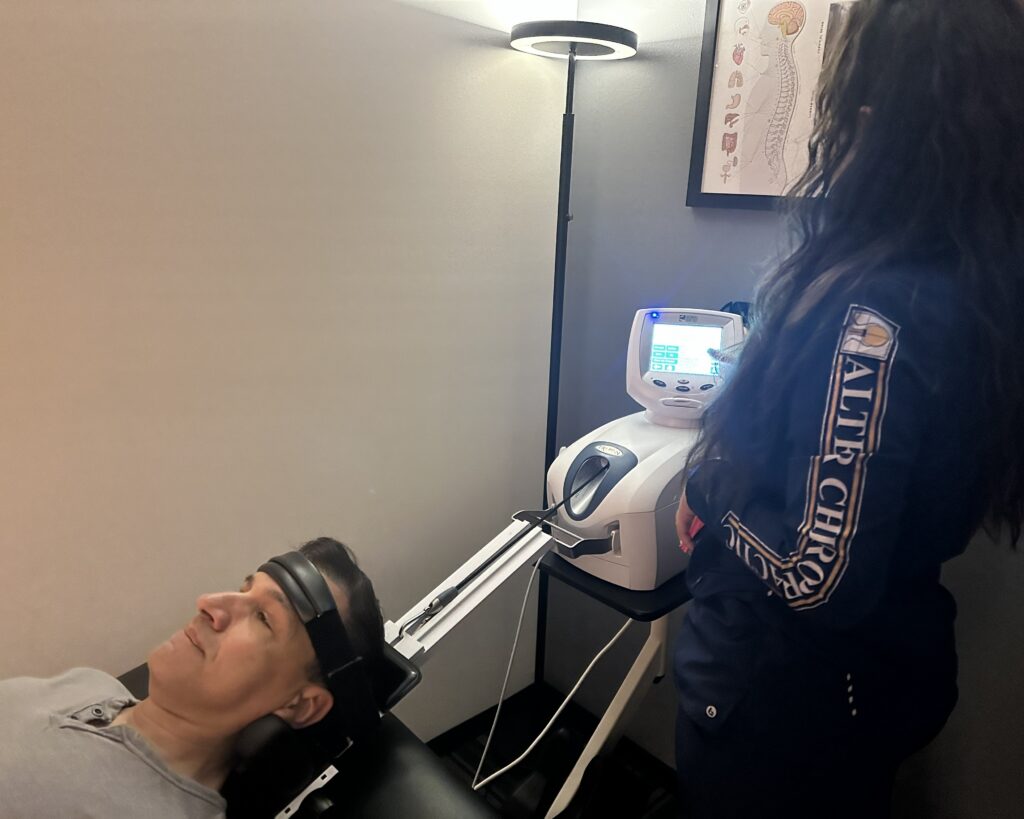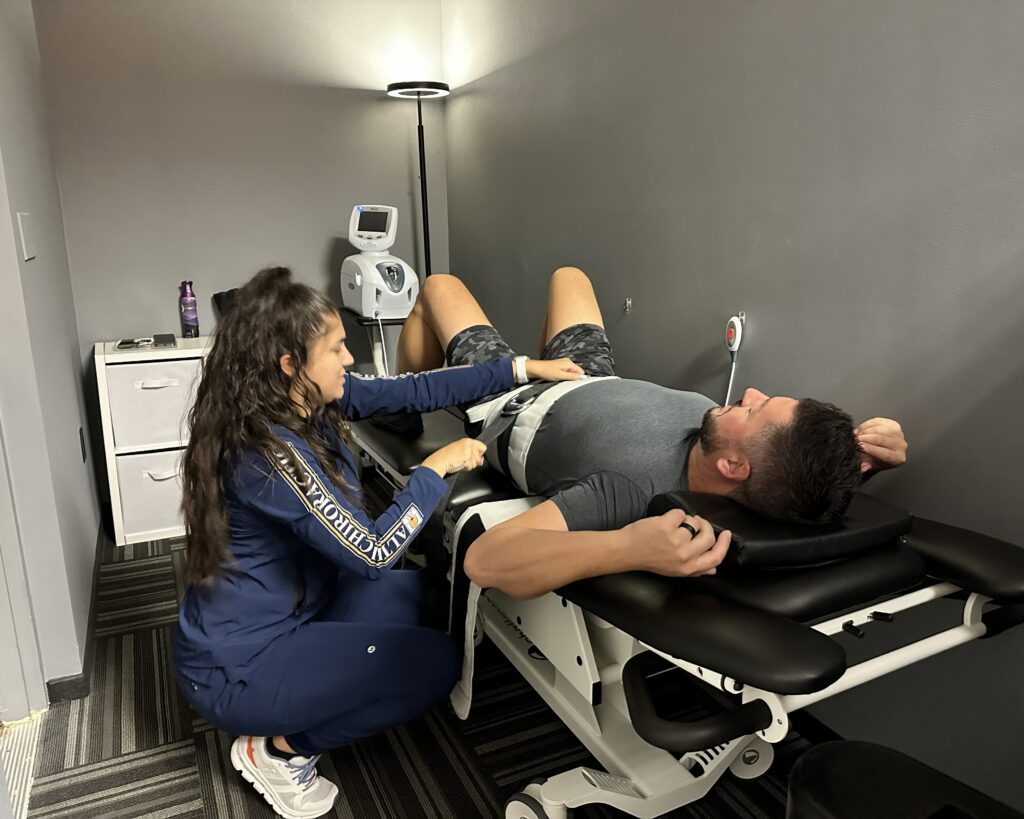

If you suffer from migraines, you may be curious about whether chiropractic care could provide some relief. Chiropractic treatment focuses on adjusting the spine and surrounding tissues to alleviate tension, improve blood flow, and restore balance to the nervous system, which may help reduce the frequency and intensity of your migraine symptoms.
So, how effective is chiropractic care for migraines? Research has shown that many patients experience significant relief from migraine pain and discomfort following spinal adjustments and manual therapy techniques. These approaches can help address underlying issues such as misalignments in the spine, muscle tension, and nerve irritations, all of which can contribute to migraine headaches.
During a chiropractic session, you can expect a thorough assessment of your spine and overall health. Your chiropractor will discuss your symptoms, lifestyle, and any triggers you may have noticed. Based on this information, they will create a personalized treatment plan tailored to your needs. This may include spinal adjustments, soft tissue manipulation, and wellness recommendations to support your journey toward optimal health.
In addition to chiropractic care, there are some general tips you can incorporate into your daily routine to help manage migraines:
- Stay Hydrated: Drink plenty of water throughout the day to prevent dehydration, which can trigger headaches.
- Maintain Good Posture: Practice good posture at your workstation and while using your phone to reduce neck and shoulder strain.
- Regular Exercise: Engage in regular physical activity, as it can help reduce stress and improve circulation, both of which are beneficial for migraine sufferers.
- Manage Stress: Incorporate relaxation techniques like deep breathing, meditation, or yoga to help manage stress levels.
- Monitor Triggers: Keep a migraine diary to identify potential triggers in your diet, environment, or lifestyle, allowing you to make informed choices.
Chiropractic care is a natural and effective way to address migraines. By focusing on the health of your spine and nervous system, you can work toward achieving a pain-free life and overall wellness. If you’re ready to explore how chiropractic can help you with your migraines, don’t hesitate to reach out and schedule a consultation today.
Understanding Manual Therapy and Its Techniques
When you think about manual therapy, consider it as a natural way to promote healing and wellness through hands-on techniques that focus on your body’s soft tissues and musculoskeletal system. This approach is all about helping you feel better through methods designed to relieve pain, improve mobility, and enhance your overall well-being.
You may come across techniques like chiropractic adjustments, massage therapy, and myofascial release, all of which are effective in addressing specific areas of discomfort.
During a chiropractic session, I use my hands to gently manipulate your spine, muscles, tendons, and ligaments, which can help alleviate discomfort and improve your body’s function. The gentle adjustments can relieve tightness, allowing your body to move more freely.
Whether you’re recovering from an injury, managing chronic pain, or just looking to maintain your health, chiropractic care is a powerful tool for natural healing.
It’s essential to communicate openly with your chiropractor about your specific needs and concerns to ensure you receive the most effective treatment tailored just for you.
In addition to chiropractic adjustments, here are some general tips for enhancing your wellness:
- Stay Active: Regular physical activity strengthens your muscles and improves flexibility, which supports spinal health.
- Practice Good Posture: Be mindful of your posture during daily activities to avoid unnecessary strain on your spine.
- Stay Hydrated: Drinking plenty of water helps maintain the elasticity of your muscles and joints.
- Get Adequate Rest: Quality sleep is vital for your body to heal and regenerate.
- Manage Stress: Incorporate relaxation techniques such as deep breathing or gentle yoga to reduce tension in your body.
By choosing chiropractic care, you’re investing in a holistic approach to your health that prioritizes natural healing and wellness.
The Connection Between Manual Therapy and Migraine Relief
Migraines can be incredibly challenging, but many individuals find solace through chiropractic care. This hands-on approach, which includes techniques like spinal adjustments, focuses on relieving muscle tension and enhancing blood flow—two key factors that can exacerbate migraine symptoms.
By addressing tightness in the neck, shoulders, and upper back, chiropractic care can help reduce both the frequency and intensity of your headaches.
Moreover, chiropractic treatments encourage relaxation, which is crucial since stress is a common trigger for migraines. When you choose chiropractic care, you’re not only tackling the physical aspects of your migraines, but you’re also embracing a holistic approach to your overall wellness.
Incorporating chiropractic techniques into your routine could lead to a noticeable improvement in your migraine symptoms and enhance your quality of life.
Here are some simple tips to help manage your migraines:
- Stay Hydrated: Dehydration can trigger migraines, so aim to drink plenty of water throughout the day.
- Maintain Good Posture: Pay attention to your posture, especially if you sit for long periods. Good posture can alleviate unnecessary strain on your neck and back.
- Practice Stress-Relief Techniques: Incorporate practices like deep breathing, yoga, or meditation into your daily routine to help reduce stress levels.
- Regular Chiropractic Visits: Regular adjustments can help keep your spine aligned and reduce tension in your body, leading to fewer migraine episodes.
By prioritizing chiropractic care and these lifestyle adjustments, you can pave the way for a healthier, migraine-free life.
Evidence Supporting Manual Therapy for Migraines
Research consistently shows that chiropractic care can be a highly effective treatment option for those suffering from migraines. Many studies highlight how chiropractic techniques, such as spinal manipulation and soft tissue mobilization, can help reduce both the frequency and intensity of migraine attacks. By alleviating muscle tension and improving blood flow, chiropractic care can make a significant difference in managing migraine symptoms.
For instance, in one study, participants who received chiropractic adjustments reported a noticeable reduction in the number of migraine days they experienced, along with improvements in their overall quality of life. Another trial indicated that patients who regularly visited their chiropractor found themselves relying less on medications, opting instead for the natural healing benefits that chiropractic provides.
If you’re looking for ways to manage your migraines naturally, consider the following tips:
- Regular Chiropractic Visits: Schedule regular appointments with your chiropractor to maintain proper spinal alignment and overall wellness.
- Stay Hydrated: Drink plenty of water throughout the day to help keep your body hydrated, which can reduce headache triggers.
- Manage Stress: Incorporate stress-relief techniques such as deep breathing, yoga, or meditation into your daily routine.
- Posture Awareness: Pay attention to your posture, especially when sitting for extended periods. Good posture can help alleviate tension in your neck and shoulders.
- Healthy Lifestyle Choices: Focus on a balanced diet, regular exercise, and adequate sleep to support your overall health and reduce migraine occurrences.
By prioritizing chiropractic care and these healthy habits, you can take control of your migraines and embrace a more vibrant, pain-free life.
What to Expect During a Manual Therapy Session
If you’ve decided to explore chiropractic care for your migraines, it’s essential to know what to expect during a manual therapy session. When you arrive, your chiropractor will take the time to discuss your medical history and current symptoms. This conversation helps tailor your treatment to meet your specific needs.
You’ll typically be asked to lie down on a comfortable treatment table, where your chiropractor will assess your posture and movement. This assessment is crucial, as it allows them to identify areas of tension that may be contributing to your migraines.
During the session, your chiropractor will use their hands to gently apply pressure to specific areas, particularly focusing on your neck, shoulders, and upper back. While you might experience some mild discomfort, it should be entirely manageable. The primary goal of this therapy is to relieve tension and enhance circulation, which can significantly reduce the frequency and intensity of your migraines.
After your session, your chiropractor may offer recommendations for follow-up care or suggest simple exercises you can do at home to further support your healing journey. Remember, chiropractic care is designed to be a holistic and supportive approach to health, focusing on natural healing without the need for medications or surgeries.
As you embark on this journey, here are a few additional tips to enhance your wellness:
- Stay hydrated: Drinking plenty of water can help keep your body functioning optimally.
- Maintain good posture: Being mindful of your posture, especially while sitting, can prevent additional tension from building up.
- Incorporate relaxation techniques: Practices such as deep breathing, yoga, or meditation can help reduce stress, which may trigger migraines.
Additional Strategies for Managing Migraines
To effectively manage migraines, it’s essential to take a holistic approach that incorporates chiropractic care as a key component of your wellness journey. Start by identifying your personal triggers, which can include certain foods, stress, or lack of sleep. A helpful tip is to keep a migraine diary, which can assist you in recognizing these patterns and making informed lifestyle changes.
Regular physical activity is another crucial aspect of migraine management. Engaging in exercise releases natural endorphins that can help alleviate pain and reduce stress levels. Additionally, incorporating relaxation techniques such as deep breathing, yoga, or meditation can further relieve tension and promote a sense of calm.
Reviewing your diet can also be beneficial. Staying well-hydrated and focusing on a balanced diet rich in magnesium and omega-3 fatty acids can support your overall health and possibly lessen the frequency of migraines.
As your chiropractor, I encourage you to consider how spinal alignment and overall body function play a vital role in your health. Regular chiropractic adjustments can help improve your nervous system function and reduce tension that may contribute to migraines.
Remember, consistency is key in any health plan. Staying committed to your chiropractic care and self-care routines can lead to a better quality of life.
Conclusion
To summarize, chiropractic care can be an effective approach to managing migraines by addressing muscle tension and enhancing circulation. Techniques such as spinal adjustments and soft tissue mobilization can help relieve the frequency and intensity of migraine attacks. It’s essential to work with a qualified chiropractor who can create a personalized treatment plan tailored to your specific needs.
In addition to chiropractic adjustments, consider incorporating some simple lifestyle changes to promote overall wellness. Staying hydrated, maintaining a balanced diet, practicing relaxation techniques, and managing stress can all contribute to reducing migraine occurrences. By combining chiropractic care with these healthy habits, you can improve your quality of life and support your body’s natural healing processes without relying on medications. Remember, achieving optimal health is a journey, and chiropractic care can be your partner along the way!