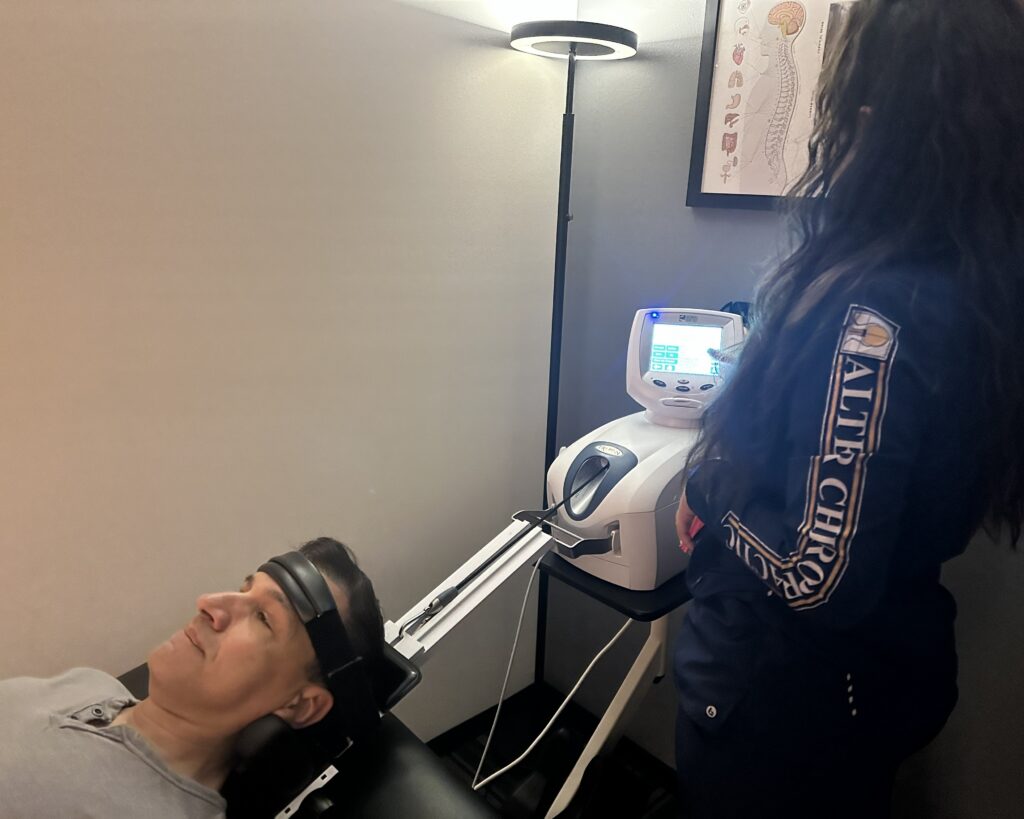

Headaches can really throw a wrench in your day, leaving you desperate for relief. As a chiropractor, I want to share some effective, natural techniques that can help ease your pain and prevent those headaches from returning. One of the simplest yet often overlooked methods is staying well-hydrated. Dehydration can lead to tension headaches, so make sure you’re drinking plenty of water throughout the day.
In addition to hydration, relaxation techniques can be incredibly beneficial. Stress is a common trigger for headaches, and finding ways to manage it can make a world of difference. Techniques such as deep breathing exercises, gentle yoga, or even taking a few moments to meditate can help calm your mind and relieve tension in your body.
Chiropractic care is also an essential tool in managing headaches. By focusing on spinal health, we can address any misalignments that might be contributing to your pain. Regular chiropractic adjustments can help restore proper function to your nervous system and relieve pressure on your muscles and joints, leading to fewer headaches over time.
Incorporating regular physical activity into your routine can also be a key factor in preventing headaches. Exercise promotes blood flow and can help reduce stress, both of which are crucial for headache relief.
Remember, everyone is different, and what works for one person may not work for another. It’s important to listen to your body and find the techniques that work best for you. If headaches persist, consider visiting your local chiropractor, who can provide personalized care and support for optimal health and wellness. By taking a proactive approach to your health, you can enjoy a headache-free life!
Key Takeaways
- Stay hydrated by drinking plenty of water and herbal teas, as proper hydration can help prevent headaches caused by dehydration. Remember, a well-hydrated body supports overall wellness, which is essential for maintaining a healthy spine.
- Incorporate relaxation techniques such as deep breathing, meditation, and yoga into your daily routine. These practices not only help reduce stress and tension but also promote spinal health by encouraging proper posture and alignment.
- Regular chiropractic care is an effective way to address spinal misalignments, which can significantly reduce the frequency and intensity of headaches. By ensuring your spine is aligned, you are supporting your nervous system and overall health.
- Maintain a balanced diet and eat regular meals to stabilize your blood sugar levels. A nutritious diet can help prevent headache triggers and supports a healthy spine, which is crucial for overall wellness.
- Be mindful of your screen time and take breaks to alleviate eye strain, a common headache trigger. Additionally, practicing good posture while using screens can further support your spinal health, helping to prevent headaches related to tension.
By integrating these simple yet effective strategies into your lifestyle and prioritizing chiropractic care, you can achieve optimal health and reduce headaches naturally. Your spine is the foundation of your overall wellness, and taking care of it is key to feeling your best!
Understanding Different Types of Headaches
When it comes to understanding headaches, it’s crucial to know the different types and how they can relate to your overall health. Recognizing these differences can help you find effective relief and support your journey towards wellness.
Tension headaches are the most common type and often feel like a tight band around your head. They can be triggered by stress, fatigue, or poor posture. A chiropractic adjustment can help alleviate tension in the neck and shoulders, which may reduce the frequency and intensity of these headaches.
Migraines are another type of headache that can cause intense, throbbing pain, often accompanied by nausea or sensitivity to light. These can be debilitating and may last for hours or even days. Chiropractic care has been shown to help some individuals manage migraine symptoms by addressing spinal alignment and reducing tension in the body.
Cluster headaches, while less common, can be incredibly painful and often occur in cycles, sometimes waking you up at night. These headaches may benefit from chiropractic adjustments that focus on relieving neck tension and improving overall body alignment.
Sinus headaches are caused by sinus infections or allergies and create pressure in the forehead and cheeks. Chiropractic care can support sinus drainage and reduce pressure by ensuring proper alignment of the spine and promoting overall health.
Understanding these headache types is essential because each one may require a different approach for relief. By identifying your specific headache type, you can take proactive steps, such as visiting your chiropractor, to manage discomfort more effectively and improve your quality of life.
In addition to chiropractic care, here are some general tips for headache relief:
- Stay hydrated: Dehydration can trigger headaches, so make sure you’re drinking enough water throughout the day.
- Maintain good posture: Keep your spine aligned by sitting and standing up straight to reduce tension in your neck and shoulders.
- Manage stress: Incorporate relaxation techniques such as deep breathing, meditation, or gentle stretching into your daily routine.
- Prioritize sleep: Aim for consistent, quality sleep each night to help your body recover and reduce headache triggers.
Natural Remedies for Headache Relief
How can natural remedies help ease your headache pain? They offer gentle, effective solutions that work in harmony with your body, without the side effects often associated with medications. As a chiropractor, I believe that addressing the root causes of headaches is essential for long-term relief, and there are several natural approaches to consider.
One method that many find helpful is aromatherapy. Essential oils like peppermint and lavender can provide soothing relief. Simply inhale the fragrance or apply diluted oil to your temples for quick results. This can be a wonderful way to create a calming environment, which is beneficial for both mind and body.
Hydration is another key factor in managing headaches. Often, headaches can stem from dehydration, so drinking plenty of water is crucial. Consider incorporating herbal teas, such as chamomile or ginger, which are known for their calming properties and can further aid in relaxation.
In addition, practicing relaxation techniques like deep breathing or meditation can be extremely beneficial. These methods help lower stress levels, which can reduce the frequency of headaches. Regular physical activity is also important; it improves blood flow and reduces tension, both of which can help prevent headaches.
Lastly, don’t underestimate the power of a good night’s sleep. Prioritizing rest allows your body to recover and can significantly minimize headache occurrences.
Remember, maintaining a healthy spine through regular chiropractic adjustments can also play a vital role in your overall wellness and headache prevention.
Incorporate these natural remedies into your routine and explore how chiropractic care can support your journey to optimal health. By focusing on a holistic approach, you can find what works best for you in achieving relief and enhancing your well-being!
Over-the-Counter Medications: What Works Best
When dealing with headaches, many people turn to over-the-counter medications for quick relief. However, as a chiropractor, I believe that exploring natural remedies and holistic approaches can be a more beneficial first step. Chiropractic care targets the root causes of headaches, often related to spinal alignment and tension in the body.
Tension headaches and migraines can frequently be linked to stress, poor posture, and spinal misalignments. Instead of reaching for pain relievers like ibuprofen or acetaminophen, consider visiting a chiropractor who can assess your spine and recommend adjustments to alleviate tension and restore balance.
These adjustments can enhance blood flow and promote overall well-being, potentially reducing the frequency and intensity of headaches.
In addition to chiropractic adjustments, incorporating regular stretching, practicing good posture, and managing stress through techniques like deep breathing or yoga can significantly help in preventing headaches. Staying hydrated and ensuring you get enough rest are also key factors in maintaining optimal health.
If you find yourself frequently experiencing headaches, it’s essential to consult with a chiropractor who can guide you on the best practices tailored to your individual needs.
Lifestyle Changes to Prevent Headaches
To effectively prevent headaches, embracing some simple lifestyle changes can be essential. As a chiropractor, I encourage you to start by prioritizing hydration; drinking enough water throughout the day can significantly help in reducing headache occurrences.
It’s also important to focus on your diet. Regular meals that include a balance of nutrients can help stabilize blood sugar levels, preventing those dips that often lead to headaches.
Establishing a consistent sleep schedule is vital too. Aim for 7-9 hours of restful sleep each night, going to bed and waking up at the same time daily. Adequate sleep is fundamental for overall health and can play a crucial role in headache prevention.
Managing stress is another key factor. Incorporating relaxation techniques such as deep breathing exercises or meditation into your daily routine can help reduce tension that may contribute to headaches.
Don’t forget about the importance of taking breaks from screens. Limiting screen time and allowing yourself regular breaks during prolonged tasks can help alleviate eye strain, which is a common trigger for headaches.
Lastly, be mindful of your posture. Maintaining good spinal alignment while sitting or standing can greatly reduce tension headaches. Chiropractic adjustments can support this alignment and enhance your overall well-being.
Alternative Therapies: Acupuncture and More
Exploring alternative therapies can enhance the lifestyle changes you’ve made for headache prevention, but there’s one approach that stands out as the best choice for natural healing: chiropractic care.
As a chiropractor, I believe that spinal health is crucial for overall wellness, and addressing any misalignments in your spine can significantly reduce headache frequency and intensity.
Chiropractic adjustments focus on restoring proper alignment to your spine and neck, which can relieve tension and pressure that contribute to headaches. By improving your spinal function, you not only alleviate pain but also support your body’s natural ability to heal itself.
Regular chiropractic care can help keep your nervous system functioning optimally, allowing for the release of natural pain-relieving chemicals.
In addition to chiropractic adjustments, consider some simple tips to help manage headache pain. Staying hydrated is essential; dehydration can often lead to headaches. Make sure to drink plenty of water throughout the day.
Practicing good posture, especially if you work at a desk, can also help prevent tension headaches. Take breaks to stretch and move around to keep your muscles relaxed.
While some people explore other therapies like acupuncture, massage, or herbal remedies, I encourage you to prioritize chiropractic care for its effectiveness in addressing the root causes of headaches.
It’s essential to consult with a healthcare professional before trying any new treatments to ensure they align with your health needs.
By incorporating chiropractic care into your daily routine, you can achieve not only headache relief but also a pathway to optimal health and wellness.
When to Seek Professional Help
When should you consider reaching out for professional help regarding your headaches? As a local chiropractor, I believe it’s crucial to pay attention to your body’s signals. If your headaches are frequent, severe, or persistent, it may be time to seek assistance. Over-the-counter medications often just mask the problem and don’t address the root cause, which is where chiropractic care comes in.
Chiropractic adjustments can help alleviate tension in the spine and neck, which may be contributing to your headaches. Additionally, if your headaches are disrupting your daily life or if you experience accompanying symptoms like visual changes or nausea, these could be signs of a deeper issue that warrants a professional evaluation.
Here’s a useful guide to help you determine when to seek chiropractic care:
| Symptoms | Recommended Action |
|---|---|
| Severe headache | Seek chiropractic care immediately |
| Frequent headaches (3+ times/week) | Schedule a chiropractic consultation |
| Headaches accompanied by aura or nausea | Consult with a chiropractor for a thorough evaluation |
Remember, don’t ignore these signs. Taking proactive measures can lead you towards effective treatment and better overall well-being. Here are a few tips to help manage headaches naturally:
- Stay Hydrated: Dehydration can lead to headaches, so make sure you’re drinking enough water throughout the day.
- Practice Good Posture: Poor posture can contribute to tension headaches. Ensure your workspace is ergonomically designed.
- Incorporate Relaxation Techniques: Stress can trigger headaches, so consider mindfulness practices, stretching, or yoga.
- Regular Chiropractic Visits: Regular adjustments can help maintain spinal alignment and reduce headache frequency.
You deserve to live a life free from headaches, and chiropractic care may be the key to achieving that optimal health you seek!
Conclusion
Incorporating chiropractic care into your routine can provide significant relief from headaches and promote overall well-being. As a chiropractor, I believe that understanding the connection between spinal health and headache relief is essential. Misalignments in the spine can lead to tension and discomfort, contributing to headaches. By addressing these misalignments through gentle adjustments, we can help restore balance and reduce pain.
In addition to chiropractic adjustments, there are natural remedies and lifestyle changes you can adopt to enhance your wellness. Staying hydrated is crucial—dehydration can often trigger headaches, so make sure you’re drinking enough water throughout the day. Practicing relaxation techniques, such as deep breathing or gentle yoga, can also ease tension in your neck and shoulders, which may help alleviate headache symptoms.
Pay attention to your body’s signals and identify any triggers that may lead to your headaches. Common culprits include stress, poor posture, and lack of sleep. By making small adjustments to your daily habits, you can help prevent headaches from occurring in the first place.
If you find that headaches persist despite these efforts, consider scheduling a visit to your chiropractor. We can work together to develop a personalized plan that addresses your specific needs and helps you achieve optimal health naturally. Remember, taking care of your spine is a key part of maintaining a healthy, comfortable lifestyle.