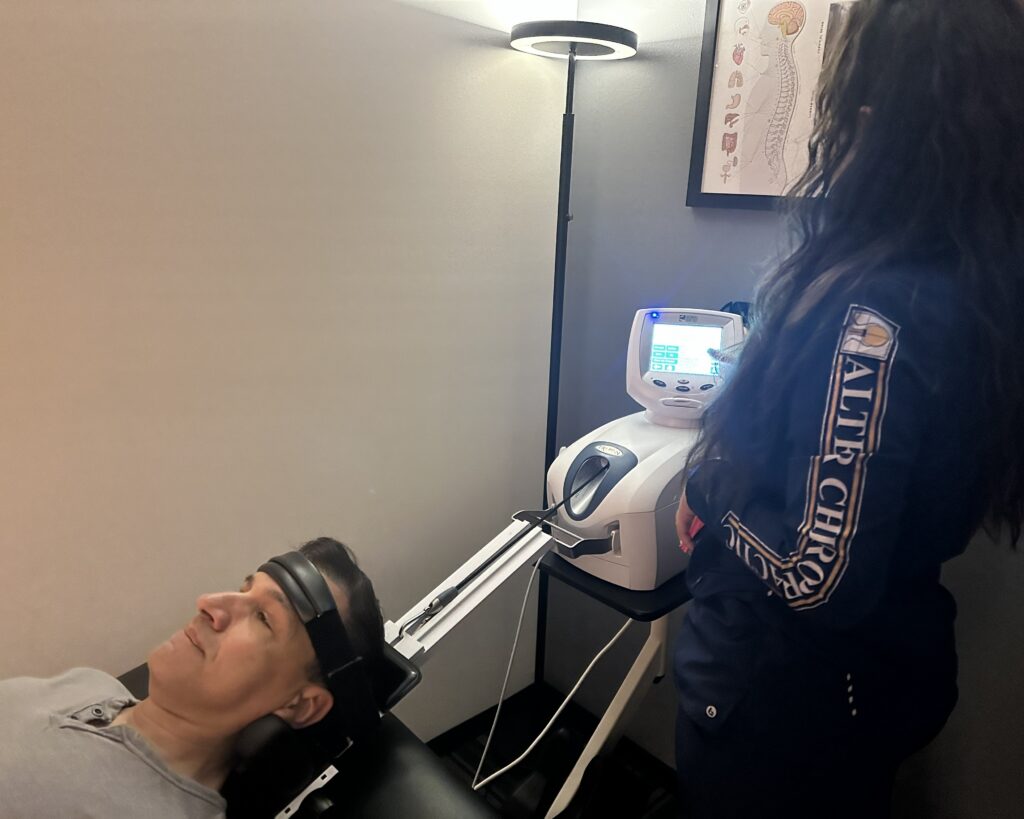

Headaches can be debilitating, but managing them doesn’t have to be a complicated process. As a local chiropractor, I believe that understanding your body’s signals and making a few lifestyle adjustments can lead to significant relief. One of the most effective ways to combat headaches is by addressing your spinal health. A well-aligned spine can play a crucial role in reducing headache frequency and intensity.
Staying hydrated is essential, as dehydration can contribute to headache pain. Additionally, practicing relaxation techniques like deep breathing, meditation, or gentle stretching can help alleviate tension that may be causing discomfort. You might also want to consider dietary changes—certain foods can trigger headaches, while others can help prevent them.
Chiropractic care can be an excellent choice for those seeking natural wellness and pain relief. Regular adjustments can help ensure that your spine is in alignment, which can reduce nerve irritation and muscle tension often associated with headaches.
Curious about how these strategies can fit into your daily routine? Let’s explore some effective tips for headache relief and management that emphasize the benefits of chiropractic care:
- Stay Hydrated: Ensure you’re drinking enough water throughout the day to prevent dehydration-related headaches.
- Posture Check: Maintain good posture while sitting and standing. This can help reduce strain on your neck and back, which can contribute to headache pain.
- Regular Chiropractic Visits: Consider scheduling regular visits with your chiropractor to maintain spinal health and address any misalignments that could be triggering headaches.
- Practice Relaxation Techniques: Incorporate relaxation exercises, such as yoga or meditation, into your routine to help reduce stress levels.
- Identify Triggers: Keep a headache diary to identify potential triggers, such as specific foods, stress, or lack of sleep, and work to avoid them.
- Gentle Exercise: Engage in regular gentle exercise to improve circulation and reduce muscle tension.
By focusing on these strategies, including the unique benefits of chiropractic care, you may find a holistic approach to managing headaches that promotes overall wellness. Remember, your body is capable of healing, and with the right support, you can achieve optimal health naturally.
Key Takeaways
- Keeping a headache diary can be incredibly helpful. By tracking your headaches, including their frequency, intensity, and any potential triggers, you can gain valuable insights that can assist in managing them naturally. This information can also help your chiropractor tailor your care to better suit your needs.
- Staying hydrated is key! Aim to drink at least eight 8-ounce glasses of water daily. Proper hydration not only supports your overall health but can also prevent headaches that are caused by dehydration. Remember, your chiropractor can provide guidance on how hydration impacts spinal health as well.
- Incorporating relaxation techniques such as deep breathing and meditation into your daily routine is a great way to reduce stress and tension, which are common headache triggers. These practices can help calm your nervous system, promoting a balanced state that complements chiropractic care.
- Regular chiropractic adjustments can work wonders for your spine and overall well-being. By improving spinal alignment, chiropractic care can relieve tension in the neck and shoulders, helping to decrease the frequency and intensity of headaches. Think of chiropractic as a proactive approach to maintaining your health.
- Maintaining good posture is crucial for minimizing headaches. Simple adjustments in your daily habits, such as keeping your back straight while sitting or standing, can make a big difference. Additionally, creating a restful sleep environment—like ensuring a supportive mattress and pillow—can enhance your sleep quality, contributing to headache prevention.
Incorporating these tips into your daily life, along with regular chiropractic care, can significantly improve your overall health and help you manage headaches naturally. Remember, your chiropractor is here to support you on your journey to optimal wellness!
Identify Your Triggers
Have you ever wondered what causes your headaches? As a chiropractor, I believe that identifying your triggers is the first step toward finding natural relief. One effective way to do this is by keeping a headache diary. Record when your headaches occur, their intensity, and any activities or foods you consumed beforehand. This can help you uncover patterns and pinpoint specific triggers. Common culprits might include stress, lack of sleep, certain foods, or changes in your daily routine.
Don’t forget to pay attention to your environment as well. Bright lights, loud noises, and strong smells can contribute to discomfort. Once you’ve identified potential triggers, you can take proactive steps to manage them. For instance, if you find that stress is a major factor, consider incorporating relaxation techniques like deep breathing or gentle stretching into your day.
Additionally, remember that chiropractic care can play a vital role in helping you manage headaches. Regular adjustments can improve spinal alignment, reduce tension, and enhance overall wellness, which may lead to fewer headaches over time.
Understanding what sparks your headaches empowers you to make choices that can significantly reduce their frequency and intensity, leading to a happier, healthier life. Embrace these strategies and consider chiropractic care as a natural, effective way to achieve optimal health and relief from headaches.
Maintain a Consistent Hydration Routine
While you might not realize it, maintaining a consistent hydration routine can significantly enhance your efforts in relieving headaches, which can often be linked to spinal health. Dehydration is a common headache trigger, so keeping your body well-hydrated is crucial for overall wellness and can support the effectiveness of chiropractic care. Aim for about eight 8-ounce glasses of water daily, but adjust based on your activity level and climate.
To help you track your hydration, consider the following simple chart:
| Time of Day | Water Intake (oz) | Notes |
|---|---|---|
| Morning | 16 | Start your day with hydration |
| Midday | 16 | Drink with lunch |
| Afternoon | 16 | Enjoy during your snack |
| Evening | 16 | With dinner |
| Before Bed | 8 | Wind down and hydrate |
Incorporating this hydration routine into your daily life can not only help ease headache frequency and intensity but also promote better spinal function and overall health. Remember, staying hydrated is a straightforward yet powerful way to support your body naturally. Combine this with regular chiropractic adjustments, and you may find yourself on a path to optimal health and wellness.
Practice Relaxation Techniques
Practicing relaxation techniques can significantly enhance your journey toward headache relief and overall wellness. As a chiropractor, I often recommend incorporating deep breathing exercises, meditation, and progressive muscle relaxation into your daily routine. These techniques help to ease tension and stress, which can contribute to headaches.
When you practice deep breathing, you promote relaxation and increase oxygen flow to your body, which can help alleviate pain. Meditation allows you to clear your mind and focus inward, creating a sense of calm that can reduce headache frequency.
Progressive muscle relaxation is another excellent method where you systematically tense and then relax different muscle groups, releasing built-up tension.
By integrating these natural methods into your life alongside regular chiropractic care, you may experience fewer headaches and a greater sense of overall well-being.
Deep Breathing Exercises
When you sense a headache approaching, consider incorporating deep breathing exercises into your wellness routine. These techniques can’t only help you relax but also support your body’s natural healing processes.
To begin, find a quiet and comfortable space where you can settle in without interruptions. Sit or lie down in a position that feels good for you.
Start by inhaling deeply through your nose for a count of four, allowing your abdomen to rise as you fill your lungs. Hold this breath for a count of four, and then exhale gently through your mouth for a count of six. Repeat this cycle multiple times, paying attention to the steady rhythm of your breath. As you breathe, visualize the tension dissipating from your body with each exhale.
This simple practice is beneficial not only for reducing headache intensity but also for promoting overall relaxation.
Remember, regular deep breathing can enhance your well-being and complement your chiropractic care, which focuses on aligning your spine and nervous system for optimal health.
Meditation and Mindfulness
Incorporating meditation and mindfulness into your daily routine can be a fantastic way to support your overall health and well-being, especially when it comes to managing headache symptoms.
As a chiropractor, I often emphasize the importance of a holistic approach to health, and these practices can complement your chiropractic care by promoting relaxation and helping you manage stress—both of which can contribute to headache triggers.
Here are some simple steps to get you started on your journey toward better relaxation and pain relief:
- Find a quiet space: Look for a comfortable spot in your home where you can sit or lie down without interruptions. This will help you focus and get the most out of your practice.
- Set a timer: Begin with just 5-10 minutes for your meditation session. This short duration is a great way to build the habit without feeling overwhelmed.
- Focus on your breath: Take deep, calming breaths. Inhale slowly through your nose, and exhale gently through your mouth. Concentrating on your breath can help clear your mind and release tension.
- Practice regularly: Try to meditate every day. As you become more comfortable, you can gradually increase the duration of your sessions. Consistency is key to reaping the benefits of mindfulness and relaxation.
Remember, while meditation and mindfulness can be excellent tools for managing headaches, they work best alongside chiropractic care.
Regular chiropractic adjustments help align your spine, improve your nervous system function, and promote natural healing.
Progressive Muscle Relaxation
Progressive Muscle Relaxation (PMR) is a valuable technique that can assist you in releasing tension and alleviating headache symptoms, which can often be related to spinal misalignments and poor posture. As your local chiropractor, I encourage you to incorporate PMR into your wellness routine to promote natural healing and overall health.
To practice PMR, find a quiet space where you can sit or lie down comfortably. Begin by taking a deep breath to center yourself. Focus on tensing the muscles in your feet for about five seconds. Once you’ve tensed them, relax completely and pay attention to the difference in sensation. This simple act can help you become more aware of where you might be holding tension, particularly in areas affected by spinal health.
Gradually work your way up your body—move to your calves, thighs, abdomen, arms, and face—tensing and then relaxing each muscle group. This process not only encourages mindfulness but also helps you identify areas of discomfort that could be linked to your spine.
Regular practice of PMR can reduce stress, which is vital for managing headaches and supporting your overall well-being.
Remember, maintaining good spinal health is key to preventing tension and discomfort. Along with PMR, consider regular chiropractic adjustments to keep your spine aligned and functioning optimally.
Prioritize Sleep Hygiene
Prioritizing sleep hygiene is crucial for reducing the frequency and intensity of headaches, and it plays a significant role in your overall well-being. Quality sleep can influence headache triggers, making it a key factor in your health. Here are some simple yet effective tips to enhance your sleep hygiene and support natural healing:
- Stick to a Schedule: Try to go to bed and wake up at the same time each day, even on weekends. This consistency helps regulate your body’s internal clock, promoting better sleep and recovery.
- Create a Restful Environment: Make your bedroom a sanctuary for sleep. Keep the room dark, cool, and quiet. You might find blackout curtains or a white noise machine beneficial to block out distractions.
- Limit Screen Time: The blue light emitted from screens can hinder your ability to fall asleep. Aim to avoid screens at least an hour before bedtime to allow your body to prepare for restful sleep.
- Establish a Relaxing Routine: Incorporate calming activities into your pre-sleep routine. Simple practices like reading a book or taking a warm bath can help signal to your body that it’s time to unwind, allowing for a smoother transition to sleep.
By focusing on these tips, you can promote better sleep hygiene, which may lead to fewer headaches and an overall improvement in your well-being.
Explore Dietary Adjustments
When it comes to finding relief from headaches, your diet can play a crucial role in your overall wellness. Staying properly hydrated is key, as it helps reduce discomfort and supports your body’s natural healing processes.
On the other hand, certain foods may act as triggers, potentially exacerbating your headaches. By making thoughtful adjustments to what you eat and drink, you can take meaningful steps toward feeling better.
As a local chiropractor, I want to emphasize that alongside dietary changes, chiropractic care is an excellent choice for managing headaches naturally. Regular chiropractic adjustments can help align your spine, improve your nervous system function, and ultimately support your body in healing itself.
Here are some simple tips to help you manage headaches through diet and chiropractic care:
- Stay Hydrated: Aim to drink plenty of water throughout the day. Dehydration is a common headache trigger, so keep a water bottle handy to remind yourself to sip regularly.
- Identify Trigger Foods: Pay attention to what you eat. Common headache triggers can include aged cheeses, processed meats, and artificial sweeteners. Keeping a food diary can help you identify any patterns.
- Eat Balanced Meals: Focus on a well-rounded diet rich in fruits, vegetables, whole grains, and lean proteins. This not only supports overall health but may also reduce the frequency of headaches.
- Consider Chiropractic Adjustments: Regular visits to your chiropractor can help alleviate tension in your neck and shoulders, which are often related to headache pain. Your chiropractor can tailor a care plan that suits your individual needs.
- Practice Relaxation Techniques: Incorporate stress-relieving practices such as deep breathing, yoga, or meditation into your daily routine. Stress can be a significant contributor to headaches, so finding ways to unwind is essential.
By combining dietary adjustments with chiropractic care, you can take control of your health and work towards a life with fewer headaches.
Hydration and Headache Relief
Staying properly hydrated is crucial for managing headaches, as even mild dehydration can lead to discomfort. Ensuring you drink enough fluids not only helps with headache relief but also supports overall wellness and can enhance the effectiveness of your chiropractic care.
Here are some simple tips to help you stay hydrated:
- Set a Daily Goal: Strive to drink at least eight 8-ounce glasses of water each day. This simple target can help keep your body functioning optimally and reduce headache triggers.
- Carry a Water Bottle: Keeping a refillable water bottle with you encourages regular sipping throughout the day. This habit can easily integrate into your routine, making hydration effortless.
- Track Your Intake: Use apps or a journal to keep an eye on how much you’re drinking. Awareness is key, and tracking your water intake can motivate you to meet your hydration goals.
- Incorporate Hydrating Foods: Include water-rich fruits and vegetables like cucumbers, watermelon, and oranges in your diet. These not only help hydrate but also provide essential nutrients that support spinal health and overall well-being.
Remember, chiropractic care can play a significant role in your journey to optimal health. Staying hydrated complements the benefits of chiropractic adjustments, helping to alleviate pain and tension in your body.
Trigger Foods to Avoid
While staying hydrated is crucial for managing headaches, what you eat can also play a significant role in your overall well-being. Certain foods can trigger headaches, which is why it’s important to be mindful of your diet. By making informed choices about what you consume, you can support your health and potentially reduce headache frequency. Here’s a simple guide to some common trigger foods you might want to avoid, along with healthier alternatives:
| Trigger Food | Why It Can Trigger Headaches | Healthier Alternatives |
|---|---|---|
| Aged Cheeses | They contain tyramine, which can lead to headaches in some people. | Try fresh mozzarella or other mild cheeses that are less likely to trigger headaches. |
| Processed Meats | These foods are often high in nitrates, which can also trigger headaches. | Consider fresh poultry or lean meats as healthier options. |
| Alcohol | It can dehydrate your body and cause blood vessels to dilate, both of which may lead to headaches. | Opt for herbal teas or water to stay hydrated and support your health. |
Incorporating these healthier choices into your diet can not only help reduce headaches but also promote overall wellness. Remember, chiropractic care can also be an excellent way to manage pain and improve your health naturally. By working with a chiropractor, you can explore various techniques that support your body’s natural healing processes, ensuring you feel your best. Take charge of your health today with both mindful eating and the benefits of chiropractic care!
Utilize Over-the-Counter Pain Relievers
If you’re experiencing a headache, it’s important to know there are natural ways to find relief that don’t involve medications. While over-the-counter pain relievers can provide temporary relief, addressing the root cause of your headaches through chiropractic care can lead to long-term wellness.
Chiropractic adjustments can help improve spinal alignment, relieve tension in your neck and shoulders, and promote proper function of your nervous system. This approach not only helps alleviate headache pain but also supports your overall health.
Here are some tips to consider:
- Stay Hydrated: Dehydration can contribute to headaches. Make sure you’re drinking enough water throughout the day.
- Practice Good Posture: Poor posture, especially when sitting at a desk or using your phone, can lead to tension headaches. Be mindful of your posture and take breaks to stretch.
- Manage Stress: Stress is a common trigger for headaches. Techniques like deep breathing, meditation, or yoga can help reduce stress levels.
- Regular Chiropractic Visits: Regular adjustments can help keep your spine aligned and reduce the frequency and intensity of headaches. A chiropractor can tailor a plan that suits your specific needs.
- Exercise: Regular physical activity can help reduce stress and improve overall body function, which may help prevent headaches.
Remember, while temporary relief can be found in medications, chiropractic care offers a holistic approach that addresses the underlying causes of your headaches.
If you’re unsure about what’s causing your discomfort, consider scheduling a consultation with a chiropractor for a personalized assessment and treatment plan. Your journey to optimal health starts with understanding and caring for your body naturally.
Consider Natural Remedies
When you’re experiencing headaches, finding relief is essential, and natural remedies can serve as an effective alternative to traditional medications. As a chiropractor, I believe in the power of holistic approaches to health and wellness, especially when it comes to alleviating pain without unwanted side effects. Here are some natural remedies you might consider, along with tips to enhance your overall well-being:
| Remedy | Description | How to Use |
|---|---|---|
| Peppermint Oil | Known for its soothing properties | Apply diluted to your temples for relief and relaxation. |
| Ginger Tea | Offers anti-inflammatory benefits | Brew a warm cup and sip it to help ease discomfort. |
| Lavender Oil | Provides a calming aroma for tension relief | Inhale deeply or use in a diffuser to create a soothing environment. |
| Hydration | Staying hydrated is vital as dehydration can trigger headaches | Drink plenty of water throughout the day to keep your body functioning optimally. |
In addition to these remedies, chiropractic care plays a crucial role in maintaining spinal health and overall wellness. Regular adjustments can help alleviate tension in the neck and shoulders, which is often a contributing factor to headaches. By aligning your spine, we can help improve your body’s natural ability to heal itself.
Remember, listening to your body is key. If you notice patterns in your headaches, consider keeping a journal to track triggers and remedies that work for you. Additionally, incorporating regular chiropractic visits into your routine can provide lasting benefits and help prevent future headaches.
Embrace these natural approaches and prioritize your spinal health to achieve a more balanced and pain-free life. Your journey to wellness starts with understanding your body and making choices that support its natural healing processes.
Consult a Healthcare Professional
Natural remedies can be a great starting point for headache relief, but it’s crucial to recognize when it’s time to seek professional help. Persistent or worsening headaches may signal an underlying issue that needs attention. A chiropractor can provide a thorough evaluation and help identify the root cause of your headaches, offering tailored treatment options that focus on natural healing and wellness.
Here are four signs that indicate it might be time to consult a chiropractor:
- Frequent headaches: If you’re experiencing headaches more than twice a week, it’s wise to seek professional advice. Regular chiropractic adjustments can help alleviate tension in the spine and promote better overall health.
- Severe pain: If your headache feels debilitating or is different from what you’ve experienced before, it’s essential to get a professional assessment. Chiropractors can help determine if misalignments in your spine are contributing to your pain.
- Accompanying symptoms: If headaches are accompanied by symptoms like nausea, changes in vision, or neurological issues, a chiropractor can help assess potential spinal issues that may be affecting your health.
- Medication overuse: Relying on over-the-counter medications too often can be a sign that your body needs a different approach. Chiropractic care focuses on addressing the underlying causes of pain rather than masking symptoms with medication.
In addition to seeking chiropractic care, here are some general tips for headache relief:
- Stay hydrated: Often, headaches can be triggered by dehydration.
- Maintain good posture: Poor posture can strain your neck and back, leading to headaches. Be mindful of your posture, especially when sitting for long periods.
- Practice relaxation techniques: Stress can contribute to headaches, so consider incorporating deep breathing, meditation, or gentle yoga into your routine.
Conclusion
By taking proactive steps to manage your headaches, you can significantly enhance your overall well-being. Start by identifying the triggers that lead to your headaches, such as stress, tension, or poor posture. Staying hydrated is crucial, as dehydration can often exacerbate headache symptoms. Incorporate relaxation techniques like deep breathing or gentle stretches, and prioritize good sleep hygiene to ensure restorative rest.
Chiropractic care is an excellent approach for headache relief, as it addresses the root causes of pain through spinal adjustments and alignment. These adjustments can alleviate tension in the neck and upper back, which are common contributors to headaches. Additionally, consider making dietary adjustments that promote overall health, such as increasing your intake of anti-inflammatory foods.
While over-the-counter pain relievers may provide temporary relief, chiropractic treatment focuses on long-term wellness and natural healing. If your headaches persist, it’s important to consult with a chiropractor who can offer personalized strategies and care tailored to your needs.
By incorporating these strategies and considering chiropractic care, you’ll be better prepared to manage headaches effectively and enjoy a healthier, pain-free life. Remember, your journey to wellness is a holistic one, and chiropractic care can be a key player in achieving optimal health.