
If you’re tired of dealing with tension headaches, you are certainly not alone. Many individuals experience these painful episodes, often triggered by stress, poor posture, or muscle tension. The good news is that you can take charge of your health and wellness, especially through chiropractic care. By identifying your personal triggers and incorporating effective strategies, you can significantly reduce the frequency and intensity of these headaches.
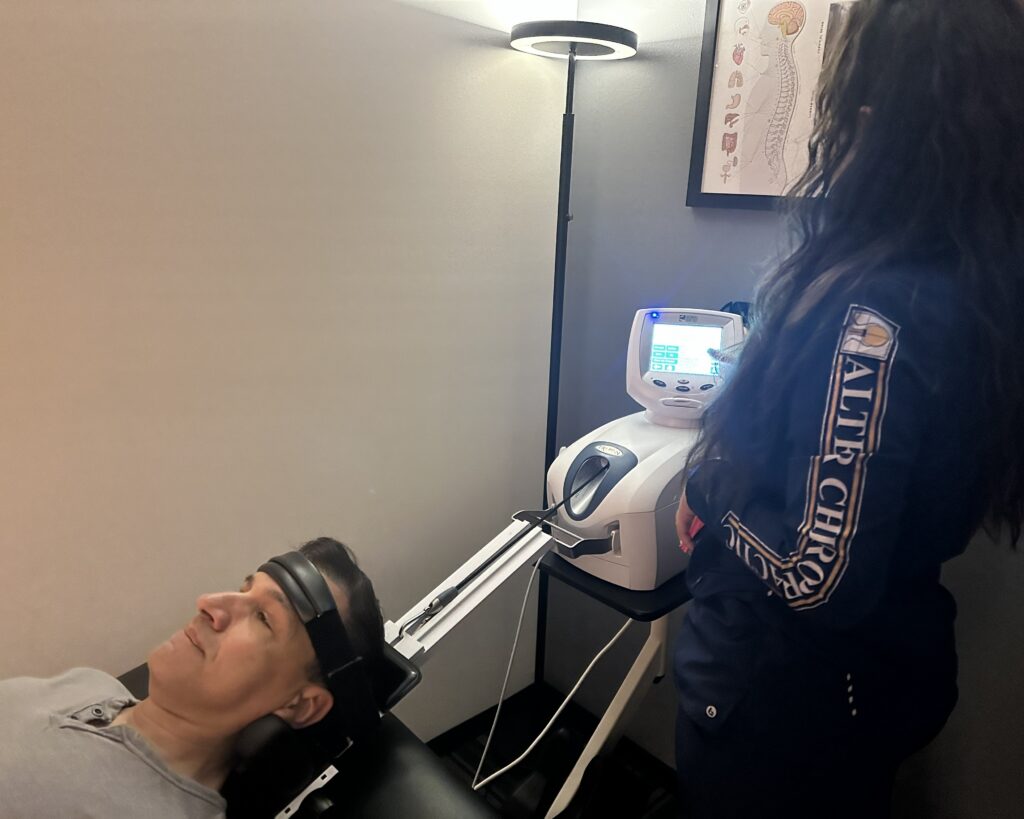
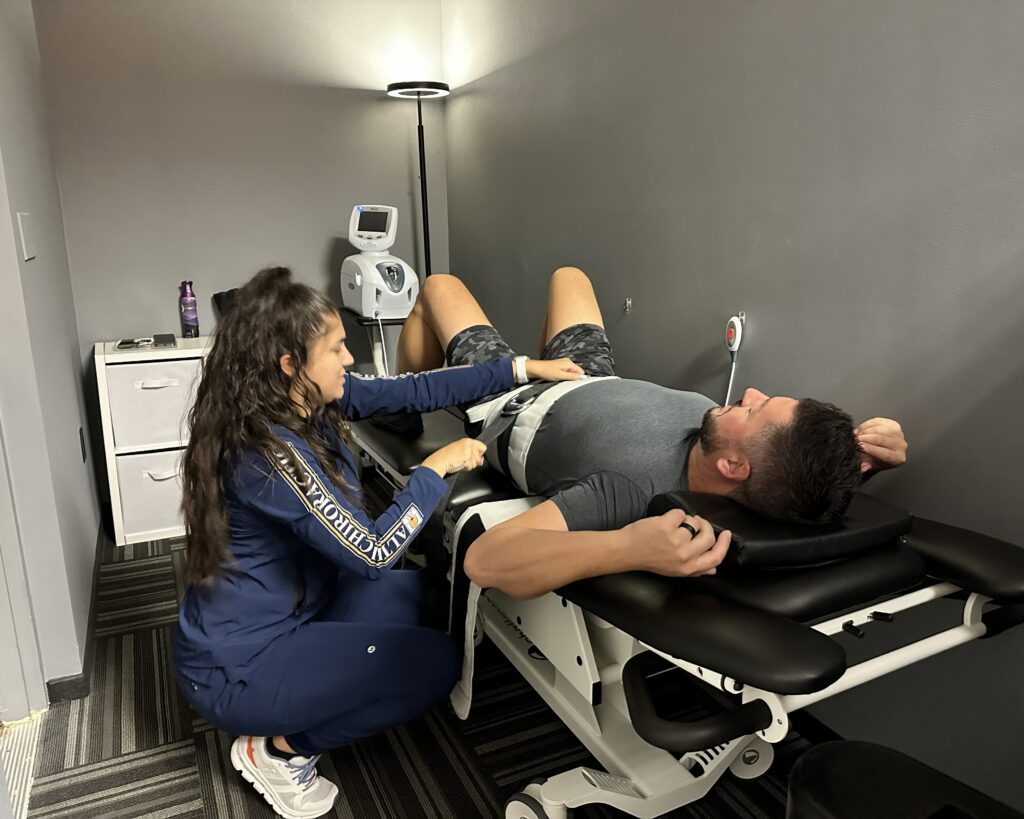
Chiropractic care focuses on the health of your spine and nervous system, which plays a crucial role in overall wellness. Regular adjustments can help to realign your spine, relieve muscle tension, and promote better posture, all of which can help alleviate tension headaches. Additionally, a chiropractor can provide personalized advice on exercises and stretches that can strengthen your neck and shoulder muscles, further reducing your headache triggers.
Curious about what steps you can take to wave goodbye to tension headaches for good? Here are some practical tips:
- Maintain Good Posture: Pay attention to your posture while sitting, standing, or working. Use ergonomic furniture and take breaks to stretch if you sit for long periods.
- Stay Hydrated: Dehydration can contribute to headaches, so make sure you’re drinking plenty of water throughout the day.
- Practice Relaxation Techniques: Incorporate stress-relief activities such as deep breathing, meditation, or yoga into your daily routine to help manage stress levels.
- Regular Chiropractic Visits: Make chiropractic care a part of your wellness routine. Regular adjustments can help keep your spine aligned and prevent tension from building up in your muscles.
- Get Enough Sleep: Prioritize sleep and aim for a regular sleep schedule to help your body recover and reduce stress.
- Exercise Regularly: Engage in activities that promote overall body wellness, such as walking, swimming, or cycling, to improve circulation and reduce muscle tension.
By focusing on these natural strategies and incorporating chiropractic care into your wellness journey, you can effectively manage and potentially eliminate tension headaches. Remember, it’s about taking proactive steps towards a healthier, pain-free life!
Key Takeaways
Wave Goodbye to Tension Headaches Today
Tension headaches can be frustrating, but there are effective ways to manage and reduce their frequency. One of the first steps is to identify common triggers such as stress, poor posture, and fatigue. By understanding these factors, you can take proactive measures to minimize headache occurrences.
Regular chiropractic care is a powerful tool in alleviating muscle tension and improving spinal alignment. When your spine is properly aligned, it can help reduce the strain on your muscles and nerves, which is often a cause of tension headaches. By visiting your chiropractor regularly, you can not only find relief but also prevent headaches from becoming a recurring issue.
In addition to chiropractic adjustments, incorporating relaxation techniques into your daily routine can significantly relieve headache discomfort. Simple practices such as deep breathing exercises and progressive muscle relaxation can help ease tension in your body, promoting a sense of calm and well-being.
Don’t forget the importance of hydration and nutrition in your wellness journey. Drinking enough water and maintaining a balanced diet rich in whole foods can support your overall health and help minimize headache frequency. Remember, what you put into your body plays a vital role in how you feel.
Creating an ergonomic workspace is another key factor in preventing tension-related headaches. Ensure that your desk and chair support good posture, and take regular breaks to stretch and move around. This will help reduce tension and strain during your daily activities, keeping headaches at bay.
By focusing on these natural approaches and making chiropractic care a central part of your health routine, you can say goodbye to tension headaches and embrace a more comfortable, pain-free life. Your journey to optimal health starts here!
Understanding Tension Headaches: Causes and Symptoms
While tension headaches may seem like a minor inconvenience, they can significantly affect your daily life and overall well-being. These headaches often stem from muscle tension in your neck, shoulders, or scalp, commonly triggered by stress, poor posture, or fatigue. You might feel a dull, aching pain that resembles a tight band around your head.
Unlike migraines, tension headaches typically don’t come with nausea or heightened sensitivity to light or sound. Symptoms can vary, but you may notice that the pain can range from mild to moderate and may last anywhere from 30 minutes to several days. Additionally, tenderness in the muscles surrounding your head, neck, or shoulders is common.
Understanding these causes and symptoms is crucial in recognizing when a tension headache strikes. By being aware, you can take proactive steps to alleviate discomfort and regain your focus.
Chiropractic care is an excellent option for managing tension headaches. By addressing misalignments in the spine and neck, chiropractic adjustments can relieve muscle tension, improve posture, and promote relaxation. This natural approach helps your body heal itself and can reduce the frequency and severity of headaches.
Here are some practical tips to help you manage and prevent tension headaches:
- Maintain Good Posture: Be mindful of your posture, especially if you spend long hours sitting at a desk. Ensure your workstation is ergonomically set up to support a healthy spine.
- Stay Hydrated: Drink plenty of water throughout the day. Dehydration can contribute to headaches, so keeping hydrated is essential.
- Practice Relaxation Techniques: Incorporate stress-reducing practices such as deep breathing exercises, yoga, or meditation into your routine to help manage stress levels.
- Regular Chiropractic Visits: Schedule regular check-ups with your chiropractor to maintain spinal health and prevent tension buildup in your muscles.
- Stretch and Move: Take breaks to stretch your neck and shoulders. Simple stretches can help relieve tension and improve circulation.
Identifying Triggers: What Makes Tension Headaches Worse
To effectively address tension headaches, it’s crucial to identify what exacerbates them. Common culprits include stress and anxiety, as well as poor posture during everyday activities.
As a chiropractor, I want to emphasize that recognizing these triggers can empower you to take proactive steps towards relief and improved well-being.
One of the most natural and effective ways to manage tension headaches is through chiropractic care. By focusing on spinal alignment and overall body mechanics, chiropractic adjustments can alleviate the strain on your neck and shoulders, which often contributes to headache pain.
Additionally, regular chiropractic visits can help you develop better posture habits, reducing the likelihood of tension headaches in the future.
Here are some practical tips to help you manage and prevent tension headaches:
- Practice Good Posture: Be mindful of your posture while sitting or standing. Consider ergonomic furniture and take breaks to stretch your muscles throughout the day.
- Stress Management: Incorporate relaxation techniques such as deep breathing, meditation, or yoga into your daily routine. These practices can help lower stress levels, which may reduce headache frequency.
- Stay Hydrated: Drinking plenty of water can help prevent dehydration, a common headache trigger.
- Regular Chiropractic Care: Consider scheduling regular chiropractic adjustments. This proactive approach not only addresses existing pain but also promotes overall spinal health, helping to prevent future headaches.
By understanding your headache triggers and utilizing chiropractic care, you can take significant steps toward a healthier, headache-free life.
Stress and Anxiety Factors
Identifying the stress and anxiety factors that trigger tension headaches is essential for managing and alleviating your discomfort. Understanding what intensifies your pain can empower you to take control and find relief, especially through chiropractic care.
Here are three common triggers to reflect on and how chiropractic can help:
- Work Pressure: Tight deadlines and overwhelming tasks can elevate stress levels, leading to headaches. Regular chiropractic adjustments can help alleviate tension in your neck and shoulders, promoting relaxation and reducing the physical stress that contributes to headaches.
- Personal Relationships: Conflicts or unresolved issues with friends and family can create emotional strain, triggering tension. While chiropractic care primarily focuses on the physical body, it can also promote overall well-being. By addressing spinal misalignments, chiropractic treatment can enhance your mood and stress response, helping you manage emotional challenges more effectively.
- Lack of Relaxation: Failing to set aside time for self-care can heighten anxiety, which often contributes to headache occurrence. Incorporating chiropractic adjustments into your routine encourages relaxation and helps keep your spine aligned, which can improve your overall health and reduce anxiety levels.
In addition to chiropractic care, consider setting aside regular time for activities you enjoy, practicing deep breathing exercises, and ensuring you get enough sleep.
These small changes can make a significant difference in your well-being. Remember, chiropractic care is a natural and effective way to achieve optimal health and manage pain, so don’t hesitate to reach out to your local chiropractor for support on your journey to wellness.
Poor Posture Effects
Poor posture can significantly contribute to tension headaches, often without you even realizing it. When you slouch or hunch over a computer or phone, you place extra strain on your neck and shoulders, which can lead to tight muscles that trigger headaches. Incorrect posture can misalign your spine, leading to discomfort that may radiate to your head.
Additionally, you may find yourself unconsciously tensing your upper body, which only adds to the problem.
As a chiropractor, I want to emphasize the importance of maintaining a neutral spine and relaxed shoulders to alleviate headaches. By focusing on proper alignment, you can reduce the strain on your body and minimize headache frequency and intensity.
Remember, regular breaks for stretching are essential, as they help ease muscle tension and promote better posture.
Incorporating chiropractic care into your wellness routine can be a game-changer for managing headaches and achieving optimal health. Our gentle adjustments can help restore your spine’s natural alignment, relieving tension and enhancing overall well-being.
Here are some simple tips you can take away:
- Be Mindful of Your Posture: Check your alignment throughout the day. Sit or stand tall with your shoulders back and your head aligned over your spine.
- Take Breaks: Set a timer to remind yourself to take breaks every 30 to 60 minutes to stretch and move around, especially if you’re sitting for long periods.
- Stay Hydrated: Drink plenty of water to help keep your muscles hydrated and functioning optimally.
- Practice Relaxation Techniques: Incorporating deep breathing or mindfulness can help reduce muscle tension and stress.
Effective Relaxation Techniques to Alleviate Headaches
When tension headaches hit, utilizing effective relaxation techniques can significantly alleviate your discomfort. As a chiropractor, I encourage my patients to explore natural healing methods before considering other options. Deep breathing exercises, progressive muscle relaxation, and guided visualization are all excellent techniques to help you find relief.
Deep breathing involves inhaling deeply through your nose, filling your lungs, and then exhaling slowly through your mouth. This simple practice can help reduce stress and tension in your body, promoting relaxation.
Progressive muscle relaxation is another beneficial technique. Start by tensing and then relaxing each muscle group in your body, beginning with your toes and working your way up to your head. This method can release built-up tension, which may contribute to your headaches.
Guided visualization allows you to use your imagination to create a peaceful scene in your mind, helping to distract you from pain and stress. Picture a serene beach or a tranquil forest—whatever brings you peace.
In addition to these techniques, consider regular chiropractic care to help maintain optimal spinal health, which can play a crucial role in preventing headaches. Proper spinal alignment reduces tension in the neck and upper back, which can contribute to headache pain.
Remember, taking care of your overall wellness through healthy living practices, including staying hydrated, maintaining good posture, and managing stress, can also help minimize the frequency and intensity of headaches.
Explore these methods, and together with chiropractic adjustments, you can pave the way to a healthier, headache-free life.
Deep Breathing Exercises
As you seek relief from tension headaches, incorporating deep breathing exercises into your routine can be a powerful way to enhance relaxation and support your overall well-being.
While chiropractic care is an excellent choice for addressing the root causes of headaches, these simple techniques can complement your journey to optimal health.
Here are three effective deep breathing exercises that you can easily try at home:
- Diaphragmatic Breathing: Find a comfortable sitting position. Place one hand on your stomach and take a deep breath in through your nose, allowing your diaphragm to expand and fill with air. As you exhale slowly through your mouth, feel the tension release from your body.
- Box Breathing: This technique can help calm your mind and body. Inhale deeply for a count of four, hold that breath for four counts, then exhale for four counts, and finally pause for another four counts before taking your next breath. Repeat this cycle several times to promote relaxation.
- 4-7-8 Technique: Inhale through your nose for a count of four, hold that breath for seven counts, and then exhale through your mouth for eight counts. This method helps to slow down your heart rate and can reduce stress, making it easier to manage headache pain.
By integrating these deep breathing exercises into your daily routine, you can enhance your body’s natural ability to heal and find relief from tension headaches.
Remember, while these exercises are beneficial, regular chiropractic care can further support your health by addressing spinal alignment and improving nerve function.
Embrace a holistic approach to wellness that includes both deep breathing and chiropractic adjustments for the best results in managing headache discomfort.
Progressive Muscle Relaxation
To effectively alleviate tension headaches, I highly recommend trying Progressive Muscle Relaxation (PMR). This technique is a wonderful way to help release the tension that builds up in your body, which can often contribute to headaches.
Start by finding a quiet and comfortable space where you can either sit or lie down. Close your eyes and take a few deep, calming breaths. Begin with your toes; tense the muscles there for a few seconds, and then let them go completely. Gradually move up your body, tensing and relaxing your legs, abdomen, arms, and finally your face. Pay attention to how each muscle feels as you relax it – this awareness is key to helping your body unwind.
Incorporating PMR into your daily routine can significantly reduce tension and may help prevent headaches from developing in the first place. Remember, consistency is crucial to experiencing these benefits fully.
While PMR is beneficial, it’s also important to complement this practice with regular chiropractic care. Chiropractic adjustments can help align your spine and improve your overall well-being, which is essential for managing headaches and promoting natural healing.
Guided Visualization Techniques
If you’re looking for a natural and effective way to ease tension headaches, guided visualization techniques can be incredibly beneficial. By tapping into the power of your imagination, you can encourage relaxation and alleviate pain. Here’s how to get started:
- Create a Comfortable Environment: Find a quiet and cozy spot where you can feel at ease. Whether you choose to sit or lie down, make sure your body is in a relaxed position.
- Shut Your Eyes and Breathe: Take slow, deep breaths to center yourself. As you breathe, visualize a calming scene—perhaps a gentle beach with soft waves or a peaceful forest filled with the sounds of nature. Engaging your senses will enhance this relaxing experience.
- Tune Into Your Body: While you visualize, mentally scan your body and consciously work on releasing any tension you feel. Picture soothing warmth and light flowing through areas where you experience discomfort, helping to ease your headaches naturally.
In addition to these visualization techniques, consider incorporating chiropractic care into your wellness routine. Chiropractors specialize in spinal health, which plays a crucial role in overall well-being.
Regular adjustments can help keep your spine aligned, reduce tension, and promote proper nerve function, all of which can contribute to headache relief.
Remember, taking care of your spine is essential for maintaining a healthy body and mind. By combining guided visualization with regular chiropractic visits, you’ll be on your way to a more relaxed and pain-free life.
Prioritize your health with these natural methods and empower yourself to live better.
The Role of Hydration in Headache Prevention
Staying properly hydrated is crucial for preventing tension headaches, as even mild dehydration can lead to discomfort. When your body lacks sufficient water, your brain can shrink temporarily due to fluid loss, which can cause pain and irritation.
It’s a good idea to make drinking water a regular part of your day—especially if you’re active or it’s a hot day outside. Striving for about eight 8-ounce glasses of water daily is a solid starting point, but it’s important to pay attention to your body’s signals. If you feel thirsty or notice your urine is darker than usual, it’s a clear sign that you need to hydrate.
You can also enjoy herbal teas and munch on water-rich fruits and vegetables to help meet your hydration needs. Remember, beverages like caffeine and alcohol can lead to dehydration, so keep an eye on how much you consume.
By prioritizing hydration, you’re not just satisfying your thirst; you’re taking proactive steps to prevent those pesky tension headaches. This, in turn, supports your overall wellness.
In addition to staying hydrated, chiropractic care can be a fantastic way to address headaches and promote natural healing. Regular adjustments can help improve spinal alignment, enhance blood flow, and relieve tension in your body, which may reduce the frequency and intensity of headaches.
Making chiropractic care a part of your wellness routine can lead to a healthier, pain-free life. Always remember, taking care of your body holistically is key to achieving optimal health.
Nutrition and Lifestyle Changes for Better Headache Management
To effectively manage tension headaches, it’s essential to prioritize nutrition and lifestyle changes that support your overall well-being. As a chiropractor, I believe that incorporating these changes, alongside chiropractic care, can lead to significant relief and improved health.
First and foremost, staying hydrated is crucial. Dehydration can contribute to headache pain, so make it a habit to drink plenty of water throughout the day. Aim for at least eight glasses, and consider adding hydration-rich foods like fruits and vegetables to your diet.
Next, focus on a balanced diet rich in whole foods. Incorporate plenty of fruits, vegetables, whole grains, and lean proteins while minimizing processed foods and sugar. This approach not only nourishes your body but can also reduce inflammation, which is often linked to headaches.
Stress management techniques are also key in alleviating tension headaches. Practices such as deep breathing, meditation, and gentle yoga can help ease stress and tension in your body. These methods promote relaxation and can help reduce the frequency of headaches.
Additionally, regular chiropractic care can play a vital role in headache management. By addressing spinal alignment and ensuring your nervous system functions optimally, chiropractic adjustments can relieve tension and improve overall health. Many patients report a significant decrease in headache frequency and intensity with consistent chiropractic treatments.
Hydration Importance
Dehydration can creep up on you and often leads to tension headaches that can disrupt your daily life. Staying properly hydrated is crucial not only for preventing these frustrating headaches but also for maintaining your overall wellness and supporting spinal health.
As a chiropractor, I believe that proper hydration is an essential part of achieving optimal health and wellness without relying on medications or invasive procedures. Here are three simple ways to boost your hydration and support your body:
- Drink Water Regularly: Aim to drink at least 8 glasses of water a day. Keeping a water bottle with you can serve as a helpful reminder to stay hydrated throughout the day. Hydration supports spinal health by keeping your discs and joints lubricated.
- Incorporate Hydrating Foods: Snack on hydrating fruits and vegetables such as cucumbers, watermelon, and oranges. These not only help increase your fluid intake but also provide essential nutrients that support your body’s natural healing processes.
- Limit Caffeine and Alcohol: Both caffeine and alcohol can lead to dehydration, so it’s wise to balance them with extra water. Staying hydrated can help reduce tension in your muscles and support a healthy spine.
By making hydration a priority, you not only help prevent headaches but also contribute to your overall health and well-being.
Balanced Diet Choices
When you prioritize a balanced diet, you can significantly reduce the frequency and severity of tension headaches, which is essential for maintaining optimal health and wellness. As a chiropractor, I believe that combining a nutritious diet with chiropractic care can enhance your overall well-being and help you manage pain naturally.
Incorporating whole foods rich in nutrients is key. Aim for a variety of fruits, vegetables, lean proteins, and healthy fats. Here’s a simple guide to help you make smarter food choices that support your health and help keep headaches at bay:
| Food Group | Recommended Foods | Benefits |
|---|---|---|
| Fruits | Berries, Bananas | Packed with antioxidants and potassium, which can help reduce inflammation. |
| Vegetables | Spinach, Broccoli | Rich in magnesium and vitamins, essential for muscle relaxation and overall health. |
| Proteins | Salmon, Lentils | Loaded with omega-3 fatty acids and fiber, which support brain health and reduce tension. |
| Healthy Fats | Avocados, Nuts | Known for their anti-inflammatory properties, helping to alleviate pain and discomfort. |
Balancing your meals is not just about fueling your body; it’s also about creating a supportive environment for your spine and nervous system. When your body receives the right nutrients, you’re better equipped to manage stress and tension, which can help prevent headaches.
In addition to these dietary choices, regular chiropractic adjustments can help align your spine, improve nervous system function, and promote overall wellness. Together, a balanced diet and chiropractic care create a powerful approach to achieving optimal health and natural pain relief.
Stress Management Techniques
A balanced diet is essential for managing tension headaches, but integrating effective stress management techniques can significantly enhance your overall well-being and support your spinal health.
Here are three simple techniques you can easily weave into your daily routine to help relieve stress and promote natural wellness:
1. Mindfulness Meditation: Take just ten minutes each day to focus on your breath. This practice not only calms your mind but also helps reduce stress and improve mental clarity. It’s a great way to find inner peace and relieve tension in your body, including your spine.
2. Regular Exercise: Aim for at least 30 minutes of physical activity most days. Exercise isn’t only great for your overall health but also releases endorphins, which naturally alleviate pain and tension.
Consider activities that promote spinal health, such as walking, swimming, or yoga, as they can help improve your posture and flexibility.
3. Adequate Sleep: Prioritize getting 7-9 hours of quality sleep each night. Quality rest is vital for your body to recover and reduce stress.
A well-aligned spine can improve your sleep quality, so consider visiting your chiropractor for adjustments that may enhance your overall comfort at night.
By incorporating these techniques into your daily life, you can take proactive steps toward managing your tension headaches and improving your overall health naturally.
Natural Remedies: Herbal Solutions and Supplements
If you’re seeking relief from tension headaches without turning to over-the-counter medications, consider exploring natural remedies alongside chiropractic care.
As a chiropractor, I believe that addressing the root cause of your headaches is crucial for long-term relief and wellness.
Herbs like peppermint and lavender can be beneficial. Peppermint oil, when gently massaged into your temples, offers a soothing, cooling effect that may help ease the discomfort.
Lavender, known for its calming properties, can also promote relaxation, further helping to reduce stress-related headaches.
Chamomile tea is another gentle option to consider. It not only promotes relaxation but can also support better sleep, which is essential for overall wellness and reducing headache frequency.
Don’t overlook the importance of hydration. Sometimes, simply drinking enough water throughout the day can significantly impact how you feel.
Dehydration can lead to tension headaches, so keep a water bottle handy to remind yourself to stay hydrated.
In addition to these natural solutions, regular chiropractic adjustments can help align your spine and relieve tension in your neck and shoulders, which may be contributing to your headaches.
By addressing these areas, chiropractic care can provide a holistic approach to managing pain and enhancing your overall health.
Always consult with a healthcare professional before trying new remedies or supplements, especially if you have ongoing health concerns.
By integrating these natural strategies and seeking chiropractic care, you can take proactive steps toward managing your tension headaches effectively and safely.
The Importance of Regular Exercise for Headache Relief
Regular exercise is an essential component of managing and alleviating tension headaches, and as a chiropractor, I believe that incorporating physical activity into your routine can enhance your overall health and well-being.
Not only does exercise help to ease headache pain, but it also boosts your mood and reduces stress, which are key factors in preventing headaches. When you engage in physical activity, your body releases endorphins—natural chemicals that help relieve pain and promote a sense of happiness.
Here are some simple ways to integrate exercise into your life as part of your headache relief strategy:
- Stay Consistent: Aim for at least 30 minutes of moderate exercise most days of the week. Activities such as brisk walking, cycling, or swimming are great choices that can help keep your body active and your spine healthy.
- Find What You Love: Choose exercises that you enjoy. Whether it’s dancing, yoga, or participating in team sports, engaging in activities you love makes it easier to maintain a regular routine. Enjoyment is key to sticking with any wellness plan!
- Don’t Forget to Stretch: Incorporating stretching and relaxation techniques into your routine can help release tension in the neck and shoulders—common areas where tension headaches can originate. Gentle stretches can improve flexibility and support spinal health.
By making regular exercise a part of your wellness journey, you not only help reduce the frequency and severity of headaches but also support your overall spinal health.
Creating a Headache-Friendly Workspace
Creating a headache-friendly workspace is crucial for reducing tension and improving productivity, especially for those who experience headaches or neck pain. As a chiropractor, I want to emphasize the importance of proper ergonomics and posture in your daily setup.
Start by adjusting your chair and desk height to promote good posture. An ergonomic chair is key—it should support your lower back and encourage a natural curve of your spine. Your monitor should be positioned at eye level to prevent unnecessary neck strain, which can contribute to headaches.
Lighting is another important factor. While natural light is ideal for minimizing eye strain, if that’s not an option, go for soft, adjustable lighting. Bright, harsh lights can increase discomfort and lead to headaches, so it’s best to keep it gentle on the eyes.
Here’s a quick reference table to help you create a headache-friendly environment that supports your overall wellness:
| Element | Ideal Option | Benefits |
|---|---|---|
| Chair | Ergonomic | Supports posture and spinal health |
| Lighting | Natural or soft LED | Reduces glare and eye strain |
| Screen Height | Eye level | Prevents neck strain and promotes comfort |
Incorporating these simple adjustments can help alleviate discomfort and create a more productive space. Remember, regular chiropractic care can also play a vital role in maintaining your spinal health and preventing headaches. By prioritizing your health and wellness, you can enhance your overall quality of life.
When to Seek Professional Help for Chronic Tension Headaches
How can you tell when your tension headaches warrant professional help? Recognizing the signs that it’s time to consult a healthcare provider is crucial for your well-being. If your headaches persist and interfere with your daily activities, don’t hesitate to reach out for guidance. Here are three important indicators to consider:
- Frequency: If you’re experiencing headaches more than twice a week, this may indicate an underlying issue that could benefit from chiropractic care. Regular adjustments can help alleviate tension and restore balance to your body.
- Severity: If the pain is worsening or becoming more intense, it’s essential to seek a professional opinion. Chiropractors specialize in identifying the root causes of tension and can provide natural, non-invasive treatments to help you find relief.
- Associated Symptoms: Pay attention to any additional symptoms such as vision changes, nausea, or dizziness. These may suggest a more serious condition. A chiropractor can help assess your overall health and guide you on the best course of action.
Don’t suffer in silence. Addressing your tension headaches early can lead to better management and an improved quality of life. Chiropractic care focuses on natural healing and wellness, helping you achieve optimal health without the need for medications or surgeries.
Remember, you don’t have to deal with this alone—professional help is available, and a chiropractor can be a valuable partner in your journey to wellness.
In addition to seeking chiropractic care, consider incorporating some self-care practices into your routine. Regular exercise, proper hydration, and mindfulness techniques like deep breathing or yoga can also help reduce tension and promote a healthier lifestyle.
Embrace a holistic approach to your health, and take the first step toward a pain-free life!
Maintaining Long-Term Headache Relief Strategies
While finding immediate relief from tension headaches is important, developing long-term strategies for prevention is vital for your overall well-being. As a chiropractor, I encourage you to take a holistic approach to health, which includes understanding and managing the factors that contribute to your headaches.
Start by identifying your personal triggers, such as stress, poor posture, or dehydration. Keeping a headache diary can be incredibly helpful; it allows you to track when headaches occur and what might’ve led to them. This awareness empowers you to make positive changes in your daily habits.
Incorporating regular physical activity into your life is another key strategy. Exercise isn’t just great for your body—it also helps reduce stress and improves circulation, both of which can lead to fewer headaches. Simple activities like walking, stretching, or even engaging in your favorite sports can make a significant difference.
Additionally, practicing relaxation techniques such as deep breathing, yoga, or meditation can greatly assist in managing stress levels. These methods help calm your mind and promote a sense of well-being, which can in turn reduce the frequency of headaches.
Don’t overlook the importance of proper hydration and a balanced diet. Ensuring that you drink enough water and eat nutritious foods can have a positive impact on headache occurrence. Aim for consistent sleep patterns; a good night’s sleep is crucial, as lack of rest can contribute to tension headaches.
Regular chiropractic check-ups are also an excellent way to maintain your spinal health, which is essential for overall wellness. A chiropractor can help assess your posture, provide adjustments, and offer personalized advice to ensure your spine is aligned and functioning optimally.
By staying proactive and incorporating these strategies into your routine, you can build a strong foundation for long-term headache relief and enjoy an improved quality of life.
Conclusion
Wave Goodbye to Tension Headaches Today
As a local chiropractor, I want to share some holistic strategies that can help you take control of your tension headaches and enhance your overall well-being. First and foremost, it’s important to identify your triggers—whether they are stress, poor posture, or lack of hydration. Understanding what causes your headaches is the first step towards relief.
Incorporating relaxation techniques such as deep breathing, gentle stretching, and mindfulness can be incredibly beneficial. These practices not only help reduce tension but also promote a sense of calm. Staying hydrated and maintaining a balanced diet rich in nutrients can support your body’s natural healing processes.
Regular exercise is another key component—it helps reduce stress and tension in your muscles, which can contribute to headaches. Additionally, creating a headache-friendly workspace by ensuring proper ergonomics can make a significant difference in preventing discomfort.
Don’t forget that chiropractic care is a powerful tool for alleviating tension headaches. By addressing spinal alignment and muscle tension, chiropractic adjustments can help relieve pain and prevent future headaches. If your headaches persist, seeking the guidance of a chiropractor can provide you with a tailored approach to managing your pain naturally.
With these proactive steps, including regular chiropractic care, you’ll be well on your way to waving goodbye to tension headaches and enjoying a pain-free life. Remember, your health is in your hands, and natural wellness is just a choice away!