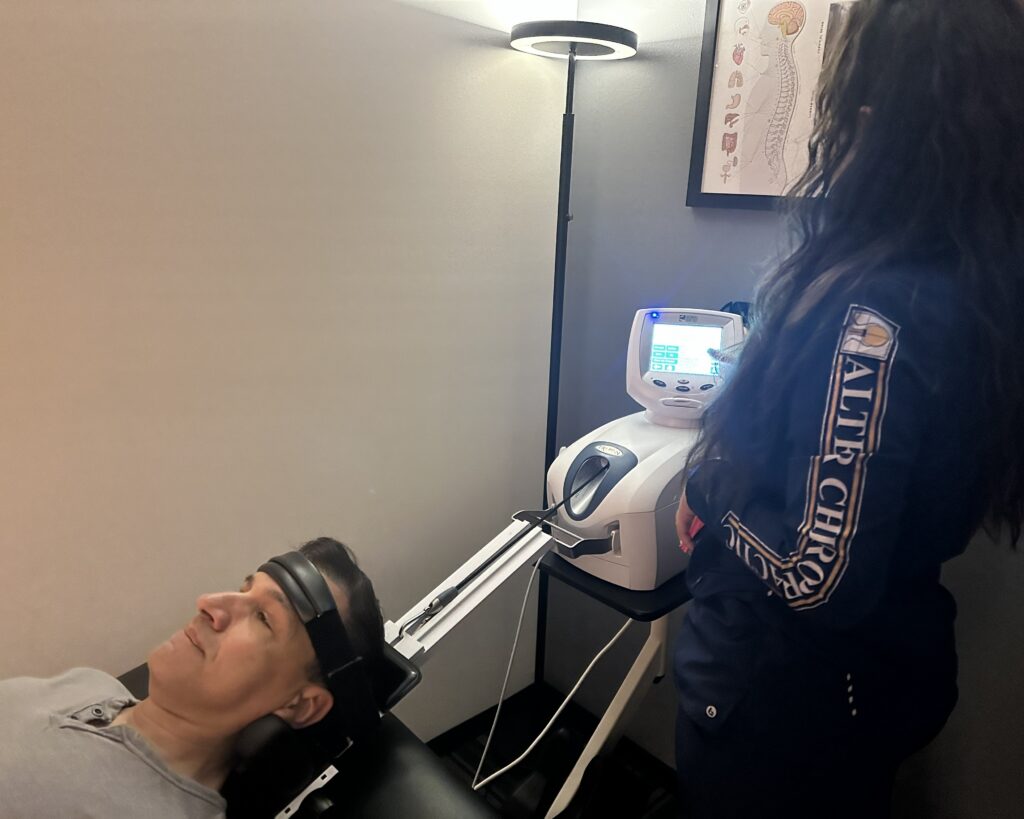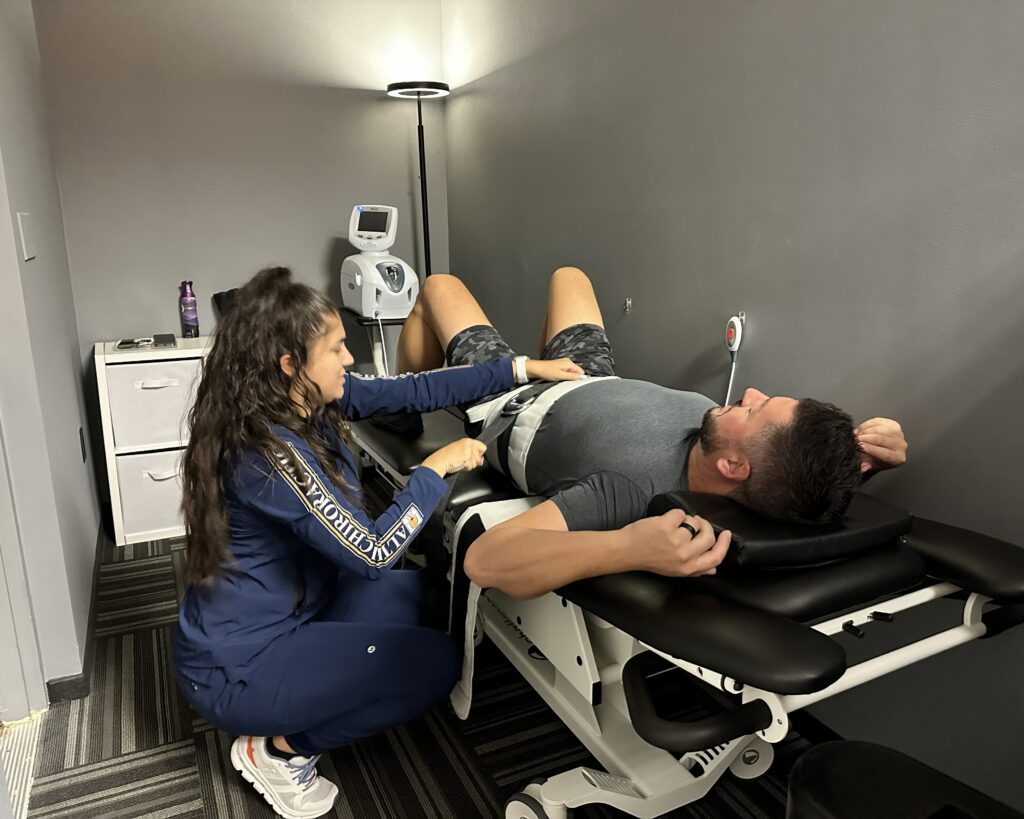

If you’ve ever felt the constant pressure of chronic tension headaches, you understand how they can interfere with your daily activities. To effectively address these headaches, it’s crucial to recognize their triggers and symptoms. One of the best approaches to finding relief is through chiropractic care, which focuses on natural healing and spinal health.
Chiropractic adjustments can help alleviate tension in your neck and upper back, which are common areas where tension headaches originate. By ensuring that your spine is aligned and functioning properly, you can reduce the frequency and intensity of headaches. Additionally, chiropractors can provide guidance on posture and ergonomics, helping you create a healthier workspace and lifestyle that supports your overall well-being.
Incorporating lifestyle modifications can also be beneficial. Here are some simple tips to help manage and prevent chronic tension headaches:
- Stay Hydrated: Dehydration can contribute to headaches, so make sure you’re drinking enough water throughout the day.
- Practice Good Posture: Whether sitting at a desk or standing, maintaining good posture can reduce strain on your neck and back.
- Take Breaks: If you’re working for long periods, take regular breaks to stretch and move around. This can help relieve tension in your muscles.
- Manage Stress: Techniques such as deep breathing, meditation, or yoga can help reduce stress levels, which are often a trigger for tension headaches.
- Get Regular Chiropractic Care: Routine visits to your chiropractor can help keep your spine aligned and prevent the buildup of tension in your muscles.
By focusing on these strategies and prioritizing chiropractic care, you can take meaningful steps towards relieving your chronic tension headaches and enhancing your overall health. Remember, it’s not just about alleviating pain; it’s about creating a healthier, more balanced lifestyle!
Key Takeaways
Chronic tension headaches can be incredibly disruptive to your daily life, but there are natural and effective ways to find relief. As a chiropractor, I believe that chiropractic care is one of the best options for achieving optimal health and wellness. Here are some valuable tips to help you manage and reduce tension headaches:
- Chiropractic Care: Regular visits to a chiropractor can help address spinal misalignments that may be contributing to muscle tension and headaches. By ensuring your spine is properly aligned, you can relieve pressure on nerves and promote overall wellness.
- Stress Management Techniques: Incorporating practices like mindfulness, deep breathing exercises, and meditation can significantly reduce stress levels, which is a common trigger for tension headaches. Taking time each day to focus on your mental well-being can lead to fewer headaches.
- Exercise Regularly: A consistent exercise routine that includes stretching and strengthening exercises for your neck and shoulders can help alleviate tension. Simple stretches can ease tight muscles, reducing the likelihood of headaches.
- Stay Hydrated and Eat Well: Proper hydration and a balanced diet are essential for overall health. Keeping a food diary can help you identify any dietary triggers that might be contributing to your headaches. Remember, the right nutrients can support your body’s natural healing processes.
- Seek Help Early: If you’re experiencing frequent or severe headaches, or if you notice new symptoms that disrupt your daily activities, don’t hesitate to seek professional help. A chiropractor can provide personalized care tailored to your specific needs.
By making these lifestyle adjustments and embracing chiropractic care, you can take proactive steps towards reducing chronic tension headaches and enhancing your overall well-being. Remember, your health is in your hands, and natural solutions can lead to lasting relief.
Understanding Chronic Tension Headaches
Chronic tension headaches can feel like a persistent weight pressing down on your forehead, often accompanied by a dull, aching pain that wraps around your head and tightness in your neck and shoulders.
These headaches can linger for hours or even days, making it challenging to focus on your daily tasks. Unlike migraines, they typically don’t involve nausea or sensitivity to light, but their consistent presence can still impact your quality of life.
Often triggered by stress, poor posture, or muscle tension, it’s important to recognize how these factors play into your experience with headaches. One effective way to address these issues is through chiropractic care. Chiropractors focus on spinal health and can help alleviate tension in your neck and shoulders, which may reduce the frequency and intensity of your headaches.
In addition to chiropractic adjustments, here are some general tips to help manage and prevent chronic tension headaches:
- Maintain Good Posture: Be mindful of your posture throughout the day, especially if you spend long hours sitting at a desk. Keep your shoulders relaxed and your back straight.
- Manage Stress: Incorporate stress-reducing activities into your routine, such as deep breathing exercises, yoga, or meditation. These practices can help relax your mind and body, potentially reducing tension headaches.
- Stay Hydrated: Dehydration can contribute to headaches, so make sure you’re drinking enough water throughout the day.
- Take Breaks: If you’re working at a desk or engaging in activities that require prolonged focus, take regular breaks to stretch and move around. This can help alleviate muscle tension.
- Get Regular Chiropractic Care: Regular visits to your chiropractor can help keep your spine in alignment and address any muscle tightness, which can significantly reduce the occurrence of tension headaches.
By understanding how chronic tension headaches manifest and the conditions that contribute to them, you’ll be better equipped to manage your symptoms and improve your overall wellness.
Chiropractic care is a natural and effective approach to achieving optimal health and finding relief from tension headaches.
Identifying Triggers and Symptoms
To effectively manage chronic tension headaches, it’s essential to identify their triggers and symptoms, and chiropractic care can play a significant role in this process. One of the first steps is to keep a headache diary. Record when your headaches occur, their intensity, and how long they last. This practice not only helps you spot patterns but also aids in recognizing potential triggers. Common culprits can include stress, poor posture, lack of sleep, and dehydration—all of which can be addressed through chiropractic care.
Pay close attention to your body. Do you notice any tightness in your neck or shoulders before a headache strikes? This tension can often be alleviated through chiropractic adjustments, which help restore proper alignment and relieve muscle tension. Additionally, keep an eye on any emotional factors, like anxiety or frustration, that may be linked to your headaches. Our bodies respond to stress, and chiropractic care can also help you develop coping strategies to manage these feelings.
In addition to recognizing triggers, here are some general tips for maintaining a healthier lifestyle that can contribute to headache relief:
- Maintain Good Posture: Be mindful of your posture, especially if you work at a desk for long hours. Regular chiropractic visits can help ensure your spine is properly aligned.
- Stay Hydrated: Drink plenty of water throughout the day to prevent dehydration, a common headache trigger.
- Practice Relaxation Techniques: Techniques like deep breathing, meditation, or yoga can reduce stress and tension in your body.
- Get Quality Sleep: Prioritize a good night’s sleep, as rest is crucial for overall health and can help manage headache frequency.
- Regular Chiropractic Care: Make chiropractic adjustments a part of your routine. They can help keep your spine and nervous system functioning optimally, reducing the likelihood of headaches.
Lifestyle Modifications for Prevention
To help prevent chronic tension headaches, there are several effective lifestyle modifications you can adopt that align beautifully with chiropractic care. By incorporating stress management techniques, a regular exercise routine, and healthy sleep habits into your daily life, you can’t only reduce the frequency of headaches but also enhance your overall well-being.
Chiropractic care is a fantastic way to support these lifestyle changes. Regular adjustments can help keep your spine aligned, which in turn can reduce tension in your neck and shoulders, areas often associated with headache pain. A well-aligned spine also promotes better nervous system function, which is essential for overall health.
Here are a few simple tips to help you on your journey to wellness:
- Practice Relaxation Techniques: Incorporate deep breathing exercises, meditation, or yoga into your routine to help manage stress levels.
- Stay Active: Engage in regular physical activity, such as walking, swimming, or cycling. Exercise not only strengthens your muscles but also releases endorphins, which can naturally alleviate pain.
- Prioritize Your Sleep: Establish a consistent sleep schedule and create a calming bedtime routine to ensure restful, restorative sleep. Quality sleep is crucial for recovery and overall health.
- Stay Hydrated and Eat Well: Drink plenty of water throughout the day and focus on a balanced diet rich in fruits, vegetables, and whole grains to support your body’s natural healing processes.
- Consider Chiropractic Care: Regular visits to your chiropractor can help maintain spinal health, relieve tension, and provide personalized advice on lifestyle modifications tailored to your needs.
By embracing these tips and incorporating chiropractic care into your wellness routine, you’ll be taking proactive steps towards not only preventing tension headaches but also achieving optimal health and vitality.
Stress Management Techniques
Managing stress can sometimes feel overwhelming, but incorporating effective techniques into your daily routine can significantly reduce the frequency and intensity of tension headaches. As a chiropractor, I want to emphasize the importance of a holistic approach to health and wellness, which includes chiropractic care as a key component for achieving optimal health.
One effective method is to practice mindfulness or meditation for just a few minutes each day. This practice can help ground your thoughts and ease anxiety, which often contributes to tension in the body. Additionally, deep breathing exercises are a simple yet powerful tool; dedicating just a few minutes to focus on your breath can help calm your nervous system and promote relaxation.
Prioritizing adequate sleep is crucial, as fatigue can heighten stress levels and lead to various health issues, including headaches. Addressing the root causes of your stress is essential; take time to identify stressors in your life and develop strategies to manage them. This could involve setting boundaries at work or carving out time for activities that bring you joy.
Chiropractic care plays a vital role in managing stress and enhancing your overall well-being. Regular adjustments can help align your spine, which may alleviate tension in your muscles and improve your body’s ability to cope with stress.
Furthermore, staying active and maintaining a healthy lifestyle can support your body’s natural healing processes. Don’t hesitate to seek support from friends, family, or your chiropractor when needed.
Together, these steps can create a more balanced, headache-free life and promote natural wellness. Remember, taking care of your body and mind is essential to achieving and maintaining optimal health.
Regular Exercise Routine
Incorporating a regular exercise routine can significantly help in preventing chronic tension headaches, and as a chiropractor, I can’t stress enough the importance of natural wellness in your overall health.
Physical activity not only helps reduce stress but also boosts circulation and releases endorphins—your body’s natural painkillers—which can alleviate headache symptoms.
Here are four simple ways to get started on your path to better health while supporting your spine:
- Choose Activities You Enjoy: Engage in activities that make you feel good, whether it’s walking, cycling, or even dancing. Enjoyable activities keep you motivated and help maintain a consistent routine, which is essential for overall wellness.
- Aim for Consistency: Try to integrate at least 30 minutes of exercise into most days of the week. Consistency is key to reaping the benefits of physical activity, which can enhance your body’s natural ability to heal and function optimally.
- Incorporate Stretching: Stretching exercises are vital for relieving muscle tension, especially in the neck and shoulders where tension headaches often originate. Regularly stretching can enhance your flexibility and promote better spinal health, which is crucial for preventing pain.
- Practice Deep Breathing: Combine your workouts with deep breathing techniques. This not only helps reduce stress but also promotes oxygen flow to your muscles and brain, contributing to overall relaxation and wellness.
Remember, chiropractic care plays a pivotal role in maintaining spinal health and managing pain naturally.
By incorporating these exercise tips into your routine, along with regular chiropractic adjustments, you can take proactive steps toward achieving optimal health and reducing the likelihood of tension headaches.
Prioritize your wellness today!
Healthy Sleep Habits
Getting enough quality sleep is crucial for your overall health and well-being, especially if you’re looking to prevent chronic tension headaches. As a chiropractor, I can tell you that proper rest is closely linked to spinal health and can greatly enhance your body’s healing processes. Establishing healthy sleep habits can improve not only your sleep quality but also your spinal alignment and overall wellness. Aim for 7-9 hours of restful sleep each night, and consider creating a calming bedtime routine to signal to your body that it’s time to wind down.
Here are some helpful sleep tips that can also support your spinal health:
| Sleep Tips | Benefits |
|---|---|
| Maintain a schedule | Helps regulate your body clock, ensuring consistent sleep patterns that support overall health. |
| Create a dark room | Enhances melatonin production, which is important for restful sleep and recovery. |
| Limit screen time | Reduces blue light exposure that can interfere with your sleep quality, helping you wake up refreshed. |
Stress Management Techniques
Stress management techniques are vital for alleviating chronic tension headaches, as they help tackle the root causes of your discomfort. By incorporating effective strategies into your daily routine, you can reduce stress and lessen both the frequency and intensity of headaches.
As a chiropractor, I emphasize the importance of a holistic approach to health and wellness, and I believe that chiropractic care plays a significant role in achieving optimal health. Here are four simple techniques you can try, along with the benefits of chiropractic care:
- Deep Breathing: Spend a few minutes each day practicing deep breathing exercises. Inhale slowly through your nose, hold for a moment, and exhale through your mouth. This technique not only calms your mind but also helps improve oxygen flow, which can support spinal health.
- Mindfulness Meditation: Dedicate 10-15 minutes daily to focusing on the present moment. This practice can clear your mind and reduce anxiety, complementing the relaxation you experience during chiropractic adjustments.
- Progressive Muscle Relaxation: Tense and then relax each muscle group in your body. This approach helps release physical tension and promotes relaxation, enhancing the benefits of regular chiropractic care by allowing your body to respond better to adjustments.
- Time Management: Prioritize tasks and break them down into smaller steps. This can help you feel less overwhelmed and more in control, ultimately reducing stress that may contribute to tension headaches.
In addition to these techniques, regular chiropractic care can help align your spine, improve your posture, and relieve tension in your neck and shoulders, which are often contributors to headaches.
Physical Therapy and Exercise
When you integrate chiropractic care, physical therapy, and exercise into your daily routine, you’ll discover how effective stretching techniques can be in alleviating muscle tension.
Strengthening exercises not only enhance muscle resilience but also contribute to improved posture, which is crucial for preventing headaches. By focusing on correcting your posture, you can make meaningful changes that may help reduce the frequency and intensity of chronic tension headaches.
Chiropractic care plays a vital role in this process by addressing spinal alignment and overall musculoskeletal health. Regular adjustments can help ensure that your spine functions optimally, reducing strain on the muscles and nerves that can contribute to headaches.
Here are some practical tips to consider:
- Incorporate Stretching: Simple neck and shoulder stretches can be done at your desk or home. This will help relieve tension and improve flexibility.
- Strengthen Your Core: Engaging in exercises that strengthen your core muscles can support better posture and alignment, which is essential for headache prevention.
- Stay Hydrated: Drinking enough water is crucial for muscle function and can help reduce tension headaches.
- Take Breaks: If you spend long hours sitting, make sure to take regular breaks to stand, stretch, and move around. This can prevent stiffness and discomfort.
- Regular Chiropractic Visits: Consistent chiropractic care can help maintain spinal health, alleviate tension, and enhance your overall well-being.
Stretching Techniques Benefits
Chronic tension headaches can be incredibly frustrating, but incorporating stretching techniques into your daily routine can offer you substantial relief. As a chiropractor, I believe that natural methods, like stretching, play a crucial role in maintaining your overall health and wellness.
Here are some key benefits of stretching, particularly when it comes to alleviating headache-related discomfort:
- Increases Flexibility: Regular stretching can help keep your neck and shoulder muscles flexible, reducing tightness that often contributes to headaches. This increased flexibility can lead to improved mobility and comfort throughout the day.
- Improves Posture: Stretching encourages better posture, which is essential for reducing strain on your muscles and nerves. Good posture not only diminishes headache triggers but also promotes better spinal health, which is vital for your overall well-being.
- Enhances Blood Flow: By promoting circulation, stretching helps deliver essential oxygen and nutrients to your muscles. This improved blood flow can ease tension and create a sense of relaxation, which is particularly beneficial for those prone to headaches.
- Reduces Stress: Taking time to stretch allows you to focus on your body and mind, promoting a sense of calm and lowering stress levels. Since stress is a common trigger for tension headaches, incorporating stretching into your routine can be a simple yet effective way to manage and reduce headache occurrences.
In addition to these benefits, here are a few tips to help you incorporate stretching into your daily life:
- Set Reminders: Schedule specific times throughout your day to take short stretching breaks, especially if you spend long periods sitting at a desk.
- Focus on Key Areas: Pay special attention to stretching your neck, shoulders, and upper back, as these areas are often tight and contribute to headaches.
- Breathe Deeply: While stretching, remember to breathe deeply and slowly. This helps your body relax and enhances the benefits of the stretches.
Remember, regular chiropractic care can also support your journey towards optimal health by addressing underlying issues that may be contributing to your headaches.
Strengthening Muscle Exercises
Incorporating strengthening muscle exercises into your routine can be a game-changer for managing chronic tension headaches. By focusing on your neck, shoulders, and upper back, you can build the strength necessary to support your head and alleviate muscle strain.
Simple exercises such as shoulder shrugs, neck rotations, and resistance band pulls can be incredibly effective. Aim for two to three sessions a week, giving your muscles time to recover in between.
As your strength improves, you’ll likely notice a decrease in tension and the frequency of your headaches. It’s essential to listen to your body and ensure you’re not pushing yourself too hard.
If you’re unsure about which exercises to include or how to perform them safely, consulting with a chiropractor can provide invaluable guidance. Chiropractic care focuses on natural healing and can help you enhance your overall well-being.
Remember, strengthening your muscles not only helps relieve discomfort but also contributes to your overall health.
Additionally, maintaining good posture throughout your day and staying hydrated can further support your efforts in reducing tension headaches.
Choose chiropractic care as a cornerstone of your health journey, and experience the benefits of a holistic approach to wellness.
Posture Correction Strategies
To effectively manage chronic tension headaches, it’s crucial to focus on posture correction strategies that align with chiropractic care. By improving your posture, you can alleviate strain on your neck and shoulders, which can significantly reduce the frequency and intensity of headaches.
Here are four effective strategies that can be enhanced with chiropractic support:
- Ergonomic Workspace: Make sure your chair and desk are set up to support a neutral spine position. This helps keep your body aligned and reduces unnecessary stress on your muscles and joints.
- Stretching Exercises: Incorporate daily stretches specifically for your neck and upper back. These gentle movements can help relieve built-up tension and improve your range of motion. A chiropractor can guide you on the best stretches tailored to your needs.
- Core Strengthening: Strengthening your core is essential for maintaining good posture throughout the day. A strong core supports your spine and helps keep you aligned, which can minimize headaches. Consider working with a chiropractor who can recommend specific exercises.
- Mindfulness Techniques: Practicing mindfulness or yoga can enhance your body awareness and promote relaxation. These techniques can help reduce stress, which is often a trigger for tension headaches. Your chiropractor can provide tips on how to incorporate these practices into your routine.
By consistently applying these strategies, you may find relief from chronic tension headaches.
Dietary Considerations
When it comes to managing chronic tension headaches, what you eat plays a crucial role in your overall health and well-being. As a chiropractor, I believe that a holistic approach that includes proper nutrition can greatly complement the benefits of chiropractic care.
To start, consider keeping a food diary. This can help you identify any foods that might trigger your headaches. Common triggers include aged cheeses, processed meats, and foods with MSG.
Hydration is key! Dehydration can lead to more frequent and intense headaches, so aim for at least eight glasses of water a day. Staying hydrated supports your body’s natural healing processes and can enhance the effectiveness of your chiropractic treatments.
Focus on incorporating a balanced diet filled with fresh fruits, vegetables, whole grains, and lean proteins. Omega-3 fatty acids, which you can find in fish and flaxseeds, are known for their anti-inflammatory properties and may help reduce headache symptoms. Foods rich in magnesium, such as spinach and nuts, can also help ease tension and promote relaxation.
It’s wise to limit caffeine and alcohol, as these can trigger headaches for some people. Instead, consider enjoying soothing herbal teas, which can be a great addition to your routine.
Eating smaller, more frequent meals can help keep your blood sugar levels stable, reducing the likelihood of headaches.
Remember, a thoughtful approach to your diet, combined with regular chiropractic care, can make a significant difference in how you manage and relieve your headaches. Chiropractic adjustments support spinal health and proper nervous system function, which are essential for optimal health.
Over-the-Counter and Prescription Medications
Managing chronic tension headaches can be challenging, but there are natural approaches that can offer relief and support your overall well-being. As a chiropractor, I believe in the power of spinal health and natural healing methods to help alleviate pain and improve your quality of life. Here are some tips and strategies that you might consider:
- Chiropractic Adjustments: Regular chiropractic care can help align your spine, reduce tension in the neck and shoulders, and improve overall nervous system function. This can lead to reduced headache frequency and intensity.
- Posture Awareness: Maintaining good posture, especially if you work at a desk or spend long hours on your phone, can make a significant difference. Make sure to sit up straight, keep your shoulders relaxed, and take regular breaks to stretch.
- Stress Management Techniques: Stress can be a major trigger for tension headaches. Incorporating relaxation techniques such as deep breathing, meditation, or yoga into your daily routine can help manage stress levels and reduce headache occurrences.
- Stay Hydrated: Dehydration can contribute to headaches, so make sure to drink plenty of water throughout the day. Aim for at least eight glasses, and consider herbal teas as a soothing option.
- Regular Exercise: Engaging in regular physical activity can help release endorphins, which are natural pain relievers. Activities like walking, swimming, or gentle stretching can be beneficial.
- Healthy Sleep Habits: Ensure you’re getting enough restorative sleep each night. Creating a calming bedtime routine and maintaining a consistent sleep schedule can improve your sleep quality.
- Nutrition: Eating a balanced diet rich in fruits, vegetables, whole grains, and lean proteins can support overall health and may help reduce headache triggers. Be mindful of your caffeine and sugar intake, as these can sometimes exacerbate headaches.
Remember, the best approach to managing chronic tension headaches is to focus on holistic and natural methods. If you’re experiencing persistent headaches, consider visiting a chiropractor to explore how spinal care can support your health and well-being.
Always prioritize listening to your body and making adjustments that promote a healthier lifestyle.
Alternative Therapies and Complementary Approaches
Exploring alternative therapies and complementary approaches can offer valuable support for those suffering from chronic tension headaches. While I highly recommend chiropractic care as a primary method for achieving optimal health and alleviating pain, there are several additional techniques that can complement your wellness journey.
Chiropractic adjustments are essential in addressing spinal misalignments that may contribute to tension headaches. By restoring proper alignment, we can alleviate stress on the nervous system and promote overall well-being.
However, incorporating methods like acupuncture can also be helpful. This technique targets specific points in the body, aiming to relieve pain and tension.
Massage therapy is another great ally in your wellness routine. It relaxes tight muscles and improves circulation, which can be particularly beneficial for headache relief. As you unwind, your body has a better chance at healing itself.
Engaging in practices like yoga or tai chi can further enhance your relaxation and mindfulness. These gentle movements promote stretching and can help reduce stress, which is often a trigger for headaches.
Additionally, consider using aromatherapy with calming essential oils, like lavender, to create a soothing atmosphere in your home.
Cognitive-behavioral therapy (CBT) can also play a role in managing headaches by helping you identify and shift negative thought patterns. Pairing this with a balanced diet and proper hydration supports your overall health and can aid in reducing headache frequency.
Remember, while these complementary approaches can be beneficial, chiropractic care remains a cornerstone for pain relief and natural healing.
When to Seek Professional Help
How can you tell if your tension headaches require professional intervention? It’s important to recognize the signs that indicate you shouldn’t handle this on your own. If you experience any of the following, it’s time to seek help from a chiropractor:
- Frequency: If your headaches occur more than 15 days a month, it’s a clear signal that your body needs support.
- Severity: When the pain is intense enough to disrupt your daily activities or work, it’s time to explore natural relief options.
- Duration: If your headaches last longer than several hours or don’t respond to home remedies, a chiropractor can help identify the root causes and provide effective treatment.
- New Symptoms: Additional symptoms such as changes in vision, weakness, or confusion warrant immediate professional evaluation.
Ignoring these signs can lead to chronic issues. A chiropractor can guide you through natural healing methods that focus on spinal health and wellness, which can significantly improve your quality of life.
In addition to seeking professional help, there are also some general tips you can incorporate into your routine to alleviate tension headaches:
- Stay Hydrated: Dehydration can contribute to headaches, so be sure to drink plenty of water throughout the day.
- Practice Good Posture: Poor posture can lead to tension in your neck and shoulders, triggering headaches. Make a conscious effort to sit and stand up straight.
- Incorporate Relaxation Techniques: Try practices like deep breathing, meditation, or yoga to help reduce stress, which is a common headache trigger.
- Regular Chiropractic Visits: Regular adjustments can help maintain spinal alignment, reduce tension, and promote overall wellness.
Conclusion
In summary, effectively managing chronic tension headaches requires a holistic approach centered around spinal health and natural healing. As a chiropractor, I believe that by focusing on your spine and overall wellness, you can significantly reduce headache frequency and intensity. Start by identifying your headache triggers—stress, poor posture, and lack of movement are common culprits. Incorporating regular chiropractic adjustments can help realign your spine, relieving tension and improving your body’s function.
In addition to chiropractic care, embrace lifestyle changes that promote health. Regular exercise, even just a daily walk, can boost your mood and reduce stress. Mindfulness practices, like deep breathing or meditation, can enhance your mental clarity and relaxation. Eating a balanced diet rich in whole foods also supports your body’s natural healing processes.
Remember, if you’re experiencing persistent tension headaches, it’s important to seek professional chiropractic care. A tailored treatment plan can help you find the relief you need while supporting your overall health. Take charge of your well-being today—your spine will thank you!