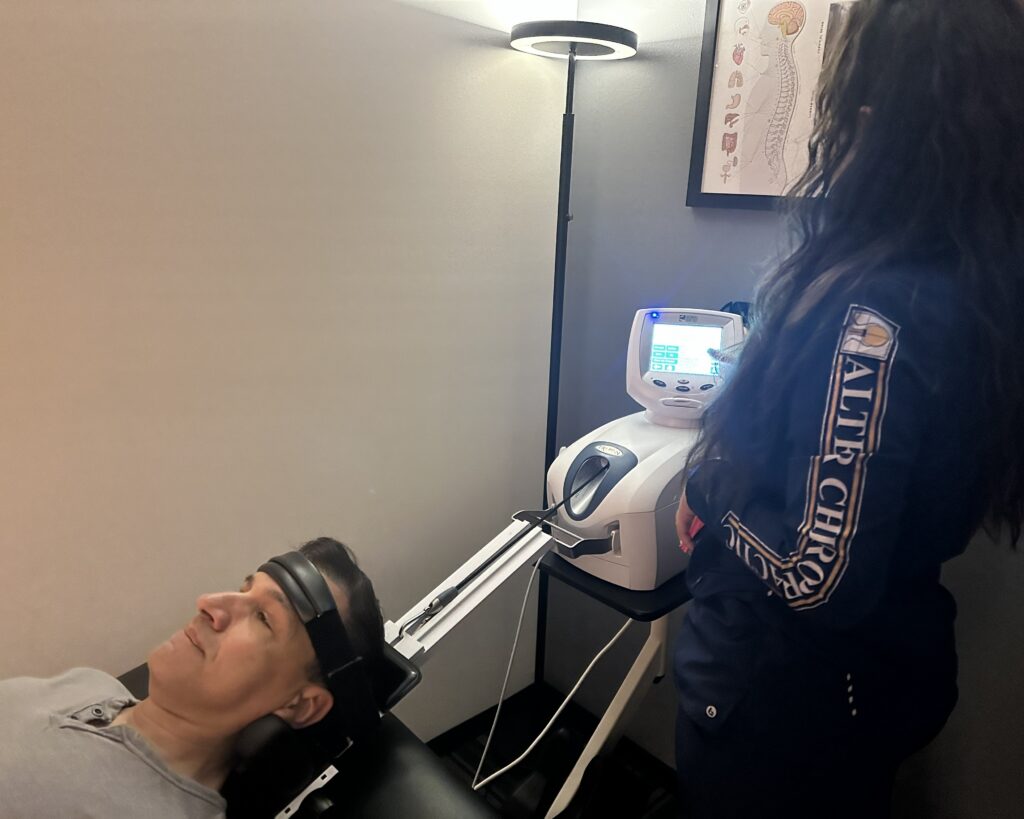
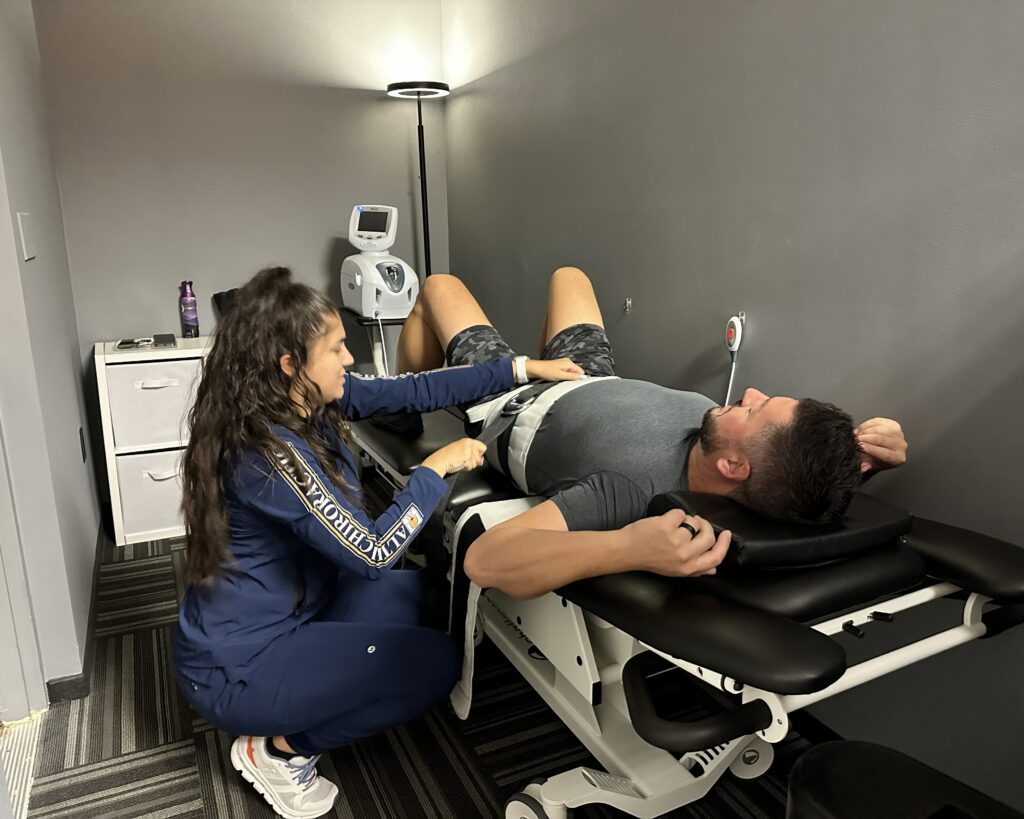
If you’ve ever felt the dull ache of a tension headache, you understand how it can disrupt your daily life. As a local chiropractor, I want to emphasize how important it is to understand the underlying causes of these headaches to find effective relief. By making some simple lifestyle changes and integrating relaxation techniques, you can significantly reduce the frequency and intensity of these headaches.
One of the most effective strategies is to prioritize your spinal health. A well-aligned spine can help alleviate muscle tension and improve your overall well-being, which can in turn reduce headaches. Regular chiropractic adjustments can help keep your spine in alignment, minimizing stress on your muscles and nerves.
Here are some practical solutions you can implement to break the cycle of tension headaches:
- Maintain Good Posture: Poor posture, especially during long hours at a desk, can lead to tension headaches. Aim to sit up straight with your shoulders relaxed and your feet flat on the floor. Consider using ergonomic furniture to support your spine.
- Stay Hydrated: Dehydration can contribute to headache symptoms. Make sure you’re drinking enough water throughout the day to keep your body well-hydrated.
- Incorporate Relaxation Techniques: Practicing deep breathing, yoga, or meditation can help reduce stress and tension in your body. Even a few minutes of these activities each day can be beneficial.
- Regular Exercise: Physical activity can help reduce stress, improve circulation, and release endorphins, which act as natural painkillers. Find an exercise routine that you enjoy and stick to it.
- Get Quality Sleep: Aim for a consistent sleep schedule and create a calming bedtime routine to ensure you’re getting restorative sleep. Poor sleep can exacerbate tension headaches.
- Chiropractic Care: Regular visits to a chiropractor can help identify misalignments in your spine that may be contributing to headaches. Chiropractic adjustments can relieve tension, enhance your body’s natural healing abilities, and promote overall wellness.
By incorporating these strategies into your routine, you can take proactive steps towards reducing tension headaches naturally. Remember, chiropractic care offers a holistic approach to health, focusing on the root causes of pain and promoting optimal well-being without the need for medications or surgeries. Your journey to a healthier, headache-free life starts here!
Key Takeaways
- Prioritize a consistent sleep routine by getting 7-9 hours of restful sleep each night. This helps reduce fatigue, which can be a trigger for tension headaches, and supports overall wellness.
- Stay well-hydrated throughout the day by drinking plenty of water. Dehydration can lead to headaches, so make it a habit to sip water regularly to keep your body functioning optimally.
- Engage in regular exercise and gentle stretching, particularly for your neck and shoulders. These activities can help relieve muscle tension, which is often a contributing factor to tension headaches. Consider incorporating yoga or simple stretches into your daily routine.
- Create an ergonomic workspace that encourages good posture. Proper alignment while sitting at your desk can significantly reduce strain on your neck and back. Adjust your chair, monitor height, and keyboard position to support a healthy posture.
- Explore chiropractic care for effective, personalized treatment. A chiropractor can help identify the root causes of your tension headaches and provide natural, hands-on techniques to relieve pain and promote overall wellness. Regular adjustments can keep your spine aligned and your body functioning at its best.
By adopting these simple strategies and considering chiropractic care, you can take significant steps towards relieving tension headaches and enhancing your overall health and well-being.
Understanding Tension Headaches: Causes and Symptoms
When it comes to understanding tension headaches, it’s crucial to recognize their common causes and symptoms, as well as how chiropractic care can help alleviate them. Tension headaches often arise from stress, anxiety, poor posture, or muscle tension in the neck and shoulders. You may experience a dull, aching pain that feels like a tight band around your head. Additionally, tenderness in the scalp, neck, or shoulder muscles is common.
These headaches can often occur after long periods of sitting or working at a computer, especially if you’re not taking regular breaks to stretch and move. Fatigue and lack of sleep can also contribute to their onset. While tension headaches vary in intensity, they typically don’t interfere significantly with your daily activities.
By recognizing these triggers, you can take proactive steps to manage your symptoms. Here are some helpful tips to keep in mind:
- Practice Good Posture: Ensure your work station is ergonomically set up to support your neck and spine. This can significantly reduce muscle tension.
- Take Breaks: Incorporate short breaks throughout your day to stretch and relax your muscles. This can help prevent tension buildup.
- Stay Hydrated: Drinking plenty of water can help reduce the frequency of headaches.
- Incorporate Relaxation Techniques: Techniques such as deep breathing, yoga, or meditation can help manage stress and alleviate tension.
- Consider Chiropractic Care: Regular visits to a chiropractor can effectively address muscle tension and misalignments in your spine that may contribute to headaches. Chiropractic adjustments help restore proper alignment and function to your nervous system, promoting natural healing and overall wellness.
Lifestyle Changes to Prevent Tension Headaches
Making simple lifestyle changes can significantly reduce the frequency and intensity of tension headaches, and chiropractic care plays a vital role in achieving optimal health and wellness. As a chiropractor, I encourage you to consider holistic approaches that focus on natural healing for headache relief.
Start by maintaining a regular sleep schedule, aiming for 7-9 hours of quality sleep each night. Quality sleep is essential for your overall health and can help keep tension headaches at bay. Staying hydrated is also crucial; drinking enough water throughout the day helps prevent dehydration, a common headache trigger.
Incorporate regular exercise into your routine. Even short walks or gentle stretching can reduce muscle tension and improve your overall well-being. Regular chiropractic adjustments can also enhance your body’s function and help alleviate muscle tightness that may contribute to headaches.
Pay attention to your posture, especially if you sit for long periods. An ergonomic workspace can promote better spinal alignment, which may relieve tension headaches. I often recommend specific adjustments and exercises to help maintain proper posture and spinal health.
Limit caffeine and alcohol, as both can contribute to headaches when consumed excessively. Managing stress is also essential for headache prevention. Try to engage in activities you enjoy, and consider setting aside time for hobbies or socializing with friends. Chiropractic care can also assist in stress relief by promoting relaxation and balance within the body.
Finally, eating balanced meals at regular intervals can stabilize your blood sugar levels and minimize headache occurrences. By making these lifestyle changes and incorporating chiropractic care into your routine, you can create a healthier lifestyle that helps keep tension headaches at bay while supporting your overall wellness.
Effective Relaxation Techniques for Immediate Relief
How can you quickly alleviate the discomfort of a tension headache? As a chiropractor, I believe in the power of natural healing techniques to help restore your body’s balance and promote overall wellness.
Start by finding a quiet, comfortable space where you can relax. Close your eyes and take a few deep breaths, inhaling slowly through your nose and exhaling through your mouth. This simple technique not only calms your mind but also helps to relax the muscles in your neck and shoulders, which are often contributing factors to tension headaches.
Next, let’s incorporate progressive muscle relaxation. Begin by tensing and then releasing each muscle group, starting from your toes and moving up to your head. This approach can help reduce muscle tightness and improve circulation, further enhancing your sense of relief.
Gentle neck and shoulder stretches are also invaluable. Roll your shoulders back, tilt your head side to side, and gently massage any tight areas. These movements can help ease the tension that builds up in your upper body.
If you have access to a warm compress, applying it to your forehead or neck can work wonders; the heat promotes blood flow and helps to relax tight muscles.
Finally, take a moment to visualize a serene place. Immerse yourself in that calming imagery for a few moments, allowing your mind to drift away from stressors.
Remember, chiropractic care is a fantastic option for addressing the root causes of headaches and promoting long-term health. Regular adjustments can help ensure your spine is aligned and functioning optimally, reducing the likelihood of tension headaches in the future.
The Role of Hydration and Nutrition in Headache Management
Hydration and nutrition are crucial components in managing headaches and promoting overall wellness. One of the first things to understand is that dehydration can lead to headaches. When your body lacks sufficient fluids, your brain can actually shrink slightly, causing pain. To combat this, make it a habit to drink plenty of water throughout the day. If plain water doesn’t excite you, consider herbal teas or infuse your water with slices of fruits or herbs to make it more enjoyable.
Nutrition also plays a significant role in how often and how intensely headaches occur. Eating balanced meals that include plenty of fruits, vegetables, whole grains, and lean proteins can help keep headaches at bay. Be mindful of certain foods that may trigger headaches for some people, such as aged cheeses, processed meats, or high amounts of caffeine. Keeping a food diary can be a helpful tool in identifying any potential triggers.
Another important aspect is never skipping meals. Low blood sugar levels can contribute to headaches, so it’s essential to maintain regular meal times and include healthy snacks. By focusing on hydration and nutrition, you’re not only managing headaches but also enhancing your overall well-being.
As a chiropractor, I believe that a holistic approach to health is key. Incorporating chiropractic care can help ensure that your spine is aligned and functioning properly, which can further support your body’s natural healing processes.
When to Seek Professional Help for Tension Headaches
When should you consider seeking professional help for tension headaches? Recognizing when your self-care strategies aren’t providing relief is crucial for your well-being. If your headaches become more frequent or intense, it’s a good idea to consult a healthcare professional who understands the benefits of chiropractic care. Here are three signs that indicate you should seek help:
- Persistent Pain: If your headaches last longer than a few days or don’t improve with simple self-care methods like relaxation techniques or over-the-counter remedies, it may be time for a professional evaluation. A chiropractor can assess your spinal alignment and identify any issues that could be contributing to your discomfort.
- Accompanying Symptoms: Experiencing additional symptoms such as vision changes, nausea, or dizziness could indicate that your headaches are more than just tension-related. A chiropractor can help you understand the root cause of these symptoms, focusing on natural healing methods that promote overall wellness.
- Impact on Daily Life: If your headaches are affecting your work, sleep, or daily activities, it’s important to reach out for support. Chiropractic care can provide you with effective pain relief strategies and lifestyle adjustments to help you regain control over your life.
Remember, don’t hesitate to reach out for help. Early intervention through chiropractic care can lead to better management of your tension headaches and enhance your overall quality of life.
Some general tips to help manage tension headaches include practicing good posture, staying hydrated, and incorporating regular physical activity into your routine. Embrace a holistic approach to health and wellness, and consider chiropractic care as a natural solution for pain relief and improved well-being.
Conclusion
Incorporating chiropractic care into your daily routine can be a powerful strategy for stopping tension headaches effectively. By focusing on spinal health and alignment, you can significantly reduce the frequency and intensity of headaches. Regular chiropractic adjustments can help relieve muscle tension, improve posture, and enhance overall well-being, which are all essential in managing headache symptoms.
In addition to chiropractic care, consider making some lifestyle changes that promote healthier living. Practicing relaxation techniques such as deep breathing, yoga, or meditation can help ease tension in your body and mind. Staying hydrated is also crucial; dehydration can often lead to headaches, so aim to drink plenty of water throughout the day.
If you find that your headaches persist or worsen, don’t hesitate to reach out for professional help. A chiropractor can assess your specific situation and provide personalized care tailored to your needs. Taking these proactive steps now can lead to long-term relief, allowing you to enjoy life without the burden of tension headaches.
Prioritize your well-being by embracing a lifestyle focused on natural healing through chiropractic care. Remember, your spine plays a vital role in your overall health, and keeping it aligned can help you achieve optimal wellness and a headache-free life!