
If you’ve been living with persistent back pain, you know how exhausting it can be to search for real answers. Maybe you’ve tried stretching, rest, over-the-counter pain relievers, and nothing seems to give you lasting relief. At Alter Chiropractic in Delray Beach, FL, we hear this story from patients every single week. One of the most powerful and misunderstood tools in conservative back pain care is spinal decompression therapy — and if you haven’t heard of it, or you’ve heard conflicting things about it, this article is written just for you.
Dr. Ryan Alter and the team at Alter Chiropractic have helped South Florida families find natural, root-cause solutions for back pain for nearly two decades. Spinal decompression therapy is one of those solutions that, when applied to the right candidate, can produce truly meaningful and lasting results. Let’s walk through exactly what this therapy is, how it works, who it helps, and what you should know before considering it.
What Is Spinal Decompression Therapy?
Spinal decompression therapy is a non-surgical, non-invasive treatment that gently stretches the spine using a motorized traction table or device. The goal is to create negative pressure within the spinal discs, which can help relieve nerve compression, promote nutrient flow into damaged discs, and reduce pain in the lower back, mid-back, or neck. It is most often used for conditions involving herniated discs, degenerative disc disease, and sciatica.
What Is Spinal Decompression Therapy?
The spine is a complex, load-bearing structure that handles an enormous amount of stress throughout your lifetime. Between each vertebra sits a spinal disc — a spongy, shock-absorbing structure made up of a tough outer shell called the annulus fibrosus and a soft, gel-like center called the nucleus pulposus. When these discs are healthy, they allow the spine to move freely and protect the nerves that run through the spinal column.
Over time, due to injury, poor posture, repetitive stress, or simply the aging process, spinal discs can become compressed, dehydrated, or damaged. When a disc bulges or herniates, the inner material can press against nearby spinal nerves, causing pain, numbness, tingling, or weakness that can radiate down the arms or legs. This is where spinal decompression therapy comes in.
Spinal decompression therapy works by gently distracting the vertebrae — creating small, controlled separations between them. This process is precisely calibrated by a computerized system to avoid triggering muscle guarding, which would defeat the purpose of the treatment. When done correctly, this gentle traction creates a negative pressure environment inside the disc that may help retract herniated material, allow nutrient-rich fluid back into the disc, and reduce pressure on compressed nerves.
It is important to distinguish mechanical spinal decompression — the kind used in a clinical setting with advanced equipment — from simple traction. While both involve stretching the spine, true decompression therapy uses computerized feedback to vary the tension in precise cycles, making it more targeted and effective than older, simpler traction devices.
How Spinal Decompression Therapy Works
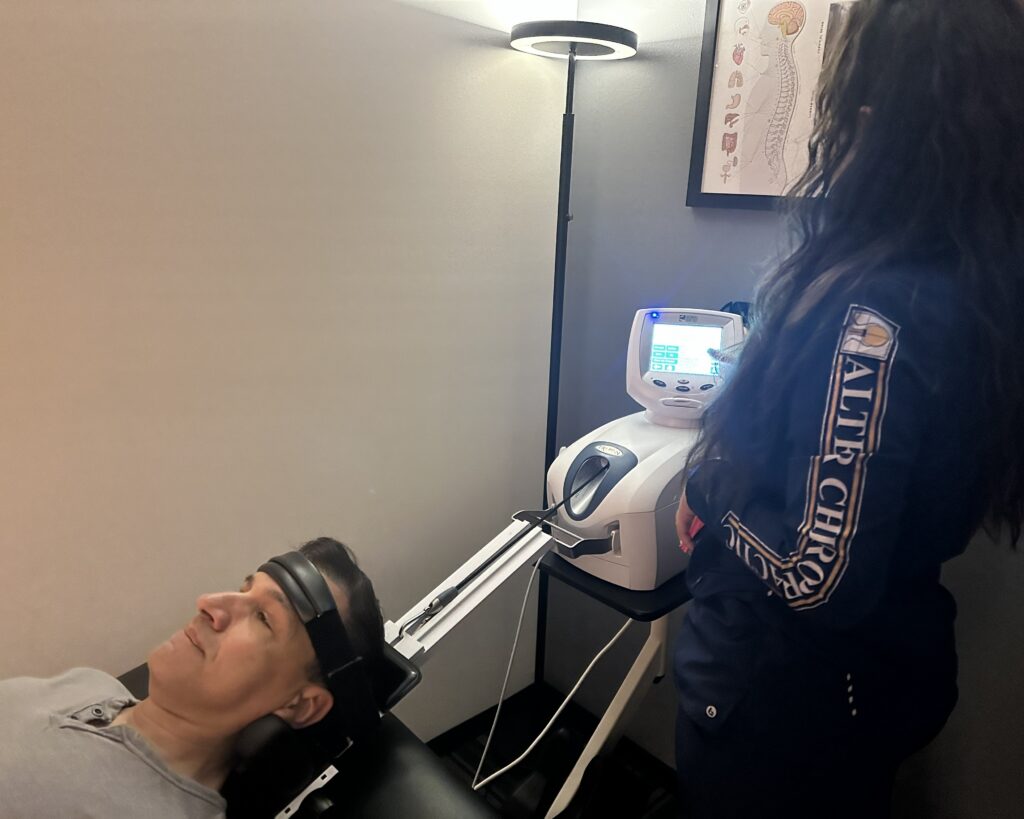
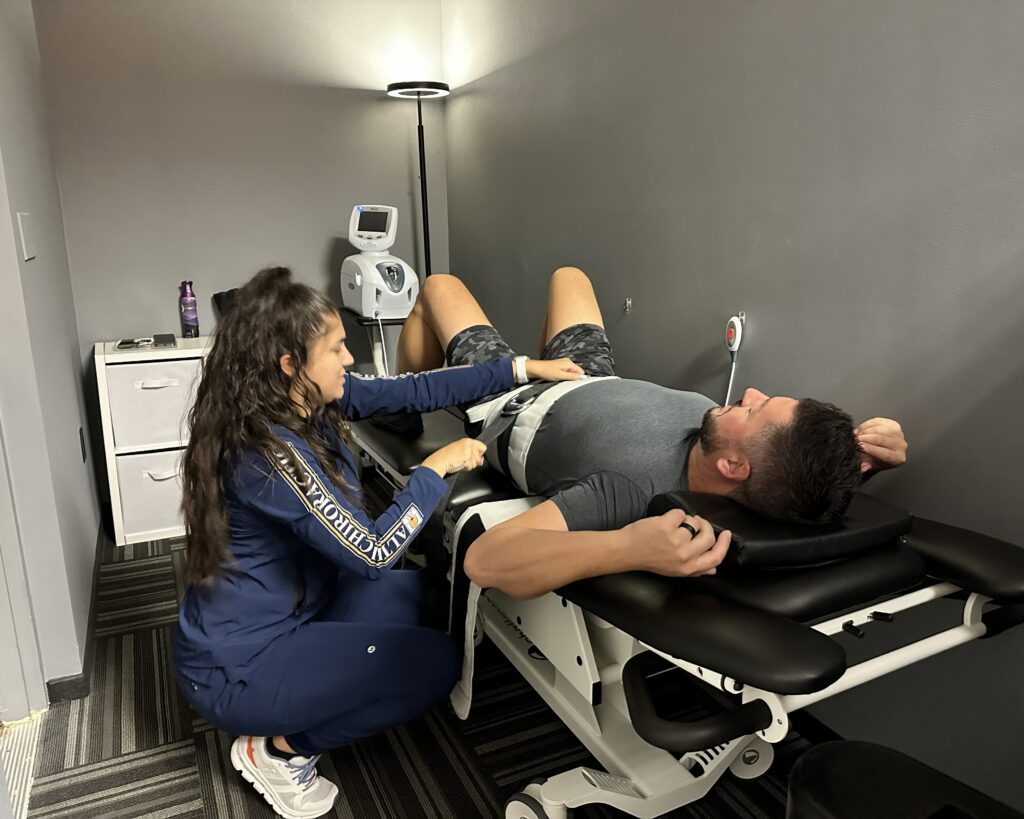
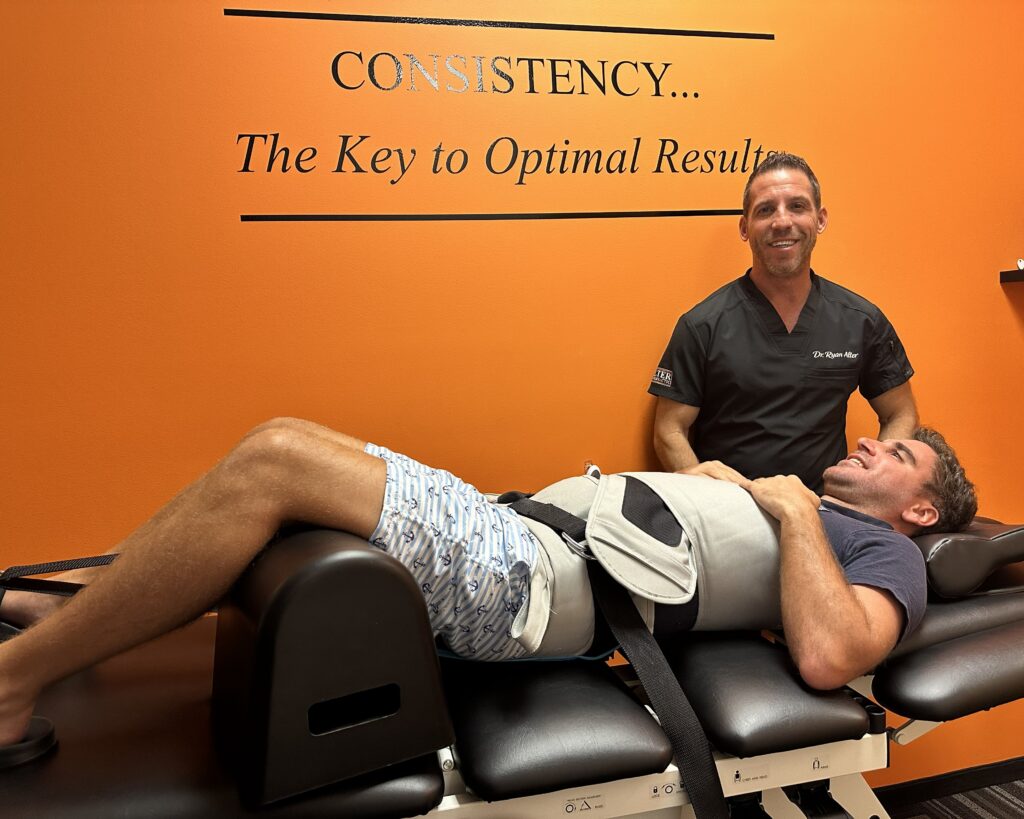
During a spinal decompression session, you lie on a specialized table fully clothed. A harness is fitted around your pelvis and sometimes your torso, depending on whether the treatment is focused on the lower back (lumbar decompression) or the neck (cervical decompression). The motorized table then gently and rhythmically stretches your spine according to a protocol designed specifically for your condition.
Sessions typically last between 15 and 30 minutes. Most patients find the experience comfortable — some even describe it as relaxing. There is no sharp pulling or aggressive force involved. The system is designed to apply a steady, gradual distraction force that the body’s muscles don’t perceive as a threat, allowing the spine to relax into the stretch rather than tighten against it.
The proposed mechanism behind spinal decompression involves several interconnected processes. First, reducing the pressure inside the disc creates what researchers call an “intradiscal pressure drop,” which may allow herniated disc material to partially retract away from the nerve. Second, this negative pressure may act like a pump, drawing water, oxygen, and nutrients back into a disc that has become dehydrated and nutrient-starved — a common feature of degenerative disc disease. Third, by reducing nerve compression, inflammation in the surrounding tissues can begin to settle.
A full course of spinal decompression typically involves multiple sessions over several weeks, often combined with other therapies such as chiropractic adjustments, therapeutic exercises, and soft tissue work. Dr. Ryan Alter takes a root-cause approach with every patient, meaning the decompression protocol is never one-size-fits-all. The goal is to address the underlying structural problem driving your pain, not simply reduce symptoms temporarily.
Conditions That May Benefit From Spinal Decompression
Spinal decompression therapy is not a treatment for every type of back pain. It tends to produce the most meaningful results for specific disc-related and nerve-related conditions. Here in Delray Beach, Dr. Ryan Alter evaluates each patient thoroughly before recommending this therapy to ensure it is an appropriate and safe fit.
Herniated or bulging discs are among the most common indications. When disc material has shifted out of its normal boundaries and is pressing on a nerve root, decompression therapy may help reduce that pressure in a way that medications and rest simply cannot. Patients with sciatica — the radiating leg pain and numbness caused by irritation of the sciatic nerve — often report significant improvement when the underlying disc compression is addressed through decompression.
Degenerative disc disease is another condition that responds well to this therapy in many patients. As discs lose height and hydration over time, the spaces between vertebrae narrow, and nerves can become chronically irritated. By creating negative pressure and encouraging fluid re-absorption, decompression therapy may help slow the degenerative cycle and restore some disc function.
Facet syndrome, posterior joint pain, and failed back surgery syndrome are additional areas where spinal decompression may provide benefit, though results vary by individual. People who have undergone spinal surgery without achieving adequate pain relief sometimes find conservative decompression therapy helpful when surgery has not resolved the root mechanical issue.
It is equally important to know when spinal decompression is NOT appropriate. Contraindications include fractures, severe osteoporosis, spinal tumors, active infections, certain types of implants, and pregnancy. This is precisely why a thorough evaluation by an experienced provider like Dr. Ryan Alter is essential before beginning any decompression protocol.
How Chiropractic Care and Spinal Decompression Work Together
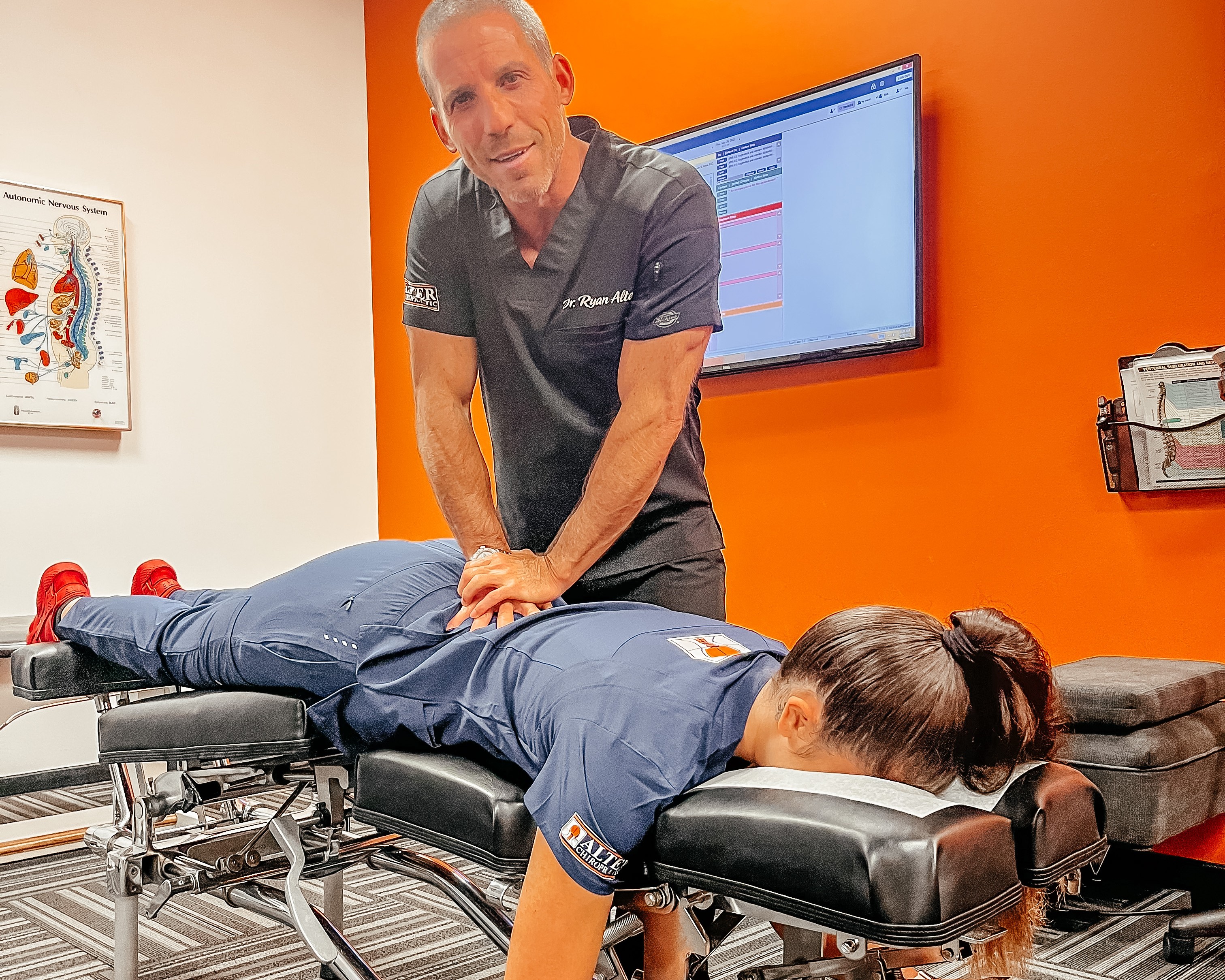
At Alter Chiropractic in Delray Beach, spinal decompression therapy is rarely used in isolation. Dr. Ryan Alter integrates it into a comprehensive, individualized care plan that addresses the full picture of a patient’s spinal health. This is consistent with the practice’s core philosophy: treat the root cause, not just the symptom.
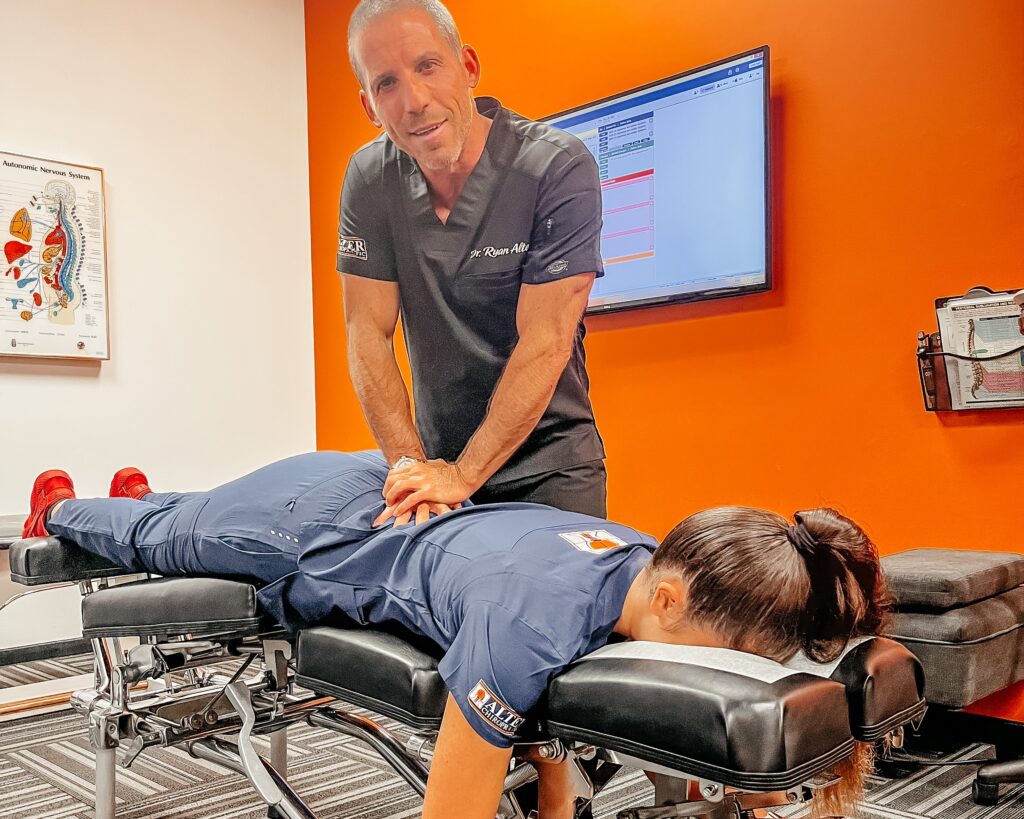
Chiropractic adjustments and spinal decompression complement each other well. While decompression targets the disc and the nerve pressure associated with disc injury, chiropractic adjustments address the segmental mobility and alignment of the spine as a whole. Joints that have become restricted or misaligned — a condition chiropractors refer to as a subluxation — can contribute to the same biomechanical dysfunction that leads to disc problems. By combining both approaches, the spine is addressed from multiple angles simultaneously.
Soft tissue therapy, rehabilitative exercises, and postural guidance may also be incorporated into a patient’s plan at Alter Chiropractic. The goal is always lasting relief and long-term spinal health, not a revolving door of short-term fixes. South Florida families who come through our doors frustrated and in pain deserve real answers — and that requires a thorough, multi-faceted approach.
Research in the field of conservative spine care, including guidance from organizations like the American Chiropractic Association and findings referenced by the National Institutes of Health, supports a multimodal approach to managing disc-related back pain. Chiropractic care combined with targeted decompression and rehabilitative guidance tends to produce better outcomes than any single modality used alone.
Practical Tips for Supporting Your Recovery
Whether you are currently undergoing spinal decompression therapy or simply managing disc-related back pain on your own, your daily habits matter enormously. The spine is influenced by everything you do — how you sit, sleep, lift, and move. Here are some evidence-based lifestyle recommendations that support spinal health and recovery.
Pay close attention to how long you sit each day. Prolonged sitting, especially with poor posture, is one of the most common contributors to disc compression and lower back pain. Aim to stand, walk, or gently move every 30 to 45 minutes if your job keeps you at a desk. Even short breaks help reduce intradiscal pressure and maintain healthy circulation in the spinal tissues.
Sleep position can also play a meaningful role in spinal recovery. Sleeping on your side with a pillow between your knees helps keep the pelvis and lumbar spine in a neutral position. If you prefer to sleep on your back, placing a pillow under your knees achieves a similar effect. Sleeping on your stomach is generally discouraged, particularly for those with disc-related pain, as it places excessive stress on the lumbar and cervical spine.
Core strength is your spine’s best long-term defense. Muscles like the transverse abdominis, multifidus, and glutes provide crucial support to the lumbar spine. Gentle, progressive core activation exercises — guided by a professional — can help protect your discs and reduce the load on spinal structures during everyday activities. Dr. Ryan Alter and the team at Alter Chiropractic can guide you through appropriate exercises tailored to your specific condition and stage of recovery.
Hydration matters more than most people realize. Spinal discs are largely composed of water, and even mild chronic dehydration can contribute to disc degeneration over time. Drinking adequate water throughout the day is one of the simplest, most underutilized habits for supporting spinal disc health.
When to See a Chiropractor About Your Back Pain
Not every episode of back pain requires immediate professional attention. Minor muscle strains often resolve on their own within a few days with rest, gentle movement, and ice or heat application. However, there are important signals that suggest it is time to seek evaluation from an experienced chiropractor like Dr. Ryan Alter at Alter Chiropractic in Delray Beach.
If your back pain has lasted longer than two to four weeks without improvement, that is a clear sign the problem may not resolve on its own. Chronic or recurring back pain — where you get better temporarily but keep coming back to the same problem — is especially worth investigating, as it often points to an underlying structural issue that has never been properly addressed.
Radiating pain, numbness, or tingling that travels into the buttocks, thighs, calves, feet, or toes is a red flag that nerve compression may be involved. This type of symptom warrants a professional evaluation to determine whether a disc or nerve issue is present. The same applies to sharp, shooting pain that worsens with bending forward, sitting for extended periods, or coughing and sneezing — classic indicators of disc involvement.
Seek immediate medical attention — not chiropractic care — if your back pain is accompanied by loss of bladder or bowel control, significant leg weakness, or severe pain following a trauma such as a fall or accident. These symptoms may indicate a serious neurological emergency that requires urgent medical evaluation.
|
Condition / Symptom |
Likely Involvement |
Spinal Decompression Appropriate? |
|---|---|---|
|
Herniated or bulging disc |
Disc pressing on nerve root |
Often yes — commonly indicated |
|
Sciatica (radiating leg pain) |
Sciatic nerve irritation, often disc-related |
Often yes — with proper evaluation |
|
Degenerative disc disease |
Disc height loss, reduced hydration |
Often yes — may help slow degeneration |
|
Muscle strain or sprain |
Soft tissue only, no disc involvement |
Typically not necessary |
|
Osteoporosis (severe) |
Bone density loss, fracture risk |
No — contraindicated |
|
Spinal fracture |
Structural bone injury |
No — contraindicated |
|
Post-surgical back pain (intact hardware) |
Residual nerve or disc irritation |
Case-by-case — requires evaluation |
Common Myths About Spinal Decompression Therapy
Myth: Spinal Decompression Is the Same as Regular Traction
Fact: While both techniques involve stretching the spine, they are not the same thing. True spinal decompression therapy uses computerized, feedback-controlled technology to vary the distraction force in cycles that prevent muscle guarding. Older traction devices apply a static, continuous pull that can actually cause the surrounding muscles to tense up and resist the treatment. The precision of modern decompression equipment is what makes it more effective for targeted disc therapy.
Myth: Spinal Decompression Is Painful
Fact: Most patients find spinal decompression therapy to be comfortable and even relaxing. The force applied is gentle, gradual, and carefully controlled. Some patients experience mild, temporary soreness after their first few sessions as the spine adjusts to the treatment, but sharp or severe pain during the procedure is not a normal experience and should always be reported to your provider immediately.
Myth: If Surgery Has Already Been Recommended, Decompression Won’t Help
Fact: Conservative care, including spinal decompression, is often worth exploring before committing to surgery. Many patients who have been told they are surgical candidates experience meaningful improvement through a well-structured conservative care plan. That said, decompression therapy is not appropriate for all surgical candidates, and a thorough evaluation is essential. Dr. Ryan Alter will always give you an honest assessment of whether this therapy is likely to help your specific situation.
Myth: Spinal Decompression Results Are Only Temporary
Fact: When spinal decompression is combined with chiropractic care, rehabilitative exercise, and postural correction, the results can be long-lasting. Temporary results are more likely when decompression is used in isolation without addressing the underlying biomechanical factors that contributed to the disc problem in the first place. This is exactly why Alter Chiropractic in Delray Beach focuses on root-cause solutions rather than isolated symptom treatments.
Myth: Spinal Decompression Is Only for Older Patients
Fact: Disc injuries and compression-related back pain can affect people of all ages. Young adults who sustain sports injuries, office workers in their 30s with prolonged sitting habits, and middle-aged individuals dealing with accumulated wear and tear can all potentially benefit from spinal decompression. Age is far less important than the specific diagnosis and the structural nature of the problem being treated.
Final Thoughts From Alter Chiropractic in Delray Beach
Back pain does not have to define your life. Here in Delray Beach and across South Florida, far too many people have accepted chronic pain as their new normal — cycling through temporary fixes that never address the real problem. At Alter Chiropractic, we believe you deserve better than that.
Spinal decompression therapy, when applied thoughtfully and combined with comprehensive chiropractic care, is one of the most promising non-surgical options available for disc-related back pain. Dr. Ryan Alter has spent nearly two decades helping South Florida families find lasting relief through natural, root-cause care — and spinal decompression is one of the powerful tools in that approach.
If you’ve been struggling with back pain, sciatica, or disc-related symptoms and you’re looking for real answers near Delray Beach, we encourage you to take the next step and reach out to our team. You don’t have to keep guessing. A thorough evaluation can tell you whether spinal decompression therapy is right for you — and if it is, you’ll have a clear, personalized plan to help you break free from pain and get back to living your life.
Frequently Asked Questions About Spinal Decompression Therapy
How many spinal decompression sessions are typically needed?
The number of sessions varies depending on the severity of the condition and the individual patient’s response to care. Many patients begin to notice improvement within the first several sessions, while a full course of treatment often spans several weeks. Dr. Ryan Alter will outline a personalized recommendation based on your specific diagnosis and goals.
Is spinal decompression therapy covered by insurance?
Coverage for spinal decompression therapy varies significantly between insurance plans and providers. It is best to contact your insurance carrier directly or speak with the team at Alter Chiropractic in Delray Beach to understand what may or may not be covered under your specific plan.
Can spinal decompression therapy help with neck pain?
Yes. Cervical spinal decompression is performed with a different harness setup and targets the discs and nerves in the neck region. It may be helpful for conditions such as cervical disc herniation, cervical radiculopathy (arm pain and numbness), and degenerative disc disease of the cervical spine.
Is spinal decompression safe?
When performed by a trained and experienced provider on appropriately screened patients, spinal decompression therapy is considered a safe, non-invasive treatment. A proper evaluation to rule out contraindications is an essential first step before beginning treatment. Dr. Ryan Alter conducts a thorough assessment with every patient before recommending any therapy.
Will I need to keep coming in forever to maintain my results?
Not necessarily. The goal at Alter Chiropractic is lasting relief, not dependency on ongoing care. After completing a structured care plan, many patients maintain their results through periodic wellness visits, prescribed home exercises, and lifestyle modifications. Your long-term strategy will be discussed with you as your care progresses.
Can spinal decompression help if I have bone spurs or arthritis in my spine?
Spinal arthritis and bone spurs can contribute to nerve compression in a similar way that disc herniation does. Decompression therapy may help reduce some of the associated nerve irritation and improve function, though results can vary. A comprehensive evaluation will help determine whether this therapy is a suitable part of your care plan.
TL;DR — Key Takeaways
-
Spinal decompression therapy is a non-surgical, computerized traction treatment designed to gently relieve pressure on spinal discs and nerves, making it especially helpful for herniated discs, sciatica, and degenerative disc disease.
-
It works by creating negative intradiscal pressure that may help retract herniated disc material and draw nutrients back into damaged discs, reducing nerve compression and pain.
-
At Alter Chiropractic in Delray Beach, Dr. Ryan Alter combines spinal decompression with chiropractic adjustments, rehabilitation, and postural guidance for a root-cause approach to lasting relief.
-
Spinal decompression is not appropriate for everyone — fractures, severe osteoporosis, certain implants, and other conditions are contraindications, making a professional evaluation essential before starting treatment.
-
Daily habits like reducing prolonged sitting, improving sleep position, staying hydrated, and building core strength all support the results of spinal decompression therapy and long-term spinal health.