

Wrist pain is one of those symptoms that almost everyone writes off at first. You figure you slept on it wrong, overdid it at the gym, or spent too many hours typing. But when that discomfort keeps coming back — or starts showing up at odd times, like in the middle of the night — it might be worth taking a closer look. Here in Delray Beach, Dr. Ryan Alter and the team at Alter Chiropractic see patients regularly who come in thinking they just have general wrist soreness, only to discover their symptoms are pointing toward something more specific: carpal tunnel syndrome. Understanding the difference matters, because the two conditions respond to very different approaches.
What Is Carpal Tunnel Syndrome?
Carpal tunnel syndrome is a condition that occurs when the median nerve — which runs through a narrow passageway in your wrist called the carpal tunnel — becomes compressed or irritated. This nerve controls sensation and movement in most of the hand, which is why symptoms can show up as pain, numbness, tingling, or weakness that goes well beyond simple wrist soreness.
Sign #1: Tingling or Numbness in Specific Fingers
One of the most telling differences between general wrist soreness and carpal tunnel syndrome is where the sensation appears — and more importantly, which fingers are involved. General soreness from overuse or strain tends to feel like a dull ache centered in the wrist joint or surrounding tendons. Carpal tunnel syndrome, however, affects the median nerve, and that nerve has a very specific territory in the hand.
The median nerve provides sensation to the thumb, index finger, middle finger, and the thumb-side half of the ring finger. When carpal tunnel syndrome is developing, tingling, numbness, or a “pins and needles” feeling tends to show up in those exact fingers — not the pinky. If you notice that your pinky finger feels completely normal while your index and middle fingers are buzzing or going numb, that pattern is a meaningful clue. At Alter Chiropractic in Delray Beach, Dr. Ryan Alter often uses this distribution pattern as one of the first clinical indicators when evaluating patients with hand and wrist complaints.
Sign #2: Symptoms That Wake You Up at Night
This is probably the sign that surprises people the most. Many patients describe lying in bed, not doing anything demanding with their hands, and suddenly being jolted awake by intense tingling or numbness in their fingers. It feels counterintuitive — why would a “wrist problem” get worse when you’re resting?
The answer has to do with how we position our wrists during sleep. Most people naturally flex or bend their wrists while sleeping, and flexing the wrist significantly increases pressure inside the carpal tunnel. That added pressure compresses the already-irritated median nerve, triggering those uncomfortable sensations. Simple wrist soreness from muscle fatigue or overuse doesn’t typically behave this way. If your symptoms are routinely waking you up at night or are worst when you first roll out of bed in the morning, that nighttime pattern is one of the hallmark signs of carpal tunnel syndrome rather than ordinary soreness.
Sign #3: Weakness When Gripping or Pinching
As carpal tunnel syndrome progresses, it doesn’t stay confined to uncomfortable sensations. Because the median nerve also controls motor function in part of the hand — specifically the muscles at the base of the thumb (the thenar eminence) — prolonged compression can lead to measurable weakness.
Patients often describe trouble with tasks that once felt automatic: unscrewing a jar lid, pinching something between the thumb and index finger, or holding a coffee mug without feeling like their grip might fail. In more advanced cases, there can be visible loss of muscle bulk at the base of the thumb. This is a critical distinction from simple soreness. Soreness makes movement painful, but it rarely causes the kind of functional weakness where you’re actually dropping objects or struggling with basic grip tasks. If you’ve noticed this type of weakness alongside any tingling or numbness, Dr. Ryan Alter would strongly encourage you not to wait to get it evaluated.
Sign #4: Symptoms That Travel Up the Arm
Most people assume that carpal tunnel syndrome stays in the wrist and hand. In reality, many patients experience symptoms that radiate up the forearm and sometimes all the way toward the elbow or shoulder. This can make things confusing, because it starts to feel like a broader arm problem rather than something localized in the wrist.
The reason symptoms can travel upward is that the nerve pathway doesn’t exist in isolation. When the median nerve is compressed at the wrist, the resulting irritation can create referred sensations along the entire nerve’s pathway. Additionally, some patients develop what’s called a “double crush” phenomenon — where the nerve is compressed or irritated at more than one location along its course, such as at both the wrist and the cervical spine (neck). At Alter Chiropractic in Delray Beach, this is exactly why a thorough evaluation of the entire spine and nervous system matters. Treating only the wrist while missing a contributing problem in the neck would mean incomplete care — and that runs counter to everything Dr. Ryan Alter and the team stand for.
Sign #5: Shaking Your Hand Actually Provides Relief
This one sounds almost too specific, but it’s actually a well-recognized clinical sign. Many people with carpal tunnel syndrome instinctively shake their hand — as if trying to “flick” the sensation away — and find that it temporarily relieves the numbness or tingling. This movement is so commonly associated with carpal tunnel that clinicians sometimes refer to it as the “flick sign.”
The reason it works, at least temporarily, is that shaking the hand changes the position and pressure dynamics around the wrist, momentarily giving the median nerve some relief from compression. People with plain wrist soreness due to muscle strain or joint inflammation typically don’t experience this kind of positional relief from shaking. If you’ve found yourself doing this without really knowing why — especially after waking up or after long periods of repetitive hand use — it’s a meaningful clue worth bringing up with Dr. Ryan Alter at your next visit to Alter Chiropractic.

How Chiropractic Care Fits Into Carpal Tunnel Treatment
Chiropractic care offers a natural, non-invasive approach to carpal tunnel syndrome that focuses on the underlying causes of nerve compression rather than simply managing symptoms. Evidence indicates that conservative care — including chiropractic adjustments, soft tissue work, and rehabilitation strategies — can be a valuable first step before considering more invasive options like surgery.
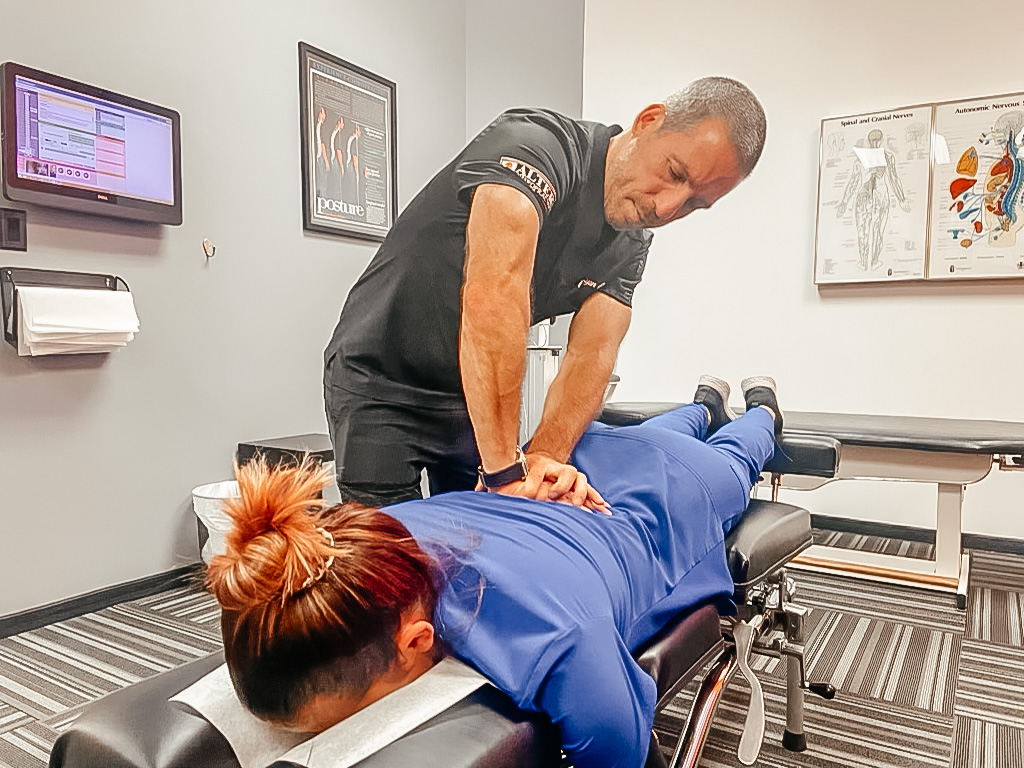
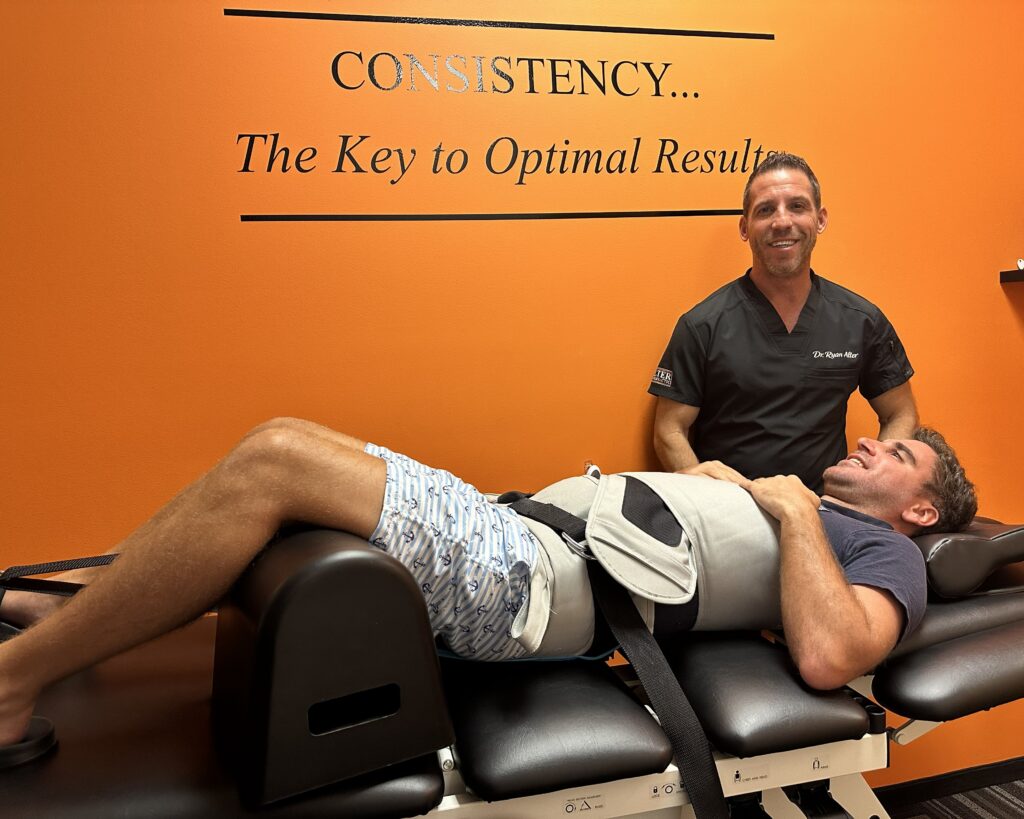
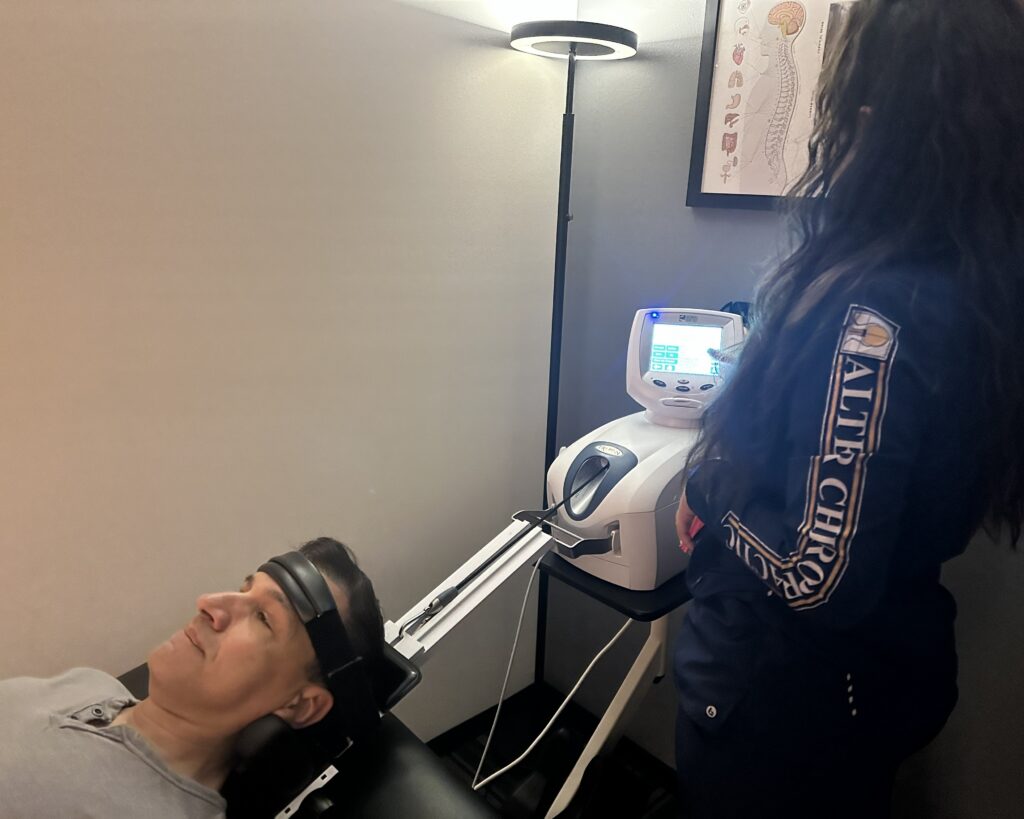
At Alter Chiropractic in Delray Beach, Dr. Ryan Alter takes a root-cause approach to carpal tunnel syndrome. That means evaluating not just the wrist itself, but the entire kinetic chain — including the elbow, shoulder, and cervical spine — to identify all the factors contributing to nerve irritation. Adjustments to the wrist and surrounding joints can help restore proper alignment and reduce mechanical pressure on the carpal tunnel. Soft tissue techniques address tightness in the muscles and fascia of the forearm and wrist. And where cervical spine involvement is identified, addressing that component can be essential to achieving lasting relief.
The goal isn’t to mask the pain with medications or rush anyone toward a surgical consultation. The goal is to help your body heal naturally by removing the obstacles that are interfering with normal function. That philosophy — natural solutions that treat the root cause — is at the heart of everything we do here in South Florida.
Practical Tips for Managing Symptoms at Home
While professional evaluation is important, there are meaningful steps you can take between appointments — or while you’re deciding whether to seek care — to reduce strain on the carpal tunnel and support your recovery.
Keep your wrists in a neutral position as much as possible during both work and rest. A neutral wrist is neither fully flexed forward nor bent backward — it’s straight and relaxed. If you work at a desk, make sure your keyboard is positioned so your wrists don’t have to angle upward or downward to type. A wrist rest can help maintain that neutral alignment. Many people in Delray Beach and throughout South Florida spend significant time on laptops and mobile devices, both of which tend to encourage poor wrist positioning. Being intentional about ergonomics makes a real difference over time.
Take regular breaks from repetitive hand and wrist activities. Even short pauses — stepping away from typing for two to three minutes every hour — allow the pressure inside the carpal tunnel to normalize. Nighttime wrist splints that hold the wrist in a neutral position during sleep can also reduce the nighttime symptoms described in Sign #2 above. These are available at most pharmacies and can be helpful as a supportive measure while you pursue care.
When to See a Chiropractor About Wrist Pain
You don’t need to wait until things are severe. If any of the five signs described above sound familiar — particularly if they’ve been present for more than a few weeks or are interfering with your sleep or daily tasks — that’s a good reason to seek an evaluation at Alter Chiropractic. Earlier intervention tends to produce better outcomes in carpal tunnel syndrome, and conservative care is almost always the right first step.
There are also certain situations that warrant prompt medical attention regardless of whether carpal tunnel syndrome is suspected. If you notice significant weakness or muscle wasting at the base of the thumb, sudden complete numbness in the hand, symptoms following a wrist injury or fracture, or if your symptoms are rapidly worsening, it’s important to be evaluated promptly — and a referral to the appropriate specialist may be necessary. Dr. Ryan Alter and the team at Alter Chiropractic are always transparent about when co-management or referral is the right call. Your long-term health is what matters most.
Carpal Tunnel Syndrome vs. General Wrist Soreness: Key Differences
|
Feature |
Carpal Tunnel Syndrome |
General Wrist Soreness |
|---|---|---|
|
Location of symptoms |
Thumb, index, middle, and ring finger (thumb side) |
Diffuse wrist joint or tendons |
|
Nighttime symptoms |
Common — often wakes the patient |
Uncommon — typically improves with rest |
|
Type of sensation |
Tingling, numbness, burning, weakness |
Aching, soreness, stiffness |
|
Grip weakness |
Can be present, especially in later stages |
Rare unless severe injury is involved |
|
Shaking hand provides relief |
Often yes |
No |
|
Symptoms travel up the arm |
Can radiate toward elbow or shoulder |
Generally stays localized to the wrist |
|
Typical response to rest |
Partial, inconsistent relief |
Usually improves significantly with rest |
Carpal Tunnel Myths vs. Facts
Myth: Carpal Tunnel Syndrome Only Happens to Office Workers
Fact: While repetitive keyboard use is a well-known contributing factor, carpal tunnel syndrome can affect anyone who performs repetitive hand or wrist movements — including mechanics, musicians, hairdressers, construction workers, and even new parents who spend extended time holding an infant. It’s about the mechanics of the wrist, not just the type of job.
Myth: Surgery Is Always Necessary for Carpal Tunnel
Fact: Surgery is one option for severe or prolonged cases, but it is not always necessary — especially when symptoms are caught early. Evidence-based guidelines from organizations like the American College of Physicians encourage conservative care as a first approach. Many patients find meaningful, lasting relief through chiropractic care, soft tissue therapy, and ergonomic modifications before surgery ever becomes a conversation.
Myth: If It’s Not Constant, It’s Probably Not Carpal Tunnel
Fact: Carpal tunnel syndrome is notorious for producing intermittent symptoms, particularly in its earlier stages. Symptoms that come and go — especially in response to specific activities or wrist positions — are entirely consistent with carpal tunnel syndrome. Waiting for symptoms to become constant before seeking care often means waiting longer than necessary.
Myth: Wrist Exercises Will Cure Carpal Tunnel on Their Own
Fact: Exercise and movement are valuable supportive tools, but they are rarely sufficient as a standalone treatment. The underlying cause of the nerve compression — whether it’s joint alignment, soft tissue tension, postural issues, or a combination — needs to be identified and addressed. A comprehensive, root-cause evaluation is the foundation of effective care.
Myth: Carpal Tunnel Is Just a Normal Part of Aging
Fact: While carpal tunnel syndrome does become more common as people age, it is not an inevitable consequence of getting older. It has identifiable mechanical and structural causes that can be addressed. Age alone does not determine whether someone will develop the condition or how well they will respond to conservative care.

Final Thoughts from Alter Chiropractic in Delray Beach
Wrist discomfort is easy to dismiss — and for a while, dismissing it might even seem justified. But the five signs described in this article exist on a spectrum, and carpal tunnel syndrome tends to become harder to manage the longer it goes unaddressed. Catching it early, understanding what’s actually driving the nerve compression, and treating that root cause is the approach that leads to real, lasting relief.
Here at Alter Chiropractic, we’ve been helping South Florida families find natural answers to pain since 2006. Dr. Ryan Alter and our team take the time to truly understand what’s going on in your body — not just the symptom you walked in with, but the underlying cause that’s keeping you from living fully. If your wrist pain has been nagging at you, waking you up at night, or starting to affect your grip and daily activities, we’d love to help you get some clarity.
You deserve to understand what your body is telling you. And you deserve care that actually addresses it.
Frequently Asked Questions
Can a chiropractor actually treat carpal tunnel syndrome?
Yes, chiropractic care is a recognized conservative treatment option for carpal tunnel syndrome. Chiropractors can address joint alignment in the wrist, soft tissue tension in the forearm, and related issues in the spine that may be contributing to nerve compression. Many patients experience meaningful symptom improvement through chiropractic care before pursuing more invasive interventions.
How is carpal tunnel syndrome diagnosed?
Diagnosis typically involves a clinical evaluation that includes a thorough history, orthopedic and neurological testing of the wrist and hand, and assessment of the nerve’s sensory and motor function. In some cases, a nerve conduction study (performed by a neurologist or specialist) may be ordered to confirm and quantify the degree of nerve compression. Dr. Ryan Alter at Alter Chiropractic can help determine whether additional diagnostic testing is needed during your evaluation.
What activities make carpal tunnel syndrome worse?
Activities that involve sustained or repetitive wrist flexion, extension, or gripping tend to aggravate symptoms. This includes extended typing, using vibrating tools, holding a phone for long periods, or any task that keeps the wrist in a bent position for prolonged periods. Identifying and modifying these activities is an important part of managing the condition.
Is carpal tunnel syndrome the same as tendinitis?
No, they are different conditions. Tendinitis involves inflammation of the tendons around the wrist and produces primarily aching and soreness. Carpal tunnel syndrome involves compression of the median nerve and produces the characteristic tingling, numbness, and weakness described in this article. They can sometimes occur together, which is one reason a proper evaluation is important.
How long does it take to see improvement with chiropractic care for carpal tunnel?
Recovery timelines vary depending on how long symptoms have been present, the severity of nerve compression, and individual factors. Some patients notice improvement within a few weeks of beginning care, while others with more longstanding compression may require a longer course of treatment. Dr. Ryan Alter will give you a realistic picture of your expected progress after a thorough evaluation.
Should I see a chiropractor or a medical doctor first for wrist pain?
Either is a reasonable starting point for most cases of wrist pain. Chiropractors are trained to evaluate the musculoskeletal and neurological components of wrist complaints and can identify when medical referral is appropriate. If red flags are present — such as severe sudden weakness, injury-related symptoms, or rapidly progressing numbness — prompt medical evaluation is warranted alongside or before chiropractic care.
TL;DR — Key Takeaways
-
Carpal tunnel syndrome is caused by compression of the median nerve and produces specific symptoms — tingling or numbness in the thumb, index, middle, and ring fingers — that are distinct from general wrist soreness.
-
Five key signs include: finger-specific tingling, nighttime symptoms that wake you, grip weakness, symptoms that travel up the arm, and temporary relief from shaking the hand.
-
Chiropractic care offers a natural, root-cause approach to carpal tunnel syndrome that addresses joint alignment, soft tissue tension, and potential nerve involvement in the spine — not just the wrist itself.
-
Early intervention leads to better outcomes — if your symptoms have lasted more than a few weeks or are affecting sleep and daily function, it’s time to seek an evaluation.
-
At Alter Chiropractic in Delray Beach, Dr. Ryan Alter and the team are committed to helping South Florida families find lasting, natural relief by treating the cause — not just the symptoms.