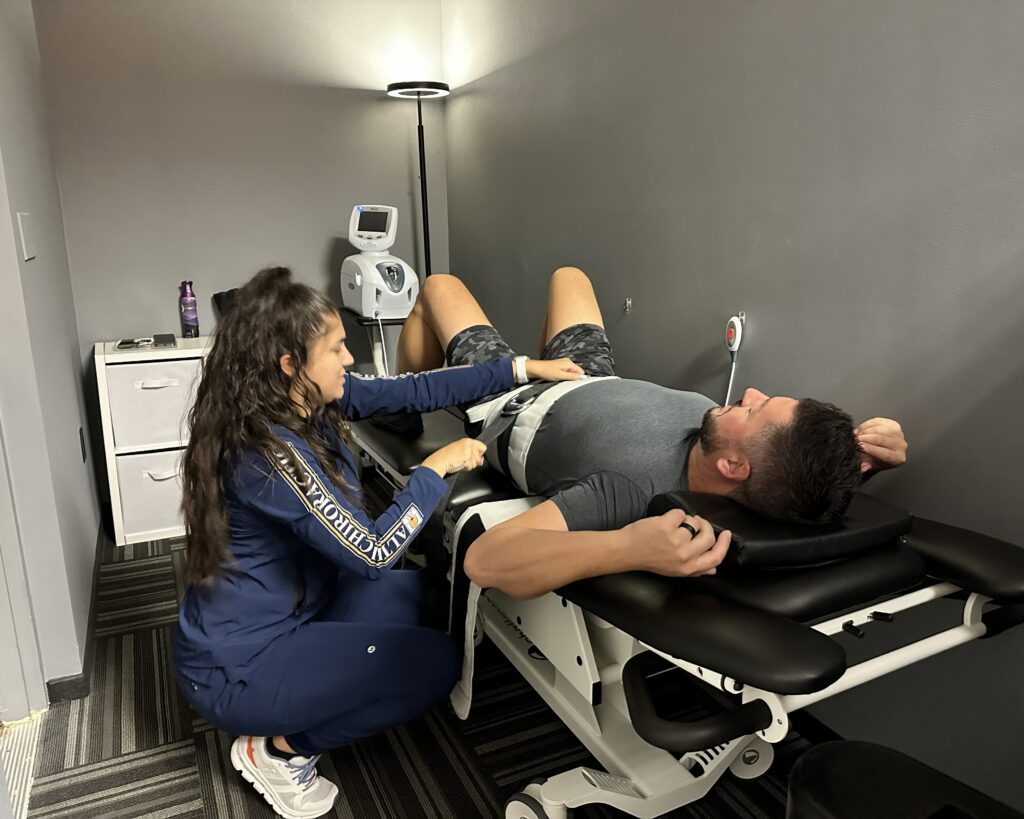

If you’re dealing with migraines, you understand how they can truly disrupt your day-to-day life. Fortunately, there are gentle methods that can help you manage your symptoms more effectively, allowing you to reclaim your well-being. As a chiropractor, I believe that prioritizing your health through natural means is key to finding relief. Here are ten gentle methods that not only aim to alleviate migraine discomfort but also promote overall wellness and spinal health.
- Stay Hydrated: Dehydration can be a significant trigger for migraines. Ensure you’re drinking plenty of water throughout the day. Consider incorporating hydrating foods like fruits and vegetables into your diet.
- Balanced Nutrition: Eating regular, balanced meals can help maintain blood sugar levels and reduce the likelihood of migraine triggers. Focus on whole foods, including lean proteins, whole grains, and healthy fats.
- Relaxation Techniques: Stress can exacerbate migraines, so finding ways to relax is essential. Techniques such as deep breathing, meditation, or gentle yoga can help ease tension and promote a sense of calm.
- Regular Chiropractic Care: Chiropractic adjustments can help relieve tension in your spine and neck, which may contribute to migraines. By ensuring your spine is aligned, you can promote better nervous system function and reduce pain.
- Adequate Sleep: Establishing a consistent sleep routine can help prevent migraines. Aim for 7-9 hours of quality sleep each night to allow your body to heal and recharge.
- Limit Caffeine and Alcohol: Both caffeine and alcohol can trigger migraines in some individuals. Pay attention to your body’s responses and consider reducing your intake if you notice a correlation.
- Mindful Movement: Engage in gentle exercises such as walking, swimming, or cycling. Physical activity can boost your mood and reduce stress, helping to mitigate migraine occurrences.
- Cold or Warm Compresses: Applying a cold or warm compress to your forehead or neck can provide relief. Experiment to see which temperature works best for you.
- Essential Oils: Certain essential oils, like lavender or peppermint, may help ease migraine symptoms. Try using them in a diffuser or diluted in a carrier oil for a soothing massage.
- Keep a Migraine Diary: Tracking your migraine patterns, triggers, and relief methods can help you identify what works best for you. This information can also be useful when discussing your care with your chiropractor.
By incorporating these gentle methods into your routine, you can take proactive steps toward managing your migraines naturally. Remember, as a chiropractor, I’m here to support your journey to optimal health through holistic practices that prioritize your body’s natural healing abilities. Together, we can find the best strategies to help you live a healthier, pain-free life.
Staying Hydrated
Have you ever noticed how dehydration can trigger a migraine? This is a common issue that many people overlook, but as a chiropractor, I want to emphasize the connection between hydration and overall wellness. When your body is low on water, it can react in various ways, including painful headaches.
To keep your body functioning optimally and to support your spine’s health, staying hydrated is essential. Start by setting a daily water goal. Aim for at least eight 8-ounce glasses of water a day, but feel free to adjust this based on your activity level, climate, and individual needs. Carrying a reusable water bottle with you can serve as a great reminder to sip throughout the day.
Be mindful of signs of dehydration, such as dry mouth or fatigue. If you’re exercising or spending time outdoors, be sure to increase your water intake. Additionally, incorporating foods with high water content, like fruits and vegetables, can significantly contribute to your hydration. Herbal teas and broths are also excellent alternatives.
Prioritizing hydration not only helps reduce the likelihood of migraines but also supports your overall health and well-being. Remember, when your body is well-hydrated, it functions better, including your spine and nervous system, which are crucial for pain relief and optimal health.
Practicing Relaxation Techniques
While you mightn’t realize it, practicing relaxation techniques can significantly help manage migraine symptoms, and chiropractic care plays a vital role in this process. Incorporating deep breathing exercises into your daily routine can calm your mind and reduce tension, which is essential for overall wellness.
Try inhaling slowly through your nose, holding for a few seconds, and exhaling gently through your mouth. This simple practice can help you feel more relaxed and centered.
Another effective method is progressive muscle relaxation. By tensing and then relaxing each muscle group, starting from your toes and working your way up to your head, you can relieve physical tension and promote mental clarity.
This technique complements chiropractic adjustments, as both aim to alleviate stress and enhance your body’s natural healing capabilities.
Meditation and mindfulness techniques can further enhance your relaxation efforts. Set aside a few minutes each day to sit quietly, focus on your breath, and let go of any intrusive thoughts.
This practice aligns well with chiropractic care, as both emphasize the importance of a calm mind for optimal health.
Lastly, gentle yoga can be beneficial for relaxation and overall wellness. Simple stretches and postures encourage relaxation and help release built-up stress.
Regularly practicing these techniques, alongside your chiropractic care, can create a powerful tool for managing migraine symptoms and promoting a healthier lifestyle.
Maintaining a Regular Sleep Schedule
A regular sleep schedule is crucial for managing migraines and supporting your overall health and wellness. When you go to bed and wake up at the same time each day, you help regulate your body’s internal clock, which can significantly reduce the likelihood of sleep disturbances that may trigger migraines. Aim for seven to eight hours of quality sleep each night, and consider establishing a calming bedtime routine to signal to your body that it’s time to relax.
To enhance your sleep experience, it’s wise to avoid caffeine and screens before bed, as they can negatively impact your sleep quality. If you find it difficult to fall asleep, try incorporating relaxation techniques such as deep breathing or gentle stretches to help you unwind.
Creating a comfortable sleep environment—one that’s dark, cool, and quiet—can further promote restful sleep.
If you happen to experience a migraine, try to maintain your sleep schedule as much as possible. Sticking to a consistent routine can aid in your recovery. Additionally, chiropractic care is an excellent approach to addressing migraine issues. By targeting spinal alignment and promoting healthy nervous system function, chiropractic adjustments can help alleviate headache pain and improve your overall well-being.
By prioritizing a regular sleep schedule and considering chiropractic care, you’ll not only feel better but also reduce the frequency and intensity of your migraines.
Incorporating Gentle Exercise
Incorporating gentle exercise into your routine can significantly enhance your overall well-being and help reduce the frequency of migraines. As a local chiropractor, I believe that activities like walking, stretching, and yoga serve not only to promote relaxation but also to improve circulation and relieve tension in your body.
These gentle exercises can be especially beneficial when combined with regular chiropractic care, which addresses spinal health and supports your body’s natural healing processes.
Let’s delve into the benefits of these gentle exercises and how you can seamlessly weave them into your daily life:
- Walking: A simple, low-impact activity that can be done anywhere. Aim for a brisk 20-30 minute walk each day. It helps to improve circulation and can elevate your mood, making it a fantastic option for migraine sufferers.
- Stretching: Incorporating gentle stretches into your routine can alleviate muscle tension and promote flexibility. Consider simple stretches for your neck and shoulders, as these areas often hold stress. A few minutes each day can make a big difference.
- Yoga: This practice not only enhances flexibility and strength but also focuses on breathing and relaxation techniques that can help manage stress—a common trigger for migraines. Look for beginner classes or online resources to get started.
- Chiropractic Care: Regular visits to your chiropractor can complement your exercise routine by ensuring your spine is properly aligned. This can help reduce pain and improve your body’s overall function, enhancing the benefits of your gentle exercises.
Tips to Integrate Gentle Exercise:
- Set a specific time each day for your exercise routine to make it a habit.
- Find a buddy to join you for walks or yoga sessions; this can make the experience more enjoyable and motivating.
- Listen to your body. If something feels uncomfortable, modify the exercise or consult your chiropractor for guidance.
By incorporating these gentle exercises alongside chiropractic care, you can create a powerful synergy that promotes natural healing and optimal health.
Benefits of Gentle Exercise
Gentle exercise is an excellent addition to your migraine management strategy, and it can be even more effective when paired with chiropractic care. As a local chiropractor, I want to emphasize the role of gentle movement in alleviating migraine symptoms and enhancing your overall wellness. Engaging in light activities such as stretching or walking can significantly promote blood circulation, which is essential for easing tension and reducing pain.
These gentle movements not only help relieve discomfort, but they also encourage the release of endorphins, your body’s natural painkillers, providing a soothing effect. Moreover, gentle exercise can be a powerful tool in managing stress—one of the most common triggers for migraines. By integrating regular, low-impact workouts into your routine, you can uplift your mood and increase your energy levels, making you more resilient against migraine episodes.
Listening to your body is key. Choose activities that feel right for you, and remember that chiropractic care can support your journey towards balance and relief. Regular chiropractic adjustments can enhance spinal alignment, improve nerve function, and ultimately contribute to your ability to engage in gentle exercise more effectively.
Here are a few simple tips to help you get started:
- Start Slow: If you’re new to exercise, begin with short sessions of stretching or leisurely walking, gradually increasing the duration as your body adapts.
- Stay Hydrated: Dehydration can trigger migraines, so make sure to drink plenty of water before, during, and after your exercises.
- Create a Routine: Set aside specific times for gentle exercise in your day. Consistency is key to reaping the benefits.
- Incorporate Breathing Techniques: Breathing deeply while exercising can enhance relaxation and further reduce tension.
- Visit Your Chiropractor: Regular chiropractic care can help maintain spinal health, which is crucial for overall wellness and pain management.
Recommended Gentle Activities
While exploring ways to manage your migraines, it’s essential to consider activities that promote relaxation and support your overall spinal health. Gentle yoga can be particularly beneficial, as it combines stretching with mindfulness, helping to release tension in the neck and shoulders—areas that are often affected by migraines. Simple poses like Child’s Pose or Cat-Cow not only ease tightness but also enhance spinal alignment, which is crucial for overall wellness.
Taking leisurely walks in nature can also be an excellent way to connect with your surroundings, boost your mood, and promote healthy spinal movement. The gentle impact of walking encourages circulation and can help reduce migraine triggers.
Swimming is another great option. It offers a low-impact way to engage your body while relieving stress, and the buoyancy of water can provide relief for spinal discomfort.
Incorporating breathing exercises into your routine can help calm your mind and reduce anxiety, which are often contributing factors to migraines. Focusing on your breath can also enhance your awareness of your body, leading to better posture and alignment.
Lastly, tai chi combines gentle movement with meditation, promoting relaxation and enhancing your overall well-being. This practice not only helps manage migraines but also fosters a sense of peace and balance in your life.
Remember, while these activities can be helpful, regular chiropractic care is key to achieving optimal health and managing pain naturally. A chiropractor can provide personalized guidance and adjustments to ensure your spine is aligned, which is essential for reducing the frequency and intensity of migraines.
Utilizing Essential Oils
Essential oils can be a valuable addition to your wellness toolkit, especially when it comes to managing migraine symptoms. However, while exploring these natural options, it’s important to remember that the foundation of optimal health starts with proper spinal alignment and chiropractic care.
As a chiropractor, I encourage you to consider how a healthy spine can contribute to overall wellness and potentially alleviate pain, including migraines. Regular adjustments can help ensure that your nervous system functions optimally, which may reduce the frequency and intensity of migraine episodes.
If you’re interested in incorporating essential oils, some popular choices for relief include peppermint and lavender. These oils can be used in various ways, such as through diffusers, topical application (diluted with a carrier oil), or inhalation. Just be sure to prioritize safety by doing a patch test first and consulting with a professional if you have any concerns.
In addition to using essential oils, here are some general tips to help manage migraines:
- Stay Hydrated: Dehydration can trigger migraines, so be sure to drink plenty of water throughout the day.
- Maintain a Healthy Diet: Eating balanced meals and avoiding known trigger foods can make a significant difference.
- Prioritize Sleep: Consistent sleep patterns can help regulate your body and reduce the likelihood of migraines.
- Practice Stress Reduction: Techniques like deep breathing, meditation, and gentle exercise can help keep stress levels in check.
Popular Essential Oils
Many individuals experiencing migraines have found relief through the use of popular essential oils, which can provide soothing effects and help ease discomfort.
While essential oils can be a helpful part of a holistic approach to health, it’s important to remember that chiropractic care is a powerful option for addressing the root causes of headaches and migraines.
Chiropractic adjustments can improve spinal alignment and reduce tension in the neck and upper back, which are often contributors to headache pain. By focusing on these areas, chiropractic care can promote overall wellness and help you achieve optimal health without the need for medications or other invasive procedures.
In addition to regular chiropractic care, you may want to explore the following essential oils that can complement your wellness journey:
- Peppermint Oil: Known for its cooling sensation, applying diluted peppermint oil to your temples may help alleviate headache intensity.
- Lavender Oil: Valued for its calming properties, inhaling lavender oil can promote relaxation and may help reduce stress-related migraines.
- Eucalyptus Oil: This oil can help open up airways and relieve sinus pressure, which might trigger headaches, especially if combined with proper spinal care.
- Chamomile Oil: Often used for its soothing effects, chamomile oil may help calm an overactive mind during a migraine episode.
As you experiment with these oils, remember that consistency is key.
Additionally, maintaining good posture, staying hydrated, and managing stress through relaxation techniques can further enhance your overall well-being and reduce the frequency of migraines.
Incorporating chiropractic care into your health regimen can provide lasting relief and support your journey toward a healthier, pain-free life.
Always consult with your chiropractor to develop a personalized plan that best suits your needs.
Application Techniques
When it comes to managing migraines naturally, incorporating essential oils can be a powerful addition to your wellness routine. As a chiropractor, I believe in the body’s ability to heal itself, and using essential oils can complement chiropractic care for optimal health.
Here are some effective application techniques to consider:
- Dilution and Massage: Start by diluting your preferred essential oil—like lavender or peppermint—with a carrier oil such as coconut or jojoba oil. Gently massage this mixture into your temples, neck, or pulse points. This not only helps with pain relief but also promotes relaxation, which is essential for overall wellness.
- Inhalation: Simply inhaling the scent of essential oils can provide immediate relief. You can do this by placing a few drops on a cotton ball and inhaling deeply, or by using a diffuser to disperse the aroma in your environment. This technique can help to calm the mind and reduce migraine symptoms.
- Warm Compress: For a soothing effect, add a few drops of essential oil to a warm compress and place it on your forehead. The warmth helps to relax tense muscles, while the aroma can ease headache discomfort.
- Portable Options: If you’re often on the go, consider using an essential oil roller. This convenient tool allows you to apply your chosen blend easily and discreetly whenever you feel a migraine coming on.
- Chiropractic Care: Remember, while essential oils can provide relief, regular chiropractic care addresses the underlying issues that may contribute to migraines. Aligning your spine can help alleviate tension and improve overall health, making it a key part of your wellness journey.
Experiment with these techniques to discover what works best for you. Combining the natural healing properties of essential oils with chiropractic adjustments can pave the way to a healthier, migraine-free life.
Always listen to your body and consult with your chiropractor for personalized advice tailored to your needs.
Safety Considerations
While incorporating essential oils into your migraine management routine can be a helpful addition, it’s important to prioritize safety to ensure a positive experience. Here are some key considerations to keep in mind:
- Dilution: Always mix essential oils with a carrier oil. This step is essential to avoid any skin irritations, especially since our skin can be sensitive.
- Patch Test: Before fully using an essential oil, try a small patch test on your skin. This way, you can check for any potential allergic reactions without risking a larger area.
- Quality Matters: Opt for high-quality, pure essential oils from trusted sources. This ensures you’re getting the most effective products to aid your wellness journey.
- Consultation is Key: If you’re pregnant, nursing, or have any existing health conditions, it’s wise to talk to a healthcare professional. Your well-being is the priority, and a professional can help guide you safely.
In addition to these tips, remember that chiropractic care can be a powerful ally in managing migraines and enhancing your overall health.
Regular adjustments can help improve spinal alignment, which may alleviate tension and contribute to fewer headaches.
By focusing on natural healing through chiropractic care, you can work towards achieving optimal wellness without the need for medications or invasive procedures.
Always prioritize your health and wellness, and consider how natural methods like chiropractic can support you on your journey.
Exploring Acupuncture
Acupuncture is an interesting method some people use to manage migraines, but as a chiropractor, I want to share why chiropractic care might be the best choice for achieving optimal health and relief from pain, including migraines.
Chiropractic care focuses on the spine and the relationship between the nervous system and overall health. When your spine is in alignment, your body functions better, which can help reduce the frequency and intensity of migraine attacks. A chiropractor can assess your spinal health and make adjustments that may alleviate tension and improve your overall well-being.
During a chiropractic session, you can expect to receive personalized care tailored to your specific needs. A typical visit lasts about 30 to 60 minutes, during which you’ll feel relaxed as we work to restore balance to your body. Many patients report feeling a sense of relief and calm after their adjustments.
Research shows that chiropractic adjustments can be effective for migraine sufferers by improving spinal function and reducing inflammation. This drug-free approach is an excellent option for those looking to avoid medication side effects.
In addition to chiropractic adjustments, here are some general tips for managing migraines naturally:
- Stay Hydrated: Drink plenty of water throughout the day to help prevent dehydration, which can trigger migraines.
- Maintain a Regular Sleep Schedule: Aim for consistent sleep patterns to help regulate your body’s natural rhythms.
- Manage Stress: Incorporate relaxation techniques such as deep breathing, yoga, or meditation into your daily routine.
- Eat Balanced Meals: Avoid skipping meals and try to eat a variety of nutritious foods to keep your energy levels stable.
If you’re seeking a natural, effective method for migraine relief and overall wellness, consider chiropractic care as a holistic approach that prioritizes your health without the need for medications or invasive procedures.
Your journey to better health starts with a simple step—schedule a visit with your chiropractor today!
Adopting a Balanced Diet
When managing migraines, the role of your diet is incredibly important. As a chiropractor, I encourage you to take a holistic approach to your health, which includes understanding how what you eat can affect your body. Start by identifying any trigger foods that might be contributing to your headaches. Keeping a food diary can be a helpful way to spot patterns.
Staying hydrated is another key factor—make sure you’re drinking plenty of water throughout the day, as dehydration can often lead to increased headache frequency and intensity.
Incorporating nutrient-rich foods into your meals is essential for overall wellness and can support your body’s natural healing processes. Focus on whole foods like fruits, vegetables, whole grains, and lean proteins. These can provide the vitamins and minerals your body needs to function optimally.
In addition to dietary changes, regular chiropractic care can help alleviate pain and tension that may contribute to your migraines. By ensuring proper spinal alignment, chiropractic adjustments can promote better nerve function and reduce stress in your body, leading to fewer headaches.
Identifying Trigger Foods
Identifying trigger foods can play a significant role in managing your migraines, and as a chiropractor, I believe in taking a holistic approach to health and wellness. By recognizing the specific foods that may trigger your migraines, you can make proactive choices to avoid them, ultimately reducing the frequency of your discomfort.
One effective method is to keep a food diary. This simple tool allows you to track what you eat alongside when your migraines occur, helping you spot patterns and make informed decisions.
Some common trigger foods to be mindful of include:
- Aged cheeses
- Processed meats
- Alcohol, particularly red wine
- Caffeinated beverages
In addition to being aware of your diet, consider incorporating chiropractic care into your wellness routine. Chiropractic adjustments can help improve spinal alignment, which may contribute to better overall health and potentially ease headache symptoms.
Remember, taking care of your body through natural means, like proper nutrition and chiropractic adjustments, is a powerful way to support your journey towards optimal health and wellness.
Always listen to your body, and if you notice certain foods consistently causing issues, it may be worth discussing with a chiropractor or a nutritionist who can guide you on your path to a healthier, pain-free life.
Staying Hydrated Regularly
Staying hydrated is crucial for maintaining your overall health and managing migraines, and it complements the benefits of chiropractic care beautifully. Dehydration can exacerbate your symptoms, so it’s important to drink enough water throughout the day. A simple tip is to keep a refillable water bottle with you as a reminder to sip regularly.
Remember, hydration isn’t limited to just water; herbal teas and electrolyte-rich drinks can also be beneficial. Listen to your body’s signals—if you feel thirsty or fatigued, that’s your cue to hydrate. Additionally, consider your activity levels and the climate; you may need more fluids during hot weather or after intense exercise.
By making hydration a priority, you can help reduce the risk of triggering migraines and support your overall wellness. Chiropractic care plays an essential role in natural healing and optimal health. By ensuring your spine is aligned, you can improve your overall bodily functions, including circulation, which can enhance your hydration efforts.
Incorporating Nutrient-Rich Foods
Incorporating nutrient-rich foods into your diet can significantly enhance your overall health and support your migraine management journey. As your local chiropractor, I understand the importance of a balanced diet in conjunction with chiropractic care to achieve optimal wellness.
By nourishing your body with essential vitamins and minerals, you may experience a reduction in the frequency and intensity of migraines. Here are some key food groups that can be beneficial:
- Leafy Greens: Vegetables like spinach and kale are rich in magnesium, a nutrient that can help prevent migraines and support your nervous system. Incorporating these greens into your meals can be a simple way to boost your magnesium intake.
- Fish: Fatty fish such as salmon are loaded with omega-3 fatty acids, known for their anti-inflammatory properties. Regularly enjoying fish can also support joint and spinal health, aligning perfectly with your chiropractic care.
- Whole Grains: Whole grains like quinoa and brown rice provide steady energy and help maintain stable blood sugar levels. This is crucial in avoiding the blood sugar spikes and crashes that can trigger headaches.
- Fruits and Vegetables: Berries, bananas, and avocados aren’t only delicious but also high in antioxidants and potassium, essential for brain and overall health. These nutrients can aid in reducing stress on your body, which is beneficial for managing migraines.
In addition to these nutritional choices, I encourage you to stay hydrated, practice good posture, and consider regular chiropractic adjustments to help alleviate tension and promote overall well-being.
Keeping a Migraine Diary
Keeping a migraine diary can be a transformative tool for managing your headaches naturally and effectively. By diligently tracking your migraines, you can uncover patterns and potential triggers that may be contributing to your discomfort. Start by noting the date, time, and duration of each migraine, along with the intensity on a scale from one to ten. It’s also important to document any accompanying symptoms, such as nausea or light sensitivity.
In addition to your migraines, record your daily activities, food intake, and sleep patterns. This holistic approach can help you identify lifestyle factors that may be influencing your headaches, whether it’s a particular food, stress levels, or environmental changes. Over time, you’ll gather insightful information about what may be aggravating your migraines and what natural strategies might help relieve them.
Chiropractic care can play a significant role in headache management. Misalignments in the spine can contribute to headaches, and by addressing these issues through gentle adjustments, chiropractic care can help restore proper function and reduce pain.
Sharing your migraine diary with your chiropractor can lead to more tailored treatment plans that focus on your unique patterns and triggers.
Managing Stress Effectively
Stress management is vital for reducing the frequency and intensity of migraines. By effectively managing stress, you can create a well-balanced life that minimizes triggers and promotes overall wellness.
Here are some practical techniques you can incorporate into your daily routine, all of which align beautifully with chiropractic care:
- Practice mindfulness: Take a few moments each day to focus on your breath or engage in a simple meditation. This practice can help clear your mind and promote relaxation, which is essential for spinal health and overall wellness.
- Engage in physical activity: Regular exercise isn’t only great for your body, but it also releases endorphins that improve your mood and reduce stress. Consider activities that promote flexibility and strength, such as yoga or stretching, which can also complement your chiropractic adjustments.
- Establish a routine: Consistent daily schedules provide structure, helping to alleviate anxiety and stress. A steady routine can also enhance the benefits of chiropractic care by ensuring your body is in a balanced state.
- Connect with others: Sharing your feelings with friends or family can be a wonderful stress reliever. Building a strong social support network can enhance your emotional well-being, which is important for maintaining a healthy spine and reducing tension.
Incorporating these strategies into your daily life not only fosters a calm environment but also enhances the effectiveness of chiropractic care.
Trying Herbal Supplements
Finding balance in your life is essential for overall wellness, and it can also play a crucial role in managing migraines. One natural approach to consider is chiropractic care, which focuses on the alignment of the spine and the nervous system. Many patients report significant relief from headaches and migraines after chiropractic adjustments, as this treatment helps to alleviate tension and restore proper function to the body.
In addition to chiropractic care, you might hear about herbal supplements like feverfew and butterbur. While some people find relief from these herbs, it’s important to remember that chiropractic care addresses the root cause of pain and discomfort by promoting spinal alignment and nervous system health. Always consult with your chiropractor before trying new supplements to ensure they complement your overall wellness plan.
If you experience nausea with your migraines, ginger and peppermint can be soothing. You can enjoy these herbs in teas or as supplements. However, it’s essential to prioritize chiropractic adjustments for long-term relief and prevention of migraines.
Keeping a diary to track your migraines and any changes you notice after chiropractic visits can help you understand the effectiveness of this natural approach.
Remember, while herbal remedies might provide some benefits, chiropractic care is a holistic solution that aims to enhance your overall health and well-being. By focusing on spinal health and regular adjustments, you can achieve better balance in your life and potentially reduce the frequency and intensity of migraines.
Always prioritize natural healing methods like chiropractic for a healthier, pain-free life.
Conclusion
Incorporating gentle methods into your daily routine can greatly enhance your migraine management and overall wellness. Staying hydrated, practicing relaxation techniques, and maintaining a balanced diet are excellent ways to support your body and spine. These lifestyle changes can create a solid foundation for your health.
One effective strategy is to keep a migraine diary. This can help you pinpoint potential triggers and better understand your body’s responses. Additionally, engaging in gentle exercises, such as walking or stretching, can help alleviate tension and stress, which are common contributors to migraines.
As a chiropractor, I believe that spinal health plays a crucial role in overall well-being. Regular chiropractic adjustments can help restore balance to your nervous system, reduce muscle tension, and promote better circulation—all of which can contribute to less frequent and less severe migraine episodes.
Embracing these gentle strategies not only helps relieve migraine symptoms but also encourages a healthier lifestyle. Remember, taking charge of your wellness journey is essential. With the right support and care, you can achieve optimal health naturally.