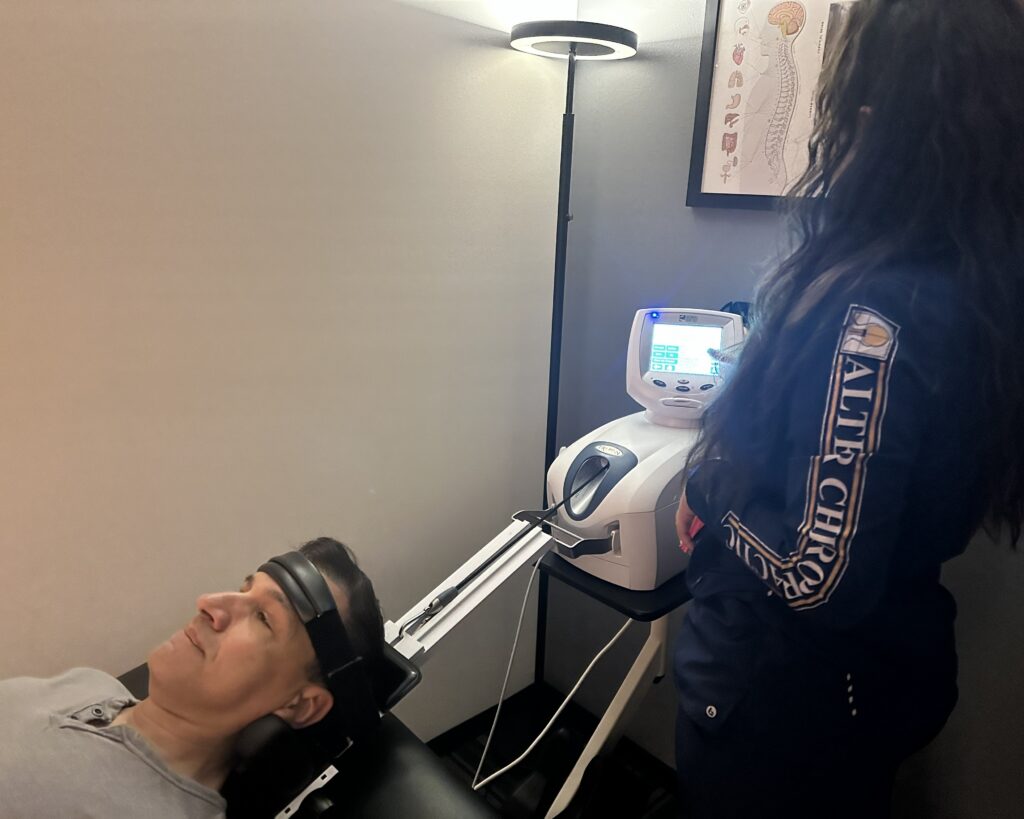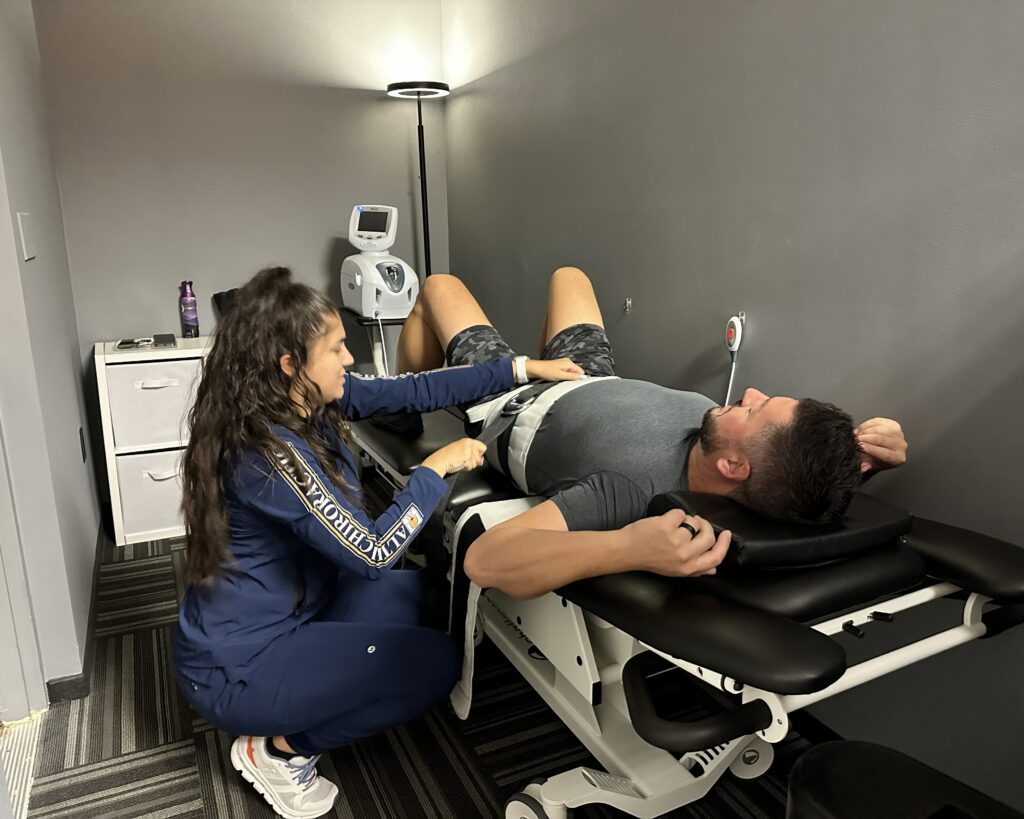

When it comes to managing pain at home, chiropractic care stands out as one of the most effective options for achieving relief and promoting overall wellness. By focusing on the health of your spine and nervous system, chiropractic care addresses the root causes of pain rather than just masking the symptoms. Alongside regular chiropractic adjustments, there are several simple techniques you can incorporate into your daily routine to enhance your healing journey.
One of the most popular methods is the use of heat and cold therapies. Applying heat can help relax muscles and improve blood flow, while cold therapy can reduce inflammation and numb sharp pain. Alternating between the two can provide significant relief for various types of discomfort.
Mindful practices such as deep breathing, meditation, or gentle yoga can also play a crucial role in pain management. These techniques not only help reduce stress but also promote relaxation, allowing your body to recover more effectively.
Don’t underestimate the power of your environment and diet either. Maintaining good posture while sitting or standing, as well as ensuring you have a supportive mattress and pillow, can make a world of difference for your spine. Additionally, incorporating anti-inflammatory foods into your diet, such as leafy greens, fatty fish, and nuts, can support your overall health and help reduce pain.
Remember, finding the right combination of these techniques is key to discovering what works best for you. By prioritizing chiropractic care and integrating these simple lifestyle adjustments, you can take significant steps toward optimal health and natural pain relief. Your journey to wellness starts with understanding your body and taking proactive measures to support it.
Understanding Pain: Types and Causes
When you experience pain, it’s crucial to understand its types and causes so you can manage it effectively—especially through chiropractic care. Pain generally falls into two categories: acute and chronic. Acute pain is temporary and often results from an injury or strain, and it serves as a warning sign for your body. Chronic pain, however, can linger for months or even years, often associated with ongoing conditions like arthritis or fibromyalgia.
Recognizing the underlying causes of your pain can significantly enhance your ability to address it. Common contributors include inflammation, nerve irritation, and muscle tension—all of which can be effectively treated through chiropractic adjustments. Additionally, emotional stress can amplify physical pain, leading to a cycle that’s difficult to escape.
Chiropractic care focuses on restoring proper alignment and function of the spine, which can alleviate pain and improve overall wellness. Here are some tips you can incorporate into your routine:
- Stay Active: Regular movement helps keep your muscles and joints flexible. Simple exercises, stretches, and walks can do wonders for your body.
- Mind Your Posture: Good posture is essential in preventing pain. Be mindful of how you sit, stand, and sleep to reduce strain on your spine.
- Manage Stress: Techniques such as deep breathing, meditation, or yoga can help alleviate emotional stress, which in turn can reduce physical pain.
- Stay Hydrated and Eat Well: A balanced diet and proper hydration contribute to overall health, supporting your body’s healing processes.
- Consult a Chiropractor: A chiropractor can provide personalized care that addresses the root causes of your pain, helping you find relief without relying on medications or invasive procedures.
By understanding the type and cause of your pain and working with a chiropractor, you can take a proactive approach to your health and wellness. This can lead to a more tailored strategy for managing discomfort and enhancing your quality of life.
The Power of Heat Therapy
Heat therapy can work wonders for easing your pain, providing soothing relief to sore muscles and stiff joints. As a chiropractor, I often recommend heat therapy as a complementary technique to enhance the benefits of chiropractic care. By applying heat, you not only increase blood flow but also promote healing in a natural and effective way. This simple technique can be an essential part of your journey toward optimal health.
Let’s explore some of the best sources of heat and the benefits you can expect from using them alongside chiropractic adjustments.
1. Heating Pads and Wraps: These are great for targeted relief. Applying a heating pad to a specific area can help relax tight muscles and improve circulation. Remember to use it for about 15-20 minutes at a time to avoid overheating.
2. Warm Baths or Showers: Soaking in a warm bath can be incredibly soothing. Adding Epsom salts can further enhance relaxation. This not only eases muscle tension but also provides a calming effect for your mind.
3. Hot Towel Compresses: You can easily make a hot towel compress by soaking a towel in hot water, wringing it out, and applying it to the affected area. This method is great for quick relief and can be done at home.
4. Heat Therapy Packs: These packs are convenient and can be heated in the microwave. They conform to your body and provide consistent heat, making them ideal for larger areas of discomfort.
Benefits of Heat Therapy:
- Increased Blood Flow: Heat helps to dilate blood vessels, improving circulation and promoting healing.
- Reduced Muscle Stiffness: Warmth can help loosen tight muscles, making it easier to move and reducing discomfort.
- Pain Relief: Heat can alleviate pain from muscle tension, joint stiffness, and even headaches.
Incorporating heat therapy into your routine, especially after chiropractic adjustments, can enhance your overall wellness experience. It’s important to listen to your body and use heat therapy as a tool for natural healing.
Benefits of Heat Application
Applying heat therapy can significantly enhance your journey towards pain relief and relaxation, especially when complemented by chiropractic care. When you use heat, it boosts blood flow to the affected area, ensuring that essential nutrients reach your muscles and tissues more effectively, which can speed up the healing process.
This increased circulation not only helps reduce stiffness and discomfort but also promotes the relaxation of tense muscles, allowing for greater mobility.
Moreover, heat therapy activates sensory receptors in the skin, effectively interrupting the pain signals that your brain receives. This makes it particularly beneficial for those dealing with chronic pain, muscle strains, or joint stiffness.
By integrating heat therapy into your wellness routine alongside regular chiropractic adjustments, you can experience a holistic approach to health that fosters both relief and improved overall comfort.
Here are some simple tips for incorporating heat therapy into your routine:
- Warm Compresses: Use a warm towel or a heating pad on stiff areas to help relax muscles and reduce pain.
- Warm Baths: Taking a warm bath can provide soothing relief for sore muscles, and it’s a great way to unwind.
- Timing: Apply heat for about 15-20 minutes at a time, making sure to take breaks to avoid overheating.
- Stay Hydrated: Drinking water can help keep your muscles hydrated, which is essential for recovery.
Remember, chiropractic care is a powerful ally in achieving optimal health. By combining it with natural methods like heat therapy, you’re taking significant steps towards a healthier, pain-free life.
Always consult with your chiropractor for personalized advice on how to best incorporate these practices into your wellness journey.
Best Heat Sources
As a local chiropractor, I understand the importance of finding effective ways to alleviate pain and promote relaxation naturally. While chiropractic care is a powerful tool for achieving optimal health and wellness, incorporating heat therapy into your routine can also provide significant relief.
One of the most popular options is a heating pad. It’s user-friendly and allows for targeted relief. Simply plug it in, adjust to your preferred temperature, and place it on the area where you feel discomfort. This gentle heat can help relax tight muscles and improve blood flow.
Warm towels and hot water bottles are also excellent choices. To use a warm towel, soak it in hot water, wring it out, and apply it to the affected area. Hot water bottles can be filled with warm water and placed on sore spots to provide comfort.
If you’re looking for a more natural approach, consider using a rice sock. Fill a clean sock with uncooked rice, heat it in the microwave for a minute or two, and you’ll have a soothing compress that conforms to your body’s shape. This can be especially comforting for aches and pains.
Lastly, a warm bath can be a wonderful way to envelop your entire body in soothing heat. This not only helps ease muscle tension but can also enhance circulation, supporting your overall wellness.
Remember, while these heat sources can provide immediate relief, regular chiropractic adjustments are essential for addressing the root causes of pain and maintaining your spinal health.
Cold Therapy: When and How to Use It
When you experience acute pain or swelling, cold therapy can be a useful method to alleviate discomfort and support your healing journey. This technique works by constricting blood vessels, which helps to reduce blood flow to the affected area and numb the pain. It’s particularly effective during the first 48 hours after an injury, such as sprains or strains.
To apply cold therapy, you can use ice packs, frozen vegetables, or a cold compress wrapped in a cloth. Just remember, it’s important to avoid placing ice directly on your skin to prevent frostbite. Aim for sessions of 15-20 minutes, with breaks in between to allow your skin to return to its normal temperature.
Listening to your body is key; if you feel that the pain worsens, it’s best to stop using cold therapy.
Keep in mind that while cold therapy can be helpful, it may not be the best option for chronic pain or conditions like arthritis, where gentle heat might be more beneficial.
As a chiropractor, I always encourage patients to consider holistic approaches to pain management. Chiropractic care focuses on restoring proper alignment and function to your spine, which can help alleviate pain naturally without the need for medications or invasive procedures.
If you’re ever in doubt about your pain management strategy, don’t hesitate to consult with a chiropractic professional. We can work together to find the best approach for your health and wellness!
Herbal Remedies for Pain Relief
When it comes to easing pain, many people are looking for natural and effective options. As a chiropractor, I believe that chiropractic care should be your first choice for pain relief and overall wellness. It focuses on aligning the spine and enhancing the body’s natural ability to heal itself, making it a powerful tool for managing pain.
That said, incorporating herbal remedies can complement your chiropractic care. Popular options like ginger, turmeric, and willow bark may offer additional support for pain relief. However, it’s crucial to approach these remedies with care. Always ensure you understand how to prepare them properly and consider any safety precautions.
Here are a few general tips for managing pain and promoting wellness:
- Stay Active: Regular physical activity helps maintain a healthy spine and reduces stiffness. Simple stretches and exercises can make a significant difference.
- Proper Posture: Pay attention to your posture throughout the day. Whether sitting at a desk or lifting objects, maintaining good alignment can prevent unnecessary strain on your spine.
- Stay Hydrated: Drinking plenty of water supports overall health, including the health of your spinal discs, which rely on hydration to stay flexible and functional.
- Chiropractic Adjustments: Regular visits to your chiropractor can help keep your spine aligned, alleviate pain, and improve your overall well-being.
- Mindfulness and Relaxation: Techniques such as deep breathing, meditation, or yoga can help manage stress, which can contribute to pain.
Popular Herbal Pain Relievers
Herbal remedies have become increasingly popular for those seeking a natural approach to pain relief. While these remedies can offer some benefits, it’s essential to remember that chiropractic care is often the most effective and holistic way to address pain and enhance overall wellness.
Many people find relief from discomfort with herbs like turmeric, which contains curcumin known for its anti-inflammatory properties. Ginger is another option that may help reduce pain, especially in conditions like arthritis. Willow bark has been used for centuries and contains salicin, a compound similar to aspirin that can alleviate pain. For muscle aches, arnica is a topical herb that can help reduce inflammation and soothe soreness. Additionally, peppermint oil’s cooling effect can calm headaches and muscle tension.
However, while these herbal options can provide relief, I encourage you to consider chiropractic care as an essential part of your wellness journey. Chiropractors focus on the spine, which is crucial for your overall health. By ensuring that your spine is properly aligned, chiropractic care can help relieve pain at its source, promote better mobility, and enhance your body’s natural healing abilities.
Incorporating regular chiropractic adjustments into your routine can lead to long-term benefits that herbs alone may not provide. Additionally, adopting healthy lifestyle choices, such as staying active, practicing good posture, and managing stress, can significantly improve your overall well-being.
As you explore various pain relief options, remember that a holistic approach that includes chiropractic care can help you achieve optimal health. Always consult with your chiropractor before starting any new treatment or remedy to ensure it aligns with your health goals.
Preparing Herbal Remedies
To effectively support your journey toward pain relief and optimal health, consider incorporating herbal remedies alongside chiropractic care. High-quality ingredients can enhance your wellness routine. Start by selecting herbs known for their pain-relieving properties, such as ginger, turmeric, or willow bark. These natural options can complement the benefits of chiropractic adjustments, which focus on aligning your spine and improving overall body function.
When it comes to preparing herbal remedies, there are a few simple methods you can try. For teas, steep dried herbs in hot water for about 10 minutes to extract their beneficial compounds. This can be a soothing addition to your wellness regimen after a chiropractic session.
If you prefer tinctures, mix herbs with high-proof alcohol in a jar and let it sit for several weeks, shaking it occasionally. This process creates a concentrated extract that can support your body’s healing.
For a topical option, you can make poultices by crushing fresh herbs and applying them directly to the affected area. This method can provide localized relief and is an excellent way to enhance your body’s natural healing processes. Always remember to strain or filter your preparations as needed, and store them in labeled containers for easy access.
While integrating these herbal remedies into your routine, remember that regular chiropractic care is essential for maintaining spinal health and overall wellness. It works in harmony with these natural remedies, promoting healing and offering a holistic approach to pain relief.
Embrace the journey of natural healing, and enjoy the benefits of both chiropractic care and herbal remedies!
Safety and Precautions
Incorporating herbal remedies into your pain relief routine can be a helpful addition, but it’s essential to proceed with care. As a chiropractor, I always emphasize the importance of consulting with your healthcare provider before trying any new herbs, especially if you’re taking medications or have specific health concerns. Some herbs may interact with medications or cause allergic reactions, so it’s best to be cautious.
If you decide to explore herbal options, start with small doses to see how your body responds. Pay attention to any side effects, and if you notice anything unusual, it’s wise to stop using them. Always choose herbs from reputable suppliers to ensure you’re getting quality products.
While herbal remedies can offer benefits, I want to remind you that chiropractic care is a fantastic option for achieving optimal health and pain relief. Chiropractic focuses on restoring proper alignment to your spine, which can help alleviate pain, improve mobility, and promote overall wellness.
Additionally, here are some general tips for maintaining a healthy lifestyle and managing pain naturally:
- Stay Active: Regular movement helps keep your body strong and flexible. Simple activities like walking or stretching can make a big difference.
- Maintain Good Posture: Pay attention to your posture while sitting, standing, and moving. Good alignment can reduce strain on your body.
- Hydration: Drink plenty of water to keep your body functioning well. Proper hydration supports overall health and can help with pain management.
- Healthy Diet: Eating a balanced diet rich in fruits, vegetables, whole grains, and lean proteins can support your body’s healing processes.
- Stress Management: Engage in relaxation techniques such as deep breathing, yoga, or meditation to help manage stress, which can contribute to muscle tension and pain.
Mindfulness and Meditation Techniques
While pain can often feel overwhelming, chiropractic care offers a natural and effective way to manage discomfort. By focusing on spinal health and alignment, chiropractic adjustments can help alleviate pain and promote overall wellness.
Additionally, incorporating mindfulness and meditation techniques can enhance your healing journey.
To start managing your pain, consider practicing a few minutes of deep breathing. Inhale slowly through your nose, hold for a moment, and then exhale through your mouth. This simple breathing exercise can help ground you and reduce tension.
Another helpful technique is the body scan meditation. Lie down comfortably and mentally scan your body from head to toe. Pay attention to any areas of tension or pain without judgment. Acknowledge these sensations and take deep breaths into those areas, allowing your body to relax and release tension.
Visualization can also be a powerful tool in your pain management toolkit. Picture a serene location, such as a tranquil beach or a peaceful forest, and let that calming imagery wash over you. This can help you feel more at ease and reduce stress.
Remember, regular chiropractic care can enhance your ability to cope with pain by promoting proper spinal alignment and function. Consistent visits to your chiropractor can help you regain control over your body and improve your overall quality of life.
Embrace these mindfulness techniques alongside chiropractic care for a holistic approach to your health and well-being.
Stretching and Exercise for Pain Management
Stretching and exercise are vital components of managing pain and promoting overall wellness. By integrating regular movement into your daily routine, you can enhance flexibility and alleviate discomfort, all while supporting your spine’s health.
As a chiropractor, I believe that chiropractic care, combined with appropriate exercises, is the best path to optimal health and pain relief.
Let’s delve into some effective exercises that can aid in your recovery, and I’ll also provide tips on establishing a consistent routine that suits your lifestyle.
- Gentle Stretching: Start with light stretches targeting your neck, back, and legs. Simple stretches can help improve your range of motion and reduce tension in your muscles. Consider incorporating stretches like shoulder rolls, neck tilts, and hamstring stretches.
- Strengthening Exercises: Building strength in your core and back muscles can provide better support for your spine. Exercises such as bridges, planks, and modified squats can be beneficial. Always focus on maintaining proper form to avoid injury.
- Low-Impact Activities: Activities like walking, swimming, or cycling provide excellent cardiovascular benefits without putting too much strain on your joints. These exercises can help improve circulation and promote healing.
- Consistency is Key: Aim to incorporate these exercises into your daily routine. Set aside a specific time each day for your stretching and exercise regimen. Even short sessions can make a significant difference over time.
- Listen to Your Body: It’s essential to pay attention to how your body responds to different exercises. If something doesn’t feel right, don’t hesitate to modify the movement or consult with your chiropractor for tailored advice.
Remember, chiropractic care is designed to complement these efforts by addressing misalignments and promoting proper spinal function. Regular adjustments can enhance your body’s ability to heal naturally, making your exercise routine even more effective.
Benefits of Regular Stretching
When it comes to managing pain and enhancing your overall well-being, regular stretching can be a powerful ally. As a chiropractor, I often emphasize the importance of flexibility and range of motion in maintaining a healthy spine and body. Incorporating stretching into your daily routine not only helps alleviate discomfort but also works to prevent stiffness that can lead to further issues.
Stretching increases blood flow to your muscles, which promotes healing and helps reduce tension in your body. This is particularly beneficial for those experiencing pain, as it encourages relaxation—an essential component of effective pain management. By improving your posture through stretching, you create better alignment in your spine, which can significantly reduce strain and discomfort.
Moreover, engaging in regular stretching can have a positive impact on your mood by releasing endorphins, making you feel more at ease. It’s a simple yet effective way to enhance your physical and mental health.
So, whether you’re at your desk, on your feet, or winding down at home, take a few moments each day to incorporate some gentle stretches. Here are a few tips to get you started:
- Start Small: If you’re new to stretching, begin with just a few minutes each day and gradually increase the duration as your flexibility improves.
- Listen to Your Body: Pay attention to how your body feels during stretches. If something doesn’t feel right, ease off and adjust your position.
- Focus on Major Muscle Groups: Target areas that commonly hold tension, such as your neck, shoulders, back, and legs.
- Breathe Deeply: Remember to breathe deeply as you stretch. This helps promote relaxation and enhances the benefits of your stretches.
- Consistency is Key: Aim to stretch daily. Just a few minutes can make a significant difference over time.
Embracing regular stretching can complement your chiropractic care, aiding in your journey towards optimal health and wellness. Your body will thank you, and you may notice a remarkable improvement in how you feel!
Exercise Types for Relief
Incorporating various types of exercise into your routine can greatly enhance pain management and overall relief, especially when combined with chiropractic care. Focusing on low-impact activities like swimming, cycling, or walking is key, as these exercises can improve flexibility and reduce stiffness without putting too much strain on your body.
Strength training is another valuable addition; it helps build muscle support around painful joints, making movement easier and more comfortable. Remember, a strong foundation is essential for spinal health, and chiropractic care can help ensure your spine is properly aligned to support these activities.
Don’t overlook the benefits of yoga or Pilates! These practices combine stretching and strengthening with mindfulness, which can alleviate tension and promote relaxation, making them ideal complements to chiropractic treatment.
Even light stretching can help keep your muscles limber and reduce discomfort, enhancing the benefits of your chiropractic adjustments.
By exploring these exercise types alongside regular chiropractic care, you’ll not only manage pain more effectively but also boost your mood and overall well-being.
Creating a Routine
To effectively manage pain and enhance your overall well-being, creating a consistent routine that includes both stretching and exercise is essential. Incorporating these elements into your daily life not only helps alleviate discomfort but also improves mobility and supports your spine’s health.
As a chiropractor, I believe that a natural approach, such as chiropractic care, is the best way to achieve optimal health.
Start each day with gentle stretches to warm up your muscles and promote spinal flexibility. Consider these activities that can be easily integrated into your routine:
- Gentle yoga: Flow through poses that enhance flexibility and promote relaxation. This practice not only stretches your body but also encourages mindfulness, which is beneficial for overall wellness.
- Walking: Take a stroll in nature, which can boost your cardiovascular health while allowing you to connect with your surroundings. Walking is a low-impact activity that can be done almost anywhere.
- Resistance training: Use light weights or even your body weight to strengthen muscles without putting strain on your joints. This type of exercise supports spinal alignment and can help prevent injuries.
- Tai Chi: Engage in slow, deliberate movements that promote balance and focus. This ancient practice can help improve coordination and reduce stress, benefiting both your body and mind.
Remember, establishing a routine not only helps manage pain but also fosters a sense of well-being.
And while incorporating these activities into your life, don’t forget to consider regular chiropractic care as a key component of your wellness journey. Chiropractic adjustments can enhance your body’s natural ability to heal, relieve pain, and support your overall health.
Acupressure and Acupuncture at Home
Many people discover that techniques like acupressure can effectively alleviate pain from the comfort of their homes, but I want to emphasize the importance of chiropractic care as a primary method for achieving optimal health and wellness. Chiropractic care focuses on the spine and nervous system, which play a crucial role in your overall well-being. By working with a chiropractor, you can address the root cause of your pain rather than just the symptoms.
Acupressure involves applying pressure to specific points on your body, which can help release tension and improve circulation. While it’s great to learn about these techniques, remember that chiropractic adjustments can provide comprehensive pain relief by aligning the spine and relieving nerve pressure.
If you’re interested in acupressure, start by creating a calming environment and taking deep breaths to enhance your experience. You might also consider keeping a simple chart of pressure points related to your specific discomforts.
However, I encourage you to prioritize regular visits to your chiropractor, as they can tailor a treatment plan that specifically addresses your needs.
Consistency is key; just as with acupressure, regular chiropractic care can lead to better long-term results. With the right support, you’ll likely find relief and regain control over your pain management.
Prioritizing chiropractic care can be a powerful step towards a healthier, pain-free life.
Nutritional Approaches to Alleviate Discomfort
While chiropractic care is a powerful method for relieving discomfort and promoting overall wellness, it’s important to remember that your diet also plays a vital role in your health journey. By incorporating anti-inflammatory foods into your meals, you can aid your body in healing and reducing pain naturally.
Here are some simple nutritional tips to consider:
- Fatty fish, such as salmon or mackerel, are excellent choices. They’re rich in omega-3 fatty acids, which are known to combat inflammation and support joint health.
- Leafy greens like spinach and kale aren’t only nutritious but are also packed with antioxidants that bolster your immune system, helping your body to heal more effectively.
- Turmeric is a fantastic spice to add to your dishes. Its active ingredient, curcumin, has been shown to have anti-inflammatory properties, making it a great addition to your diet for pain management.
- Berries, such as blueberries and strawberries, are delicious and full of vitamins and antioxidants that help fight oxidative stress, which can contribute to discomfort.
By focusing on these natural foods, you can enhance the effectiveness of your chiropractic care and support your body in achieving optimal health.
Essential Oils and Aromatherapy
How can essential oils enhance your pain relief routine alongside chiropractic care? These powerful plant extracts offer a natural way to manage discomfort, complementing the holistic approach of chiropractic treatment. When you inhale or apply essential oils, they interact with your body’s chemistry, potentially reducing pain and promoting relaxation, much like chiropractic adjustments help realign your spine and relieve tension.
For headaches, consider using peppermint or lavender oil; their soothing scents can help alleviate tension, which can be particularly useful after a chiropractic adjustment. If you’re dealing with muscle soreness, eucalyptus and ginger oils may help reduce inflammation and enhance your recovery after a chiropractic session. You can use these oils in a diffuser, add them to a warm bath, or mix them with a carrier oil for a massage, which can further support your body’s healing process.
Incorporating essential oils into your daily routine can create a calming atmosphere that promotes overall well-being, working in harmony with your chiropractic care. Just remember to do a patch test for skin sensitivity and avoid ingesting oils unless advised by a professional.
Embrace the power of nature alongside chiropractic adjustments, and you might discover a new ally in your journey towards optimal health and pain relief.
As you explore these natural remedies, remember that consistent chiropractic care can be your best choice for long-term wellness and pain management. By addressing the root causes of discomfort, you can achieve a healthier, more balanced life.
Creating a Comfortable Home Environment
Incorporating natural remedies like essential oils into your pain relief routine is just one step towards enhancing your overall well-being. As a chiropractor, I believe that creating a comfortable home environment is essential for supporting your health and allowing your body to heal naturally.
By transforming your space into a sanctuary, you can promote relaxation and recovery.
Here are some simple elements to elevate your comfort at home:
- Soft lighting: Opt for dimmable lamps or candles to create a soothing ambiance that helps ease stress and tension in your body. A calm environment can contribute to better spinal health.
- Cozy textiles: Surround yourself with plush blankets and soft cushions. These comforting elements not only make your space inviting but also encourage relaxation, which is vital for your overall health.
- Calming colors: Choose a color palette of soft blues or greens for your walls and décor. These colors are known to promote tranquility and can help reduce anxiety, allowing your body to focus on healing.
- Fresh air: Keep your indoor air crisp and invigorating by opening windows or using air purifiers. Good air quality can enhance your energy levels and improve your overall wellness.
By taking these steps to create a comfortable home environment, you support both your physical and emotional health, making it easier for chiropractic care to work effectively.
Conclusion
Incorporating effective home techniques for pain relief can significantly enhance your comfort and overall well-being. As a chiropractor, I believe that chiropractic care is one of the best choices for achieving optimal health and managing pain naturally. Here are some helpful strategies you can implement at home:
- Heat and Cold Therapy: Applying heat to sore muscles or using cold packs for inflammation can provide immediate relief. Heat helps to relax tight muscles, while cold therapy reduces swelling. Listen to your body to determine which method works best for you.
- Herbal Remedies: Certain herbs, like turmeric and ginger, have anti-inflammatory properties that can support your healing process. Consider incorporating these into your diet or using them in teas to help reduce pain naturally.
- Mindfulness and Relaxation Techniques: Practicing mindfulness, deep breathing, or gentle yoga can help reduce stress and tension, which often contribute to pain. Taking time to relax can aid in the recovery process.
- Optimize Your Home Environment: Ensure that your living space promotes good posture and ergonomics. Use chairs that provide proper support, and set up your workspace to minimize strain on your back and neck.
- Nourish Your Body: Eating a diet rich in anti-inflammatory foods, such as fruits, vegetables, nuts, and whole grains, can support your body’s natural healing processes. Staying hydrated is also crucial for overall health.
Remember, the key to effective pain management is to listen to your body and find what works best for you. While these home techniques can provide relief, regular chiropractic adjustments can further enhance your wellness journey by addressing the root causes of pain. Embrace these strategies, and you’ll be on your way to feeling better naturally!