
When headaches strike, it can feel overwhelming to find relief. As a chiropractor, I want to share some natural techniques that can ease your discomfort without the need for medications. One of the most important things to remember is the significance of staying hydrated and incorporating relaxation techniques into your daily routine. These simple practices can make a big difference in how you feel.
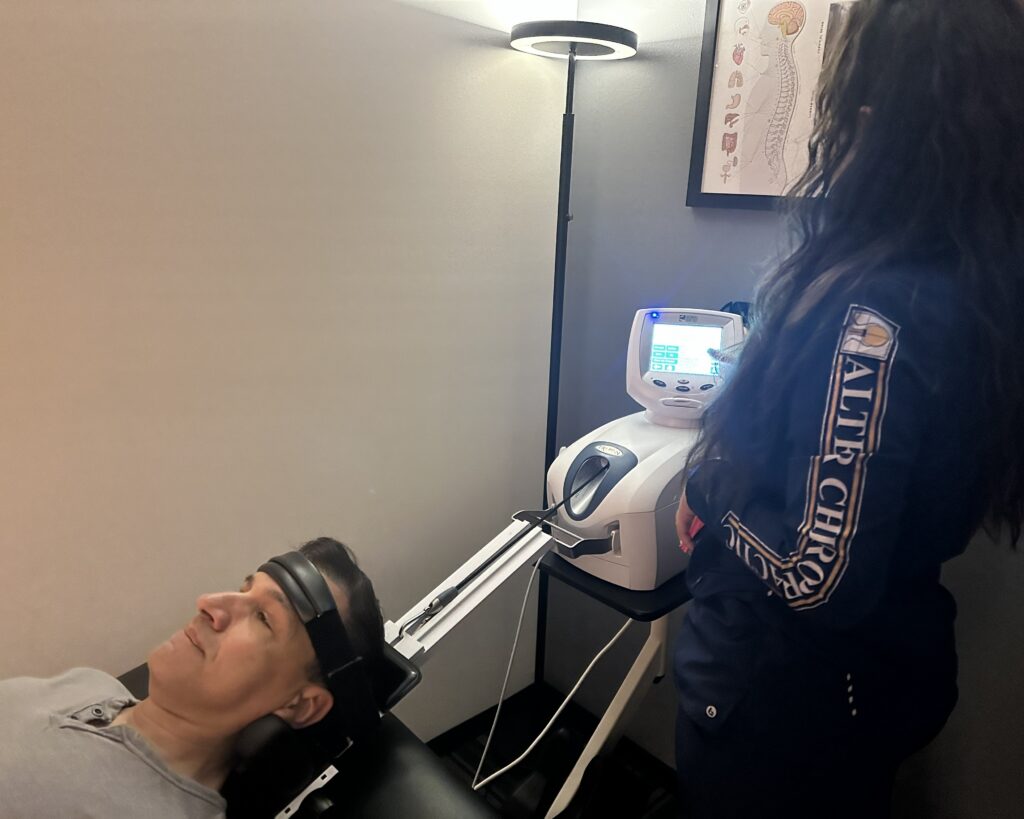
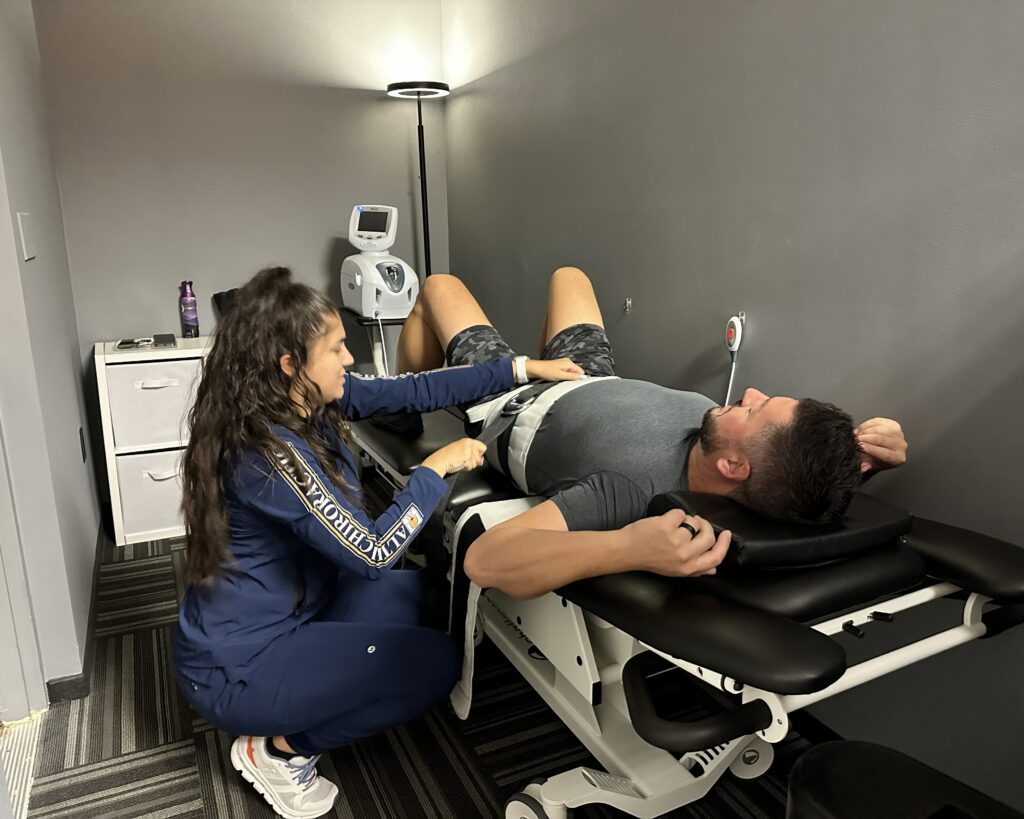
However, that’s just the beginning. There are several effective methods rooted in natural healing that can provide the relief you’re looking for. Chiropractic care is a key approach to consider. By addressing spinal alignment and promoting proper nervous system function, chiropractic adjustments can alleviate tension that contributes to headaches.
In addition to chiropractic care, here are some general tips to help you manage headaches naturally:
- Stay Hydrated: Make sure you’re drinking enough water throughout the day. Dehydration is a common headache trigger.
- Practice Good Posture: Poor posture can strain your neck and back, leading to headaches. Make an effort to sit and stand with your spine aligned.
- Incorporate Regular Exercise: Gentle activities like walking or yoga can help reduce stress and tension in the body.
- Use Heat or Cold Therapy: Applying a warm compress or ice pack to your neck can help soothe headache pain.
- Get Enough Sleep: Prioritize a good sleep routine, as lack of sleep can contribute to headaches.
- Manage Stress: Techniques such as deep breathing, meditation, or mindfulness can help reduce stress levels that may trigger headaches.
- Limit Screen Time: Take breaks from screens to reduce eye strain, which can lead to headaches.
- Consider Dietary Changes: Keep track of foods that may trigger your headaches and try to avoid them.
- Regular Chiropractic Visits: Regular adjustments can help keep your spine aligned and reduce the frequency of headaches.
- Listen to Your Body: Pay attention to the signals your body sends. If you notice patterns with your headaches, take proactive steps to address them.
By integrating these natural techniques into your lifestyle and prioritizing chiropractic care, you can take significant steps toward achieving optimal health and finding relief from headaches. Remember, your well-being is a journey, and with the right approach, you can enjoy a life free from the burden of pain.
Key Takeaways
- Stay hydrated by drinking at least eight 8-ounce glasses of water daily. Proper hydration is crucial in preventing dehydration-related headaches, which can often be alleviated through the proper alignment of your spine—something chiropractic care can help with.
- Engage in relaxation techniques like deep breathing and progressive muscle relaxation. These methods can help reduce stress and tension, which are common triggers for headaches. Regular chiropractic adjustments can also promote relaxation by relieving tension in the musculoskeletal system.
- Consider using acupressure on specific points, such as LI4 and GB20. While this can provide some pain relief and relaxation, regular chiropractic visits can address the underlying tension that may be causing your headaches.
- Include regular exercise in your routine, such as yoga and stretching. These activities promote better circulation and help to reduce tension headaches. Chiropractic care can enhance your exercise routine by ensuring your body is properly aligned, which can improve your overall performance and prevent injury.
- Explore herbal remedies like peppermint, feverfew, and ginger for their potential headache-relieving properties. However, it’s important to remember that chiropractic care is a natural approach that not only addresses headaches but also supports overall wellness and health without the need for medications or invasive procedures.
By incorporating these practices and considering chiropractic care, you can take significant steps toward achieving optimal health and reducing headaches naturally.
Stay Hydrated
When you’re experiencing a headache, it’s important to consider whether dehydration could be contributing to your discomfort. Our bodies depend on water to function optimally, and even mild dehydration can lead to pain and irritation. If you feel a headache starting to take hold, reach for a glass of water. This simple step can be a great starting point toward relief.
As a general guideline, aim for at least eight 8-ounce glasses of water each day, but keep in mind that everyone’s hydration needs can differ. Pay attention to your body; signs of dehydration, such as a dry mouth or feeling unusually tired, can be warnings that you need to drink more fluids.
If you’re exercising or spending time outdoors, consider increasing your water intake to stay ahead of potential headaches. Keeping a water bottle close by throughout the day can encourage you to sip regularly. Herbal teas are also a fantastic option, as they can help with hydration without the caffeine that may aggravate headaches.
Staying well-hydrated not only helps in preventing headaches but also promotes your overall wellness. While addressing hydration is important, don’t forget the benefits of chiropractic care. Regular adjustments can help alleviate tension and improve your body’s ability to manage discomfort naturally.
Practice Relaxation Techniques
When headaches strike, incorporating relaxation techniques can significantly enhance your overall well-being and support your body’s natural healing processes. As a chiropractor, I often see how stress and tension can contribute to headaches, and I recommend practices like deep breathing exercises, progressive muscle relaxation, and guided imagery to help ease discomfort naturally.
Deep breathing exercises can be especially effective. By focusing on your breath, you not only help calm your mind but also relieve tension in your neck and shoulders, which can often be contributing factors to headaches. Try inhaling deeply through your nose, holding for a few seconds, and exhaling slowly through your mouth. Repeat this several times to promote relaxation.
Progressive muscle relaxation is another excellent technique. It involves tensing and then relaxing each muscle group in your body, starting from your toes and working your way up to your head. This practice can help release built-up tension and improve your overall sense of well-being, making it easier for your body to heal.
Guided imagery is a powerful mental technique where you visualize calming and peaceful scenarios. This can help distract you from the pain and reduce stress, promoting relaxation and a sense of peace. Consider finding a quiet space, closing your eyes, and picturing a serene environment, such as a beach or forest.
While these techniques are beneficial, it’s important to remember that chiropractic care plays a vital role in achieving optimal health and wellness. Regular chiropractic adjustments can help align your spine, relieve nerve pressure, and enhance your body’s ability to heal itself. By addressing the root causes of headaches, such as spinal misalignments, chiropractic care can provide lasting relief and improve your overall quality of life.
Incorporating these relaxation techniques into your routine, alongside regular chiropractic care, can make a world of difference in managing headaches and promoting a healthier, more balanced lifestyle.
Deep Breathing Exercises
Headaches can be quite uncomfortable and can impact your daily life, but there are natural ways to find relief that align with a holistic approach to health. As a chiropractor, I believe that focusing on your breath is a powerful tool not just for relaxation, but also for promoting overall wellness and supporting your spine.
Here are three deep breathing techniques you can try when you feel a headache coming on:
- Diaphragmatic Breathing: This technique encourages proper oxygen flow and can help alleviate tension. Inhale deeply through your nose, allowing your abdomen to rise as you fill your lungs. Then, exhale slowly through your mouth. Repeat this for several minutes to promote relaxation and ease discomfort.
- 4-7-8 Technique: This method is excellent for calming your nervous system, which can be particularly helpful during a headache. Inhale for 4 seconds, hold your breath for 7 seconds, and then exhale for 8 seconds. This rhythmic breathing can reduce stress and tension in your body.
- Box Breathing: This technique can help center your mind and body. Inhale for 4 seconds, hold your breath for another 4 seconds, exhale for 4 seconds, and hold again for 4 seconds. This structured breathing can help bring clarity and calmness, making it easier to manage headache pain.
In addition to these breathing exercises, maintaining good posture and regular chiropractic care can help prevent headaches by ensuring your spine is aligned and functioning properly.
Remember to incorporate these deep breathing techniques whenever you feel a headache coming on, and consider regular visits to your chiropractor for ongoing support in achieving optimal health and wellness.
Progressive Muscle Relaxation
Building on the benefits of deep breathing exercises, Progressive Muscle Relaxation (PMR) is another effective technique for relieving headache tension that complements chiropractic care. This method involves systematically tensing and then relaxing different muscle groups throughout your body, which can help release built-up tension and enhance your overall well-being.
To begin, start with your feet. Squeeze the muscles tightly for a few seconds, then release. Gradually work your way up your body, focusing on each area, from your legs to your torso and finally to your head. As you tense and relax each muscle group, pay attention to the sensations—this awareness can help you become more in tune with your body.
Incorporating PMR into your routine can be a valuable addition to your chiropractic care, promoting relaxation and reducing stress that often contributes to headaches. Setting aside just a few minutes in a quiet space to practice PMR can lead to a noticeable improvement in how you feel.
Remember, while PMR is a great tool, regular chiropractic adjustments can play a crucial role in maintaining spinal health and preventing headaches. By aligning your spine and addressing any underlying issues, chiropractic care helps your body heal naturally and achieve optimal health.
Guided Imagery Techniques
Guided imagery techniques can be an excellent way to promote relaxation and support your overall wellness, especially when dealing with headaches. By using your imagination to visualize calming places, you can effectively distract your mind from pain and tension, creating a sense of relief.
Here are three straightforward steps to practice guided imagery that can complement your chiropractic care:
- Choose Your Scene: Think about a peaceful place that brings you comfort, like a sunny beach or a quiet forest. This mental escape can help you connect with a state of relaxation that supports your body’s healing process.
- Engage Your Senses: Fully immerse yourself in this serene environment by imagining the colors, sounds, and scents around you. Picture the gentle waves lapping at the shore or the rustle of leaves in the breeze. Engaging your senses can help shift your focus away from discomfort and promote a sense of well-being.
- Breathe Deeply: While you visualize your peaceful scene, pay attention to your breath. Take deep, slow breaths—inhaling through your nose, holding for a moment, and then exhaling gently through your mouth. This practice not only helps to release tension but also enhances the connection between your mind and body, which is crucial for maintaining optimal spinal health.
Incorporating guided imagery into your routine can be a wonderful complement to chiropractic care.
Whenever you feel a headache coming on, take a moment to practice these techniques. They can help you relax and may enhance the benefits of your chiropractic adjustments.
Prioritizing natural wellness through methods like guided imagery can lead to a healthier, more balanced life.
Use Essential Oils
Many individuals experience headaches, and while essential oils can offer temporary relief, it’s essential to understand that chiropractic care provides a holistic approach to addressing the underlying causes of pain. As a chiropractor, my goal is to help you achieve optimal health by focusing on your spine and nervous system, which play critical roles in overall wellness.
Essential oils like peppermint, lavender, and eucalyptus may help soothe headaches by promoting relaxation and improving blood circulation. However, rather than relying solely on these remedies, consider incorporating chiropractic adjustments into your routine. These adjustments can realign your spine, reduce tension, and enhance your body’s natural ability to heal.
If you enjoy using essential oils, you can still incorporate them into your wellness routine. For instance, adding a few drops of your favorite oil to a diffuser can create a calming atmosphere in your home. Alternatively, mix a couple of drops with a carrier oil and gently massage it onto your temples or the back of your neck. This can provide a sense of comfort while you work towards addressing the root cause of your headaches through chiropractic care.
Choosing high-quality, pure essential oils is crucial, but remember that your spine’s health is equally important. Regular chiropractic visits can help alleviate the pressure and tension that may be contributing to your headaches.
Don’t forget to maintain good posture, stay hydrated, and manage stress through relaxation techniques and physical activity.
Apply Cold or Warm Compress
When you’re experiencing a headache, one effective way to find relief is by using a cold or warm compress. Each option serves a unique purpose, and knowing which one to apply can offer significant comfort. A cold compress can help numb the pain and reduce inflammation, making it a great choice for headaches caused by tension or swelling.
On the other hand, a warm compress is excellent for relaxing tight muscles and enhancing blood circulation, which can be particularly helpful for headaches stemming from muscle tension.
As a local chiropractor, I always emphasize the importance of understanding your body and the natural methods available for healing. Alongside using compresses, regular chiropractic adjustments can be a key part of your wellness routine. By addressing spinal misalignments, chiropractic care not only helps alleviate headache pain but also promotes overall health and wellness.
For those times when headaches strike, here are a few simple tips to keep in mind:
- Stay Hydrated: Dehydration can often trigger headaches, so make sure you drink plenty of water throughout the day.
- Practice Good Posture: Poor posture can lead to tension in the neck and shoulders, contributing to headaches. Be mindful of how you sit and stand.
- Take Breaks: If you’re working at a desk or staring at a screen for long periods, take regular breaks to stretch and relax your neck and shoulders.
Benefits of Cold Compress
Applying a cold compress can be a simple and effective way to find relief from headache pain, particularly when dealing with tension or migraines. The cool sensation helps constrict blood vessels, which can reduce inflammation and numb the area.
While it’s important to remember that regular chiropractic care addresses the root causes of headaches, using a cold compress can be a helpful addition to your pain relief toolkit. Here are three key benefits of using a cold compress:
- Pain Reduction: Cold therapy can help dull the intensity of headache pain, making it easier to cope with. This temporary relief can provide a break while you explore more holistic approaches to wellness through chiropractic care.
- Muscle Relaxation: The cold can assist in relaxing tense muscles in your neck and head, which often contribute to headaches. Regular chiropractic adjustments can further promote muscle relaxation and spinal alignment, enhancing your overall comfort.
- Reduced Swelling: If your headache is associated with swelling, a cold compress can help alleviate that discomfort, providing a soothing effect. Coupling this with chiropractic care can lead to improved circulation and decreased inflammation in the long run.
Incorporating a cold compress into your headache relief routine can be an effective strategy, but don’t forget the importance of seeking regular chiropractic care.
This natural approach not only helps with immediate pain relief but also addresses the underlying issues that may be causing your headaches, promoting a healthier, more balanced life.
Advantages of Warm Compress
While a cold compress can be effective for relieving headache pain, incorporating a warm compress into your self-care routine can provide a range of benefits that support overall wellness. As a chiropractor, I often emphasize the importance of natural healing methods, and warm compresses can be a fantastic addition to your pain relief toolkit.
Using a warm compress helps relax tense muscles, particularly in the neck and shoulders, which are often contributors to headaches. This relaxation can enhance your spinal health by reducing strain on your spine and improving posture. Additionally, the warmth from the compress boosts blood circulation, which promotes healing and alleviates pain. It’s not just about the physical relief; the soothing heat can also elevate your mood, making it a comforting choice during stressful times.
Here’s a quick overview of the advantages of warm compresses that you can easily incorporate into your everyday routine:
| Advantage | Description |
|---|---|
| Muscle Relaxation | Eases tension in the neck and shoulder areas, supporting spinal alignment. |
| Improved Blood Flow | Enhances circulation, which can speed up recovery and reduce pain. |
| Comfort and Soothing Effect | The warmth is not only therapeutic but also nice to feel, making self-care easier. |
| Stress Reduction | Provides a moment to unwind, which is essential for a healthy mind and body. |
When using a warm compress, try to apply it for about 15-20 minutes at a time, allowing your body to fully absorb the benefits. Be sure to listen to your body—if the heat feels too intense, take a break. Pair this practice with routine chiropractic adjustments for optimal health, as they work hand-in-hand to maintain your body’s alignment and function.
Embracing natural methods like warm compresses and chiropractic care can lead you to a healthier, pain-free life. Remember, your health is your wealth, and investing in it through natural healing strategies is always a wise choice.
Try Acupressure
Acupressure is a fantastic natural method for relieving headaches, and as a chiropractor, I encourage you to explore holistic approaches to wellness. By applying pressure to specific points on your body, you can’t only reduce pain but also promote overall relaxation.
Plus, you can easily practice these techniques at home without any special tools. Here are three effective acupressure points to focus on, alongside the importance of maintaining a healthy spine:
1. LI4 (Hegu): This point is located between your thumb and index finger. By applying firm pressure for several minutes, you can help alleviate tension headaches.
Remember, a properly aligned spine can reduce overall tension in your body, enhancing the effectiveness of this technique.
2. GB20 (Fengchi): Found at the base of your skull in the hollows on either side of your spine, pressing here can relieve neck tension and headaches caused by stress.
Maintaining good posture and regular chiropractic adjustments can help keep this area relaxed, reducing the frequency of headaches.
3. Yintang (Third Eye Point): This point is situated between your eyebrows. Apply gentle pressure here to calm the mind and alleviate stress-related headaches.
Regular chiropractic care can also help reduce stress by ensuring your nervous system functions optimally, contributing to your overall well-being.
Incorporating acupressure along with chiropractic care can be a powerful combination for achieving optimal health.
Remember to maintain a healthy lifestyle, stay hydrated, and manage stress through techniques like regular exercise, proper nutrition, and spinal care. Embracing these practices can lead to a more pain-free and fulfilling life.
Maintain a Healthy Diet
Eating a balanced diet is essential not only for managing headaches but also for enhancing your overall health and wellness. As a chiropractor, I believe that integrating proper nutrition into your lifestyle can complement the benefits of chiropractic care, helping you achieve optimal health naturally. By incorporating a variety of nutrient-rich foods, you can reduce the frequency and intensity of headaches while supporting your body’s healing processes.
Start by focusing on whole grains, fresh fruits, and vegetables. These foods can provide your body with the necessary nutrients while keeping your energy levels stable. Don’t forget that staying hydrated is just as important; dehydration can trigger headaches, so make it a habit to drink plenty of water throughout the day.
Here’s a simple table to guide your dietary choices for a healthier lifestyle:
| Food Group | Examples | Benefits |
|---|---|---|
| Fruits | Bananas, Berries, Apples | Packed with antioxidants and vitamins that support overall health |
| Vegetables | Spinach, Carrots, Broccoli | High in fiber and nutrients that promote digestive health and vitality |
| Whole Grains | Quinoa, Brown Rice, Oats | Provide energy and fiber, crucial for a balanced diet |
| Hydration | Water, Herbal Teas | Essential for preventing dehydration-related headaches and maintaining overall wellness |
Incorporating these foods into your daily routine can not only help with headaches but also complement the adjustments you receive from chiropractic care. Remember, a holistic approach to health—combining good nutrition with spinal health—can lead to a more vibrant and pain-free life. If you’re experiencing persistent headaches or discomfort, consider visiting your chiropractor to explore how spinal adjustments can further support your wellness journey.
Get Regular Exercise
Regular exercise is an essential part of managing headaches and enhancing your overall well-being. As a local chiropractor, I want to emphasize that incorporating physical activity into your routine can significantly improve your spinal health and reduce headache frequency and intensity.
When you engage in movement, you not only boost blood circulation but also release endorphins, which can help alleviate pain naturally. Here are three ways that exercise can support your journey to wellness and reduce headaches:
1. Stress Reduction: Regular physical activity is a fantastic way to lower stress levels, a common trigger for headaches. Activities like yoga or gentle stretching can be particularly beneficial for your spine and overall relaxation.
These practices help to promote a balanced nervous system and can lead to fewer headaches.
2. Improved Sleep: Getting regular exercise can enhance your sleep quality, allowing you to wake up feeling refreshed and ready to take on the day. Aim for at least 30 minutes of moderate activity most days.
Better sleep means a lower chance of tension headaches, which are often linked to poor sleep.
3. Muscle Tension Relief: Strengthening and stretching your muscles, especially in the neck and shoulders, can relieve tension that contributes to headaches.
Work on integrating resistance training and flexibility exercises into your routine. By maintaining strong and flexible muscles, you’ll support your spine and potentially reduce headache occurrences.
Remember, chiropractic care plays a vital role in your overall health and wellness journey. Regular chiropractic adjustments can help maintain proper alignment, alleviate muscle tension, and enhance your body’s natural healing abilities.
If you’re experiencing frequent headaches, consider scheduling a visit to your chiropractor to explore how tailored adjustments and a consistent exercise routine can lead to lasting relief and improved health.
Consider Herbal Remedies
When it comes to relieving headaches, many people seek natural solutions, and as a chiropractor, I want to emphasize the importance of holistic approaches to health.
While herbal remedies like peppermint and ginger can offer some relief, it’s essential to consider how chiropractic care can play a vital role in addressing the root causes of headaches.
Chiropractic adjustments focus on ensuring proper alignment of the spine, which can significantly reduce tension and stress that often lead to headaches. By restoring balance to your body, chiropractic care helps improve overall wellness, supporting your body’s natural ability to heal itself.
In addition to regular chiropractic visits, here are some simple tips you can incorporate into your daily routine to manage headaches naturally:
- Stay Hydrated: Dehydration can trigger headaches, so make sure to drink plenty of water throughout the day.
- Practice Good Posture: Poor posture can strain your neck and back, leading to headaches. Be mindful of your sitting and standing positions, especially if you spend long hours at a desk.
- Manage Stress: Techniques such as deep breathing, meditation, and gentle stretches can help alleviate tension and reduce headache frequency.
- Get Enough Sleep: A consistent sleep schedule and a comfortable sleeping environment can help prevent headaches related to fatigue.
- Regular Chiropractic Check-ups: Regular visits to your chiropractor can help maintain spinal health and prevent headaches before they start.
By focusing on these natural methods and prioritizing chiropractic care, you can find effective relief from headaches while promoting your overall health and wellness.
Popular Herbal Options
Managing headaches can be a challenge, but there are natural ways to find relief that complement chiropractic care. As a chiropractor, I believe in a holistic approach to wellness that addresses the root causes of pain.
While herbs can play a role in your wellness journey, chiropractic adjustments can significantly improve your overall health and help alleviate headache symptoms effectively.
Here are three herbal options that you might consider, along with how chiropractic care can further support your well-being:
- Peppermint: This herb is known for its cooling effect and can help relax muscles, which may ease tension headaches. When combined with chiropractic adjustments, which align the spine and reduce muscle tension, you may experience even greater relief.
- Feverfew: Traditionally used to prevent migraines, feverfew may help reduce the frequency and severity of headaches. Regular chiropractic care focuses on spinal alignment and nervous system function, which can enhance your body’s ability to cope with stressors that trigger headaches.
- Ginger: Known for its anti-inflammatory properties, ginger can help alleviate headache symptoms. Incorporating ginger into your diet can be beneficial, but working with a chiropractor can provide a comprehensive approach to managing pain by addressing any underlying spinal issues.
Incorporating these herbs into your routine can be helpful; however, it’s essential to prioritize chiropractic care for optimal health. Regular adjustments not only help with headaches but also promote overall well-being.
Remember to consult with a healthcare professional before starting any new herbal regimen, and consider how chiropractic care can be your go-to solution for pain relief and better health.
Takeaway tips:
- Stay hydrated and maintain good posture to reduce tension.
- Practice stress-relieving techniques like yoga or meditation.
- Schedule regular chiropractic visits to support spinal health and reduce headache frequency.
Preparation Methods
As a local chiropractor, I understand the importance of finding natural and effective ways to relieve headaches without relying on medications. Incorporating herbal remedies into your wellness routine can be a beneficial complement to chiropractic care. Here are several methods you can try to help alleviate headaches naturally.
One popular option is brewing herbal teas. You can steep fresh or dried herbs like ginger or peppermint in hot water for about 10 minutes. These herbs are known for their soothing properties and can provide relief from tension and discomfort.
If you’re interested in a more concentrated approach, consider making herbal tinctures. This involves soaking herbs in alcohol or vinegar for several weeks, then straining the mixture. Tinctures can be a potent way to harness the healing benefits of herbs.
For those who prefer topical applications, creating a poultice can be effective. Simply crush herbs like chamomile or lavender, mix them with a little water, and apply the mixture to your temples. The calming scents and properties of these herbs can help ease headache pain.
Essential oils are another great option. Just remember to dilute essential oils in a carrier oil before massaging them onto your scalp. Oils like peppermint and lavender are particularly known for their headache-relieving effects.
While incorporating these herbal remedies, don’t forget the importance of regular chiropractic adjustments. Proper spinal alignment can significantly reduce headache frequency and intensity by relieving tension and improving blood circulation.
Experiment with these methods to see what works best for you, and always consider how regular chiropractic care can enhance your overall health and wellness. By combining these natural techniques with chiropractic adjustments, you can achieve a more holistic approach to headache relief and maintain optimal health.
Dosage and Safety
Understanding the right approach to natural remedies for headache relief is essential for achieving optimal wellness. While chiropractic care is a fantastic method for addressing headaches and promoting overall health, it’s also important to consider how herbal remedies can complement your journey towards natural healing. Here are some key points to keep in mind:
- Consult with a Chiropractor: Before exploring herbal remedies, it’s wise to discuss your options with your chiropractor. They can provide personalized advice based on your specific health needs and ensure that any remedies you consider align with your chiropractic care plan.
- Start Low and Go Slow: If you decide to try herbal remedies, begin with a small amount to see how your body responds. Gradually increase the dosage as needed, while paying close attention to how you feel. This approach can help you avoid any unwanted side effects and find what works best for you.
- Choose Quality Products: When looking for herbal remedies, opt for reputable brands that prioritize quality. Look for products that clearly outline dosage instructions and have undergone third-party testing. This ensures you’re using safe and effective options.
Remember, chiropractic care remains one of the best choices for pain relief and achieving overall wellness.
Establish a Sleep Routine
Establishing a consistent sleep routine is an essential practice for overall health and wellness, especially when it comes to reducing the frequency and intensity of headaches. When you prioritize sleep, your body gets the chance to recover and recharge, which helps minimize stress—a common headache trigger.
To support your health naturally, aim to go to bed and wake up at the same time every day, even on weekends. This regularity helps regulate your internal clock, leading to improved sleep quality.
Transform your bedroom into a sanctuary of relaxation. Keep it dark, cool, and quiet to encourage restful sleep. You might also consider incorporating calming activities before bed, such as reading or gentle stretching, as these can signal to your body that it’s time to wind down.
It’s also wise to steer clear of caffeine and heavy meals close to bedtime, as these can disrupt your sleep cycle.
As a chiropractor, I understand the connection between sleep and spinal health. A well-aligned spine can improve your overall well-being and enhance your ability to achieve restorative sleep.
If headaches are a frequent issue for you, consider visiting a chiropractor to discuss how spinal adjustments can contribute to your pain relief and promote natural healing. By focusing on chiropractic care, you can take a proactive step toward achieving optimal health and wellness.
Limit Screen Time and Take Breaks
While modern technology has made our lives easier, excessive screen time can lead to headaches and discomfort, especially in the neck and upper back areas. As a chiropractor, I want to emphasize the importance of recognizing when to take a break. By limiting your screen time and incorporating regular pauses, you can alleviate tension and reduce headache frequency, ultimately promoting better spinal health.
Here are three effective strategies:
- The 20-20-20 Rule: For every 20 minutes spent in front of a screen, take a moment to look at something 20 feet away for at least 20 seconds. This simple practice not only helps reduce eye strain but also encourages you to shift your posture, which is beneficial for your spine.
- Schedule Breaks: Set a timer to remind yourself to take a break every hour. Use this time to stretch, walk around, or hydrate. These breaks are crucial for relieving tension in your muscles and maintaining your spinal health. Gentle stretches can help keep your back and neck relaxed.
- Create a Tech-Free Zone: Designate certain areas in your home, like your bedroom or dining area, to unplug completely from technology. This can help decrease overall screen exposure and encourage relaxation, benefiting both your mental well-being and spinal alignment.
Implementing these strategies can lead to a reduction in headaches and discomfort, while also enhancing your overall quality of life.
Conclusion
Incorporating natural headache relief techniques into your daily routine can significantly enhance your well-being and help you manage headache discomfort effectively. As a chiropractor, I believe that supporting your spine and overall health is essential in preventing headaches.
First and foremost, staying hydrated is crucial; dehydration can often trigger headaches. Make sure you’re drinking enough water throughout the day. Additionally, practicing relaxation techniques such as deep breathing or gentle stretching can help release tension in your neck and shoulders, which may contribute to headaches.
Using essential oils, like peppermint or lavender, can provide soothing relief. Just a few drops on your temples can help ease discomfort. Cold or warm compresses can also be beneficial—apply a cold pack to the forehead or a warm cloth to the back of the neck to relieve tension.
Exploring acupressure is another excellent technique. Applying pressure to specific points on your body can provide targeted relief. If you’re unsure where to start, I can guide you through some effective acupressure points during your chiropractic visit.
Regular exercise plays a vital role in maintaining spinal health and reducing headache frequency. Aim for activities that promote flexibility and strength, such as yoga or swimming. Combining this with herbal remedies, like ginger or chamomile tea, can further support your natural healing process.
Establishing a consistent sleep schedule is crucial for overall health, as poor sleep can lead to increased headache frequency. Lastly, being mindful of your screen time can help reduce eye strain and tension headaches. Take regular breaks to rest your eyes and stretch your body.
By prioritizing these natural approaches and considering chiropractic care, you can take charge of your health and move toward a more comfortable, pain-free life. Remember, chiropractic care is a powerful tool in achieving optimal health and wellness, supporting both your spine and your overall quality of life.