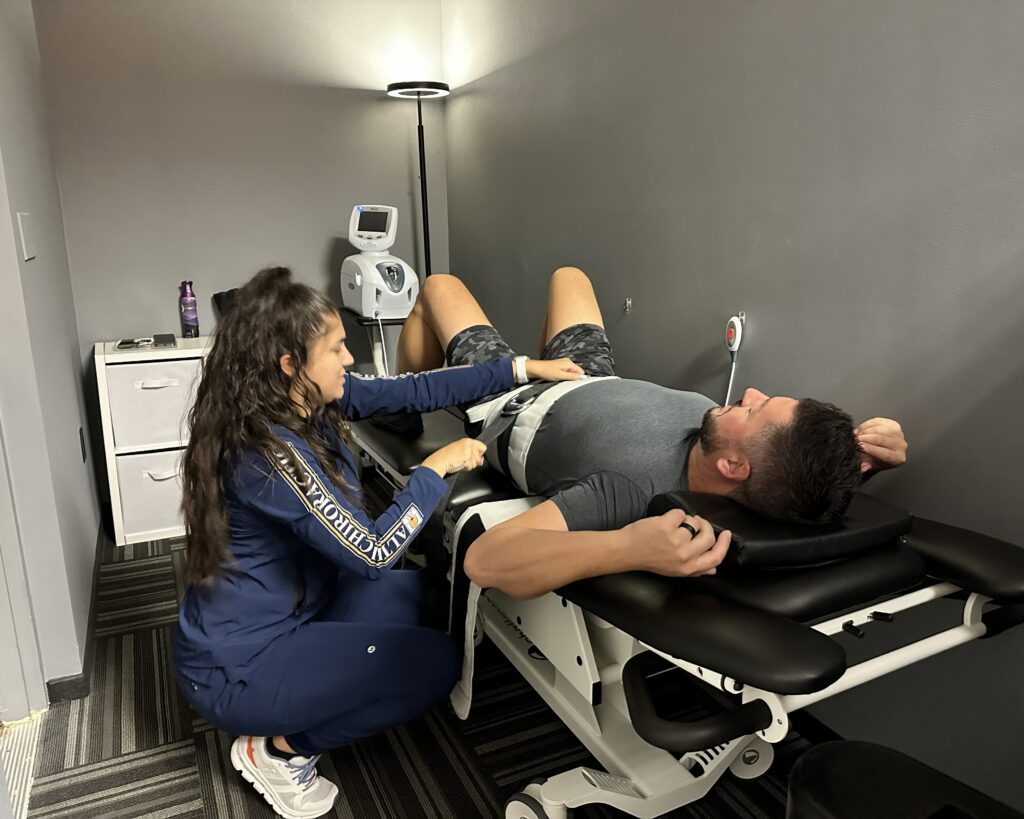
If you’re dealing with migraines, discovering the right frequency of chiropractic visits can make a real difference in your relief. Many patients find that weekly appointments during their most intense migraine episodes can provide immediate support and help alleviate pain. For ongoing care, bi-monthly sessions can be beneficial for making necessary adjustments and keeping your spine in alignment, which is crucial for overall wellness.
Don’t forget about those important quarterly check-ups! These visits are essential for assessing your progress and ensuring that your chiropractic care continues to support your health goals. By regularly evaluating your condition, you can optimize your treatment plan and enhance your migraine management.
Chiropractic care is all about natural healing and maintaining a healthy spine, which plays a significant role in reducing migraine frequency and intensity. In addition to your visits, here are a few tips to help manage your migraines:
- Stay Hydrated: Dehydration can trigger migraines, so be sure to drink plenty of water throughout the day.
- Maintain a Regular Sleep Schedule: Consistent sleep patterns can help reduce the likelihood of migraines.
- Practice Stress Management: Techniques such as deep breathing, meditation, or yoga can alleviate stress, a common migraine trigger.
- Keep a Food Diary: Tracking your meals can help identify any dietary triggers for your migraines.
By prioritizing chiropractic care and incorporating these simple lifestyle changes, you can take significant steps towards achieving optimal health and reducing the impact of migraines on your life. Remember, the path to wellness is a journey, and chiropractic care can be your trusted guide along the way.
Key Takeaways
- Weekly visits can offer immediate relief from tension and stress, promoting a sense of well-being that extends beyond your chiropractic care. By regularly visiting your chiropractor, you can keep your body in balance and enhance your overall health.
- Bi-weekly sessions are ideal for maintaining proper spinal alignment. This not only alleviates discomfort but also supports long-term health strategies to prevent migraines and other issues from arising.
- Monthly appointments provide an excellent opportunity for ongoing assessments. During these visits, you can discuss potential migraine triggers and make lifestyle adjustments that can further enhance your health and wellness journey.
- As-needed visits can be a great way to tackle specific discomfort or tension. If you start to feel a migraine coming on, don’t hesitate to reach out to your chiropractor for immediate support.
- Maintaining regular communication with your chiropractor is key to personalized care. By sharing your experiences and concerns, you can work together to create an effective treatment plan tailored to your individual needs.
Remember, chiropractic care is a natural and effective approach to achieving optimal health and wellness. Regular visits not only help in managing migraine pain but also promote a healthier lifestyle overall. Always listen to your body, stay active, and maintain good posture to support your well-being between visits.
Monthly Check-ins for Preventive Care
When managing migraines, regular check-ins can significantly enhance your preventive care, and incorporating chiropractic care into your routine can be a game changer. During these appointments, you’ll have the opportunity to discuss your migraine frequency, intensity, and any triggers you’ve noticed. This open dialogue helps your chiropractor understand your specific needs and tailor a holistic treatment plan that focuses on natural healing.
Chiropractic care can help relieve tension in your spine and neck, which may be contributing to your migraines. By aligning your spine properly, you can improve your overall nervous system function, potentially reducing the frequency and severity of your migraines.
These monthly visits also provide a chance to assess how well your current chiropractic adjustments are working and explore any lifestyle changes you’ve made, such as dietary adjustments or stress management techniques. Sharing these insights can be valuable, as your chiropractor can provide additional tips on how to further enhance your health and wellness.
Incorporating regular chiropractic care into your routine allows for timely adjustments to your treatment, ensuring you stay on track for optimal migraine management.
Plus, these sessions provide a welcoming space for you to ask questions and express concerns, empowering you in your journey toward better health.
By prioritizing consistent check-ins with your chiropractor, you can greatly enhance your quality of life and gain better control over your migraines.
Bi-Monthly Appointments for Treatment Adjustments
While regular check-ins are important for managing migraines, bi-monthly appointments with your chiropractor can provide essential adjustments to your treatment plan that enhance relief naturally.
These visits allow you to refine your approach based on how your body is responding to care, focusing on holistic wellness and spinal health.
Here’s what you can discuss during these sessions:
- Symptom Monitoring: Share any changes in your migraine frequency or intensity. Understanding these patterns is crucial for your chiropractor to tailor your care effectively.
- Chiropractic Evaluations: Assess the progress you’ve made with your chiropractic adjustments. Your chiropractor can determine if additional techniques or adjustments could improve your results, helping to alleviate discomfort and promote overall well-being.
- Lifestyle Adjustments: Discover ways to incorporate healthy habits into your daily routine that can help minimize migraine occurrences. This may include stress relief techniques such as yoga or meditation, proper hydration, and maintaining a balanced diet focused on natural foods.
By prioritizing chiropractic care and exploring these strategies, you can take proactive steps toward achieving optimal health and reducing migraine pain naturally.
Quarterly Reviews for Medication Management
During your quarterly wellness check-ins, it’s important to assess how your body is responding to various stresses and identify any discomforts you might be experiencing.
This time also allows you to discuss with your chiropractor how your treatment plan can be adjusted to better suit your needs and improve your overall health. Regularly attending these check-ins can significantly enhance your ability to manage pain and maintain a balanced lifestyle.
Remember, chiropractic care focuses on promoting natural healing and optimal health through spinal adjustments and holistic practices.
Here are a few tips to help you maximize your wellness journey:
- Stay Active: Engage in regular physical activity, such as walking or stretching, to keep your body moving and support your spinal health.
- Mind Your Posture: Pay attention to your posture throughout the day, especially when sitting for long periods. Good posture can prevent unnecessary strain on your spine.
- Hydration is Key: Drink plenty of water to keep your body hydrated, which can aid in recovery and overall health.
- Listen to Your Body: If something doesn’t feel right, don’t hesitate to bring it up during your visits. Your feedback is crucial for tailoring your chiropractic care.
- Explore Relaxation Techniques: Incorporate practices like deep breathing, yoga, or meditation into your routine to help reduce stress and tension in your body.
Medication Efficacy Assessment
To effectively manage your migraine symptoms and enhance your overall well-being, it’s crucial to explore natural approaches that can complement your chiropractic care.
Regular assessments of your health can help ensure you’re on the right track for optimal wellness. Here are three strategies to consider during your routine evaluations:
- Track Your Symptoms: Keeping a simple diary of your migraine occurrences, including how often they happen and their intensity, can provide important insights. This information can help you and your chiropractor understand how different factors may impact your migraines and overall health.
- Discuss Changes in Patterns: Share any changes in your migraine frequency or severity with your chiropractor. They can assess these patterns and suggest natural treatments or adjustments to your chiropractic care that may help alleviate your symptoms.
- Focus on Consistency: Make sure you’re regularly attending your chiropractic sessions. Consistent care is essential for maximizing the benefits of treatment and promoting overall wellness.
By regularly assessing your health and considering natural methods such as chiropractic care, you can improve your management of migraines and enhance your quality of life.
Embracing a holistic approach to health and wellness can lead to better outcomes and a more vibrant life.
Side Effects Monitoring
Monitoring side effects is vital in managing your migraine treatment plan, particularly when you’re exploring natural healing options like chiropractic care. Regularly assessing how you feel can help you and your chiropractor understand the impact of your wellness approach on your overall well-being.
During your visits, make it a point to discuss any new symptoms or changes you’ve noticed since your last appointment. This open dialogue is crucial for ensuring that the techniques you’re using—such as spinal adjustments and lifestyle modifications—are effective and safe for you.
Don’t hesitate to mention even minor discomforts; they could provide insight into your treatment’s effectiveness. By being proactive and engaged in your wellness journey, you contribute to optimizing your migraine management and enhancing your quality of life. Keeping a journal of your experiences can be incredibly helpful to share during these important reviews.
Remember, chiropractic care focuses on restoring balance and proper function to your body, which can reduce migraine frequency and intensity.
In addition to regular adjustments, consider incorporating stress-reducing activities like yoga or mindfulness, staying hydrated, and maintaining a balanced diet rich in nutrients. These simple lifestyle tips can make a significant difference in your overall health and well-being.
Treatment Plan Adjustments
As you navigate your journey towards better health and wellness, particularly in managing migraines, it’s important to consider regular check-ins on your overall well-being.
These reviews not only help you assess how you’re feeling but also provide an opportunity to explore natural healing methods, including the benefits of chiropractic care.
Here are three key areas to focus on during your self-assessments:
- Efficacy of Natural Treatments: Reflect on how well your current wellness strategies are working. Are you experiencing fewer migraines or noticing improvements in your overall comfort? Chiropractic adjustments can help realign your spine, which may reduce tension and contribute to fewer headaches.
- Body Awareness and Symptoms: Pay attention to any discomfort or symptoms you’ve experienced. Are they manageable through lifestyle changes, or do you feel that chiropractic care could help alleviate them? Regular chiropractic adjustments can enhance your body’s function and help you feel your best.
- Lifestyle Adjustments: Think about whether any changes in your daily routine could benefit you. Simple modifications, such as improving your posture, staying hydrated, and managing stress, can complement the benefits of chiropractic care.
Sometimes, small lifestyle tweaks can lead to significant improvements in your overall health.
By focusing on these areas and incorporating chiropractic care into your wellness routine, you can take significant steps towards achieving optimal health and relief from migraines naturally.
Weekly Sessions During Migraine Peaks
When migraine peaks strike, scheduling regular chiropractic sessions can significantly enhance your relief efforts. Frequent visits during these times allow you to tackle symptoms proactively, rather than waiting for them to escalate. In these sessions, you can collaborate with your chiropractor to evaluate your condition and adjust your care plan to meet your current needs.
Regular check-ins provide an excellent opportunity to monitor potential triggers and identify patterns related to your migraines. This understanding can help you make lifestyle adjustments, such as improving your posture, managing stress through relaxation techniques, or incorporating gentle exercises to keep your spine aligned and healthy.
Additionally, these consistent visits create a supportive environment where you can freely express your concerns and frustrations. Remember, the ultimate goal is to regain control over your migraines and enhance your overall quality of life. By committing to regular chiropractic sessions during peak times, you’re taking a significant step toward achieving the natural relief you deserve.
Here are a few general tips to help manage migraines alongside your chiropractic care:
- Stay Hydrated: Drink plenty of water throughout the day to help prevent dehydration, which can trigger migraines.
- Maintain a Healthy Diet: Pay attention to your food choices. Keeping a food diary can help you identify any dietary triggers.
- Practice Good Posture: Make sure to sit and stand with good posture to reduce unnecessary strain on your spine, which can contribute to headaches.
- Incorporate Relaxation Techniques: Techniques such as deep breathing, yoga, or meditation can help manage stress levels, which is crucial in preventing migraines.
- Prioritize Sleep: Aim for a consistent sleep schedule to ensure your body gets the rest it needs to function optimally.
Annual Comprehensive Evaluations
Many people find that annual comprehensive evaluations are a vital part of their migraine management strategy, and incorporating chiropractic care into these evaluations can enhance your overall wellness.
These assessments not only keep you proactive about your health but can also help identify patterns or triggers you mightn’t have noticed. Here are three key benefits of scheduling these thorough evaluations with a focus on chiropractic care:
- Holistic Health Assessment: A chiropractor can review your overall health, including your spinal alignment, which plays a crucial role in the nervous system’s function. By ensuring your spine is properly aligned, you may find relief from migraine triggers that stem from tension or nerve irritation.
- Lifestyle and Posture Evaluation: During your evaluation, a chiropractor will assess your daily habits, including your posture, sleep quality, and stress levels. By making small adjustments to your posture and incorporating stretching or strengthening exercises, you can significantly reduce the frequency and intensity of your migraines.
- Natural Treatment Options: Chiropractic care offers a range of natural treatment strategies, including spinal adjustments, which can help alleviate migraine symptoms without relying on medications. Staying informed about these natural therapies can provide you with effective and safe options for relief that align with a healthier lifestyle.
Incorporating chiropractic care into your annual evaluations can empower you to take control of your health and well-being.
Remember to stay mindful of your body and make adjustments as needed to support a pain-free, vibrant life!
As-Needed Visits for Acute Episode Management
When acute migraine episodes strike, scheduling as-needed visits with a chiropractor can be an effective way to find immediate relief and support. It’s common to feel overwhelmed and desperate for solutions during these painful episodes. Thankfully, chiropractic care addresses the tension and misalignments that often contribute to migraines, helping you feel better naturally.
During your visit, I’ll assess your condition and use specific techniques tailored to alleviate your pain and restore balance to your body. This hands-on approach not only helps reduce the intensity and duration of your migraines but also promotes overall wellness, allowing you to get back to your daily activities more swiftly.
You don’t have to endure migraines alone. Seeking chiropractic care when you need it can significantly improve your quality of life. These as-needed visits empower you to manage your migraines actively, providing the flexibility to receive care right when those debilitating symptoms arise. Remember, the sooner you reach out, the better your chances for relief.
In addition to chiropractic adjustments, here are a few tips to help manage your migraines naturally:
- Stay Hydrated: Dehydration can trigger migraines, so be sure to drink plenty of water throughout the day.
- Maintain a Regular Sleep Schedule: Aim for consistent sleep patterns to help regulate your body’s internal clock.
- Practice Relaxation Techniques: Incorporate stress-reducing activities such as deep breathing, yoga, or meditation into your routine.
- Monitor Your Diet: Keep a food diary to identify potential migraine triggers in your diet, and aim for balanced meals.
- Posture Awareness: Be mindful of your posture, especially if you spend long hours at a desk. Good alignment can help prevent tension that may lead to migraines.
Follow-Up Appointments After New Treatments
After experiencing relief from acute migraine episodes, it’s important to schedule follow-up appointments to ensure these positive results last. These visits allow you to work closely with your chiropractor to assess how well your natural treatments are performing and make any necessary adjustments.
Here are three key reasons why follow-up appointments are essential:
- Monitor Progress: During your visits, you’ll have the opportunity to discuss any changes in the frequency and severity of your migraines. This feedback helps your chiropractor tailor your care plan to better suit your needs, promoting ongoing relief.
- Address Discomfort: If you experience any discomfort or side effects from your treatment, it’s crucial to communicate this with your chiropractor. They can adapt your approach to ensure that you feel comfortable and safe while on your journey to wellness.
- Re-evaluate Wellness Goals: As your health evolves, your wellness goals may shift as well. Regular check-ins with your chiropractor help you stay focused on your path to optimal health and ensure that your treatment remains effective.
In addition to follow-up appointments, consider incorporating healthy lifestyle choices into your routine. Staying hydrated, maintaining a balanced diet, and practicing stress-relief techniques like yoga or meditation can all contribute to reducing the frequency and intensity of migraine episodes.
Regular Therapy Sessions for Stress Management
While stress may feel like an unavoidable part of life, regular chiropractic care can significantly help manage it and reduce migraine triggers. By focusing on overall wellness and spinal health, you can learn natural techniques to cope with daily pressures, which may lead to fewer migraines. Engaging in chiropractic sessions regularly allows you to explore underlying issues related to tension and develop effective strategies for managing stress through physical alignment and holistic approaches.
Here’s a simple overview of how often you might consider scheduling chiropractic sessions:
| Frequency | Benefits |
|---|---|
| Weekly | Immediate relief for tension and stress |
| Bi-weekly | Maintain alignment and overall wellness |
| Monthly | Long-term health strategies review |
| As needed | Address specific discomfort or tension |
Choosing the right frequency for your chiropractic care depends on your personal needs and lifestyle. Regular visits not only provide relief but also empower you to take control of your health, ultimately enhancing your overall well-being.
In addition to chiropractic care, here are some general tips for managing stress and promoting a healthier lifestyle:
- Stay Active: Regular physical activity can help reduce tension and improve your mood.
- Practice Relaxation Techniques: Deep breathing, meditation, or yoga can help calm your mind and body.
- Maintain Good Posture: Being mindful of your posture can alleviate stress on your spine and reduce discomfort.
- Stay Hydrated: Drinking enough water is crucial for your physical health and can help you feel more energized.
- Prioritize Sleep: Ensure you get enough restorative sleep to help your body recover and manage stress better.
Nutritional Consultations Every Three Months
Chiropractic care is a powerful tool for managing stress and promoting overall wellness, especially when it comes to finding relief from migraines. While adjustments and spinal health are crucial, nutrition also plays a vital role in your journey toward better health. That’s why scheduling nutritional consultations every three months can significantly enhance your migraine management strategy. During these sessions, you’ll receive personalized insights that cater to your specific health needs.
Here are three key benefits of regular nutritional consultations that complement chiropractic care:
- Personalized Dietary Guidance: Just like chiropractic adjustments are tailored to your unique spinal health, nutritional consultations offer personalized advice based on your individual triggers and food preferences. This helps you make informed dietary choices that can reduce migraine occurrences.
- Nutrient Optimization: Your nutrition consultant can help identify any dietary deficiencies and recommend wholesome foods rich in essential nutrients. These nutrients can support your overall health and may help alleviate migraine symptoms, working hand-in-hand with your chiropractic care.
- Ongoing Support: Regular check-ins with a nutrition expert ensure that you stay accountable and can adapt your dietary choices as needed. This support system makes it easier to maintain a lifestyle that promotes wellness and minimizes migraine triggers.
Incorporating regular nutritional consultations with your chiropractic care can lead to a more holistic approach to achieving optimal health.
By focusing on both spinal alignment and nutrition, you can empower yourself to take charge of your well-being and find lasting relief from migraines.
Specialist Referrals as Required
Sometimes, managing migraines effectively can require a comprehensive approach, and that’s where chiropractic care shines. As a chiropractor, I believe in the power of natural healing and the importance of spinal health in achieving overall wellness.
If you’re experiencing migraines, it’s essential to understand how your spine and nervous system play a crucial role in your body’s health. Chiropractic adjustments can help alleviate tension in the spine and improve nerve function, which may lead to a reduction in migraine frequency and intensity.
By focusing on spinal alignment, we can help your body work more efficiently and promote natural healing. If your migraines persist, it’s wise to consult your primary care doctor. They can help coordinate your care and determine if seeing a specialist is necessary.
However, I encourage you to explore chiropractic care first, as it offers a non-invasive and holistic approach to managing pain without the need for medications or surgeries.
Here are a few tips to help manage your migraines naturally:
- Stay Hydrated: Dehydration can trigger migraines, so drink plenty of water throughout the day.
- Maintain Good Posture: Poor posture can lead to tension in the neck and back, which can contribute to migraines. Be mindful of your posture when sitting or standing.
- Manage Stress: Incorporate relaxation techniques such as deep breathing, meditation, or yoga into your daily routine to help reduce stress levels.
- Regular Chiropractic Visits: Regular adjustments can help keep your spine aligned and reduce the likelihood of migraines.
Types of Specialists
When you’re struggling with migraines, seeking relief through natural and holistic approaches can be incredibly beneficial. One of the best ways to tackle this issue is by exploring chiropractic care, which focuses on the spine and nervous system.
Here’s how chiropractic can help with migraine relief, alongside some general tips for better management:
- Chiropractic Adjustment: Chiropractors specialize in spinal adjustments that can alleviate tension and misalignments in the spine, which may contribute to migraines. This hands-on approach can help restore proper function to your nervous system, potentially reducing the frequency and intensity of migraines.
- Lifestyle and Wellness Guidance: Chiropractors often provide valuable advice regarding posture, ergonomics, and stress management. Simple changes in your daily routine, like improving your workstation setup or incorporating relaxation techniques, can significantly reduce migraine triggers.
- Nutritional Support: While dietitians focus on food, chiropractors can also offer insights into how certain foods might affect your overall well-being. Staying hydrated and maintaining a balanced diet rich in whole foods can support your body’s natural healing processes.
In addition to chiropractic care, here are some general tips you can take away to help manage migraines:
- Stay Hydrated: Dehydration can trigger migraines. Aim to drink plenty of water throughout the day.
- Regular Exercise: Engage in gentle exercises like walking or yoga to reduce stress and improve overall health.
- Sleep Hygiene: Establish a regular sleep schedule to ensure you’re getting enough restorative rest.
- Stress Reduction Techniques: Practices such as deep breathing, meditation, or even a warm bath can help alleviate stress that contributes to migraines.
By focusing on a holistic approach through chiropractic care and incorporating these healthy habits, you can find a natural pathway to managing your migraines effectively.
Referral Process Explained
Understanding the referral process can be an important step in your journey toward effective migraine management. While your primary care doctor may suggest seeing a specialist, it’s essential to remember that many patients find significant relief through chiropractic care. Chiropractors focus on spinal health and overall wellness, helping to alleviate pain naturally without the need for medications or surgeries.
Here’s a quick overview of what to expect if you’re navigating referrals and considering your options:
| Step | What Happens | Your Role |
|---|---|---|
| Initial Assessment | Specialist or chiropractor evaluates your condition | Share your symptoms openly and honestly |
| Treatment Plan | A personalized care plan is developed | Follow the plan closely and communicate with your chiropractor |
| Ongoing Support | Regular adjustments and wellness check-ins | Stay proactive, ask questions, and keep track of your progress |
While navigating referrals can feel overwhelming, it’s essential to explore all your options. Chiropractic care provides a natural approach to managing migraines and improving your overall health. Some general tips to consider include:
- Stay Hydrated: Drinking plenty of water can help reduce the frequency and intensity of migraines.
- Practice Good Posture: Maintaining proper posture can alleviate spinal tension that may trigger headaches.
- Manage Stress: Incorporate relaxation techniques such as deep breathing, yoga, or meditation into your daily routine.
- Regular Chiropractic Care: Frequent visits can help ensure your spine is aligned and functioning optimally, reducing the likelihood of migraines.
Trust your journey toward wellness and remember, chiropractic care can be a powerful ally in finding relief and achieving optimal health. You’re not alone in this—take the first step toward a healthier, pain-free life today!
Collaboration With Primary Care
Collaboration with your primary care provider is important for effective migraine management, but it’s essential to consider how chiropractic care can play a vital role in your overall health and wellness journey.
While your primary care doctor can help coordinate care, incorporating chiropractic treatments can address the underlying causes of migraines naturally and promote long-term relief.
Here are three key aspects of how chiropractic care can enhance your migraine management:
- Holistic Assessment: A chiropractor will evaluate your spinal alignment and overall body mechanics, which can help identify areas of tension or misalignment that may contribute to your migraines. By addressing these issues, you can potentially reduce the frequency and intensity of your headaches.
- Natural Pain Relief: Chiropractic adjustments focus on restoring proper alignment and function to the spine, which can alleviate nerve irritation and muscle tension. This natural approach to pain relief can be a great alternative to medications, helping your body heal itself without the side effects associated with drugs.
- Lifestyle Guidance: Chiropractors often provide valuable tips on posture, ergonomics, and stress management techniques that can help you avoid migraine triggers. By integrating these lifestyle changes, you can enhance your overall wellness and reduce the likelihood of recurring headaches.
Remember, while it’s beneficial to work with your primary care provider, considering chiropractic care can help you achieve optimal health and wellness naturally.
Embrace a holistic approach to your migraine management and explore the benefits of chiropractic adjustments for long-term relief and a healthier lifestyle.
Conclusion
Incorporating these visit frequencies into your migraine management plan can greatly enhance your overall well-being. By scheduling regular check-ins with your chiropractor, you’ll not only tackle immediate migraine symptoms but also build a solid foundation for long-term health and wellness.
Chiropractic care focuses on the spine’s alignment and the nervous system’s function, which are crucial in managing migraines effectively. During your visits, don’t hesitate to express your specific needs and any adjustments you may require. This open communication allows your chiropractor to tailor your care for optimal results.
Taking control of your migraine management journey through chiropractic care empowers you to reduce the frequency and intensity of your migraines while improving your quality of life. Additionally, here are some general tips you can incorporate into your routine:
- Stay Hydrated: Drink plenty of water throughout the day to help prevent dehydration, which can trigger migraines.
- Maintain a Regular Sleep Schedule: Aim for consistent sleep patterns to help regulate your body’s rhythms.
- Identify Triggers: Keep a migraine diary to track your symptoms and potential triggers, such as certain foods or stressors.
- Practice Relaxation Techniques: Engage in activities like yoga, meditation, or deep breathing exercises to reduce stress levels.
- Maintain Good Posture: Be mindful of your posture during daily activities to reduce strain on your spine and neck.
Start prioritizing your health today by choosing chiropractic care as your go-to solution for migraine relief and natural wellness. Together, we can work towards a pain-free, healthier future!