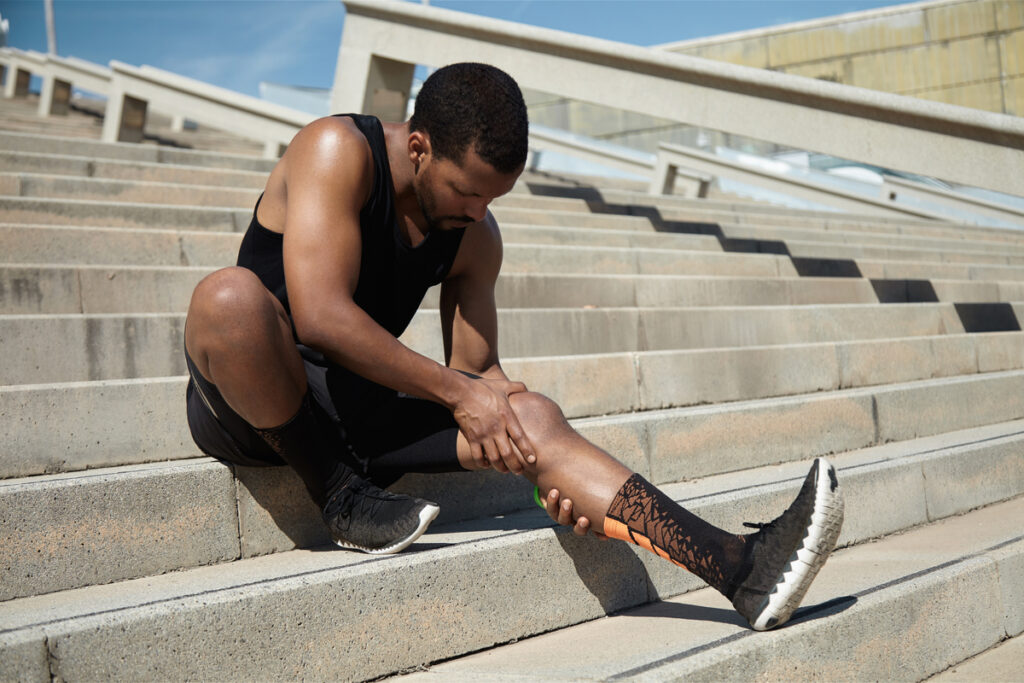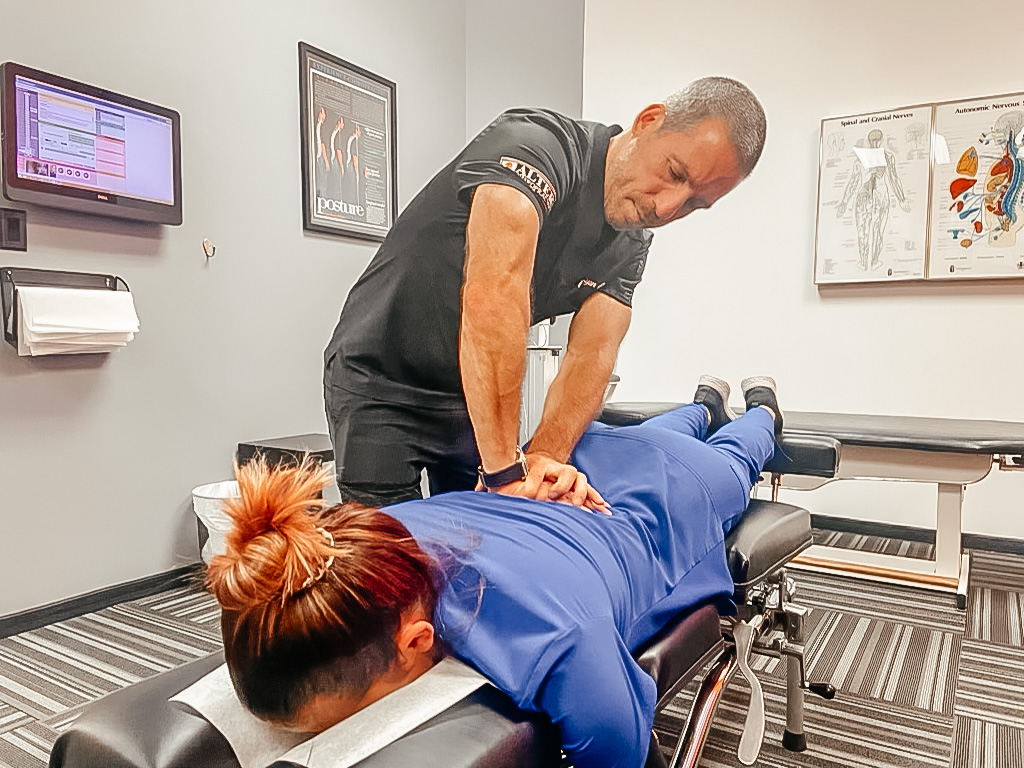

Recovering from a sports injury can be a challenging experience, but as your local chiropractor, I want to share some effective strategies to facilitate your healing process. First and foremost, it’s crucial to prioritize rest and follow a tailored rehabilitation program—this is where chiropractic care can be incredibly beneficial. We focus on creating individualized plans that cater to your specific needs, promoting proper healing and restoring function.
Nutrition is another key component in your recovery journey. A balanced diet rich in essential nutrients can support your body’s natural healing processes. Additionally, it’s important to consider your mental health during this time. Staying positive and practicing patience can significantly influence your recovery.
As we explore these elements together, I encourage you to embrace chiropractic care not just as a treatment for injuries, but as a holistic approach to your overall health. By understanding how these factors intertwine, we can work together to ensure a smoother and more effective recovery journey.
Prioritize Rest and Recovery
As a local chiropractor, I want to emphasize the importance of prioritizing rest and recovery when you’re dealing with a sports injury. Your body needs adequate time to heal, and rushing back into activity can hinder your recovery process. It’s crucial to listen to your body’s signals—pain is a clear indicator that you should take a step back. Resting not only reduces inflammation but also supports the healing process.
Quality sleep is another essential component of recovery. Sleep is when your muscles repair themselves, so it’s important to adjust your daily routine to ensure you’re getting enough rest.
Also, don’t underestimate the role of hydration in your healing journey. Drinking sufficient water helps flush out toxins and promotes optimal recovery.
In addition to rest, consider incorporating gentle stretching or low-impact activities. These can be beneficial for recovery without placing excessive strain on your injury.
Remember, while it may be tempting to push through the pain, doing so can set you back further. By focusing on rest and recovery now, you’ll set the stage for a stronger comeback, ready to take on your sport with renewed vigor.
If you have any questions about how chiropractic care can assist in your recovery, don’t hesitate to reach out.
Implement a Rehabilitation Program
As your local chiropractor, I want to emphasize the importance of implementing a rehabilitation program for your recovery journey.
It all begins with a comprehensive assessment to pinpoint your unique needs and understand your specific injury. From there, we’ll create a personalized exercise plan designed to promote natural healing and restore your body’s function.
By regularly monitoring your progress, we can ensure that you stay on track and make any necessary adjustments to optimize your recovery.
Importance of Assessment
As a local chiropractor, I want to emphasize the critical role that proper assessment plays in establishing a successful rehabilitation program.
Before embarking on your recovery journey, it’s essential to understand the specifics of your injury. A comprehensive evaluation not only helps us identify the extent of your injury but also guides our approach to your rehabilitation. This ensures that we focus on the right areas for healing and prevent any potential setbacks.
Here are some key aspects we’ll consider during your assessment:
- Injury Type: We’ll determine whether your injury is acute (recent) or chronic (long-standing), which will influence our treatment plan.
- Pain Level: Understanding your pain levels helps us track your progress and adjust your care accordingly.
- Mobility Restrictions: We’ll assess any limitations in your movement to tailor exercises that promote recovery.
- Strength Evaluation: Evaluating the muscle function around your injury is crucial for restoring strength and stability.
- Functional Impact: We’ll discuss how your injury affects your daily activities, allowing us to prioritize your most pressing needs.
Tailored Exercise Plans
As a local chiropractor, I want to emphasize the importance of tailored exercise plans in your recovery journey. These plans are designed specifically for your unique needs and the specifics of your injury.
It’s crucial to collaborate with a qualified professional—like myself—who understands the nuances of your condition. Together, we can create a rehabilitation program that focuses on enhancing strength, flexibility, and mobility, ensuring you regain function safely and effectively.
We often start with low-impact activities that help build your endurance, allowing you to gradually progress to more intense workouts as your healing advances. Listening to your body is key; it’s essential to adjust your exercise plan based on how you feel during the recovery process.
Additionally, incorporating a variety of exercises can keep you motivated and engaged, making your recovery journey more enjoyable.
By following a personalized exercise plan, you’ll not only optimize your recovery but also improve your chances of returning to your sport or daily activities stronger than before.
Consistent Progress Monitoring
As a local chiropractor, I want to emphasize the importance of monitoring your progress as you engage in your personalized exercise plan.
Keeping track of your improvements is vital for maintaining motivation and ensuring that your recovery is progressing as it should. Regular assessments of your condition not only help us identify what’s working but also allow us to make any necessary adjustments to your program, thereby enhancing your overall healing process.
Here are some key points to consider:
- Set realistic goals: It’s important to break your recovery journey into manageable milestones that you can realistically achieve.
- Keep a journal: I encourage you to document your workouts, how you’re feeling, and any pain levels you experience. This information helps us understand your progress better.
- Use tracking tools: There are many apps and wearable devices that can help you monitor your performance and stay on track.
- Communicate with your chiropractor: Make sure to share your insights, challenges, and any concerns you may have during your recovery.
- Celebrate small victories: Don’t overlook the small improvements; acknowledging these can significantly boost your morale and commitment to your healing journey.
Focus on Nutrition and Hydration
As a local chiropractor dedicated to your health and recovery, I want to emphasize the crucial role that nutrition and hydration play in healing from a sports injury.
While chiropractic care can help realign your body and alleviate pain, the nutrients you consume are essential for rebuilding tissues and supporting overall function.
When you’re recovering, your body requires specific vitamins, minerals, and proteins to repair itself effectively.
Additionally, staying properly hydrated ensures that your body can function optimally, aiding in the healing process.
Let’s dive into how making mindful choices about what you eat and drink can significantly enhance your recovery.
Essential Nutrients for Recovery
As a local chiropractor, I believe that proper nutrition and hydration are essential components of your recovery from sports injuries. Understanding how these elements support your healing can empower you to take an active role in your recovery process.
By incorporating specific nutrients into your diet, you can help reduce inflammation, repair tissues, and restore your energy levels. Here are some key nutrients to focus on:
- Protein: This nutrient is vital for muscle repair and growth, making it a cornerstone of your recovery.
- Omega-3 Fatty Acids: Found in fish and certain plant oils, these healthy fats can significantly reduce inflammation and promote healing.
- Vitamin C: An important antioxidant, Vitamin C aids in collagen formation, which is crucial for tissue repair.
- Zinc: This mineral is essential for immune function and plays a critical role in wound healing.
- Complex Carbohydrates: These provide a steady source of energy, helping to replenish your energy stores and support overall vitality.
By focusing on these essential nutrients, you can enhance your recovery process naturally and effectively.
Importance of Staying Hydrated
As a local chiropractor, I want to emphasize the crucial role hydration plays in your recovery from sports injuries. Many people overlook this aspect, but staying well-hydrated is vital for optimal healing.
When your body is properly hydrated, it can effectively transport essential nutrients to the damaged areas, which significantly speeds up the recovery process. Water not only helps flush out toxins but also reduces inflammation, helping to alleviate pain and discomfort.
You may find that during the healing process, your thirst may not be as pronounced, but I can’t stress enough how important it’s to keep drinking fluids. A good rule of thumb is to aim for at least half your body weight in ounces of water each day, and remember to adjust this amount based on your activity level and the climate you’re in.
Additionally, incorporating hydrating foods like fruits and vegetables into your diet can further support your fluid intake.
Remember, maintaining proper hydration isn’t just about drinking water; it’s about ensuring your body has all the necessary resources to recover effectively.
Utilize Physical Therapy Techniques
As a local chiropractor, I want to emphasize how incorporating physical therapy techniques can significantly aid your recovery from sports injuries, particularly when these methods are personalized for your unique situation.
A knowledgeable chiropractor can develop a tailored plan that emphasizes strengthening, flexibility, and effective pain management. Together, we can work towards restoring your functionality and reducing the risk of future injuries.
Here are some essential techniques that we might explore:
- Manual therapy: This involves hands-on techniques that help alleviate pain and enhance mobility, allowing your body to heal more effectively.
- Strength training: We’ll focus on targeted exercises designed to rebuild muscle strength around the injured area, ensuring you regain your full range of motion and power.
- Stretching: Incorporating stretching exercises will improve your flexibility and help minimize stiffness in your muscles and joints, promoting overall wellness.
- Neuromuscular re-education: This technique assists in restoring coordination and balance, which are crucial for preventing further injuries during your recovery.
- Therapeutic modalities: We may utilize various methods such as heat, ice, or electrical stimulation to manage pain and support your healing process.
By implementing these chiropractic techniques, we can accelerate your recovery and help you return to your favorite activities stronger and more resilient.
Don’t hesitate to reach out for professional guidance; together, we can maximize your healing journey and embrace a natural path to wellness.
Incorporate Mental Health Strategies
Recovering from a sports injury involves more than just physical rehabilitation; it significantly includes your mental health. As your local chiropractor, I want to help you understand how your mindset can influence your recovery. It’s common to experience feelings of frustration or anxiety during this period, but addressing your mental well-being can enhance the healing process.
One effective strategy is to practice mindfulness techniques. Methods like meditation or deep breathing exercises can help reduce stress and improve your ability to focus on your recovery. These practices not only calm the mind but also prepare your body for healing.
Don’t underestimate the power of social support. Reach out to friends, family, or consider consulting with a mental health professional. Sharing your feelings and experiences can significantly lighten the emotional burden you might be carrying.
Setting realistic goals is another crucial aspect of maintaining a positive mindset. I encourage you to celebrate small victories throughout your recovery journey—these moments of progress can boost your motivation and help you stay encouraged. Keeping a journal to document your thoughts and progress can provide clarity and foster emotional resilience.
Moreover, visualization can be a powerful tool. Imagine yourself fully healed and back in action; this can enhance your motivation and reinforce a positive outlook on your recovery.
By incorporating these mental health strategies alongside your chiropractic care, you’ll be laying a solid foundation not only for healing but for thriving in your athletic pursuits.
Gradually Return to Activity
As you begin to heal, it’s essential to gradually return to activity while being attentive to how your body feels. Jumping back in too quickly can lead to setbacks, so I encourage you to take a structured approach to your recovery.
Start with low-impact exercises that help you better understand your body’s response.
Here are some valuable tips to help you ease back into your routine:
- Consult a professional: It’s beneficial to seek guidance from a chiropractor or physical therapist who can tailor a recovery plan to your needs.
- Set realistic goals: Focus on achieving small, manageable milestones rather than overwhelming yourself with lofty expectations.
- Monitor pain levels: Pay close attention to any discomfort; if you experience pain, it’s important to stop and reassess your activities.
- Incorporate rest days: Allow your body the necessary time to recover to prevent overexertion and promote healing.
- Stay hydrated and nourished: Providing your body with proper nutrition and hydration is crucial for supporting your healing process.
Stay Positive and Patient
As a chiropractor, I want to emphasize the importance of patience during your recovery journey. Healing is often a gradual process, and it may take longer than you anticipate. It’s completely normal to feel a bit frustrated along the way, but maintaining a positive mindset can significantly enhance your healing experience.
Surrounding yourself with supportive friends and family who uplift and encourage you is vital, as their positivity can help you stay motivated. Celebrate every small victory, whether it’s regaining mobility or noticing a reduction in discomfort. These milestones serve as reminders that you’re making progress on your path to recovery.
I encourage you to set realistic goals and focus on aspects of your healing that you can control, rather than fixating on any setbacks you may encounter. Remember, there will be good days and challenging days—be gentle with yourself during this journey.
Visualizing your return to the activities you love can be a powerful motivator to keep you moving forward. Keep in mind that recovery isn’t solely about physical healing; it encompasses a mental journey as well. Embrace the process, stay committed, and trust that your dedication and hard work will lead to positive outcomes in the end.
As your chiropractor, I’m here to guide you through this journey with natural healing techniques that support not only your body but also your overall well-being.
Conclusion
As your local chiropractor, I want to emphasize the importance of patience and a positive mindset in your recovery from sports injuries. It’s essential to prioritize rest and allow your body the time it needs to heal. Following a personalized rehabilitation program, which we can create together, will set you on the right path to recovery.
Nutrition plays a vital role as well; nourishing your body with the right foods will support your healing process. Additionally, don’t underestimate the significance of mental health strategies during this time—staying mentally strong can positively impact your physical recovery.
As you begin to reintroduce physical activity, it’s crucial to do so gradually and mindfully, listening to your body’s cues. Celebrate each small milestone in your recovery journey, as these achievements are steps toward your overall healing. Remember, healing is a process that takes time, and by embracing this journey with an open heart, you’ll not only recover but also come back even stronger. If you have any questions or need guidance, I’m here to help you every step of the way.