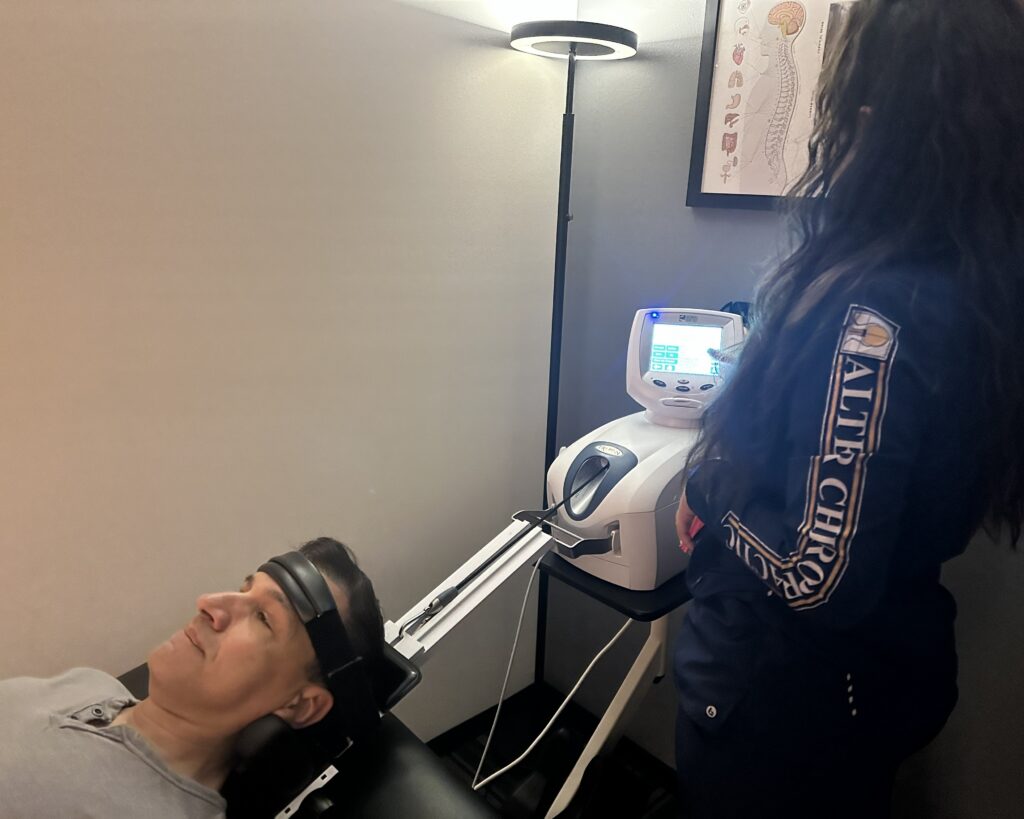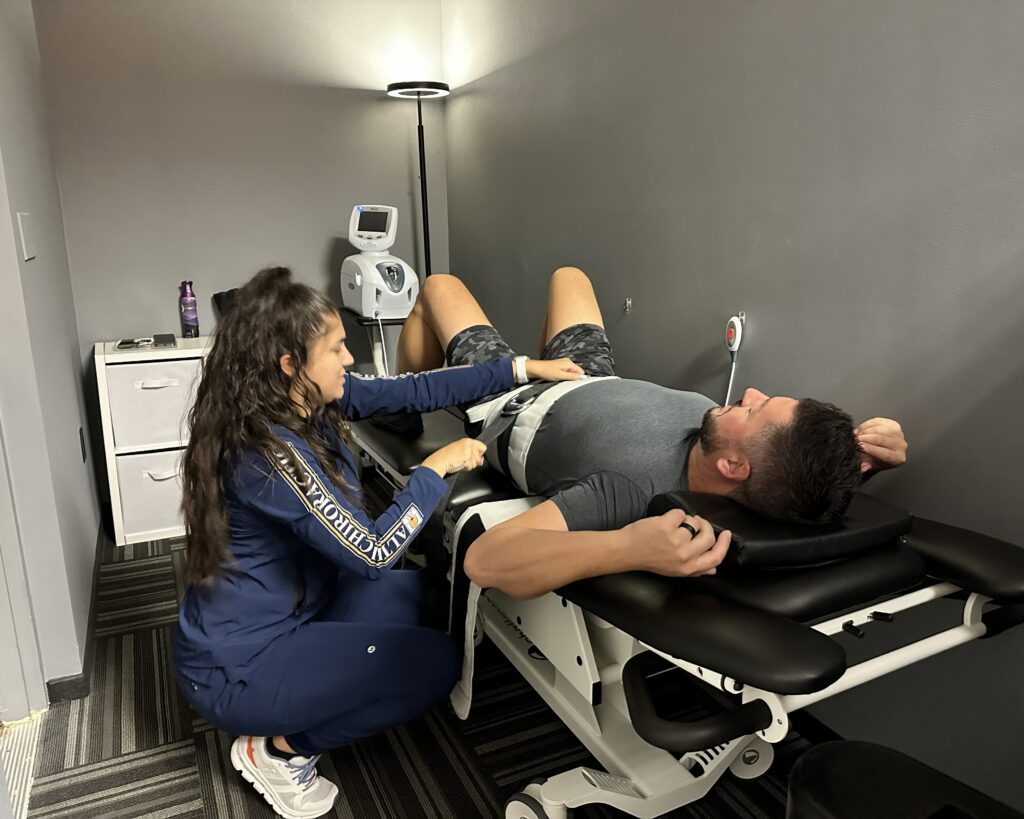

Tension headaches can really disrupt your day, but as a chiropractor, I want to share with you some effective, natural ways to tackle them. You might be surprised that simple changes in your daily routine can lead to significant relief. Incorporating chiropractic care can play a major role in managing headaches by helping to align your spine and reduce tension in your muscles.
Here are some strategies that can help you regain control over those nagging symptoms:
- Chiropractic Adjustments: Regular visits to a chiropractor can help align your spine and relieve tension in your neck and shoulders, which are often culprits of tension headaches. By addressing the root cause of your pain, you can achieve lasting relief.
- Hydration: Staying properly hydrated is essential for overall health, including headache prevention. Make sure you’re drinking enough water throughout the day, as dehydration can contribute to tension headaches.
- Relaxation Techniques: Incorporating relaxation techniques such as deep breathing, meditation, or yoga can help alleviate stress and reduce headache frequency. These practices can also complement your chiropractic care, enhancing the benefits.
- Ergonomic Adjustments: Pay attention to your workspace. Ensure that your desk, chair, and computer are set up to promote good posture. This can help prevent muscle tension that leads to headaches.
- Regular Exercise: Engaging in regular physical activity can help improve blood circulation and reduce muscle tension. Consider low-impact exercises like walking or swimming, which can also promote relaxation.
- Adequate Sleep: Prioritize getting enough restful sleep each night. A consistent sleep schedule and a comfortable sleep environment can greatly reduce the likelihood of developing tension headaches.
- Mindfulness and Stress Management: Learning to manage stress through mindfulness techniques can be incredibly beneficial. Find activities that help you unwind and make them a regular part of your routine.
By focusing on these natural methods, especially chiropractic care, you can effectively manage tension headaches and enhance your overall well-being. Remember, taking control of your health starts with small, consistent changes. If you’re struggling with recurring headaches, consider reaching out to your local chiropractor to explore personalized treatment options.
Key Takeaways
- Consider incorporating relaxation techniques such as deep breathing and progressive muscle relaxation into your daily routine. These practices can help alleviate tension and promote a sense of calm, making them excellent complements to your chiropractic care.
- Staying well-hydrated is essential for overall health and wellness. Regularly drinking water and incorporating hydrating foods into your diet can help prevent headaches that may arise from dehydration, allowing your body to function optimally.
- Good posture plays a crucial role in spinal health. Whether you are sitting or standing, ensure proper alignment to reduce strain on your neck and shoulders. This can significantly decrease the likelihood of tension headaches and is something we emphasize in chiropractic care.
- Engaging in regular physical activity, such as yoga or walking, is beneficial for improving blood circulation and releasing built-up tension. These activities can enhance your chiropractic treatments and support your journey towards better health.
- Prioritize sleep by establishing a calming bedtime routine and creating a comfortable sleep environment. Quality rest is essential for recovery and overall wellness, and it complements the benefits you receive from chiropractic care.
Practice Relaxation Techniques
When you’re grappling with the discomfort of a tension headache, incorporating relaxation techniques can provide tremendous relief. As a chiropractor, I encourage you to explore these natural methods that not only alleviate pain but also support your overall wellness.
Begin by finding a tranquil space where you can either sit or lie down in a comfortable position. Close your eyes and center your attention on your breathing. Inhale deeply through your nose, allowing your lungs to expand fully, and then exhale slowly through your mouth. Repeat this process for a few minutes, and with each breath, feel your body begin to relax.
Another effective technique is progressive muscle relaxation. Start at your toes and gradually work your way up to your head, tensing each muscle group for a few seconds before releasing. This method helps to reduce physical tension and promote relaxation throughout your body.
Visualizing a serene environment, such as a quiet beach or a lush forest, can also be beneficial. This mental imagery helps distract your mind from the pain and can enhance your sense of peace.
Furthermore, consider adding mindfulness meditation to your daily routine. Just a few minutes each day spent focusing on the present moment can significantly enhance your resilience against tension headaches and improve your overall quality of life.
Remember, regular chiropractic care can also play a crucial role in maintaining a healthy spine and nervous system, which are essential for preventing headaches.
Maintain Good Posture
Maintaining good posture is crucial for preventing tension headaches, and as your local chiropractor, I want to help you understand how proper alignment can lead to natural healing and overall wellness.
Poor posture can put a strain on your neck and back muscles, resulting in discomfort. Here are some simple tips to improve your posture and reduce the risk of headaches:
- Sit and Stand Tall: When you sit or stand, make sure your shoulders are relaxed and your back is straight. Think of aligning your ears over your shoulders and your shoulders over your hips.
- Feet Flat on the Ground: If you’re sitting, keep your feet flat on the ground. This helps distribute your weight evenly and supports your spine.
- Avoid Slouching: Slouching puts unnecessary pressure on your spine. Try to be mindful of your posture throughout the day, especially when working at a desk.
- Adjust Your Workspace: If you work at a desk, it’s important to set up your chair and monitor at the right height. Your screen should be at eye level to minimize strain on your neck.
- Take Breaks to Stretch: Make it a habit to take breaks every hour. Stand up, stretch, and realign your body. This helps relieve built-up tension and keeps your spine healthy.
- Use Hands-Free Options: If you’re hunching over your phone, consider using a hands-free option. This can help you keep your neck aligned and reduce strain.
By practicing good posture, you not only promote physical well-being but also enhance your mood and productivity.
Remember, chiropractic care is an excellent way to achieve optimal health. Regular adjustments can help maintain your spinal alignment, alleviate tension, and support your body’s natural healing process.
Stay Hydrated
Staying hydrated is crucial for preventing tension headaches, which can often be linked to spinal health and overall wellness. When your body is dehydrated, it can lead to fatigue and dizziness, and these symptoms can exacerbate your headache.
As a chiropractor, I believe that optimal hydration is part of a holistic approach to health, supporting not only your spine but your entire body.
Here are some simple tips to help ensure you’re drinking enough water throughout the day:
- Set a Routine: Make it a habit to drink a glass of water first thing in the morning, and keep a water bottle with you to sip throughout the day, especially during tasks that require concentration.
- Infuse Flavor: If plain water doesn’t appeal to you, try infusing it with fruits like lemon, cucumber, or mint to make drinking water more enjoyable.
- Eat Hydrating Foods: Incorporate foods with high water content, such as cucumbers, watermelon, and oranges, into your diet. They not only hydrate but also provide essential nutrients that support your overall health.
- Listen to Your Body: Pay attention to your body’s signals. If you feel thirsty or notice signs of dehydration, it’s time to drink up. Staying in tune with your body is key to maintaining good health.
- Regular Breaks: If you work at a desk or engage in activities that require long hours of focus, take regular breaks to stand, stretch, and hydrate. This not only helps with hydration but also supports proper spinal alignment and reduces tension.
Remember, staying well-hydrated can improve your overall health and reduce the likelihood of tension headaches.
When combined with regular chiropractic care, you can achieve a more balanced and pain-free life. Prioritize your hydration and consider visiting your chiropractor to discuss any headaches or discomfort you may be experiencing – it could lead to a natural and effective path to relief!
Importance of Water Intake
Hydration is a crucial aspect of your overall wellness and plays a significant role in preventing tension headaches. As a chiropractor, I want to emphasize that when your body is well-hydrated, it functions more efficiently, which can help reduce the likelihood of headaches.
Here are some important benefits of maintaining proper water intake and how it connects to your spinal health:
- Regulates body temperature – Staying hydrated allows your body to cool down effectively, which can minimize stress on your system and support your spine’s function.
- Enhances mood – Proper hydration has been shown to improve mood. A positive state of mind is essential for overall well-being and can help prevent tension headaches.
- Boosts energy levels – Water plays a vital role in transporting nutrients and producing energy. When you’re well-hydrated, you can avoid fatigue that might lead to tension in your neck and shoulders, which are common areas for headache triggers.
- Supports cognitive function – Adequate hydration helps you maintain focus and concentration. When your mind is clear, you’re less likely to experience the stress that can lead to headaches.
Incorporating proper hydration into your daily routine is a simple yet effective strategy to fend off tension headaches.
Remember, small changes, like drinking enough water throughout the day, can lead to significant relief.
Additionally, maintaining good posture and regular chiropractic adjustments can further support your overall health and help prevent headaches.
Prioritize your hydration and spinal health for a more balanced, pain-free life!
Signs of Dehydration
How can you tell if you’re becoming dehydrated? One of the first signs is a dry mouth or increased thirst. These symptoms indicate that your body is craving more water to function at its best. You might also notice that your urine is darker than usual, which is a clear signal that your hydration levels are low.
Feeling fatigued or dizzy? These can be signs that your body is struggling without enough water, which can also lead to tension headaches and muscle cramps. It’s essential to listen to your body; if you’re feeling unusually tired or sluggish, it’s a sure sign that you need to increase your fluid intake.
Staying hydrated isn’t just about drinking water; it’s also about maintaining overall wellness. Proper hydration supports your spine and muscles, helping you maintain good posture and reducing discomfort. Incorporating hydration into your daily routine can enhance your chiropractic care and overall health.
Here are some simple tips to ensure you’re staying hydrated:
- Keep a water bottle with you throughout the day to remind yourself to drink.
- Aim to drink a glass of water before every meal.
- Include hydrating foods in your diet, such as fruits and vegetables.
Tips for Staying Hydrated
Staying properly hydrated is essential for your overall health and wellness, and it can even support your spine and overall bodily functions. Here are some straightforward tips to help you maintain good hydration throughout the day, which can complement your chiropractic care:
- Keep a water bottle handy – A reusable water bottle is a great companion. Having it within arm’s reach encourages you to sip on water regularly, supporting your spinal health and keeping your body functioning optimally.
- Set reminders – It’s easy to forget to drink water when you’re busy. Use your phone or an app to set reminders to take a moment to hydrate. Staying hydrated can help reduce muscle tension and improve overall well-being.
- Add flavor to your water – If plain water doesn’t excite you, try infusing it with fruits like lemon or berries, or herbs like mint. This not only makes drinking water more enjoyable but also provides additional vitamins and minerals that can support your health.
- Monitor your intake – Consider using a hydration app to track how much water you’re consuming. Staying aware of your hydration levels can enhance your energy and keep your spine and joints functioning at their best.
By making these simple changes, you can ensure that you’re staying hydrated, which is vital for your overall health and can aid in your recovery and well-being from chiropractic adjustments.
Apply Cold or Heat Therapy
Cold and heat therapy can be wonderful tools for alleviating tension headaches, and as a chiropractor, I can emphasize that they complement the care you receive in my office. Let’s explore how you can use these methods effectively while keeping your spine and overall wellness in mind.
To start, cold therapy can be quite beneficial. You can apply a cold pack or a bag of frozen vegetables wrapped in a cloth to your forehead or the back of your neck. This technique helps numb the pain and can reduce inflammation. I recommend using this method for about 15-20 minutes. Just remember to protect your skin with a cloth to avoid frostbite.
On the other hand, heat therapy is an excellent way to soothe your muscles. A warm compress or a heating pad placed on your neck and shoulders can help relax tight muscles and improve blood flow. You might also enjoy a warm shower, allowing the soothing heat to envelop your neck and head. Both methods can provide immediate relief, but it’s always a good idea to listen to your body. You may find that one method works better for you than the other.
While these therapies can be helpful, they aren’t substitutes for chiropractic care. Regular chiropractic adjustments can address the root causes of your tension headaches, such as misalignments in your spine that contribute to muscle tension and nerve irritation. By maintaining proper spinal health, you can reduce the frequency and intensity of headaches.
Incorporating stretching exercises and good posture into your daily routine can also greatly benefit your overall health and help prevent headaches. Simple changes, like taking breaks from screens, staying hydrated, and managing stress, can make a significant difference.
Incorporate Regular Exercise
Incorporating regular exercise into your routine can be a powerful way to help reduce tension headaches and promote overall wellness. As a chiropractor, I want to emphasize that exercise not only enhances your physical health but also plays a significant role in relieving stress and improving your mood.
By engaging in physical activity, you can support your spine and enhance your body’s natural healing processes.
To get started, find types of exercises that you enjoy—whether it’s walking, yoga, swimming, or cycling. These activities can help keep your body flexible, strengthen your muscles, and improve your posture, all of which are crucial for spinal health.
Aim to be consistent with your practice; even short, regular sessions can yield great benefits over time.
In addition to exercise, consider visiting your chiropractor regularly. Chiropractic care focuses on aligning your spine and optimizing your nervous system function, which can further alleviate tension and pain.
Together, regular exercise and chiropractic adjustments can be an effective approach to achieving optimal health and natural pain relief.
Benefits of Exercise
While it may not be the first thing that comes to mind, exercise can be a powerful ally in managing tension headaches. Regular physical activity not only supports your overall health but also plays a significant role in easing headache symptoms.
Here are some key benefits of incorporating exercise into your daily routine, especially in conjunction with chiropractic care:
- Endorphin Release: Engaging in exercise triggers the release of endorphins, which are your body’s natural pain relievers. This boost in mood can help diminish the discomfort associated with tension headaches.
- Stress Reduction: Physical activity is a fantastic way to reduce stress levels. Since stress is a major trigger for tension headaches, finding ways to manage it—like through regular exercise—can be incredibly beneficial.
- Improved Sleep: Regular workouts can greatly enhance your sleep quality. Better sleep allows your body to heal and recover, which can lead to a reduction in the frequency and intensity of headaches.
- Muscle Tension Relief: Exercise helps to strengthen and relax your muscles, addressing the tightness that often leads to headaches. Strengthening your back and neck muscles through targeted exercises can also complement the benefits of chiropractic adjustments.
As a chiropractor, I encourage you to incorporate exercise into your wellness routine alongside regular chiropractic care. Together, they can create a comprehensive approach to achieving optimal health and alleviating pain.
Remember to listen to your body, start slowly, and choose activities you enjoy to make it easier to stick with your exercise plan. Here’s to a healthier, headache-free you!
Types of Exercises
When it comes to relieving tension headaches, incorporating specific exercises into your daily routine can be incredibly beneficial. As a chiropractor, I often recommend stretching exercises, such as neck rolls and shoulder shrugs, to help release the muscle tension that can contribute to headaches.
Yoga is another excellent option; its gentle movements combined with deep breathing techniques promote relaxation and stress reduction, which are essential for maintaining a healthy spine and overall well-being.
Engaging in cardiovascular activities, like brisk walking or cycling, can also enhance blood circulation and release mood-boosting endorphins, helping to alleviate headache symptoms naturally.
Additionally, strength training can improve muscle balance and support spinal alignment, reducing the likelihood of tension buildup that leads to headaches.
Don’t overlook the benefits of mindfulness practices such as tai chi, which can enhance relaxation and mental focus.
By integrating these exercises into your weekly routine, you not only work towards relieving tension headaches but also support your overall health and wellness.
Remember, chiropractic care is an excellent approach to achieving optimal health, and incorporating these simple exercises can complement your journey towards a pain-free life.
Stay active, listen to your body, and prioritize your spinal health for a happier, healthier you!
Consistency Is Key
To effectively relieve tension headaches, incorporating regular exercise into your routine can be incredibly beneficial. As a chiropractor, I emphasize that consistency is key to experiencing lasting relief. Exercise not only helps to reduce stress and tension over time, but it also supports overall spinal health, which can mitigate headache symptoms.
Here are four simple ways to weave exercise into your life for better wellness:
- Schedule It: Just like your chiropractic appointments, set aside specific times each week for physical activity. Consistency will help your body adjust and reap the most benefits.
- Choose Enjoyable Activities: Engage in exercises that you love, such as dancing, hiking, or yoga. Enjoyable activities make it easier to stay committed and enhance your mood, which can positively impact headache frequency.
- Start Small: If you’re new to exercising, begin with short sessions. Start with just 10-15 minutes a day and gradually increase the duration. This approach helps your body adapt without overwhelming it.
- Mix It Up: Keep your routine interesting by trying different activities. This not only keeps motivation high but also helps prevent overuse injuries and keeps your spine healthy.
Incorporating regular exercise can significantly lower the intensity and frequency of your headaches.
Get Adequate Sleep
Getting adequate sleep is crucial for maintaining overall health and preventing tension headaches. A well-rested mind and body can handle daily stressors more effectively, which is essential for your spinal health. Aim for seven to nine hours of restorative sleep each night.
To signal your body that it’s time to wind down, establish a calming bedtime routine. This could involve dimming lights, reading a book, or practicing relaxation techniques such as deep breathing, which can also help relieve tension in your muscles.
Creating a comfortable sleep environment is key. Keep your bedroom cool, dark, and quiet to promote deeper sleep. If necessary, consider using blackout curtains and a white noise machine to eliminate disturbances.
It’s also wise to avoid screens at least an hour before bed, as the blue light emitted can disrupt your natural sleep cycle, affecting your ability to rest well.
If you struggle to fall asleep, herbal teas like chamomile or valerian root can be great natural options to promote relaxation. Prioritizing sleep not only enhances your overall well-being but also plays a significant role in reducing the frequency and intensity of tension headaches.
Remember, a well-rested mind supports a healthy spine, and regular chiropractic care can help you achieve optimal health by addressing any underlying issues related to pain and tension.
A rested mind is a resilient one, and by combining good sleep habits with chiropractic wellness, you’re taking powerful steps toward a healthier, pain-free life.
Try Over-the-Counter Pain Relief
Many individuals experience tension headaches, and while over-the-counter (OTC) pain relievers might provide temporary relief, it’s essential to understand that they aren’t the only solution.
As a chiropractor, I believe in the power of natural healing and the body’s ability to recover without relying solely on medication.
Instead of immediately reaching for OTC options, consider exploring chiropractic care as a holistic approach to managing tension headaches. Chiropractic adjustments can help correct misalignments in the spine, which may be contributing to your headaches. By improving spinal function and reducing tension in the neck and upper back, many patients experience significant relief from headache symptoms.
In addition to chiropractic adjustments, here are some helpful tips for managing tension headaches naturally:
- Stay Hydrated: Dehydration can lead to headaches, so make sure you’re drinking enough water throughout the day.
- Practice Good Posture: Maintain proper posture while sitting and standing to reduce strain on your neck and back.
- Incorporate Relaxation Techniques: Stress is a significant trigger for tension headaches. Techniques such as deep breathing, meditation, or yoga can help alleviate stress and prevent headaches.
- Regular Exercise: Engage in regular physical activity to improve circulation and reduce muscle tension. Simple activities like walking or stretching can be beneficial.
- Adequate Sleep: Ensure you’re getting enough restful sleep, as fatigue can exacerbate headache symptoms.
While OTC pain relievers can provide quick relief, they shouldn’t be your primary solution for managing tension headaches.
Regular chiropractic care, combined with these natural strategies, can lead to long-lasting relief and overall wellness. If you find yourself frequently experiencing headaches, I encourage you to consult with a chiropractor to explore a personalized treatment plan that addresses the root cause of your discomfort.
Your journey to optimal health starts with understanding and nurturing your body naturally!
Conclusion
By incorporating these seven strategies into your daily routine, you can effectively relieve tension headaches while enhancing your overall well-being. As a chiropractor, I believe that addressing the root causes of headaches through natural methods is key to achieving optimal health.
- Practice Relaxation Techniques: Incorporating techniques such as deep breathing, meditation, or gentle yoga can help reduce stress, which is often a major trigger for tension headaches.
- Maintain Good Posture: Poor posture can lead to spinal misalignments, contributing to headache pain. Be mindful of your posture, especially if you spend long hours sitting at a desk. Regular chiropractic adjustments can also help keep your spine aligned.
- Stay Hydrated: Drinking plenty of water is crucial for overall health and can prevent dehydration-related headaches. Aim for at least 8 glasses a day.
- Apply Cold or Heat Therapy: Using a cold pack or a warm compress can provide immediate relief. Cold therapy can numb the pain, while heat can relax tense muscles.
- Exercise Regularly: Engaging in regular physical activity not only boosts your mood but also improves blood circulation, which can help reduce headache frequency. Consider activities that promote spinal health, such as swimming or walking.
- Prioritize Your Sleep: A good night’s sleep is essential for recovery and overall health. Create a sleep routine to ensure you’re getting enough restful sleep.
- Explore Chiropractic Care: Regular visits to a chiropractor can provide long-term relief from tension headaches. Chiropractic adjustments help restore spinal alignment, improve function, and reduce muscle tension, addressing the underlying issues that contribute to headaches.
By integrating these simple yet effective strategies into your life, you can take control of your headache symptoms and embrace a more relaxed, pain-free existence. Remember, natural healing through chiropractic care can be a powerful ally in your journey toward better health and wellness.