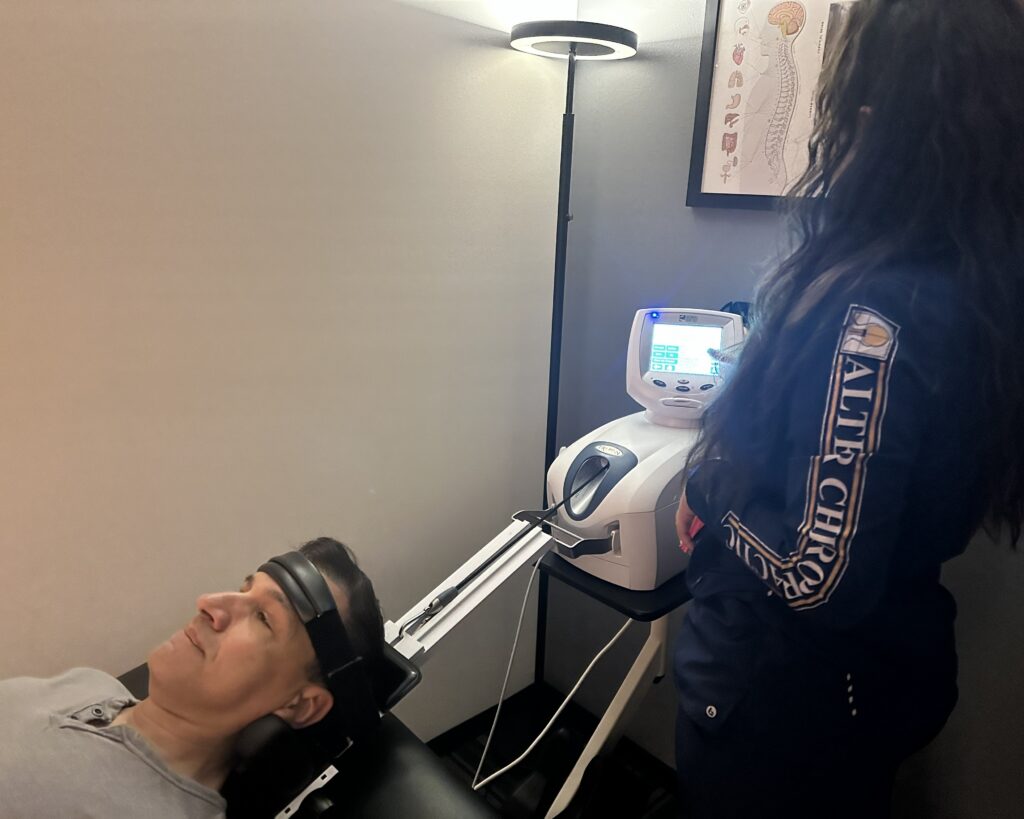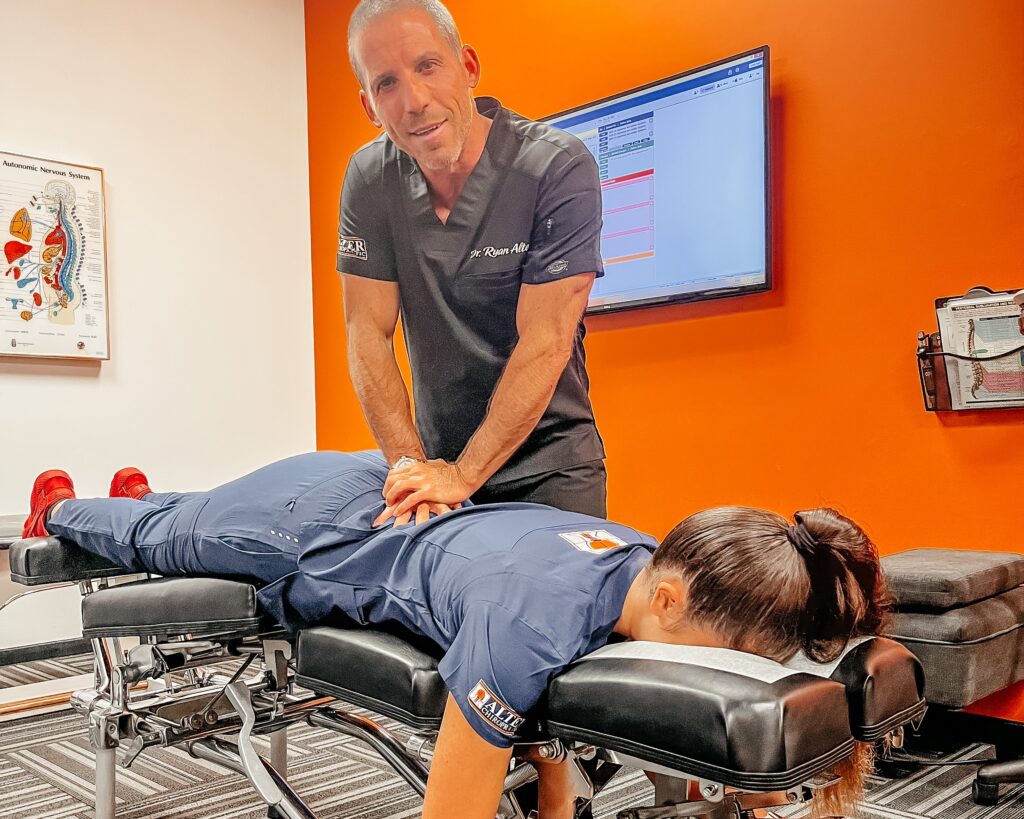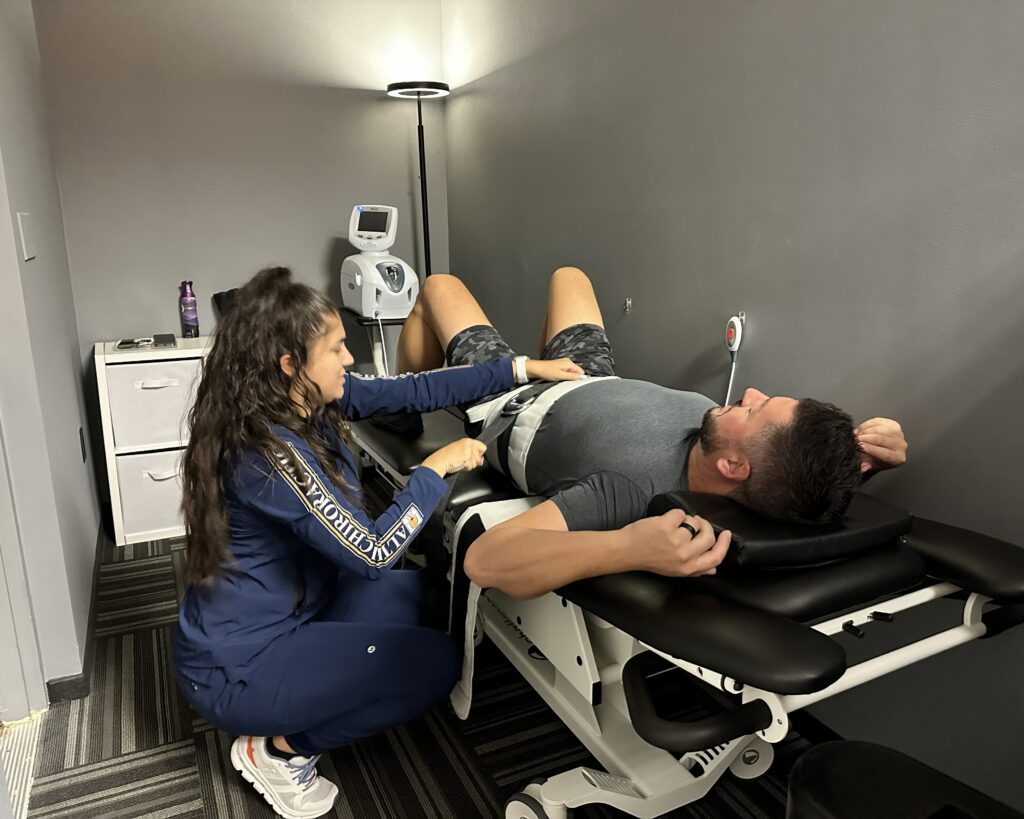

As a local chiropractor, I understand that dealing with a sports injury can be a daunting experience. Many of my patients often express concerns about how to effectively manage their pain while regaining strength and performance. That's where chiropractic care comes in.
Chiropractic techniques are designed not only to alleviate physical discomfort but also to support your overall mental well-being during the recovery process. By focusing on spinal alignment and joint mobility, we can help restore your body's natural function and promote healing.
Incorporating chiropractic care into your recovery regimen can be a game-changer. It can enhance your body's ability to heal itself, reduce inflammation, and improve your range of motion. Alongside chiropractic adjustments, I often recommend complementary therapies such as massage therapy, which can further aid in relieving muscle tension and enhancing circulation.
Understanding and integrating these natural healing techniques can be the key to a quicker and more effective recovery. If you're curious about how chiropractic care can support your healing journey, I encourage you to reach out and discuss the options that may work best for you. Together, we can develop a personalized plan that addresses your specific needs and helps you return to your sport stronger than ever.
Understanding Sports Injuries
As a local chiropractor, I want to help you understand sports injuries and how chiropractic care can play a vital role in your recovery and overall performance. Sports injuries can be frustrating, whether you're a weekend warrior or a seasoned athlete. It's important to recognize that these injuries often occur when excessive stress is placed on your body during physical activity. They can manifest as anything from sprains and strains to fractures and dislocations. By understanding the type of injury you're facing, we can work together to create an effective healing plan.
You may experience acute injuries, which occur suddenly due to specific incidents—think of an awkward landing or a collision with another player. On the other hand, chronic injuries develop gradually, often from repetitive movements or improper technique. I encourage you to take a moment to tune into how your body feels during and after workouts. Identifying patterns can help us spot potential risks before they become serious issues.
Injuries can be categorized by the area affected—whether it's muscle, tendon, ligament, or bone. Each type requires a tailored approach for treatment and recovery. For instance, a muscle strain might be treated with rest and ice to reduce inflammation, while a ligament tear may necessitate a more comprehensive treatment plan involving chiropractic adjustments and rehabilitation exercises.
Listen to the warning signs your body provides. Symptoms such as pain, swelling, and reduced range of motion indicate that something may be off balance. By understanding the nature of your sports injuries, you empower yourself to make informed choices about your training and preventive measures.
The Role of Physical Therapy
Chiropractic care plays a crucial role in the recovery process from sports injuries. When you experience an injury, it's important not only to alleviate the pain but also to address the underlying issues that contributed to it. As a local chiropractor, I can assess your condition and develop a personalized treatment plan that focuses on restoring your strength, flexibility, and overall mobility.
During your visits, we'll work on specific adjustments and therapies designed to target the affected areas of your body. These techniques help rebuild muscle strength and restore proper function, allowing you to safely return to your sport. I'll also teach you proper body mechanics and techniques that can help prevent future injuries, ensuring that you not only heal but also enhance your athletic performance.
In addition to adjustments, chiropractic care often includes complementary therapies such as soft tissue work, which can relieve pain and reduce inflammation. I may utilize specialized techniques to mobilize joints and soft tissues, promoting healing and improving your range of motion. This hands-on approach can be incredibly beneficial in reducing discomfort and aiding your recovery.
Furthermore, maintaining open communication with me as your chiropractor is essential. I'll monitor your progress closely and adjust your treatment plan as necessary, making sure you're on the right path. Your active participation in the healing process will empower you and keep you motivated throughout your recovery journey.
Ultimately, chiropractic care isn't just about recovering from injuries; it's about preparing you for long-term success in your athletic pursuits. By following my guidance, you'll be well-equipped to approach your sport with renewed strength and confidence, ready to take on new challenges.
Benefits of Cryotherapy
As a local chiropractor, I want to share with you the incredible benefits of cryotherapy, especially for those who are recovering from injuries. This cutting-edge treatment involves exposing your body to extremely cold temperatures for a brief period, which can significantly enhance your healing process.
One of the main advantages of cryotherapy is its ability to reduce inflammation. When your body is exposed to cold, it causes blood vessels to constrict, which decreases blood flow to the affected area. This process alleviates swelling and pain, helping you return to your normal activities more quickly.
Another remarkable benefit is the acceleration of tissue healing. The cold exposure triggers the release of endorphins, natural pain-relievers that promote faster recovery. You may also find that your circulation improves after a cryotherapy session. As your body warms back up, blood vessels dilate, increasing blood flow and delivering essential nutrients and oxygen to your muscles, which supports healing even further.
Moreover, cryotherapy can boost your overall performance. By reducing muscle soreness and fatigue, you'll feel more energized and ready to take on your next workout or daily activities. Many athletes also report enhanced mental clarity and focus after cryotherapy, which is crucial for maintaining a competitive edge in sports or any demanding tasks.
Incorporating cryotherapy into your recovery routine can truly be transformative. With its ability to alleviate pain, speed up healing, and enhance performance, cryotherapy is a valuable tool that complements chiropractic care and natural healing methods.
Embrace this innovative technique, and you'll likely experience a positive shift in your recovery journey. Remember, as part of your holistic health approach, it's essential to explore all options that can aid in your healing.
Massage Therapy Techniques
As a local chiropractor, I want to share how massage therapy can significantly aid in your recovery from sports injuries.
By utilizing techniques such as deep tissue massage, trigger point release, and methods tailored to specific sports, we can enhance your healing process and boost your overall performance.
These approaches not only relieve tension and reduce pain but also promote better circulation and flexibility.
Understanding these natural healing methods can help you return to your favorite activities more quickly and safely.
Let's delve into how these techniques can support your journey to recovery and optimal health!
Deep Tissue Benefits
As a local chiropractor, I often see athletes who underestimate the incredible benefits of deep tissue therapy in their recovery process. This specialized massage technique isn't just about relaxation; it targets the deeper layers of muscle and connective tissue to promote healing. By applying firm pressure, deep tissue therapy effectively releases chronic tension and muscle knots, which can significantly enhance blood circulation.
Improved circulation is crucial because it delivers essential nutrients and oxygen to injured areas, facilitating a faster recovery.
Moreover, deep tissue therapy can greatly enhance your overall flexibility and range of motion. As tight muscles begin to loosen, you'll find that performing movements becomes less painful and more unrestricted. This increased mobility is vital for athletes striving to return to their sport at peak performance.
Another important aspect to consider is the stress relief that deep tissue therapy offers. As an athlete, you encounter both physical and mental challenges, and managing stress is key to your success. Deep tissue therapy can help alleviate stress and anxiety, allowing you to maintain focus on your training and recovery.
Regular sessions can also lead to better sleep quality, which is essential for effective healing.
By incorporating deep tissue therapy into your recovery routine, you address not just physical injuries but also support your mental well-being. I encourage you to take advantage of this powerful technique; it can truly transform your recovery journey for the better.
If you're curious about how deep tissue therapy can be integrated into your care plan, don't hesitate to reach out.
Trigger Point Release
As a chiropractor, I often see patients dealing with muscle tension and pain, and I want to introduce you to a valuable technique called trigger point release that can significantly aid in your recovery.
Trigger points are essentially small, tight knots in your muscles that can cause pain not just at the site of the knot but also in other areas of your body. By effectively addressing these points, we can help reduce tension, improve blood circulation, and promote overall healing.
To perform trigger point release, the first step is to identify where you're feeling pain. Once you've located the painful area, apply pressure directly on the knot using your fingers, knuckles, or even a massage tool.
It's important to maintain firm pressure for about 30 seconds to a minute. While this technique might feel uncomfortable, it should never cause you pain. As you apply pressure, focus on taking deep breaths and relaxing the affected muscle. Often, you'll notice the muscle starting to release its tension.
Once you've worked on the trigger point, it's beneficial to gently stretch the surrounding muscles. This can help enhance flexibility and further alleviate any discomfort.
I encourage you to incorporate this technique into your recovery routine. By regularly addressing trigger points, you can regain mobility more quickly and reduce the chance of re-injury.
Remember, consistency is crucial. Regular maintenance of your trigger points helps keep your muscles functioning optimally, allowing you to return to the activities you enjoy sooner.
If you have any questions or need guidance on how to perform this technique safely, please don't hesitate to ask during your next visit.
Sports-Specific Techniques
As your local chiropractor, I want to help you understand how sports-specific massage techniques can significantly enhance your recovery and overall performance, especially if you're not familiar with chiropractic care and natural healing methods.
After addressing trigger points in your muscles, incorporating these tailored massage techniques that align with your particular sport can be incredibly beneficial. These methods specifically target the muscles you engage the most, alleviating tension and promoting healing.
For instance, if you're a runner, focusing on deep tissue massage for your calves and hamstrings can help improve your flexibility and reduce post-run soreness.
If basketball is your game, we can concentrate on your quads and shoulders to help prevent injuries caused by repetitive movements. Swimmers, on the other hand, often find relief through stretching and massage of the shoulders and back, which can enhance their range of motion and performance.
Additionally, techniques like cross-fiber friction are effective for breaking down scar tissue and improving blood circulation, while myofascial release helps relieve tightness in the fascia that surrounds your muscles. Each of these techniques not only aids in recovery but also prepares your body for future athletic challenges.
It's vital that you communicate openly with me about your specific needs and any injuries you may be experiencing. This allows us to adjust the pressure and focus of your treatment to ensure you receive the best possible care.
Utilizing Strength Training
As a local chiropractor, I want to share with you how incorporating strength training can significantly aid in your recovery from sports injuries.
It's not just about the injured area; it's about rebuilding muscle and enhancing joint stability to prevent future injuries and promote overall wellness.
When you embark on a rehabilitation program, it's essential to follow a tailored approach that aligns with your specific injury and stage of recovery.
Working with a qualified physical therapist or trainer is a great way to ensure that you're taking a safe and effective route.
Here are some key benefits of integrating strength training into your recovery process:
- Rebuilds Muscle Mass: After suffering an injury, you may notice a loss of muscle strength. Strength training is vital for regaining that lost muscle mass, which is essential for getting back to your sport confidently.
- Enhances Joint Stability: By strengthening the muscles surrounding your joints, you can improve their stability and support. This is particularly crucial for athletes engaged in high-impact sports, as it significantly reduces the risk of re-injury.
- Boosts Overall Performance: As you recover and build strength, you'll likely notice enhancements in your overall performance. You'll feel more assured in your movements and better equipped to meet the demands of your sport.
As you advance through your recovery, it's important to listen to your body and adjust the intensity of your training as needed.
Remember, strength training goes beyond just lifting weights; it's about laying a solid foundation for your successful return to athletic activities.
Stay dedicated, and you'll observe considerable improvements in your recovery journey.
If you have any questions or need guidance on how to start, don't hesitate to reach out.
Importance of Rest and Recovery
As a local chiropractor, I want to emphasize the crucial role that rest and recovery play in your healing journey, especially if you've experienced a sports injury. While incorporating strength training can be beneficial, it's just one aspect of a comprehensive recovery plan. Understanding the importance of giving your body the time it needs to heal is essential.
When you sustain an injury, your body requires adequate time to repair itself. It's crucial to avoid the temptation of pushing yourself too hard or returning to activity too soon, as this can worsen your condition and extend your recovery time. That's why prioritizing rest is vital to your healing process.
During periods of rest, your body engages in critical healing activities. This is when tissue repair happens, inflammation subsides, and you begin to regain your strength. By allowing yourself this necessary downtime, you're not just resting; you're preparing yourself for improved performance when you're ready to return to your sport.
I understand the eagerness to get back into action, but rushing can lead to setbacks that could prolong your recovery. It's important to listen to your body. If you're feeling fatigued or experiencing pain, it's a clear indication to take a break. Engaging in lighter activities, such as gentle stretching or walking, can support your recovery without overloading your injury.
Moreover, never underestimate the power of quality sleep. Aiming for 7-9 hours of restorative sleep each night is essential for bolstering your body's natural healing processes.
As your chiropractor, I encourage you to embrace the rest and recovery phase as an integral part of your healing journey. Together, we can create a plan that balances activity with the necessary recovery to get you back on track safely and effectively.
Nutrition for Healing
As a local chiropractor, I want to emphasize the crucial role that nutrition plays in your recovery from sports injuries. Many people may not realize that what you eat can significantly impact your healing process.
It's essential to focus on a balanced intake of vital nutrients, maintain proper hydration, and time your meals strategically to support your body's recovery efforts.
Let's delve into how these factors can facilitate your healing journey. Proper nutrition provides the necessary building blocks for tissue repair and helps reduce inflammation, which is key in the recovery phase.
Staying hydrated is equally important, as fluids help transport nutrients to your injured areas and assist in flushing out toxins. Additionally, timing your meals can optimize nutrient absorption and energy levels, ensuring your body has what it needs when it needs it most.
Understanding these elements can empower you to take an active role in your healing process. By nourishing your body appropriately, you can enhance the effectiveness of chiropractic care and expedite your recovery from injuries.
Essential Nutrients for Recovery
As your local chiropractor, I want to emphasize the significant role that a balanced diet plays in your recovery from sports injuries. When you're on the mend, certain nutrients can accelerate healing and help restore your strength.
By incorporating these essential nutrients into your meals, you not only support your recovery but also enhance your overall well-being.
Here are three key nutrients to pay attention to:
- Protein: This nutrient is fundamental for rebuilding tissues and muscles that may have been damaged. I recommend focusing on lean protein sources such as chicken, fish, beans, and legumes to support your healing process.
- Omega-3 Fatty Acids: Known for their anti-inflammatory properties, omega-3 fatty acids can be especially helpful during your recovery. You can find these beneficial fats in fatty fish like salmon, as well as in flaxseeds and walnuts.
- Vitamins C and D: Vitamin C is vital for collagen formation, which is necessary for repairing tissues, while Vitamin D plays a crucial role in maintaining bone health. To boost your Vitamin C intake, consider citrus fruits, strawberries, and leafy greens. For Vitamin D, make sure to get some sunlight exposure and include fortified foods in your diet.
By focusing on these nutrients, you'll be supporting your body's natural healing abilities, which is an essential aspect of chiropractic care and holistic health.
Hydration's Role in Healing
As a local chiropractor, I want to emphasize the critical role hydration plays in your body's healing process, particularly when recovering from sports injuries. Water is essential for your overall health, and staying well-hydrated can significantly enhance your recovery.
When you sustain an injury, your body requires adequate water to effectively transport nutrients, repair cells, and keep your joints lubricated. This means that drinking enough fluids can greatly impact how quickly you heal and return to your regular activities.
On the flip side, dehydration can hinder your recovery by restricting circulation and promoting inflammation. If you're not drinking enough water, you might find yourself dealing with increased pain and stiffness. It's essential to make hydration a priority throughout the day, rather than just during physical activities.
If you've been sweating a lot, especially after intense workouts, consider adding electrolyte-rich beverages to your routine. These drinks can help replenish essential minerals and support your body's healing mechanisms.
Additionally, a simple way to monitor your hydration status is by checking the color of your urine; a pale yellow color typically indicates that you're well-hydrated.
Timing Meals for Recovery
As a local chiropractor, I want to emphasize how important proper meal timing can be for your recovery from sports injuries. It's not just about what you eat; when you eat can significantly influence your body's healing process. By aligning your meals with your body's needs, you can enhance your recovery journey.
Here are some key timing strategies to support your healing:
- Post-Workout Nutrition: It's crucial to nourish your body within 30 minutes after exercising. This timeframe is when your muscles are most eager for nutrients, which helps expedite the recovery process. Think of it as a window where your body is primed to heal.
- Balanced Meals: I recommend consuming balanced meals every 3-4 hours throughout the day. This consistent intake helps maintain your energy levels and ensures your body has a steady stream of essential nutrients needed for recovery.
- Pre-Bedtime Snack: Consider adding a small, protein-rich snack before bedtime. This can significantly aid muscle repair while you sleep, providing your body with the necessary resources to recover overnight.
By incorporating these meal timing strategies into your routine, you can optimize your healing process and support your overall recovery.
Mental Health in Recovery
As a local chiropractor, I want to emphasize that while physical rehabilitation is crucial for recovering from sports injuries, mental health is equally important in the healing process.
When you find yourself sidelined from your favorite activity, it's natural for feelings of frustration, anxiety, or even depression to arise. Recognizing and acknowledging these emotions is vital for maintaining your mental well-being as you recover.
One effective approach is to set realistic goals for yourself. Instead of fixating on returning to peak performance right away, think about smaller milestones that reflect your progress. Celebrating these achievements, no matter how small, can significantly boost your confidence and keep your motivation alive.
Staying connected with teammates and friends is also essential for emotional support. Engaging in conversations or attending team events can help you feel less isolated and remind you that you're still part of a supportive community.
If you're finding it difficult to cope, consider reaching out to a mental health professional with expertise in sports psychology. They can provide you with personalized strategies that cater to your specific situation.
Additionally, incorporating mindfulness or relaxation techniques into your routine can greatly assist in managing stress and anxiety. Whether through meditation, breathing exercises, or gentle yoga, finding consistent practices to calm your mind can have a positive effect on your overall recovery journey.
At our chiropractic clinic, we believe in a holistic approach to healing that encompasses both physical and mental well-being. We're here to support you every step of the way.
Conclusion
As a local chiropractor, I want to share how incorporating specific therapeutic techniques into your recovery plan can significantly enhance your healing process. Understanding your injury is essential, and alongside chiropractic care, we can explore options such as physical therapy, massage, and strength training to help you regain your strength and mobility.
It's important to remember that rest and proper nutrition are vital components of your recovery journey. A balanced diet not only supports your physical healing but also fuels your body for optimal performance. Additionally, taking care of your mental health is crucial; staying motivated and focused can make a world of difference in your recovery.
By embracing these holistic strategies, including chiropractic adjustments that promote natural healing, you'll be well on your way to returning to your favorite activities stronger and more resilient than before. Let's work together to create a personalized recovery plan tailored to your needs.