
As a local chiropractor, I often get asked if manual therapy can truly aid in sports injury recovery. It's a great question! Many people have heard about the benefits, but the effectiveness of techniques such as soft tissue mobilization and joint manipulation can differ from person to person.
Let me explain how these methods work and what the current research suggests about their role in your healing process. Manual therapy focuses on improving mobility, reducing pain, and enhancing overall function, which can be particularly beneficial for athletes. However, it's important to recognize that while many patients experience significant relief and recovery from these treatments, there are also limitations to consider.
In some cases, other treatment options may be more effective depending on the nature of your injury. That's why I always encourage patients to have an open dialogue about their recovery plan. Together, we can assess what the evidence shows regarding manual therapy and determine the best course of action for your specific needs. Let's explore how we can work together to support your athletic healing journey!
Understanding Manual Therapy
As a local chiropractor, I want to share the importance of understanding manual therapy, particularly for athletes seeking effective recovery from sports injuries. This hands-on approach involves specialized techniques that focus on soft tissues, joints, and muscles, promoting healing and enhancing athletic performance. By learning how manual therapy functions, you can appreciate its vital role in your recovery journey.
Manual therapy goes beyond merely alleviating pain; it's fundamentally about restoring function and mobility. When an injury occurs, your body often compensates in ways that can lead to imbalances and additional issues. Through manual therapy, we can address these concerns by improving circulation, reducing muscle tension, and breaking down scar tissue. This not only enhances your comfort but also plays a crucial part in helping you regain your athletic capabilities.
One of the standout benefits of manual therapy is its ability to support your body's natural healing process. By enhancing blood flow to the injured areas, we ensure that essential nutrients and oxygen reach the tissues that need them most. This can lead to faster recovery times and a more efficient return to your sport.
Moreover, manual therapy can significantly improve your overall athletic performance. By correcting imbalances within your body, you can boost your flexibility, strength, and range of motion, all of which are essential for achieving peak performance.
As you integrate manual therapy into your recovery routine, you'll likely notice that you not only recover more quickly but also enhance your performance in your chosen sport. Understanding these principles can empower you to make informed decisions about your recovery strategy and embrace the benefits of chiropractic care and natural healing.
Common Techniques Used
As a local chiropractor, I want to help you understand how common techniques used in manual therapy can support your recovery from sports injuries. When you're healing, methods like soft tissue mobilization, joint manipulation, and myofascial release are vital in restoring your strength and mobility.
Let's take a closer look at how each of these techniques can aid in your recovery journey.
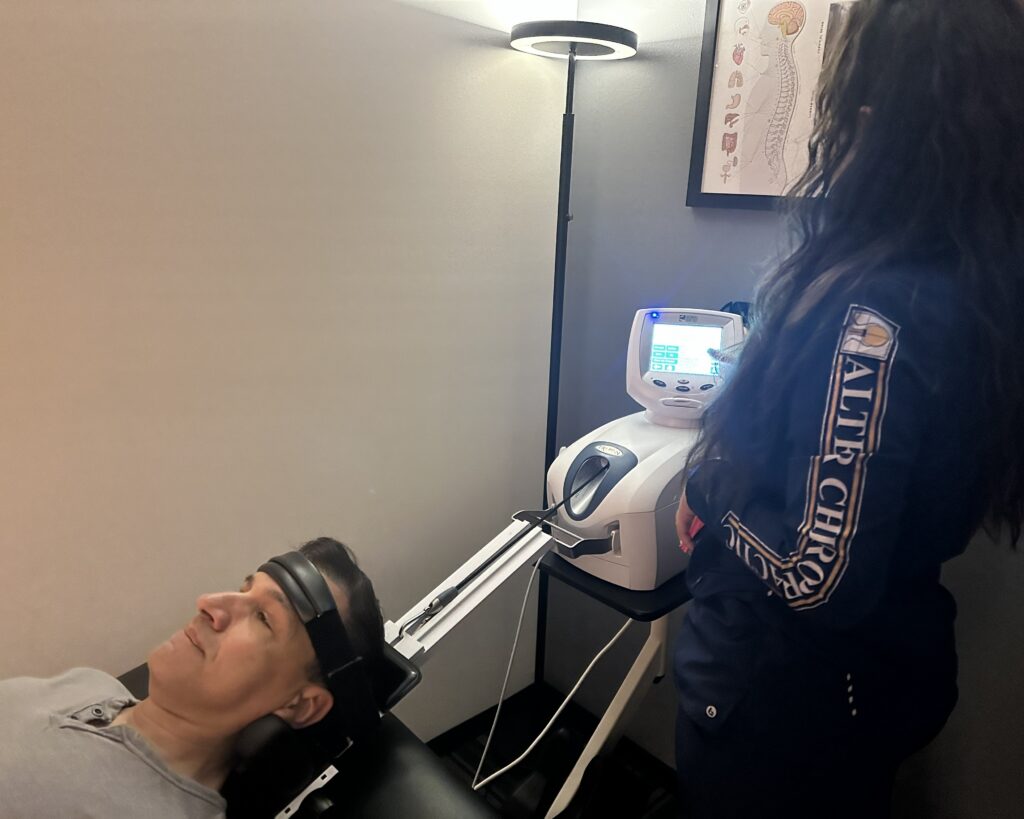
Soft tissue mobilization focuses on relieving tension and improving blood flow in the muscles and connective tissues. This technique can help reduce pain and enhance flexibility, making it easier for you to return to your favorite activities.
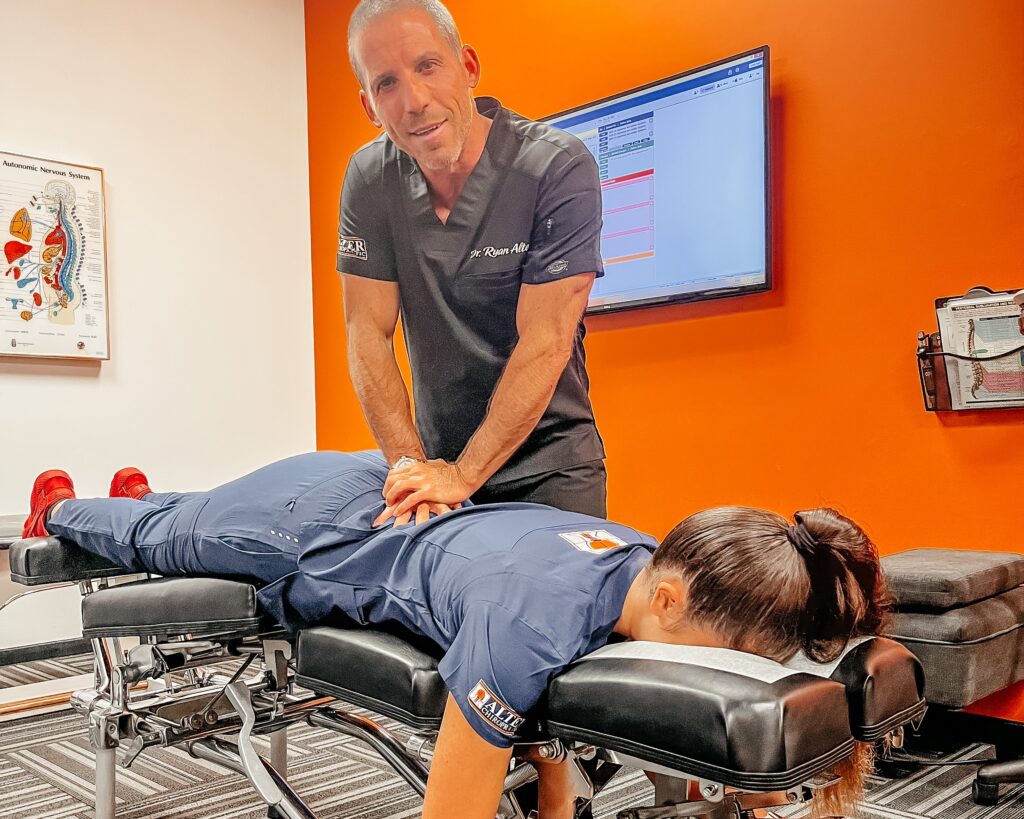
Joint manipulation involves applying controlled force to a joint, which can help restore proper alignment and function. By addressing any misalignments, we can alleviate discomfort and enhance your overall movement.
Myofascial release targets the fascia, the connective tissue surrounding muscles. This technique helps to release tightness and improve the elasticity of the fascia, leading to better movement patterns and reduced pain.
By incorporating these techniques into your recovery plan, we can work together to facilitate a smoother healing process and get you back to doing what you love.
If you have any questions or would like to learn more about chiropractic care, I'm here to help!
Soft Tissue Mobilization
As a local chiropractor, I want to share some insights about soft tissue mobilization, an essential aspect of sports injury recovery that can significantly enhance your healing process and restore your functional abilities.
This approach focuses on the muscles, tendons, ligaments, and fascia, aiming to reduce pain, improve circulation, and increase flexibility.
Here are three common techniques I often recommend to my patients:
- Massage Therapy: In my practice, I utilize massage therapy to apply pressure to the soft tissues of your body. This method is effective at relieving tension and promoting blood flow, particularly beneficial for those tight muscles that can hinder your performance and recovery.
- Myofascial Release: Another technique I incorporate is myofascial release. In this approach, I apply gentle, sustained pressure on the fascial restrictions within your body. This helps release tension and improve your overall mobility, making it particularly helpful for addressing chronic pain and stiffness that may have developed over time.
- Trigger Point Therapy: I also focus on trigger point therapy, which targets specific points within your muscles known to cause pain in other areas. By applying pressure to these trigger points, we can alleviate referred pain and help restore normal muscle function, ultimately enhancing your range of motion and comfort.
Integrating these techniques into your recovery plan can significantly accelerate your healing process, allowing you to return to your favorite activities sooner.
It's important to consult with a qualified chiropractor like myself to determine which methods will best suit your individual needs and help you achieve optimal health through natural healing.
Joint Manipulation Techniques
As a local chiropractor, I understand that many of you may not be familiar with the benefits of chiropractic care and natural healing, especially when it comes to recovering from sports injuries. One crucial aspect of our approach is joint manipulation techniques, which are vital for enhancing your recovery and getting you back to your favorite activities.
These techniques focus on restoring proper joint function and mobility, which can significantly reduce pain and improve your overall performance. One of the most common methods we use is known as high-velocity low-amplitude thrust (HVLA). This involves a quick, controlled movement applied to a joint, helping to release restrictions and restore motion.
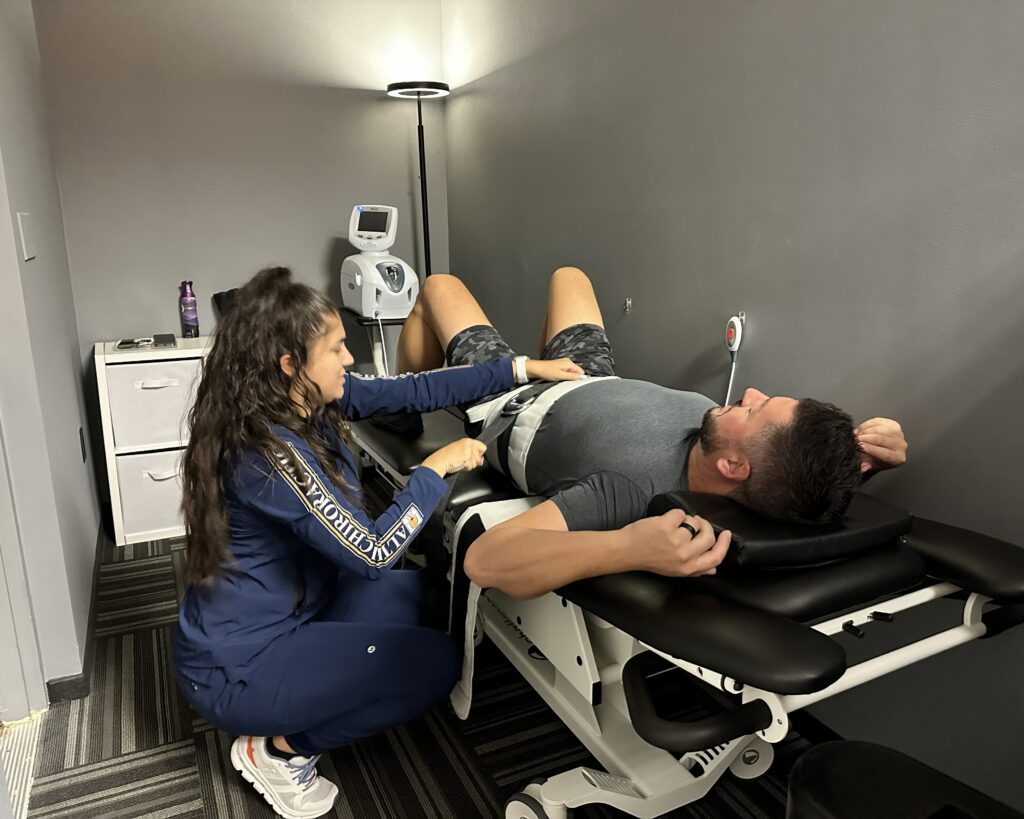
If you're experiencing stiffness, I might recommend gentle mobilization techniques, where I'd carefully move your joint through its range of motion to alleviate tension and enhance flexibility.
Another effective technique is positional release, which places a joint in a specific position to alleviate pain and discomfort. This method promotes a relaxed state, allowing your body to heal more efficiently.
By incorporating these joint manipulation techniques into your recovery plan, we can greatly enhance your healing process. Working together, we can create a treatment tailored to your specific needs, ensuring that you receive the right care to help you return to your sport faster and with greater ease.
Embracing chiropractic care is a natural path to recovery, and I'm here to guide you every step of the way.
Myofascial Release Methods
As a local chiropractor, I want to share how myofascial release methods can significantly aid in your recovery from sports injuries. This approach focuses on the fascia, which is the connective tissue that surrounds your muscles and joints. By targeting this area, we can relieve tension and restore movement, ultimately speeding up your healing process.
Here are three effective techniques that you might find beneficial:
- Static Compression: This method involves applying sustained pressure to specific areas of tightness. By holding this pressure for a few minutes, we can help release knots within the fascia, promoting relaxation and improved function.
- Strain-Counterstrain: In this technique, we position your body in a way that alleviates pain and tension. By maintaining this position, we encourage the fascia to relax and realign, which can enhance your overall comfort and mobility.
- Myofascial Release with Tools: We can also incorporate tools like foam rollers or massage balls into your treatment plan. These tools allow us to apply the right amount of pressure to targeted areas, effectively releasing tension and facilitating your recovery.
Integrating these myofascial release methods into your recovery routine can provide significant relief and improve your performance.
As always, I recommend consulting with a professional to ensure you're using the appropriate techniques tailored to your individual needs. Together, we can work towards a natural healing journey that supports your health and well-being.
Benefits for Sports Injuries
As a local chiropractor, I want to share how manual therapy can significantly enhance your recovery from sports injuries.
First and foremost, manual therapy is effective in reducing pain and inflammation, offering you much-needed relief during your healing process. Techniques such as deep tissue massage and joint mobilization target tight muscles and promote better circulation, which can accelerate your recovery. When you're experiencing less discomfort, you're more likely to participate in rehabilitation exercises, making your path to recovery smoother.
Moreover, manual therapy plays a crucial role in improving your range of motion. After an injury, you may notice that certain movements feel restricted. By focusing on the impacted areas, I can help restore your flexibility and mobility, enabling you to return to your favorite sport more quickly and efficiently.
Another important advantage of manual therapy is the enhanced blood flow it promotes. Increased circulation delivers vital nutrients to the injured tissues, fostering faster healing and recovery. This benefit is particularly significant during the early stages of your rehabilitation.
Additionally, manual therapy can help address muscle imbalances that often develop after an injury. As a skilled chiropractor, I can identify and correct these issues, ensuring that you regain proper biomechanics, which is crucial for preventing future injuries.
Lastly, I want to highlight the psychological benefits of manual therapy. Recovering from a sports injury can be mentally challenging, but the relaxation and stress relief provided by manual therapy can help you maintain a positive outlook on your progress.
Scientific Evidence and Studies
As your local chiropractor, I want to share some valuable insights about manual therapy techniques and how they can benefit you, especially if you're dealing with sports injuries.
It's important to understand the science behind these therapies. Research has shown that manual therapy can positively influence various biological processes in your body, which can aid in your recovery.
By exploring the results from comparative studies, we can see how effective these techniques can be. This information empowers you to make informed choices about incorporating manual therapy into your healing journey.
Together, we can harness the natural healing capabilities of your body and work towards a healthier, pain-free life.
Efficacy of Manual Techniques
As a local chiropractor, I want to share with you the vital role that manual techniques play in the recovery process for sports injuries. Many studies have explored how effective these methods can be, and I'm excited to highlight some key findings that may be beneficial for you.
- Pain Relief: Research has shown that manual therapy, which includes techniques like chiropractic adjustments and soft tissue work, can significantly reduce pain levels for athletes recovering from injuries. This not only enhances comfort but also improves overall quality of life, allowing you to engage in daily activities with less discomfort.
- Enhanced Flexibility and Mobility: Evidence suggests that manual techniques can effectively increase your flexibility and joint mobility. This is especially important for athletes, as it can help you return to your sport more quickly and safely, minimizing the risk of re-injury.
- Accelerated Recovery: Studies have indicated that athletes who incorporate manual therapy, such as chiropractic care, into their rehabilitation process often experience shorter recovery times compared to those who rely solely on traditional treatment methods. This means you can get back to doing what you love sooner!
If you're interested in learning more about how manual techniques can support your recovery and overall well-being, feel free to reach out. I'm here to help guide you on your journey to natural healing.
Biological Mechanisms Explained
As a local chiropractor, I'd like to help you understand the biological mechanisms that make manual therapy such an effective approach for sports injury recovery.
When you undergo manual therapy, your body engages in various physiological processes that contribute to healing. One of the key benefits is the release of endorphins, which are your body's natural pain relievers. This not only helps to reduce pain but also enhances your overall sense of well-being, making it easier for you to participate in rehabilitation activities.
Additionally, manual therapy significantly boosts blood circulation to the injured area. This improved blood flow carries vital nutrients and oxygen that are crucial for tissue repair while also helping to reduce inflammation. As a result, you may find that your recovery time is shortened.
Moreover, by stimulating the nervous system, manual therapy enhances proprioception — your ability to sense your body's position in space. This is particularly important for athletes who need to regain their coordination and balance following an injury.
Lastly, the mechanical effects of manual techniques can help break down scar tissue and adhesions, which promotes a better range of motion.
By understanding these biological responses, you can see how manual therapy is a valuable part of your recovery journey, enabling you to return to your sport in a more effective and efficient manner.
If you have any questions or want to learn more about how chiropractic care can assist you, feel free to reach out!
Comparative Study Results
As a local chiropractor, I want to share some insightful findings about how manual therapy can significantly benefit athletes recovering from sports injuries. Many individuals may not be familiar with these natural healing techniques, but research shows that manual therapy can lead to remarkable improvements in recovery outcomes.
Here are three important points to consider:
- Improved Range of Motion: Studies have demonstrated that manual therapy can greatly enhance flexibility and range of motion in injured areas. This means that athletes can get back to their beloved sports more quickly, allowing them to perform at their best.
- Reduced Pain Levels: Athletes who've consistently engaged in manual therapy often report a significant decrease in pain intensity. This reduction in discomfort not only facilitates better performance but also lessens the need for pain medications, promoting a more natural recovery process.
- Enhanced Recovery Rates: Research indicates that athletes receiving manual therapy can recover up to 30% faster than those who only receive standard care. This highlights the effectiveness of incorporating manual therapy into rehabilitation programs, making it a valuable addition to any recovery regimen.
These findings illustrate the potential advantages of embracing manual therapy as part of your healing journey.
If you're recovering from a sports injury, I encourage you to consider this natural approach to expedite your recovery and enhance your overall athletic performance.
Limitations and Considerations
As a local chiropractor, I want to take a moment to educate you about manual therapy and its role in sports injury recovery. It's crucial to understand that while manual therapy can be beneficial, it does have its limitations and there are several factors that can influence its effectiveness.
First and foremost, it's important to recognize that not all injuries respond the same way to manual therapy. For instance, acute injuries such as fractures or severe ligament tears typically require more intensive medical treatment rather than hands-on therapy.
The skill and experience of the chiropractor you choose to work with are also significant. If you're seeing someone without the proper qualifications or experience, you may not achieve the results you're hoping for. I encourage you to check credentials and look for patient reviews or recommendations before starting treatment.
Another important aspect to consider is your own unique physiology. Each individual's body responds differently to manual therapy techniques, influenced by factors like age, overall health, and the specific nature of the injury. This means that what works for one person may not work for another.
Additionally, it's essential to understand that manual therapy shouldn't be viewed as a standalone treatment. While it can provide relief and support the recovery process, it's often most effective when combined with other therapies, such as physical therapy or strength training.
Lastly, managing your expectations is crucial. If you come in expecting immediate and miraculous results from just one session, you may find yourself disappointed. Recovery is usually a gradual journey that requires patience and commitment.
Integrating Manual Therapy in Recovery
Integrating manual therapy into your recovery process can significantly enhance your healing journey, especially when combined with other natural healing approaches.
As a chiropractor, I focus on manipulating the spine, muscles, and joints to alleviate pain, improve mobility, and promote overall wellness. By incorporating this hands-on treatment with other recovery methods, you can experience a more comprehensive healing experience.
Here are three key ways to effectively integrate manual therapy into your recovery plan:
- Collaborate with Your Healthcare Team: It's important to work closely with your healthcare provider to develop a holistic recovery plan that may include physical therapy, strengthening exercises, and chiropractic care. Each of these modalities addresses different aspects of your injury, creating a more effective and well-rounded recovery process.
- Establish a Consistent Schedule: Consistency is crucial for effective healing. I recommend setting up regular appointments for chiropractic care to maintain your progress. Frequent visits can help keep pain levels in check, improve your mobility, and support your overall recovery over time.
- Maintain Open Communication: Keeping an open dialogue with your chiropractor is vital. Be sure to communicate how your body is responding to treatments and any changes in your symptoms. This feedback allows me to tailor my techniques and ensure you're receiving the maximum benefit from your sessions.
Conclusion
As a local chiropractor, I want to share the benefits of incorporating manual therapy into your recovery plan for sports injuries. Many of my patients have found that these techniques can significantly enhance their healing process. Manual therapy works by improving circulation, reducing muscle tension, and increasing joint mobility, all of which are vital for a swift recovery.
It's important to remember that everyone responds differently to treatment, so we'll work together to tailor a plan that suits your individual needs. When combined with other methods, manual therapy can yield the best results. By embracing this approach, you may find yourself returning to your favorite activities not only quicker but also with increased strength and flexibility. If you're curious about how chiropractic care and natural healing can support your recovery, I'm here to help!