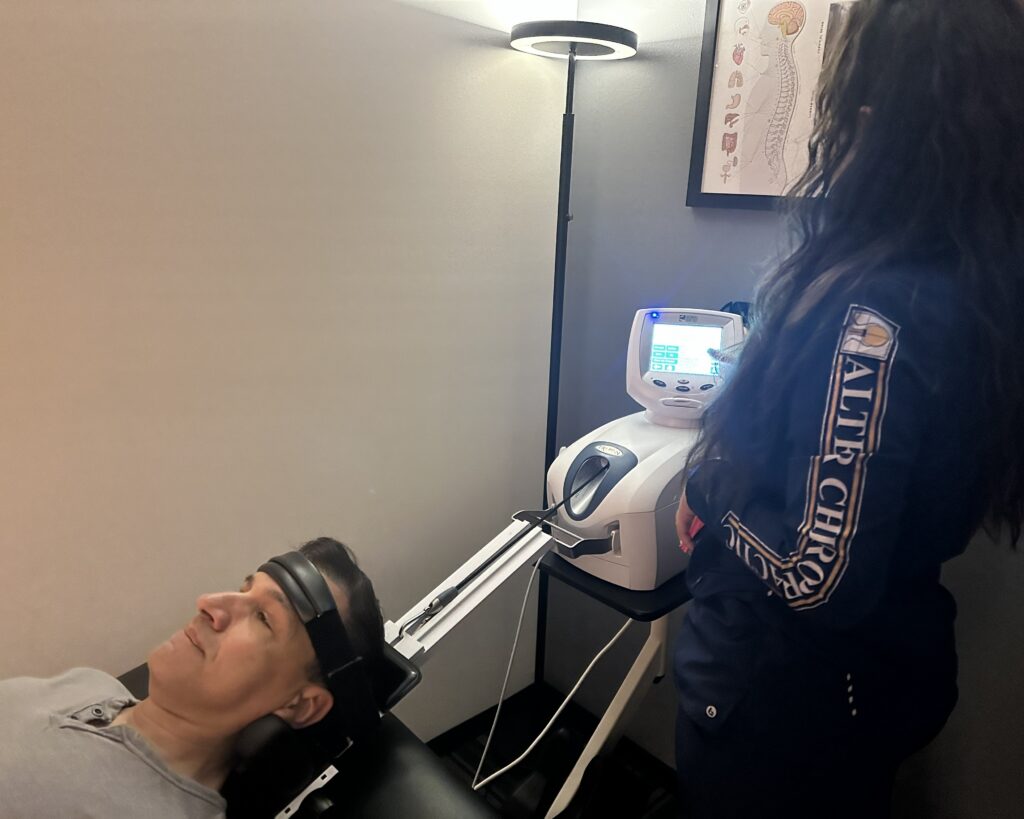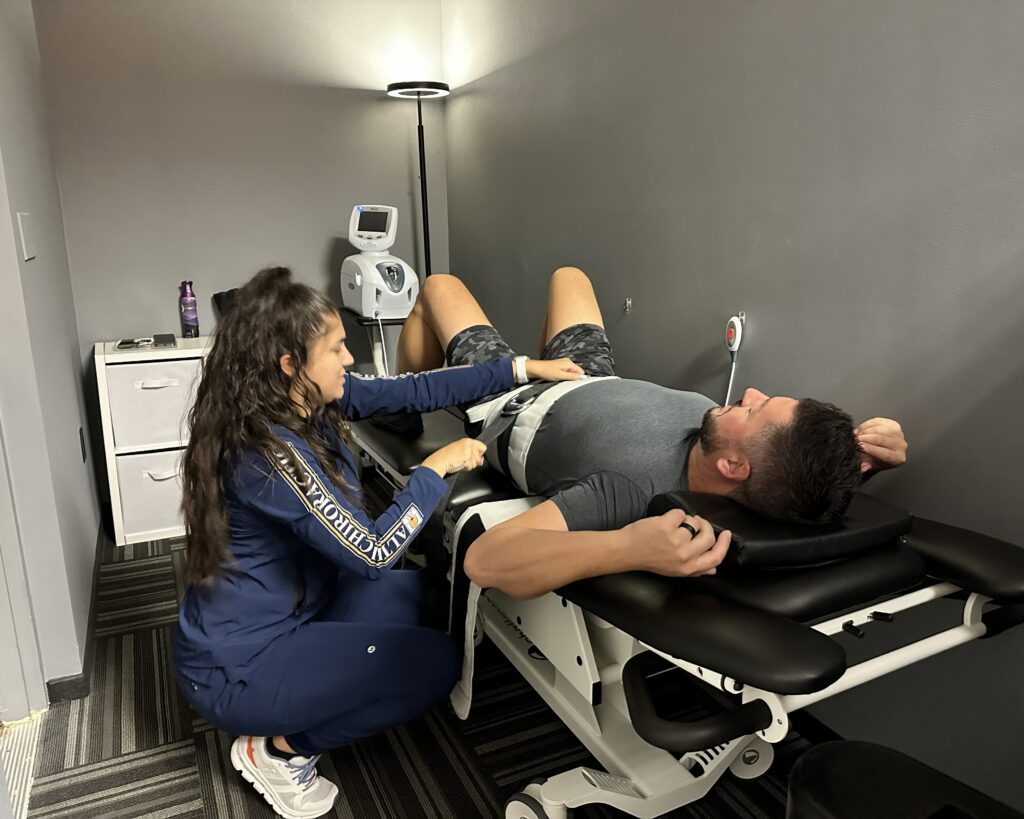

If you experience migraines, you may be surprised to discover how chiropractic care can significantly help. Many people don’t realize the strong link between spine health and headache relief. By focusing on your spine’s alignment and function, chiropractic adjustments can address underlying issues, potentially reducing the frequency and intensity of your migraines.
Curious about how this works? Let’s delve into some effective chiropractic strategies that may offer you the relief you’ve been searching for.
- Spinal Adjustments: One of the primary techniques used by chiropractors involves spinal adjustments. These gentle manipulations can help restore proper alignment to your spine, enhancing your overall nervous system function. When your spine is in alignment, it can decrease tension in your neck and shoulders, which are common migraine triggers.
- Posture Correction: Poor posture can contribute to spinal misalignment and increased headache frequency. A chiropractor can provide guidance on maintaining a healthy posture throughout your daily activities, which can significantly reduce strain on your spine.
- Lifestyle Advice: Chiropractic care isn’t just about adjustments. I often provide advice on lifestyle changes that can help prevent migraines, such as stress management techniques, hydration, and proper nutrition. These small adjustments in your daily routine can lead to significant improvements in your overall health and well-being.
- Neck and Shoulder Relaxation: Many people hold tension in their neck and shoulders, which can trigger migraines. Chiropractors can use specific techniques to relieve this tension, promoting relaxation and reducing the likelihood of headaches.
- Exercises and Stretching: Incorporating specific exercises and stretches into your routine can strengthen your spine and improve flexibility. I can recommend exercises tailored to your needs that help keep your spine healthy and may prevent future migraines.
Remember, chiropractic care is a natural, non-invasive approach to health and wellness. If you’re looking for a way to alleviate migraines without medications or surgeries, consider exploring chiropractic options. It’s a safe and effective choice for achieving optimal health and living a pain-free life. Your journey to relief starts with understanding your spine and taking proactive steps toward better health!
Understanding Migraines: Causes and Symptoms
Migraines can be more than just a bad headache; they often come with a variety of debilitating symptoms that can significantly impact your quality of life. Many people experience intense throbbing pain, usually on one side of the head, accompanied by nausea, vomiting, and heightened sensitivity to light and sound. These symptoms can make it challenging to focus on daily activities or even carry out simple tasks.
While the exact causes of migraines aren’t completely understood, several common triggers have been identified. Factors such as stress, hormonal changes, certain foods, and environmental influences can play a role in initiating a migraine. It’s also important to note that lack of sleep or dehydration can exacerbate these symptoms.
As a chiropractor, I want to help you manage your migraines in a natural and effective way. One of the best steps you can take is to identify your specific triggers. Keeping a diary of your symptoms, along with any potential triggers, can be incredibly helpful. By recognizing what can provoke your migraines, you can take proactive steps to reduce their frequency and severity.
In addition to tracking your triggers, consider incorporating some simple wellness practices into your daily routine. Regular chiropractic adjustments can help align your spine, which may alleviate tension and improve overall nervous system function. This can lead to better stress management and may even help reduce the intensity and frequency of migraines.
Additionally, staying hydrated, practicing relaxation techniques such as yoga or meditation, and ensuring you get adequate sleep can contribute to your overall well-being. Eating a balanced diet and avoiding known food triggers can also support your journey toward a healthier, migraine-free life.
The Connection Between Spine Health and Migraines
Your spine’s alignment is crucial when it comes to the frequency and intensity of migraines. When your spine is misaligned, it can create nerve interference, which may exacerbate your discomfort. This connection highlights the importance of chiropractic care as a natural and effective approach to managing migraine pain.
By focusing on spinal health, chiropractic treatments can help restore proper alignment, reducing nerve interference and ultimately alleviating your migraines. Regular chiropractic adjustments not only help with pain relief but also promote overall wellness, allowing your body to function at its best.
To support your spinal health and reduce the likelihood of migraines, consider these simple tips:
- Maintain Good Posture: Be mindful of your posture, especially when sitting for long periods. Use ergonomic chairs and take breaks to stretch and move around.
- Stay Hydrated: Dehydration can trigger headaches, so make sure you’re drinking plenty of water throughout the day.
- Manage Stress: Stress can lead to tension in your neck and shoulders, which may contribute to migraines. Incorporate relaxation techniques like deep breathing or yoga into your routine.
- Regular Chiropractic Visits: Schedule routine chiropractic adjustments to keep your spine aligned and reduce the risk of nerve interference. Your chiropractor can provide personalized care tailored to your specific needs.
By prioritizing your spinal health through chiropractic care, you can take significant steps toward reducing migraines and enhancing your overall well-being.
Spine Alignment and Migraines
As a local chiropractor, I want to share some important insights about the connection between spine alignment and migraines. While many factors can contribute to migraines, the alignment of your spine is vital for maintaining overall head and neck health.
When your spine is out of alignment, it can lead to tension and pressure in the muscles and nerves surrounding it, which can trigger headaches and migraines. To keep your body functioning efficiently and reduce the likelihood of migraine triggers, it’s essential to focus on proper spinal alignment.
Regular chiropractic adjustments can help improve your posture, relieve stress on your spine, and ultimately offer relief from migraines. By prioritizing your spine health, you’re not just addressing the symptoms; you’re tackling the root cause of your discomfort.
Here are some simple tips to help maintain healthy spine alignment and potentially reduce migraine occurrences:
- Practice Good Posture: Be mindful of how you sit and stand throughout the day. Keeping your shoulders back and your head aligned over your spine can help prevent strain on your neck and back.
- Stay Active: Engaging in regular physical activity helps strengthen the muscles that support your spine. Simple exercises like walking, stretching, or yoga can make a significant difference.
- Hydrate: Staying well-hydrated helps maintain the health of your discs and spinal structures. Aim for at least eight glasses of water a day.
- Limit Screen Time: If you spend long hours in front of a computer or device, take breaks to stretch and adjust your posture. Consider using a stand-up desk or ergonomic chair to support your spine.
- Schedule Regular Chiropractic Visits: Regular adjustments can help keep your spine in alignment, reduce stress, and promote natural healing.
Nerve Interference and Pain
When your spine is out of alignment, it can create nerve interference that leads to pain and discomfort, including migraines. This interference affects how your brain communicates with your body, making you more sensitive to pain signals.
You may notice tension building in your neck and shoulders, which can make your headaches even worse. Chiropractic care is all about realigning the spine to relieve this nerve interference and help restore normal nerve function.
By targeting the root cause of your migraines, you can significantly reduce their frequency and intensity. Regular chiropractic adjustments not only support better spine health but also enhance your overall well-being.
If you’re struggling with migraines, I encourage you to consider how chiropractic care might help. Here are a few tips to keep in mind for managing your headaches:
- Stay Hydrated: Drink plenty of water throughout the day to stay hydrated, as dehydration can contribute to headaches.
- Practice Good Posture: Be mindful of your posture, especially when sitting at a desk or using your phone. Keeping your back straight and your shoulders relaxed can help prevent tension.
- Take Breaks: If you’re working for long periods, take regular breaks to stretch and move around to reduce tension in your muscles.
- Manage Stress: Incorporate relaxation techniques such as deep breathing, meditation, or yoga into your daily routine to help manage stress levels.
- Regular Chiropractic Visits: Make it a habit to visit your chiropractor regularly. Consistent adjustments can help maintain spinal alignment and prevent migraines from occurring.
How Chiropractic Care Works
Chiropractic care is all about the powerful connection between your spine and nervous system, which plays a crucial role in your overall health and well-being. When your spine is misaligned, it can disrupt how your nerves function, potentially leading to discomfort and symptoms like migraines. By using gentle adjustments to realign your spine, chiropractors can help reduce this interference, allowing your nervous system to operate at its best.
When your spine is properly aligned, you may notice an improvement in blood flow and a reduction in muscle tension. This creates a supportive environment for your body to heal itself, which can lead to fewer migraines and a greater sense of well-being.
Plus, chiropractic care often includes practical lifestyle advice, such as simple exercises and tips for improving your posture. These recommendations can further enhance your recovery and help you maintain a healthier lifestyle.
In a nutshell, chiropractic care empowers you to take charge of your health in a natural way. It offers a holistic approach to managing migraines and promotes overall wellness without the need for surgery or medications. By choosing chiropractic care, you’re not just treating symptoms—you’re working towards a healthier, more balanced life.
Common Chiropractic Techniques for Migraine Relief
When it comes to finding relief from migraines, chiropractic care stands out as a natural and effective option. Chiropractors utilize gentle spinal manipulation techniques to realign your spine, which can help alleviate tension that often contributes to migraine pain. This is a holistic approach that not only targets the source of your discomfort but also promotes overall wellness.
In addition to spinal adjustments, you may benefit from soft tissue therapy, which focuses on muscles and connective tissues. This technique helps to ease pain and tension, providing you with a more comprehensive approach to migraine relief. By addressing both the spine and the surrounding muscles, chiropractic care can create a significant impact on your health and well-being.
Here are a few general tips to help manage migraines naturally:
- Stay Hydrated: Dehydration can trigger migraines, so make sure to drink plenty of water throughout the day.
- Maintain a Regular Sleep Schedule: Consistent sleep patterns can help reduce the frequency and severity of migraines.
- Practice Relaxation Techniques: Stress is a common trigger for migraines. Incorporating activities like yoga, meditation, or deep breathing exercises can be beneficial.
- Limit Caffeine and Alcohol: Both substances can contribute to migraine headaches. Moderation is key.
- Keep a Migraine Diary: Tracking your migraines can help identify triggers and patterns, allowing you to make informed lifestyle choices.
Spinal Manipulation Techniques
Migraines can be incredibly challenging to deal with, but I want to share how spinal manipulation techniques can be an effective natural solution. These techniques aim to align your spine, which can help relieve tension and improve blood flow—both important factors in managing migraines.
As a chiropractor, I utilize specific adjustments to address misalignments or areas of stress in your body. By doing this, we can work together to reduce the frequency and intensity of your migraines. Depending on your comfort level, I may use a variety of methods, from gentle adjustments to more targeted high-velocity thrusts.
Restoring proper alignment is key to enhancing your nervous system’s function and reducing pain signals that can contribute to migraines. Many of my patients have reported significant improvements in their symptoms after a series of chiropractic treatments, and I believe you could experience similar results.
If you’re struggling with migraines, I encourage you to explore spinal manipulation with me. Together, we can develop a personalized plan that addresses your specific needs.
Additionally, here are some simple tips to help you manage migraines:
- Stay Hydrated: Drink plenty of water throughout the day as dehydration can trigger migraines.
- Maintain Good Posture: Pay attention to your posture while sitting and standing. Good alignment can help prevent tension buildup.
- Manage Stress: Incorporate relaxation techniques like deep breathing, yoga, or meditation into your daily routine.
- Regular Exercise: Engage in gentle physical activity, such as walking or stretching, to improve circulation and reduce stress.
- Limit Caffeine and Alcohol: Both substances can impact your hydration levels and may trigger migraines in some people.
Chiropractic care is a wonderful option for natural pain relief and wellness. If you’re ready to take the next step towards a healthier, migraine-free life, reach out to me to discuss how spinal manipulation can work for you.
Soft Tissue Therapy
Soft tissue therapy is a vital component in easing migraine symptoms by focusing on the muscles and connective tissues that can lead to tension and discomfort. In your chiropractic session, I may utilize techniques such as massage, trigger point therapy, or myofascial release.
These methods work to relax tight muscles, improve blood flow, and reduce inflammation, all of which can contribute to relief from migraines. Many of my patients report feeling a noticeable difference right away, as the tension dissipates and their range of motion improves.
Incorporating regular soft tissue therapy into your chiropractic care plan can also help prevent future migraines by addressing the underlying issues that may be contributing to them. This proactive approach not only aids in managing your migraines effectively but also enhances your overall well-being.
To maximize the benefits of soft tissue therapy and chiropractic care, consider these simple tips:
- Stay hydrated: Drinking plenty of water can help keep your muscles healthy and reduce tension.
- Practice good posture: Maintaining proper alignment while sitting, standing, and sleeping can alleviate stress on your spine and muscles.
- Incorporate relaxation techniques: Activities such as deep breathing, yoga, or gentle stretching can help keep tension at bay.
Remember, consistency is key in achieving long-term relief and optimal health. By choosing chiropractic care, you’re making a natural and effective choice for pain relief and wellness.
Let’s work together on your journey to better health!
The Role of Spinal Adjustments
Spinal adjustments are a vital part of managing migraines, as they target the tension and misalignments that can trigger headaches. When you come to my practice, I’ll carefully assess your spine to identify any areas that may not be functioning optimally. Through precise adjustments, I can help restore proper alignment, which in turn reduces stress on your nervous system and improves blood flow.
Many of my patients experience a noticeable decrease in the frequency and intensity of their migraines after receiving these adjustments. Some feel immediate relief, while others notice a gradual improvement over time. Additionally, many find that their overall well-being improves, making it easier to handle the triggers that usually lead to migraines.
Incorporating spinal adjustments into your migraine management plan can truly be a game changer. I encourage you to discuss this approach with me, so we can tailor it to fit your overall wellness strategy and lifestyle.
Here are a few general tips to consider for managing migraines naturally:
- Stay Hydrated: Dehydration can contribute to headaches, so make sure you’re drinking plenty of water throughout the day.
- Maintain Good Posture: Poor posture can lead to spinal misalignments. Be mindful of your posture, especially when sitting for long periods.
- Regular Exercise: Engaging in regular physical activity can help reduce stress and tension, both of which are common migraine triggers.
- Manage Stress: Incorporate relaxation techniques such as deep breathing, yoga, or meditation into your daily routine.
- Healthy Diet: Pay attention to your diet and identify any foods that may trigger your migraines. Eating balanced meals can help maintain your overall health.
Additional Therapies Offered by Chiropractors
As a local chiropractor, I want to share with you some valuable insights into additional therapies that can significantly enhance your approach to managing migraines. While spinal adjustments are a cornerstone of chiropractic care, there are several complementary therapies that can help you find relief and promote overall wellness.
One effective method is soft tissue therapy, including techniques like myofascial release and trigger point therapy. These therapies target the muscle tension that may be contributing to your headaches, helping to alleviate discomfort.
Additionally, I often recommend personalized stretching and strengthening exercises. These simple movements can help build resilience in your body and prevent future migraine episodes.
In my practice, I also utilize helpful modalities like electrical stimulation or ultrasound therapy. These techniques can assist in reducing pain and inflammation, providing you with a sense of relief.
Another integral part of your wellness journey may include nutritional counseling. Making mindful dietary choices can help you identify and avoid migraine triggers, empowering you to take charge of your health.
Lifestyle modifications can also play a significant role in managing migraines. I often suggest incorporating stress management techniques, such as mindfulness or yoga, into your daily routine. These practices can profoundly impact the frequency and intensity of your migraines, leading to a more balanced life.
By integrating these additional therapies into your chiropractic care plan, you’re taking a comprehensive approach to managing your migraines and improving your overall health.
Evidence Supporting Chiropractic Treatment for Migraines
Chiropractic care has emerged as a highly effective option for those suffering from migraines. Research consistently shows that spinal manipulation, a key aspect of chiropractic treatment, can significantly reduce both the frequency and intensity of migraine episodes. For example, in one study, patients who received chiropractic adjustments reported experiencing fewer migraines and less severe pain than those who didn’t seek chiropractic care.
In addition to reducing migraine occurrences, a comprehensive review of clinical trials highlighted that chiropractic treatment also enhances overall quality of life for many patients. Many individuals find that after just a few sessions, they experience notable pain relief, making chiropractic care an excellent choice for managing migraines naturally.
What sets chiropractic care apart is the personalized approach that chiropractors take. We often craft tailored treatment plans that may include specific exercises and posture corrections, which can further boost the effectiveness of your care. By addressing underlying spinal issues and ensuring that your body is aligned properly, chiropractic treatment can help you achieve lasting relief from migraines, allowing you to enjoy life to the fullest.
Here are a few general tips to complement your chiropractic care and support your journey toward better health:
- Stay Hydrated: Dehydration can trigger migraines, so make sure to drink plenty of water throughout the day.
- Maintain Good Posture: Whether sitting at a desk or using your phone, being mindful of your posture can help reduce strain on your spine.
- Practice Relaxation Techniques: Stress can be a significant factor in migraines. Techniques such as deep breathing, yoga, or meditation can help keep stress levels in check.
- Get Regular Exercise: Engaging in physical activity can improve circulation and reduce tension in your muscles, which may help in preventing migraines.
- Establish a Sleep Routine: Aim for consistent sleep patterns, as irregular sleep can contribute to the onset of migraines.
Lifestyle and Nutritional Considerations
Identifying dietary triggers is essential in managing your migraines, as certain foods can provoke your symptoms.
As a chiropractor, I want to emphasize that understanding how your diet affects your body is a vital part of taking control of your health. Alongside this, staying properly hydrated is crucial; dehydration can significantly increase the intensity of headaches.
By making these lifestyle adjustments, such as keeping a food diary to track potential triggers and ensuring you drink enough water throughout the day, you can take important steps toward reducing your migraine frequency.
Additionally, consider incorporating regular chiropractic care into your wellness routine. Chiropractic adjustments can help optimize spinal alignment, which may relieve tension and improve overall body function.
This holistic approach not only targets pain relief but also supports your body’s natural ability to heal itself.
Dietary Triggers Identification
Many people may not realize the significant role that diet plays in managing migraines, and understanding your dietary triggers can be an essential part of achieving overall wellness. As a chiropractor, I encourage you to explore how your food choices might be affecting your health. Keeping a food diary can be a great starting point. Track what you eat and note when your migraines occur to identify patterns.
Common dietary culprits often include aged cheeses, processed meats, artificial sweeteners, and alcohol. However, it’s important to remember that everyone’s triggers can vary, so pay attention to how different foods affect you personally. Once you pinpoint potential triggers, you can try eliminating them from your diet one at a time to see if your symptoms improve.
In addition to monitoring your diet, consider how chiropractic care can support your overall health and well-being. Regular chiropractic adjustments can help alleviate tension in the body and promote a healthier nervous system, which may contribute to fewer migraine episodes.
Staying hydrated, eating a balanced diet rich in whole foods, and maintaining a regular sleep schedule are also key factors in managing migraines. Remember, your body is unique, so finding the right approach for you is essential.
Lastly, don’t hesitate to consult with a healthcare professional or a nutritionist who understands the connection between diet and migraines. Together, we can work towards a holistic approach to your health.
Hydration Importance
Staying properly hydrated is crucial for managing migraines, as even mild dehydration can trigger headaches and worsen symptoms. That feeling of thirst? It’s your body’s way of saying it needs more water. To help keep migraines at bay, aim to drink at least eight glasses of water a day, but feel free to adjust that based on how active you’re and the climate you live in.
In addition to plain water, think about incorporating herbal teas or water-rich fruits and vegetables into your daily routine. These can’t only help with hydration but also provide essential nutrients that support your overall health and wellness.
It’s wise to limit caffeine and alcohol, as they can contribute to dehydration. Keeping a water bottle nearby can serve as a gentle reminder to hydrate throughout your day. By prioritizing hydration, you may notice a reduction in the frequency and intensity of your migraines, making daily life more manageable.
While hydration is key, don’t forget that chiropractic care plays an important role in achieving optimal health. Regular chiropractic adjustments can help align your spine and improve your body’s overall function, which can enhance your ability to stay hydrated and manage pain.
What to Expect During Your First Chiropractic Visit
When you arrive for your first chiropractic visit, you can expect a warm welcome and a comprehensive assessment of your health. As your chiropractor, I’ll take the time to discuss your medical history, including any migraine triggers, symptoms, and previous treatments you’ve tried. This helps us understand your unique situation better.
During the visit, I’ll perform a physical examination to evaluate your posture, spinal alignment, and overall health. This step is crucial, as your spine plays a significant role in your overall well-being. A balanced spine contributes to better function and can reduce discomfort.
Once we gather this information, I’ll explain my findings and discuss potential treatment options tailored specifically to your needs. Many patients find relief from their migraines through gentle spinal adjustments, which help to alleviate tension and restore proper alignment. You may even receive your first adjustment during this visit, setting the stage for your journey towards better health.
Remember, your comfort and understanding are of utmost importance. Don’t hesitate to ask questions or express any concerns you may have. It’s essential to feel confident in your care.
As you embark on this path to wellness, here are some general tips to support your health:
- Stay Hydrated: Drinking enough water can help reduce the frequency of migraines and keep your body functioning optimally.
- Maintain Good Posture: Be mindful of your posture, especially when sitting for long periods. Good alignment can prevent unnecessary strain on your spine.
- Practice Relaxation Techniques: Stress can trigger migraines, so incorporating methods like deep breathing, yoga, or meditation can be beneficial.
- Regular Movement: Incorporate gentle exercises or stretching into your routine to keep your body active and your spine healthy.
Your first visit lays the groundwork for your personalized treatment plan, guiding you towards alleviating your migraines and enhancing your overall well-being through the power of chiropractic care.
Together, we can work towards achieving optimal health naturally!
Finding the Right Chiropractor for Migraine Management
Finding the right chiropractor to help manage your migraines can be an important step toward achieving optimal health and wellness. To begin your journey, focus on locating chiropractors in your area who specialize in treating migraines naturally. Look for practitioners with solid credentials, relevant experience, and positive patient reviews that highlight their effectiveness.
Don’t hesitate to reach out to friends, family, or your healthcare provider for recommendations. Personal experiences can guide you to a chiropractor who may be a perfect fit for your needs. Once you have a shortlist, schedule consultations to get a feel for their approach and how well they connect with you.
During these consultations, you should openly discuss your migraine history and any treatments you’ve previously tried. A skilled chiropractor will attentively listen and devise a personalized care plan that suits your unique situation. Be sure to inquire about their techniques, such as spinal manipulation and other natural therapies, to ensure they resonate with your preferences for treatment.
Trust your instincts when selecting a chiropractor; it’s essential to feel comfortable and confident in the care you receive. Additionally, consider practical factors like location, office hours, and whether they accept your insurance. These details can contribute to a smoother and more enjoyable treatment experience.
Remember, chiropractic care focuses on addressing the root causes of your pain and enhancing your overall health through natural methods. By choosing chiropractic care for your migraine management, you may discover a powerful ally in your journey toward relief and wellness.
Embrace the potential of a healthier, pain-free life through the benefits of chiropractic adjustments and holistic healing.
Conclusion
Chiropractic care provides a powerful, holistic approach to managing migraines by focusing on spinal alignment and reducing nerve interference. Understanding the vital link between spine health and migraines empowers you to take proactive steps toward relief.
Chiropractors utilize a variety of techniques to address your specific needs, ensuring that your treatment plan is both effective and personalized. By choosing chiropractic care, you are opting for a natural solution that prioritizes your overall wellness without the need for medications or invasive procedures.
Here are some practical tips to enhance your journey towards migraine relief:
- Maintain Good Posture: Poor posture can contribute to spinal misalignment, which may trigger migraines. Focus on sitting and standing tall to help keep your spine in alignment.
- Stay Hydrated: Dehydration can lead to headaches and migraines. Aim to drink plenty of water throughout the day.
- Regular Exercise: Engaging in regular physical activity can help reduce stress and tension, which are common migraine triggers. Consider activities like walking, yoga, or swimming.
- Manage Stress: Incorporate relaxation techniques such as deep breathing, meditation, or gentle stretching into your daily routine to help manage stress levels.
- Sleep Hygiene: Prioritize getting enough restful sleep. Create a calming bedtime routine and aim for a consistent sleep schedule.
By embracing chiropractic care and these simple lifestyle changes, you could experience fewer migraines and enjoy improved overall health. Don’t hesitate to reach out to your local chiropractor—they’re eager to help you take charge of your health and find the relief you deserve.