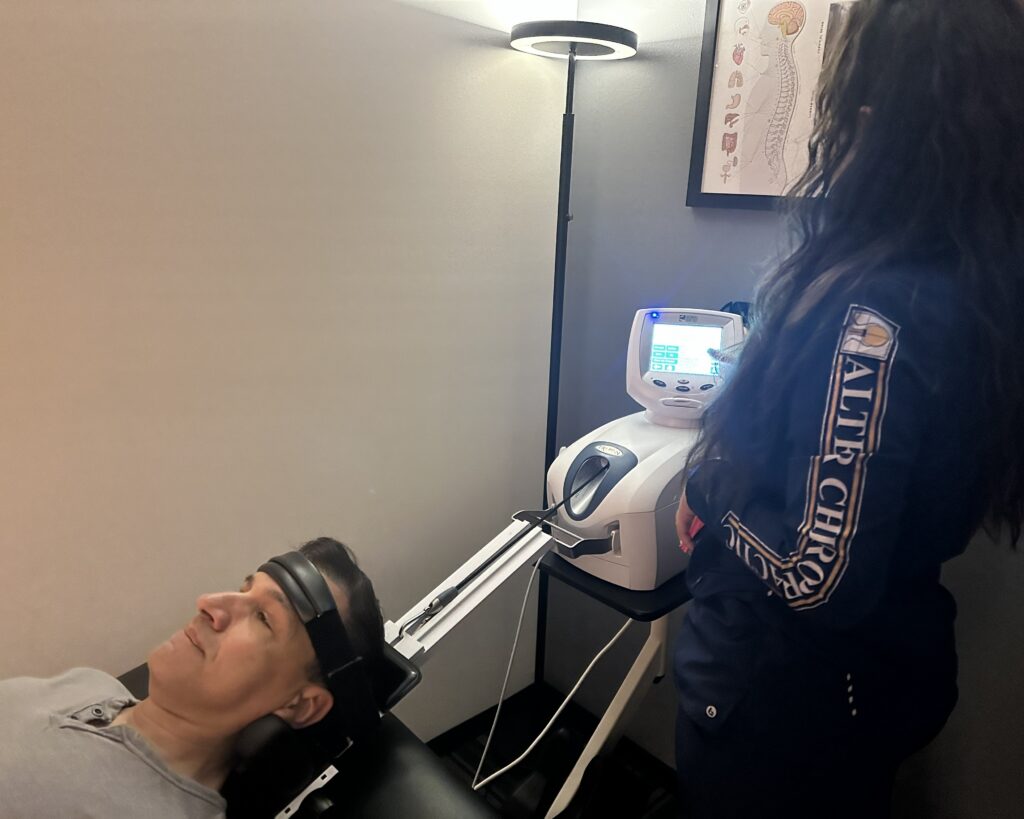

If you’re dealing with chronic headaches, you may be surprised to discover how closely they’re tied to your spinal health. Many individuals overlook this important connection, but chiropractic care could provide the relief you’ve been searching for. By recognizing the different types of headaches you experience and understanding how spinal alignment impacts your overall well-being, you can make informed decisions about your health.
Chiropractic care focuses on the alignment of the spine, which plays a crucial role in how your nervous system functions. Misalignments, or subluxations, can lead to tension and discomfort, often resulting in headaches. Through gentle adjustments, a chiropractor can help restore proper alignment, alleviating pain and tension.
Here are some practical strategies you can implement to manage your headaches effectively:
- Stay Hydrated: Dehydration can trigger headaches, so make sure you’re drinking enough water throughout the day.
- Posture Awareness: Pay attention to your posture, especially if you spend long hours sitting at a desk. Keeping your back straight and shoulders relaxed can reduce strain on your spine.
- Regular Chiropractic Visits: Regular check-ups with a chiropractor can help maintain spinal health and prevent headaches from recurring.
- Stress Management: Incorporate relaxation techniques such as deep breathing, meditation, or yoga into your routine. Reducing stress can greatly impact headache frequency and intensity.
- Sleep Hygiene: Ensure you’re getting adequate sleep and maintaining a consistent sleep schedule. Poor sleep can lead to increased headache occurrences.
- Exercise Regularly: Engage in regular physical activity to strengthen your muscles and improve spinal health. Even simple stretches can be beneficial.
- Mind Your Diet: Certain foods can trigger headaches for some people. Keep a food diary to identify any potential triggers in your diet.
By focusing on these natural approaches, you can take significant steps toward relieving your chronic headaches. Chiropractic care not only addresses the symptoms but also targets the underlying causes, helping you achieve optimal health and wellness. Remember, your spine is the foundation of your overall health, so give it the attention it deserves!
Key Takeaways
- Make it a priority to schedule regular chiropractic visits. This helps keep your spine aligned, which can significantly reduce the frequency of headaches and promote overall wellness.
- Pay close attention to your posture, especially when sitting. Maintaining a good posture can help decrease muscle tension and strain, ultimately leading to fewer headaches.
- Hydrate! Aim to drink at least eight glasses of water each day. Staying well-hydrated is a simple yet effective way to prevent headaches caused by dehydration.
- Consider incorporating stress management techniques into your daily routine. Practices like yoga and meditation not only help relax your mind but also ease tension in your body, which can reduce the occurrence of tension headaches.
- Keep track of your headache patterns. If you notice that your headaches persist or worsen, it’s important to reach out to a healthcare professional who understands the benefits of chiropractic care and can help you explore natural approaches to relief.
Remember, chiropractic care focuses on treating the root cause of pain and discomfort, empowering you on your journey to optimal health and wellness!
Understanding the Link Between Headaches and Spinal Health
When you experience headaches, you might be surprised to learn that your spinal health plays a crucial role in how often and how intensely they occur. Your spine is home to your nervous system, which communicates with every part of your body, including your head. If your spine is misaligned—especially in the cervical area—it can irritate nerves and create tension, leading to headaches.
An improperly aligned spine can cause muscle strain and inflammation, resulting in discomfort. This is where regular chiropractic adjustments come into play. Chiropractic care helps keep your spine aligned, alleviating pressure on nerves and significantly reducing the likelihood of headache occurrences.
To support your spinal health and potentially lessen headache frequency, here are some simple tips to incorporate into your daily routine:
- Stay Active: Regular physical activity, like walking or yoga, can help maintain your spinal alignment and strengthen the muscles that support your spine.
- Mind Your Posture: Whether sitting at a desk or using your phone, maintaining good posture can reduce strain on your neck and spine. Make sure your workstation is ergonomic.
- Stay Hydrated: Drinking plenty of water helps keep your body hydrated and can prevent headaches related to dehydration.
- Practice Relaxation Techniques: Stress can contribute to tension headaches. Techniques such as deep breathing, meditation, or gentle stretching can help you relax.
- Schedule Regular Chiropractic Visits: Regular adjustments can ensure your spine stays in alignment, which is key to overall wellness and headache prevention.
By focusing on your spinal health through chiropractic care and adopting these healthy habits, you can take important steps towards reducing headaches and achieving optimal wellness naturally.
Common Types of Headaches and Their Triggers
Headaches can vary widely in type and intensity, each with its own unique set of triggers. Tension headaches, for example, often stem from stress or poor posture, which can lead to muscle tension in the neck and shoulders.
On the other hand, migraines may be triggered by certain foods, hormonal changes, or environmental factors.
As a chiropractor, I want to emphasize the importance of understanding these differences to better address your discomfort. Many headaches can be alleviated through natural healing methods, including chiropractic care, which focuses on aligning the spine and relieving tension in the body.
Incorporating good posture into your daily routine is crucial. Make sure your workspace is ergonomically set up, and take frequent breaks to stretch and move. Staying hydrated and maintaining a balanced diet can also help reduce the frequency of headaches.
If you find yourself dealing with regular headaches, consider how chiropractic adjustments can help restore spinal alignment and promote overall wellness.
Tension Headaches Overview
Tension headaches, often described as feeling like a tight band around the head, are one of the most common types of headaches adults experience. These headaches typically arise from muscle tension, stress, or fatigue. You might notice that they develop gradually and can last anywhere from 30 minutes to several days. Common triggers include poor posture, lack of sleep, dehydration, and emotional stress. Additionally, habits like clenching your jaw or grinding your teeth can contribute to the discomfort.
As a chiropractor, I want to share some effective strategies to help you relieve tension headaches naturally and promote overall wellness. First and foremost, practicing relaxation techniques can be incredibly beneficial. Simple methods such as deep breathing exercises, meditation, or gentle yoga can help reduce stress and tension in your body.
Maintaining good posture throughout your day is also crucial. Pay attention to how you sit and stand; proper spinal alignment can help prevent headaches from developing. Staying hydrated is equally important—make sure you drink enough water throughout the day to keep your body functioning optimally.
Incorporating regular exercise and stretching into your routine can significantly reduce the frequency and intensity of tension headaches. Activities like walking, swimming, or even light stretching can help relieve muscle tension and improve blood flow.
Chiropractic care is an excellent choice for addressing tension headaches. By focusing on spinal health and alignment, chiropractors can help alleviate the underlying causes of your headaches. Regular adjustments can improve your overall well-being, reduce stress on your nervous system, and promote a healthier lifestyle.
If you find that your tension headaches persist or worsen, I encourage you to seek guidance from a chiropractor who can provide personalized care tailored to your specific needs.
Migraines and Their Triggers
Have you ever had a migraine so severe that it disrupts your everyday activities? Migraines can be incredibly overwhelming, often accompanied by nausea, sensitivity to light, and a throbbing headache. Understanding your migraine triggers is key to managing these painful experiences. Common triggers include stress, hormonal fluctuations, certain foods like aged cheese and chocolate, and environmental factors such as bright lights or strong odors. Additionally, dehydration and insufficient sleep can significantly contribute to the occurrence of migraines.
One effective way to identify your specific triggers is to keep a headache diary. By tracking your headaches and what you were doing or eating beforehand, you can start to see patterns emerge. Once you know what to avoid, you can take proactive steps towards reducing the frequency and severity of your migraines.
Chiropractic care can play a vital role in helping you manage headaches naturally. Misalignments in the spine can contribute to tension and discomfort, which may exacerbate migraines. By addressing these issues through gentle adjustments, chiropractors can help restore proper alignment, reduce muscle tension, and improve overall function in your body.
In addition to seeking chiropractic care, here are a few general tips you can incorporate into your daily routine for better migraine management:
- Stay Hydrated: Make sure to drink plenty of water throughout the day to prevent dehydration.
- Prioritize Sleep: Aim for a consistent sleep schedule to ensure your body gets the rest it needs.
- Manage Stress: Practice relaxation techniques such as deep breathing, yoga, or meditation to help keep stress levels in check.
- Monitor Your Diet: Pay attention to how certain foods affect you and try to avoid known triggers.
By integrating these practices with regular chiropractic care, you can take charge of your health and work towards a life with fewer migraines and improved overall wellness.
The Role of Chiropractic Adjustments in Headache Relief
Headaches are a common issue that many people face, but did you know that chiropractic adjustments can provide effective relief? These adjustments are all about ensuring your spine is properly aligned, which is crucial for reducing the frequency and intensity of headaches. When your spine is out of alignment, it can create tension in the neck and shoulders, leading to discomfort and pain.
By visiting a chiropractor, you can receive specialized adjustments that help realign your spine, relieving stress on your nervous system. This process can enhance blood circulation and reduce muscle tension, which often leads to a decrease in headache symptoms.
Chiropractic care goes beyond just adjustments; it focuses on your overall wellness. Your chiropractor may suggest additional techniques or therapies to support your healing journey and enhance your well-being. Many patients have experienced significant improvements in their headaches with regular chiropractic visits, finding a natural and effective solution without relying on medications.
In addition to chiropractic adjustments, there are some simple tips you can incorporate into your daily routine to help manage headaches. Staying hydrated, practicing good posture, and incorporating gentle neck stretches can all contribute to reducing tension and discomfort.
If you’re ready to explore a holistic approach to headache relief, consider chiropractic care as your go-to option for achieving optimal health and wellness.
Lifestyle Changes to Complement Chiropractic Care
Incorporating lifestyle changes can significantly amplify the benefits of chiropractic care, especially for those seeking relief from headaches. To start, take a moment to assess your daily habits. One simple yet effective change is to ensure you’re drinking plenty of water throughout the day. Dehydration is a common headache trigger, so keeping hydrated is crucial.
Next, let’s talk about posture—an essential aspect of spinal health. If you find yourself seated at a desk for long periods, it’s important to focus on maintaining good posture. Simple ergonomic adjustments, like using a chair that supports your lower back and positioning your computer screen at eye level, can help prevent unnecessary strain on your neck and back.
Regular physical activity is another cornerstone of overall wellness and headache prevention. Try to engage in at least 30 minutes of moderate exercise most days of the week. This doesn’t have to be intense; even a brisk walk can help relieve tension and boost your mood.
Don’t forget about the impact of nutrition on your health. Eating a balanced diet rich in magnesium and omega-3 fatty acids can be beneficial for headache prevention and overall wellness. Incorporate foods like leafy greens, nuts, and fatty fish into your meals to support your body’s needs.
Finally, let’s talk about the importance of sleep. Aiming for 7-9 hours each night and sticking to a consistent sleep schedule can greatly enhance your well-being. Quality sleep allows your body to heal and rejuvenate, which complements the benefits of chiropractic care.
By making these simple lifestyle adjustments, you can create a supportive environment that enhances your chiropractic treatments, leading to more effective relief from headaches and promoting your overall health.
Self-Care Techniques for Managing Chronic Headaches
To manage chronic headaches effectively, it’s essential to incorporate self-care techniques that can significantly improve your well-being. As a chiropractor, I emphasize the importance of maintaining a healthy lifestyle, which includes staying hydrated and eating nutritious foods. These simple habits can play a crucial role in alleviating headache symptoms.
Stress management is another key factor in reducing headache frequency and intensity. Techniques such as deep breathing, meditation, or gentle yoga can help calm your mind and relieve tension in your body.
Additionally, prioritizing good sleep hygiene—such as maintaining a consistent sleep schedule and creating a restful environment—can greatly enhance your overall wellness and contribute to headache relief.
One of the most effective ways to address chronic headaches is through chiropractic care. Chiropractic adjustments can help align your spine, reducing nerve interference and promoting optimal function throughout your body.
This natural approach not only targets the root causes of headaches but also supports your body’s innate ability to heal itself.
Hydration and Nutrition
Staying properly hydrated and maintaining a balanced diet can significantly enhance your overall health and wellness, especially when it comes to managing chronic headaches. When you’re well-hydrated, your body can function optimally, which may help reduce the frequency and intensity of headaches.
Additionally, nourishing your body with the right foods provides essential nutrients that support brain health and overall well-being.
As a local chiropractor, I believe that a holistic approach to health—one that includes proper hydration and nutrition—can be incredibly beneficial for pain relief and wellness. Here are some simple tips to help you improve your hydration and nutrition:
- Drink plenty of water: Aim for at least eight glasses a day. Staying hydrated is key to keeping your body functioning well.
- Limit caffeine and alcohol: Both of these can dehydrate you, which may worsen headache symptoms.
- Eat regular meals: Skipping meals can lead to headaches, so try to maintain a consistent eating schedule.
- Incorporate fruits and vegetables: These foods aren’t only rich in water but also provide essential nutrients that support your overall health.
- Balance your diet: Make sure to include proteins, whole grains, and healthy fats to give your body what it needs to thrive.
Remember, chiropractic care is a natural and effective way to address pain and promote overall wellness.
Stress Management Strategies
Managing chronic headaches can often stem from addressing underlying stress, which may worsen your symptoms. As a chiropractor, I believe that incorporating effective stress management strategies not only aids in alleviating headache pain but also enhances overall wellness. Here are some practical techniques you can add to your daily routine to help manage stress and support your natural healing process:
| Technique | Description | Frequency |
|---|---|---|
| Deep Breathing | Focus on taking slow, deep breaths to promote relaxation and reduce tension in your body. | As needed |
| Mindfulness | Practice being present in the moment; this can help you become aware of your body’s signals and responses. | Daily |
| Physical Activity | Engage in gentle activities like walking, yoga, or stretching; these can help improve circulation and reduce muscle tension. | 3-5 times a week |
| Time Management | Prioritize your daily tasks to minimize overwhelm and create a more balanced lifestyle. A weekly review can help keep you on track. | Weekly review |
As you explore these techniques, don’t forget that chiropractic care plays a vital role in your journey toward optimal health. Regular adjustments can help align your spine, reduce tension, and promote overall wellness, making it easier to implement these stress management strategies effectively. Remember, living a healthier life is about finding what works for you and supporting your body naturally.
Sleep Hygiene Practices
Quality sleep is vital for reducing the frequency and intensity of chronic headaches. As a chiropractor, I understand how essential good rest is for overall health, particularly for spinal health and natural healing.
Establishing effective sleep hygiene practices can improve your sleep quality and, in turn, enhance your well-being. Here are some simple tips to help you achieve better sleep and support your chiropractic care:
- Stick to a Regular Sleep Schedule: Going to bed and waking up at the same time every day, even on weekends, helps regulate your body’s internal clock, which can lead to deeper, more restorative sleep.
- Create a Calming Bedtime Routine: Engaging in calming activities before bed, like gentle stretching or relaxation techniques, can signal your brain that it’s time to unwind. This is especially beneficial for those with tension headaches.
- Optimize Your Sleep Environment: Keep your bedroom dark, cool, and quiet. A comfortable sleeping space is crucial for allowing your body to relax and heal, and it complements the benefits of chiropractic adjustments.
- Limit Screen Time Before Bed: Reducing exposure to screens in the evening can help your body produce melatonin, the hormone responsible for sleep. This simple change can make a big difference in your sleep quality.
- Mind Your Evening Intake: Try to avoid caffeine and heavy meals in the evening, as they can disrupt your sleep. Instead, opt for light snacks if you’re hungry, and consider herbal teas known for their calming effects.
By incorporating these sleep hygiene practices, you can enhance your rest quality, support your body’s natural healing processes, and work towards optimal health with chiropractic care.
When to Seek Professional Help for Chronic Headaches
Are you dealing with chronic headaches and wondering when it’s time to seek professional help? If your headaches are sticking around despite trying over-the-counter pain relievers, it’s definitely a good idea to consult a healthcare professional—especially a chiropractor!
Chiropractic care focuses on the health of your spine and nervous system, which can play a significant role in headache relief. If your headaches are affecting your daily activities or seem to be getting worse, don’t wait to get help.
It’s important to pay attention to any additional symptoms like changes in vision, numbness, or severe nausea, as these could suggest something more serious. If you’ve noticed a sudden change in how often or how intensely your headaches occur, reaching out for assistance is key.
Regular headaches can often be linked to structural issues in the body, which a chiropractor can assess. They can help identify the root causes of your pain and develop a tailored treatment plan to address them naturally.
Here are a few tips to help manage your headaches in the meantime:
- Stay Hydrated: Dehydration can trigger headaches, so make sure you’re drinking plenty of water throughout the day.
- Practice Good Posture: Poor posture can lead to tension in your neck and shoulders, contributing to headaches. Be mindful of how you sit and stand.
- Manage Stress: Incorporate relaxation techniques such as deep breathing, yoga, or meditation into your routine to help reduce stress-related headaches.
- Get Regular Exercise: Physical activity can improve blood flow and reduce tension in the body, which may help alleviate headache symptoms.
Conclusion
Incorporating chiropractic care into your routine can significantly enhance your path to chronic headache relief. Understanding the connection between your spine and headaches is crucial, as misalignments in the spine can lead to tension and discomfort. By making some simple lifestyle adjustments and prioritizing your spinal health, you can take proactive steps to reduce headache frequency and intensity.
Here are some helpful tips to consider:
- Regular Chiropractic Adjustments: Frequent visits to your chiropractor can help keep your spine aligned, reducing tension in your neck and back, which can contribute to headaches.
- Posture Awareness: Be mindful of your posture throughout the day. Whether sitting at a desk or using your phone, maintaining good posture can alleviate unnecessary strain on your spine.
- Stay Hydrated: Dehydration can lead to headaches, so make sure you are drinking enough water throughout the day to keep your body functioning optimally.
- Stress Management: Incorporate stress-reducing practices such as yoga, meditation, or deep-breathing exercises into your daily routine. These techniques not only help relax your mind but also ease tension in your body.
- Sleep Hygiene: Ensure you are getting quality sleep by maintaining a comfortable sleep environment and sticking to a consistent sleep schedule. A good night’s rest is crucial for overall health.
- Regular Exercise: Gentle exercises such as walking, stretching, or swimming can improve circulation and relieve tension in your muscles, further helping to prevent headaches.
- Self-Care Techniques: Explore self-massage or the use of heat packs on tense areas to provide relief at home. These methods can complement your chiropractic care.
Always listen to your body, and if you notice persistent headaches or discomfort, don’t hesitate to seek professional help from your chiropractor. With the right strategies in place and a commitment to your spinal health, you can reclaim your well-being and enjoy a life with fewer headaches. Chiropractic care is not just about treating pain; it’s about fostering a healthier, happier life naturally.