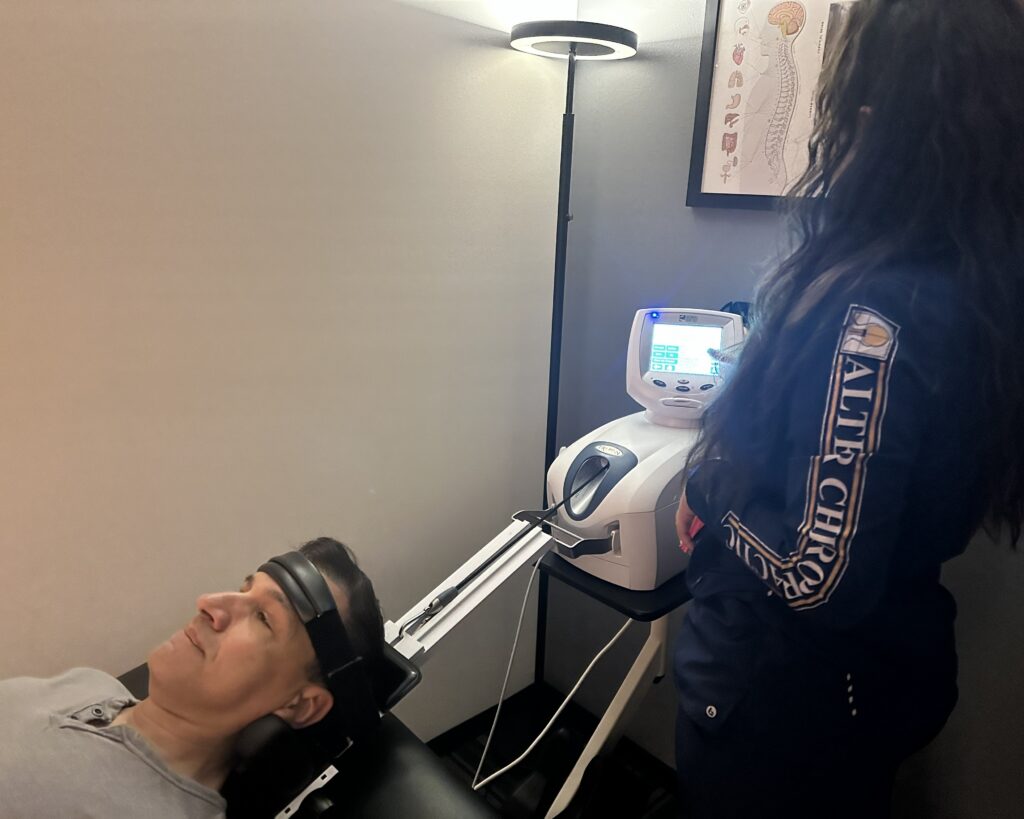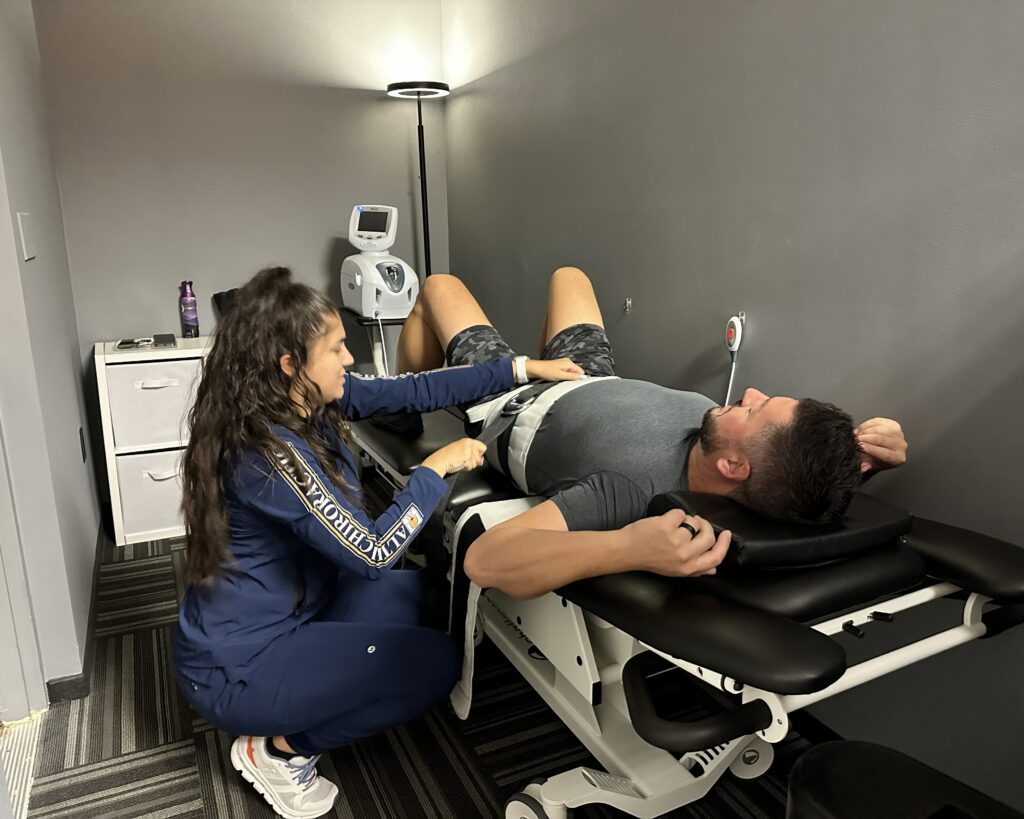

If you frequently struggle with tension headaches, it may be time to consider some valuable chiropractic care tips that can help you find relief. By prioritizing spinal alignment and maintaining good posture, you can significantly reduce muscle tension and enhance blood circulation. However, chiropractic care goes beyond mere adjustments; it encompasses a holistic approach to understanding how your daily habits may contribute to your headaches.
Here are some practical strategies to incorporate into your daily routine that can make a positive impact on your well-being:
- Posture Awareness: Pay attention to your posture while sitting, standing, or using your phone. Keeping your spine aligned can prevent unnecessary strain on your muscles.
- Regular Chiropractic Adjustments: Visiting your chiropractor regularly can help keep your spine aligned and alleviate tension in your neck and shoulders, which are often the culprits behind tension headaches.
- Stay Hydrated: Dehydration can contribute to headaches, so be sure to drink plenty of water throughout the day to keep your body hydrated.
- Manage Stress: Incorporate relaxation techniques such as deep breathing, meditation, or gentle yoga to help reduce stress, which can trigger headaches.
- Ergonomic Workspace: If you work at a desk, ensure that your workspace is ergonomically designed. Your computer screen should be at eye level, and your chair should support your lower back.
- Regular Stretching: Taking short breaks to stretch your neck and shoulders can alleviate built-up tension and improve your overall comfort.
- Sleep Quality: Prioritize good sleep hygiene by maintaining a consistent sleep schedule and creating a restful environment, as poor sleep can exacerbate headaches.
By implementing these chiropractic care tips into your daily life, you can take meaningful steps toward reducing tension headaches and achieving optimal health. Remember, chiropractic care is a natural, drug-free approach to wellness that focuses on the root of the issue rather than just masking the symptoms. Embrace these strategies and experience the benefits of a healthier, headache-free life!
Key Takeaways
Chiropractic care is an excellent way to relieve tension headaches and enhance your overall well-being. Here are some valuable tips to help you on your journey to better health:
- Regular Chiropractic Adjustments: By visiting your chiropractor regularly, you can correct spinal misalignments that may be contributing to muscle tension and frequent headaches. These adjustments help restore proper alignment, promoting better health and reducing discomfort.
- Posture Awareness: Maintaining good posture is key to spinal health. Be mindful of your posture throughout the day, whether you’re sitting at a desk or standing. Proper alignment of your spine can significantly help in preventing tension headaches.
- Ergonomic Workspaces: Set up your workspace to be comfortable and supportive. Ensure that your computer screen is at eye level and your chair supports your lower back. This can help minimize strain on your neck and shoulders, reducing your risk of headaches.
- Stress Management Techniques: Incorporate simple stress relief practices into your daily routine. Techniques such as deep breathing and mindfulness can greatly help alleviate tension and promote relaxation, which is essential for headache prevention.
- Stretching and Strengthening Exercises: Engage in regular stretching and strengthening exercises to improve your flexibility and overall muscle health. Simple neck and shoulder stretches can help relieve tension and reduce headache triggers.
By following these tips and regularly visiting your chiropractor, you can take charge of your health and find natural relief from tension headaches. Remember, chiropractic care is a powerful tool for achieving optimal wellness!
Understanding Tension Headaches
Tension headaches can feel like a tight band squeezing around your head, often causing discomfort and frustration. They usually stem from muscle tension in your neck, shoulders, and scalp, often triggered by stress, poor posture, or fatigue. You may notice these headaches starting gradually and growing more intense over time.
Unlike migraines, tension headaches typically don’t come with nausea or sensitivity to light. Instead, you may experience a dull, aching pain that can last anywhere from 30 minutes to several days. During an episode, it’s common to find it difficult to concentrate or feel a bit more irritable than usual.
As a chiropractor, I want to emphasize the importance of recognizing these signs and symptoms early. By doing so, you can take proactive steps to alleviate the pain. One of the first steps in managing tension headaches is identifying your triggers, whether they’re emotional or physical.
Stress management techniques, such as deep breathing exercises or mindfulness, can be very helpful. Chiropractic care is an excellent choice for addressing tension headaches naturally. Regular adjustments can help alleviate muscle tension and improve your spinal alignment, which in turn can reduce headache frequency and intensity.
Incorporating stretches for your neck and shoulders into your daily routine can also promote relaxation and help prevent future headaches. In addition to chiropractic care, maintaining good posture while sitting and standing can significantly reduce muscle strain.
Make sure your workstation is ergonomically friendly to support your spine. And don’t forget the power of hydration—drinking enough water throughout the day can also help keep headaches at bay.
The Role of Chiropractic Care
While many individuals turn to over-the-counter medications for relief from tension headaches, chiropractic care stands out as a natural and effective alternative that targets the underlying causes of your discomfort. By correcting misalignments in your spine and fostering overall wellness, chiropractic adjustments can help restore balance to your body, leading to a healthier, pain-free life.
Here’s a straightforward comparison of traditional medications versus chiropractic care:
| Over-the-Counter Meds | Chiropractic Care | |
|---|---|---|
| Approach | Focuses on symptom relief | Targets the root cause |
| Side Effects | May cause unwanted effects | Minimal to none |
| Treatment Time | Quick fixes | Ongoing support |
| Long-term Benefits | Limited | Enhanced overall wellness |
Opting for chiropractic care not only alleviates your tension headaches but also promotes better posture and helps reduce stress. Here are some general tips you can incorporate into your daily routine to enhance your health and well-being:
- Stay Hydrated: Drinking plenty of water supports spinal health and can help prevent headaches.
- Practice Good Posture: Being mindful of your body position, especially when sitting or working at a desk, can reduce strain on your spine.
- Incorporate Stretching: Gentle stretches can relieve tension in your neck and shoulders, reducing headache triggers.
- Regular Chiropractic Visits: Consistent adjustments can help keep your spine aligned and promote long-term wellness.
Spinal Adjustments for Headache Relief
Chiropractic adjustments are a vital tool for relieving headaches by correcting spinal misalignments that often contribute to pain and discomfort. When you come in for a visit, I’ll assess your spine and perform targeted adjustments to help restore proper alignment, which can lead to significant relief from headaches.
Here are some wonderful benefits you may experience from spinal adjustments:
- Reduced Muscle Tension: Adjustments can help ease tightness in your neck and shoulder muscles, promoting relaxation and comfort.
- Improved Blood Flow: Proper spinal alignment enhances circulation to your head, which can help decrease the frequency of headaches.
- Nerve Function Restoration: By ensuring your spine is aligned, we help your nerves communicate effectively, reducing pain signals.
- Enhanced Range of Motion: Regular adjustments can improve your flexibility, making daily activities more enjoyable and pain-free.
- Stress Relief: Chiropractic care promotes relaxation, which can be especially helpful for tension-induced headaches.
Incorporating regular spinal adjustments into your wellness routine can truly transform how you manage headaches.
Remember, chiropractic care is a natural, non-invasive approach to achieving optimal health and well-being. If you’re struggling with headaches, don’t hesitate to reach out and schedule an appointment. Let’s work together to help you feel your best!
As a tip, try maintaining good posture throughout your day and taking regular breaks to stretch. These small changes can make a big difference in preventing headaches and promoting overall health!
Posture Correction Techniques
To effectively manage tension headaches, it’s vital to pay attention to your posture. As a chiropractor, I can tell you that maintaining proper alignment is key to reducing discomfort and promoting overall wellness.
Start by setting up your workspace in an ergonomic way—this means ensuring your computer screen is at eye level and your chair supports your lower back.
In addition to a well-arranged desk, incorporating stretching and strengthening exercises into your daily routine can work wonders for your spinal health. Simple neck stretches, shoulder rolls, and back strengthening exercises can help ease tension and improve your posture.
Remember, chiropractic care is a natural and effective way to address the root causes of tension headaches. Regular adjustments can help realign your spine, relieve pressure on nerves, and support your body’s healing process.
By focusing on these posture correction techniques and considering chiropractic care as part of your wellness journey, you can achieve better health and a more comfortable, headache-free life.
Embrace these simple tips, and you’ll be on your way to feeling your best!
Ergonomic Desk Setup
A well-designed ergonomic desk setup can play a significant role in preventing tension headaches that often arise from poor posture.
As your local chiropractor, I want to share some valuable tips to help you create a workspace that supports your spine and overall well-being.
Remember, maintaining good posture is essential for optimal health, and chiropractic care can help keep your spine aligned and functioning well.
Here’s how you can set up your workstation:
- Adjust your chair height: Ensure your feet are flat on the floor, with your knees forming a 90-degree angle. This helps maintain proper alignment and reduces strain on your back.
- Position your monitor correctly: Place the top of your screen at eye level and about an arm’s length away. This will encourage you to keep your neck in a neutral position, reducing tension in the upper back and neck.
- Choose a supportive chair: Opt for a chair that offers lumbar support to help maintain the natural curve of your spine. A well-supported back can prevent discomfort and promote better posture.
- Keep your keyboard and mouse close: They should be at the same level as your elbows to prevent straining your wrists and arms. This can help alleviate tension and improve your overall comfort while working.
- Take regular breaks: It’s important to stand, stretch, and move around every hour. This helps relieve tension, improves circulation, and keeps your body energized throughout the day.
By implementing these ergonomic changes, you can create a more comfortable workspace that supports your health.
Remember, regular chiropractic adjustments can also help maintain your spinal health and enhance your well-being.
Prioritizing your posture and making these small adjustments can lead to significant improvements in how you feel at work and beyond.
For personalized advice, don’t hesitate to reach out for a chiropractic consultation!
Stretching and Strengthening Exercises
Incorporating stretching and strengthening exercises into your daily routine is essential for achieving optimal health and wellness, especially when it comes to improving your posture and preventing tension headaches. As a chiropractor, I encourage you to start with gentle neck stretches. Tilt your head side to side, holding each position for about 15 seconds. This simple movement helps to relax tight muscles and increases flexibility, setting the foundation for a healthier spine.
Next, let’s focus on shoulder rolls. Lift your shoulders toward your ears and then roll them back and down. This exercise not only helps to relieve tension but also promotes better alignment in your upper body.
Another great exercise is the wall angel. Stand against a wall and slide your arms up and down while keeping your back flat against the wall. This motion strengthens the muscles that support your spine, contributing to improved posture.
Don’t forget about your core! Strengthening your core with activities like planks is vital for supporting your spine and maintaining proper alignment. When your core is strong, it helps prevent strain on your back, which can lead to discomfort and headaches.
For the best results, make these exercises a regular part of your routine. Consistency is key to enhancing your posture and reducing muscle tension, which can ultimately minimize headache occurrences.
Muscle Relaxation Strategies
Tension headaches can be incredibly uncomfortable, but incorporating effective muscle relaxation strategies into your daily routine can help alleviate them. As a chiropractor, I believe that addressing the root cause of tension through natural methods is key to achieving optimal health and wellness.
Here are some simple techniques that can promote relaxation and reduce headache intensity:
- Deep Breathing: Take a moment to focus on your breath. Inhale deeply through your nose, allowing your abdomen to rise, and then exhale slowly through your mouth. This practice not only calms your mind but also helps relax tight muscles.
- Progressive Muscle Relaxation: Starting from your toes, tense each muscle group for a few seconds and then release. Gradually work your way up to your head. This technique helps you become more aware of muscle tension and promotes relaxation throughout your body.
- Gentle Massage: Use your fingers to massage your neck, shoulders, and temples. These areas often hold tension, and a gentle touch can help relieve discomfort and restore balance.
- Warm Compress: Applying a warm compress to your neck or forehead can be soothing. The warmth helps to relax tight muscles and improve blood flow, which can alleviate headache symptoms.
- Mindfulness Meditation: Dedicate a few minutes each day to practice mindfulness. This technique helps calm your mind, reduce stress, and can significantly lessen muscle tension.
Incorporating these strategies into your daily life can complement chiropractic care, helping you achieve a natural, pain-free lifestyle.
Stress Management Tips
Addressing muscle tension can significantly help with tension headaches, but managing stress is vital for your overall well-being, too. As a chiropractor, I understand how closely your physical health is tied to your mental health. Here are some effective stress management strategies that can support both your mind and body:
| Stress Management Techniques | Emotional Benefits |
|---|---|
| Deep Breathing | Promotes Calmness |
| Regular Exercise | Boosts Mood |
| Mindfulness Meditation | Enhances Focus |
| Adequate Sleep | Restores Energy |
| Social Connections | Fosters Support |
Incorporating these techniques into your daily routine can help you navigate life’s challenges with greater ease. Just a few minutes of deep breathing or engaging in regular physical activity can transform your day.
As a chiropractor, I also emphasize the importance of maintaining proper spinal alignment, as it plays a crucial role in your overall health. When your spine is aligned, your body functions more efficiently, which can help reduce stress and tension. Regular chiropractic adjustments can alleviate muscle tightness and improve your body’s ability to cope with stress.
Ergonomic Recommendations for Daily Activities
To alleviate tension headaches, it’s important to pay attention to your daily activities and how you go about them. A well-organized workspace and proper techniques for lifting can significantly enhance your comfort and well-being.
As a chiropractor, I believe that making ergonomic adjustments is a vital step towards achieving optimal health and natural pain relief.
Here are some practical tips to improve your ergonomic practices:
- Desk Setup: Ensure your desk is at the right height. Your elbows should be at a 90-degree angle while typing, and your computer screen should be at eye level to prevent straining your neck.
- Chair Support: Use a chair that supports your lower back. Sitting with proper lumbar support can prevent spinal misalignments that might lead to headaches.
- Take Breaks: Regularly scheduled breaks are essential. Stand up, stretch, and move around every 30 to 60 minutes to keep your body active and reduce tension.
- Lifting Techniques: When lifting objects, always bend your knees and keep your back straight. This technique helps protect your spine and prevents unnecessary strain.
- Stay Hydrated: Dehydration can contribute to headaches. Keep a water bottle handy to ensure you’re drinking enough throughout the day.
- Chiropractic Care: Regular visits to your chiropractor can offer significant benefits. Chiropractic adjustments can help align your spine, relieve tension, and promote overall wellness.
By incorporating these simple strategies into your daily routine, you can enhance your comfort levels and work towards a healthier life.
Proper Desk Setup
A proper desk setup can significantly help in reducing tension headaches and enhancing your overall comfort during long hours of work, which is vital for your spinal health.
As a chiropractor, I often see how poor ergonomics can lead to discomfort and misalignment. By creating an ergonomic workspace, you can support your spine and promote natural healing.
Here are some essential recommendations:
- Chair Height: Adjust your chair so that your feet rest flat on the floor, and your knees are level with your hips. This helps maintain proper posture and reduces strain on your back.
- Monitor Position: Position your monitor at eye level, about an arm’s length away. This minimizes neck strain and encourages you to keep your spine aligned, which is crucial for overall wellness.
- Keyboard and Mouse: Keep your keyboard and mouse close enough that your elbows can rest at a 90-degree angle. This setup helps prevent unnecessary tension in your shoulders and wrists, promoting better spinal alignment.
- Lighting: Ensure you have adequate lighting to reduce glare on your screen. Proper lighting can help prevent eye strain and promote a more comfortable working environment, allowing you to focus better.
- Breaks: Take regular breaks to stand, stretch, and refocus your eyes. These mini-breaks are essential for relieving tension and preventing stiffness, which can enhance your overall well-being.
Implementing these tips can create a healthier work environment that supports your spine and overall health.
Remember, regular chiropractic care can also play a vital role in maintaining proper alignment and relieving pain, helping you achieve optimal health naturally.
Take care of your body, and it will take care of you!
Safe Lifting Techniques
Proper lifting techniques are crucial for maintaining a healthy spine and preventing injuries. As a chiropractor, I want to share some simple yet effective tips to help you lift safely and protect your back.
When you need to lift something heavy, start by standing close to the object with your feet shoulder-width apart for good balance. This stance gives you a solid foundation. Remember to bend your knees instead of your back—this shift helps you use your strong leg muscles to do the heavy lifting. Grip the item firmly and engage your core muscles while you lift.
Keeping the load close to your body is important as it minimizes strain on your spine. If you find the object is too heavy or awkward, don’t hesitate to ask for help or use tools like dollies or carts. It’s always better to be safe!
Also, avoid twisting your torso while lifting; instead, pivot your feet to change direction. This small adjustment can make a big difference in preventing back pain.
By practicing these lifting techniques, you can help avoid discomfort and protect your spine. Remember, chiropractic care can play a vital role in your overall wellness journey, offering natural pain relief and promoting a healthy lifestyle.
If you ever have concerns about your spine or lifting techniques, feel free to reach out for guidance. Your health is worth it!
Incorporating Exercise and Stretching
While tension headaches can be quite bothersome, incorporating regular exercise and stretching into your daily routine can significantly help alleviate their symptoms. Engaging in physical activity not only increases blood flow and reduces muscle tension but also boosts endorphins, which can lead to fewer and less intense headaches.
As a chiropractor, I recommend the following natural ways to incorporate exercise and stretching into your life, which will complement your chiropractic care and support your overall wellness:
- Daily walks: Taking a leisurely walk, even for just a few minutes, can help clear your mind and relieve built-up tension in your body. This simple activity promotes circulation and can enhance your mood.
- Yoga: Practicing yoga can be incredibly beneficial for relaxation and flexibility. Focus on gentle poses such as Child’s Pose and Cat-Cow, which can ease tension in the neck and shoulders, areas often affected by headaches.
- Neck stretches: Gently tilting your head side to side can help alleviate tightness in the neck muscles. This simple stretch can be done throughout the day, especially if you find yourself sitting for extended periods.
- Strength training: Building core strength is essential for maintaining good posture, which plays a critical role in reducing strain on your neck and shoulders. Incorporating bodyweight exercises or light weights can help support your spine and prevent headaches.
- Breathing exercises: Deep breathing techniques are powerful tools for promoting relaxation and reducing stress. Spend a few moments each day focusing on your breath—inhale deeply through your nose and exhale slowly through your mouth. This practice can help calm your nervous system and diminish headache triggers.
By integrating these exercises and stretches into your routine, you can enhance the benefits of your chiropractic care and support your journey towards optimal health and wellness.
When to Seek Professional Help
Recognizing when to seek professional help for tension headaches can greatly enhance your overall well-being. If you find yourself dealing with frequent headaches, it’s essential to pay attention to your body. As a chiropractor, I encourage you to consider reaching out for chiropractic care if your headaches are persistent or worsening. A chiropractor can assess your condition, address any underlying issues, and provide personalized treatment to help you find relief naturally.
Here’s a simple guide to help you determine when it’s time to seek support:
| Signs to Seek Help | What It Could Mean |
|---|---|
| Headaches occur more than twice a week | There may be underlying issues that need addressing |
| Pain doesn’t respond to over-the-counter remedies | A professional assessment could be beneficial |
| Headaches interfere with daily activities | Your quality of life may be impacted |
| Symptoms worsen over time | This could indicate a potential chronic condition |
| Accompanied by severe nausea or vision changes | This requires immediate attention |
Chiropractic care focuses on natural healing, which can help alleviate tension headaches without the need for medications or invasive procedures. Here are a few tips you can incorporate into your daily routine to support your health:
- Stay Hydrated: Dehydration can trigger headaches, so make sure to drink plenty of water throughout the day.
- Practice Good Posture: Maintaining proper posture, especially if you’re sitting for long periods, can reduce tension in your neck and shoulders.
- Incorporate Stretching: Gentle stretches can help relieve tight muscles that contribute to headache pain. Consider neck and shoulder stretches throughout the day.
- Manage Stress: Techniques such as deep breathing, meditation, or yoga can help reduce stress levels, which may lessen the frequency of headaches.
- Regular Chiropractic Visits: Regular adjustments can help keep your spine in alignment, which may reduce headache occurrences and improve your overall health.
Don’t hesitate to seek the support you deserve. Early intervention through chiropractic care can lead to quicker relief and a more fulfilling life. Remember, optimal health starts with taking care of your body, and chiropractic is a natural path to wellness.
Conclusion
Incorporating chiropractic care into your daily life can be a game-changer for relieving tension headaches. Our approach focuses on enhancing spinal alignment, correcting posture, and promoting muscle relaxation, all of which contribute to a significant reduction in headache frequency and intensity.
To maximize the benefits of chiropractic care, consider these simple yet effective tips:
- Posture Awareness: Pay attention to your posture throughout the day, especially while sitting at a desk. Use a chair that supports your lower back and keep your feet flat on the floor to maintain a balanced spine.
- Ergonomic Workspace: Set up your workspace to reduce strain. Position your computer screen at eye level and use tools like a headset for phone calls to keep your neck aligned.
- Regular Stretching: Incorporate stretching into your routine. Gentle neck and shoulder stretches can help release tension and improve blood flow to the head.
- Stay Active: Engage in regular physical activity. Activities like walking, yoga, or swimming not only strengthen your muscles but also promote overall spinal health.
- Mindfulness and Relaxation Techniques: Stress can trigger tension headaches, so consider incorporating mindfulness practices, such as deep breathing or meditation, into your day.
If you find that your headaches continue despite these adjustments, it’s important to reach out for professional help. As a chiropractor, I can guide you to the right treatment plan tailored to your needs, helping you achieve a headache-free life naturally. Remember, your well-being is a priority, and with chiropractic care, relief is within reach!