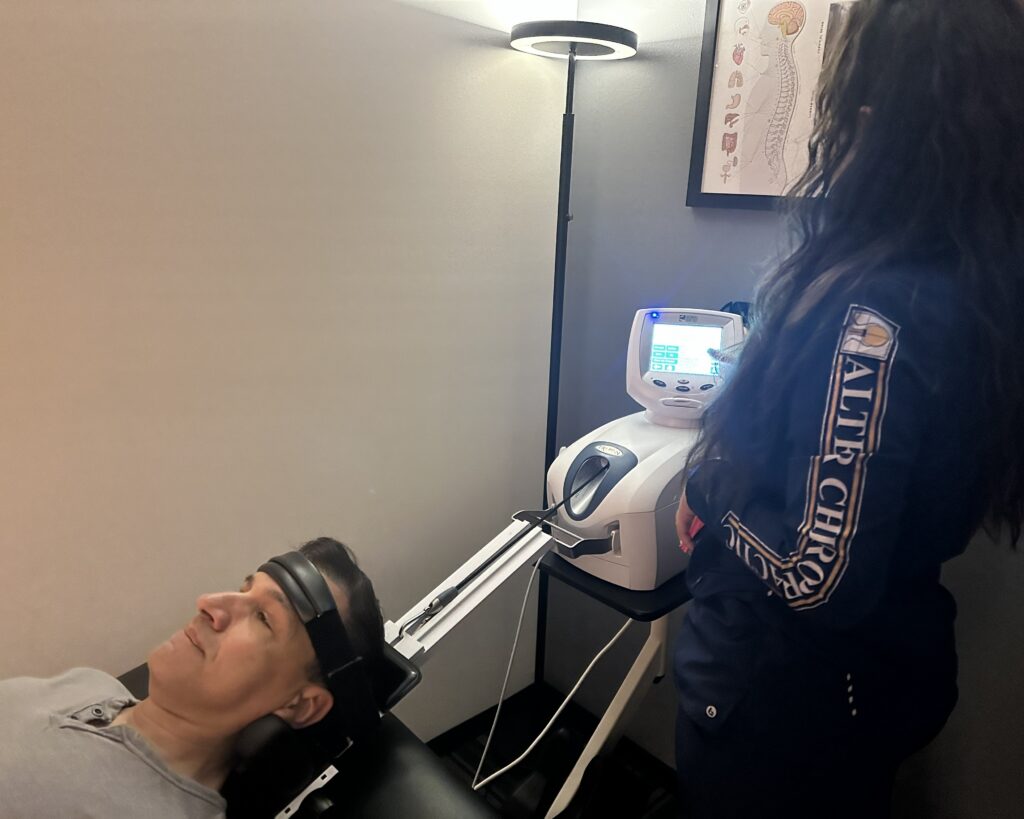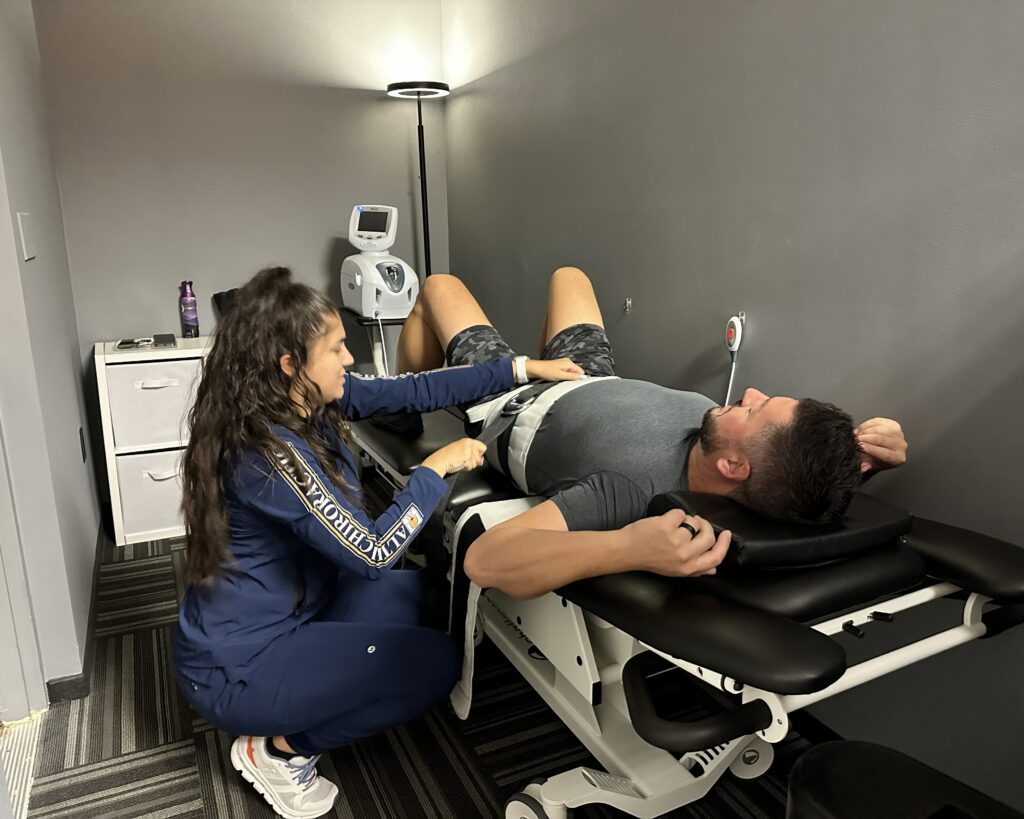

When it comes to treating migraines and pain, chiropractic care stands out as a natural and effective option. Unlike prescription medications or other treatments that may come with side effects, chiropractic focuses on the body’s natural ability to heal itself through spinal adjustments and holistic wellness practices. Each person’s experience with pain is unique, so finding the right approach for you is essential.
Chiropractic adjustments help align the spine, which can relieve tension and improve nervous system function. This is particularly beneficial for those suffering from migraines, as misalignments in the spine can contribute to headaches. Additionally, chiropractors often incorporate lifestyle advice, including exercises and stretches that can strengthen your body and enhance overall health.
To better manage your pain and migraines, consider implementing these general tips:
- Stay Hydrated: Dehydration can trigger migraines, so drinking plenty of water is crucial.
- Regular Exercise: Engaging in regular physical activity can help reduce stress and tension, both of which can lead to headaches.
- Practice Good Posture: Maintaining proper posture can alleviate strain on your spine and neck, reducing the likelihood of pain.
- Mindfulness and Relaxation: Techniques such as yoga or meditation can help lower stress levels and promote relaxation.
- Frequent Chiropractic Visits: Regular adjustments can keep your spine in alignment and help prevent pain before it starts.
By focusing on a holistic approach to health through chiropractic care, you can find effective relief from migraines and pain while promoting overall well-being. Remember, taking charge of your health naturally is always a smart choice!
Understanding Migraines: Causes and Symptoms
When you experience a migraine, it’s more than just a headache; it’s a complex issue that can significantly disrupt your daily life. Migraines can arise from various triggers, such as stress, hormonal changes, certain foods, and environmental factors. You may find that bright lights or loud noises worsen your discomfort, making it difficult to carry on with your activities.
The symptoms of a migraine often include intense, throbbing pain, usually on one side of your head, along with nausea, vomiting, and heightened sensitivity to light and sound. Some individuals may also experience an aura, which can appear as visual disturbances or sensory changes before the headache begins.
Understanding your personal triggers is vital in managing migraines effectively. By identifying what sparks your migraines, you can take preventive measures to reduce their frequency and intensity. One powerful way to support your overall health and manage pain naturally is through chiropractic care. Chiropractic adjustments can help improve spinal alignment, which may reduce tension and stress in your body, potentially alleviating migraine symptoms.
Here are some general tips that can help you along the way:
- Stay Hydrated: Dehydration can trigger migraines, so make sure to drink plenty of water throughout the day.
- Maintain a Regular Sleep Schedule: Aim for consistent sleep patterns to help regulate your body’s natural rhythms, which can help prevent migraines.
- Practice Relaxation Techniques: Incorporate activities like yoga, meditation, or deep-breathing exercises into your routine to manage stress levels.
- Keep a Food Diary: Tracking what you eat can help you identify food triggers that may be contributing to your migraines.
- Engage in Regular Physical Activity: Gentle exercise, such as walking or stretching, can help reduce tension and promote overall well-being.
Over-the-Counter Medications for Migraine Relief
Managing migraines can be challenging, but there are natural and effective ways to find relief that don’t involve over-the-counter medications. As a chiropractor, I believe in the body’s innate ability to heal itself, and chiropractic care can play a vital role in managing migraine symptoms.
When a migraine strikes, it’s essential to address the underlying issues contributing to your pain. Many migraines can be linked to tension in the neck and spine. By receiving chiropractic adjustments, you can help align your spine, reduce tension, and alleviate pressure on the nerves that may be triggering your migraines. This gentle, hands-on approach promotes natural healing and can lead to long-term relief.
In addition to chiropractic care, there are several natural strategies you can incorporate into your daily routine to support your overall wellness and potentially reduce the frequency and intensity of migraines:
- Stay Hydrated: Dehydration can be a significant trigger for migraines. Make sure you drink plenty of water throughout the day.
- Maintain a Regular Sleep Schedule: Aim for consistent sleep patterns by going to bed and waking up at the same time each day to help regulate your body’s internal clock.
- Manage Stress: Stress can exacerbate migraine symptoms. Incorporate relaxation techniques like deep breathing, meditation, or yoga into your daily routine.
- Eat a Balanced Diet: Focus on whole, nutritious foods and avoid skipping meals. Keeping your blood sugar stable can help prevent migraine triggers.
- Identify Triggers: Keep a journal of your migraines to identify patterns or triggers. This can help you make lifestyle adjustments to avoid potential pitfalls.
- Regular Exercise: Engaging in regular physical activity can help reduce stress and tension, which may contribute to migraine occurrences.
By embracing a holistic approach to wellness through chiropractic care and these healthy lifestyle tips, you can take control of your migraines and enhance your overall well-being.
Prescription Medications: Triptans and Beyond
When dealing with migraine attacks, many individuals seek relief, but it’s important to consider all options available for managing pain. While some may turn to prescription medications like triptans, I’d like to emphasize the benefits of natural approaches, particularly chiropractic care, which focuses on the spine and overall wellness.
Here are some key points to consider:
- Holistic Relief: Chiropractic care addresses the root cause of headaches and migraines, often related to spinal alignment issues. By realigning the spine, chiropractors can help alleviate tension and improve overall nervous system function, leading to reduced migraine frequency and intensity.
- Natural Approach: Unlike medications that may have side effects, chiropractic adjustments are a natural method for pain relief. Many patients report feeling better after a session, experiencing less discomfort without relying on drugs.
- Lifestyle Integration: Alongside chiropractic care, adopting healthy habits can enhance your well-being. Staying hydrated, maintaining a balanced diet, practicing stress management techniques, and ensuring proper posture can all contribute to fewer migraine occurrences.
If you’re experiencing migraines, consider visiting a chiropractor who can provide personalized care tailored to your needs.
Preventive Treatments: Options and Effectiveness
Preventive treatments for migraines can significantly help in reducing their frequency and severity, and as a chiropractor, I believe that a holistic approach is essential for optimal health. Instead of relying solely on medications, consider exploring natural methods, including chiropractic care, to manage your migraines effectively.
Chiropractic adjustments can help improve spinal alignment and reduce tension in the neck and upper back, which may contribute to migraine pain. Regular visits to a chiropractor can promote better overall health and wellness, enhancing your body’s natural ability to heal itself.
In addition to chiropractic care, embracing lifestyle changes can further support migraine management. Incorporating regular exercise into your routine, maintaining a consistent sleep schedule, and following a balanced diet can all help in reducing the frequency of migraine attacks.
Keeping a headache diary is a great way to identify potential triggers, allowing you to make informed choices about your lifestyle.
Remember, finding the right combination of treatments is key to improving your quality of life. Discuss your options with a healthcare provider who understands the benefits of chiropractic care, as they can help create a personalized plan that focuses on natural healing.
This proactive approach can lead to lasting relief, greater control over your migraines, and ultimately, a healthier, happier you.
Alternative Therapies: Acupuncture and Herbal Remedies
If you’re seeking natural ways to find relief from migraines, chiropractic care should be at the forefront of your options. As a chiropractor, I believe that understanding the root cause of your pain is essential for effective treatment.
While therapies like acupuncture and herbal remedies are often discussed, chiropractic adjustments can play a vital role in alleviating headaches and migraines by addressing spinal misalignments that may be contributing to your discomfort.
Chiropractic care focuses on the health of your spine and nervous system, which are crucial for overall wellness. Many people have found that regular adjustments help reduce the frequency and intensity of their migraines by promoting better blood flow and relieving tension in the neck and shoulders.
It’s a natural approach that aims to restore balance to your body without the need for medications or invasive procedures.
In addition to chiropractic adjustments, there are several lifestyle tips you can incorporate to help manage migraine symptoms. Here are a few to consider:
- Stay Hydrated: Dehydration can trigger migraines, so make sure you’re drinking enough water throughout the day.
- Maintain a Consistent Sleep Schedule: Aim for regular sleep patterns to help regulate your body’s internal clock, which can reduce the likelihood of headaches.
- Manage Stress: Techniques such as deep breathing, meditation, or gentle yoga can help lower stress levels and potentially reduce migraine occurrences.
- Pay Attention to Triggers: Keep a journal to track what may be triggering your migraines. Common culprits include certain foods, hormonal changes, or environmental factors.
- Regular Exercise: Engaging in regular physical activity can help improve circulation and reduce tension, which may alleviate headache symptoms.
By embracing chiropractic care and making mindful lifestyle choices, you can take proactive steps toward achieving optimal health and reducing migraine pain.
Acupuncture Efficacy Explained
As a chiropractor dedicated to promoting health and wellness, I want to share some insights on alternative treatments for migraine relief. While acupuncture has gained attention, I believe that chiropractic care is the most effective way to manage migraines and promote overall well-being. Here’s why you might consider chiropractic care:
- Holistic Approach: Chiropractic care focuses on the spine and nervous system, addressing the root cause of migraines rather than just masking the symptoms. By improving spinal alignment and function, you can enhance your body’s natural healing abilities.
- Natural Pain Relief: Chiropractic adjustments can help alleviate migraine pain without the need for medications, which often come with unwanted side effects. By opting for chiropractic care, you’re choosing a safe and effective way to manage pain.
- Personalized Care: Each chiropractic treatment plan is tailored to meet your individual needs. This personalized approach can significantly enhance the effectiveness of your care, helping you not only reduce the frequency of migraines but also improve your overall health.
In addition to seeking chiropractic care, here are some general tips for managing migraines:
- Stay Hydrated: Dehydration can trigger migraines, so make sure you drink plenty of water throughout the day.
- Maintain a Regular Sleep Schedule: Establishing consistent sleep patterns can help reduce the occurrence of migraines.
- Manage Stress: Incorporate stress-reduction techniques such as deep breathing, yoga, or meditation into your daily routine to help prevent migraine triggers.
- Eat Well: A balanced diet with regular meal times can help maintain stable blood sugar levels, reducing the likelihood of migraines.
By choosing chiropractic care and incorporating these healthy habits into your life, you can take significant steps toward achieving optimal health and migraine relief.
Popular Herbal Remedies
While many seek relief through traditional methods, exploring popular herbal remedies can provide a natural alternative for managing migraines alongside chiropractic care.
For instance, feverfew is a herb known for its potential to help reduce the frequency of migraines. Similarly, butterbur has been studied for its ability to potentially prevent migraine attacks.
Ginger is another powerful ally, often overlooked, that may help alleviate nausea associated with migraines. You can also consider using peppermint oil, which can be gently applied to the temples for a soothing effect. Additionally, chamomile tea not only helps calm the mind, but it may also aid in reducing inflammation.
It’s important to remember that while these herbal remedies may offer some relief, they should complement, not replace, the benefits of chiropractic care.
Chiropractic adjustments can help address the root cause of headaches and migraines by improving spinal alignment and reducing tension in the body.
Incorporating regular chiropractic visits can enhance your overall wellness and support your body’s natural healing processes.
Always consult with a healthcare professional before trying new remedies, especially if you’re currently under chiropractic care, to ensure the best approach for your health.
Lifestyle Changes: Diet, Exercise, and Stress Management
Making lifestyle changes can significantly enhance your ability to manage migraines, especially when you consider the roles of diet, exercise, and stress management.
With a few simple adjustments, you can work towards reducing the frequency and intensity of your migraines. Here are three essential areas to focus on, along with how chiropractic care can support you on this journey:
1. Diet: Start by identifying and avoiding trigger foods that may contribute to your migraines, such as aged cheeses, processed meats, and artificial sweeteners.
Instead, embrace a diet rich in whole foods like fresh fruits and vegetables. These foods not only provide essential nutrients but can also promote overall health.
Chiropractic care can help optimize your digestive system, enhancing nutrient absorption and supporting your dietary changes.
2. Exercise: Engaging in regular physical activity is vital for relieving tension and reducing stress, both of which are key factors in migraine management.
Aim for at least 30 minutes of moderate exercise most days—this could be walking, swimming, or practicing yoga.
Incorporating chiropractic adjustments into your routine can improve your mobility and physical performance, making it easier to stick to your exercise regimen.
3. Stress Management: Managing stress is crucial for migraine prevention.
Techniques such as deep breathing, meditation, or mindfulness can help keep your stress levels in check.
Regular chiropractic care can also alleviate physical stress in your body, promoting relaxation and helping you maintain a calm state of mind.
By focusing on these lifestyle changes and incorporating chiropractic care into your routine, you can take proactive steps toward better migraine management and overall wellness.
The Role of Botox in Migraine Treatment
Chronic migraines can be incredibly challenging, and while many people are searching for relief, it’s important to consider the holistic approach offered by chiropractic care. Instead of relying on treatments like Botox, which may come with potential side effects, chiropractic adjustments focus on the health of your spine and nervous system, promoting natural healing and wellness.
Chiropractors work to align your spine, which can help alleviate tension and pressure that may be contributing to your migraines. Regular adjustments can improve circulation, reduce muscle tightness, and enhance overall function, leading to fewer headache days and a better quality of life.
If you’re struggling with migraines, consider incorporating some simple lifestyle changes alongside chiropractic care. Staying hydrated, practicing good posture, managing stress through techniques like deep breathing or yoga, and maintaining a balanced diet can all contribute to reducing the frequency and intensity of headaches.
Always consult your chiropractor about your specific situation. They can provide tailored strategies and adjustments that best suit your needs.
Neuromodulation Devices: Innovation in Pain Management
Neuromodulation devices are gaining attention for their role in managing migraine pain, but as a chiropractor, I want to emphasize the importance of a holistic approach to health and wellness, especially when it comes to pain relief.
While these devices target specific nerves to alter their activity, it’s essential to remember that addressing the root causes of your pain through natural methods can be even more effective.
Chiropractic care focuses on spinal alignment and overall wellness, which can significantly impact your experience with migraines. By ensuring your spine is in proper alignment, you can often reduce the frequency and intensity of migraine attacks. Regular chiropractic adjustments can help relieve tension in the neck and shoulders, which are common triggers for migraines.
In addition to chiropractic care, here are some general tips you can incorporate into your daily routine to support your well-being:
- Stay Hydrated: Dehydration can trigger migraines, so make sure to drink plenty of water throughout the day.
- Maintain a Healthy Diet: Eating balanced meals with plenty of fruits, vegetables, and whole grains can help stabilize your energy levels and reduce the likelihood of migraines.
- Practice Stress Management: Techniques like deep breathing, meditation, or yoga can help reduce stress, which is a common migraine trigger.
- Get Regular Exercise: Physical activity can improve blood flow and reduce tension, both of which are beneficial for migraine sufferers.
- Prioritize Sleep: Establishing a regular sleep schedule and creating a calming bedtime routine can help you get the rest you need to prevent migraines.
By choosing chiropractic care and embracing these natural lifestyle changes, you can achieve optimal health and find relief from migraine pain without relying on invasive procedures or medications.
Mechanism of Action
While traditional migraine treatments often rely on medication, there are natural and holistic approaches that focus on the body’s own healing abilities. One such method is chiropractic care, which can help address the underlying causes of migraines by promoting overall nervous system health.
Here are three key ways chiropractic care can support migraine relief:
- Restoring Spinal Alignment: Misalignments in the spine can interfere with nerve function and contribute to pain signals being sent to the brain. Chiropractic adjustments help realign the spine, which can reduce these pain pathways and improve overall nerve communication.
- Enhancing Blood Flow and Nerve Function: Chiropractic care encourages proper blood flow and can improve the function of neurotransmitters like serotonin and dopamine. When your spine is aligned, your body can better regulate these essential chemicals, which play a role in pain perception and mood.
- Promoting Nervous System Balance: By improving spinal health and nerve function, chiropractic adjustments help restore balance to the nervous system. This equilibrium can lead to fewer migraine attacks and a greater sense of well-being.
Incorporating regular chiropractic visits into your wellness routine can be a powerful strategy for managing migraines naturally.
Additionally, consider these general tips to support your health:
- Stay hydrated: Dehydration can trigger migraines, so drink plenty of water throughout the day.
- Maintain a consistent sleep schedule: Quality sleep is crucial for overall health and can help prevent migraines.
- Manage stress: Engage in relaxation techniques, such as deep breathing or yoga, to reduce stress levels that can contribute to migraines.
Types of Devices
As a local chiropractor, I want to share some valuable insights on managing migraines and pain relief through natural methods. While there are various devices on the market, I believe that chiropractic care stands out as one of the best ways to achieve optimal health and wellness.
Innovative devices like transcutaneous electrical nerve stimulation (TENS) units and non-invasive vagus nerve stimulators are gaining attention for their ability to help with pain management. TENS units deliver mild electrical impulses that can interrupt pain signals before they reach the brain, while vagus nerve stimulators aim to reduce the frequency and intensity of migraines.
However, I want to emphasize that these devices are just one piece of the puzzle. Chiropractic care focuses on the spine and nervous system, which plays a crucial role in pain management. By aligning the spine and addressing any misalignments, chiropractors can help improve nervous system function and reduce migraine triggers. Regular chiropractic adjustments can offer lasting relief and empower you to take control of your health.
In addition to chiropractic care, here are some tips to help manage migraines naturally:
- Stay Hydrated: Dehydration can be a major trigger for migraines. Make sure to drink plenty of water throughout the day.
- Maintain a Healthy Diet: Eating balanced meals and avoiding trigger foods can help prevent migraines. Keep a food diary to identify any patterns.
- Practice Stress Management: Stress is a common migraine trigger. Techniques such as deep breathing, meditation, and yoga can be beneficial.
- Get Regular Sleep: Establishing a consistent sleep schedule can help regulate your body’s rhythms and decrease the likelihood of migraines.
- Exercise Regularly: Physical activity can reduce stress and tension, which may help alleviate migraine symptoms.
By incorporating these practices into your routine and seeking regular chiropractic care, you can find effective and natural ways to manage migraines and improve your overall wellness.
Evaluating Side Effects of Migraine Treatments
As you seek relief from migraines, it’s important to consider various treatment options that prioritize your overall health and well-being. While many people turn to medications, it’s crucial to recognize that these can come with potential side effects that may not align with a natural approach to wellness.
Instead, exploring chiropractic care can be a beneficial avenue for managing migraines. Chiropractic adjustments focus on restoring alignment to the spine, which can help alleviate tension that often triggers migraines.
Here are some common side effects of medication that you might want to avoid:
- Drowsiness: Many medications can leave you feeling fatigued, making it challenging to carry out your daily tasks. Chiropractic care, on the other hand, aims to enhance your energy levels and overall vitality.
- Gastrointestinal Issues: Medications can lead to nausea or stomach discomfort. By choosing chiropractic adjustments, you may find relief without the uncomfortable side effects, promoting better digestive health.
- Cardiovascular Effects: Some treatments might elevate heart rate or blood pressure. Chiropractic care focuses on holistic health, which can help maintain a balanced cardiovascular system without these risks.
In addition to chiropractic care, consider some general tips to manage migraines naturally:
- Stay Hydrated: Drink plenty of water throughout the day to prevent dehydration, which can trigger migraines.
- Maintain a Regular Sleep Schedule: Aim for consistent sleep patterns to help manage stress and reduce migraine occurrences.
- Practice Relaxation Techniques: Techniques such as deep breathing, yoga, or meditation can help reduce stress and tension that may lead to migraines.
Personalizing Your Migraine Treatment Plan
Creating a migraine treatment plan that’s truly personalized to your needs can be a journey toward better health and wellness. Start by tracking your migraine patterns, triggers, and symptoms in a simple journal or an app. This information is invaluable, as it helps you and your chiropractor identify specific triggers—be it food, stress, or environmental factors—that may be contributing to your discomfort.
As you explore your treatment options, consider the benefits of chiropractic care. Chiropractors focus on spinal health, which can play a significant role in how your body functions. By maintaining proper spinal alignment, you may experience reduced tension and improved overall wellness, potentially alleviating migraine symptoms.
In addition to chiropractic adjustments, discuss lifestyle changes that can support your health. This can include regular exercise, stress management techniques like yoga or meditation, and nutritional adjustments that promote better health.
Don’t hesitate to express your preferences and concerns to your chiropractor—they’re there to help you find the best path forward.
Remember, what works for one person may not work for you, and that’s okay. It’s important to approach your health journey with an open mind and a willingness to try different strategies under the guidance of a professional.
Regular visits to your chiropractor can allow for ongoing adjustments to your treatment plan based on how your body responds.
Stay engaged in your health journey, and be open to changes as your needs evolve. By actively participating in your care and prioritizing natural wellness through chiropractic, you can work towards effectively managing your migraines and enhancing your overall quality of life.
Conclusion
To sum up, finding the right approach to managing your migraines involves exploring various natural options, with chiropractic care being a standout choice. As a chiropractor, I encourage you to consider how spinal health can play a crucial role in alleviating pain and promoting overall wellness. By discussing your symptoms and lifestyle with your chiropractor, we can develop a personalized treatment plan that focuses on natural healing methods to effectively manage your migraines.
Chiropractic adjustments can help relieve tension in the spine and improve communication between the brain and body, which may lead to reduced migraine frequency and intensity. Additionally, incorporating lifestyle changes such as proper hydration, regular exercise, and stress management techniques can further enhance your wellness journey.
Remember, it’s all about finding what works best for you! Stay proactive in your approach to managing migraines through chiropractic care and supportive practices. Don’t hesitate to reach out to your chiropractor for guidance—together, we can explore the best strategies to achieve optimal health and find the relief you deserve.