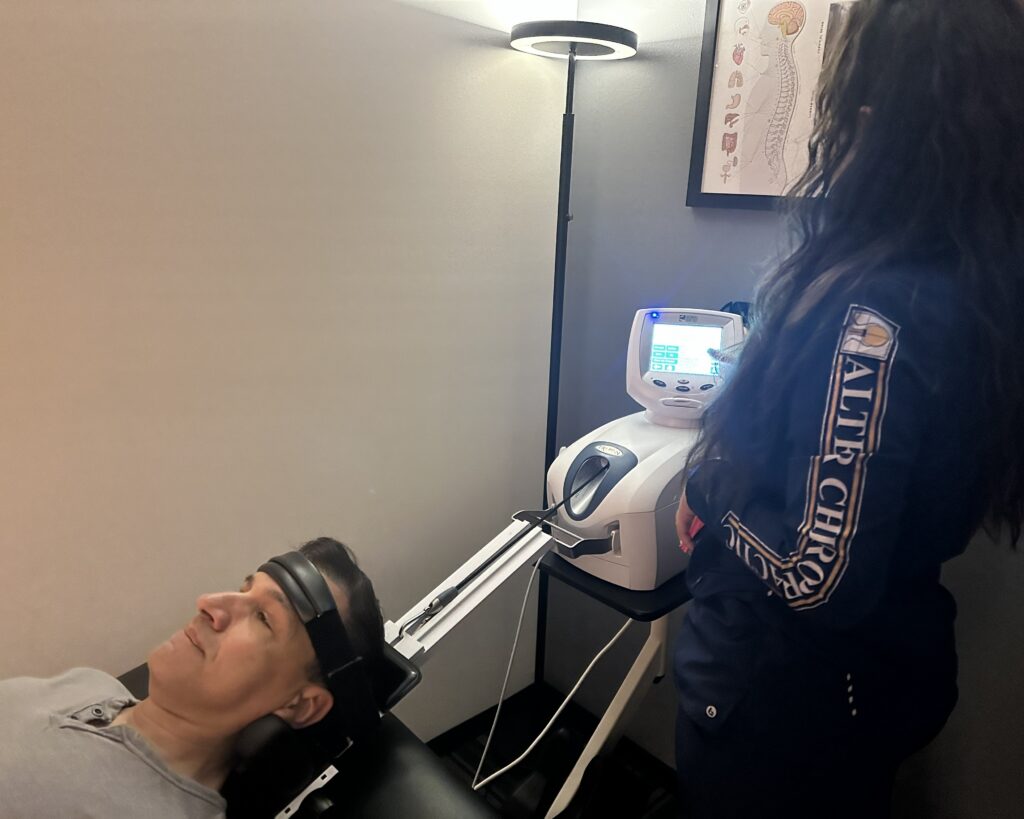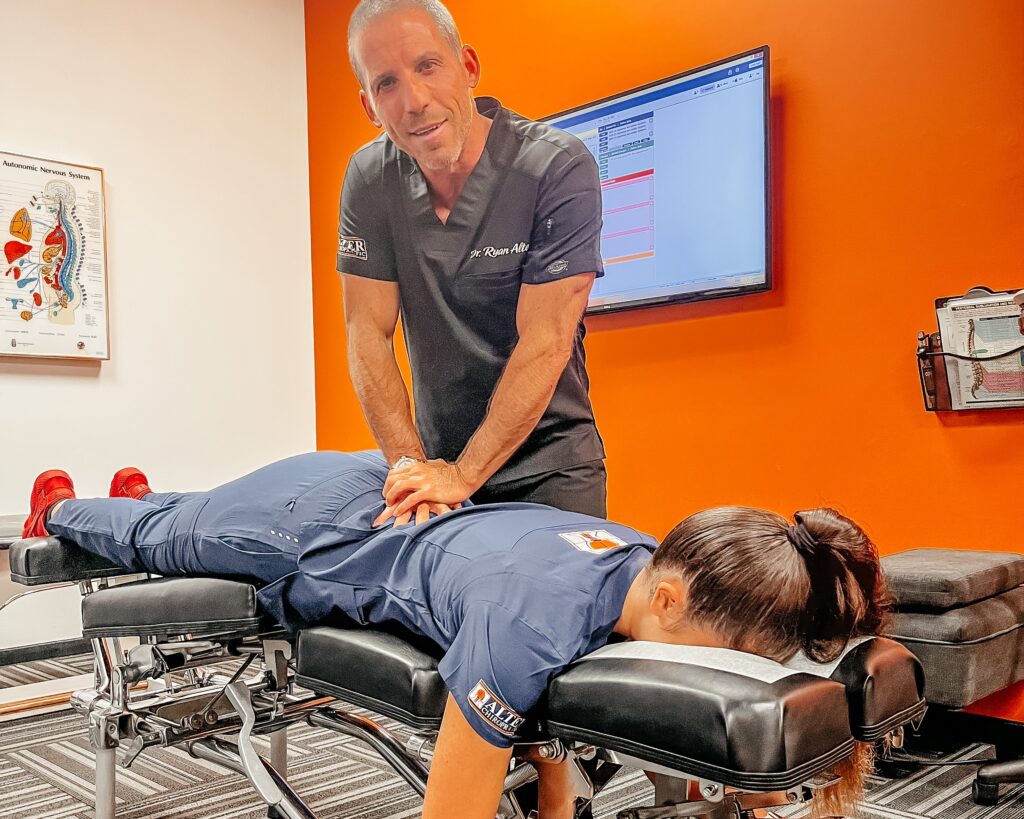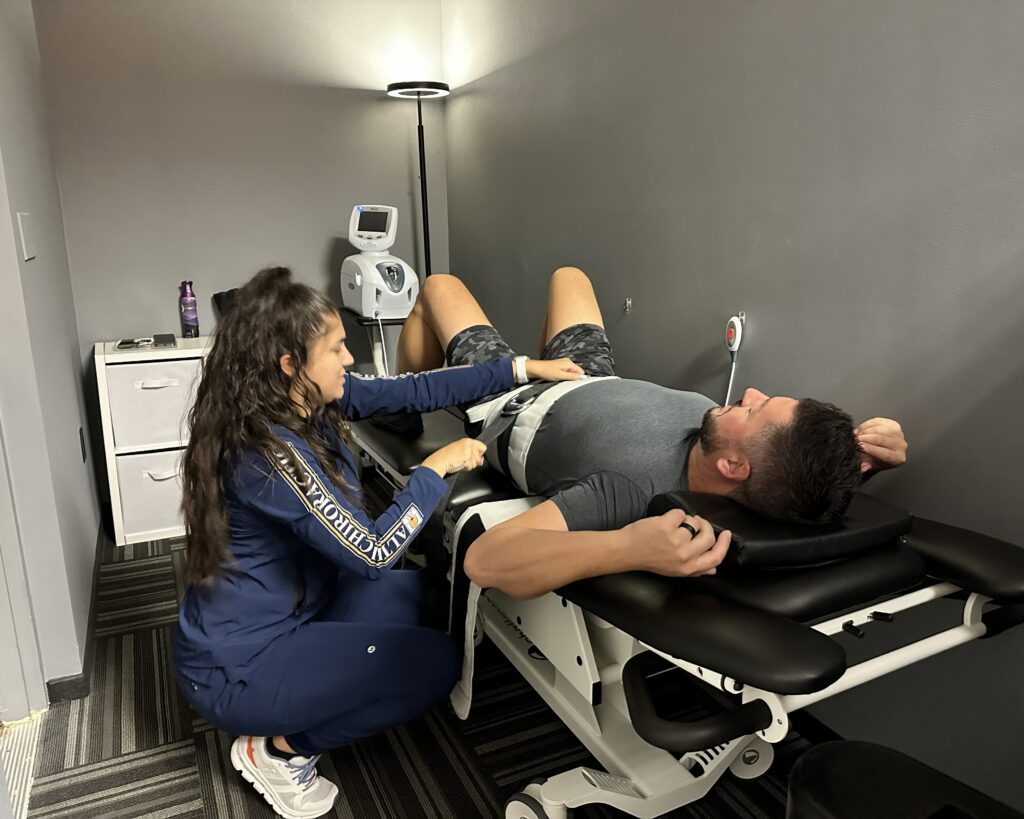

As a local chiropractor, I often see patients who come to me with a nagging ache in their upper back. If you've experienced this discomfort, you know just how much it can disrupt your daily routine and even affect your mood. There are several factors that can contribute to this pain, including poor posture at your desk and stress that causes your muscles to tighten.
You might be wondering how to effectively address these issues and regain your comfort. The good news is that there are practical steps you can take to alleviate this pain and enhance your overall well-being. However, it's important to consider that some of the solutions you've been relying on might not be enough.
Chiropractic care focuses on correcting misalignments in the spine and improving overall function. By addressing the root causes of your discomfort, we can help you find relief and restore balance to your body. Together, we can explore natural healing techniques and lifestyle adjustments that can make a real difference in your quality of life. Don't let upper back pain hold you back—let's work together to find the right solutions for you.
Understanding Upper Back Pain
As a chiropractor, I often see patients who underestimate the impact of upper back pain on their daily lives. Many think it's just a minor inconvenience, but in reality, it can significantly affect your mood, productivity, and overall well-being. This discomfort often sneaks up on you, turning simple tasks like lifting a grocery bag or sitting at your desk into daunting challenges. You may start avoiding activities you once loved, leading to feelings of frustration and helplessness.
Understanding upper back pain is crucial, as it can be quite complex. Unlike lower back pain, which often stems from specific injuries or conditions, upper back pain can arise from a variety of factors such as poor posture, muscle strain, and even emotional stress. You might be surprised to learn that emotional stress often manifests physically in your upper back, resulting in tightness and discomfort. This strong connection between your mind and body underscores the importance of addressing both your physical and emotional health in your healing journey.
Being mindful of your posture while sitting or standing is essential. If you spend long hours at a desk, I recommend taking regular breaks and incorporating stretches into your routine. Strengthening exercises for your upper back and improving overall flexibility can also make a significant difference. Simple changes, like investing in ergonomic furniture or practicing mindfulness techniques, can help alleviate tension and promote better alignment.
At our practice, we focus on natural healing methods to help you manage and relieve upper back pain. Through chiropractic adjustments, we can help restore proper alignment and function to your spine, allowing your body to heal itself more effectively.
Common Causes of Discomfort
As a local chiropractor dedicated to your well-being, I want to help you understand the common causes of upper back discomfort that might be affecting your daily life. Recognizing these factors is crucial for effectively addressing and alleviating the pain you may be experiencing.
Here are some key contributors to upper back issues that I often see in my practice:
- Poor Posture: Many people are unaware that slouching or rounding their shoulders while sitting or standing can place significant stress on the upper back. Maintaining proper posture is essential for spinal health.
- Muscle Strain: Engaging in physical activities without proper technique, or lifting heavy objects incorrectly, can lead to muscle strain in the upper back. It's important to use proper body mechanics to avoid injuries.
- Sedentary Lifestyle: A lifestyle that involves prolonged sitting without adequate breaks can weaken your upper back muscles. Regular movement and stretching are vital for maintaining muscle strength and flexibility.
- Stress and Tension: Emotional stress can manifest physically, often resulting in tightness and tension in the upper back. Finding effective ways to manage stress is important for both your mental and physical health.
- Inadequate Sleep: The way you sleep, including poor sleep positions or using an unsupportive mattress, can contribute to upper back pain. Ensuring a good sleeping environment is key to your overall comfort.
As your chiropractor, I'm here to provide natural healing solutions that address these issues.
Together, we can work towards improving your posture, relieving muscle tension, and enhancing your overall quality of life. If you're experiencing upper back discomfort, don't hesitate to reach out for personalized care and guidance.
Effective Stretches and Exercises
As a chiropractor, I often see patients struggling with upper back discomfort, and I want to share some effective stretches and exercises that can help alleviate this discomfort and promote natural healing.
One of the first stretches I recommend is the Cat-Cow stretch. To do this, get on your hands and knees, ensuring your wrists are directly below your shoulders and your knees are aligned with your hips. Inhale deeply as you arch your back, letting your belly drop and lifting your head—this is the Cow position. Then, as you exhale, round your back by tucking your chin to your chest and tilting your pelvis—this is the Cat position. Flow through this movement for 5-10 breaths to help mobilize your spine and create flexibility.
Another great exercise is the Thoracic Extension. Find a comfortable chair with a straight back. Clasp your hands behind your head, keeping your elbows wide. Take a deep breath in, and as you exhale, gently lean back, opening up your chest and shoulders. Hold this position for a few seconds and repeat it 5-10 times. This exercise is beneficial for improving your posture and relieving any tightness in your upper back.
I also recommend incorporating Wall Angels into your routine. Stand with your back against a wall, positioning your feet about 6 inches away. Press your lower back, shoulders, and head firmly against the wall. Start with your arms in a "W" position and then slide them up to form a "Y," ensuring that your arms remain in contact with the wall throughout. Return to the "W" position and repeat this 10-15 times. This exercise helps to strengthen your upper back and improve your posture.
Lastly, don't overlook the importance of a Chest Stretch. Stand in a doorway and place your arms at a 90-degree angle against the doorway frame. Gently lean forward to feel a stretch across your chest and shoulders. Hold this position for 20-30 seconds.
Ergonomic Adjustments for Relief
As a local chiropractor dedicated to your well-being, I want to emphasize the importance of not just incorporating stretches and exercises, but also optimizing your workspace ergonomics.
Many of us spend a significant portion of our day at our desks, and creating an environment that supports your body is crucial for alleviating upper back discomfort.
Here are some adjustments you can easily implement to help you feel better:
- Chair Height: Ensure your chair is adjusted so that your feet rest flat on the floor, and your knees form a 90-degree angle. This adjustment helps distribute your body weight evenly, reducing strain on your back.
- Monitor Position: Position your computer monitor at eye level and about an arm's length away. This will allow you to maintain a neutral neck position, minimizing strain on your upper back as you work.
- Keyboard and Mouse Placement: Keep your keyboard and mouse close enough that your elbows stay at your sides and your wrists remain in a straight line. I recommend using a wrist rest to provide extra support and comfort.
- Back Support: Invest in a lumbar roll or cushion to support the natural curve of your lower back. This simple addition can promote better posture and help you stay comfortable throughout the day.
- Frequent Breaks: To keep your muscles engaged and prevent stiffness, set a timer to remind yourself to take short breaks every hour. Stand up, stretch, and take a quick walk to refresh your body and mind.
By making these ergonomic adjustments, you can significantly improve your comfort at work and reduce the risk of upper back pain.
If you have any questions or need further assistance, feel free to reach out. Your health is our priority!
When to Seek Professional Help
As a local chiropractor, I understand that it can be difficult to determine when to seek professional help for upper back pain. Many people question whether their discomfort is a temporary issue or something more significant. It's important to listen to your body and recognize the signs that indicate it may be time to seek care.
If your upper back pain lingers for more than a few weeks despite trying self-care methods, such as rest or gentle stretches, I encourage you to reach out for a consultation. Persistent pain often suggests that there may be underlying issues that require attention.
Also, be mindful of specific symptoms like sharp, shooting pain, numbness, or tingling that travels down your arms or legs. These sensations can be indicative of nerve involvement or other serious conditions, and it's crucial to address them promptly. If you experience upper back pain alongside symptoms like fever, unexplained weight loss, or difficulty breathing, please seek immediate medical care.
Consider seeking chiropractic help if your pain is interfering with your daily life—whether it's affecting your work, exercise routine, or leisure activities. It's essential to tackle these issues early to prevent them from evolving into more serious problems or chronic pain.
If you've explored home remedies like stretching, heat application, or over-the-counter medications without finding relief, it's certainly time to consult with a chiropractor.
Most importantly, trust your instincts. If something doesn't feel right, don't hesitate to reach out for professional help. Early intervention from a chiropractor can often lead to a quicker recovery and help prevent further complications. Your upper back health is vital, and I'm here to support you in taking the necessary steps to ensure you're on the path to healing and wellness.
Conclusion
As a local chiropractor, I want to emphasize how important it is to address your upper back pain for both your daily comfort and emotional health. Many people may not realize that upper back pain can stem from various sources, but understanding these causes is the first step toward relief.
Incorporating effective stretches tailored to your specific needs, making ergonomic adjustments in your workspace, and utilizing home remedies can significantly alleviate discomfort. It's essential to take proactive measures in managing your pain.
If you find that your pain persists despite these efforts, I encourage you to seek professional chiropractic care. This is a crucial step on the path to achieving lasting relief. Remember, prioritizing your health and well-being is a journey, and I'm here to guide you every step of the way. Let's work together to help you embrace a life free from pain!