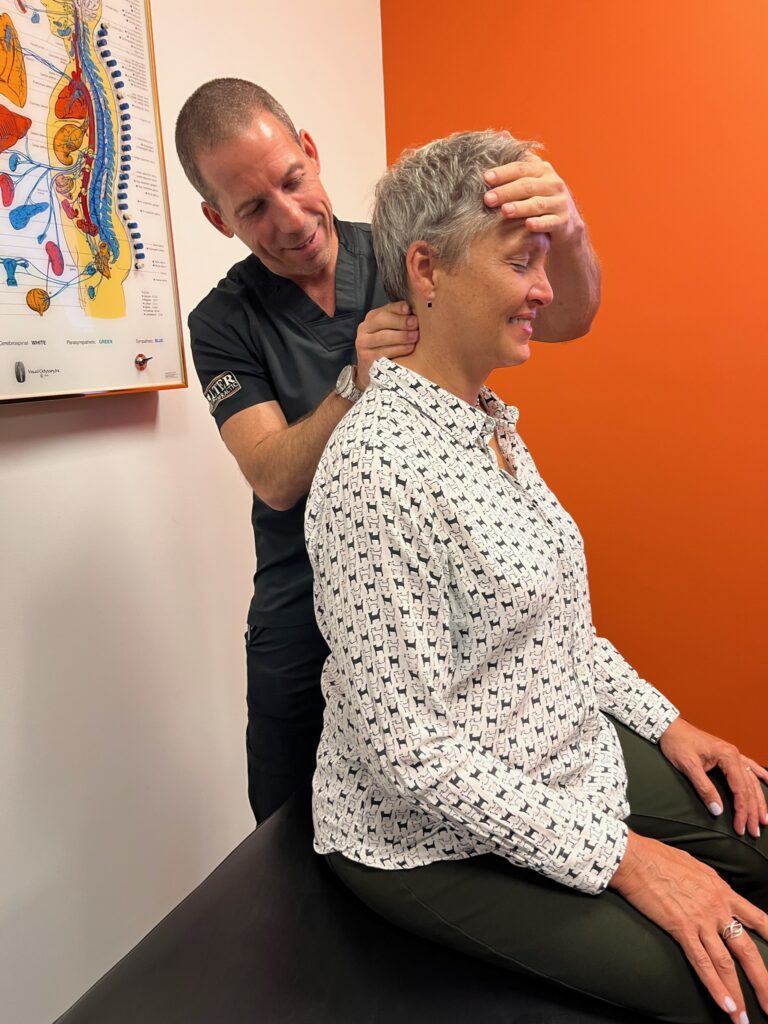

As a local chiropractor, I’ve seen firsthand how debilitating back pain can be for many individuals. It’s crucial to recognize not only the underlying causes of this discomfort but also effective prevention strategies to safeguard your spine. Over the next 30 days, I encourage you to incorporate simple, natural habits that will help strengthen your core and enhance your posture. You may be amazed at how even minor adjustments in your daily routine can lead to significant improvements in your back health. Are you ready to take the first steps towards a healthier spine and explore the transformative techniques that chiropractic care can offer?
Understanding Back Pain: Causes and Prevention
As a local chiropractor, I want to help you understand the various factors that can lead to back pain and how you can effectively prevent it. One of the most common causes of back pain is muscle strain, which often occurs from heavy lifting or awkward movements. It’s crucial to pay attention to your body’s signals; ignoring discomfort can lead to more significant issues down the line.
Poor physical conditioning is another contributor. If your core muscles aren’t strong, your back may take the brunt of the strain. Additionally, carrying excess weight can place added pressure on your spine, increasing your risk of pain.
A sedentary lifestyle doesn’t help either; sitting for extended periods can weaken your back muscles and cause stiffness. Stress is also a significant factor to consider. Tension can lead to tight muscles, which can result in discomfort.
By recognizing these causes, you can take proactive steps to improve your well-being. Incorporating regular exercise, maintaining a healthy weight, and being mindful of your body’s signals are essential strategies to reduce your chances of experiencing back pain.
As a chiropractor, I encourage you to take these steps seriously. By prioritizing your spinal health and staying aware of how your body feels, you can pave the way for a healthier, pain-free life. Together, we can work towards ensuring that your back remains strong and resilient.
The Importance of Good Posture
As a local chiropractor, I want to emphasize the vital importance of good posture in maintaining your health and preventing back pain. Proper posture isn’t just about standing tall; it plays a crucial role in aligning your body, which can significantly reduce strain on your muscles and joints. This alignment helps you move more comfortably in your everyday activities.
Let’s take a moment to explore some effective techniques to enhance your posture. Simple adjustments like being mindful of your sitting position, using supportive chairs, and incorporating stretches into your routine can make a world of difference.
Additionally, it’s important to be aware of common mistakes, such as slouching or leaning forward while using electronic devices, which can lead to discomfort and long-term issues.
By focusing on these practices, you can improve your posture and, in turn, your overall well-being.
Benefits of Proper Alignment
As a local chiropractor, I want to emphasize how proper alignment can significantly enhance your daily life and overall well-being. Many people may not realize the profound effects that good posture can have on their health. Here are some key benefits of maintaining proper alignment:
- Reduced Pain: One of the primary advantages of proper alignment is the relief it brings from pain. When your spine is aligned correctly, it alleviates pressure that can lead to discomfort in your back and neck. This means fewer headaches and a reduction in chronic pain, allowing you to enjoy your daily activities without the burden of discomfort.
- Increased Energy: Good posture is crucial for the optimal functioning of your body. By ensuring that your body is aligned properly, you improve the flow of oxygen and nutrients throughout your system, which can lead to higher energy levels. You may find that you feel less fatigued and more vibrant throughout your day-to-day tasks.
- Enhanced Confidence: Believe it or not, your posture can influence your self-esteem. When you stand tall and maintain proper alignment, you not only look more confident, but you also feel it. This can have a positive impact on your interactions, whether in social gatherings or professional settings, allowing you to present your best self to the world.
As your chiropractor, I encourage you to consider the importance of alignment in your life. Embracing good posture can lead to a healthier, more energized, and confident you!
Techniques for Maintaining Posture
As a local chiropractor, I want to emphasize the importance of maintaining proper posture for your overall health and well-being. Good posture can significantly reduce discomfort and enhance your daily activities. I encourage you to be mindful of your body alignment whether you’re sitting, standing, or walking.
Keep your feet flat on the ground, relax your shoulders, and align your ears with your shoulders.
When sitting, it’s crucial to use a chair that provides support for your lower back. Remember to take regular breaks to stretch and move around. If you spend a lot of time at a desk, position your computer screen at eye level to prevent straining your neck.
Incorporating core-strengthening exercises into your routine can also be beneficial for supporting your spine. To help you stay aware of your posture throughout the day, consider using reminders such as sticky notes or apps.
Common Posture Mistakes
As a local chiropractor, I’ve seen firsthand how many people underestimate the importance of good posture. Common posture mistakes can lead to significant discomfort over time, and many don’t even realize how their daily habits may be straining their backs.
Here are three common posture pitfalls to be mindful of:
- Slouching: When you lean forward or hunch your shoulders, you create unnecessary tension in your spine. This can lead to discomfort and misalignment, making it essential to maintain an upright posture.
- Crossing Your Legs: While it may feel comfortable, crossing your legs can misalign your hips and increase pressure on your lower back. It’s better to keep your feet flat on the ground to promote better alignment.
- Prolonged Sitting: Many of us spend hours sitting without taking breaks, which can weaken our back muscles and result in pain. I encourage my patients to stand up, stretch, and move around regularly to maintain their spinal health.
By being aware of these common mistakes, you can take proactive steps to improve your posture and overall well-being.
If you have any questions or need guidance on maintaining good posture, feel free to reach out!
Daily Stretching Routine for a Healthy Back
As a chiropractor dedicated to promoting natural healing and overall wellness, I want to emphasize the importance of a daily stretching routine for maintaining a healthy back. Many of my patients come to me seeking relief from back pain, and often, a simple commitment to stretching can make a significant difference.
I recommend starting your day with gentle stretches that specifically target the spine and the surrounding muscles. One effective exercise is the cat-cow stretch. To perform this, get on all fours and alternate between arching your back upwards and then dipping it downwards, all while taking deep breaths. This movement enhances flexibility and encourages proper spinal alignment.
Another beneficial stretch is the seated forward bend. Sit with your legs extended straight in front of you and gently reach for your toes. You should feel a comforting stretch in your lower back and hamstrings. This stretch helps to alleviate tension built up from daily activities.
Don’t overlook the spinal twist! While seated, cross one leg over the other and gently twist your torso. This stretch promotes spinal mobility and can help release any tightness.
I recommend holding each stretch for 15-30 seconds and repeating them 2-3 times. Regular stretching not only reduces tension but also enhances blood circulation, which is crucial for preventing stiffness and discomfort.
By dedicating just 10 minutes each day to these stretches, you can greatly improve your mobility and support the health of your back. As you establish this routine, you may find that your back feels more resilient and pain-free.
Prioritizing these practices can lead to a happier, healthier you!
Strengthening Your Core Muscles
As a local chiropractor, I want to emphasize the importance of strengthening your core muscles to prevent back pain. A strong and stable core plays a crucial role in supporting your spine and enhancing your overall posture. This, in turn, helps to reduce unnecessary strain on your back, which can lead to discomfort and injury.
Let’s take a moment to discuss some effective core exercises that I recommend to my patients. These exercises not only help build stability but also promote better alignment and function of your spine, contributing to your overall health and well-being.
Importance of Core Stability
As a local chiropractor, I want to emphasize the vital role that core stability plays in not only maintaining a healthy back but also in preventing discomfort and pain.
A stable core supports your spine and significantly improves your overall posture. Here are three important benefits of prioritizing core stability that I often share with my patients:
- Injury Prevention: A strong core acts as a natural shock absorber, reducing the likelihood of injuries during your daily activities or while participating in sports. This is especially important for those who may not be aware of the strain their bodies endure.
- Improved Balance: Enhancing your core stability can greatly improve your balance. This means that everyday movements, such as bending down or reaching up, become safer and more efficient, reducing the risk of falls and related injuries.
- Enhanced Performance: Whether you’re exercising or simply navigating through your day, a stable core allows for better movement efficiency. This translates to improved performance, whether you’re lifting groceries, playing with your kids, or engaging in your favorite fitness routine.
By understanding and focusing on core stability, you’re taking a proactive step towards a healthier spine and a more active lifestyle.
Let’s work together to strengthen your core and enhance your overall well-being!
Effective Core Exercises
As your local chiropractor, I want to emphasize the importance of strengthening your core muscles for maintaining stability and preventing back pain—issues I frequently address in my practice. A strong core is essential not only for overall health but also for supporting your spine and enhancing your posture.
To begin your core-strengthening journey, I recommend starting with planks. Position yourself on your forearms and toes, holding a straight line from your head to your heels for 30 seconds. As you build strength, try to gradually extend this time.
Another effective exercise is the bridge; lie on your back with your knees bent and lift your hips towards the ceiling. Hold this position for a few seconds before gently lowering back down.
Don’t overlook side planks either, as they specifically target your oblique muscles. Balance on one forearm and the side of your foot to enhance your strength and stability.
Lastly, bicycle crunches are fantastic for engaging your entire core, promoting strength and coordination.
I suggest integrating these exercises into your routine about three times a week. Remember, focus on maintaining proper form rather than rushing through the movements.
Ergonomic Workstation Setup
As a local chiropractor, I want to emphasize the importance of creating an ergonomic workstation to prevent back pain and enhance your overall comfort, especially if you spend long hours sitting.
Proper workstation setup can significantly reduce strain on your back, which in turn can improve your productivity and well-being. Here are three crucial elements to consider when arranging your workspace:
- Chair Height: It’s vital to adjust your chair so that your feet rest flat on the floor, with your knees positioned at a 90-degree angle. This simple adjustment can help maintain proper posture and alleviate unnecessary tension on your spine.
- Desk Height: Your desk should be at elbow height when you’re seated. This allows your arms to rest comfortably while typing, significantly reducing the risk of shoulder strain and promoting a more relaxed working position.
- Monitor Position: Position your monitor at eye level, approximately an arm’s length away from you. This setup not only prevents neck strain but also helps keep your spine aligned, contributing to better overall posture.
By incorporating these ergonomic principles into your daily routine, you can take proactive steps toward maintaining a healthy spine and preventing discomfort.
The Benefits of Regular Exercise
As a local chiropractor, I want to emphasize the importance of regular exercise for maintaining a healthy back. Engaging in physical activity isn’t just about staying fit; it plays a crucial role in strengthening your core muscles, which provide vital support to your spine.
Additionally, exercise can significantly improve your flexibility and posture, both of which are key to preventing back pain.
By incorporating movement into your daily routine, you can help protect your back and reduce the risk of discomfort. Remember, a strong and flexible spine is the foundation of your overall well-being, and I encourage you to make exercise a priority in your life.
If you have any questions about how to get started or how chiropractic care can complement your exercise regimen, feel free to reach out—I’m here to help you on your journey to better health!
Strengthens Core Muscles
As a local chiropractor dedicated to promoting natural healing and overall wellness, I want to emphasize the importance of strengthening your core muscles through consistent exercise.
A strong core isn’t just about aesthetics; it plays a crucial role in your overall health and well-being. Here are three key benefits of prioritizing core strength:
- Improved Stability: A robust core acts as a stabilizing force for your body, enhancing balance and coordination. This is vital not only for athletic pursuits but also for everyday movements, reducing the risk of falls and injuries.
- Enhanced Performance: Daily activities, from lifting groceries to going for a run, become easier and more efficient when your core is strong. This improved performance can lead to a more active lifestyle, which I often recommend for maintaining health and vitality.
- Reduced Back Pain: One of the most common issues I see in my practice is back pain, which can often be alleviated by strengthening the core. A well-developed core supports your spine, reducing strain and discomfort, and promoting better posture.
Incorporating core exercises into your routine is a simple yet effective way to enhance your health and quality of life.
If you have questions about how chiropractic care can further assist you in this journey, feel free to reach out during your next visit. Together, we can work towards achieving your health goals.
Improves Flexibility and Posture
As a local chiropractor, I want to emphasize the importance of consistent exercise for your overall well-being, particularly when it comes to improving your flexibility and posture. Many people aren’t aware that incorporating regular stretching and mobility exercises into your routine is crucial for your muscle and joint health.
By encouraging your body to move through its full range of motion, you not only enhance your flexibility but also significantly reduce the risk of injuries, especially in your back.
Additionally, maintaining good posture is vital for minimizing strain on your spine. When your posture improves, you’ll find that everyday activities, such as bending, lifting, and walking, become much easier and more comfortable.
Over time, these improvements can lead to a notable decrease in back pain and discomfort.
I encourage you to commit to regular exercise alongside chiropractic care. Together, these practices can help you move more freely and confidently in your daily life, enhancing your overall quality of life.
Incorporating Yoga Into Your Daily Life
As a chiropractor, I often emphasize the importance of holistic approaches to maintaining your well-being, particularly when it comes to preventing back pain.
Incorporating yoga into your daily routine can be a simple yet effective way to support your spine and overall health. Even dedicating just a few minutes each day can lead to significant benefits.
Here are three easy methods to integrate yoga into your lifestyle:
- Morning Stretch: Begin your day with a brief 5-10 minute session focused on basic yoga poses like Cat-Cow or Downward Dog. These movements help to gently warm up your spine, increase blood flow, and prepare your body for the day ahead.
- Midday Break: If you find yourself sitting for long hours at work, I recommend taking a short break for some standing or seated stretches. Incorporating poses like Forward Fold can effectively alleviate tension in your back and improve your posture, countering the negative effects of prolonged sitting.
- Evening Wind Down: As you wrap up your day, consider practicing relaxing poses such as Child’s Pose or Legs-Up-The-Wall. These restorative positions help to release the stress that builds up throughout the day, promoting relaxation and preparing your body for a restful night’s sleep.
Incorporating these simple yoga practices into your daily routine can complement the benefits of chiropractic care, helping you achieve a healthier spine and a more balanced life.
Mindful Breathing Techniques
As your local chiropractor, I want to share some valuable insights about mindful breathing techniques, particularly diaphragmatic breathing, and how they can significantly improve your overall well-being while alleviating back pain.
By learning to connect your breath with your posture, you not only strengthen your core but also encourage relaxation throughout your body.
Incorporating these breathing practices into your daily routine can enhance your quality of life and support your back health.
Understanding how your breath influences your posture is essential in promoting a balanced and pain-free lifestyle.
Let’s dive into how these techniques can empower you on your journey to natural healing and wellness.
Diaphragmatic Breathing Benefits
As a local chiropractor, I want to share how diaphragmatic breathing can significantly enhance your journey toward relieving back pain. This simple yet powerful technique focuses on taking deep, intentional breaths that fully engage your diaphragm.
Here are three essential benefits you can expect:
- Enhanced Oxygen Delivery: When you practice deep breathing, you boost the oxygen supply to your muscles. This increased oxygen flow can help alleviate tension and discomfort in your back, making it a valuable tool in managing pain.
- Stress Reduction: Diaphragmatic breathing activates your body’s natural relaxation response. By lowering stress levels, you can reduce muscle tightness, which often contributes to back pain. This technique offers a holistic approach to easing discomfort.
- Improved Core Stability: Engaging your diaphragm not only promotes deep breathing but also strengthens your core muscles. A strong core provides better support for your spine, leading to improved posture and reducing the risk of injury.
By incorporating diaphragmatic breathing into your daily routine, you can take a proactive step toward natural back pain relief.
This practice empowers you to move more freely and confidently, enhancing your overall well-being. If you’re curious about how this technique can fit into your chiropractic care, feel free to reach out for more information!
Posture and Breathing Connection
As a chiropractor, I often emphasize the profound connection between your posture and your breathing. Many people overlook how their posture influences their ability to breathe effectively.
When you maintain an upright position—whether sitting or standing—your lungs can expand fully, allowing for deeper, more satisfying breaths. Conversely, poor posture, such as slouching, compresses your chest and restricts airflow, making it challenging to breathe deeply and comfortably.
This relationship between your posture and breathing is crucial, not just for enhancing your respiratory health but also for preventing back pain.
To enhance both your posture and breathing, I encourage you to incorporate mindful breathing techniques into your daily routine.
Begin by focusing on sitting or standing tall, ensuring your head, shoulders, and spine are aligned. As you inhale, visualize your diaphragm expanding and your lungs filling from the bottom up.
When you exhale, do so slowly, consciously releasing any tension in your body. Regular practice of these techniques not only improves your breathing but also supports your spinal health, promoting a pain-free back.
Embracing these habits can lead to a healthier, more vibrant life.
The Role of Hydration in Back Health
As a local chiropractor, I often emphasize the importance of hydration when it comes to maintaining a healthy back. You may not realize it, but staying well-hydrated is crucial for the overall integrity of your spine.
Water is essential for keeping your intervertebral discs — the cushions between your vertebrae — healthy and functioning properly. When you’re dehydrated, these discs can shrink and lose their flexibility, which can lead to discomfort and pain.
Let me share three key reasons why staying hydrated is vital for your back health:
- Disc Health: When you drink enough water, it helps keep your discs plump and functioning effectively, which is essential for a healthy spine.
- Muscle Function: Proper hydration is crucial for muscle health. When you’re well-hydrated, you can prevent muscle cramps and spasms, which in turn helps reduce stress on your back.
- Joint Lubrication: Water plays a vital role in maintaining synovial fluid levels in your joints. This lubrication is necessary for smooth joint movement and can help prevent pain and stiffness.
By understanding the connection between hydration and back health, you can take proactive steps toward improving your overall well-being.
Remember to drink plenty of water throughout the day to support your spine and promote a healthier back!
Choosing the Right Footwear
As a local chiropractor, I want to emphasize the importance of choosing the right footwear in maintaining your back health.
Many people are unaware of how much our choice of shoes can influence our spine alignment and overall comfort. When selecting footwear, it’s crucial to consider factors like arch support, heel height, and fit.
Properly designed shoes can help alleviate stress on your back and prevent pain. By making informed choices about what you wear on your feet, you can significantly enhance your spinal health and well-being.
Importance of Arch Support
As a local chiropractor, I want to emphasize the crucial role that arch support in your footwear plays in preventing back pain. Many people may not realize how much our choice of shoes can impact our overall spinal health. Proper arch support is essential for distributing body weight evenly, which significantly reduces strain on your back.
Here are three important reasons why you should prioritize arch support in your footwear:
- Improved Alignment: Shoes that offer good arch support help maintain the natural alignment of your spine. This means less pressure on your back, which can lead to a decrease in discomfort and pain.
- Enhanced Comfort: Footwear with adequate support absorbs shock effectively, helping to reduce fatigue during daily activities. This increased comfort allows you to stay active without the nagging discomfort that can accompany poor shoe choices.
- Injury Prevention: By providing proper arch support, you can minimize the risk of overuse injuries. This is vital for maintaining a healthy lifestyle that’s free from pain and limitations.
Investing in the right shoes with proper arch support is a simple yet powerful step toward achieving better spinal health and preventing back pain naturally.
If you have any questions about how your footwear choices can impact your well-being, feel free to reach out during your next visit!
Heel Height Considerations
As a chiropractor, I often see patients who aren’t aware of how important heel height is when choosing footwear.
It’s essential to understand that the right heel height can significantly affect your overall comfort and spinal health. While high heels may be fashionable, they can disrupt your posture and lead to back strain. I recommend selecting shoes with a lower heel—ideally under two inches—to help maintain proper alignment and alleviate pressure on your spine.
If you enjoy a little elevation, consider shoes with a thicker heel or a platform design. These options tend to provide greater stability, which is crucial for your overall well-being.
It’s also important to think about your daily activities when selecting shoes; choose styles that align with your lifestyle and provide adequate support.
Proper Fit Essentials
As a local chiropractor, I often see how important proper footwear is in maintaining spinal health and preventing back pain.
Choosing the right shoes can significantly impact your overall well-being by promoting proper alignment and comfort. Here are three key factors to consider when selecting your footwear:
- Arch Support: It’s essential to choose shoes with sufficient arch support. This feature helps distribute your weight evenly across your feet, which can alleviate strain on your back and contribute to better posture.
- Toe Room: Make sure there’s ample space for your toes to move freely. A cramped toe box can lead to discomfort and negatively impact your alignment, making it crucial for your shoes to allow for natural foot movement.
- Cushioning: Opt for shoes that provide good cushioning. This can help absorb shock and reduce the impact on your spine during everyday activities, promoting a healthier back.
By paying attention to these essentials, you can make informed choices that not only enhance your comfort but also support your spinal health.
Your feet are the foundation of your body—let’s keep them healthy!
Maintaining a Healthy Weight
As your local chiropractor, I want to emphasize the importance of maintaining a healthy weight for your overall spinal health. Carrying excess body weight can put significant strain on your spine and muscles, leading to discomfort and potential injury. When your body has to support extra pounds, it can create imbalances that affect your posture and alignment, which we often address in chiropractic care.
To help keep your weight in a healthy range, I encourage you to focus on a balanced diet that includes plenty of whole foods. Incorporate fruits, vegetables, lean proteins, and whole grains into your meals. It’s important to limit processed foods that are high in sugar and unhealthy fats, as these can contribute to weight gain and adversely affect your health.
In addition to dietary changes, regular physical activity is crucial. I recommend aiming for at least 150 minutes of moderate exercise each week. Activities like walking, swimming, or strength training are excellent options that not only help with weight management but also promote better spinal health.
Strengthening your core muscles is particularly beneficial, as a strong core provides better support for your lower back.
Remember, making small adjustments to your lifestyle can lead to significant improvements in your well-being. By taking these steps, you can protect your spine and enhance your overall health.
If you have any questions about how chiropractic care can support you in these endeavors, please feel free to ask. I’m here to help you on your journey to better health!
Sleep Positions That Support Your Spine
As a local chiropractor, I want to emphasize the crucial role your sleep position plays in maintaining a healthy spine. Many people overlook this aspect, but the way you sleep can significantly impact your spinal health and help prevent discomfort or pain.
Here are three sleep positions I recommend to support your spine effectively:
- Sleeping on Your Back: This position is one of the best for spinal health as it allows for even weight distribution across your body. It reduces unnecessary pressure on your spine, which can help alleviate discomfort. I suggest placing a small pillow under your knees to provide additional support and enhance the natural curvature of your lower back.
- Sleeping on Your Side: This is another excellent choice, especially for those who experience lower back pain. By sleeping on your side with a pillow placed between your knees, you can maintain proper spinal alignment. This simple adjustment helps keep your hips and spine aligned, promoting a more restful night’s sleep.
- Fetal Position: Curling your knees toward your chest in the fetal position can relieve pressure on the spine, making it a popular choice for many individuals. However, it’s essential to ensure your head is adequately supported with a pillow to maintain proper neck alignment. This will help prevent any strain or discomfort in the neck area.
By being mindful of your sleep positions, you can contribute to your overall spinal health and enhance your well-being.
If you have any questions or would like to learn more about how chiropractic care can support your health, feel free to reach out!
The Impact of Stress on Back Pain
As a local chiropractor, I want to emphasize that your spinal health is influenced by more than just how you sleep; stress plays a crucial role as well. When you experience stress, your body tends to tense up, particularly in the back and shoulders. This tension can lead to discomfort and, over time, even chronic pain.
It’s important to understand that stress can manifest as physical pain, which is why addressing your mental well-being is vital for your overall health.
To help manage stress and reduce that tension, I encourage you to explore mindfulness practices such as meditation or deep breathing exercises. Incorporating regular physical activity into your routine can also be beneficial, as it releases endorphins that alleviate stress and enhance your mood.
Make it a priority to include relaxation techniques in your daily life; not only will this improve your overall well-being, but it will also help protect your back from stress-related pain.
Using Heat and Cold Therapy
As a local chiropractor, I often see patients struggling with back pain, and I want to share some effective methods that you can incorporate into your pain management routine.
Heat and cold therapy are two natural healing techniques that can significantly reduce discomfort and promote healing when used correctly. Here’s how you can apply these therapies:
1. Cold Therapy: If you’ve experienced a recent injury, I recommend starting with cold packs for the first 48 hours. This method is excellent for reducing inflammation and numbing sharp pain.
Simply apply the cold pack to the affected area for 15-20 minutes at a time. It’s a simple yet powerful way to help manage your pain early on.
2. Heat Therapy: Once the initial swelling has subsided, transitioning to heat therapy can be beneficial. Using a heating pad or a warm towel can help relax tight muscles and enhance blood flow to the area.
Aim to use heat for 15-30 minutes, but be mindful not to fall asleep while using it to avoid burns.
3. Alternating Methods: For those experiencing chronic pain, alternating between heat and cold can provide significant relief.
Try using each method for about 20 minutes, allowing your body to adapt and respond effectively. This can create a soothing cycle that may ease your discomfort.
Incorporating these therapies into your daily routine can greatly alleviate your back pain and support your overall well-being.
As a chiropractor, I encourage you to explore these natural methods as part of your journey to recovery.
The Importance of Taking Breaks
As your local chiropractor, I want to emphasize how crucial it’s to take regular breaks for maintaining a healthy back.
When you step away from your daily activities, you enhance circulation and improve flexibility, which are vital for preventing stiffness in your muscles and joints.
Additionally, taking these breaks helps to alleviate muscle tension, allowing you to remain comfortable and pain-free throughout your day.
Incorporating short pauses into your routine can greatly contribute to your overall well-being and support the natural healing process of your body.
Boosts Circulation and Flexibility
As a local chiropractor, I want to emphasize the importance of incorporating regular breaks into your daily routine for better circulation and flexibility.
It might seem counterintuitive, but stepping away from your desk often can significantly benefit your overall well-being. Taking short breaks encourages your blood to flow more freely, helping to prevent stiffness and discomfort in your body.
Here are three straightforward strategies to integrate breaks into your day:
- Set a timer: Consider aiming for a brief break every 30 to 60 minutes. This will give you the opportunity to get up and stretch, which is crucial for maintaining healthy circulation.
- Walk around: Use these breaks to move around your office or home. Walking not only promotes circulation but also helps clear your mind and reduce stress.
- Do simple stretches: Engage in light stretches during your breaks. This practice can enhance your flexibility and relieve tension in your muscles, making a noticeable difference in how you feel throughout the day.
By adopting these habits, you’ll not only support your circulation and flexibility but also contribute to your overall wellness.
Reduces Muscle Tension Accumulation
As a local chiropractor, I want to emphasize the importance of incorporating regular breaks into your daily routine to help reduce muscle tension accumulation. Many of us spend long hours engaged in activities like sitting at a desk or lifting heavy objects, which can lead to tight and fatigued muscles.
By taking short breaks every hour, you give your muscles a chance to relax and recover, which is crucial for maintaining your overall health.
During these breaks, I encourage you to stretch. This not only enhances your flexibility but also alleviates discomfort that may have built up during prolonged activities.
Remember, stepping away from your work isn’t just beneficial for your body; it also refreshes your mind, improving your focus and productivity.
These small moments away from your tasks can significantly relieve tension and contribute to better posture.
Prevention is key in chiropractic care, so don’t underestimate the power of simply taking a break throughout your day. Your muscles and overall well-being will thank you!
Simple Desk Exercises to Reduce Tension
As a local chiropractor, I often see patients who experience discomfort due to long hours spent sitting at their desks. It’s common for tension to accumulate in the back and neck, but there are some simple desk exercises you can incorporate into your daily routine to help alleviate this discomfort.
These exercises not only relieve stress but also promote better posture and overall well-being. Here are three effective movements you can do right at your workstation:
- Neck Rolls: Start by gently rolling your head in a circular motion, alternating directions. This simple movement helps to ease tightness and tension in the neck, promoting better mobility.
- Shoulder Shrugs: Elevate your shoulders towards your ears, hold that position for a few moments, and then release. This exercise is excellent for relieving shoulder tension and can be easily integrated into your workday.
- Seated Torso Twist: Sit up straight in your chair, place one hand on the backrest, and gently twist your torso. Hold this position for a few deep breaths before switching sides. This twist helps improve spinal flexibility and can alleviate discomfort in the back.
Incorporating these exercises throughout your workday can significantly reduce tension and enhance your comfort levels, allowing you to stay focused and productive.
Avoiding Heavy Lifting Techniques
As a local Chiropractor, I want to emphasize the importance of proper lifting techniques to protect your spine and overall health.
When you need to lift something heavy, your posture plays a crucial role. Always remember to bend at your knees rather than your back, and keep the load close to your body.
Utilizing tools such as dollies or straps can greatly reduce the strain on your muscles and joints.
By adopting these practices, you not only safeguard your back but also promote a healthier, injury-free lifestyle.
Taking care of your body today can prevent discomfort and issues down the road.
Proper Lifting Posture
As a local chiropractor, I’m here to help you understand the importance of proper lifting posture for preventing back pain, especially when it comes to handling heavy objects.
Many patients I see struggle with back discomfort, and often, it can be traced back to how they lift items.
Let’s go through three essential steps to lift correctly and protect your spine:
- Bend at Your Hips and Knees: When you need to pick something up, squat down while keeping your back straight and your chest lifted. This posture is crucial because it helps reduce strain on your spine, making it less likely for you to experience pain.
- Keep the Load Close: It’s important to hold the object you’re lifting as close to your body as possible. By doing this, you decrease the lever effect on your back, which can lead to injury. Keeping the load close also enhances your lifting efficiency.
- Lift with Your Legs: As you prepare to stand, remember to push through your heels and straighten your legs. Your legs are your strongest muscles and should be doing the heavy lifting instead of your back. This technique not only protects your spine but also promotes better overall body mechanics.
By following these steps, you can significantly reduce your risk of back injuries and improve your overall lifting technique.
If you have any questions or would like to learn more about maintaining a healthy spine, don’t hesitate to reach out!
Use Assistance Tools
As a local chiropractor, I want to emphasize the importance of protecting your back, especially when it comes to lifting heavy or awkward items.
Even if you’re using proper lifting techniques, there are times when extra help is necessary to prevent strain and injury. This is where assistance tools can be incredibly beneficial.
When faced with heavy loads, I encourage you to consider using tools such as dollies, hand trucks, or lifting straps. These devices can significantly reduce the strain on your back and make the task much easier.
For instance, if you’re moving furniture, don’t hesitate to ask a friend for assistance or use sliders to effortlessly glide items across the floor.
For larger loads, utilizing equipment like hoists can be a game-changer. It’s crucial to remember that leveraging technology and tools is a smart approach to avoid injuries.
By incorporating these aids into your routine, not only will you keep your back healthy and strong, but you’ll also be able to complete tasks more efficiently.
As your chiropractor, I’m here to support your journey toward natural healing and overall wellness.
Prioritizing your back health is essential, and using the right tools can help you achieve that while reducing the risk of injury.
The Value of Massage Therapy
As a local chiropractor, I want to emphasize the significant benefits of incorporating massage therapy into your wellness routine, particularly for alleviating back pain and enhancing overall health.
Massage therapy is more than just a luxury; it’s a powerful tool that complements chiropractic care and promotes natural healing. Here’s how it can support your journey to better health:
- Reduces Muscle Tension: When we address tight muscles through massage, we can relieve pressure on the spine. This not only enhances your comfort but also allows for more effective adjustments during your chiropractic sessions.
- Improves Flexibility: Regular massage therapy can significantly increase your range of motion. This improvement makes everyday activities easier and reduces the risk of strain or injury, which is crucial for maintaining a healthy spine.
- Boosts Mental Well-being: The relaxation achieved through massage helps to lower stress and anxiety levels. Since mental health can directly influence physical discomfort, this aspect of massage therapy plays a vital role in your overall wellness.
Integrating massage therapy into your health regimen can lead to lasting relief from back pain.
Whether you choose to work with a professional massage therapist or explore self-massage techniques, the advantages are evident.
I encourage you to prioritize your well-being—your back and your body will be grateful for it!
Incorporating Foam Rolling Into Your Routine
As a chiropractor, I understand that the idea of incorporating foam rolling into your routine may seem daunting, especially if you’re new to chiropractic care and natural healing.
However, I assure you that it’s a straightforward and effective method to enhance your back health.
To get started, select a foam roller that meets your needs; for most beginners, a medium-density roller is a great choice.
Find a comfortable space where you can lie down with the foam roller positioned under your upper back.
Begin gently rolling your back over the foam, taking your time to pause on any tight spots you may encounter.
I recommend dedicating about 10 to 15 minutes to this practice, with a focus on your thoracic spine and lower back areas.
Consistency is key, so aim to foam roll at least two to three times a week, and feel free to adjust the pressure as your body becomes more accustomed to it.
Always pay attention to how your body feels during this process; if you experience sharp pain, it’s important to ease off.
To enhance the benefits of foam rolling, consider combining it with stretches to improve your flexibility and support your long-term back health.
With regular practice, many of my patients find that they experience a reduction in tension, leading to a more comfortable and active lifestyle.
The Benefits of Walking for Back Health
As a chiropractor, I want to emphasize that walking isn’t only beneficial for your cardiovascular health but also plays a vital role in enhancing your back health.
When you walk, you’re actively working on improving your posture and spinal alignment, which are crucial for a healthy back.
Additionally, this low-impact exercise helps to strengthen your core muscles, providing better support for your spine.
Improves Posture and Alignment
As a local chiropractor, I want to share with you one of the simplest yet most effective ways to improve your back health: enhancing your posture and alignment through regular walking.
Walking is a natural activity that encourages your body to adopt an upright position, which can lead to numerous health benefits:
- Strengthens spinal support: Engaging in regular walking promotes proper alignment, allowing your spine to maintain its natural curve. This is crucial for preventing discomfort and supporting overall spinal health.
- Reduces muscle tension: Many of us carry stress in our backs and shoulders. Walking can help alleviate this tightness, promoting relaxation and reducing the strain on your muscles.
- Enhances body awareness: As you walk, you become more attuned to your body’s positioning. This awareness empowers you to make adjustments to your posture throughout the day, which is essential for maintaining long-term spinal health.
Incorporating walking into your daily routine is a simple yet powerful way to support better posture and a healthier back.
Strengthens Core Muscles
As a local chiropractor, I want to emphasize the vital role that strengthening your core muscles plays in maintaining a healthy back. One of the simplest yet most effective ways to achieve this is through walking. When you walk, your core muscles naturally engage to stabilize your body, helping to build strength in both your abdominal and lower back muscles.
This enhanced stability not only reduces the risk of injury but also alleviates tension in your spine, which is crucial for overall spinal health.
Moreover, walking encourages better circulation, ensuring that essential nutrients are delivered to your muscles, thereby improving their function. I recommend aiming for a brisk 30-minute walk most days of the week. Not only will this help enhance your core strength, but it will also support your overall back health.
It’s important to remember that a strong core is key in preventing back pain and is instrumental in improving your posture and balance. This can make your daily activities not only easier but also more enjoyable.
As we explore natural healing methods together, I encourage you to incorporate walking into your routine as a simple yet powerful tool for your health.
Understanding the Role of Nutrition
As a local chiropractor, I want to emphasize the vital connection between nutrition and back health. The foods you eat not only fuel your body but also play a crucial role in preventing back pain and supporting your overall well-being.
By focusing on a balanced diet, you can help maintain a healthy weight, reduce inflammation, and enhance muscle function—key components for a strong spine. Here are three essential nutritional elements to incorporate into your diet:
1. Omega-3 Fatty Acids: These healthy fats, found in fish like salmon, walnuts, and flaxseeds, are known for their anti-inflammatory properties. Including them in your meals can aid in reducing inflammation and promoting joint health, which is critical for maintaining a pain-free back.
2. Calcium and Vitamin D: These nutrients are fundamental for strong bones. You can boost your calcium intake through dairy products, leafy greens, and fortified foods.
Meanwhile, vitamin D, which helps your body absorb calcium, can be obtained from sunlight exposure and fatty fish. Ensuring you have adequate levels of both can support your spine’s strength and durability.
3. Antioxidant-Rich Foods: Incorporating foods rich in antioxidants, such as berries, nuts, and a variety of colorful vegetables, can help combat oxidative stress in your body.
This stress can contribute to pain and inflammation, so these foods can be a great addition to your diet for back health.
By making these nutritional adjustments, you can pave the way for improved spine health and a reduction in back pain.
Engaging in Low-Impact Activities
As a local chiropractor, I want to emphasize the importance of a healthy diet as a foundation for your overall well-being, but I also want to highlight the crucial role that engaging in low-impact activities plays in maintaining back health.
Low-impact exercises, such as walking, swimming, or cycling, are gentle on your spine while effectively strengthening the muscles that support it. These activities enhance flexibility and boost circulation, which are vital for healing and reducing stiffness.
It’s essential to remember that you don’t have to engage in strenuous workouts to reap the benefits; even moderate exercise can lead to significant improvements in your back health. I recommend aiming for at least 150 minutes of low-impact exercise each week.
This commitment not only helps to keep your back strong but also uplifts your mood and increases your energy levels.
Always listen to your body. If you experience pain, it’s crucial to modify your activity level. Incorporating regular movement into your daily routine can help maintain a healthy back and prevent future discomfort.
The Power of Mindfulness and Meditation
As a local chiropractor, I want to share how mindfulness and meditation can be beneficial for your overall health, particularly when it comes to preventing and managing back pain.
While these practices may not be the first things that come to mind when you think of chiropractic care, they can play a crucial role in enhancing your well-being. By tuning into your mind and body, you can cultivate a state of calm that helps to ease tension—an often overlooked contributor to back pain.
Here are three key ways that mindfulness and meditation can support your journey to better spinal health:
- Stress Reduction: High stress levels can lead to muscle tightness, particularly in the back. By practicing mindfulness and meditation, you can lower your stress, which may help to relax those tight muscles and alleviate discomfort.
- Improved Awareness: Developing a greater awareness of your posture and movement is essential for preventing strain and injury. Mindfulness encourages you to tune into your body, making you more conscious of how you carry yourself throughout the day.
- Enhanced Relaxation: Regular meditation fosters deep relaxation, which not only supports your mental well-being but also promotes better sleep. Quality rest is crucial for rejuvenating your body and aiding in recovery from any discomfort or injury.
Incorporating mindfulness and meditation into your daily routine can complement the chiropractic adjustments and care you receive, leading to a more holistic approach to managing your back health.
Staying Active While Traveling
Traveling can often throw off your regular routine, leading many to overlook the importance of physical activity. As a chiropractor, I want to emphasize how crucial it’s to stay active while on the road to help prevent issues like back pain.
Begin each day with some gentle stretches or a quick workout right in your hotel room. If you find yourself flying or driving, make it a point to take breaks every hour to walk around and stretch your legs—this can significantly alleviate tension.
When you arrive at your destination, consider exploring on foot or renting a bike. This not only allows you to discover new areas but also keeps your body moving, which is vital for your overall health.
I recommend bringing along resistance bands or a jump rope for easy exercise options that you can use anywhere. Many hotels have fitness centers; take advantage of these facilities to keep up with your routine.
You might also want to check out local fitness classes or parks where you can engage in outdoor workouts.
Remember, prioritizing your health by incorporating short, enjoyable activities into your trip is essential. Staying active not only supports your physical well-being but also enhances your overall travel experience.
Setting Reminders for Movement
As a local chiropractor, I often see patients who are unaware of the importance of staying active throughout their day. Many of us get so engrossed in our daily tasks that we forget to prioritize movement, which is vital for our overall health and wellbeing.
Here are some effective strategies to help you stay active and support your spine:
- Leverage Technology: Utilize your smartphone to set alarms or notifications that remind you to stand up and move every hour. Just a minute of stretching can significantly relieve tension in your muscles and improve circulation.
- Schedule Movement Breaks: Incorporate short movement breaks into your daily calendar. Treat these breaks as essential appointments, similar to meetings. This will help you make a conscious effort to prioritize your physical health.
- Visual Reminders: Use sticky notes to remind yourself to get up and move. Place them in areas you frequently look at, such as your computer monitor or fridge. These visual cues can serve as gentle nudges to help you incorporate movement into your routine.
Listening to Your Body
As a local chiropractor, I want to emphasize the importance of listening to your body when it comes to preventing back pain and maintaining overall health. Your body is constantly sending you signals, whether it’s tightness, discomfort, or fatigue, and it’s crucial to pay attention to these cues.
If you find yourself feeling sore after sitting for extended periods, it’s a good idea to incorporate stretching or change your posture. Remember, pushing through pain isn’t the answer; taking breaks and varying your activities can make a significant difference.
When it comes to lifting objects, using the correct techniques is vital. Always bend your knees, keep the load close to your body, and avoid twisting your torso. If you notice that certain movements lead to discomfort, it may be best to modify or steer clear of them altogether.
I encourage you to regularly check in with how your body feels throughout your daily activities. This mindfulness will help you identify patterns that may be contributing to discomfort.
Creating a Back-Friendly Home Environment
As a local chiropractor, I want to emphasize the importance of creating a back-friendly home environment for your overall health and well-being. Making a few simple adjustments in your living space can significantly reduce discomfort and promote better spinal health.
Here are some key areas to focus on:
1. Ergonomic Furniture: It’s crucial to invest in furniture that supports your body properly. A good chair and desk setup can make a world of difference.
Ensure that your chair provides adequate support for your lower back and that your feet can rest flat on the floor. This alignment helps maintain a healthy posture, which can prevent pain and discomfort.
2. Proper Lighting: Lighting plays an important role in your workspace. Whenever possible, utilize natural light, as it can help reduce eye strain and encourage better posture while you read or work.
If natural light isn’t available, choose lamps that offer soft, diffused lighting to create a comfortable environment.
3. Declutter and Organize: A clutter-free space is essential for avoiding unnecessary strain on your back.
Keep frequently used items within easy reach to minimize awkward bending and stretching. By organizing your environment, you can reduce the risk of injury and make daily tasks easier on your body.
By focusing on these aspects, you can create a home environment that supports your spine and promotes lasting wellness.
Tracking Your Progress
Tracking your progress in managing back pain is crucial for gaining a better understanding of what treatments and activities work best for you. As a chiropractor, I recommend starting a daily journal to log your pain levels, activities, and any therapies you try. This practice will help you identify patterns and triggers associated with your discomfort.
For example, take notes on how specific exercises or stretches impact your pain, and we can adjust your treatment plan accordingly. You might also consider using apps specifically designed for tracking pain and physical activity. These tools can provide visual insights into your progress over time, making it easier to recognize what’s improving and what may be worsening.
It’s important to include notes on your mood and stress levels as well, since these emotional factors can significantly influence your perception of pain. Regularly reviewing your journal entries can help you assess your journey toward relief. Celebrate those small victories, and view any setbacks as valuable learning opportunities.
Seeking Professional Help When Necessary
As a local chiropractor, I want to emphasize the importance of recognizing when it’s time to seek professional help for your back pain. While there are many self-care strategies you can try at home, there are certain situations where consulting a chiropractor can make all the difference.
Here are three key signs that indicate it may be time to reach out for professional assistance:
- Persistent Pain: If your back pain has been lingering for more than a few weeks, it’s crucial to get evaluated by a chiropractor. Chronic pain can be a sign of underlying issues that may benefit from specialized treatment and care.
- Radiating Pain: If you’re experiencing pain that travels down your legs or arms, this could indicate that your nerves are involved. This type of symptom is important to address promptly, as a chiropractor can help assess and treat the root cause to prevent further complications.
- Loss of Mobility: Should you find it challenging to carry out daily activities or experience sudden weakness, it’s vital to consult a healthcare provider immediately. A chiropractor can provide targeted treatments to help restore your mobility and function.
Remember, seeking help early can lead to more effective outcomes and a quicker recovery.
Don’t hesitate to reach out—I’m here to help you find relief and support your journey to better back health naturally!
Celebrating Your Achievements in Back Health
As you embark on your journey toward improved back health, I want to emphasize the importance of recognizing and celebrating your achievements, no matter how small they may seem. Each step you take brings you closer to a pain-free life, which is a significant milestone.
Have you started incorporating regular stretching into your routine? That’s a fantastic accomplishment! Perhaps you’ve made an effort to move more throughout your day or adjusted your posture—these are all wins worth acknowledging!
Celebrating your progress is crucial, as it not only boosts your motivation but also reinforces the positive habits you’re building. I encourage you to share your milestones with friends or family; their support can enhance your sense of achievement and keep you inspired.
Keeping a journal to track your progress can be incredibly empowering, allowing you to see just how far you’ve come on this journey.
Don’t forget to reward yourself for your hard work! Treat yourself to a relaxing day, a rejuvenating massage, or even a new fitness accessory that aligns with your goals. Each celebration serves as a reminder of your commitment to back health and encourages you to stay on your path.
Conclusion
As your local chiropractor, I want to emphasize the importance of committing to these 30 days as a proactive approach to preventing back pain naturally. By focusing on enhancing your core strength, maintaining proper posture, and incorporating daily stretches, you can experience significant improvements in your overall well-being. It’s essential to stay aware of your movements and create a supportive environment that fosters healing. Tracking your progress can also help keep you motivated on this journey.
If you ever feel unsure or require additional guidance, please don’t hesitate to reach out for professional advice. Remember, every small achievement is worth celebrating as you work towards a healthier, more active lifestyle, free from back pain. Together, we can pave the way for your natural healing and long-term wellness.