If you're grappling with chronic back pain, you're not alone, and there are effective non-invasive solutions that could help you regain control. Techniques like physical therapy and chiropractic adjustments can improve your mobility and alleviate discomfort without the need for surgery. You might also find that incorporating mindfulness practices and targeted exercises makes a significant difference. But what about other methods that could complement these approaches? Exploring these options may open up new avenues for relief that you hadn't considered before.
Understanding Chronic Back Pain
Chronic back pain affects nearly 80% of adults at some point in their lives, and understanding its causes is vital for finding effective relief. You might be surprised to learn that chronic back pain can stem from various sources, such as muscle or ligament strain, bulging or ruptured discs, arthritis, or skeletal irregularities. Identifying the specific cause of your pain can greatly influence your treatment options.
For many, poor posture or improper lifting techniques can lead to persistent discomfort. If you spend long hours sitting, especially in front of a computer, your back's alignment could be suffering. It's important to pay attention to how you sit and stand to avoid unnecessary strain on your spine.
Other common factors include age, obesity, and a sedentary lifestyle, all of which can contribute to back pain. In some cases, chronic pain may also be linked to psychological factors like stress or anxiety. Emotional well-being can influence your body's perception of pain, making it vital to take into account both physical and mental health when addressing your back issues.
Additionally, certain medical conditions, such as osteoporosis or scoliosis, can lead to long-term back pain. Recognizing these underlying issues is the first step toward effective management.
Benefits of Physical Therapy
Physical therapy offers you a way to improve your mobility and flexibility while providing effective pain management techniques.
You'll learn exercises tailored to your needs, helping to strengthen your back and reduce discomfort.
With the right approach, physical therapy can empower you to take control of your chronic back pain.
Improved Mobility and Flexibility
When it comes to addressing back pain, engaging in physical therapy can greatly enhance your mobility and flexibility. Through targeted exercises and stretches, you'll work on strengthening the muscles that support your spine, allowing for improved movement. This isn't just about feeling better; it's about regaining the freedom to perform daily activities without discomfort.
Physical therapists will assess your specific needs and tailor a program to address any limitations you may have. As you progress, you'll notice increased range of motion, which can make bending, lifting, and twisting much easier.
The focus on proper body mechanics in therapy also helps you develop better posture, reducing strain on your back and preventing future injuries.
Moreover, the consistent practice of physical therapy fosters a stronger mind-body connection. You'll become more aware of how your body moves, leading to more confidence in your physical capabilities.
This newfound mobility not only alleviates the symptoms of back pain but can also enhance your overall quality of life. So, if you're looking to regain control over your movements, consider incorporating physical therapy into your routine. It's an essential step towards a more active, pain-free lifestyle.
Pain Management Techniques
As you improve your mobility and flexibility through therapy, you'll also benefit from effective pain management techniques designed to alleviate discomfort.
These techniques not only help reduce pain but also empower you to take control of your recovery.
Here are three key benefits of physical therapy for pain management:
- Personalized Treatment Plans: Your therapist will create a tailored plan that addresses your specific pain triggers, ensuring the most effective strategies are utilized for your condition.
- Strengthening Exercises: You'll engage in targeted exercises that strengthen the muscles around your spine, improving overall support and stability, which can greatly reduce pain levels.
- Education and Self-Management: An essential aspect of therapy is learning about your body and how to manage pain effectively.
This knowledge equips you with tools to prevent future flare-ups and enhances your independence.
Mindfulness and Meditation Techniques
Many people find that incorporating mindfulness and meditation techniques into their daily routine can greatly alleviate chronic back pain. These practices help you focus on the present moment, reducing stress and tension that often contributes to pain. By training your mind to observe thoughts and feelings without judgment, you can create a sense of calm that may ease your discomfort.
Start with simple mindfulness exercises, such as deep breathing. Find a comfortable position, close your eyes, and take slow, deep breaths. Focus on the sensation of your breath entering and leaving your body. As thoughts arise, acknowledge them, but gently guide your attention back to your breath. This helps you cultivate awareness and can distract from pain sensations.
You might also want to try guided meditation. There are numerous apps and online resources that offer sessions specifically designed for pain relief. These guided practices often include visualizations and soothing narratives that can make it easier to let go of tension in your back.
Progressive muscle relaxation is another effective technique. While lying down, systematically tense and then relax each muscle group, starting from your toes and working up to your head. This can help release built-up tension in your back and promote overall relaxation.
Incorporating these mindfulness and meditation techniques into your daily routine can empower you to manage chronic back pain more effectively. With practice, you may find that you can reduce your pain and improve your quality of life.
Acupuncture for Pain Relief
Acupuncture offers a unique approach to managing chronic back pain by stimulating specific points on your body.
You'll explore how it works, what the treatment process looks like, and the benefits it can bring to your pain relief journey.
Understanding these key aspects can help you decide if acupuncture is a good fit for you.
Mechanism of Action
The principles behind acupuncture's effectiveness in alleviating pain are rooted in its ability to stimulate the body's natural healing mechanisms.
When you undergo acupuncture, tiny needles are strategically inserted at specific points, influencing various physiological processes. Here's how it works:
- Endorphin Release: Acupuncture triggers the release of endorphins, the body's natural painkillers, which can reduce your perception of pain.
- Improved Circulation: The insertion of needles increases blood flow to the affected areas, promoting healing and reducing inflammation.
- Nervous System Regulation: Acupuncture helps regulate the nervous system, balancing the signals of pain and comfort that your body experiences.
Treatment Protocol Overview
When considering acupuncture for pain relief, it's essential to understand the treatment protocol that guides each session. Typically, your first appointment involves a thorough assessment of your medical history and current condition. Your acupuncturist will ask about your pain levels, duration, and specific symptoms to tailor the treatment to your needs.
During the actual session, you'll lie down comfortably while the acupuncturist inserts thin, sterile needles into specific points on your body. These points are chosen based on traditional Chinese medicine principles and your unique symptoms. It's important to communicate openly about your comfort level, as the practitioner may adjust their approach based on your feedback.
Sessions usually last between 30 to 60 minutes, with the number of treatments varying depending on the severity of your pain and how your body responds. Most practitioners recommend a series of sessions for ideal results, often starting with weekly visits before tapering off as your condition improves.
Remember to follow any additional guidance your acupuncturist provides, including lifestyle changes or exercises, to enhance the effectiveness of your treatment and support your overall well-being.
Benefits and Considerations
Exploring acupuncture for pain relief can reveal numerous benefits that many patients appreciate. This ancient practice isn't just about needles; it offers effective solutions for chronic back pain. Here are three key benefits you might find compelling:
- Pain Reduction: Many patients report notable relief from back pain after just a few sessions, often reducing their reliance on medication.
- Improved Functionality: Acupuncture can enhance your overall mobility and flexibility, allowing you to engage in daily activities with greater ease and comfort.
- Holistic Approach: This treatment addresses not just the physical symptoms but also promotes mental well-being, reducing stress and anxiety that can accompany chronic pain.
While acupuncture offers these advantages, it's important to reflect on a few things before starting.
Make sure you choose a licensed practitioner, as their skills can greatly influence your experience. You should also discuss any existing medical conditions with your healthcare provider, making sure acupuncture complements your overall treatment plan.
Chiropractic Adjustments
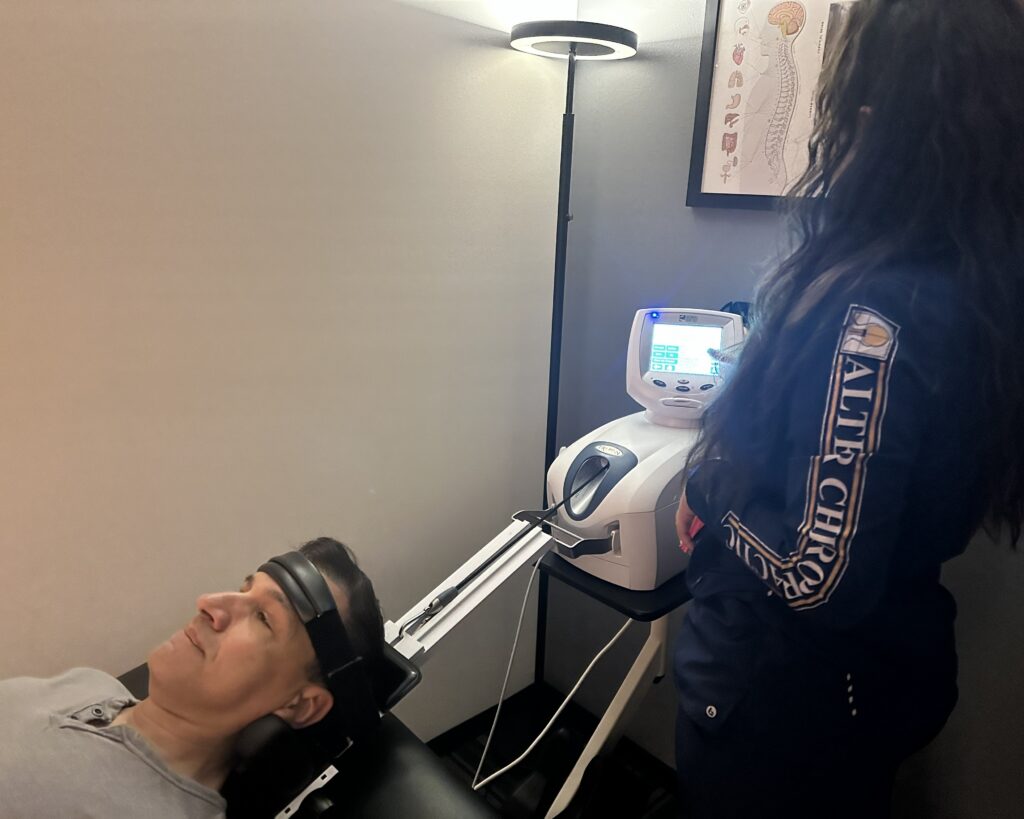
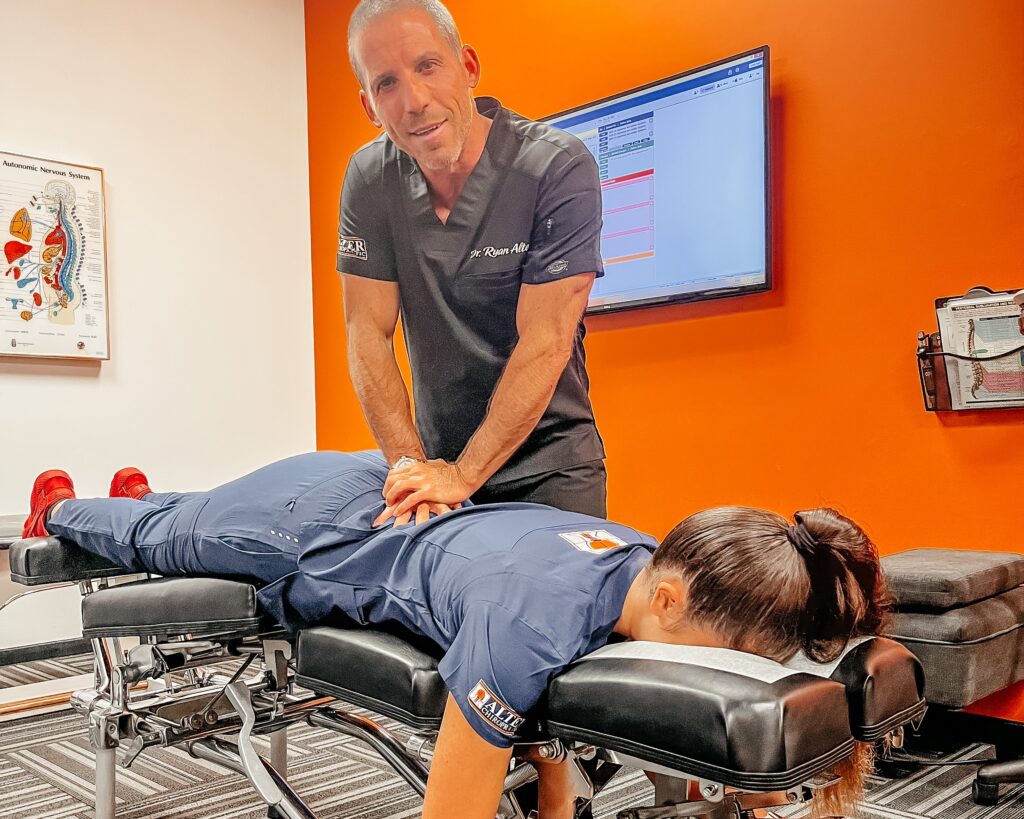
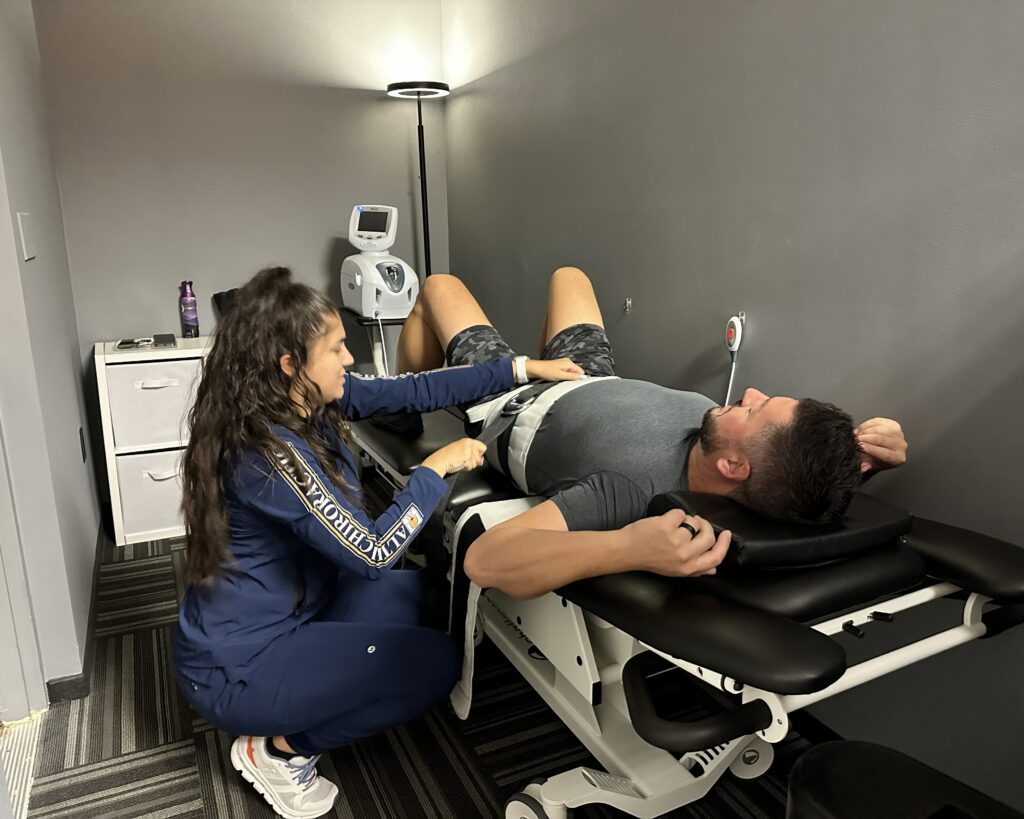
Chiropractic adjustments offer a hands-on approach to alleviating chronic back pain, and many people find relief through this method. Your chiropractor will assess your spinal alignment and overall body mechanics, identifying any misalignments or joint dysfunctions contributing to your discomfort. By using precise, controlled force, they'll realign your spine, which can help restore proper function and alleviate pain.
During a typical session, you might lie on a specialized table while the chiropractor manipulates your spine. You may hear popping or cracking sounds, which are completely normal and often indicate gas release from the joints. Most patients report feeling immediate relief after an adjustment, experiencing improved mobility and reduced stiffness.
Chiropractic care isn't just about alleviating pain, though. It also focuses on enhancing your body's overall function. By improving spinal alignment, you can enhance nerve function, potentially leading to better overall health.
Regular adjustments may help prevent future episodes of back pain, allowing you to maintain an active lifestyle. It's important to communicate openly with your chiropractor about your symptoms and any concerns you may have. They can tailor your treatment plan to fit your specific needs, ensuring you get the best possible results.
While chiropractic adjustments can be highly effective, they're best used in conjunction with other holistic approaches to back pain management. So, consider incorporating this non-invasive solution into your routine for lasting relief.
Exercise and Strength Training
Incorporating exercise and strength training into your routine can greatly enhance your back health and overall well-being. Regular physical activity not only supports spine stability but also helps alleviate chronic pain.
Here are three key benefits you'll notice when you commit to a consistent exercise regimen:
- Improved Muscle Strength: Strengthening your core muscles provides essential support to your spine. Exercises like planks and bridges can remarkably enhance your stability and reduce the risk of injury.
- Enhanced Flexibility: Stretching and mobility exercises can increase your range of motion, making daily activities easier and reducing strain on your back. Incorporating yoga or Pilates into your routine can be particularly beneficial.
- Weight Management: Maintaining a healthy weight reduces pressure on your spine and joints. Regular cardiovascular exercise, such as walking or swimming, can help you shed excess pounds and improve overall physical endurance.
To get started, aim for at least 150 minutes of moderate aerobic activity each week, along with strength training exercises for all major muscle groups twice a week.
Always listen to your body and consult with a healthcare professional before beginning a new exercise program, especially if you have a history of back pain.
Hot and Cold Therapy
When dealing with chronic back pain, using hot and cold therapy can provide significant relief. Both methods are simple, effective, and can be done at home without the need for expensive equipment.
Hot therapy, such as heating pads or warm baths, helps increase blood flow to the affected area. This increased circulation promotes healing and relaxes tight muscles, which can alleviate pain and stiffness. You might find that applying heat for 15 to 20 minutes at a time offers the most benefit. Just be sure to use a barrier, like a towel, to prevent burns.
On the other hand, cold therapy is excellent for reducing inflammation and numbing sharp pain. You can use ice packs or a frozen bag of vegetables wrapped in a cloth. Apply cold therapy for about 15 to 20 minutes, making sure to allow your skin to return to normal temperature before reapplying. This method works best after activity or when you first feel pain flare-ups.
Combining both therapies can also be effective. You might start with cold therapy to manage inflammation, followed by heat to soothe the muscles. Remember to listen to your body—if either method aggravates your pain, it's best to stop.
Ultimately, hot and cold therapy can be powerful tools in your pain management arsenal, providing comfort and relief as part of a thorough approach to managing chronic back pain.
Nutritional Support and Supplements
How can nutritional support and supplements play a role in alleviating chronic back pain? You might be surprised to discover how certain nutrients can help reduce inflammation, promote healing, and support overall spine health. Here are three key ways nutritional support can benefit you:
1. Anti-Inflammatory Foods: Incorporating foods rich in omega-3 fatty acids, such as salmon and walnuts, can help lower inflammation in your body.
A diet high in fruits, vegetables, and whole grains also supports better overall health and can mitigate pain.
2. Essential Vitamins and Minerals: Vitamins D and K, along with magnesium and calcium, are vital for maintaining bone health.
These nutrients can strengthen your spine and reduce the risk of pain caused by degenerative conditions.
Consider adding leafy greens, nuts, and dairy products to your diet to get these essential nutrients.
3. Supplements: If you're not getting enough nutrients from your diet, supplements can bridge the gap.
Glucosamine and chondroitin sulfate are popular choices for joint health, while turmeric and ginger are known for their anti-inflammatory properties.
Conclusion
Incorporating these effective non-invasive solutions can greatly improve your chronic back pain and enhance your overall well-being. By embracing physical therapy, chiropractic adjustments, and targeted exercises, you can strengthen your back and restore mobility. Don't forget the benefits of mindfulness practices and temperature therapies to support your pain management. With commitment to these approaches, you empower yourself to take control of your pain and enjoy a healthier, more active life.