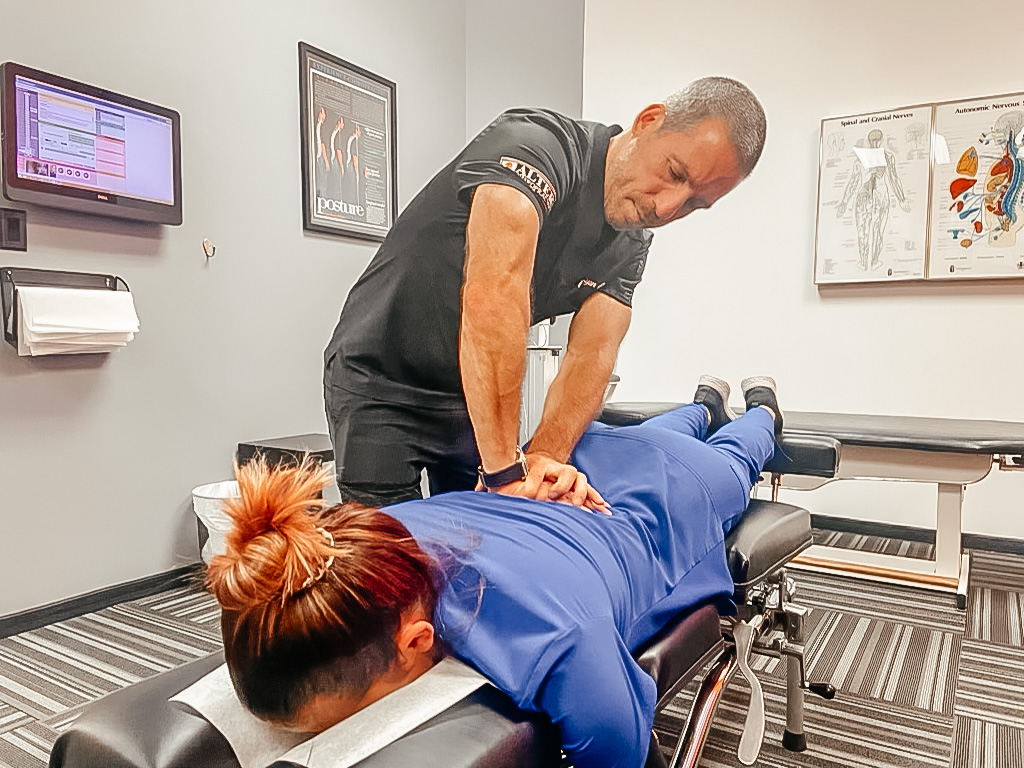
When caring for young children, employing effective chiropractic techniques can significantly enhance their overall experience and well-being. It's essential to create a nurturing environment that not only alleviates discomfort but also fosters trust and engagement. By utilizing methods tailored to their developmental stages and emotional needs, we can help children feel safe and secure during their visits.
Have you thought about how open communication and involving parents in the care process can further improve the outcomes for your child? Emphasizing the importance of natural healing and gentle adjustments can transform your approach to pediatric wellness. There is so much more to discover about how chiropractic care can support your child's health in a holistic way.
Creating a Comforting Environment
Creating a comforting environment for young children during chiropractic visits is crucial in ensuring a positive experience. It's important to make the space feel warm, inviting, and safe for both children and their families. Start by considering the colors and décor; soft, neutral tones can help reduce anxiety and create a tranquil atmosphere. Adding playful elements, such as wall decals or cheerful artwork, can brighten up the room without overwhelming the child.
Next, pay attention to the physical layout. Ensure that the furniture is kid-sized, making it easier for young ones to navigate and feel at home. Arrange seating to encourage interaction, allowing caregivers and children to connect easily. Consider creating cozy areas with small nooks, cushions, or soft rugs where a child can retreat if they become overwhelmed.
Incorporating sensory elements into the environment can also be beneficial. Providing tactile toys, soft fabrics, and gentle sounds can help soothe anxious children during their visit. It's essential to minimize harsh lighting and noisy equipment, which can be intimidating. Instead, opt for soft lighting and calming music to foster a serene atmosphere.
Establishing clear routines is another key aspect. Children thrive on predictability, so maintaining a consistent schedule can help them feel more at ease. Use simple language to explain procedures and offer reassurance throughout their experience.
When children feel comfortable and secure, they're more likely to engage positively with their chiropractic care. By focusing on these elements, you'll create a nurturing environment that supports young patients during their visits, helping them embrace the benefits of chiropractic care and natural healing.
Understanding Child Development Stages
Understanding the stages of child development is crucial in delivering comprehensive care, including chiropractic support.
As a local chiropractor, I emphasize the importance of recognizing key milestones in early childhood and how they relate to a child's physical and emotional health.
By being aware of these developmental stages, you can better appreciate how chiropractic care can support a child's growth, enhance their well-being, and promote natural healing.
Milestones of Early Childhood
As a local chiropractor, I want to take a moment to discuss the importance of recognizing developmental milestones during the early years of a child's life. Understanding these milestones can help you provide the best support for your child's growth and overall well-being, and chiropractic care can play a vital role in this process.
In the physical domain, you'll notice that by around 2 months, your baby begins to lift their head while on their stomach. This is an important stage that sets the groundwork for more advanced movements. By 12 months, many children are pulling up to stand and may even take their first steps. Chiropractic care can support healthy physical development by ensuring proper alignment and function of the spine and nervous system, which are crucial for motor skills.
Cognitive milestones are just as essential. At around 6 months, your child may start recognizing familiar faces and responding to simple words. By the time they reach 3 years, imaginative play becomes a part of their daily routine, reflecting their understanding of the world around them. Chiropractic adjustments can help maintain optimal brain function by supporting the nervous system, which is responsible for processing these cognitive skills.
Social skills begin to emerge during these formative years too. Around 9 months, many babies exhibit anxiety when separated from their caregivers, which is a normal part of their development. By age 2, they often start playing alongside other children, indicating the beginnings of social interaction. Proper spinal alignment from chiropractic care can help facilitate better communication and emotional regulation, enhancing your child's social experiences.
Recognizing these milestones not only aids in tracking your child's development but also emphasizes the importance of a holistic approach to their health. Chiropractic care can provide natural support that fosters growth and development, allowing your child to thrive during these critical early years.
Emotional Development Insights
Emotional development in young children is a fascinating journey, much like the intricate processes we observe in the human body. As a local chiropractor, I want to emphasize how crucial emotional well-being is to overall health, and how it intertwines with physical wellness.
Just as children begin to express emotions like joy, anger, and sadness, our bodies respond to these feelings in various ways. By understanding the connection between emotional health and physical alignment, we can better support the growth and development of our children.
Here are some insights to enhance your approach to both emotional and physical wellness:
- Recognize Emotions: Just as we identify physical discomfort, it's essential to help your child recognize and label their feelings. This fosters emotional literacy, which can also alleviate physical tension.
- Model Healthy Expression: Encourage your child to express their emotions in healthy ways, whether through communication, creative outlets, or physical activity, as movement can help release pent-up feelings and stress.
- Encourage Empathy: Teaching your child to understand and respond to the emotions of others not only nurtures social connections but can also promote a sense of community and support, which is vital for overall well-being.
- Validate Feelings: Acknowledge and validate your child's emotions. Just as we listen to our bodies' signals, recognizing feelings fosters trust and emotional security, which can positively affect physical health.
- Create a Safe Space: Cultivate an environment where your child feels secure to express themselves without fear of judgment. A safe emotional space can lead to reduced stress, which in turn can enhance physical alignment and health.
Effective Communication Strategies
Communicating effectively about chiropractic care and natural healing requires a thoughtful approach that fosters trust and understanding among my patients. I start by using clear and straightforward language, avoiding jargon that can be overwhelming. I aim to keep explanations simple and direct, ensuring that you feel comfortable and informed about your care.
When discussing treatment options or techniques, I maintain eye contact to show that I'm engaged and attentive to your concerns. This helps you feel valued and encourages open dialogue, allowing you to ask questions and express any uncertainties you may have.
I often use concrete examples and visual aids, such as diagrams or models, to clarify my explanations about the spine, nervous system, and how chiropractic adjustments can improve your health. These tools make the information more relatable and can ease any anxiety you might feel about your treatment.
I'm mindful of my tone and body language, as a calm and friendly demeanor can significantly impact how you perceive the information I share. When you sense warmth and openness, you're more likely to feel comfortable and respond positively to the care I provide.
Patience is also key; I understand that processing information takes time, and I encourage you to take your time to think and respond to any suggestions or questions.
Finally, I make it a priority to validate your feelings. If you express fear or discomfort about chiropractic care, I acknowledge that these feelings are completely normal. This validation helps build your confidence and encourages you to express yourself more freely in our discussions.
Building Trust With Young Patients
As a local chiropractor, I understand that establishing trust with young patients is crucial for effective chiropractic care. This trust not only lays the groundwork for a positive therapeutic relationship but also ensures that children feel comfortable and secure during their visits. When kids feel at ease, they're more likely to engage in their care, making the whole experience more fruitful for everyone involved. Here are some practical strategies I use to build that trust.
First and foremost, I strive to create a welcoming environment in my practice. Bright colors, playful decor, and child-friendly materials help to make the space feel less intimidating for young visitors. It's important to me that children feel at home when they come in for their appointments.
I also make a conscious effort to use age-appropriate language when explaining procedures. Rather than overwhelming young patients with medical jargon, I break down what'll happen in simple terms. This helps to demystify the chiropractic experience and alleviates any fears they might have.
Listening is another key component of building trust. I encourage my young patients to express their feelings and concerns, as this not only shows them that their thoughts are valued but also fosters a sense of respect and partnership in their care journey.
Involving parents in the process is equally important. Keeping parents informed not only reassures the child but also strengthens my relationship with the entire family. I believe that teamwork is essential in promoting a child's health and well-being.
Finally, I remind myself to be patient and consistent. Building trust takes time, especially with younger patients. I celebrate small victories during each visit—whether it's them sitting still for an adjustment or trying out a new technique. These moments are important for building their confidence and trust in the care they're receiving.
- I create a welcoming environment with bright colors and playful decor.
- I use age-appropriate language to explain procedures clearly.
- I encourage young patients to express their feelings and concerns.
- I involve parents in the care process to strengthen relationships.
- I celebrate small victories to help build confidence and trust.
Pain Management Techniques
As a local chiropractor, I understand that many parents may not be familiar with chiropractic care and its natural healing benefits, particularly when it comes to managing pain for young patients. It's crucial for us to prioritize effective pain management techniques to ensure that your child feels comfortable and secure during their chiropractic visits.
When your child visits our office, I strive to create an open line of communication with both you and your child. I take the time to explain what they can expect during their visit using simple and reassuring language. This clarity helps to alleviate any anxiety and promotes a collaborative environment where your child feels safe.
To help manage any discomfort, I utilize various distraction techniques. Engaging your child with toys, games, or videos can be a great way to shift their focus away from any pain they may be experiencing. Additionally, I often introduce deep breathing exercises, encouraging your child to take slow, deep breaths. This not only helps them relax but can also significantly reduce their perception of pain.
Incorporating heat or cold therapy is another method I find effective. A warm compress or an ice pack can provide soothing relief to sore areas, and I always explain how these therapies work to reinforce that their comfort is my top priority.
During the procedure, I may use gentle, calming touch. My hands can provide reassurance, and a soft, steady touch can alleviate any anxiety or discomfort your child may feel. I'm always attentive to your child's reactions and adjust my techniques as needed to ensure their comfort.
Lastly, I believe in the power of positive reinforcement. I make it a point to praise your child for their bravery and cooperation. By doing so, I help them associate chiropractic visits with positive experiences.
Encouraging Healthy Habits
As a local chiropractor, I want to emphasize the importance of establishing healthy habits in young children, particularly through routine activities and balanced nutrition.
Just as spinal health is crucial for overall well-being, consistency in daily routines helps kids understand what's expected of them. Moreover, nourishing meals provide the essential nutrients they need for growth and development.
By prioritizing these foundational elements, we can guide our children toward making lifelong healthy choices that support their overall health and vitality.
Establishing Routine Activities
As a local chiropractor, I want to share the importance of establishing a consistent routine for your young children, as it not only supports their physical health but also lays the groundwork for lifelong wellness habits.
By integrating daily activities into their lives, you help provide a sense of structure, promote security, and encourage independence. When children know what to expect, they're more likely to engage positively with their surroundings, which is crucial for their overall development.
To foster healthy habits and support their physical well-being, consider incorporating these beneficial routine activities into your child's day:
- Morning Stretching: Start the day with gentle stretches that can enhance flexibility and promote proper spinal alignment. This sets a positive tone for their physical activity throughout the day.
- Set Meal Times: Regular meal times not only help children understand the importance of nutrition but can also support their digestive health. A balanced diet is vital for their growth and development, and establishing these times can improve their appetite.
- Reading Together: Designate a specific time each day for reading. This practice fosters a love for literature, enhances cognitive skills, and can even promote better posture when done with proper seating arrangements.
- Outdoor Play: Schedule time for outdoor play, allowing your child to explore, be physically active, and connect with nature. Physical activity is crucial for maintaining a healthy spine and overall body function.
- Bedtime Ritual: Create a calming bedtime routine that signals the end of the day. This not only helps your child wind down but can improve their sleep quality, which is essential for recovery and growth.
By encouraging these routine activities, you're contributing to your child's physical health and well-being, which aligns with the principles of chiropractic care and natural healing.
Promoting Balanced Nutrition
As a local Chiropractor, I want to emphasize the importance of balanced nutrition in relation to overall health and wellness. Just as chiropractic care focuses on aligning the body to promote optimal function, nutrition plays a crucial role in supporting both physical and cognitive development for individuals of all ages.
To foster balanced nutrition, I recommend incorporating a wide variety of foods from all food groups into your family's diet. This means ensuring that you include plenty of fruits, vegetables, whole grains, lean proteins, and healthy fats in your meals.
Encourage your children to explore new foods, making mealtime a fun and enjoyable experience rather than a source of stress. Set a positive example by adopting and maintaining healthy eating habits yourself.
Children are very observant and often mimic their parents' choices, so when they see you enjoying nutritious meals, they're likely to follow your lead. Involving them in meal planning and preparation can also enhance their understanding of nutrition, and can increase their enthusiasm for healthy eating.
It's important to limit sugary snacks and drinks, opting instead for water or milk as primary beverages. While indulging in treats occasionally is perfectly fine, moderation is essential to prevent unhealthy patterns.
Establishing regular meal and snack times can create a routine that helps your child appreciate the importance of consistent nutrition. Lastly, keep the lines of communication open regarding food choices.
Encourage your children to express their preferences and discuss their nutritional needs. By nurturing a positive attitude toward food and healthy eating, you're setting the foundation for lifelong habits that can enhance their overall well-being, complementing the benefits of chiropractic care and natural healing.
Engaging Play Therapy Methods
As a local chiropractor, I want to share some engaging methods that can enhance your understanding of chiropractic care and natural healing. By incorporating various approaches, we can create a welcoming environment that encourages open communication about your health.
Here are some techniques you might find beneficial:
- Role Play: Imagine how your body feels when performing daily activities. We can discuss scenarios where you might experience discomfort, allowing you to explore how chiropractic care can help alleviate those issues.
- Art Therapy: Consider keeping a journal or drawing your experiences with pain or wellness. Expressing your feelings creatively can be a powerful way to communicate your health journey and identify areas where chiropractic adjustments may provide relief.
- Storytelling: Share your personal health stories with me. By discussing your experiences and challenges, we can work together to create a tailored approach to your treatment that resonates with your unique situation.
- Interactive Learning: Engage in discussions about your body mechanics and how chiropractic adjustments can improve your overall well-being. This interactive approach can help you understand the importance of alignment and posture in everyday activities.
- Tactile Exploration: During your visits, feel free to ask questions and explore the tools and techniques we use in chiropractic care. Understanding how adjustments are performed and their effects can empower you in your healing process.
Involving Parents in Care
Involving parents in the journey of their children's health and wellness is crucial, especially when it comes to chiropractic care and natural healing. By actively engaging parents in the process, we can create a collaborative environment that greatly benefits the child's overall well-being.
Begin by encouraging parents to take part in discussions about their child's physical health, potential treatment options, and care plans. This not only empowers them but also helps establish trust between the chiropractor and the family.
As a chiropractor, I recommend providing parents with resources that explain common musculoskeletal issues, the principles behind chiropractic adjustments, and how to manage care at home. Equipping parents with this knowledge enables them to support their child's health effectively.
Hosting workshops or informational sessions on essential topics such as posture, ergonomics, and the importance of spinal health can be incredibly beneficial. The more informed parents feel, the more confident they'll be in making decisions about their child's chiropractic care.
Additionally, it's important to create opportunities for parents to voice their concerns and share observations about their child's physical symptoms or behaviors. Encouraging them to maintain a journal of these details can provide valuable insights during chiropractic appointments.
This collaborative approach not only enhances communication but also allows for the tailoring of treatment plans that meet the unique needs of each child.
Lastly, it's essential to recognize the emotional challenges parents face when addressing their child's health concerns. Offering support and resources for stress management can significantly improve their ability to cope with these challenges.
Recognizing Signs of Distress
As a local chiropractor, I want to emphasize the importance of recognizing signs of distress in young children, especially when it comes to their overall well-being.
It's crucial to be attentive to both their behavior and physical health. Look out for changes in mood or activity levels, as these can indicate discomfort or stress.
Additionally, unusual crying or fluctuations in appetite may signal that something isn't quite right.
Behavioral Indicators of Distress
As a local chiropractor, I want to emphasize the importance of recognizing signs of distress in young children, as these can often be linked to physical discomfort that may benefit from chiropractic care.
Young children may struggle to articulate their feelings, so it's crucial to observe their behavior closely. Here are some behavioral indicators that might suggest they're in distress and could potentially benefit from a holistic approach:
- Increased clinginess: If your child suddenly becomes more dependent on you, it could indicate anxiety or physical discomfort. Chiropractic adjustments can help alleviate underlying tension.
- Withdrawal: When a child isolates themselves from play or social interactions, it may signify emotional distress, which can sometimes stem from physical issues. Gentle chiropractic care can support their overall well-being.
- Irritability or tantrums: Frequent outbursts might reflect frustration or discomfort. Chiropractic treatments can help address any physical discomfort that may be contributing to their irritability.
- Changes in sleep patterns: Difficulty falling asleep or experiencing nightmares can be signs of stress or discomfort. Chiropractic adjustments can promote relaxation and improve sleep quality.
- Changes in appetite: A sudden loss of interest in food or overeating may indicate emotional turmoil, which can be exacerbated by physical stress. Chiropractic care can help restore balance and promote healthy habits.
Physical Symptoms to Observe
As a local chiropractor, I want to emphasize the importance of observing physical symptoms in young children, as these can provide critical insights into their overall health and potential discomfort.
It's essential to be vigilant about any changes in their appearance, behavior, and physical condition, as these can often indicate underlying issues that may benefit from natural healing methods.
For instance, changes in skin color can be a sign of fever or circulatory problems, and it's crucial to pay attention to your child's breathing patterns. If you notice rapid or labored breathing, this could suggest respiratory concerns or anxiety that might benefit from gentle chiropractic adjustments to support their nervous system.
Additionally, unusual lethargy or irritability can be indicators of fatigue or illness. It's important to monitor their appetite and hydration levels as well—if your child suddenly loses interest in food or drink, it could signal that they're not feeling well.
Gastrointestinal symptoms like vomiting or diarrhea may also indicate an infection or food intolerance, and these can often be addressed through holistic approaches.
Pain complaints should never be overlooked, even if your child struggles to express where it hurts. Body language can provide valuable clues—look for signs like grimacing or clutching areas of discomfort.
Promoting Preventive Care Measures
As a local chiropractor dedicated to your family's health, I want to emphasize the importance of preventive care measures for your child's well-being. By integrating chiropractic care into your child's health routine, you're not only supporting their physical health but also instilling a lifelong commitment to natural healing and wellness.
Here are some essential strategies to consider:
- Regular Chiropractic Check-Ups: Just like routine visits to a pediatrician, incorporating regular chiropractic assessments is crucial. These visits help monitor your child's spinal health, support proper growth and development, and can identify any alignment issues early on.
- Holistic Health Practices: Stay informed about the natural healing benefits of chiropractic care. Regular adjustments can enhance your child's immune system, promote better sleep, and improve overall physical function, helping them stay healthy and active.
- Nutritional Guidance: Encourage a diet that complements chiropractic care by focusing on whole, natural foods. A balanced intake of fruits, vegetables, and wholesome grains can amplify the benefits of chiropractic treatments and support robust health.
- Active Lifestyle: Promote an active lifestyle that includes play and exercise. Regular physical activity not only helps maintain a healthy weight but also supports spinal health. Chiropractic care can enhance your child's physical performance and overall energy levels.
- Holistic Dental Care: Emphasize the connection between oral health and overall well-being. Regular chiropractic care can help improve posture and alignment, which may indirectly support optimal dental health. Establishing good dental hygiene practices from an early age complements chiropractic care for a healthy smile.
Conclusion
As a local chiropractor, I want to share how effective pediatric care techniques can greatly enhance your child's experience when seeking natural healing. By creating a warm and welcoming environment, understanding the developmental needs of young children, and communicating in a clear and age-appropriate manner, we can build trust and alleviate any anxiety they may feel about visiting a chiropractor.
Incorporating playful methods during our sessions helps engage children and makes them feel more comfortable. It's also important to involve parents in the process, fostering a team approach to their care. By being attentive to signs of discomfort or distress, we can ensure that children receive the gentle support they need for both their physical and emotional health. Emphasizing preventive care and natural healing practices allows us to cultivate a foundation for lifelong wellness in your child.