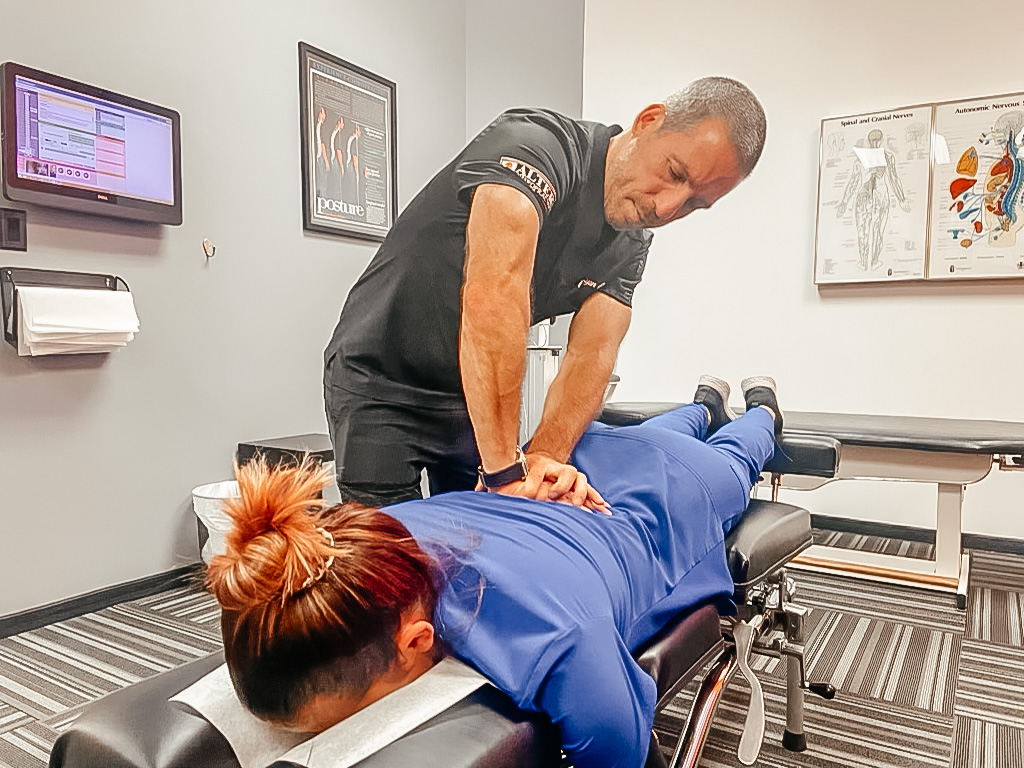
As your local chiropractor, I understand that facing a sports injury can be daunting. However, I want to reassure you that embracing natural methods can significantly enhance your recovery journey. By prioritizing nutrition, hydration, and mindfulness, we can work together to support your body’s healing process effectively.
Many individuals are unaware of how these fundamental elements can contribute to regaining your strength and mobility after an injury. Simple lifestyle adjustments, such as optimizing your diet to include anti-inflammatory foods, staying well-hydrated, and practicing mindfulness techniques, can make a substantial difference.
In our practice, we emphasize the importance of a holistic approach to healing. Chiropractic care complements these natural methods by aligning your spine and improving your overall function, allowing your body to heal more efficiently. Let’s explore how these components can work in harmony to enhance your recovery and help you return to the activities you love.
Understanding the Healing Process
As a local chiropractor, I want to help you understand the healing process after a sports injury, especially if you’re new to chiropractic care and natural healing. Recovery is essential, and it typically unfolds in three important phases: inflammation, repair, and remodeling.
Initially, when you experience an injury, your body enters the inflammation phase. This is a natural response where you might notice swelling, redness, or pain in the affected area. This inflammation is your body’s way of signaling that it needs to focus on healing, and it’s a protective measure to prevent further damage.
Following this, we move into the repair phase. During this time, your body starts to rebuild and regenerate tissue. You might experience some discomfort, which is completely normal. It’s crucial to listen to your body during this phase and avoid pushing yourself too hard.
Chiropractic adjustments can help alleviate pain and promote healing by ensuring that your body is aligned and functioning optimally.
Finally, we reach the remodeling phase, which can last for several months. During this phase, your body strengthens and refines the healed tissue, gradually restoring its function. It’s important to maintain a positive mindset and give yourself the necessary time to heal.
As a chiropractor, I encourage you to be patient with yourself and trust in your body’s innate ability to recover.
The Role of Nutrition in Recovery
As a local chiropractor, I want to emphasize the vital role nutrition plays in your recovery from sports injuries.
It’s not just about adjustments and therapies; what you fuel your body with is equally important. By prioritizing nutrient-dense foods and ensuring you stay properly hydrated, you can significantly enhance your healing process.
Let’s discuss how these nutritional elements can support your recovery and help you come back stronger than ever.
Nutrient-Dense Foods
As a chiropractor, I understand the importance of a holistic approach to recovery, especially when it comes to healing from a sports injury. One of the key components of this process is incorporating nutrient-dense foods into your diet. These foods are packed with essential vitamins, minerals, and antioxidants that your body needs to heal effectively.
Here are some recommendations to consider including in your meals:
- Leafy greens: Foods like spinach and kale are high in vitamins K and C, which play a vital role in supporting your body’s healing processes.
- Lean proteins: Incorporating sources such as chicken, fish, and legumes can significantly aid in tissue repair, helping you recover faster and stronger.
- Berries: These little powerhouses are rich in antioxidants that can help reduce inflammation, an important factor in your recovery journey.
- Nuts and seeds: Not only do they provide healthy fats, but they also offer protein, giving you the energy you need to stay active during your healing.
- Whole grains: Foods like brown rice and quinoa supply complex carbohydrates that provide sustained energy, helping you maintain your strength as you recover.
By focusing on these nutrient-dense foods, you’ll support your body’s natural healing abilities, which is an essential part of chiropractic care and overall wellness.
Hydration Importance
As a local chiropractor dedicated to your overall health and recovery, I want to emphasize an often-overlooked aspect of healing that goes hand in hand with a diet rich in nutrients: hydration. Proper hydration plays a crucial role in your recovery process. It helps transport essential nutrients to the tissues that need healing, reduces inflammation, and helps flush out toxins from your body.
When you’re not drinking enough water, your body struggles to operate efficiently, which can slow down your healing.
I recommend making it a habit to drink water consistently throughout the day, particularly before, during, and after any physical activity. Additionally, incorporating drinks rich in electrolytes can further assist in recovery by replenishing the minerals your body loses through sweat.
It’s important to listen to your body’s signals; feeling thirsty is your body’s way of telling you that it needs more fluids.
Remember, hydration is about more than just satisfying thirst—it’s a vital component of your overall recovery journey. By prioritizing hydration, you’ll support your body’s natural ability to bounce back from injuries and maintain optimal health.
Let’s work together to ensure you’re not only nourishing your body with the right foods but also keeping it well-hydrated for the best possible recovery outcomes.
Herbal Remedies for Pain Relief
When managing the pain associated with sports injuries, I often recommend exploring herbal remedies as a natural and effective option for relief. These remedies have been utilized for centuries and can play a significant role in reducing inflammation, alleviating pain, and fostering the healing process.
Here are some herbal options I encourage you to consider:
- Turmeric: This golden spice contains curcumin, which is recognized for its powerful anti-inflammatory effects. Incorporating turmeric into your diet can be beneficial.
- Ginger: Known for its ability to ease pain and inflammation, ginger is frequently used in teas or taken as a supplement. It’s a great addition to your recovery routine.
- Willow Bark: Often referred to as nature’s aspirin, willow bark is a natural source of salicin and has been traditionally used to relieve headaches and muscle discomfort.
- Arnica: When applied topically, arnica can be effective in reducing bruising and soreness, making it a popular choice for localized pain relief.
- Devil’s Claw: Commonly available in supplement form, this herb is renowned for its pain-relieving properties and can support your recovery efforts.
It’s important to always consult with a healthcare professional before trying new remedies, especially if you’re currently on medication.
By integrating these herbs into your recovery strategy, you may enhance the healing process and get back to your activities more swiftly.
The Benefits of Physical Therapy
As a local chiropractor, I want to share the incredible benefits of incorporating chiropractic care into your recovery process, especially after a sports injury.
Chiropractic care offers a holistic approach that can significantly enhance your healing journey. By collaborating with a skilled chiropractor, you’ll receive customized treatment plans designed specifically for your unique circumstances.
These plans often include targeted adjustments and exercises aimed at strengthening muscles, improving flexibility, and restoring your range of motion. We also utilize hands-on techniques such as spinal manipulation, which can alleviate pain and promote optimal circulation to the affected areas.
Moreover, chiropractors are dedicated to educating you about proper body mechanics and posture, empowering you to prevent future injuries. With regular chiropractic sessions, you’re likely to experience notable improvements in your overall function and self-confidence.
Additionally, chiropractic care can accelerate your recovery time, allowing you to regain strength more quickly and return to your favorite activities sooner.
Ultimately, integrating chiropractic care into your recovery plan can be a game-changer in your journey back to peak performance and optimal health.
Mindfulness and Mental Resilience
As a local chiropractor, I want to share how mindfulness can significantly aid your recovery from sports injuries. Staying present and focused during your healing journey is crucial, and mindfulness practices can help you do just that.
By fostering mental resilience, you give yourself the strength to overcome the challenges and setbacks that often accompany the recovery process.
In my practice, I’ve seen firsthand how combining chiropractic care with mindfulness techniques can enhance your overall healing. Here are some effective strategies you can incorporate to strengthen your mental fortitude and support your recovery:
- Breathing Exercises: Simple breathing techniques can help calm your mind and reduce anxiety about your injury.
- Visualization: Imagine your body healing and regaining strength. This positive imagery can motivate you and improve your outlook.
- Mindful Movement: Gentle, mindful movements can reconnect you with your body and promote healing while being aware of how you feel during each activity.
- Gratitude Journaling: Keeping a journal to note what you’re grateful for can shift your focus from pain to positivity, which is essential in your recovery journey.
I encourage you to embrace these mindfulness practices alongside chiropractic care to enhance your healing process.
Together, we can work towards not just physical recovery but also mental strength, ensuring you come back stronger than ever.
Benefits of Mindfulness
As a local chiropractor, I want to emphasize the importance of integrating mindfulness practices into your recovery from sports injuries. Mindfulness can significantly strengthen your mental resilience and enhance your overall healing process. By fostering a deeper awareness of your thoughts and emotions, you can navigate the challenges of recovery more effectively.
Here are some key benefits you can expect:
- Reduced stress: Mindfulness techniques can help lower anxiety levels and promote a state of relaxation, which is crucial for healing.
- Improved focus: You’ll find that mindfulness can enhance your ability to concentrate on your rehabilitation exercises, leading to better outcomes.
- Enhanced emotional regulation: Learning mindfulness helps you manage feelings of frustration and disappointment that often arise during recovery.
- Increased patience: Embracing mindfulness allows you to accept the recovery process without feeling the need to rush, which is essential for long-term healing.
- Better pain management: Mindfulness can alter your perception of pain, making it easier to cope with and reducing your overall discomfort.
Building Mental Resilience
Recovering from a sports injury can often present significant mental challenges alongside the physical ones. As a chiropractor, I believe that building mental resilience is crucial during your recovery journey. It’s common to encounter frustrations, doubts, and fears, but there are effective strategies to strengthen your mindset while healing.
First, it’s important to acknowledge your emotions without judgment. Accepting how you feel allows you to process your thoughts more effectively and fosters resilience. Incorporating mindfulness practices into your routine can help you stay grounded and focused.
Visualizing your recovery is another powerful tool—imagine yourself back in action, successfully overcoming the obstacles in your path. This mental imagery can serve as a motivating force, encouraging you to stay committed to your healing process.
Additionally, surrounding yourself with a supportive network of friends and family can make a significant difference. Their encouragement can uplift you during challenging times and help you navigate your journey more smoothly.
Remember, setbacks are a natural part of the healing process. By embracing each moment, both the triumphs and the challenges, you empower yourself to bounce back stronger and more determined than ever.
Stay focused on your recovery goals, and have faith in your ability to heal—chiropractic care and natural healing methods can play an essential role in that journey.
Techniques for Focused Recovery
As a local chiropractor dedicated to helping you recover from sports injuries, I want to share some valuable techniques that can enhance your healing process. Incorporating mindfulness into your recovery can significantly improve your mental resilience, allowing you to focus on your healing and performance.
Here are some effective strategies to consider:
- Meditation: Taking just a few minutes each day to practice mindfulness meditation can help you center your thoughts and promote a sense of calm, which is essential for recovery.
- Breathing exercises: Engaging in deep, controlled breathing techniques can reduce stress levels and encourage relaxation, both of which are crucial for healing.
- Visualization: Picture your body healing and performing at its peak. This mental imagery can boost your motivation and reinforce your commitment to recovery.
- Journaling: Keeping a journal to reflect on your recovery journey can be incredibly beneficial. Documenting your progress and any challenges you face fosters a positive mindset and helps you stay focused on your goals.
- Positive affirmations: Saying encouraging phrases to yourself can strengthen your belief in your recovery and your capabilities. This positive self-talk is a powerful tool for enhancing your mental outlook.
By integrating these mindful techniques into your recovery routine, you can cultivate a sense of focus and resilience that supports your healing process.
As your chiropractor, I’m here to guide you on this journey to optimal health and wellness.
Importance of Sleep in Recovery
As a local chiropractor, I want to emphasize the vital role that sleep plays in your recovery from sports injuries. Many people may not realize that while you sleep, your body is engaged in crucial repair processes. This is when your muscles focus on tissue repair and growth, helping you heal more effectively.
It’s important to not only get enough hours of sleep—aiming for 7-9 hours each night—but also to pay attention to the quality of your sleep. Deep sleep cycles are particularly important, as this is when your body releases growth hormones that facilitate healing. If you’re struggling with sleep, it can hinder your recovery process. Poor sleep can increase inflammation and extend the time it takes to heal from injuries.
To improve your sleep quality, consider establishing a calming bedtime routine that signals to your body that it’s time to relax. Limiting screen time before bed and creating a comfortable sleep environment are also beneficial practices.
Natural Supplements for Enhanced Healing
As a local chiropractor, I often see patients focusing solely on rest and rehabilitation after a sports injury, but I want to emphasize the significant role that natural supplements can play in enhancing your healing process.
These supplements provide vital nutrients that not only support tissue repair but also help reduce inflammation and improve your overall recovery. Here are some key options to consider as part of your healing journey:
- Turmeric: This powerful spice contains curcumin, which is well-known for its anti-inflammatory properties. Incorporating turmeric into your diet can help alleviate pain and promote healing.
- Omega-3 Fatty Acids: Found abundantly in fish oil, omega-3s are excellent for reducing inflammation and encouraging a faster recovery.
- Vitamin C: This essential vitamin is crucial for collagen production, which plays a key role in repairing tissues and aiding your body’s healing processes.
- Glutamine: As an amino acid, glutamine supports muscle recovery and boosts your immune function, making it a valuable addition to your recovery plan.
- Bromelain: Derived from pineapple, bromelain is an enzyme that helps minimize swelling and discomfort, which can be particularly beneficial after an injury.
By integrating these natural supplements into your recovery routine, you can complement the chiropractic care you receive and enhance your healing experience.
If you have any questions about how to incorporate these supplements or about your overall recovery plan, feel free to ask during your next visit!
The Power of Hydration
As a local chiropractor, I want to emphasize the crucial role that hydration plays in your recovery from sports injuries. Many people may not realize that staying properly hydrated is essential for healing. When you drink enough water, your body can effectively transport vital nutrients to injured areas and flush out harmful toxins. Conversely, dehydration can slow down your recovery, leading to increased fatigue, cramping, and muscle soreness.
I encourage you to make it a daily habit to drink water consistently, especially before, during, and after your workouts. If you find yourself sweating a lot, it might be beneficial to incorporate electrolyte-rich beverages to help replenish the minerals you’ve lost.
A good rule of thumb is to aim for at least half your body weight in ounces of water each day, adjusting this amount based on your activity level and the climate you’re in.
Pay attention to your body’s signals. If you feel thirsty, it’s important to respond to that cue. Staying well-hydrated not only supports your physical recovery but also helps maintain mental clarity, which is essential for staying focused on your rehabilitation goals.
Gentle Movement and Rehabilitation Techniques
As a local chiropractor, I want to emphasize the importance of incorporating gentle movement into your recovery plan, especially when healing from sports injuries. Engaging in light, controlled exercises can significantly enhance your healing process by improving circulation, flexibility, and strength without overexerting your body.
Here are some gentle techniques you might consider:
- Walking: Begin with short distances to keep your mobility intact and gradually increase as your comfort allows.
- Stretching: Gentle stretches can alleviate tension and help prevent stiffness, which is crucial for maintaining your range of motion.
- Yoga: Focusing on restorative yoga can promote relaxation, balance, and mental well-being during your recovery.
- Swimming: The buoyancy of water supports your body, enabling low-impact movement that’s easy on your joints.
- Physical therapy: Collaborating with a professional can help you create a personalized rehabilitation program tailored to your specific needs.
These gentle movements not only assist in your recovery but also help you reconnect with your body and its capabilities.
Always listen to what your body is telling you and adjust the intensity of your activities as necessary. Remember, the healing journey requires patience, and it’s essential to prioritize your well-being as you gradually return to your regular activities.
Embracing these natural healing techniques can lead to a more effective and holistic recovery experience.
Conclusion
As a local chiropractor, I want to share with you some natural strategies that can significantly enhance your recovery from sports injuries. It’s important to understand that healing goes beyond just physical treatment; it involves a holistic approach that includes nutrition, hydration, and gentle movement.
By focusing on what you eat and drink, you provide your body with the essential nutrients it needs to heal effectively. Incorporating mindfulness practices can also be beneficial, as they help foster mental resilience during your recovery journey.
Don’t underestimate the importance of sleep—it’s crucial for healing and regeneration. Additionally, considering natural supplements may give your recovery a boost, supporting your body in the healing process.
Embracing this holistic approach not only aids in your recovery but also prepares you to return to your activities stronger and more balanced than before. Remember, your journey to recovery starts with these essential steps, and as your chiropractor, I’m here to support you every step of the way!