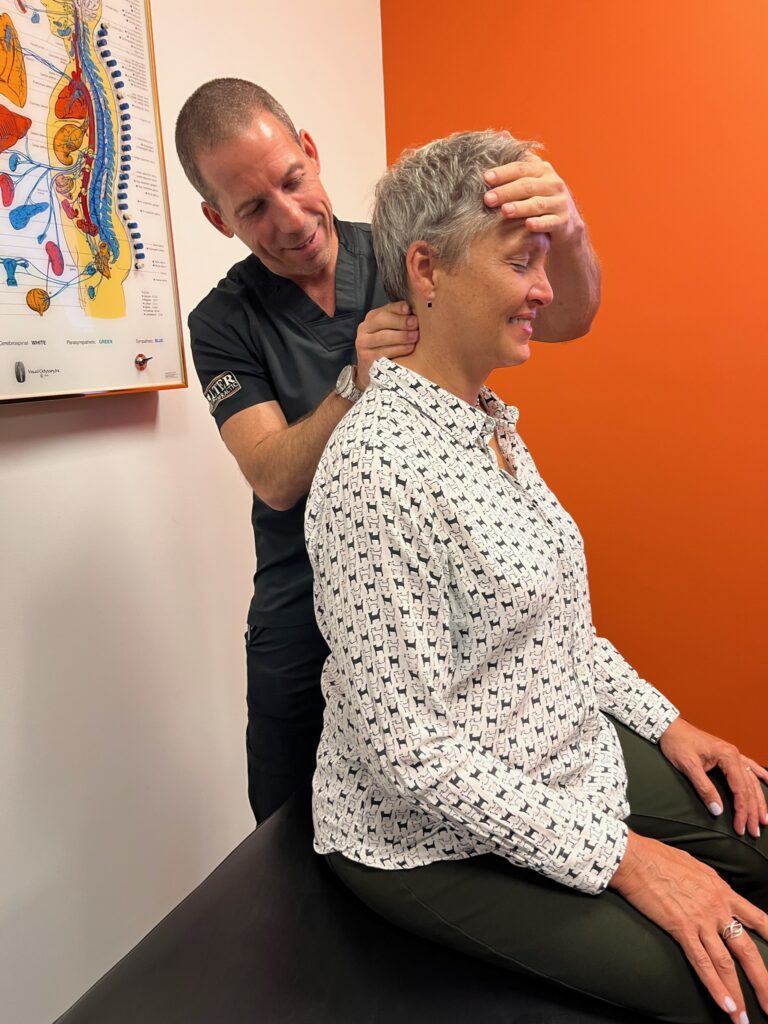

As a local chiropractor, I often see patients struggling with back pain, a common concern that can significantly affect daily life. However, there are proactive steps you can take to help prevent this discomfort. By incorporating essential exercises into your routine, you can strengthen your core, enhance flexibility, and improve your posture, all of which are vital for maintaining a healthy back.
It’s important to understand that preventing back pain isn’t just about hitting the gym; it’s about creating a solid foundation for your overall well-being. I’m here to guide you through specific exercises that can truly make a difference in your life. Let’s delve into the key components of an effective routine that can support your back health and promote natural healing. Your journey to a pain-free life starts with understanding and action!
Understanding the Importance of Core Strength
As a local chiropractor, I want to share some important insights about the significance of core strength in maintaining a healthy back. Many people may not realize that a strong core plays a crucial role in preventing and alleviating back pain. Your core muscles—including your abdominals, obliques, and lower back—are vital in supporting your spine and keeping your posture aligned.
When these muscles are weak, your back has to compensate, which can lead to strain and discomfort. Incorporating core-strengthening exercises into your routine can provide a solid foundation for your body, enhancing both stability and balance.
Think of your core as a natural corset; when it’s strong, it protects your spine during everyday activities, whether you’re lifting heavy items or sitting at your desk.
I encourage you to include exercises like planks, bridges, and bird-dogs in your fitness regimen. Not only will you notice an improvement in your back pain, but your overall physical performance will also enhance.
Stretching for Flexibility
As a chiropractor, I want to emphasize the importance of stretching in maintaining flexibility and preventing back pain. Many of my patients are surprised to learn how a regular stretching routine can significantly enhance their range of motion and alleviate muscle tension.
By focusing on stretches that target the back, hips, and legs, which are common sources of discomfort, you can cultivate a healthier body.
When you stretch, aim to hold each position for at least 15-30 seconds and remember to breathe deeply. This deep breathing allows your body to relax and fully benefit from the stretch.
Simple yet effective stretches such as the cat-cow, child’s pose, and hamstring stretch can work wonders in relieving tightness.
I encourage you to incorporate stretching into your daily routine, especially after prolonged periods of sitting or standing. You may be surprised at how much more relaxed your muscles feel and how your posture improves over time.
Consistency is crucial, so I recommend making stretching a regular habit for your overall well-being.
The Role of Posture in Back Health
As a local chiropractor, I want to emphasize just how crucial your posture is when it comes to maintaining a healthy back. Many people may not realize that simple adjustments to your workspace and daily habits can significantly alleviate discomfort and prevent future issues.
By setting up your work environment with ergonomic principles in mind and practicing proper techniques for sitting and standing, you can minimize unnecessary strain on your spine.
Let’s break it down: when you align your body correctly, you distribute weight evenly, reducing the stress on your back muscles and joints. This not only enhances your comfort during daily activities but also plays a vital role in your overall spinal health.
I encourage you to consider these simple changes; they can lead to a remarkable improvement in how you feel throughout your day. Remember, your body deserves to move and function at its best!
Importance of Ergonomic Setup
As a chiropractor, I want to emphasize the significance of an ergonomic setup in your daily life, particularly concerning your posture and back health. When you create a workspace that aligns with your body’s natural posture, you can significantly reduce the strain on your back and spine.
Start by adjusting your chair to ensure your feet are flat on the floor and your knees are level with your hips. This foundational change can help support your lower back. Your computer monitor should be positioned at eye level to prevent any unnecessary neck strain.
It’s also important to keep your keyboard and mouse within easy reach so your elbows can remain close to your body and your wrists in a neutral position.
In addition to these adjustments, remember to take frequent breaks. Stretching and changing your position throughout the day can greatly enhance your comfort and overall well-being.
Correct Sitting Techniques
As a local chiropractor, I want to share some important insights about maintaining your back health, especially if you spend long hours sitting.
Even if you have an ergonomic chair, it’s crucial to adopt correct sitting techniques to support your spine effectively. You might think that just having an adjustable chair is enough, but your posture plays a vital role in your overall spinal health.
Here are some practical tips to keep in mind:
- Keep your feet flat: Ensure that your feet are either resting flat on the ground or on a footrest. This helps maintain proper alignment and reduces strain on your lower back.
- Sit back in your chair: Make it a habit to sit all the way back in your chair. Use the chair’s lumbar support to encourage the natural curve of your lower back, which can help prevent discomfort and pain.
- Align your screen: Position your computer monitor at eye level. This will prevent unnecessary strain on your neck and shoulders, allowing you to work more comfortably.
Adopting these techniques can significantly enhance your posture and overall well-being.
If you have any questions or need more personalized advice, feel free to reach out. Your spinal health is worth it!
Standing Posture Tips
As a local chiropractor, I want to emphasize the importance of standing posture for your overall back health. While many people are aware of the significance of sitting correctly, standing posture deserves equal attention.
To enhance your standing alignment, start by positioning your feet shoulder-width apart and distributing your weight evenly between both legs. This simple adjustment can make a significant difference.
Engaging your core muscles is crucial; it helps support your spine and maintain stability. Remember to keep your shoulders back and relaxed, avoiding any tension. It’s important not to lock your knees; instead, maintain a slight bend to encourage healthy circulation throughout your legs.
Your head should be aligned directly over your shoulders, ensuring that your ears are in line with your hips. This alignment promotes proper spinal health and can help prevent discomfort.
If you find yourself standing for extended periods, consider shifting your weight from one foot to the other or using a footrest to alleviate pressure.
I encourage you to regularly check in with your posture throughout the day. Small adjustments can go a long way in preventing discomfort and supporting your spine’s natural alignment.
Strengthening Exercises for the Back
As a chiropractor, I want to share some valuable insights on how to strengthen your back and promote overall spinal health.
One of the best ways to achieve this is through core stability workouts and flexibility drills. These exercises not only help build strength in your back but also enhance your mobility, which is essential for maintaining good posture.
Incorporating these types of exercises into your daily routine can significantly support your back and alleviate discomfort.
By focusing on core strength and flexibility, you’re taking proactive steps towards a healthier spine. Remember, a strong and flexible back plays a crucial role in preventing pain and promoting overall well-being.
If you have any questions or need guidance on specific exercises, feel free to reach out—I’m here to help you on your journey to better health!
Core Stability Workouts
As a local chiropractor, I want to emphasize the importance of core strength for your overall health and well-being. Strengthening your core not only enhances your stability but also provides vital support for your back, which is essential for preventing pain and improving your posture.
Engaging your abdominal and pelvic muscles creates a solid foundation for all physical activities, contributing to a healthier spine and better movement patterns.
Let’s explore three effective core stability exercises that I recommend for my patients:
- Planks: This exercise involves holding a plank position, where you maintain a straight line from your head to your heels. It helps build endurance in your core muscles and supports your spine.
- Bird-Dog: Start on all fours, then extend one arm forward while simultaneously extending the opposite leg backward. This exercise enhances balance and coordination, engaging both your core and stabilizing muscles.
- Dead Bug: Lie on your back with your legs raised, and alternate extending each leg while keeping your core engaged. This movement promotes core stability while ensuring your spine remains supported.
Incorporating these exercises into your routine can lead to a stronger, more resilient back, helping you to maintain your health naturally.
If you have any questions or need guidance on integrating these exercises into your lifestyle, feel free to reach out during your next visit!
Flexibility and Mobility Drills
As a local chiropractor, I want to emphasize that building core strength is just one component of maintaining a healthy back. Equally important are flexibility and mobility drills that enhance your range of motion and help prevent injuries.
Incorporating stretches like the cat-cow and child’s pose into your routine can effectively relieve tension and improve spinal flexibility. Additionally, performing hip flexor stretches is crucial, especially to counteract the tightness that often results from prolonged sitting.
Don’t overlook the benefits of dynamic movements like torso twists and side bends; these exercises keep your spine agile and responsive. By regularly practicing these flexibility and mobility drills, you ensure that your muscles remain limber and ready for your daily activities.
Low-Impact Aerobic Activities
As a local chiropractor, I often see patients looking for effective ways to manage back pain. One of the most beneficial approaches I recommend is incorporating low-impact aerobic activities into your daily routine. These exercises can elevate your heart rate while minimizing strain on your back, helping you achieve overall fitness without exacerbating any discomfort.
Here are some excellent options to consider:
- Walking: This is a straightforward yet powerful way to boost circulation and strengthen your muscles without harsh impacts on your spine.
- Swimming: The water’s buoyancy supports your body, allowing you to move freely. This not only helps in strengthening your back muscles but also reduces the risk of injury.
- Cycling: Whether you prefer a stationary bike at home or enjoy riding outdoors, cycling offers a fantastic cardiovascular workout with minimal stress on your spine.
By regularly engaging in these low-impact activities, you can enhance your stamina, improve flexibility, and alleviate tension in your back.
The best part is that these exercises can be fun, making it easier for you to stick with them. Always remember to listen to your body—if you experience any pain, it’s important to seek guidance from a professional like myself.
Together, we can find the right balance of activity and care tailored to your needs.
Incorporating Balance and Stability Training
As your local chiropractor, I want to emphasize the importance of incorporating balance and stability training into your wellness routine for optimal back health. Many people are unaware of how these exercises can significantly strengthen your core, improve your posture, and enhance overall stability—factors that are crucial for preventing back pain.
To get started, you might want to try simple exercises such as single-leg stands or stability ball workouts. These movements not only engage your core muscles but also challenge your balance, laying a solid foundation for your back support.
As you become more comfortable, consider integrating tools like resistance bands or balance boards into your training. Exercises such as planks and bird-dogs are excellent for promoting core strength while also enhancing your balance.
I recommend aiming to include these exercises two to three times a week, gradually increasing their difficulty as you gain confidence.
Creating a Consistent Workout Routine
As a local chiropractor, I want to emphasize how important it’s to create a consistent workout routine for managing back pain and enhancing your overall health.
Establishing a regular exercise regimen can significantly support your chiropractic treatment and foster natural healing. Here are some steps to help you develop a routine that works for you:
- Schedule Your Workouts: Designate specific times each week for your exercise sessions. Consider these appointments essential for your health, just like your chiropractic visits.
- Incorporate Variety: It’s beneficial to include a mix of exercises in your routine—strength training, flexibility workouts, and aerobic exercises. This variety not only keeps your workouts engaging but also helps target different muscle groups, which is crucial for maintaining a balanced body and preventing injury.
- Monitor Your Progress: Keeping track of your workouts can be incredibly motivating. Use a journal or an app to record your activities and progress. This won’t only help you stay accountable but also allow us to see how your body responds to your routine during our chiropractic sessions.
Conclusion
As your local chiropractor, I want to emphasize the importance of incorporating essential exercises into your daily routine to help prevent back pain and improve your overall well-being. Focusing on core strength, flexibility, posture, and balance is key to building a resilient body that can support a healthy lifestyle.
Many of you may not be familiar with how chiropractic care can complement these exercises, but it plays a vital role in maintaining your spinal health. Remember, consistency is crucial, and it’s important to listen to your body’s signals. With dedication to these exercises and regular chiropractic adjustments, you can not only prevent discomfort but also enhance your mobility and energy in everyday activities.
I encourage you to start today—investing in a healthier back now will pay off in the long run. Together, we can work towards a pain-free and active life!