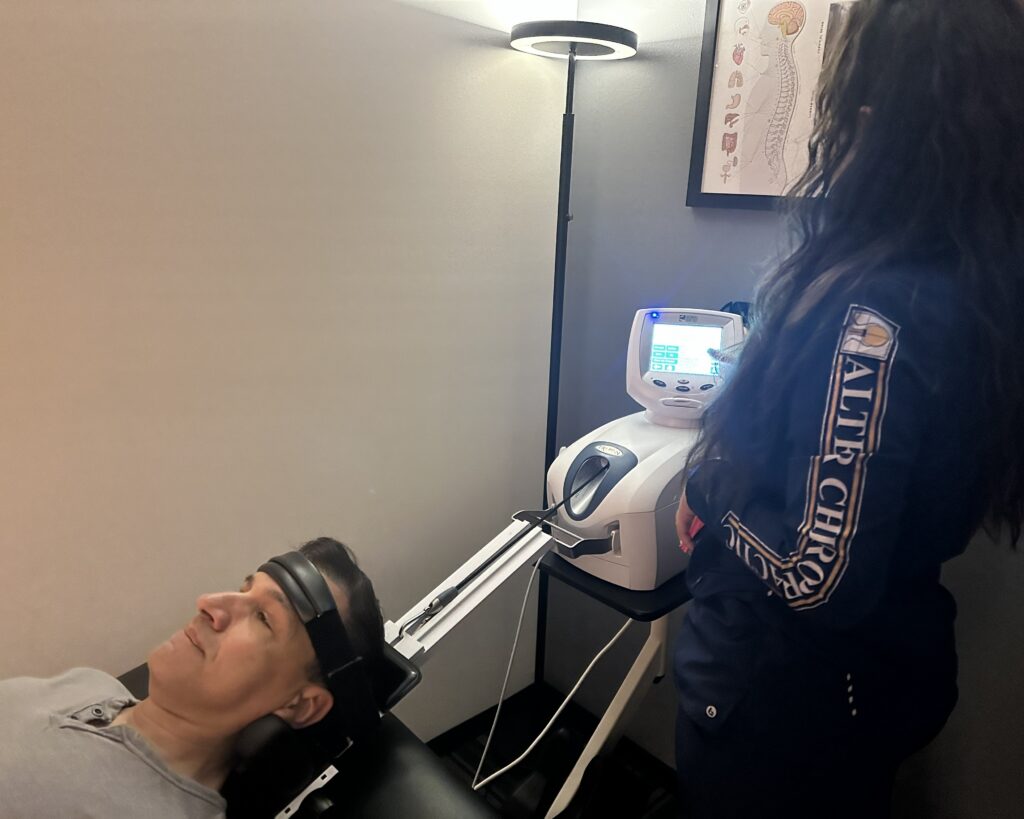

Managing headaches can often feel overwhelming, but it doesn’t have to be. As a local chiropractor, I believe that with a few simple changes to your daily routine, you can significantly reduce the frequency and intensity of your headaches. Chiropractic care focuses on natural healing and wellness, which can be an excellent way to achieve optimal health and relieve pain. Here are some essential tips that can help you regain control over your headaches:
- Stay Hydrated: Dehydration can often be a key trigger for headaches. Make it a habit to drink plenty of water throughout the day. Keeping hydrated supports overall bodily functions and can help alleviate headache occurrences.
- Posture Matters: Poor posture can strain your spine and lead to headaches. Be mindful of your posture, especially if you spend long hours sitting at a desk. Regular chiropractic adjustments can help you maintain proper alignment, reducing tension and discomfort.
- Identify Triggers: Pay attention to what might be causing your headaches. Common triggers can include certain foods, stress, or lack of sleep. By identifying these factors, you can take steps to avoid them.
- Regular Chiropractic Care: Visiting a chiropractor can help keep your spine aligned and reduce tension in your neck and back, which can be significant contributors to headaches. Regular adjustments can promote natural healing and help prevent future headaches.
- Manage Stress: Stress is a common headache trigger. Incorporate relaxation techniques into your daily routine, such as deep breathing, yoga, or meditation. These practices can not only relieve stress but also enhance your overall wellness.
- Get Enough Sleep: Lack of sleep can lead to increased headache frequency and intensity. Aim for a consistent sleep schedule and ensure you’re getting quality rest each night.
- Exercise Regularly: Physical activity can boost your mood and reduce stress, both of which can help prevent headaches. Gentle exercises like walking or stretching can be particularly beneficial.
- Regular Meals: Skipping meals can lead to low blood sugar levels, which can trigger headaches. Make sure to eat balanced meals at regular intervals to keep your energy levels stable.
- Limit Screen Time: Prolonged exposure to screens can cause eye strain and headaches. Take regular breaks from screens and practice the 20-20-20 rule: every 20 minutes, look at something 20 feet away for 20 seconds.
- Consider Nutritional Supplements: Some vitamins and minerals, such as magnesium and riboflavin, may help reduce headache frequency. Talk to your chiropractor about the benefits of these supplements and how they can fit into your wellness plan.
By implementing these strategies, you can take proactive steps toward managing your headaches naturally. Remember, chiropractic care offers a holistic approach to health and pain relief, focusing on the root causes of discomfort rather than just masking symptoms. If you’re struggling with headaches, don’t hesitate to reach out for guidance on how chiropractic care can support your journey to wellness.
Key Takeaways
- Stay hydrated by drinking plenty of water throughout the day—aim for at least eight 8-ounce glasses—and include water-rich foods like fruits and vegetables in your diet. Proper hydration can help keep your body functioning optimally and may reduce headache occurrences.
- Establish a consistent sleep schedule and create a calming bedtime routine. Good sleep is crucial for overall health and can help lessen the frequency of headaches. Quality rest supports your spinal health, which is essential for your well-being.
- Identify and avoid headache triggers by keeping a headache diary. This simple tool can help you track when headaches occur and what might be causing them, whether it’s certain foods or environmental factors. Knowing your triggers can empower you to make healthier choices.
- Engage in at least 30 minutes of moderate exercise on most days. Regular physical activity boosts blood circulation and can alleviate tension headaches. Chiropractic care can also enhance your ability to move freely and without pain, making exercise more enjoyable.
- Use relaxation techniques such as deep breathing, yoga, or mindfulness meditation. These practices can help reduce stress and tension, which are common contributors to headaches. Incorporating these techniques into your routine can complement chiropractic adjustments, promoting a more relaxed and balanced state.
Remember, chiropractic care is a natural and effective way to address headaches and support your overall health. By focusing on lifestyle adjustments and spinal health, you can take significant steps toward relief and wellness.
Stay Hydrated
When you prioritize staying hydrated, you can significantly lessen the frequency and intensity of headaches. Water is vital for your body’s overall function, including maintaining proper blood flow and delivering essential nutrients. When you’re dehydrated, your brain can temporarily shrink from fluid loss, which can trigger discomfort and pain.
To help prevent headaches, aim for at least eight 8-ounce glasses of water each day, but you may need to adjust this based on how active you’re and the climate you’re in. A practical tip is to carry a reusable water bottle with you, making it easy to sip water throughout your day. You can also keep an eye on your hydration by checking the color of your urine; a light yellow color usually means you’re well-hydrated.
If you’re engaging in strenuous activities or spending time in hot weather, don’t forget to increase your water intake to replenish lost fluids. Remember, staying hydrated isn’t just about drinking water! Incorporating water-rich foods like fruits and vegetables into your diet is another excellent way to maintain your hydration and overall wellness.
As a chiropractor, I emphasize that a well-hydrated body supports optimal spinal health and can enhance your overall well-being. Making hydration a priority can help you feel your best, which complements the benefits of chiropractic care in achieving lasting pain relief and promoting natural healing.
Maintain a Consistent Sleep Schedule
Staying hydrated is essential for preventing headaches, but there’s another critical factor that can significantly impact your well-being: your sleep schedule. Establishing a consistent sleep routine is vital for regulating your body’s internal clock, ensuring you receive the quality rest necessary for optimal health. Aim to go to bed and wake up at the same time each day, even on weekends. This consistency not only improves your overall sleep quality but also helps reduce the likelihood of tension and migraine headaches.
If you find it challenging to fall asleep, consider creating a soothing bedtime ritual. Limit screen time before bed, and engage in calming activities such as reading or gentle stretching. Make sure your sleep environment is comfortable, dark, and quiet, as this can promote better rest and recovery.
Remember, chiropractic care can also play a significant role in enhancing your sleep quality. Regular chiropractic adjustments can help relieve tension in your spine and muscles, promoting relaxation and alleviating discomfort that may interfere with your ability to sleep well.
Practice Relaxation Techniques
When headaches strike, one of the best ways to find relief is through natural methods that promote overall wellness. As a chiropractor, I often recommend incorporating relaxation techniques like deep breathing exercises and mindfulness meditation into your daily routine. These practices not only help to reduce stress but can also alleviate the intensity of headaches.
In addition to these techniques, maintaining proper spinal health is crucial for preventing headaches. Poor posture and spinal misalignments can contribute to tension headaches, so consider regular chiropractic adjustments to keep your spine aligned and functioning optimally.
Here are some simple tips you can take away for better headache management:
- Practice Deep Breathing: Take a few minutes each day to focus on your breath. Inhale deeply through your nose, hold for a moment, and exhale slowly through your mouth. This helps to calm your mind and relax your body.
- Mindfulness Meditation: Set aside time to sit quietly and focus on the present moment. This can help you become more aware of your body and any tension that may be contributing to your headaches.
- Stay Hydrated: Dehydration can often lead to headaches, so make sure you’re drinking plenty of water throughout the day.
- Regular Chiropractic Care: Consistent visits to your chiropractor can help keep your spine aligned, reduce tension, and prevent headaches from occurring in the first place.
- Maintain Good Posture: Pay attention to your posture, especially if you spend long hours sitting at a desk. Ensure your workstation is ergonomically friendly to reduce strain on your neck and back.
By incorporating these natural techniques and prioritizing your spinal health, you can take proactive steps towards reducing headaches and enhancing your overall wellness.
Deep Breathing Exercises
Deep breathing exercises can be an excellent method for managing headaches and reducing stress, complementing the benefits of chiropractic care. When you concentrate on your breath, you divert your attention from pain and tension, fostering relaxation. Here’s a simple guide to help you incorporate deep breathing into your routine for better health and wellness.
First, find a comfortable position, whether sitting in a chair with good back support or lying down on a firm surface. Begin by inhaling deeply through your nose for a count of four. As you do this, allow your abdomen to expand fully—this promotes better oxygen flow and supports spinal health.
Hold your breath for a moment, and then exhale slowly through your mouth for a count of six. This extended exhalation helps release built-up tension in your body. Repeat this cycle several times, focusing on your breath.
As you breathe, visualize the tension leaving your body with each exhale, allowing yourself to relax further. These exercises can be a wonderful addition to your daily routine and can help ease headache symptoms while promoting overall well-being. Remember, just a few minutes of deep breathing can significantly improve your mood and reduce discomfort.
Incorporating chiropractic care into your wellness routine can also enhance the benefits of deep breathing by addressing any underlying spinal issues that may contribute to tension and headaches. Regular adjustments help ensure your spine is aligned, which can improve your overall health and enhance your ability to manage stress naturally.
Embrace these practices for a healthier, pain-free life!
Mindfulness Meditation Practices
While you may often find yourself battling busy thoughts and distractions, mindfulness meditation can be an excellent complement to your chiropractic care in managing headaches and promoting relaxation.
By centering your focus on the present moment, you can alleviate stress and tension that often contribute to headaches. Here’s how you can incorporate this practice into your wellness routine.
First, find a quiet space where you can sit comfortably without interruptions. Close your eyes and take slow, deep breaths. As thoughts come to mind, acknowledge them without judgment and gently bring your focus back to your breath. This simple practice, even for just a few minutes, can lead to significant relief and enhance the benefits you’re already experiencing from chiropractic adjustments.
Consider integrating mindfulness meditation into your daily routine alongside your chiropractic care. This combination can improve your emotional resilience and help reduce the frequency and intensity of headaches.
Remember, chiropractic care focuses on aligning your spine and optimizing your nervous system, which can also play a crucial role in reducing headaches.
In addition to mindfulness meditation, here are a few general tips for headache relief:
- Stay hydrated – Dehydration can contribute to headaches, so drink plenty of water throughout the day.
- Maintain good posture – Poor posture can strain your neck and back, leading to tension headaches. Be mindful of your posture, especially when sitting for long periods.
- Get enough sleep – Prioritize restful sleep to help your body recover and function optimally.
- Manage stress – Engage in activities you enjoy, whether it’s spending time with loved ones, exercising, or practicing relaxation techniques.
Identify and Avoid Triggers
Identifying and avoiding triggers is crucial for managing headaches effectively, and as a chiropractor, I believe that understanding your body is the first step toward natural healing.
Start by keeping a headache diary to track when your headaches occur and what you were doing beforehand. This can help you pinpoint possible triggers such as specific foods, stress, lack of sleep, or dehydration.
For example, if you notice that certain foods like aged cheese or chocolate frequently precede your headaches, removing them from your diet may be beneficial. Stress is another common trigger; incorporating relaxation techniques such as deep breathing, yoga, or mindfulness can help alleviate tension naturally.
Additionally, staying hydrated is essential, as dehydration can lead to headaches. Aim to drink plenty of water throughout the day.
Your environment also plays a significant role in headache management. Bright lights, strong odors, and loud noises can contribute to discomfort, so try to create a calm atmosphere whenever possible. Simple adjustments, like using softer lighting or minimizing distractions, can make a big difference.
Moreover, I encourage you to consider chiropractic care as a holistic approach to pain relief and overall wellness. Regular chiropractic adjustments can help align your spine, reduce tension in your body, and improve your overall function.
Incorporate Regular Exercise
Incorporating regular exercise into your daily routine can significantly help in reducing the frequency and intensity of headaches. As a chiropractor, I emphasize the importance of movement for overall health and wellness. When you engage in physical activity, your body releases endorphins, which are natural painkillers that can alleviate discomfort.
Aim to get at least 30 minutes of moderate exercise most days of the week. Simple activities like walking, cycling, or swimming can enhance blood circulation and relieve tension in your muscles, both of which are essential for managing headaches.
Always listen to your body. If you’re new to exercise, start slowly and gradually increase the intensity. Gentle activities like yoga or Pilates are particularly beneficial, as they not only improve flexibility but also promote relaxation and mindfulness, which can further reduce headache occurrences.
Hydration is another vital factor. Make sure to drink plenty of water during your workouts, as dehydration can often trigger headaches.
Remember, consistency is key! Making exercise a regular part of your lifestyle is an excellent way to support your spine and overall well-being.
Coupled with chiropractic care, which focuses on spinal alignment and overall health, you’re likely to experience fewer headaches and improved health.
Use Cold or Warm Compresses
After establishing a regular exercise routine, you may discover that incorporating cold or warm compresses can enhance your strategies for headache relief, complementing the benefits of chiropractic care.
Cold compresses are especially effective for tension headaches or migraines. Applying a cold pack to your forehead for 15 minutes can help numb the pain and reduce inflammation. Just be sure to wrap the pack in a cloth to protect your skin.
Warm compresses, on the other hand, can be incredibly beneficial for headaches caused by muscle tension. Placing a warm towel or heating pad on your neck or shoulders can aid in relaxing tight muscles and improving blood circulation. This is a great way to support your body’s natural healing processes, which is what chiropractic care is all about.
You might also consider alternating between cold and warm compresses, as this combination can provide additional relief. It’s essential to listen to your body—experiment with both methods to find out which one brings you the most comfort.
Remember, while these techniques can be helpful, they work best when used alongside regular chiropractic adjustments. Chiropractic care addresses the root causes of tension and pain in the body, promoting overall wellness and helping you manage headaches more effectively.
Explore Essential Oils
As a local chiropractor, I understand that headaches can be a challenging issue for many. While chiropractic care is often the best choice for addressing the underlying causes of headaches, essential oils can also provide a natural complement to your wellness routine. Popular options like lavender and peppermint can be particularly effective in promoting relaxation and relieving tension.
Here are some simple ways to use these essential oils for headache relief:
- Inhalation: Add a few drops of lavender or peppermint oil to a diffuser or simply inhale directly from the bottle. This can help calm your mind and ease headache symptoms.
- Topical Application: Dilute essential oils with a carrier oil, such as coconut or olive oil, and gently massage the mixture onto your temples and the back of your neck. This can help relieve tension and promote relaxation.
- Warm Compress: After diluting your chosen essential oil, apply it to a warm cloth and place it on your forehead. The warmth combined with the soothing scent can help alleviate headache pain.
- Breathing Exercises: While using essential oils, practice deep breathing exercises. This can enhance relaxation and further reduce headache intensity.
Remember, while these tips can be beneficial, they work best when combined with regular chiropractic adjustments. Chiropractic care addresses the root causes of headaches, often related to spinal misalignments and tension in the neck and shoulders.
Popular Essential Oils
When you’re experiencing headaches, it’s important to consider holistic approaches that prioritize natural healing and overall wellness. While essential oils can offer some relief, I want to highlight the incredible benefits of chiropractic care as a primary solution for headache management.
Chiropractic adjustments focus on aligning your spine and ensuring your nervous system functions optimally. Misalignments in your spine can contribute to tension headaches and migraines by affecting how your body communicates pain signals. By addressing these misalignments, chiropractic care can help alleviate discomfort and promote better overall health.
If you’re looking for additional natural ways to support your body, popular essential oils can complement your chiropractic treatment. For instance, peppermint oil is known for its cooling sensation, which can help ease tension, while lavender oil promotes relaxation—ideal for stress-induced headaches. However, these should be seen as supplementary to the core benefits of chiropractic care.
In addition to chiropractic adjustments, consider incorporating regular stretching and hydration into your daily routine to help prevent headaches. Maintaining good posture, especially when working at a desk, can also significantly reduce tension in your neck and upper back.
Remember, using high-quality essential oils with a carrier oil can enhance their soothing effects, but it’s crucial to prioritize chiropractic care as your first line of defense against headaches.
With a combination of spinal health and these natural remedies, you can create a comprehensive approach to wellness and pain relief. Embrace the power of chiropractic for optimal health and well-being!
Application Techniques
To maximize your wellness and find relief from headaches, it’s essential to explore natural remedies like essential oils, while also considering the benefits of chiropractic care. As a chiropractor, I emphasize that maintaining proper spinal alignment can significantly reduce tension and headaches.
When using popular essential oils such as peppermint and lavender, start by diluting a few drops of your chosen oil with a carrier oil, like coconut or jojoba, to avoid any skin irritation. Gently massage this mixture onto your temples and the back of your neck, which can help alleviate tension.
In addition to topical application, inhaling the scent directly from the bottle or using a diffuser in your space can enhance relaxation and create a calming atmosphere. For headaches triggered by stress, applying lavender oil before bedtime may promote a sense of calm and improve your sleep quality.
While essential oils can be a helpful tool in managing headaches, integrating regular chiropractic adjustments into your routine can address the root cause of your discomfort. By ensuring your spine is aligned, you can reduce nerve interference and enhance your overall health.
Remember, everyone’s response to treatments varies, so take the time to experiment with different oils and techniques to discover what works best for you.
Consistency is key—not just with essential oils but with your chiropractic care as well. By prioritizing both natural remedies and spinal health, you can achieve optimal wellness and enjoy life with fewer headaches.
Maintain Good Posture
Maintaining good posture is crucial for preventing headaches and promoting overall wellness. Poor alignment can lead to unnecessary strain on your neck and shoulders, resulting in discomfort. When you sit or stand, it’s important to keep your back straight, shoulders relaxed, and head aligned directly over your spine.
Remember to avoid slouching or leaning forward, especially when working at a desk or using your phone. If you find yourself sitting for extended periods, opt for a chair that offers proper support for your lower back. Position your computer screen at eye level to minimize neck strain, ensuring that you’re not craning your neck down or up.
Taking regular breaks to stretch and realign your body can make a significant difference in how you feel throughout the day. When you’re walking, keep your chin parallel to the ground and engage your core muscles. This practice helps distribute your weight evenly, reducing tension and promoting better posture.
Incorporating chiropractic care into your wellness routine can also be an excellent way to achieve and maintain optimal health. Chiropractors specialize in spinal alignment and can provide tailored adjustments that support your body’s natural healing processes.
Consider Dietary Adjustments
While headaches can arise from various sources, considering dietary adjustments can significantly aid in reducing their frequency and intensity. What you consume plays a vital role in your overall well-being, and making mindful choices can enhance your body’s natural healing processes. Here are some helpful dietary tips to consider:
- Stay Hydrated: Ensure you drink plenty of water throughout the day. Dehydration is a common trigger for headaches, so aim for at least eight glasses daily. Staying hydrated supports your spinal health, as proper hydration helps maintain the elasticity of spinal discs.
- Limit Processed Foods: Foods filled with preservatives, like cured meats and packaged snacks, can contribute to headaches. Instead, focus on whole, unprocessed foods that nourish your body and promote overall wellness. Eating fresh fruits, vegetables, and whole grains can provide essential nutrients that support your spinal health and overall vitality.
- Monitor Caffeine Intake: While a small amount of caffeine can sometimes relieve headaches, too much can lead to withdrawal headaches. Pay attention to your consumption and adjust accordingly. Opt for natural sources of energy, such as staying active with gentle exercises or incorporating chiropractic care into your routine, to help maintain stability in your body.
In addition to these dietary adjustments, incorporating regular chiropractic care can help align your spine, relieve tension, and enhance your body’s natural ability to heal.
Seek Professional Help When Necessary
Making dietary adjustments can be a great first step in managing headaches, but sometimes you may need more support to find relief. If your headaches persist despite changes in your diet or lifestyle, consider exploring chiropractic care as a natural and effective option.
A chiropractor can help identify underlying causes related to spinal health, offer personalized treatment options, and guide you toward a holistic approach to wellness. Open communication about your symptoms is key.
Keeping a headache diary can provide valuable insights for your chiropractor, helping them pinpoint triggers and patterns related to your spinal health and overall wellbeing. Additionally, chiropractors specialize in addressing issues that may contribute to headaches, such as tension in the neck and spine, and can offer targeted therapies that promote natural healing.
Remember, incorporating regular chiropractic adjustments can’t only help alleviate headache pain but also enhance your overall health. Consider also practicing good posture, staying hydrated, and managing stress through relaxation techniques, as these habits can support your journey toward optimal wellness.
Embrace the power of chiropractic care and take proactive steps to achieve a headache-free life!
Conclusion
Managing headaches can be a challenge, but with the right approach, you can regain control over your well-being. Here are 10 essential tips to help you manage headaches naturally, with chiropractic care at the forefront of your wellness journey.
- Stay Hydrated: Dehydration can lead to headaches, so make sure you drink plenty of water throughout the day. This simple habit can make a significant difference.
- Maintain a Consistent Sleep Schedule: Quality sleep is crucial for overall health. Try to go to bed and wake up at the same time every day to ensure your body gets the rest it needs.
- Practice Relaxation Techniques: Stress is a common trigger for headaches. Incorporate practices like deep breathing, meditation, or yoga into your routine to help manage stress levels.
- Identify Personal Triggers: Keep a headache diary to note what seems to trigger your headaches. This could include certain foods, activities, or environmental factors. Understanding your triggers can empower you to make better choices.
- Incorporate Regular Exercise: Physical activity can help reduce the frequency and intensity of headaches. Aim for regular exercise, such as walking, swimming, or stretching, to keep your body active and healthy.
- Explore Essential Oils: Some people find relief using essential oils like peppermint or lavender. These can be soothing and may help alleviate headache symptoms.
- Consider Dietary Adjustments: Pay attention to your diet. Certain foods might contribute to headaches, while others can promote wellness. A balanced diet rich in whole foods can support overall health.
- Chiropractic Care: Regular visits to your chiropractor can help alleviate tension in your spine and neck, which are often contributors to headaches. Chiropractic adjustments can restore proper alignment, promote better posture, and ultimately reduce headache frequency and intensity.
- Posture Awareness: Be mindful of your posture, especially if you spend long hours at a desk. Maintain a neutral spine and take breaks to stretch and move around to prevent tension build-up.
- Seek Professional Help: If headaches persist despite trying these strategies, it’s wise to consult with a chiropractor. They can provide tailored advice and treatments that focus on natural healing and pain relief.
By prioritizing these strategies, especially chiropractic care, you can work towards a more headache-free life. Embrace these tips, and you may find a positive change in your overall health and well-being.