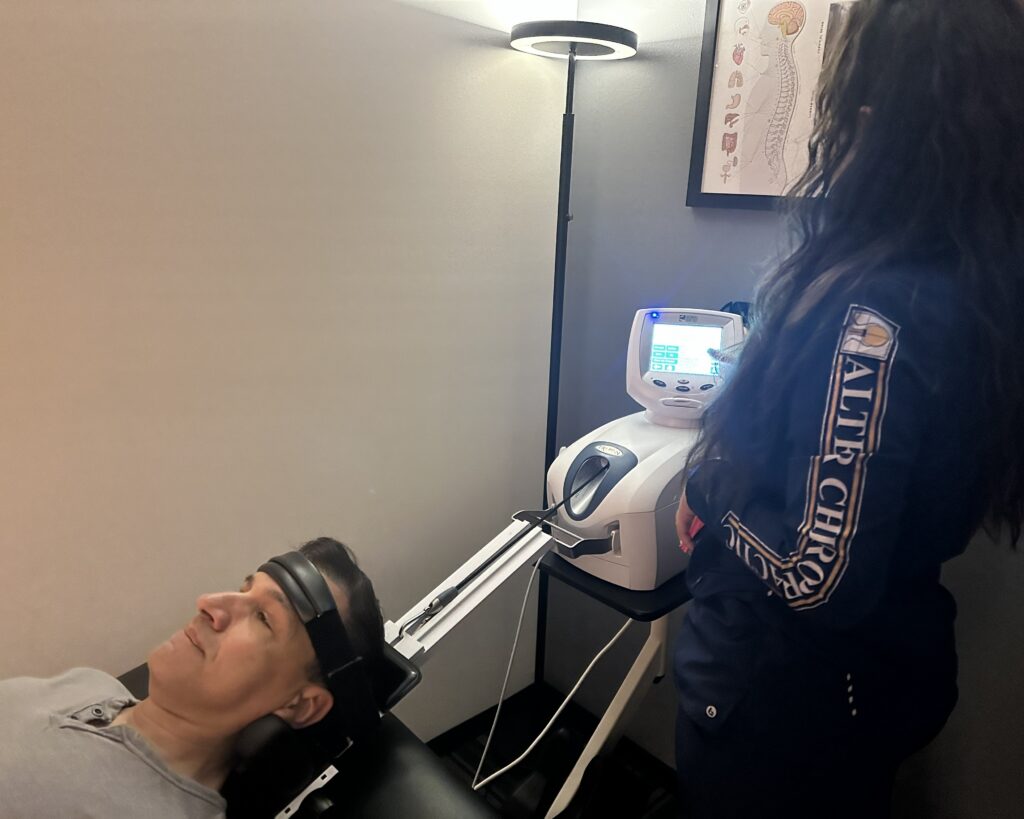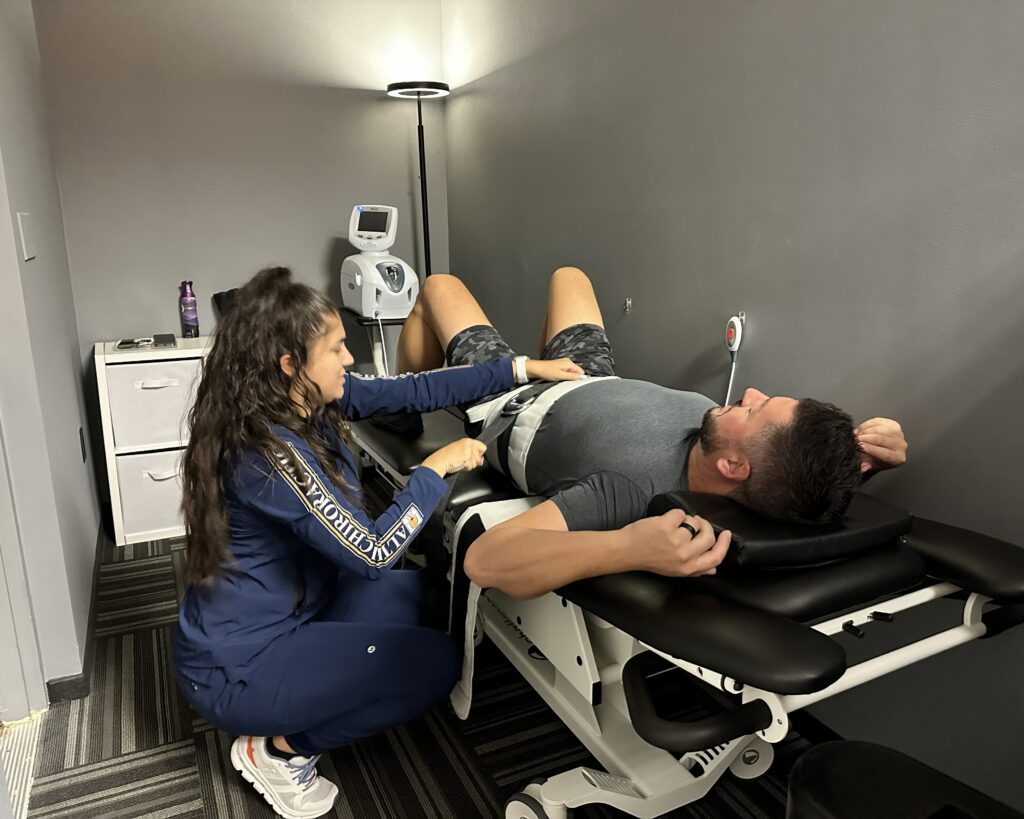

If you’re tired of relying on medication to manage your headaches, exploring natural solutions through chiropractic care could be your next best step. Chiropractic adjustments provide a holistic approach that focuses on spinal alignment and relieving muscle tension. By addressing these key areas, we target the root causes of headaches, which can lead to lasting relief and improved overall health.
But chiropractic care is just the beginning! To enhance your wellness and further reduce the frequency of headaches, consider incorporating these simple yet effective strategies into your daily routine:
- Stay Hydrated: Dehydration can often trigger headaches, so make it a habit to drink plenty of water throughout the day.
- Maintain Good Posture: Be mindful of your posture, especially if you spend long hours sitting at a desk. Proper alignment helps reduce strain on your neck and back, which can contribute to headaches.
- Practice Stress-Relief Techniques: Engage in relaxation practices such as deep breathing, meditation, or gentle yoga. These methods can help manage stress levels, which are often linked to headache onset.
- Get Regular Exercise: Physical activity promotes overall wellness and can help prevent tension headaches. Aim for at least 30 minutes of moderate exercise most days of the week.
- Establish a Sleep Routine: Ensure you’re getting enough restful sleep each night. A consistent sleep schedule can significantly impact headache frequency and intensity.
- Limit Caffeine and Alcohol: While some people find relief with caffeine, it can also lead to rebound headaches. Moderation is key, as is being mindful of alcohol consumption.
- Consider Nutritional Changes: Pay attention to your diet. Certain foods can trigger headaches for some individuals. Keeping a food diary can help identify potential culprits.
By embracing these strategies alongside regular chiropractic care, you’ll be well on your way to achieving optimal health and reducing the likelihood of headaches. Remember, your body is capable of incredible healing, and chiropractic care can guide you on that journey!
Key Takeaways
Chiropractic adjustments are a powerful way to relieve tension and improve spinal alignment, which can significantly reduce the frequency and intensity of headaches. When your spine is aligned properly, it helps your nervous system function better, leading to natural relief from headache pain.
Regular chiropractic sessions not only address immediate headache symptoms but also tackle the underlying causes. By focusing on your overall wellness, we promote natural healing, allowing your body to restore balance without the need for medications or invasive procedures.
In addition to adjustments, incorporating soft tissue therapies can enhance your experience. These techniques help relax tight muscles, reducing the factors that trigger headaches in the first place. When your muscles are relaxed, you’re less likely to experience that nagging pain.
Mindfulness and relaxation techniques can also be beneficial. By practicing deep breathing or meditation, you can further reduce stress, which is often a major contributor to tension headaches. This holistic approach, combined with chiropractic care, offers a comprehensive pathway to headache relief.
Moreover, don’t forget the basics of healthy living. Staying hydrated and making simple dietary adjustments can amplify the benefits of your chiropractic treatments. Drinking enough water and choosing nutritious foods can help keep headaches at bay.
Remember, chiropractic care is a natural and effective choice for achieving optimal health. If you’re struggling with headaches, don’t hesitate to reach out. Together, we can create a personalized plan that supports your journey to wellness and helps you live a pain-free life!
Understanding Headaches: Types and Triggers
When you experience a headache, it’s important to recognize that not all headaches are the same. There are different types, such as tension headaches, migraines, and cluster headaches. Tension headaches often feel like a tight band around your head, while migraines can cause throbbing pain along with nausea and sensitivity to light. Cluster headaches, on the other hand, are intense and occur in cyclical patterns.
Identifying your headache type is essential for finding effective relief. Common triggers can vary widely; for some, stress or a lack of sleep might provoke a headache, while others may find that certain foods, hormonal changes, or environmental factors play a role. To help manage your headaches, consider keeping a headache diary to track what might be triggering your discomfort.
As a chiropractor, I believe that understanding these nuances is key to minimizing the frequency and severity of your headaches. Chiropractic care can be a natural and effective approach to relief, focusing on spinal health and alignment to promote overall wellness. Regular adjustments can help reduce tension in the neck and shoulders, which may alleviate headache symptoms.
In addition to chiropractic care, here are some general tips for managing headaches naturally:
- Stay Hydrated: Dehydration can contribute to headaches, so make sure you’re drinking enough water throughout the day.
- Practice Stress Management: Techniques such as deep breathing, meditation, or yoga can help reduce stress levels, which may trigger headaches.
- Maintain Good Posture: Poor posture can strain your neck and shoulders, leading to tension headaches. Be mindful of your posture, especially when sitting for long periods.
- Get Enough Sleep: Establish a regular sleep routine to ensure you’re getting adequate rest, as lack of sleep can be a significant headache trigger.
- Limit Caffeine and Alcohol: Both can lead to dehydration and may trigger headaches in some individuals, so it’s wise to consume them in moderation.
By taking proactive steps and considering chiropractic care, you can work towards reducing the impact of headaches on your life, leading to improved health and wellness.
The Role of Chiropractic Care in Headache Relief
Chiropractic care is an incredibly effective way to manage headaches and promote overall wellness. Through specialized techniques and precise spinal adjustments, many people find significant relief from headache pain. This holistic approach goes beyond just easing symptoms; it also focuses on identifying and addressing the underlying causes of headaches, which can help improve your overall health.
As a chiropractor, I believe that natural healing is the best path to achieving optimal health. By keeping your spine aligned and functioning properly, you can enhance your body’s ability to heal itself.
Here are some general tips to help you manage headaches and support your well-being:
- Stay Hydrated: Dehydration can often lead to headaches. Make sure you’re drinking enough water throughout the day.
- Practice Good Posture: Poor posture can contribute to tension headaches. Be mindful of your posture, especially when sitting for long periods. Consider ergonomic furniture that supports a healthy spine.
- Manage Stress: Stress can trigger headaches. Incorporating relaxation techniques such as deep breathing, meditation, or gentle yoga into your daily routine can be beneficial.
- Regular Chiropractic Visits: Consistent chiropractic care can help keep your spine aligned, which may reduce the frequency and intensity of headaches.
- Get Enough Sleep: Quality sleep is crucial for overall health. Aim for a regular sleep schedule and create a relaxing bedtime routine.
By choosing chiropractic care as your go-to solution for headache relief, you’re investing in a safer, drug-free approach to health.
Chiropractic Techniques for Headaches
Many individuals experience significant relief from headaches through chiropractic techniques, which prioritize the realignment of the spine and enhancement of overall body function. One of the cornerstone methods is spinal adjustments, where I apply gentle, controlled force to specific joints. This process is designed to restore proper movement and alignment, effectively reducing tension in the neck and shoulders, which are often culprits for headache discomfort.
In addition to spinal adjustments, I incorporate soft tissue therapies such as massage and stretching to soothe tight muscles. These therapies can help alleviate the discomfort that contributes to headaches. I also recommend simple exercises that can strengthen supportive muscles and promote better posture—both crucial in preventing headaches from recurring.
By addressing the underlying causes of headaches, chiropractic care not only aims to alleviate pain but also to decrease the frequency and intensity of future headaches. If you’re struggling with headaches, exploring chiropractic techniques can be a valuable step toward finding the relief you deserve.
Remember, achieving optimal health naturally is possible through proper spinal care and lifestyle adjustments.
Here are a few tips you can try at home to support your wellness journey:
- Maintain good posture, especially when sitting for long periods.
- Stay hydrated and nourish your body with healthy foods.
- Incorporate gentle stretches into your daily routine to relieve neck and shoulder tension.
- Practice relaxation techniques such as deep breathing or meditation to reduce stress.
Embracing chiropractic care is an empowering choice for those seeking natural healing and a healthier lifestyle.
Benefits of Spinal Adjustments
Spinal adjustments are a vital part of finding relief from headaches, as they directly target misalignments in the spine. As a local chiropractor, I want to share with you some of the key benefits of chiropractic care that can contribute to easing your headache symptoms naturally:
- Reduced Tension: Through spinal adjustments, we can help release built-up tension in your muscles, which is often a major contributor to headache pain. This relief can make a significant difference in how you feel day-to-day.
- Improved Blood Flow: When your spine is properly aligned, blood circulation improves. This means your brain receives more oxygen, which can help reduce the frequency and intensity of headaches.
- Enhanced Nerve Function: Adjustments can take pressure off the nerves in your spine. By doing so, we can decrease the pain signals that lead to headaches, promoting a more comfortable experience overall.
- Long-Term Relief: Consistent chiropractic care can lead to long-term benefits, including fewer headaches over time. Regular adjustments help maintain proper alignment, which is crucial for ongoing wellness.
In addition to chiropractic care, here are some simple tips to help manage headaches at home:
- Stay Hydrated: Dehydration can trigger headaches, so make sure you’re drinking enough water throughout the day.
- Practice Good Posture: Be mindful of your posture, especially if you spend a lot of time at a desk. Sitting up straight can help prevent unnecessary strain on your neck and back.
- Take Breaks: If you’re working on a screen, remember to take regular breaks. This can help reduce eye strain and tension in your neck.
Holistic Approach to Relief
When it comes to finding effective headache relief, adopting a holistic approach can truly transform your experience. As a local chiropractor, I firmly believe that chiropractic care is one of the best options for achieving optimal health and natural wellness. By focusing on aligning your spine, we can alleviate tension and enhance your overall well-being. Rather than just masking the symptoms, chiropractic care addresses the underlying causes of headaches, allowing your body to heal itself naturally.
Here’s a simple overview of how chiropractic care stands out and works harmoniously with other natural remedies:
| Method | Benefits | Considerations |
|---|---|---|
| Chiropractic Care | Reduces tension, improves posture, promotes overall health | Typically requires multiple sessions to see lasting effects |
| Massage Therapy | Eases muscle tightness and promotes relaxation | Not everyone may find it suitable; listen to your body |
| Acupuncture | Helps balance energy flow and may relieve pain | Should be performed by a trained practitioner for safety |
| Herbal Remedies | Provides natural anti-inflammatories and supports healing | Always check for allergies before trying new herbs |
| Lifestyle Changes | Encourages long-term prevention through healthy habits | Requires dedication and consistency for best results |
As you explore these options, keep in mind that chiropractic care is a powerful first step towards lasting relief. Here are some general tips to help you manage headaches:
- Stay Hydrated: Dehydration can trigger headaches, so make sure you’re drinking plenty of water throughout the day.
- Practice Good Posture: Being mindful of your posture, especially when sitting for long periods, can reduce strain on your neck and spine.
- Incorporate Regular Exercise: Gentle activities like walking or yoga can help alleviate tension and improve circulation.
- Manage Stress: Techniques such as deep breathing, meditation, or mindfulness can greatly reduce stress, a common headache trigger.
- Prioritize Sleep: Ensure you are getting enough quality sleep each night, as fatigue can exacerbate headaches.
Dietary Adjustments for Reducing Headaches
If you’re experiencing frequent headaches, consider how dietary adjustments can complement your journey toward optimal wellness. While chiropractic care is a fantastic approach to address the root causes of headaches, what you eat can also play a significant role in managing and reducing those pesky symptoms.
Here are some helpful dietary changes to consider alongside your chiropractic treatments:
- Boost Your Magnesium Intake: Incorporating foods rich in magnesium, like spinach, nuts, and whole grains, can help support your overall health and may reduce headache frequency. Magnesium plays a vital role in muscle relaxation and nerve function, which is essential for maintaining your spinal health.
- Limit Processed Foods: Processed foods often contain preservatives and additives that can be headache triggers. By choosing whole, natural foods, you’ll not only support your body but also enhance the effectiveness of your chiropractic care.
- Maintain Regular Meal Times: Skipping meals or going too long without eating can lead to drops in blood sugar, potentially sparking headaches. Try to eat at consistent times throughout the day to keep your energy levels stable, which will help your body function optimally.
- Identify Your Triggers: Keeping a food diary can be invaluable. Documenting what you eat and any headache occurrences can help you pinpoint specific triggers, such as certain cheeses or alcohol. By understanding your unique triggers, you can make more informed choices that support your well-being.
Incorporating these dietary tips into your routine, along with chiropractic care, can pave the way for a healthier, more balanced life.
The Impact of Hydration on Headache Prevention
Hydration is crucial for overall health and can significantly impact headache prevention. As a chiropractor, I often see patients who experience headaches due to mild dehydration, which can easily be overlooked. By simply drinking enough water throughout the day, you can help reduce the frequency and intensity of your headaches. When your body doesn’t have enough fluids, it can result in decreased blood flow and oxygen to the brain, leading to those annoying aches.
Let’s break down how hydration affects your body and how you can use this knowledge to feel better:
| Hydration Level | Symptoms of Dehydration | Headache Risk |
|---|---|---|
| Well-Hydrated | Clear skin, energy, focus | Low |
| Mildly Dehydrated | Dry mouth, fatigue, irritability | Moderate |
| Dehydrated | Dizziness, confusion, weakness | High |
| Severely Dehydrated | Severe weakness, fainting | Very High |
| Rehydrated | Improved mood, clarity | Greatly Reduced |
As you can see, staying well-hydrated can keep your headache risk low and help you feel your best. Here are some simple tips to help you maintain proper hydration:
- Drink Water Regularly: Aim to drink water consistently throughout the day, not just when you’re thirsty. Keeping a water bottle with you can serve as a great reminder.
- Eat Water-Rich Foods: Incorporate fruits and vegetables like cucumbers, oranges, and watermelon into your meals. These foods can provide hydration along with essential nutrients.
- Limit Dehydrating Beverages: Be mindful of drinks that can lead to dehydration, such as those with high caffeine or sugar levels. Opt for herbal teas or add some fresh fruit to your water for flavor.
- Monitor Your Urine Color: A simple way to check if you’re hydrated is to look at the color of your urine. Light yellow indicates good hydration, whereas darker colors suggest you need more fluids.
- Listen to Your Body: Pay attention to any signs of dehydration, like dry mouth or fatigue, and take action by drinking water when you notice these symptoms.
Stress Management Techniques to Alleviate Headaches
Managing stress effectively is crucial for reducing the frequency and intensity of headaches, and chiropractic care plays a vital role in this process. By aligning your spine and ensuring proper nerve function, chiropractic adjustments can help alleviate tension that may contribute to headaches.
Additionally, simple stress management techniques like mindfulness meditation, deep breathing exercises, and progressive muscle relaxation can easily be incorporated into your daily routine.
Mindfulness meditation allows you to focus on the present moment, reducing anxiety and promoting relaxation. Deep breathing exercises can help calm your mind and release built-up tension in your body.
Progressive muscle relaxation involves tensing and then relaxing each muscle group, which can further ease stress and discomfort.
By combining these techniques with regular chiropractic visits, you can enhance your overall well-being and find relief from headache pain naturally.
Mindfulness Meditation Practices
Headaches can arise from a variety of triggers, but one effective way to manage the discomfort is through mindfulness meditation practices. As a chiropractor, I believe that integrating these practices into your daily routine can complement your journey toward optimal health and wellness.
By focusing your mind and calming your thoughts, you can reduce tension in your body, which may contribute to headache relief. Here are four simple mindfulness techniques you can incorporate today to support your overall well-being:
- Body Scan: Find a comfortable position, either lying down or sitting. Mentally check in with each part of your body, starting from your toes and moving up to your head. As you focus on each area, consciously relax any tension you may feel. This practice not only enhances body awareness but also promotes relaxation.
- Guided Imagery: Take a moment to visualize a serene scene, such as a quiet beach or a lush forest. Allow yourself to immerse in the sights, sounds, and feelings of that peaceful place. This technique can help distract your mind from pain and reduce anxiety, promoting a sense of calm.
- Mindful Breathing: Pay attention to your breath as you inhale deeply through your nose and exhale slowly through your mouth. Focus on the rhythm of your breath, allowing it to anchor you in the present moment. Mindful breathing can help alleviate stress and tension, which are often contributors to headaches.
- Gratitude Journaling: Each day, write down three things you’re grateful for. This practice can shift your mindset from stress to positivity, fostering an overall sense of well-being. Recognizing the good in your life can help mitigate the impact of pain.
By incorporating these mindfulness techniques into your routine, you can effectively manage stress related to headaches and enhance your overall health.
Deep Breathing Exercises
As you continue your journey toward headache relief, incorporating deep breathing exercises can be an effective way to manage stress and support your overall well-being.
These exercises not only help you focus on your breath but also promote relaxation, which is essential for maintaining a healthy spine and reducing tension that can contribute to headaches.
To get started, find a comfortable position, whether sitting or lying down. Begin by inhaling deeply through your nose for a count of four, holding that breath for another four counts, and then exhaling slowly through your mouth for a count of six.
Repeat this cycle several times. As you breathe deeply, visualize any tension melting away from your body with each exhale.
This practice of deep breathing can significantly reduce stress levels and help alleviate headache symptoms. By integrating these exercises into your daily routine or using them at the onset of a headache, you can promote relaxation and find natural relief.
Remember, caring for your spine through chiropractic adjustments also plays a vital role in your overall health and can enhance your body’s natural ability to function optimally.
For additional support, consider regular chiropractic visits to address any spinal misalignments that could be contributing to your discomfort.
This holistic approach to health not only targets pain relief but fosters a lifestyle of wellness that can lead to lasting benefits.
Embrace these simple yet powerful techniques to enhance your health and wellness journey!
Progressive Muscle Relaxation
When you notice a headache starting to take hold, Progressive Muscle Relaxation (PMR) can be an excellent natural method to help manage your stress and alleviate discomfort. This technique focuses on systematically tensing and relaxing your muscles, which can help to release the tension that often contributes to headaches.
Here’s how you can practice PMR effectively in the comfort of your home:
- Choose a peaceful environment: Find a quiet spot where you can sit or lie down comfortably without interruptions. This will help you focus on your body and the relaxation process.
- Tune into your body: Begin with your feet and gradually work your way up through your body. Tense each muscle group for about five seconds, then release. This helps to increase awareness of where you hold tension.
- Embrace the relaxation: After releasing the tension, take a moment to feel the relaxation that follows. Focus on this sensation for around 30 seconds, allowing your body to unwind.
- Practice deep breathing: Inhale deeply and exhale slowly, maintaining an awareness of how your body feels as it relaxes. This deep breathing can enhance your overall sense of calm.
Regularly incorporating PMR into your routine can’t only help reduce the frequency and intensity of headaches but also promote overall well-being.
Remember, chiropractic care is an excellent choice for addressing the underlying issues contributing to headaches. By aligning your spine and ensuring proper nerve function, chiropractic adjustments can support your body’s natural ability to heal and reduce discomfort.
Consider making chiropractic care a part of your holistic approach to health and wellness.
The Benefits of Regular Exercise
Regular exercise isn’t just beneficial for your physical health; it also plays a crucial role in managing headaches and promoting overall wellness. When you engage in regular physical activity, you improve blood circulation and stimulate the release of endorphins—your body’s natural pain relievers. This combination can significantly help in reducing both the frequency and intensity of headaches.
Additionally, exercise is a fantastic way to relieve tension and stress, which are common triggers for headaches. Activities like walking, jogging, or yoga can’t only uplift your mood but also help to relax your muscles. Incorporating just 30 minutes of exercise into your daily routine can make a big difference.
While exercise is important, it’s also essential to consider how your spine plays a role in your overall health. Proper spinal alignment can enhance your body’s ability to function at its best, potentially reducing headache occurrences. This is where chiropractic care comes in. Regular chiropractic adjustments can help maintain spinal health, alleviate tension, and improve your body’s natural healing processes.
As you develop a regular exercise habit, you may notice improvements in your overall well-being, which can lead to fewer headaches and a better quality of life.
Remember to listen to your body and consult with your chiropractor for personalized advice on exercises that are best suited for you.
Mindfulness and Meditation as Natural Remedies
As a local chiropractor, I want to share how mindfulness and meditation can serve as valuable tools in managing headaches, alongside the benefits of chiropractic care. These practices can help you focus your mind, reduce stress, and promote relaxation—all of which can alleviate headache symptoms.
Here’s how to incorporate these techniques into your routine and enhance your overall well-being:
- Create a Calm Environment: Find a comfortable spot in your home where you can sit or lie down without distractions. This will help you fully engage in your mindfulness practice.
- Start Small: Begin with just five minutes of mindfulness or meditation. As you become more comfortable, you can gradually extend this time to deepen your relaxation.
- Breathe Deeply: Close your eyes and take deep, slow breaths. Pay attention to the sensation of air entering and leaving your body. This focused breathing can help ease tension that contributes to headaches.
- Gently Redirect Your Thoughts: If your mind starts to wander, that’s perfectly normal. Simply acknowledge the distraction and gently guide your focus back to your breath, without any self-judgment.
In addition to these mindfulness techniques, regular chiropractic care can address the underlying issues that may be contributing to your headaches.
By ensuring proper spinal alignment and reducing tension in the body, chiropractic adjustments can enhance your overall health and provide lasting relief from headache pain.
Incorporating mindfulness, meditation, and chiropractic care into your daily routine can significantly improve your ability to cope with headaches and promote a greater sense of well-being.
Sleep Hygiene: Improving Sleep to Combat Headaches
To effectively combat headaches, prioritizing sleep hygiene is essential, and chiropractic care can play a supportive role in this process. Start by setting a consistent sleep schedule; aim to go to bed and wake up at the same time every day, including weekends. This regularity helps regulate your body’s internal clock, which is crucial for overall wellness.
Creating a relaxing bedtime routine can signal to your body that it’s time to wind down. Consider gentle stretches or adjustments that a chiropractor can provide, which may help ease tension in your neck and back, promoting better sleep.
Limiting screen time before bed is also important, as the blue light from devices can disrupt melatonin production, making it harder to fall asleep. Your sleep environment should be conducive to rest—keep your bedroom cool, dark, and quiet. A comfortable mattress and supportive pillows can enhance your sleep quality, and your chiropractor can offer advice on what types of support work best for your spine.
Additionally, be mindful of caffeine and heavy meals close to bedtime, as these can disrupt your sleep cycle. Managing stress is another key aspect of improving sleep hygiene, and chiropractic care often includes stress-relief techniques.
Incorporating relaxation strategies like deep breathing or gentle yoga can further complement your chiropractic treatments. By enhancing your sleep hygiene and utilizing chiropractic care, you’ll not only support your overall well-being but also reduce the frequency and intensity of headaches, paving the way for a healthier, pain-free life.
Essential Oils and Herbal Remedies for Headache Relief
Improving your sleep hygiene is a key part of overall wellness and can create a solid foundation for exploring natural approaches to headache relief. Alongside chiropractic care, which focuses on spinal health and alignment to alleviate pain, you might also consider incorporating essential oils and herbal remedies that can complement your journey to better health.
Here are some popular options to consider:
- Peppermint Oil: The cooling sensation of peppermint oil can be very soothing. You can inhale it directly or dilute it with a carrier oil and gently apply it to your temples. This can ease tension and promote a sense of relief.
- Lavender Oil: Known for its calming properties, lavender oil can help alleviate tension headaches. Try diffusing it in your bedroom or adding a few drops to your pillow to promote relaxation and better sleep.
- Ginger Tea: Sipping on ginger tea can be a wonderful natural remedy. Ginger is known for its anti-inflammatory properties, which may help reduce headache intensity. Plus, it’s a great way to stay hydrated!
- Feverfew: This herb has been traditionally used to help prevent migraines. If you’re considering adding it to your routine, make sure to consult with a healthcare professional to ensure it’s right for you.
In addition to these remedies, remember that regular chiropractic adjustments can help maintain spinal alignment and reduce tension in the body, which may contribute to headaches.
Incorporating lifestyle changes, like staying hydrated, managing stress, and getting regular exercise, can also play a significant role in your overall wellness.
Give these natural solutions a try, and you might find the relief you’ve been searching for! Embrace a holistic approach to your health, and consider chiropractic care as a vital part of your journey to optimal wellness.
Conclusion
Incorporating chiropractic adjustments into your routine for headache relief can lead to remarkable improvements in your overall health and well-being. As a local chiropractor, I want to emphasize that understanding your headache triggers is key. By making simple lifestyle changes—like drinking plenty of water and finding effective ways to manage stress—you can significantly enhance the benefits of chiropractic care.
Regular chiropractic adjustments help align your spine, which can alleviate tension that often contributes to headaches. Additionally, don’t underestimate the power of regular exercise, mindfulness practices, and maintaining good sleep hygiene. These natural strategies work hand-in-hand with chiropractic care to provide you with effective relief.
Remember, chiropractic adjustments aren’t just about reducing pain; they’re about promoting a healthier lifestyle and optimal wellness. By prioritizing your spinal health and making small adjustments to your daily habits, you can reclaim your life from headaches and enjoy a more vibrant, pain-free existence.