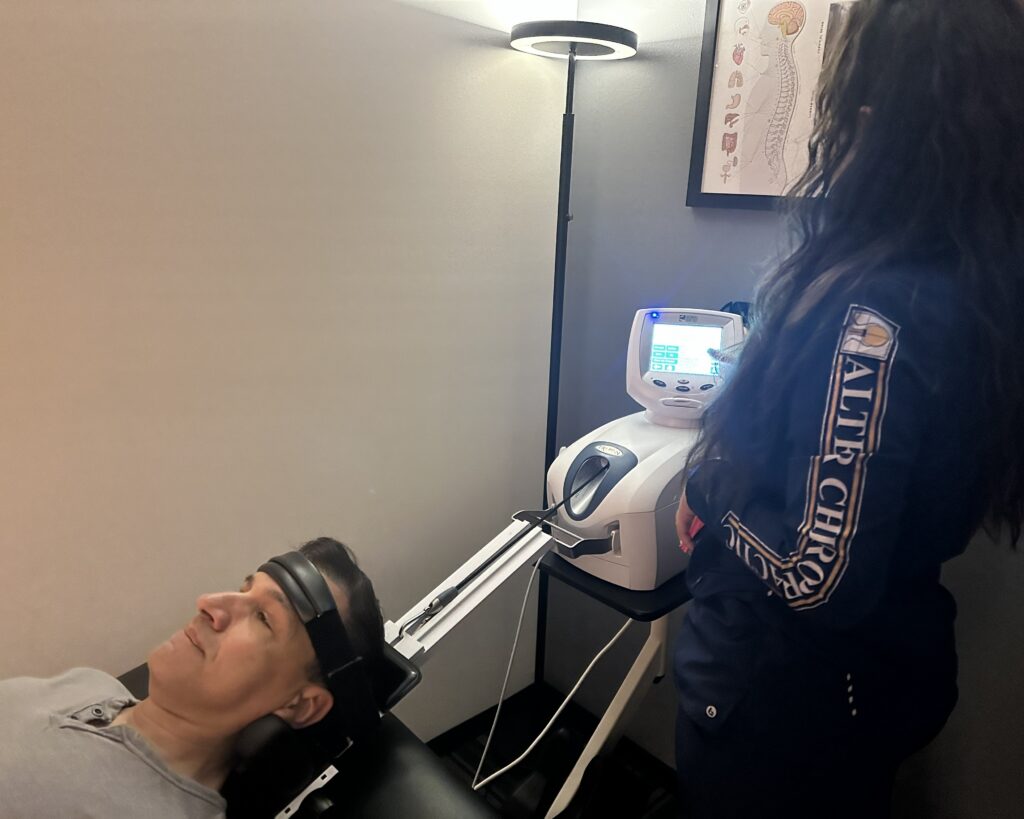

When headaches strike, it can be tempting to reach for over-the-counter medications, but have you considered the natural relief options available to you? As a local chiropractor, I want to share some genuine solutions that can help you find relief and enhance your overall well-being. Many patients have experienced significant improvement through chiropractic care, which addresses the root causes of headaches, particularly those related to spinal health.
Understanding the different types of headaches is essential in identifying effective remedies. Tension headaches, for example, can often be linked to poor posture and spinal misalignments. Chiropractic adjustments can help realign the spine, alleviate tension, and reduce the frequency of these headaches. In addition to chiropractic care, incorporating essential oils like peppermint or lavender into your routine can provide soothing relief.
Simple lifestyle changes can also make a big difference. Staying hydrated, maintaining a healthy diet, and practicing stress-management techniques like yoga or meditation can help prevent headaches from occurring in the first place.
By exploring these natural alternatives, you may find a path to relief that not only addresses your headaches but also promotes better overall health. Let’s work together to unpack these strategies and discover how chiropractic care can be your best choice for pain relief and natural wellness.
Key Takeaways
Natural Headache Relief Through Chiropractic Care
If you’re struggling with headaches, you’re not alone. Many people experience tension and migraine headaches, but there are effective ways to find relief naturally. As a local chiropractor, I want to share some holistic approaches that can help you feel your best without the need for medications or invasive treatments.
- Chiropractic Adjustments: Regular chiropractic care can be a game-changer for headache relief. By improving spinal alignment and reducing tension in your neck and upper back, chiropractic adjustments can significantly decrease the frequency and severity of headaches. This natural approach not only addresses the symptoms but also targets the underlying causes.
- Essential Oils: Incorporating natural remedies like essential oils can enhance your wellness routine. Oils such as peppermint, lavender, and eucalyptus can offer soothing relief. You can inhale these scents or apply them topically after diluting with a carrier oil. They work wonderfully alongside chiropractic care to create a calming environment for healing.
- Stay Hydrated and Rested: Simple lifestyle changes can make a world of difference. Staying hydrated and maintaining a consistent sleep schedule are essential to preventing headaches. Aim to drink enough water throughout the day and establish a relaxing bedtime routine to promote restorative sleep.
- Relaxation Techniques: Stress is a common trigger for headaches, but you can manage it effectively. Incorporating relaxation practices such as yoga, meditation, and deep breathing exercises into your daily routine can significantly lower stress levels. These techniques complement chiropractic care by promoting overall well-being and reducing headache occurrences.
- Identify Triggers: Each person has unique headache triggers. Keeping a headache diary can help you identify patterns in your diet, environment, and lifestyle. Once you know your triggers, you can work on avoiding them, which will enhance your overall health and pain management.
Chiropractic care is a natural and effective way to address headaches and promote wellness. By incorporating these tips into your routine, you can take a proactive approach to your health and enjoy a life with fewer headaches. If you’re ready to start your journey toward optimal health, consider visiting your local chiropractor for personalized care and support.
Understanding Different Types of Headaches
Headaches can be a real nuisance, but understanding the different types is essential for finding effective relief, especially through natural methods like chiropractic care.
Tension headaches often feel like a tight band around your head and can stem from stress, poor posture, or fatigue. Incorporating regular chiropractic adjustments can help alleviate tension in the neck and shoulders, which may reduce the frequency and intensity of these headaches.
Migraines, on the other hand, are typically more intense. They can cause throbbing pain, nausea, and sensitivity to light or sound. Identifying triggers like certain foods or hormonal changes can be helpful, but did you know that chiropractic care may also play a role in managing migraines? Many patients find that spinal adjustments help reduce the severity and frequency of their migraines.
Cluster headaches, although less common, can be incredibly painful and often occur in cycles, affecting one side of your head. While these can be challenging to manage, chiropractic care may provide some relief by improving blood flow and reducing tension in the surrounding muscles.
Sinus headaches arise from sinus infections and are usually accompanied by facial pressure. While chiropractic adjustments won’t directly treat a sinus infection, they can help improve overall function in your body, including your immune system, which can aid in recovery.
By recognizing these types of headaches, you can tailor your relief methods accordingly.
Regular chiropractic care, combined with lifestyle adjustments like proper hydration, stress management techniques, and good posture, can significantly improve your well-being.
Essential Oils for Natural Relief
Essential oils can be a wonderful complement to the holistic approach of chiropractic care when it comes to finding natural relief from headaches. As a chiropractor, I believe in treating the root causes of discomfort, and addressing tension in the spine and surrounding muscles can be crucial in headache management.
While essential oils can provide soothing relief, it’s important to remember that regular chiropractic adjustments can help maintain proper alignment and reduce the frequency of headaches.
Let’s explore some of the best essential oils that can support your wellness journey:
- Peppermint Oil: Known for its cooling sensation, peppermint oil can help relax tight muscles and increase circulation. Try applying a diluted version to your temples and neck to help alleviate tension headaches.
- Lavender Oil: Renowned for its calming properties, lavender oil can assist in reducing stress and promoting relaxation. Consider diffusing this oil in your home or adding a few drops to your pillow for a good night’s sleep, which can help prevent headaches.
- Eucalyptus Oil: This oil can help clear the sinuses and relieve pressure. Inhale its refreshing scent or use it in a steam inhalation to help ease sinus-related headaches.
When using essential oils, it’s important to apply them safely. Always dilute them with a carrier oil before applying to your skin, and perform a patch test to check for any allergies.
While essential oils can be beneficial, I encourage you to prioritize your spinal health through regular chiropractic care. Maintaining proper alignment not only helps reduce headaches but also supports overall wellness.
Here are some general tips to help manage headaches naturally:
- Stay Hydrated: Dehydration can be a common trigger for headaches. Make sure to drink plenty of water throughout the day.
- Practice Good Posture: Poor posture can lead to tension in the neck and shoulders. Be mindful of your posture when sitting at a desk or using your phone.
- Incorporate Relaxation Techniques: Activities such as yoga, meditation, or gentle stretches can help alleviate tension and promote relaxation.
- Regular Chiropractic Visits: Make chiropractic care a part of your health routine to help prevent headaches and maintain overall well-being.
Best Essential Oils
When looking for natural relief from headaches, as a local chiropractor, I want to emphasize the importance of holistic approaches to health and wellness. While chiropractic care is one of the best choices for alleviating pain and promoting optimal health, incorporating essential oils can also provide soothing support.
Here are some of the best essential oils to consider for headache relief:
- Peppermint: This oil is known for its cooling effect, which can help reduce headache intensity. Applying diluted peppermint oil to your temples may provide a refreshing sensation that eases discomfort.
- Lavender: With its calming aroma, lavender oil can help ease stress and promote relaxation. Consider diffusing lavender in your home or applying it to your wrists to enjoy its soothing benefits.
- Eucalyptus: If your headaches are related to sinus issues, eucalyptus oil can be particularly helpful. It has properties that can open up airways and relieve sinus pressure, potentially alleviating headache pain.
- Rosemary: This essential oil is known for its anti-inflammatory properties, which may aid in reducing pain. You can use rosemary oil in a massage blend or inhale it to experience its benefits.
Incorporating these oils into your routine can complement the benefits of chiropractic care.
Remember, regular chiropractic adjustments can address the root causes of headaches, such as spinal misalignments and tension in the muscles surrounding the neck.
Here are some general tips to help you manage headaches naturally:
- Stay hydrated by drinking plenty of water throughout the day.
- Practice good posture to reduce tension in your neck and shoulders.
- Incorporate regular stretching and relaxation exercises into your daily routine.
- Ensure you’re getting enough sleep and maintaining a consistent sleep schedule.
By combining the natural benefits of essential oils with regular chiropractic care, you can take significant steps toward achieving a healthier, pain-free life.
Always feel free to reach out for personalized advice and support on your wellness journey!
Application Methods
Incorporating essential oils into your headache relief routine can be a wonderful complement to your overall wellness plan, especially when combined with chiropractic care. Understanding how to apply these oils effectively can help you maximize their benefits.
Start by diluting your chosen oil, such as peppermint or lavender, with a carrier oil like coconut or jojoba oil. This is important, as it helps to ensure that the essential oils are safe for your skin.
Once your mixture is ready, you can gently massage it into your temples, forehead, or the back of your neck. This not only helps the oils to absorb but also promotes relaxation, which is crucial for headache relief. Inhaling the aroma directly from the bottle or using a diffuser can also enhance the soothing effects.
If you’re seeking a more targeted approach, try soaking a cloth in warm water mixed with essential oils and placing it on your forehead.
Remember, while essential oils can provide relief, they work best when used alongside chiropractic care. Regular chiropractic adjustments can help address the underlying issues that contribute to headaches, such as spinal misalignments and tension in the neck.
So, consider making chiropractic care a part of your wellness routine. By combining these natural remedies with professional care, you’ll be on the path to achieving optimal health and well-being.
Experiment with different methods to find what works best for you, and enjoy the natural healing benefits they can provide!
Safety Considerations
While essential oils can offer some relief for headaches, it’s important to prioritize safety and consider complementary approaches like chiropractic care for overall wellness. Here are some key safety tips to keep in mind when using essential oils, along with how chiropractic care can enhance your health:
- Patch Test: Before trying a new essential oil, always perform a patch test to ensure you don’t have an allergic reaction. This simple step can help you avoid irritation and discomfort.
- Dilution: Essential oils are potent, so it’s wise to dilute them with a carrier oil before applying them to your skin. This reduces the risk of irritation and makes them safer for topical use.
- Consult a Professional: If you’re pregnant, nursing, or have any existing health conditions, it’s best to consult with a healthcare provider before using essential oils. Additionally, discussing your health concerns with a chiropractor can help you explore safe, natural pain relief options tailored to your needs.
- Quality Matters: Always choose high-quality, pure essential oils from reputable sources. This ensures that you’re using effective products that support your health.
Incorporating chiropractic care into your wellness routine can also provide significant benefits for headache relief and overall health. Chiropractors focus on spinal alignment and can help reduce tension and stress, which are often contributors to headaches.
Regular adjustments can improve your body’s function and promote natural healing, making chiropractic care an excellent choice for those seeking a holistic approach to pain relief and wellness.
Herbal Remedies to Consider
If you’re looking for a natural way to relieve headaches, consider exploring herbal remedies alongside chiropractic care. Many people find that addressing the root causes of their headaches, such as tension in the spine and neck, can lead to significant relief. Herbs can complement your chiropractic treatments by providing additional support for your overall wellness. Here are some herbs you might find beneficial:
| Herb | Benefits |
|---|---|
| Feverfew | May help reduce the frequency and intensity of headaches |
| Peppermint | Can ease tension and promote better circulation, which may relieve discomfort |
| Ginger | Known to fight nausea and can also reduce pain |
| Willow Bark | Contains salicin, a natural compound that may help alleviate pain |
| Lavender | Helps calm nerves and reduce stress, contributing to overall wellness |
Integrating these herbs into your daily routine can support your healing process without the side effects often associated with conventional medications. You can enjoy them as teas, use essential oils, or explore supplements available at health stores.
Remember, while herbal remedies can be helpful, they work best in conjunction with chiropractic care, which focuses on aligning the spine and promoting overall health. Always consult with a healthcare provider before starting any new herbal regimen to ensure it aligns with your health needs.
In addition to these remedies, consider these general tips for headache relief:
- Maintain good posture, especially if you spend long hours sitting.
- Stay hydrated; dehydration can trigger headaches.
- Practice stress-reducing techniques, like deep breathing or gentle stretching.
- Ensure you’re getting enough sleep, as fatigue can contribute to headaches.
Lifestyle Changes That Make a Difference
What simple changes can you make to your daily routine to ease headache tension? You might be surprised how minor adjustments can lead to significant relief, particularly when combined with chiropractic care. Here are a few lifestyle changes to consider that can complement your journey toward optimal health:
– Maintain a consistent sleep schedule: Aim for 7-9 hours of quality sleep each night. Proper rest allows your body to recover and can help reduce the frequency of headaches.
Remember, chiropractic adjustments can also enhance your sleep quality by improving spinal alignment.
– Take regular breaks: If you work at a computer, it’s important to pause every hour. Stand up, stretch, and give your eyes a break to prevent tension buildup.
Incorporating chiropractic care can further help relieve tension in your neck and shoulders, making those breaks even more effective.
– Practice relaxation techniques: Consider adding deep breathing exercises, meditation, or yoga into your daily routine. These practices can help lower stress levels, which may contribute to headaches.
Chiropractic care can enhance these benefits by promoting relaxation through spinal adjustments, improving your overall sense of well-being.
– Limit screen time: Reducing your exposure to screens, especially before bedtime, can help minimize eye strain and mental fatigue.
Remember, a well-aligned spine can also support better posture when using devices, reducing the risk of tension headaches.
By integrating these lifestyle changes with regular chiropractic care, you can create a holistic approach to headache relief and enhance your overall health.
Always remember that your body is a complex system, and taking care of your spine is a crucial step toward achieving optimal wellness.
The Power of Hydration
The Importance of Hydration for Your Health and Wellness
As a chiropractor dedicated to helping you achieve optimal health, I want to emphasize the vital role hydration plays in preventing headaches and supporting your overall well-being. When your body is dehydrated, it can lead to discomfort and pain, including headaches. Staying properly hydrated allows your body to function at its best, which is essential for maintaining a healthy spine and reducing pain.
To help you stay on track, here’s a simple guide to hydration that can enhance your health:
| Hydration Tips | Benefits |
|---|---|
| Drink water regularly | Helps reduce the risk of headaches |
| Eat hydrating foods | Adds essential fluids to your diet |
| Limit caffeine | Supports hydration and reduces discomfort |
| Monitor urine color | Gives you insight into your hydration level |
| Set reminders to drink | Encourages consistent water intake |
Mindfulness and Relaxation Techniques
How can mindfulness and relaxation techniques enhance your approach to headache relief and overall well-being? By integrating these practices into your daily routine, you can effectively manage the stress and tension that often lead to headaches.
Mindfulness encourages you to stay present, helping you identify early signs of discomfort and address them before they escalate into more severe pain.
As a chiropractor, I believe that focusing on natural healing methods can significantly improve your quality of life. Here are some simple yet effective techniques to consider:
- Deep Breathing: Take a moment to focus on your breath. Inhale deeply through your nose, allowing your diaphragm to expand, and then exhale slowly through your mouth. This practice promotes relaxation and can help ease tension in your body.
- Progressive Muscle Relaxation: Begin at your toes and work your way up. Tense each muscle group for a few seconds, then release. This not only helps you relax but also increases awareness of where you may be holding tension, which can contribute to headaches.
- Meditation: Spend a few minutes in a quiet space, focusing on your breath or repeating a calming phrase. This practice can help clear your mind and reduce stress, which is often a precursor to headaches.
- Gentle Yoga: Incorporate simple stretches that focus on relieving tension in your neck, shoulders, and back. These areas are commonly affected by stress and can contribute to headache pain. Gentle movements can also improve circulation and promote relaxation.
By embracing these mindfulness and relaxation techniques, you can take control of your headache management and enhance your overall health.
Remember, chiropractic care plays a vital role in supporting your body’s natural healing processes. Regular adjustments can help alleviate tension in the spine and nervous system, further contributing to your well-being.
Prioritize your health by considering chiropractic as a key part of your journey to a pain-free life.
Conclusion
Incorporating natural solutions into your routine can significantly improve your ability to manage headaches, and as a chiropractor, I believe that chiropractic care plays a vital role in achieving optimal health and wellness. By understanding the different types of headaches you may experience, you can better address the underlying issues contributing to your discomfort.
One of the most effective approaches is to explore chiropractic adjustments. These adjustments can help realign your spine, alleviate tension, and reduce nerve irritation, all of which can lead to fewer headaches. Additionally, consider using essential oils like peppermint or lavender, which can provide soothing relief when applied to the temples or inhaled.
Herbal remedies can also be beneficial; herbs such as feverfew and butterbur have been known to help some people with headaches. However, always consult with your chiropractor or healthcare provider before starting any new supplements.
Mindful lifestyle changes are essential, too. Regular exercise, maintaining good posture, and incorporating stretching into your daily routine can help reduce the frequency and severity of headaches. Remember the importance of staying hydrated; dehydration can often trigger headaches, so aim to drink plenty of water throughout the day.
Practicing relaxation techniques, such as deep breathing exercises or yoga, can further enhance your overall well-being and help manage stress, a common headache trigger.
Embrace these holistic approaches, and remember that regular chiropractic care can not only reduce headache frequency but also improve your overall health. Take charge of your wellness journey, and enjoy a more headache-free life!