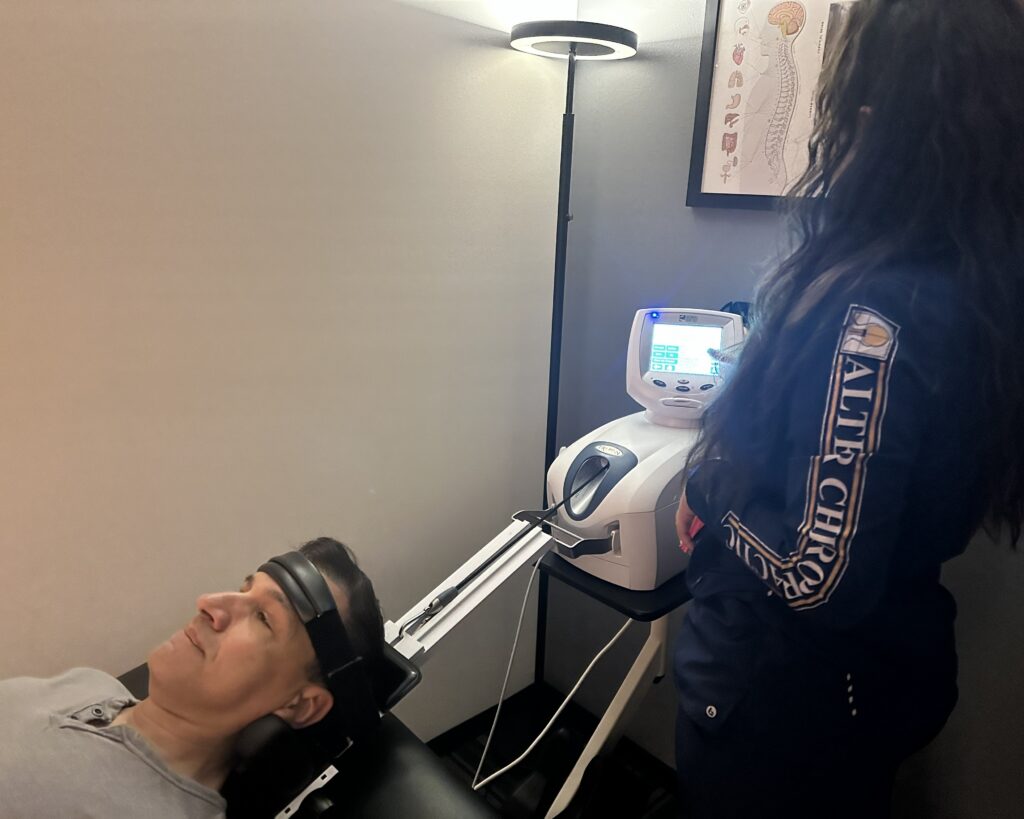
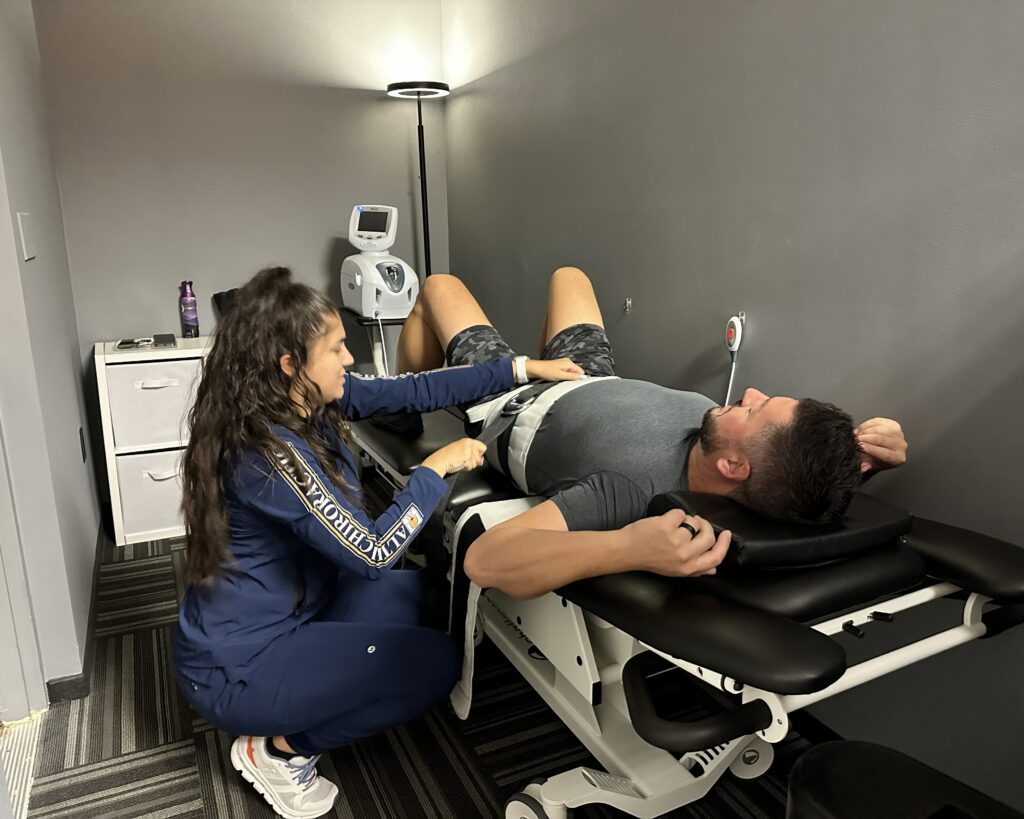
When it comes to managing headaches, understanding the different types can greatly influence how you find relief. As a chiropractor, I believe that making simple lifestyle adjustments and utilizing natural remedies can often provide effective solutions without the need for medications or invasive procedures. Recognizing when to seek professional help is also important, especially if headaches persist.
Incorporating mindfulness techniques, such as deep breathing or meditation, can enhance your overall well-being and reduce stress, which is often a trigger for headaches. Regular spinal adjustments through chiropractic care can also play a crucial role in alleviating headache pain by addressing spinal misalignments that may contribute to tension and discomfort.
Here are some practical tips to consider:
- Stay Hydrated: Dehydration can lead to headaches, so make sure you drink plenty of water throughout the day.
- Maintain Good Posture: Poor posture can strain your neck and back, leading to headaches. Be mindful of your posture, especially when sitting at a desk or using devices.
- Limit Screen Time: Prolonged screen exposure can cause eye strain and headaches. Take regular breaks and practice the 20-20-20 rule: every 20 minutes, look at something 20 feet away for 20 seconds.
- Practice Relaxation Techniques: Engage in activities that promote relaxation, such as yoga or stretching, which can help alleviate tension in your body.
- Consider Regular Chiropractic Adjustments: Regular visits to a chiropractor can help keep your spine aligned, which may reduce the frequency and intensity of headaches.
By exploring these strategies and emphasizing the benefits of chiropractic care, you can find what works best for your unique situation and promote a healthier, more balanced lifestyle. Remember, your journey to optimal health starts with understanding your body and making informed choices.
Key Takeaways
- Understanding the type of headache you are experiencing is crucial for identifying the best natural treatment strategies that can enhance your relief outcomes. As a chiropractor, I emphasize the importance of knowing whether your headache is tension-related, migraine, or sinus-related, as this can guide you in choosing the right approach.
- Keeping a headache diary can be a powerful tool in managing your pain. By tracking your headaches, you can identify patterns and triggers, which can help you make informed decisions about your lifestyle and chiropractic care.
- Staying hydrated is vital for overall health and can significantly impact headache frequency and intensity. Additionally, regular physical activity not only boosts your mood but also helps to reduce tension and prevent headaches. Maintaining a consistent sleep schedule can further support your body’s natural rhythms, contributing to a reduction in headache occurrences.
- Consider using home remedies like cold compresses, which can ease pain and inflammation, or try aromatherapy with essential oils that promote relaxation. Herbal teas can also be soothing and supportive in maintaining overall wellness.
- Practicing mindfulness techniques such as deep breathing, meditation, and yoga can help reduce stress and tension, which are often culprits of headaches. Incorporating these practices into your routine can enhance your overall well-being and support your chiropractic care.
Chiropractic care is a fantastic option for achieving optimal health and wellness, especially when it comes to headache relief. By focusing on spinal health and alignment, we can address underlying issues that may be contributing to your headaches, providing you with a natural path to recovery. Remember, your body has an innate ability to heal itself, and with the right support, you can achieve lasting relief.
Understanding Different Types of Headaches
Understanding Different Types of Headaches
Headaches can be quite bothersome, and while they may feel similar, knowing the different types can guide you toward effective relief, especially through chiropractic care.
Tension headaches are the most common and often stem from stress, poor posture, or muscle tension. You might experience a dull, aching sensation on both sides of your head. A chiropractic adjustment can help relieve the tension in your neck and shoulders, promoting better posture and reducing the frequency of these headaches.
Migraines present a different challenge, characterized by intense, throbbing pain that usually affects one side of the head. They can be accompanied by nausea or sensitivity to light. Regular chiropractic adjustments can help improve spinal alignment and reduce the overall frequency and severity of migraines by addressing underlying issues that may contribute to them.
Cluster headaches, while less common, are known for their excruciating pain, often occurring around one eye and cycling in intensity. Chiropractic care can provide relief by focusing on the upper cervical spine, which can influence headache patterns.
Sinus headaches arise from inflammation in your sinus cavities, often accompanied by nasal congestion. Chiropractic adjustments can promote better drainage and function of the sinuses, potentially alleviating some of the pressure and pain.
Identifying your headache type is crucial in choosing the right treatment, and chiropractic care can be a natural, effective option for many. Pay attention to your symptoms, how often they occur, and what seems to trigger them.
Simple lifestyle changes, like staying hydrated, practicing good posture, and incorporating stress-reduction techniques, can also be beneficial.
By understanding your body and how chiropractic care can support your health, you’ll be empowered to seek the most effective strategies for relief tailored to your specific headache type.
Lifestyle Changes for Prevention and Relief
Recognizing the type of headache you experience is key to making lifestyle changes that can help prevent and relieve discomfort. One effective strategy is to keep a headache diary to identify potential triggers like stress, certain foods, or sleep patterns. Once you pinpoint these triggers, you can make adjustments that may lead to better outcomes for your health.
A regular sleep schedule is crucial—aim for 7-9 hours of quality sleep each night. Sleep is essential for your body to heal and function optimally. Staying hydrated is just as important; make sure to drink plenty of water throughout the day to keep your body and spine healthy.
Incorporating regular physical activity into your routine is another great way to reduce stress and tension that can lead to headaches. Exercise not only strengthens your body but also promotes better spinal health.
Pay attention to your posture, especially if you spend long hours sitting. Making ergonomic adjustments to your workspace can significantly impact your spine and overall comfort.
Additionally, consider practicing relaxation techniques such as yoga or meditation. These methods can help you manage stress levels, which is beneficial in reducing the frequency and intensity of headaches.
Chiropractic care can also play a vital role in achieving optimal health. By addressing spinal misalignments, a chiropractor can help alleviate headache pain and improve your overall well-being.
Through natural healing and a focus on healthier living, chiropractic care empowers you to take charge of your health and find relief from headaches without the need for medications or invasive procedures.
Effective Home Remedies and Natural Therapies
When it comes to finding relief from headaches, many people may not realize how effective natural therapies and chiropractic care can be. One of the simplest and most beneficial approaches is to stay hydrated; drinking plenty of water can help alleviate headaches caused by dehydration.
Chiropractic care plays a crucial role in addressing headaches, especially those related to tension in the neck and spine. By ensuring proper alignment and function of the spine, chiropractors can help relieve pressure that may be contributing to your headache pain.
In addition to chiropractic adjustments, applying a cold or warm compress to your forehead or neck can soothe tension and provide relief from throbbing pain. You might also find that aromatherapy works wonders; essential oils like lavender or peppermint can create a calming atmosphere when inhaled or massaged gently into your temples, enhancing relaxation.
Drinking herbal teas, such as ginger or chamomile, can also be beneficial due to their natural anti-inflammatory properties. Incorporating relaxation techniques like deep breathing or meditation can further reduce stress and tension, which is key in managing headaches effectively.
Lastly, don’t underestimate the importance of good sleep and a balanced diet. These factors significantly impact your overall health and can help in headache management.
When to Seek Professional Help
Natural remedies and chiropractic care can offer significant relief for many headache sufferers, but there are times when it’s crucial to consult a healthcare professional. As a local chiropractor, I want to guide you on when to seek that extra help and how chiropractic care can play a vital role in your wellness journey.
Here are some signs that indicate it may be time to reach out for professional support:
- Severe Pain: If you’re experiencing a headache that’s the worst you’ve ever felt or a sudden, sharp pain that catches you off guard, it’s important to get help. While chiropractic adjustments can alleviate many types of headaches, severe pain warrants a thorough assessment to rule out any serious issues.
- Neurological Symptoms: If your headache comes with symptoms like changes in vision, confusion, or difficulty speaking, don’t wait. These signs require immediate attention. Chiropractic care can help with many symptoms, but your safety and health come first.
- Chronic Headaches: If you find yourself dealing with frequent headaches that disrupt your daily activities or don’t respond to natural remedies, it’s time to consider a professional evaluation. Chiropractic care focuses on addressing the root causes of headaches, often linked to spinal health and alignment.
Remember, your body communicates with you, and it’s essential to listen. Seeking professional advice can help identify underlying issues, and as a chiropractor, I can provide targeted treatments that promote healing naturally.
Additionally, here are some general tips to help manage headaches:
- Stay Hydrated: Dehydration can lead to headaches, so make sure you’re drinking enough water throughout the day.
- Practice Good Posture: Maintaining proper posture can prevent tension in your neck and shoulders, which often contributes to headaches.
- Regular Chiropractic Visits: Consistent chiropractic care can help maintain spinal health, reducing the frequency and intensity of headaches.
- Stress Management: Incorporate relaxation techniques such as deep breathing, yoga, or meditation into your routine to help manage stress levels.
By prioritizing your health and considering chiropractic care, you can work towards achieving optimal wellness and living a life free from the burden of headaches.
Integrating Mindfulness and Relaxation Techniques
Headaches can be incredibly disruptive to your daily life, but integrating mindfulness and relaxation techniques, alongside regular chiropractic care, can significantly help in reducing their frequency and intensity.
A key starting point is to practice deep breathing exercises. Inhale slowly through your nose, hold it for a moment, and then exhale gently through your mouth. This calming practice can help soothe your nervous system and alleviate tension that may contribute to headaches.
Guided meditation is another valuable tool. Just a few minutes each day spent focusing on your breath or visualizing a serene environment can create a sense of peace. Numerous apps and online resources are available to assist you in this practice.
Progressive muscle relaxation is also effective. Tensing and then releasing each muscle group can help alleviate built-up tension throughout your body. This practice can complement the benefits of chiropractic adjustments by ensuring your muscles are relaxed and functioning optimally.
Incorporating yoga or gentle stretching into your routine can further enhance your well-being. These practices not only promote relaxation but also support spinal health, which is crucial for overall wellness.
By dedicating time to mindfulness and relaxation, and prioritizing chiropractic care, you can empower yourself to manage headaches more effectively and live a healthier life.
Conclusion
Incorporating chiropractic care into your daily routine can significantly enhance your ability to manage headaches. By understanding the different types of headaches and how spinal alignment affects overall health, you can empower yourself to take control of your well-being. Consider making some lifestyle changes that support a healthier spine, such as maintaining good posture, staying hydrated, and incorporating gentle exercises into your day.
Relaxation techniques, including deep breathing and yoga, play a crucial role in reducing stress and tension in your body, which can be a common trigger for headaches. Regular chiropractic adjustments can also help alleviate tension in the neck and shoulders, areas often associated with headache pain.
Remember, if your headaches persist or worsen, it’s always wise to consult with a chiropractor who can provide personalized care to address the root causes of your discomfort. You deserve to live a pain-free life, and chiropractic care is a natural, effective way to achieve that!