You’ve likely heard about whiplash, but do you know how recovery treatments have changed over time? Initially, the focus was primarily on rest and immobilization, which often left patients feeling stiff and uncomfortable. However, our understanding of whiplash has evolved significantly, leading to more effective approaches that emphasize active recovery and holistic care.
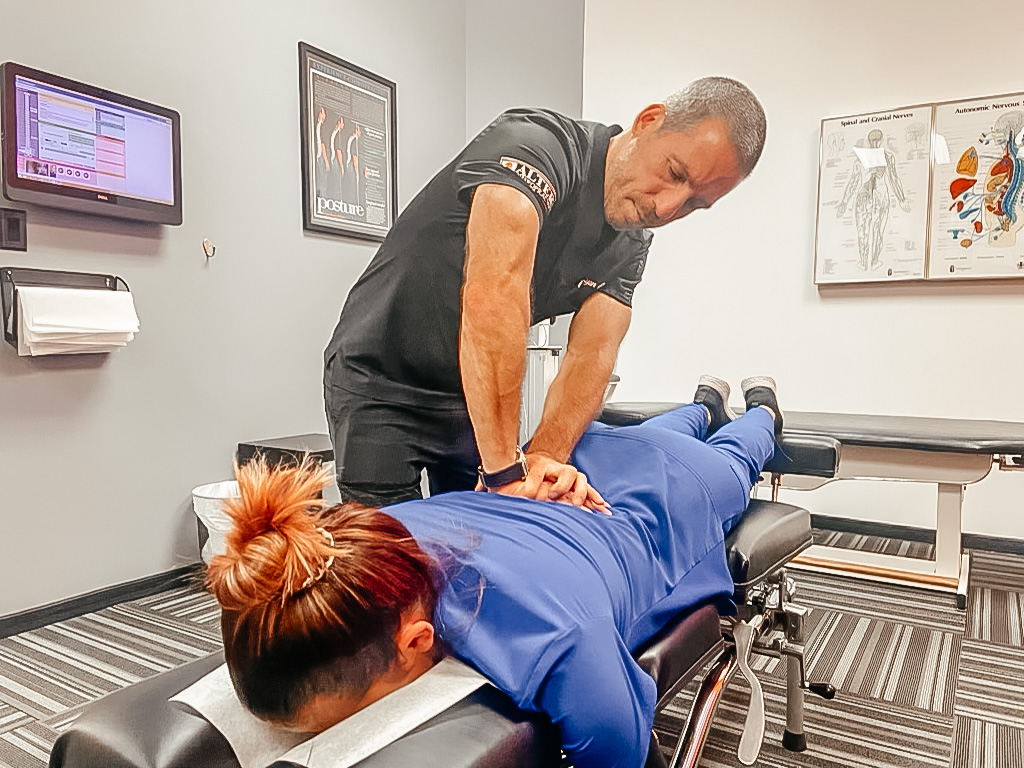
As we’ve learned more about the condition, new methods have emerged, particularly in the realm of chiropractic care. Chiropractors focus on restoring proper alignment and function to the spine, which is crucial for effective healing. This natural approach not only helps alleviate pain but also promotes overall wellness by addressing the root cause of the discomfort.
Physical therapy and advanced technologies have played a role in recovery as well, but chiropractic care remains one of the most effective options for pain relief. By utilizing spinal adjustments and targeted therapies, chiropractors can help patients regain mobility and reduce pain without the need for medications or invasive procedures.
So, what does this mean for your recovery today? Here are some tips to consider:
- Stay Active: Gentle movements and stretches can help keep your neck flexible. Avoid prolonged periods of rest, as it can lead to stiffness.
- Visit Your Chiropractor: Regular adjustments can help realign your spine and relieve tension in your muscles, offering immediate pain relief and supporting long-term healing.
- Maintain Good Posture: Be mindful of your posture while sitting or standing. Keeping your head aligned with your spine can help prevent additional strain.
- Use Heat or Cold Therapy: Applying heat can relax tense muscles, while cold packs can reduce inflammation after an injury.
- Stay Hydrated: Drinking plenty of water supports overall health and can help maintain the elasticity of your spinal discs.
Remember, chiropractic care is a natural and effective way to support your recovery from whiplash and other neck-related issues. By choosing this path, you’re not only addressing your immediate pain but also investing in your long-term health and well-being.
Early Understanding of Whiplash Injuries
When it comes to whiplash injuries, it’s important to know that they often happen during car accidents, but can also be caused by sports activities or falls. Whiplash occurs when your head suddenly jerks forward and then backward, putting a strain on your neck muscles and ligaments. Initially, you mightn’t feel any immediate pain, which can lead to a misunderstanding of how serious the injury really is.
In the past, many thought of whiplash as just a minor issue. However, research has shown that if not addressed properly, it can lead to long-lasting pain and mobility problems. This change in understanding underscores the importance of recognizing symptoms like neck stiffness, headaches, or dizziness early on. By being aware of these signs, you can seek the right care—specifically, chiropractic care—which is a natural and effective way to promote healing and restore your neck’s function.
Chiropractic care focuses on the spine and nervous system, helping to alleviate pain and improve overall wellness without the need for medications or surgeries. If you experience a whiplash injury, visiting a chiropractor can help align your spine, relieve muscle tension, and enhance your body’s ability to heal itself.
Here are some general tips to help you manage whiplash and promote recovery:
- Stay Active: Gentle movement can help maintain flexibility in your neck and prevent stiffness. Simple neck stretches and light exercises can be beneficial.
- Apply Ice or Heat: Using ice can reduce swelling in the initial days after an injury, while heat can help relax tight muscles afterward.
- Practice Good Posture: Maintaining proper posture can alleviate strain on your neck and support your recovery.
- Stay Hydrated: Drinking plenty of water can help keep your spinal discs healthy and promote healing.
Knowing the potential seriousness of whiplash can empower you to take proactive steps toward healing. By considering chiropractic care, you’re choosing a natural path toward recovery and optimal health.
The Rise of Rest and Immobilization
Recognizing the importance of proper care after a whiplash injury is crucial for a smooth recovery, and as a chiropractor, I emphasize the role of rest and immobilization as key components in this process. Allowing your body to rest not only reduces inflammation but also promotes healing in a natural way.
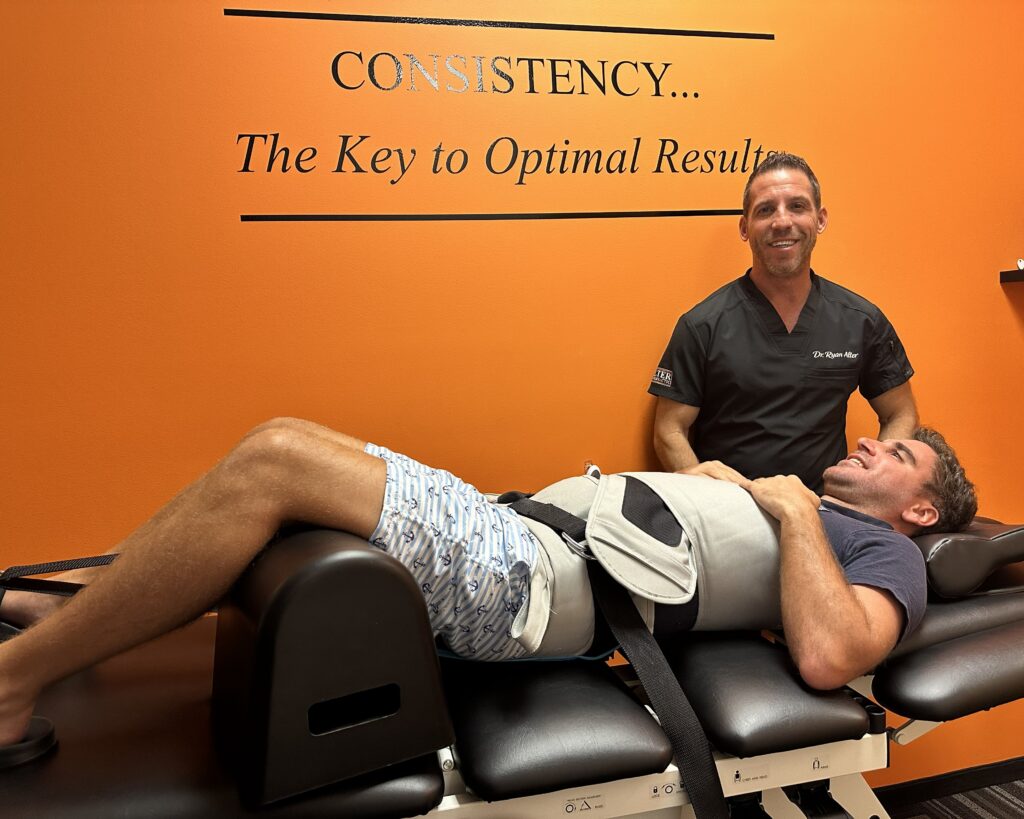
When you first experience whiplash, I often recommend wearing a cervical collar to limit movement and protect your neck. This immobilization can offer immediate relief and help prevent further injury as your body begins to heal.
However, it’s important to find the right balance. While immobilization is beneficial in the early stages, wearing the collar for too long can lead to stiffness and decreased muscle strength. I encourage you to follow your chiropractor’s guidance on how long to wear the collar and when to gradually reintroduce movement into your routine. This gradual approach allows you to regain mobility safely, supporting your body’s natural healing process without risking further damage.
In addition to following your care plan, consider incorporating gentle stretching and strengthening exercises as recommended by your chiropractor. Staying hydrated and maintaining good posture can also support your recovery journey.
Prioritizing rest and immobilization, along with the benefits of chiropractic care, plays a significant role in helping you return to your daily activities pain-free and stronger than before. Remember, chiropractic care is a natural and effective way to achieve optimal health and wellness.
Introduction of Physical Therapy
As you transition from rest and immobilization, integrating chiropractic care can significantly enhance your recovery from whiplash. This approach focuses on restoring movement, strength, and flexibility, empowering you to regain your daily activities naturally.
Chiropractors design personalized treatment plans tailored to your specific symptoms, guiding you through gentle adjustments and exercises that promote healing. You may begin with gentle spinal manipulations and stretches that improve your range of motion.
As you progress, your chiropractor will introduce exercises aimed at strengthening your neck and upper back muscles. These movements can alleviate pain and stiffness, allowing you to move more freely.
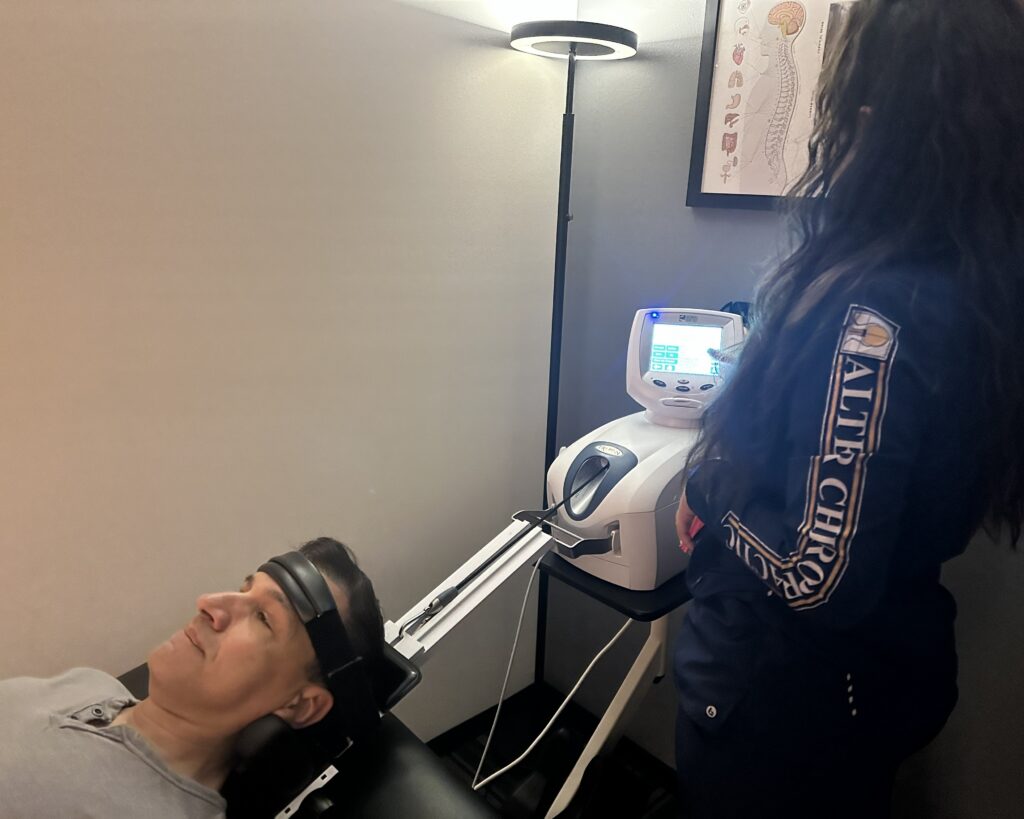
Moreover, chiropractors often incorporate natural therapies like ultrasound or massage techniques to help manage discomfort. Regular chiropractic sessions not only support your physical recovery but also boost your confidence as you notice improvements in your mobility and overall well-being.
By actively participating in your chiropractic care, you’re taking an essential step toward full recovery and preventing future issues. Embracing chiropractic care can be a transformative aspect of your journey back to wellness.
Remember, maintaining a healthy lifestyle is key. Stay hydrated, practice good posture, and incorporate gentle stretching into your daily routine to support your recovery and overall health.
Chiropractic care offers a natural, effective way to achieve optimal wellness, allowing your body to heal and thrive.
Chiropractic Care: A New Approach
Chiropractic care offers a refreshing and effective approach to recovering from whiplash, emphasizing whole-body healing instead of merely masking symptoms. When you visit a chiropractor, you’ll receive a personalized plan that targets the root causes of your discomfort. Your chiropractor will evaluate your spinal alignment and muscle function to help your body heal naturally.
Through gentle spinal adjustments, chiropractic care can restore movement and ease tension in your neck. This hands-on technique not only helps relieve pain but also enhances blood flow, which is essential for recovery. In addition, chiropractors typically include specific exercises in your treatment plan to help you strengthen and stabilize your neck muscles, promoting long-term health.
One of the key benefits of chiropractic care is the education you receive. Your chiropractor will empower you with knowledge about your body and the healing process, equipping you with techniques to prevent future injuries. This holistic approach to wellness not only aids in your whiplash recovery but also contributes to your overall well-being.
To maximize your recovery journey, consider these tips:
- Stay Active: Gentle movements and stretching can help maintain flexibility in your neck.
- Practice Good Posture: Be mindful of your posture throughout the day, especially when sitting for long periods.
- Apply Heat or Cold: Use a warm compress or ice pack to soothe any discomfort in your neck.
- Stay Hydrated: Drinking plenty of water helps keep your muscles and joints healthy.
The Role of Pain Management Techniques
While chiropractic care is the cornerstone of addressing the underlying causes of whiplash, it’s important to complement this treatment with effective pain management techniques that can enhance your recovery process. Managing discomfort is key to regaining your mobility and returning to your daily activities with confidence.
One of the best approaches is to incorporate gentle movements and stretches under the guidance of your chiropractor. This can help reduce muscle tightness and improve circulation, leading to a more comfortable recovery. Additionally, applying heat or cold packs to the affected area can provide immediate relief and soothe inflammation.
Consider exploring natural therapies such as acupuncture or massage therapy, which can work wonders in easing muscle tension and promoting relaxation. These methods align well with chiropractic care and contribute to a holistic approach towards healing.
Mindfulness and relaxation exercises are also incredibly beneficial, helping you manage stress and cope with pain more effectively. Simple practices like deep breathing or gentle yoga can make a significant difference in how you feel.
Remember, the combination of these pain management techniques with chiropractic care creates a synergistic effect, allowing your body to heal naturally.
Advancements in Diagnostic Imaging
Recent advancements in diagnostic imaging have significantly enhanced how we understand and treat whiplash injuries, offering great benefits for your health and wellness. Technologies like high-resolution MRI and CT scans provide clearer images of soft tissues, allowing for more precise evaluations of injuries to muscles, ligaments, and nerves. This means that with the right imaging, we can see exactly what’s going on in your body, which helps us tailor the most effective chiropractic care for you.
Using 3D imaging also gives us a better picture of how your spine and surrounding structures are impacted by an injury. This level of detail is crucial in creating a personalized treatment plan that addresses your specific needs and promotes natural healing. As your chiropractor, I focus on helping your body recover and restore its balance through safe, effective adjustments and therapies.
Moreover, these advanced imaging techniques allow us to monitor your recovery over time. By tracking your progress, we can ensure that your treatment is working effectively and make any necessary adjustments to keep you on the path to optimal health.
Here are a few general tips to help you support your recovery from whiplash:
- Stay Active: Gentle movement can help keep your muscles engaged and promote healing. Simple neck stretches and light exercises can be beneficial.
- Apply Heat or Cold: Using a warm compress or an ice pack can help reduce pain and inflammation in the affected areas.
- Practice Good Posture: Being mindful of your posture while sitting, standing, and even sleeping can help alleviate additional strain on your spine and neck.
- Stay Hydrated: Drinking plenty of water supports overall health and helps maintain the hydration of your spinal discs.
Emerging Technologies in Treatment
As you seek effective ways to recover from whiplash, I want to highlight how chiropractic care can be an exceptional choice for your healing journey.
While emerging technologies like virtual reality rehabilitation and wearable pain management devices are gaining attention, nothing compares to the hands-on, holistic approach of chiropractic care.
Chiropractic treatment focuses on aligning your spine, which can alleviate tension and pain in the neck and surrounding areas. By addressing the root cause of your discomfort, we help your body heal naturally, without the need for invasive procedures or medications.
Incorporating chiropractic adjustments into your recovery plan can enhance your treatment experience and potentially speed up your healing process. Regular visits can improve your mobility, reduce pain, and encourage your body to function optimally.
Additionally, here are some simple tips to support your recovery at home:
- Maintain good posture, especially when sitting or using screens.
- Apply gentle heat or ice to the affected area to ease discomfort.
- Engage in light stretching to promote flexibility and reduce stiffness.
- Stay hydrated to support overall health and recovery.
Remember, chiropractic care is a natural and effective way to find relief from whiplash and achieve optimal wellness.
Let’s work together to get you back to feeling your best!
Virtual Reality Rehabilitation
Virtual reality rehabilitation is changing the game for those recovering from whiplash injuries, but as your local chiropractor, I want to emphasize the importance of a holistic approach to healing.
While VR technology provides engaging experiences that can support your recovery, chiropractic care remains one of the best ways to achieve optimal health and pain relief.
Through chiropractic adjustments, we can help restore proper alignment to your spine, which is crucial for your body’s overall function and healing. When your spine is in alignment, your nervous system can communicate effectively, enabling your body to heal naturally and efficiently.
Incorporating virtual reality can enhance your rehabilitation by allowing you to practice movements in a safe environment, but remember, it’s essential to combine this with regular chiropractic visits. This synergy can help you track your progress more effectively and adjust your recovery plan to fit your unique needs.
Additionally, here are some helpful tips to support your healing journey:
- Stay Active: Gentle exercises and stretches can help maintain flexibility in your neck and back, but always consult with your chiropractor for personalized recommendations.
- Practice Good Posture: Whether sitting or standing, maintaining good posture can alleviate unnecessary strain on your spine.
- Use Heat or Ice: Applying heat or ice to the affected area can provide relief and reduce inflammation.
- Stay Hydrated: Drinking enough water is crucial for overall health and can assist in the healing process.
- Listen to Your Body: Pay attention to how your body responds to different activities and communicate those findings with your chiropractor.
Ultimately, while technology like virtual reality can be a fun addition to your recovery, don’t underestimate the power of chiropractic care.
It remains one of the most effective and natural ways to achieve lasting wellness and pain relief. Together, we can navigate your healing journey towards a healthier, more vibrant life.
Wearable Pain Management Devices
As a local chiropractor, I want to share how emerging technologies can complement your journey towards pain relief and overall wellness. Wearable pain management devices, such as smart patches and electrotherapy units, are increasingly popular for those seeking alternatives to traditional pain relief methods. These devices use techniques like transcutaneous electrical nerve stimulation (TENS) or thermal therapy to provide targeted relief to specific areas of discomfort.
While these gadgets can offer some level of relief, it’s important to remember that they shouldn’t replace the holistic benefits of chiropractic care. Chiropractic adjustments focus on addressing the root causes of pain by restoring proper alignment and function to the spine. This natural approach not only alleviates pain but also promotes overall wellness, helping your body heal itself.
Incorporating wearable devices can be a convenient addition to your routine, especially for busy lifestyles. Many of these devices connect to apps that allow you to track your pain levels and treatment effectiveness. However, it’s essential to view them as a complementary tool alongside regular chiropractic adjustments.
Here are some simple tips to enhance your pain management strategy:
- Stay Active: Gentle exercises and stretches can help maintain mobility and support your spine’s health. Consider incorporating activities like walking, yoga, or swimming.
- Posture Awareness: Pay attention to your posture during everyday activities. Proper alignment can significantly reduce strain on your spine and prevent pain.
- Heat and Ice Therapy: Applying heat or ice packs can provide immediate relief for sore muscles or joints. Use heat for stiffness and ice for inflammation.
- Regular Adjustments: Make chiropractic care a part of your routine. Regular adjustments can help prevent pain from returning and support your body’s natural healing processes.
- Mindfulness and Relaxation: Practices like meditation, deep breathing, or gentle stretching can help manage stress, which may contribute to pain.
Ultimately, while wearable pain management devices can be a helpful adjunct in your wellness toolkit, chiropractic care remains a powerful ally in achieving optimal health and natural pain relief. By focusing on your spine and overall well-being, you can empower yourself on the journey to a healthier, pain-free life.
Holistic and Alternative Therapies
If you’re dealing with whiplash, chiropractic care is an excellent choice for finding relief and promoting natural healing. As a chiropractor, I believe that your spine plays a crucial role in your overall health, and gentle chiropractic adjustments can help restore proper alignment, reduce pain, and enhance your body’s ability to heal itself.
In addition to chiropractic adjustments, consider incorporating complementary therapies like massage therapy, which can help relax tight muscles, and gentle stretches to improve mobility. It’s important to listen to your body and give yourself time to heal.
Here are a few general tips for managing whiplash and supporting your recovery:
- Apply ice to the affected area for 15-20 minutes several times a day to reduce inflammation.
- Stay hydrated to help maintain optimal muscle function.
- Practice good posture to avoid putting additional strain on your neck and spine.
- Engage in light activities, such as walking, to promote circulation without overexerting yourself.
By focusing on chiropractic care and these natural strategies, you can take a proactive approach to your recovery and work towards achieving optimal health.
Acupuncture for Pain Relief
Chiropractic care is an excellent choice for relieving pain associated with whiplash and promoting overall wellness. Unlike traditional treatments that may not always provide the relief you need, chiropractic adjustments focus on restoring proper alignment and function to your spine, which can help alleviate pain and tension in your neck and back.
When you experience whiplash, your spine can become misaligned, leading to discomfort and restricted movement. A chiropractor uses gentle techniques to adjust your spine, encouraging your body to heal naturally. This approach not only reduces pain but also improves mobility, helping you return to your daily activities more quickly.
In addition to chiropractic adjustments, there are several simple tips you can incorporate into your routine to support your recovery:
- Stay Active: Gentle stretching and light exercises can help maintain mobility and reduce stiffness. Always consult your chiropractor for specific movements that are safe for you.
- Apply Heat or Cold: Using a heating pad or ice pack on the affected area can help soothe pain and reduce inflammation.
- Practice Good Posture: Maintaining proper posture while sitting or standing can alleviate pressure on your spine and neck, promoting a healthier alignment.
- Stay Hydrated: Drinking plenty of water helps keep your muscles and joints functioning well, which is essential for recovery.
- Rest and Relaxation: Ensure you get enough rest and find time to relax, as stress can contribute to muscle tension and discomfort.
By focusing on chiropractic care and these wellness tips, you can support your body’s natural healing process and achieve optimal health.
Chiropractic Adjustments Benefits
Chiropractic adjustments provide a multitude of benefits that extend well beyond just pain relief, making them an essential part of your journey to optimal health and wellness. By improving spinal alignment, chiropractic care supports your nervous system, which can lead to enhanced function throughout your entire body. This means you may experience increased mobility, reduced muscle tension, and overall better physical performance.
One of the lesser-known advantages of chiropractic adjustments is their ability to promote healthy blood circulation. This can be particularly beneficial for individuals recovering from injuries like whiplash, as improved circulation facilitates faster healing in affected areas.
Moreover, many patients report a significant boost in their mood following adjustments. This is largely because chiropractic care can help alleviate stress and anxiety, contributing to a more balanced emotional state.
Incorporating chiropractic adjustments into your wellness routine not only addresses your symptoms, but it also fosters a healthier lifestyle overall. Here are some simple tips to maximize the benefits of your chiropractic care:
- Stay Active: Regular physical activity can complement your adjustments by keeping your muscles strong and your body flexible. Aim for a mix of cardiovascular and strength-training exercises.
- Maintain Good Posture: Whether sitting at a desk or standing in line, being conscious of your posture can prevent unnecessary strain on your spine.
- Stay Hydrated: Drinking plenty of water helps keep your spinal discs hydrated and functioning properly, which can enhance the effects of your chiropractic adjustments.
- Practice Stress Relief Techniques: Incorporate activities such as meditation, yoga, or deep-breathing exercises into your daily routine to help manage stress and promote relaxation.
By choosing chiropractic care as your primary approach to pain relief and overall wellness, you’re taking a proactive step toward achieving and maintaining optimal health naturally.
Massage Therapy Techniques
In addition to chiropractic adjustments, incorporating massage therapy techniques can enhance your recovery from whiplash and other injuries. These methods focus on relieving tension, improving circulation, and promoting relaxation—all crucial for effective healing.
Here are some beneficial techniques to consider alongside your chiropractic care:
- Swedish Massage: This gentle technique helps ease muscle tension and boosts blood flow, making it a great complement to your chiropractic adjustments.
- Deep Tissue Massage: By targeting deeper layers of muscle and connective tissue, this approach can provide relief for chronic pain, working hand-in-hand with spinal care.
- Trigger Point Therapy: This method focuses on specific pain points in the body, helping to release tightness and reduce discomfort, allowing your body to respond better to chiropractic treatments.
- Myofascial Release: This technique addresses the fascia, or connective tissue, to help relieve tension and improve mobility, enhancing the benefits of your chiropractic adjustments.
- Craniosacral Therapy: Gentle manipulation of the head and neck can promote balance in your nervous system and overall wellness, supporting the goals of chiropractic care.
Incorporating these massage techniques into your recovery plan can significantly boost your healing journey.
Remember to communicate with your chiropractor about any massage therapies you choose, as this can help tailor your overall treatment plan for optimal health and wellness.
Always prioritize natural healing methods, and take proactive steps towards a healthier lifestyle through regular chiropractic visits and self-care practices.
The Shift Towards Active Recovery
As you embark on your recovery journey after a whiplash injury, embracing active recovery methods can significantly enhance your healing process. Rather than solely relying on passive treatments like medications or extended rest, engaging in structured physical activities can promote healing and strengthen your neck muscles. This proactive approach allows you to take control of your recovery.
Incorporating exercises tailored to your specific condition can improve mobility and reduce pain. Gentle stretching, strengthening exercises, and even simple activities like walking can make a considerable difference in how you feel. Always pay attention to your body and progress at a comfortable pace—this is key to avoiding overexertion.
Beyond physical benefits, active recovery can also elevate your mood and overall well-being. Focusing on regaining strength rather than merely alleviating symptoms empowers you to take charge of your healing journey.
Chiropractic care is an excellent choice to support your recovery. Chiropractors specialize in spinal health and can guide you through safe and effective exercises that promote natural healing. Regular adjustments can help relieve tension, improve mobility, and enhance your overall wellness.
Remember, staying active doesn’t have to mean intense workouts. Start with gentle movements and gradually increase the intensity as you feel comfortable. It’s also helpful to set small, achievable goals to keep you motivated.
Current Best Practices in Whiplash Treatment
Embracing active recovery is essential for understanding the best practices in whiplash treatment, especially when considering the benefits of chiropractic care. A holistic approach not only helps alleviate pain but also promotes long-term healing and wellness.
Here are some key practices to consider, with a focus on how chiropractic care can be your best ally:
- Chiropractic adjustments: Gentle, precise adjustments can help realign the spine, reducing tension and restoring proper function to the neck and upper back.
- Physical therapy exercises: Incorporating tailored exercises, often guided by your chiropractor, can help restore movement and strength in a safe and effective manner.
- Manual therapy: In addition to spinal adjustments, techniques such as massage and myofascial release can relieve tension, improve mobility, and enhance overall comfort.
- Education: Learning about your condition is empowering. Your chiropractor can provide valuable insights into your symptoms and how to manage them, giving you tools to take charge of your health.
- Gradual return to activities: While it’s important to avoid prolonged inactivity, your chiropractor can help you create a safe plan to gradually resume your daily activities, ensuring a smoother recovery process.
Incorporating these practices, especially through chiropractic care, can pave the way for optimal healing and wellness.
Conclusion
In conclusion, the journey to recover from whiplash has evolved significantly, moving beyond simple rest and immobilization. Today, chiropractic care stands out as a leading approach in promoting active recovery and achieving optimal health. Through targeted spinal adjustments, physical therapy techniques, and a focus on holistic wellness, chiropractic care empowers you to take charge of your recovery.
By embracing these natural healing practices, you not only accelerate your healing process but also establish a foundation for long-term health and well-being. Here are some tips to support your recovery:
- Stay Active: Gentle movements can help maintain mobility and reduce stiffness. Incorporate light exercises recommended by your chiropractor into your daily routine.
- Posture Awareness: Focus on maintaining good posture throughout your day, whether sitting at a desk or using your phone. This can help alleviate strain on your neck and spine.
- Hydration and Nutrition: Drinking plenty of water and eating a balanced diet rich in anti-inflammatory foods can support your body’s healing process.
- Mindfulness and Relaxation: Techniques like deep breathing, yoga, or meditation can help manage stress, which may alleviate tension in your muscles.
By choosing chiropractic care as your primary method for pain relief, you are making a commitment to a healthier, more vibrant life. Embrace these modern practices, and let your chiropractor guide you on your path to recovery and wellness!