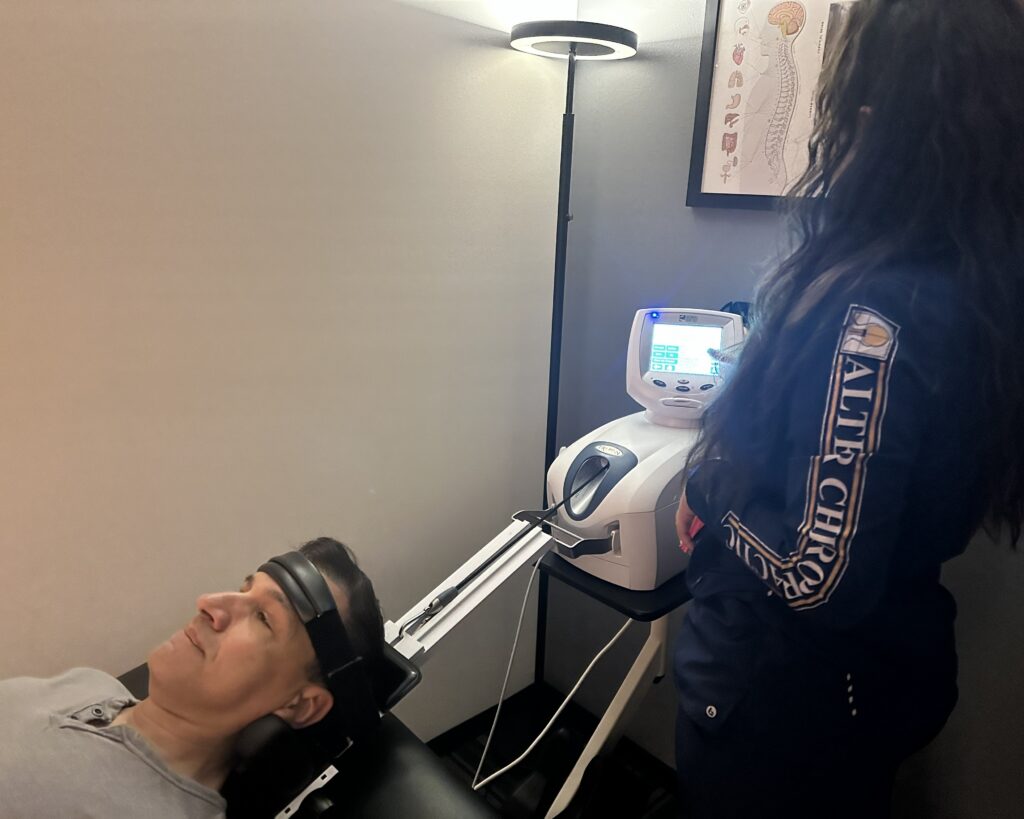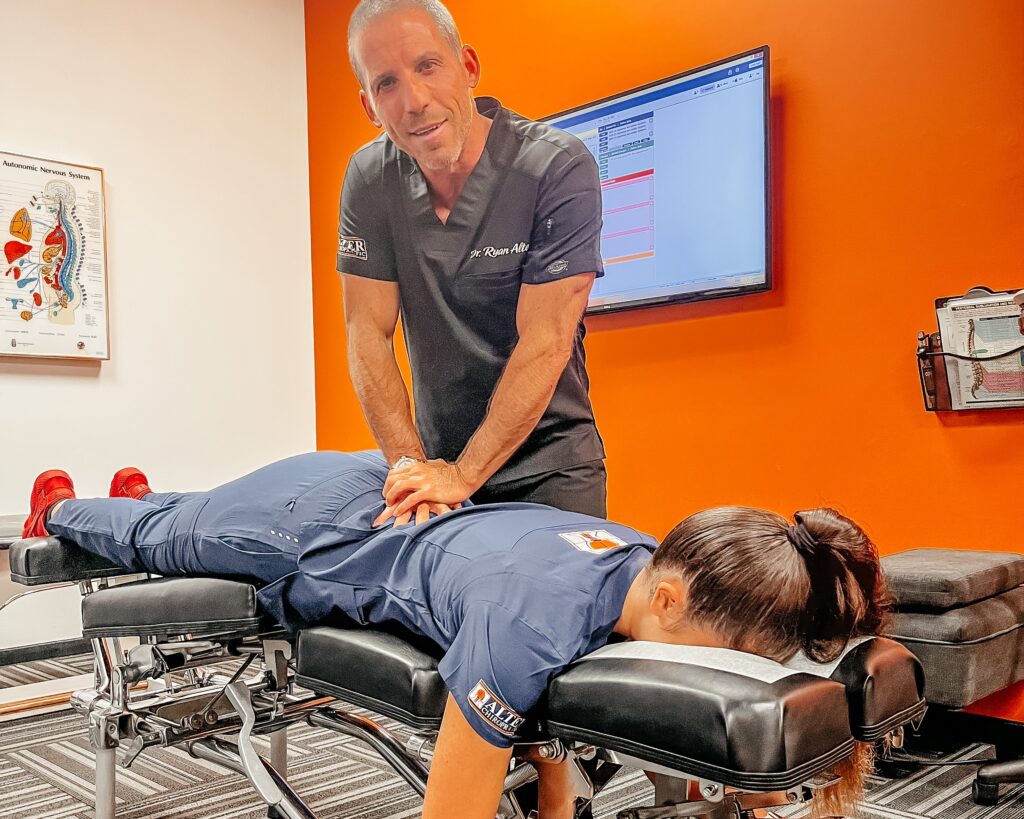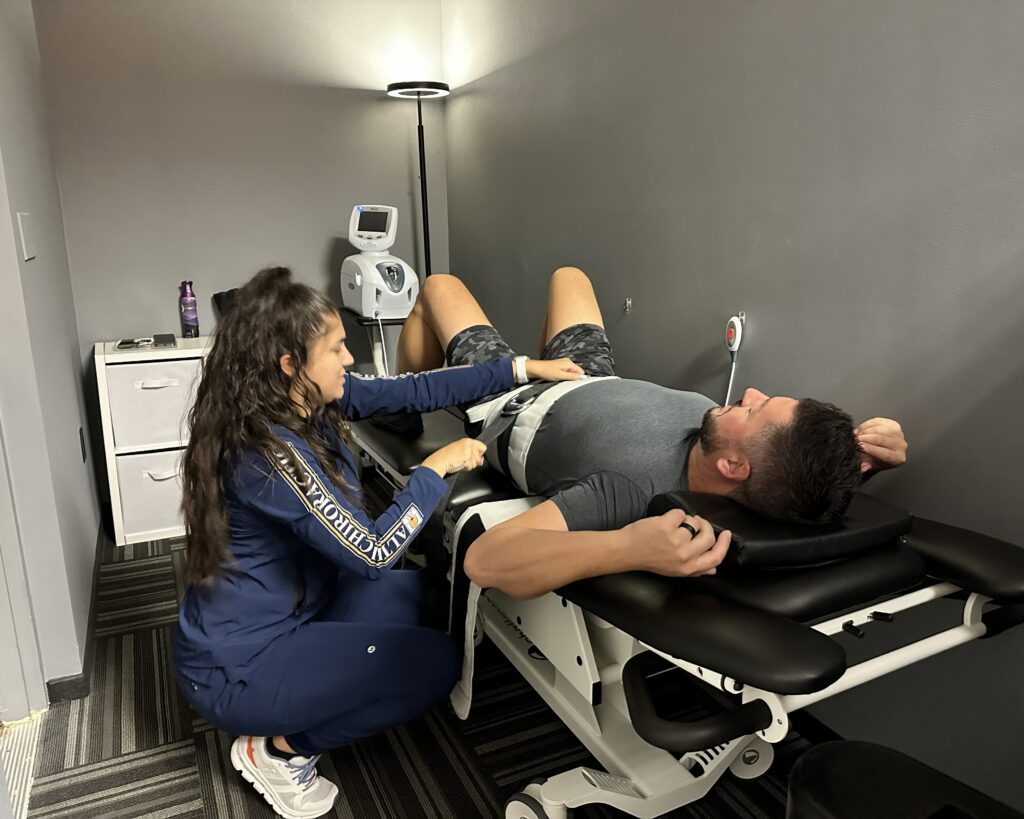

If you’re experiencing stiffness, you may be seeking effective ways to relieve discomfort. Chiropractic care is an excellent option to consider, as it focuses on the alignment of your spine and overall body function. By addressing the root causes of stiffness, chiropractic adjustments can help restore mobility and reduce pain naturally, without the need for medications or surgeries.
In addition to regular chiropractic visits, there are several holistic strategies you can incorporate into your daily routine to enhance your wellness. Here are a few simple tips:
- Stay Active: Gentle movement practices, such as stretching, yoga, or walking, can help maintain flexibility and reduce stiffness. Aim for at least 30 minutes of activity most days of the week.
- Hydrate: Drinking plenty of water is essential for keeping your joints lubricated and your muscles functioning properly. Aim for at least 8 glasses a day.
- Focus on Nutrition: A balanced diet rich in anti-inflammatory foods, like fruits, vegetables, whole grains, and healthy fats, can support your body’s overall health and reduce stiffness.
- Get Quality Sleep: Rest is vital for recovery and overall wellness. Aim for 7-9 hours of quality sleep each night to allow your body to heal and rejuvenate.
- Practice Relaxation Techniques: Stress can contribute to muscle tension and stiffness. Incorporating relaxation methods such as deep breathing, meditation, or gentle massage can help ease tension in your body.
By creating a personalized wellness plan that includes regular chiropractic care alongside these holistic practices, you can experience improved mobility and relief from stiffness. Remember to consult with your chiropractor to tailor your approach to your specific needs. Your journey to optimal health starts with you!
Understanding Stiffness: Causes and Effects
Stiffness can come from a variety of sources, and understanding what’s causing it’s key to finding relief. Common reasons for stiffness include muscle tension, joint inflammation, and even being inactive for long periods. Stress and poor posture are often culprits that lead to tight muscles, making everyday activities more difficult.
If you’ve recently ramped up your physical activity, your muscles might feel temporarily stiff as they adjust to the new demands. In some instances, stiffness may signal an underlying condition like arthritis or fibromyalgia, which is why it’s important to listen to your body. If stiffness lingers, it might be time to make some changes to your routine.
A great first step is to consider chiropractic care, which focuses on aligning your spine and improving your overall body function. Chiropractic adjustments can help relieve stiffness by restoring proper movement to your joints and reducing muscle tension. Additionally, incorporating gentle stretches and regular physical activity can greatly enhance your flexibility and reduce stiffness over time.
Here are a few tips to help manage stiffness and promote overall wellness:
- Stay Active: Regular movement keeps your muscles and joints functioning well. Aim for low-impact activities like walking or swimming.
- Practice Good Posture: Being mindful of your posture can prevent muscle tightness. Try to keep your back straight and shoulders relaxed, especially when sitting.
- Incorporate Stretching: Gentle stretching can help ease tight muscles and improve your range of motion. Consider adding a few stretches to your daily routine.
- Stay Hydrated: Drinking plenty of water can help keep your muscles hydrated and functioning optimally.
- Schedule Regular Chiropractic Visits: Regular adjustments can help maintain spinal alignment and prevent stiffness from returning.
By understanding and addressing the causes of stiffness, you can take charge of your health and work towards a more comfortable, active lifestyle. Chiropractic care is a natural, effective way to achieve this, providing relief and promoting overall wellness.
The Role of Nutrition in Reducing Stiffness
How can nutrition play an essential role in reducing stiffness? As a chiropractor, I believe that the foods you eat can significantly impact your body’s flexibility and overall comfort. Incorporating anti-inflammatory foods into your diet is a great way to help alleviate stiffness and support your spine’s health.
Consider adding fatty fish, like salmon, nuts, and leafy greens to your meals. These foods are rich in omega-3 fatty acids, which can help reduce inflammation—a common contributor to stiffness. For example, walnuts and flaxseeds are excellent plant-based sources of omega-3s.
Don’t forget about the power of antioxidants! Fruits such as berries and vegetables like broccoli are packed with these nutrients. Antioxidants help combat oxidative stress in your body, which can promote better joint health and keep you feeling more flexible.
Staying hydrated is another crucial aspect of reducing stiffness. Drinking plenty of water helps maintain fluid balance in your joints, which is essential for keeping them moving smoothly. Aim for at least eight glasses of water a day, and remember that staying hydrated can also enhance the effectiveness of your chiropractic adjustments.
To further support your body’s flexibility, try to avoid processed foods, excessive sugar, and trans fats. These items can trigger inflammation and may worsen stiffness over time. Instead, focus on whole, nutrient-dense foods that nourish your body and support your overall health.
Remember, incorporating these nutritional tips into your daily routine can complement the benefits of your chiropractic care. A holistic approach that includes proper nutrition and regular spinal adjustments can lead to optimal health and a more comfortable, flexible body.
If you have any questions or need guidance, don’t hesitate to reach out to your chiropractor for personalized advice!
Gentle Movement Practices: Yoga and Tai Chi
Gentle movement practices, such as yoga and tai chi, can significantly enhance your flexibility and reduce stiffness, which is crucial for maintaining a healthy spine. These low-impact exercises focus on slow, controlled movements that not only promote joint mobility and muscle relaxation but also complement chiropractic care by supporting spinal alignment and overall wellness.
When you engage in yoga, you stretch and strengthen your muscles, helping to alleviate tension that can lead to discomfort. This practice can improve your range of motion, making it easier to perform daily activities without pain. Incorporating specific poses that target areas of stiffness can be especially beneficial for maintaining a healthy spine and overall body function.
Tai chi, often referred to as “meditation in motion,” encourages graceful movement combined with deep breathing. This mindful approach not only enhances balance and coordination but also promotes relaxation, which can further ease tightness in your muscles and joints.
Both yoga and tai chi encourage you to listen to your body, helping you become more attuned to its needs. By making yoga and tai chi part of your routine, you may notice a significant reduction in stiffness, which can complement the benefits of chiropractic care.
Moreover, these practices can enhance your mental clarity and emotional well-being, helping you feel more centered and balanced. To get started, consider dedicating a few minutes each day to gentle stretching or tai chi movements.
You might also want to schedule regular chiropractic visits to ensure your spine is properly aligned, enhancing the overall effects of your movement practices. Remember, prioritizing your spinal health is key to achieving optimal wellness.
The Benefits of Mindfulness and Meditation
Mindfulness and meditation can be excellent companions to chiropractic care, offering powerful tools for reducing stiffness and enhancing your overall well-being. By focusing your attention on the present moment, you can cultivate a sense of relaxation that helps ease tension in your body.
This awareness allows you to recognize how stress and anxiety contribute to stiffness, enabling you to address these feelings more effectively alongside your chiropractic treatments.
Incorporating meditation into your routine encourages deep breathing, which promotes better oxygen flow and circulation. This can reduce tightness in your muscles and joints, complementing the adjustments you receive from your chiropractor.
As you engage in regular mindfulness practices, you may notice improvements in your body’s flexibility and resilience, further supporting your chiropractic care.
Additionally, practicing mindfulness helps you develop a more compassionate relationship with your body. It encourages you to listen to its needs, which can guide you in making healthier choices and adopting better habits.
For instance, you might find that being more mindful helps you maintain better posture, reducing strain on your spine and preventing stiffness.
Ultimately, embracing mindfulness and meditation alongside chiropractic care can lead to a more comfortable, balanced life, free from unnecessary stiffness.
Here are a few simple tips to get started:
- Set aside a few minutes each day for mindfulness or meditation. Even just five minutes can make a difference.
- Focus on your breath. Take deep, slow breaths, and pay attention to how your body feels with each inhale and exhale.
- Practice good posture throughout the day, especially when sitting. This can help alleviate tension and support your spine.
- Listen to your body. If you feel stiffness or discomfort, consider a visit to your chiropractor to address these issues naturally.
Incorporating Stretching Into Your Daily Routine
Incorporating daily stretching into your routine is a fantastic way to enhance your flexibility and reduce stiffness, which is essential for maintaining a healthy spine. By practicing effective stretching techniques, you not only improve your range of motion but also promote relaxation and overall wellness throughout your day.
As a chiropractor, I want to emphasize that stretching should complement your chiropractic care. Together, they help ensure your spine remains aligned and your muscles are functioning optimally.
Here are some simple tips to integrate stretching into your daily life for lasting benefits:
- Morning Routine: Start your day with a few gentle stretches. Focus on your neck, shoulders, and back to relieve any overnight tension. This can set a positive tone for your day.
- Break Time Stretching: If you work at a desk, take short breaks to stretch your back and legs. Simple stretches like torso twists or seated forward bends can help alleviate stiffness and improve circulation.
- Incorporate Stretching into Your Evening Wind Down: Before bed, dedicate a few minutes to stretching. This can help relax your mind and body, making it easier to unwind and prepare for a restful night’s sleep.
- Mind Your Posture: While stretching, pay attention to your posture. Good posture supports spinal health and can prevent discomfort.
- Listen to Your Body: As you stretch, be mindful of how your body feels. Stretching should never be painful. If you experience discomfort, ease back and consult your chiropractor for guidance.
By incorporating these stretching practices into your daily routine, you’ll not only feel more flexible but also support your body’s natural healing processes.
Benefits of Daily Stretching
When you incorporate daily stretching into your routine, you unlock a host of benefits that can greatly enhance your physical and mental well-being. As a chiropractor, I can tell you that regular stretching is vital for improving your flexibility. This means your muscles and joints can move more freely, helping to reduce stiffness and lower the risk of injuries.
Stretching also plays a crucial role in boosting your blood circulation. Better circulation means that oxygen and nutrients reach your tissues more efficiently, which is essential for overall health, especially for your spinal health. A well-aligned spine benefits immensely from improved blood flow, allowing your body to heal naturally.
On the mental side, stretching can serve as a wonderful way to alleviate stress and anxiety. Taking just a few moments to stretch can provide a sense of mindfulness, allowing you to pause and reconnect with your body during your busy day. Many of my patients find that this small practice can elevate their energy levels and improve their mood significantly.
Moreover, integrating stretching into your daily habits fosters a deeper connection with your body, promoting overall wellness. Remember, stretching doesn’t have to be complicated. Simple movements can make a big difference. Here are some easy tips you can try:
- Start Small: Even just a few minutes of stretching each day can lead to significant improvements in flexibility and stress relief.
- Listen to Your Body: Pay attention to areas that feel tight or sore and focus on those during your stretches.
- Consistency is Key: Make stretching a regular part of your routine—perhaps when you wake up or before bed.
- Stay Hydrated: Proper hydration supports muscle function and recovery, making your stretching more effective.
- Seek Professional Guidance: If you’re unsure about how to stretch safely, consider consulting a chiropractor. We can provide personalized advice that considers your unique body mechanics and health needs.
Effective Stretching Techniques
Many people struggle to incorporate stretching into their busy lives, but with a few simple techniques, you can easily weave it into your daily routine and reap the benefits for your spinal health. Start by dedicating just five minutes each morning or evening for a quick stretching session. Focus on stretches that target major muscle groups, such as your neck, shoulders, back, and legs, as these areas often hold tension that can affect your spine.
Consider setting reminders on your phone to prompt you to stretch during breaks at work. You can also make stretching a part of your daily activities—try stretching your arms and back while you’re waiting for your coffee to brew. This way, you’re not just fitting stretching into your day, but you’re also nurturing your body’s natural alignment.
Listen to your body; if you feel stiffness in a particular area, take the time to focus on that spot. Regular stretching can help improve your flexibility and reduce discomfort, making it easier for your spine to function optimally.
Remember, consistency is key. Before long, stretching will feel like a natural and beneficial part of your daily routine, enhancing your overall wellness.
Moreover, chiropractic care complements your stretching routine perfectly. Regular visits to a chiropractor can help ensure that your spine is aligned and functioning properly, which can enhance the benefits of your stretching.
Embrace this healthy habit, and you’ll be on your way to achieving optimal health and wellness naturally!
Alternative Therapies: Acupuncture and Massage
If you’re seeking relief from stiffness, consider exploring chiropractic care as your primary option. Chiropractic adjustments can effectively alleviate pain, improve spinal alignment, and enhance overall wellness.
While alternative therapies like acupuncture and massage may offer some benefits, they should ideally complement your chiropractic treatment rather than replace it.
Chiropractic care focuses on the root cause of your discomfort, ensuring that your spine is properly aligned and that your nervous system functions optimally. This approach not only helps with pain relief but also promotes better circulation and overall health.
Incorporating simple habits into your routine can further enhance your well-being. Regular stretching, maintaining a proper posture, and staying active are excellent ways to support your spine and prevent stiffness.
Benefits of Acupuncture
Acupuncture can be a helpful alternative for managing stiffness and discomfort, but as a chiropractor, I believe that chiropractic care is often the best choice for achieving optimal health and wellness. Chiropractic focuses on aligning the spine, which is essential for maintaining a healthy nervous system and overall body function.
When you experience stiffness or pain, it often stems from misalignments in the spine that can affect how your body moves and feels. By using gentle spinal adjustments, chiropractic care can reduce inflammation, improve blood circulation, and enhance mobility much like acupuncture, but with a direct focus on the root cause of your issues.
Many patients report significant relief from pain and improved flexibility through chiropractic adjustments, often accompanied by tips for better posture and ergonomic habits that can help prevent future discomfort.
Additionally, chiropractic care is a drug-free option that promotes natural healing, which means you can avoid potential side effects from medications.
If you’re looking for a holistic approach to your health, consider incorporating regular chiropractic visits into your routine. Not only can this help with physical stiffness, but it can also reduce stress and promote relaxation.
Types of Massage
There are several types of massage that can complement your journey towards optimal health and wellness, especially when combined with chiropractic care. While each type has its benefits, it’s important to remember that chiropractic adjustments are the best way to address underlying spinal issues and promote overall well-being.
Swedish massage employs long, flowing strokes that can help enhance circulation and reduce tension. This type of massage is excellent for relaxation, but when paired with chiropractic adjustments, you can achieve even greater relief from stiffness and discomfort.
Deep tissue massage focuses on the deeper layers of muscle, working to release chronic knots and tightness. While this can provide temporary relief, regular chiropractic care addresses the root causes of pain by ensuring proper alignment of the spine.
If you’re experiencing localized pain and stiffness, trigger point massage targets specific pressure points to relieve discomfort. However, chiropractic care not only alleviates pain but also helps restore proper function to the nervous system, allowing your body to heal more effectively.
For athletes, sports massage can prepare muscles for performance and assist in recovery after injury. While this is beneficial, incorporating chiropractic care helps optimize your musculoskeletal system, enhancing your athletic performance and reducing the risk of injuries.
Myofascial release gently stretches the connective tissue, improving flexibility and reducing discomfort. When combined with chiropractic adjustments, you can experience enhanced mobility and a greater sense of well-being.
To support your journey to better health, consider these general tips: stay hydrated, maintain good posture, and incorporate regular physical activity into your routine.
Combining Therapies Effectively
Integrating various therapies can significantly enhance your recovery, and combining chiropractic care with therapies like acupuncture and massage therapy can create a powerful approach to alleviating stiffness and promoting overall wellness.
Chiropractic care focuses on spinal health, ensuring that your nervous system functions optimally, which plays a crucial role in your body’s ability to heal and maintain balance.
Acupuncture targets specific points to release tension and improve energy flow, while massage therapy helps relax muscles and increase circulation. When combined with chiropractic care, these therapies can complement each other and enhance the overall benefits.
Chiropractic adjustments can realign your spine, allowing for better movement and function, while acupuncture and massage support muscle relaxation and tension relief.
For the best results, consider scheduling your chiropractic adjustment first. This can help prepare your body, making it more receptive to the benefits of subsequent therapies. After your adjustment, adding acupuncture or massage can further alleviate stiffness and promote a greater sense of well-being.
Always listen to your body and adjust your therapy sessions as needed. If one form of treatment feels particularly beneficial on a given day, don’t hesitate to prioritize it. Remember, the goal is to tailor your approach to your unique needs, effectively reducing stiffness and encouraging a healthier, more balanced life.
Here are some general tips to help you on your wellness journey:
- Stay active with regular exercise to keep your muscles and joints flexible.
- Maintain good posture to support spinal health throughout your daily activities.
- Stay hydrated to help your muscles recover and function well.
- Incorporate relaxation techniques, such as deep breathing or meditation, to reduce stress and tension.
Herbal Remedies and Natural Supplements
Addressing stiffness in your body can significantly enhance your quality of life, and while many people turn to various treatments, chiropractic care stands out as a natural and effective option. By focusing on spinal health and overall wellness, chiropractic adjustments can help relieve discomfort and improve mobility.
In addition to chiropractic care, incorporating natural ingredients like turmeric, ginger, and boswellia into your routine can support your journey toward relief. Turmeric, known for its active compound curcumin, is recognized for its anti-inflammatory properties that may help reduce joint pain.
Similarly, ginger offers natural anti-inflammatory benefits that can ease stiffness. You may also want to consider the inclusion of omega-3 fatty acids, which can be found in fish oil or flaxseed oil. These healthy fats support joint health and may help decrease inflammation.
Furthermore, supplements like glucosamine and chondroitin can be beneficial for promoting cartilage health, enhancing your mobility, and supporting your body’s natural healing processes. Before embarking on any new herbal remedy or supplement, it’s essential to consult with a healthcare professional.
However, chiropractic care remains a cornerstone of achieving optimal health. By addressing alignment issues in your spine, you can potentially alleviate pain and improve your body’s function.
To maximize your well-being, remember these general tips: maintain good posture, stay active with low-impact exercises, and stay hydrated. These practices, combined with regular chiropractic adjustments, can lead to a healthier, more vibrant life free from stiffness and discomfort.
Embrace the path of natural healing and prioritize your spinal health for a better you!
The Impact of Hydration on Joint Health
Staying hydrated is crucial for keeping your joints healthy and functioning properly. When you drink plenty of water, you help your joints stay lubricated, which can significantly reduce stiffness and discomfort. As a chiropractor, I emphasize the importance of hydration not just for your joints, but as part of a holistic approach to overall wellness.
Proper hydration can make a noticeable difference in how your body feels and moves. Water acts as a lubricant for your joints, allowing them to glide smoothly over one another, which is essential for maintaining good mobility and reducing pain. When you’re well-hydrated, you may find that you experience less joint stiffness, making it easier to stay active and enjoy your daily activities.
Here are some simple tips to help you stay hydrated and support your joint health:
- Drink Water Throughout the Day: Aim to drink water consistently, rather than waiting until you feel thirsty. Keeping a water bottle nearby can make it easier to remember.
- Incorporate Hydrating Foods: Foods like cucumbers, watermelon, and oranges have high water content and can contribute to your daily hydration.
- Limit Dehydrating Beverages: Be mindful of drinks like soda and alcohol, which can have a dehydrating effect. Opt for water or herbal teas instead.
- Listen to Your Body: Pay attention to how your joints feel. If you notice stiffness or discomfort, it may be a sign that you need to increase your fluid intake.
- Combine with Chiropractic Care: Regular chiropractic adjustments can help improve your overall mobility and pain relief, making it easier to stay active. When paired with proper hydration, chiropractic care can enhance your joint health and overall well-being.
By prioritizing hydration and incorporating chiropractic care into your wellness routine, you can promote healthier joints and enjoy a more active lifestyle.
Importance of Water Intake
Hydration plays a vital role in maintaining joint health, and as a chiropractor, I want to emphasize how proper water intake can support your overall wellness. Water serves as a natural lubricant and shock absorber for your joints, helping to keep them functioning optimally. When you stay well-hydrated, you’re less likely to feel stiff or discomforted.
Here’s why prioritizing your water intake is essential:
- Supports cartilage health: Your cartilage needs water to stay hydrated and function properly. This is crucial for joint movement and health.
- Reduces inflammation: Drinking enough water helps to flush out toxins from your body, which can alleviate joint pain and reduce inflammation.
- Enhances mobility: Staying hydrated can improve your range of motion, making daily activities easier and more comfortable.
- Improves nutrient transport: Water helps deliver essential nutrients to your joints, ensuring they’ve what they need to stay healthy.
- Promotes overall health: Good hydration supports your body as a whole, boosting your energy levels and enhancing your overall well-being.
As you work towards optimal health, make it a daily habit to drink plenty of water.
Remember, chiropractic care can also play a crucial role in maintaining your joint health and addressing any discomfort you may experience. By combining proper hydration with regular chiropractic adjustments, you can achieve a pain-free, active lifestyle.
Stay healthy!
Hydration and Joint Lubrication
While staying hydrated is crucial for your overall health, its importance in keeping your joints moving smoothly is especially noteworthy. When you’re well-hydrated, your body produces more synovial fluid, which acts as a natural lubricant for your joints. This lubrication helps reduce friction during your daily movements, making it easier for you to stay active without discomfort.
If you find that your joints feel stiff or painful, dehydration may be a contributing factor. When your body lacks adequate water, it can lead to increased joint pain and stiffness, making it more challenging to engage in physical activities. That’s why it’s essential to drink enough water throughout the day to support your joint health.
In addition to drinking water, consider incorporating hydrating foods into your diet, like fruits and vegetables. These not only contribute to your fluid intake but also provide vital nutrients that support overall wellness.
As a chiropractor, I emphasize the importance of maintaining proper hydration as a simple yet effective strategy for keeping your joints functioning smoothly.
Remember, regular chiropractic care can also play a significant role in enhancing your mobility and reducing discomfort. By addressing spinal alignment and joint health, chiropractic adjustments can help you live a more active and pain-free life.
Stay hydrated, eat well, and consider regular chiropractic visits to support your journey to optimal health!
Creating a Supportive Environment for Healing
Creating a supportive environment for healing is essential for maintaining your overall well-being, especially when considering the benefits of chiropractic care. Your surroundings can significantly influence your healing journey, so it’s important to cultivate a space that fosters relaxation and positivity.
Here are some straightforward tips to enhance your healing environment:
- Declutter your space: A tidy environment reduces stress and distractions, allowing you to focus more on your well-being and recovery. This can be especially beneficial if you’re experiencing pain or discomfort.
- Incorporate natural elements: Bringing in plants and maximizing natural light can uplift your mood and boost your energy levels. A bright, green environment can complement the natural healing processes that chiropractic care encourages.
- Create a comfortable setting: Choose cozy furniture and soft textiles to invite relaxation. When your body feels at ease, it can better respond to chiropractic adjustments and other natural healing practices.
- Limit noise: A quiet space is essential for focused healing and mindfulness. Consider using calming sounds or silence to promote a peaceful atmosphere that enhances your chiropractic treatment experience.
- Personalize your environment: Surround yourself with items that inspire joy, such as photos or meaningful art. Creating a space that reflects your personality can help you feel more at home and relaxed, which is crucial for your healing process.
By making these adjustments to your environment, you’ll not only support your healing journey but also reinforce the benefits of the chiropractic care you may be receiving.
Building a Personalized Holistic Wellness Plan
To achieve lasting wellness, a personalized holistic wellness plan that focuses on natural healing and spinal health is essential. Start by evaluating your current lifestyle, including physical activity, nutrition, and mental well-being. Pay attention to any areas of stiffness or discomfort, as these can often be related to spinal alignment and overall body function.
Incorporate activities that promote flexibility and strength, such as yoga or Pilates, which can complement chiropractic care by improving your posture and enhancing your range of motion. Additionally, include anti-inflammatory foods in your diet, like leafy greens, berries, and healthy fats, which support overall health and can help reduce pain.
Prioritize restorative sleep and stress management techniques, such as meditation or deep breathing exercises, as these are vital for your body’s healing processes. Regular chiropractic adjustments can also enhance your overall well-being by ensuring your spine is aligned, which supports the nervous system and promotes optimal function.
Make it a habit to regularly review your progress and adjust your wellness plan as needed. Engaging with a chiropractor can provide you with tailored guidance and adjustments to help alleviate stiffness and enhance your quality of life.
Conclusion
Incorporating holistic approaches into your daily routine can significantly alleviate stiffness and improve your overall well-being, and one of the best ways to support this journey is through chiropractic care. By focusing on natural healing methods like proper alignment, nutrition, gentle movement, mindfulness, and adequate hydration, you can create a comprehensive strategy for managing discomfort.
Chiropractic care is a powerful tool that can help you achieve optimal health. Regular adjustments can enhance spinal alignment, reduce tension, and promote better mobility, allowing you to move more freely and comfortably. Coupled with a balanced diet rich in anti-inflammatory foods, you can further support your body in its healing process.
In addition to chiropractic adjustments, incorporating gentle exercises such as stretching or yoga can improve flexibility and reduce stiffness. Mindfulness practices, like meditation or deep breathing, can also help manage stress and promote relaxation, which are vital for maintaining a healthy body and mind.
Don’t forget to stay properly hydrated, as water plays a crucial role in keeping your joints lubricated and functioning well. Personalize your wellness plan to fit your unique needs, and remember that every small step you take contributes to your journey towards greater flexibility and energy.
Embrace the holistic practices alongside chiropractic care, and you’ll not only find relief from stiffness but also cultivate a healthier, more balanced lifestyle. By choosing chiropractic care as a key component of your wellness strategy, you are making a positive investment in your long-term health and well-being.