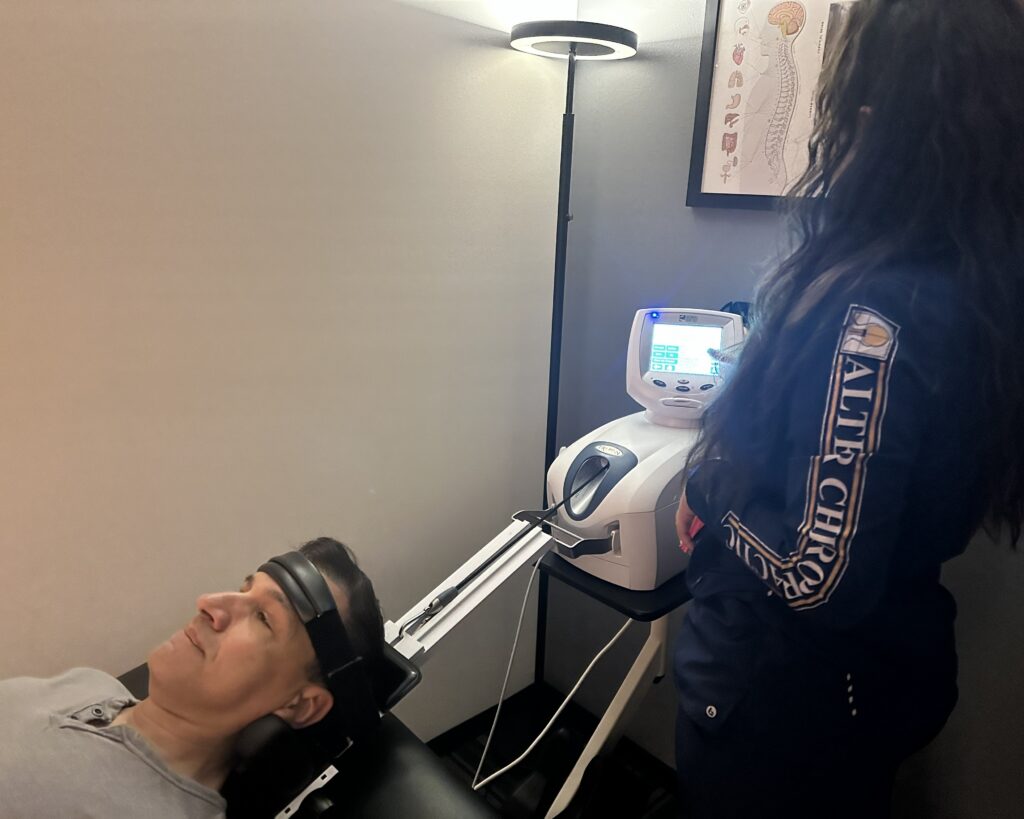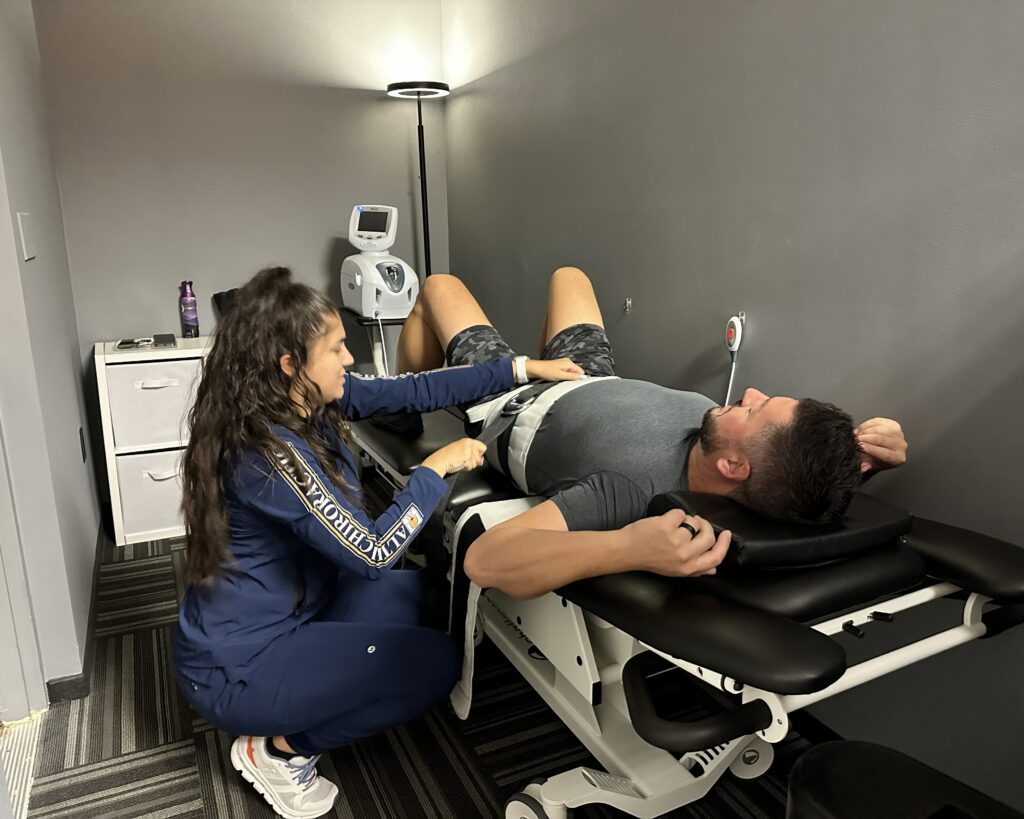

When it comes to managing headaches, determining how often you should visit a chiropractor can feel overwhelming. It often hinges on your unique situation, specifically the type and frequency of your headaches. Some individuals may benefit from weekly visits initially, while others might find that less frequent appointments provide the relief they need.
Understanding your individual needs is crucial, and several factors can influence how often you should seek chiropractic care. These may include the severity of your headaches, any underlying issues, and your overall health.
Chiropractic care is an excellent choice for treating headaches naturally, as it focuses on addressing the root causes rather than masking symptoms with medications. Regular adjustments can promote proper spinal alignment, which can alleviate tension and improve overall wellness.
Here are some general tips to consider:
- Listen to Your Body: Pay attention to your headache patterns. If you notice an increase in frequency or intensity, it may be time to visit your chiropractor more often.
- Stay Active: Regular physical activity can help reduce headache frequency. Try to incorporate gentle exercises, like walking or stretching, into your routine.
- Hydrate: Dehydration can be a trigger for headaches, so make sure you’re drinking enough water throughout the day.
- Manage Stress: Stress is a common headache trigger. Consider incorporating relaxation techniques, such as deep breathing or meditation, into your daily routine.
- Maintain Good Posture: Poor posture can contribute to tension headaches. Be mindful of your posture while sitting, especially if you work at a desk.
By prioritizing chiropractic care and these healthy lifestyle habits, you can take significant steps toward achieving optimal health and reducing headache discomfort naturally. Remember, your chiropractor is here to support you on your wellness journey!
Key Takeaways
- If you suffer from frequent headaches, regular visits to a chiropractor can be a game-changer for your health. We provide ongoing assessments and personalized treatment plans focused on your unique needs.
- Initially, you may find yourself visiting more often as we work together to identify the root causes of your headaches. As your symptoms improve, we can space out your appointments for maintenance care.
- Keep an eye on your headache patterns and their intensity. This information is valuable in determining whether you need more frequent adjustments or evaluations to stay on track.
- Consistent chiropractic visits can help resolve underlying spinal issues that may be contributing to your headaches, reducing your reliance on pain medications and promoting natural healing.
- It’s important to communicate openly with your chiropractor about your symptoms and how you’re responding to treatment. This will help us optimize the frequency of your visits and ensure you’re on the path to optimal health.
- In addition to regular chiropractic care, consider incorporating some simple lifestyle tips to help manage headaches. Staying hydrated, maintaining good posture, and practicing relaxation techniques can be beneficial in alleviating headache symptoms. Remember, chiropractic care is a wonderful natural approach to achieving better health and wellness!
Understanding Different Types of Headaches
When you experience a headache, it’s essential to recognize that not all headaches are the same, and understanding this can lead you to more effective relief. Different types of headaches can arise from various causes, and identifying them can help you manage your discomfort naturally.
Tension headaches, for example, often feel like a tight band around your head and are frequently triggered by stress or muscle tension. This is where chiropractic care can be incredibly beneficial. By addressing spinal alignment and releasing tension in the muscles, a chiropractor can help alleviate the underlying causes of tension headaches.
Migraines, on the other hand, present with intense, throbbing pain, often accompanied by nausea or sensitivity to light and sound. Many people find that chiropractic adjustments can help reduce the frequency and severity of migraines by improving overall spinal health and reducing nerve irritation.
Cluster headaches, while less common, are extremely painful and typically occur in cycles. Chiropractic care can help by promoting better blood flow and reducing tension in the neck and upper back, which may help in managing these painful episodes.
Sinus headaches, caused by inflammation in your sinus cavities, can mimic pressure and pain in your forehead. Chiropractic adjustments can help relieve sinus pressure and improve drainage, offering a natural way to ease discomfort.
By identifying the type of headache you’re experiencing, you can better tailor your treatment. Chiropractic care is a natural and effective choice for headache relief, focusing on the root causes rather than just masking the symptoms.
Here are some general tips to help you manage headaches more effectively:
- Stay Hydrated: Drink plenty of water throughout the day, as dehydration can contribute to headaches.
- Practice Good Posture: Maintaining proper posture, especially while sitting at a desk, can reduce strain on your neck and shoulders.
- Regular Chiropractic Visits: Regular adjustments can help keep your spine aligned and prevent headaches from occurring.
- Manage Stress: Incorporate relaxation techniques, such as deep breathing or yoga, into your daily routine.
- Get Enough Sleep: Ensure you’re getting sufficient rest, as lack of sleep can trigger headaches.
Identifying Symptoms That Require Attention
How can you tell when a headache is a sign that you should seek professional help? As a chiropractor, I encourage you to pay close attention to specific symptoms that indicate it’s time to consult with a healthcare professional. If your headaches are unusually severe, last longer than usual, or occur more frequently, don’t ignore them.
It’s also important to notice if they’re accompanied by symptoms such as vision changes, difficulty speaking, or weakness in your limbs, as these can indicate underlying issues that need attention.
Another key sign to watch for is if your headaches disrupt your daily activities or if home remedies and natural relief methods aren’t providing the comfort you need. If you experience headaches after a head injury, it’s essential to get checked out right away.
Additionally, a significant change in the pattern of your headaches or the onset of headaches after age 40 should prompt a visit to a healthcare professional.
Remember, chiropractic care can be an effective approach to managing headaches and improving your overall well-being. Regular chiropractic adjustments can help align your spine, relieve tension, and promote natural healing.
Staying hydrated, maintaining good posture, and managing stress through relaxation techniques can also contribute to headache prevention.
Being proactive about these symptoms and considering chiropractic care can help you address potential concerns early on, ensuring you’re on the right path to a healthier, pain-free life.
Always trust your instincts—your health and wellness are worth prioritizing!
When to Seek Immediate Medical Help
When it comes to headaches, some symptoms may indicate that you should seek immediate care. As a chiropractor, I encourage you to be aware of your body and understand when it’s time to take action. Here are some signs to watch for:
| Symptom | Recommended Action |
|---|---|
| Sudden, severe headache | Visit your local emergency room |
| Headache accompanied by confusion | Reach out to a healthcare professional immediately |
| Headache following a head injury | Get evaluated by a doctor |
These symptoms could suggest serious conditions, and it’s crucial not to ignore them. In addition, if your headache comes with a fever, a stiff neck, or changes in your vision, it’s essential to seek help promptly. Trust your instincts—if something feels off, getting assistance quickly can significantly impact your recovery.
While chiropractic care is an excellent option for managing headaches and promoting overall wellness, it’s important to recognize when other medical attention is necessary. In the meantime, here are a few general tips for headache relief:
- Stay Hydrated: Dehydration can lead to headaches, so drink plenty of water throughout the day.
- Practice Good Posture: Poor posture can strain your neck and back, contributing to headaches. Make sure to sit up straight and take breaks to stretch.
- Manage Stress: Stress can trigger headaches, so consider relaxation techniques such as deep breathing, meditation, or gentle yoga.
- Regular Chiropractic Adjustments: Regular visits to your chiropractor can help maintain spinal health, reduce tension, and potentially decrease the frequency and intensity of headaches.
The Importance of Keeping a Headache Diary
Keeping a headache diary can be a transformative step towards understanding your body and its responses. By tracking your headaches, you can uncover the triggers and patterns that may be contributing to your discomfort. It could be certain foods, stress, sleep disturbances, or even environmental factors. Each time you experience a headache, take a moment to note the date, time, intensity, duration, and any potential triggers you noticed.
This simple yet effective tool not only empowers you but also provides valuable information that can enhance your chiropractic care. By sharing your headache diary with your chiropractor, you can work together to identify patterns and adjust your treatment plan for optimal relief. You may find that your headaches occur more frequently at specific times of the month or after certain activities—insights that can help in tailoring your care.
Incorporating this practice into your routine can lead to significant improvements in managing your pain naturally. Remember, chiropractic care emphasizes the body’s ability to heal itself, and understanding your headache triggers can enhance this healing process.
Here are some general tips to consider while keeping your headache diary:
- Be Consistent: Try to record your headaches every time they occur for the most accurate data.
- Look for Patterns: After a few weeks, review your entries to identify any recurring triggers or patterns.
- Stay Hydrated: Sometimes headaches can be linked to dehydration, so make sure to drink plenty of water.
- Practice Relaxation Techniques: Stress is a common trigger for headaches, so consider incorporating yoga, meditation, or deep-breathing exercises into your routine.
- Maintain a Healthy Spine: Regular chiropractic adjustments can help keep your spine aligned and relieve tension that may contribute to headaches.
Factors That Influence the Frequency of Doctor Visits
Understanding the triggers and patterns of your headaches is a great start, but knowing when to seek help is equally important. Several factors can influence how often you should consult a healthcare professional for headaches, and as a chiropractor, I believe in a holistic approach to health and wellness.
- Frequency and Intensity: If you find that your headaches are happening often or they feel particularly strong, it’s a good idea to explore natural solutions. Chiropractic care can help address underlying issues in your spine that may be contributing to your headaches.
- Response to Over-the-Counter Medication: If you’re relying on common pain relievers and not seeing results, consider looking for alternatives that focus on natural healing. Chiropractic adjustments can relieve tension and restore balance, often providing relief without the need for medication.
- Accompanying Symptoms: Keep an eye out for other symptoms like nausea, vision changes, or any unusual sensations. While these can be concerning, turning to a chiropractor can help assess your overall health and provide strategies to improve your well-being naturally.
In addition to these points, here are some general tips for headache relief:
- Stay Hydrated: Dehydration can often trigger headaches, so make sure you’re drinking enough water throughout the day.
- Maintain Good Posture: Poor posture can lead to tension in your neck and shoulders, contributing to headaches. Be mindful of your posture, especially if you’re sitting for long periods.
- Manage Stress: Incorporate relaxation techniques such as deep breathing, meditation, or gentle stretching into your daily routine to help reduce headache frequency.
- Regular Chiropractic Visits: Regular adjustments can help keep your spine aligned and your nervous system functioning optimally, which may reduce headache occurrences.
Treatment Options and Their Effectiveness
When you’re dealing with headaches, it’s essential to explore various treatment options, but I want to emphasize the incredible benefits of chiropractic care in achieving optimal health and wellness. Many individuals find that chiropractic adjustments can effectively relieve headache pain by addressing spinal misalignments that may contribute to tension and discomfort.
While over-the-counter pain relievers like ibuprofen or acetaminophen can provide quick relief for mild headaches, they often don’t address the root cause of the problem. Chiropractic care, on the other hand, focuses on restoring proper alignment in the spine, which can help alleviate tension and reduce the frequency and intensity of headaches.
Incorporating alternative therapies like acupuncture or chiropractic adjustments can be beneficial, as they target underlying issues. Regular chiropractic visits not only help with pain relief but can also promote overall well-being by improving your body’s function.
In addition to chiropractic care, adopting lifestyle changes can further enhance your health. Regular exercise, staying hydrated, and maintaining a consistent sleep schedule are all simple yet effective ways to reduce headache occurrences. Remember to listen to your body and make adjustments as needed.
Don’t overlook the importance of stress management techniques, such as mindfulness or yoga, which can also alleviate headache triggers. By combining chiropractic care with these healthy habits, you’re taking a proactive approach to your health.
Ultimately, the best path to long-term relief and wellness is through chiropractic care, which prioritizes natural healing and a holistic approach to health. Keep track of what works for you, and consider chiropractic as a key ally in your journey to better health and a headache-free life!
Collaborating With Your Healthcare Provider
Collaborating with your chiropractor is vital for effectively managing headaches and promoting overall wellness. Your chiropractor can help develop a personalized plan that caters to your specific needs. Open communication is crucial, so don’t hesitate to discuss your symptoms and concerns. Together, you can explore natural strategies to reduce headache frequency and intensity.
Here are some important aspects to consider discussing during your visits:
- Symptom Tracking: Keeping a headache diary can be incredibly valuable. Note down any triggers, how long the headaches last, and their intensity. This information will help your chiropractor identify patterns and tailor your treatment accordingly.
- Chiropractic Techniques: Talk about various chiropractic adjustments and therapies that can help relieve headache pain. Techniques such as spinal manipulation, soft tissue therapy, and even lifestyle advice can play a significant role in reducing headaches naturally.
- Wellness Lifestyle: Discuss how factors like posture, stress management, and nutrition can impact your headaches. Your chiropractor can provide tips on maintaining a healthier lifestyle, which can contribute to fewer headaches.
- Regular Check-ins: Schedule regular appointments to assess your progress. Your chiropractor can adjust your treatment plan based on how you’re feeling and any new developments in your health.
By working closely with your chiropractor and embracing a holistic approach to your health, you can find effective relief from headaches while enhancing your overall well-being.
Lifestyle Changes for Headache Prevention
Making simple lifestyle changes can significantly reduce the frequency and intensity of headaches, and chiropractic care can play a crucial role in your overall wellness journey. As a chiropractor, I emphasize the importance of a holistic approach to health, focusing on natural healing methods that prioritize the spine and nervous system.
First and foremost, staying hydrated is essential—dehydration is a common headache trigger. Aim for at least eight glasses of water daily to keep your body functioning optimally. Additionally, regular exercise not only helps reduce stress and tension, which often lead to headaches, but it also supports spinal health. Engaging in physical activity can improve your posture and strengthen the muscles that support your spine.
Sleep is another vital component of wellness. Aim for 7-9 hours of quality rest each night to allow your body to recover and rejuvenate. Poor sleep can exacerbate headaches and negatively impact your overall health.
Pay attention to your diet as well; certain foods might trigger your headaches. Keeping a food diary can help identify these culprits, allowing you to make informed choices that support your health.
Finally, managing stress is crucial for preventing headaches. Techniques such as meditation, yoga, or deep breathing exercises can enhance your mental well-being and complement the benefits of chiropractic care. Regular chiropractic adjustments can help alleviate tension in the body, promoting relaxation and reducing headache occurrences.
Here’s a table summarizing these tips:
| Lifestyle Change | Description | Benefits |
|---|---|---|
| Hydration | Drink at least 8 glasses daily | Reduces dehydration headaches |
| Regular Exercise | Engage in activities like walking or yoga | Lowers stress and tension, supports spine |
| Quality Sleep | Aim for 7-9 hours of restful sleep | Enhances recovery and overall health |
| Balanced Diet | Identify and avoid trigger foods | Reduces headache occurrences |
| Stress Management | Practice meditation or yoga | Enhances mental well-being and relaxation |
Incorporating these lifestyle changes, along with regular chiropractic care, can help you achieve optimal health and reduce the frequency of headaches naturally. Remember, your spine plays a vital role in your overall wellness, and taking care of it can lead to better health outcomes.
Conclusion
To summarize, determining how often you should visit your chiropractor for headaches depends on your unique circumstances. Understanding the type of headaches you experience is essential, and keeping a headache diary can be a valuable tool for tracking patterns and triggers. Collaborating with your chiropractor will help you create a personalized care plan that suits your needs.
As your headaches improve, you can adjust the frequency of your visits, allowing your body to maintain optimal function. Additionally, it’s important to incorporate lifestyle changes that support prevention, such as staying hydrated, practicing good posture, and managing stress. Remember, chiropractic care is a natural, holistic approach to achieving better health and reducing headache occurrences, making it a great choice for those seeking long-term relief and wellness. Prioritize your spinal health, and you may find that your overall well-being improves significantly.