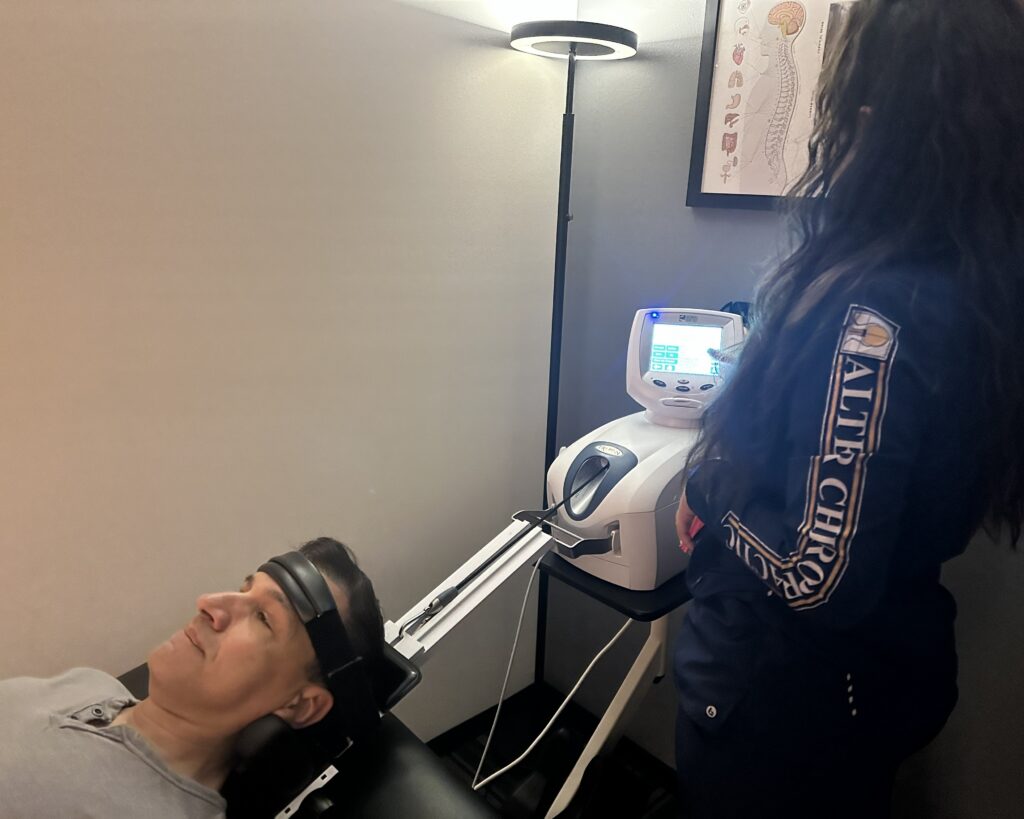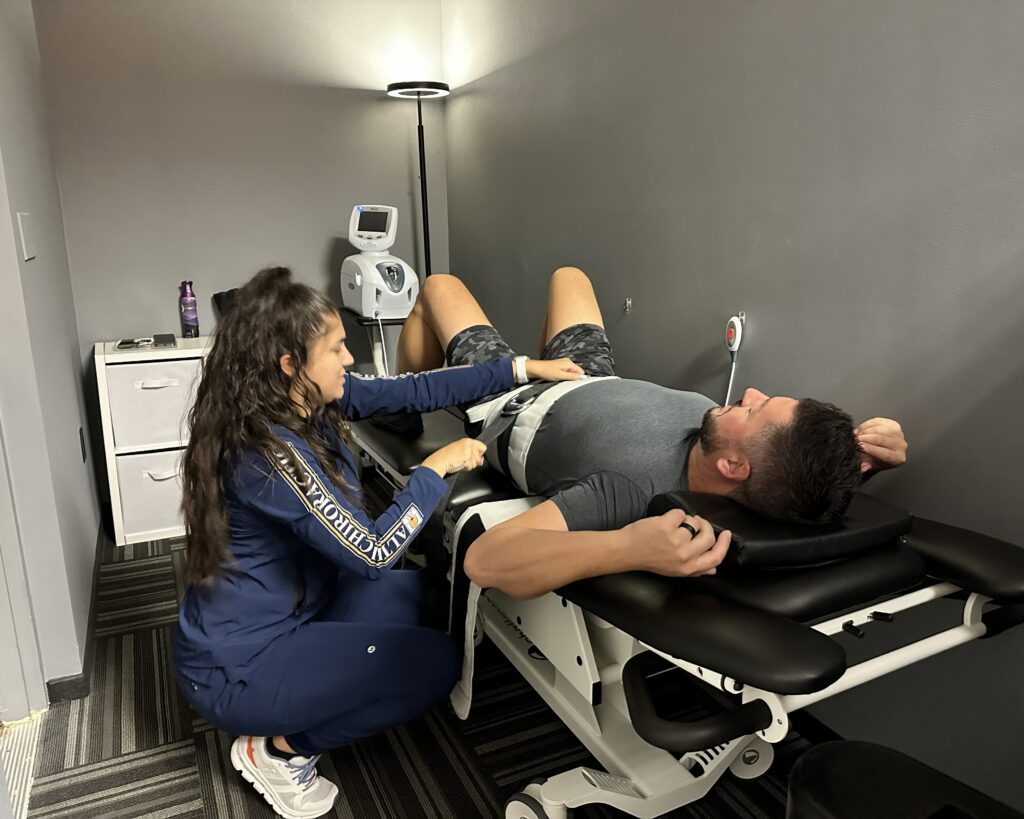

When considering how chiropractic care can support kids with ADHD, it's essential to understand the comprehensive approach that chiropractors take. We don't solely rely on adjustments; we also develop personalized care plans that include lifestyle recommendations, nutritional guidance, and stress management techniques. This holistic strategy not only helps children improve their focus and social interactions but also addresses the underlying challenges they encounter. But what specific techniques and interventions do chiropractors use to ensure that children receive the best possible support? That's where the discussion becomes truly engaging.
Understanding ADHD in Children
ADHD, or Attention-Deficit/Hyperactivity Disorder, is a condition that affects many children, and as a chiropractor, I want to help you understand its characteristics and the potential for natural healing approaches.
If you're a parent, teacher, or caregiver, recognizing the signs of ADHD can be the first step in supporting a child facing these challenges. ADHD often presents with symptoms like inattention, hyperactivity, and impulsivity. You might notice a child struggling to focus, follow instructions, or complete tasks. They may fidget, talk excessively, or interrupt conversations frequently.
Understanding these behaviors is crucial for creating a supportive environment. Children with ADHD often experience frustration and overwhelm, which can negatively impact their self-esteem and lead to anxiety. It's essential to approach them with patience and empathy. Instead of interpreting their actions as defiance or laziness, consider that they may be genuinely struggling to manage their impulses or attention.
As a chiropractor, I believe in a holistic approach to health, including natural therapies that can support children with ADHD. Strategies such as creating structured routines, breaking tasks into smaller steps, and using positive reinforcement can be beneficial.
Additionally, chiropractic care may help improve overall nervous system function, which can enhance focus and reduce anxiety.
It's also important to recognize that ADHD can coexist with other conditions, like anxiety or learning disabilities. This complexity underscores the need for a comprehensive approach to care.
Role of Pediatricians
When it comes to managing conditions like ADHD, chiropractors can play a vital role in the overall care and support of affected children. We often serve as an additional resource for parents who are concerned about their child's behavior and development. As a chiropractor, I prioritize thorough assessments, which may include evaluating the spine and nervous system, to help identify any underlying issues that could be contributing to ADHD symptoms.
Once we've a clearer understanding of your child's situation, I can guide you through various natural healing options. This may include chiropractic adjustments, lifestyle modifications, and nutritional advice. I take the time to explain the benefits of these approaches, helping you make informed decisions that align with your child's needs.
Chiropractors aren't just healthcare providers; we're advocates for your child's well-being, ensuring they receive the necessary support and resources for optimal health.
Moreover, I can help monitor your child's progress over time. Regular visits allow us to assess how they're responding to chiropractic care and make adjustments as needed. This ongoing relationship fosters trust and open communication, making it easier for you to voice any concerns or questions.
Chiropractors also play an important role in educating parents and caregivers about ADHD and other related conditions. I can provide you with practical tips and strategies for managing symptoms at home and in school, empowering you to support your child effectively.
Individualized Care Plans
Creating individualized care plans for children with ADHD is essential in addressing their unique needs and challenges, and as a chiropractor, I want to help you understand how this can be achieved through a holistic approach. Working together with healthcare providers, you can focus on your child's specific symptoms, strengths, and areas that require support. This personalized strategy ensures your child receives the most effective interventions tailored to their individual situation.
First, it's important to gather comprehensive information about your child's behavior, academic performance, and social interactions. This data is crucial for pediatricians, specialists, and even chiropractors like myself to understand the full scope of your child's experience with ADHD.
Don't forget to include input from teachers and caregivers, as they can provide valuable insights into your child's functioning in various environments.
Next, you can set clear and achievable goals that align with your child's needs. These goals might involve improving focus in school, enhancing social skills, or developing better organizational habits.
With these objectives in mind, your care team—including your chiropractor—can recommend specific strategies and natural therapies to support your child's overall well-being.
Regularly reviewing and adjusting the care plan based on your child's progress is key. This ongoing evaluation allows you to identify what's effective and what might need adjustment.
Remember to communicate openly with your child's healthcare providers, including your chiropractor, about any concerns or changes you observe. By working together, we can create a supportive environment that promotes your child's success.
Behavioral Therapies and Interventions
As a local chiropractor, I want to share how integrating behavioral therapies and interventions can complement your child's care plan, especially in managing ADHD symptoms.
These approaches focus on modifying behavior and enhancing social skills, leading to improved focus and emotional regulation.
Here are four effective strategies you might consider:
1. Cognitive Behavioral Therapy (CBT): This approach helps your child identify and change negative thought patterns, replacing them with positive ones.
This process can enhance their self-esteem and problem-solving abilities, contributing to their overall well-being.
2. Parent Training: As a caregiver, learning specific techniques to manage your child's behavior can be incredibly valuable.
This training provides you with tools to reinforce positive behaviors and respond effectively to various challenges, fostering a supportive environment for your child.
3. Social Skills Training: If your child faces difficulties in social situations, this intervention can help them improve their communication skills and build friendships.
Techniques such as role-playing and guided practice can make a significant difference in their social interactions.
4. Behavior Modification Programs: These programs involve establishing clear expectations and rewards for positive behaviors.
By consistently applying these strategies, you can assist your child in managing impulses and making better choices, which can be further supported by chiropractic care aimed at enhancing overall health and wellness.
Medication Management Strategies
Managing medication for children with ADHD can seem daunting, but as a chiropractor, I want to share some insights on how natural healing approaches can complement traditional treatments and support your child's well-being.
First and foremost, it's essential to collaborate closely with your child's healthcare provider, including any specialists in chiropractic care. Regular check-ins will help you monitor your child's progress and make necessary adjustments, not only in medication but also in lifestyle and therapeutic interventions.
Establishing a routine is crucial, not just for medication but also for holistic practices that can enhance your child's health. Encourage consistency in daily activities, such as exercise, nutrition, and sleep. These foundational elements can significantly impact how your child feels and responds to any treatment.
Pay attention to your child's behavior and overall well-being. Keeping a journal can be incredibly helpful to note any changes you observe, whether they're side effects from medications or improvements related to chiropractic adjustments. This information will be invaluable during discussions with both your healthcare provider and your chiropractor.
Open communication with your child is also vital. Explain the purpose of any treatments, including chiropractic care, in simple terms. Help them understand how these approaches can support their overall health and allow them to express their feelings about their treatments. This sense of involvement can foster a positive attitude toward their health journey.
Lastly, don't hesitate to seek out support from other parents or local community groups focused on ADHD and holistic health. Sharing experiences and insights can provide practical tips and emotional reassurance.
Conclusion
As a local chiropractor, I want to highlight the importance of supportive care for children with ADHD. Understanding this condition is crucial, and by working closely with families, we can create personalized care plans that cater to each child's specific needs. Through a holistic approach that may include spinal adjustments, nutritional guidance, and lifestyle modifications, we aim to help children improve focus and enhance social skills naturally. With continuous support and education, we empower parents and their children to navigate the challenges of ADHD effectively, paving the way for a brighter, healthier future.