
When it comes to relieving back pain, a one-size-fits-all approach often falls short. You might find that understanding your specific pain type and lifestyle can greatly enhance your recovery process. Personalized plans take these factors into account, tailoring strategies that suit your unique needs. But what exactly goes into creating such a plan, and how can it lead to lasting relief? Exploring these elements could change the way you think about managing pain.
Understanding Back Pain Types
Back pain can manifest in various forms, each with its own causes and solutions. Understanding the different types of back pain is essential for you to manage and treat it effectively. Generally, you can categorize back pain into two main types: acute and chronic.
Acute pain often comes on suddenly, usually due to an injury or strain. You might experience this type of pain after lifting something heavy, twisting awkwardly, or even after a long day at work. The good news is, acute pain typically resolves within a few weeks with proper care.
On the other hand, chronic back pain lasts for three months or longer and may stem from ongoing issues like arthritis, herniated discs, or even lifestyle factors such as poor posture or lack of exercise. If you're dealing with chronic pain, you likely feel frustrated and may find it affects your daily activities. Recognizing whether your pain is acute or chronic can help you seek appropriate treatment.
Moreover, you could also encounter specific types of back pain, such as localized pain, which is confined to one area, or radicular pain, which radiates along a nerve due to compression or irritation. Knowing these distinctions empowers you to communicate effectively with healthcare professionals, ensuring you receive the right interventions.
Importance of Personalized Approaches
When it comes to managing back pain, a one-size-fits-all approach often falls short.
Tailored treatment plans based on your unique situation can lead to better outcomes and relief.
Tailored Treatment Plans
In the domain of back pain management, personalized treatment plans stand out as an imperative approach. Tailored treatment plans consider your unique circumstances, including your specific pain, lifestyle, and medical history. Instead of applying a one-size-fits-all solution, these plans enable you to target the root causes of your discomfort effectively.
When you engage with a tailored plan, you're more likely to see positive results. It allows you to incorporate various therapies—like physical therapy, chiropractic adjustments, or medication—based on what works best for you. This personalized method doesn't just alleviate pain; it helps prevent future issues by addressing your specific needs and goals.
Moreover, having a customized plan keeps you motivated. When you see progress that directly relates to your efforts, you're more inclined to stick with the program. You'll also feel a sense of ownership over your treatment, which can boost your mental and emotional well-being during the recovery process.
Ultimately, tailored treatment plans empower you to take control of your back pain, enhancing both your physical health and overall quality of life. Embracing this personalized approach is a significant step toward lasting relief.
Individual Assessment Benefits
Personalized approaches in back pain management hinge on individual assessments that pinpoint your specific needs. By evaluating your unique situation, healthcare professionals can identify the root causes of your pain, whether it's a muscle strain, herniated disc, or posture-related issue. This targeted understanding allows for tailored treatment plans that address your specific condition rather than using a one-size-fits-all solution.
When you undergo an individual assessment, you're not just receiving generic advice. You gain insights into your body mechanics, lifestyle factors, and even emotional aspects that might contribute to your pain. This holistic view empowers you to make informed decisions about your treatment options. You might discover exercises that strengthen your back, stretches to improve flexibility, or ergonomic adjustments for your workspace.
Additionally, these assessments facilitate ongoing adjustments to your plan. As you progress, your healthcare provider can modify your treatments based on how well you respond. This adaptability guarantees that you're consistently moving toward relief, making your path to recovery more efficient and effective.
Ultimately, individual assessments enhance your back pain management experience, putting you in control of your health journey.
Components of a Personalized Plan
To create an effective personalized plan for your back pain, you'll first need to assess your individual needs.
This assessment helps in identifying the specific issues you're facing and sets the stage for tailored treatment strategies.
#
Assessing Individual Needs
Evaluating individual needs is crucial for creating an effective back pain management plan. Before diving into treatments, you should assess your specific situation. Start by identifying the type and location of your pain. Is it sharp, dull, or throbbing? Does it radiate to other areas? This information can help pinpoint the underlying issues.
Next, consider your lifestyle and daily activities. Are there specific movements that exacerbate your pain? Understanding how your habits contribute to back pain can guide adjustments in your routine.
Don't forget to factor in your physical fitness level—if you're less active, a tailored exercise regimen could be beneficial.
It's also important to think about your personal preferences and goals. What works for someone else mightn't suit you. Do you prefer holistic approaches, like yoga and meditation, or are you open to medical interventions? Communicating these preferences with your healthcare provider guarantees you're on the same page and increases your engagement in the process.
Finally, be open to revisiting your assessment periodically. Your needs can change, and regular evaluations help keep your management plan effective and relevant.
Tailored Treatment Strategies
When creating a tailored treatment strategy for back pain, it's essential to combine various components that address your unique situation. Start with a thorough assessment of your pain triggers, lifestyle, and physical capabilities. This information will guide you in selecting the most effective treatments.
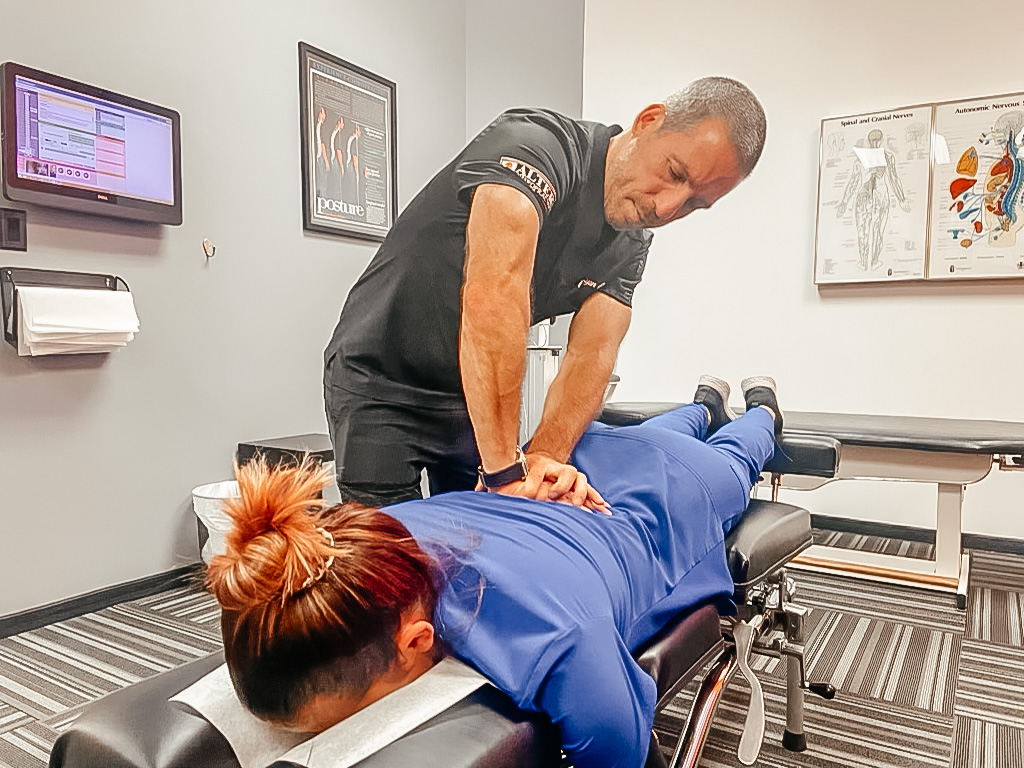
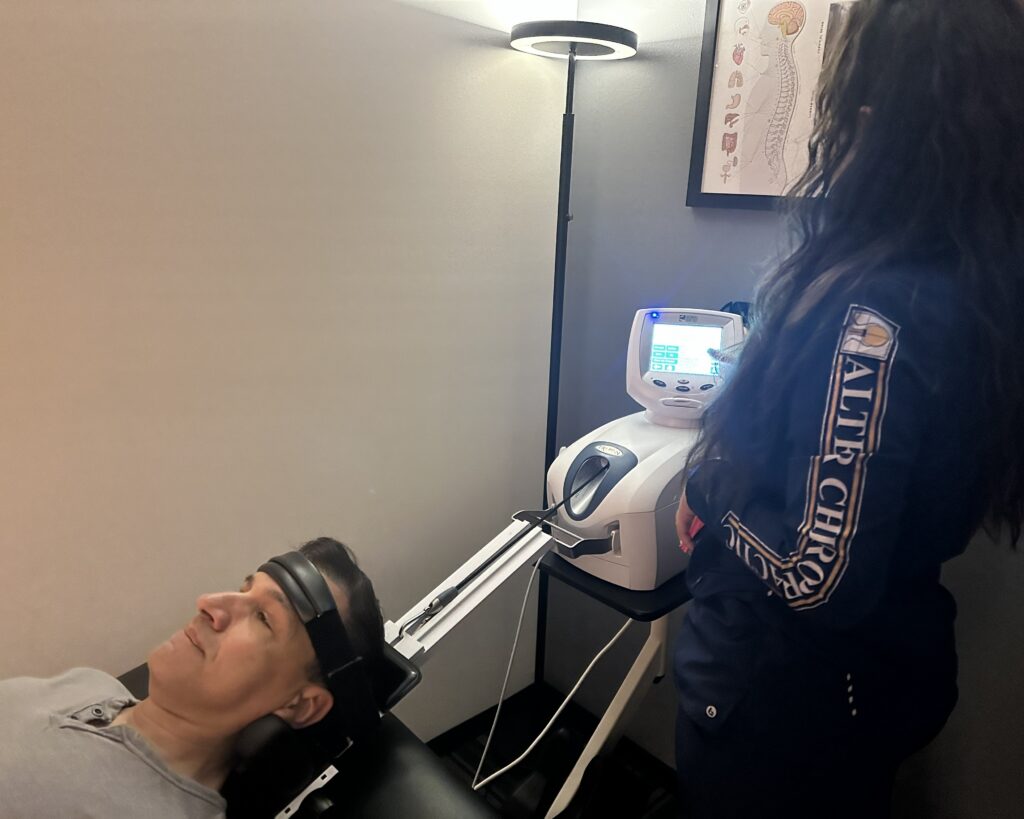
Next, consider a mix of therapies. Physical therapy can help strengthen your back and improve flexibility, while chiropractic adjustments might align your spine for better function. Don't underestimate the power of pain management techniques, such as targeted medications or alternative therapies like acupuncture.
Incorporate exercise into your routine, focusing on low-impact activities like swimming or walking. These can enhance mobility without straining your back. Additionally, pay attention to your posture and ergonomics, especially if you spend long hours sitting.
Lastly, stay open to adjustments in your treatment plan. As your condition evolves, so should your strategies. Regular follow-ups with healthcare professionals can guarantee you're on the right path.
## Assessing Individual Needs
Understanding your unique situation is essential in developing an effective plan for back pain relief. Each person's experience with back pain is different, and recognizing the specific factors contributing to your discomfort is vital. Start by evaluating your daily activities, posture, and any previous injuries that may influence your condition.
Consider how long you've been experiencing pain and its intensity. Are there specific movements or positions that exacerbate your discomfort? Take note of these details, as they'll help shape your personalized approach. You might also want to keep a pain diary, tracking when you feel pain, its severity, and any patterns that arise. This information can be invaluable for healthcare providers in creating a tailored strategy.
Next, examine your lifestyle habits. Think about your exercise routine, diet, and sleep patterns. Do you lead a sedentary lifestyle, or are you active? Poor nutrition and lack of sleep can also contribute to back pain, so addressing these factors may be necessary.
Additionally, consider your emotional well-being. Stress and anxiety can manifest physically, worsening your back pain. Understanding your mental state can help you find holistic solutions that address both your physical and emotional health.
Finally, consult with healthcare professionals. They can perform evaluations and recommend specific tests to determine the underlying causes of your pain. By gathering this extensive information, you'll be well-equipped to develop a personalized plan that truly meets your individual needs.
Benefits of Customization
By tailoring your back pain relief plan to your specific needs, you unfasten numerous benefits that can enhance your recovery journey. Customization allows you to focus on what works best for your body. Instead of a one-size-fits-all approach, you're honing in on exercises, therapies, and routines that align with your unique pain triggers and lifestyle.
One significant benefit is increased effectiveness. When you choose strategies that resonate with your condition, you're more likely to experience relief. This means you can incorporate techniques that directly target your pain areas, leading to quicker results.
Additionally, customization fosters motivation. When you see a plan designed just for you, it's easier to stay committed and engaged. You'll feel empowered knowing you're actively participating in your recovery.
Furthermore, a personalized plan can help in managing expectations. When you understand your specific situation, you're less likely to compare your progress to others. This individualized approach supports a healthier mindset, reducing frustration and enhancing your overall well-being.
Lastly, customizing your plan can prevent future issues. By identifying your triggers and developing strategies to avoid them, you're not just addressing current pain but also taking proactive steps to minimize the risk of recurrence.
In doing so, you set yourself up for long-term success, ensuring that your back pain relief journey isn't just about short-term fixes but sustainable health. Embrace the benefits of customization, and you'll likely find that your path to recovery feels more manageable and effective.
Implementing Your Plan
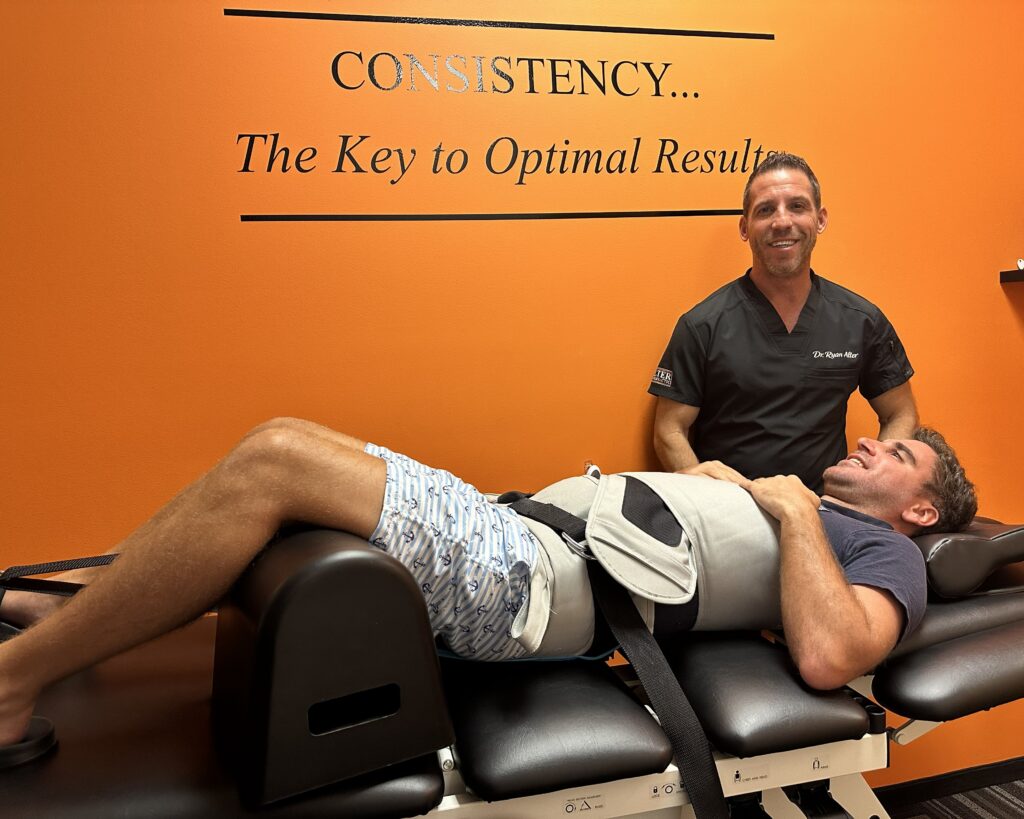
Implementing your personalized back pain relief plan is a significant step toward achieving lasting comfort and mobility. To get started, set aside time each day to focus on the exercises and stretches tailored to your specific needs. Consistency is key, so make it a part of your daily routine. Whether it's morning stretches or evening strengthening exercises, commit to the schedule you've established.
Next, pay attention to your body's responses. As you engage in the activities outlined in your plan, notice any changes in your pain levels and mobility. Adjustments may be necessary based on how you're feeling, so don't hesitate to modify your approach if something doesn't work as expected.
Incorporating lifestyle changes also plays an important role in your plan's success. This might include improving your posture while sitting or standing, using ergonomic furniture, or taking frequent breaks if you're at a desk for extended periods. Remember, small adjustments can lead to significant improvements over time.
Additionally, consider keeping a journal to track your progress. Document your daily activities, any pain fluctuations, and how you feel after completing your exercises. This can provide valuable insights and help you stay motivated.
Lastly, don't hesitate to consult with healthcare professionals if you have questions or need further guidance. They can offer support and make sure you're on the right path toward relief.
Long-Term Maintenance Strategies
After you've established your personalized back pain relief plan and made it a part of your daily routine, it's important to focus on long-term maintenance strategies to guarantee ongoing relief and prevent future issues.
Consistency is key, so keep up with the exercises and stretches that have worked for you. Schedule these into your day just like any other important task, ensuring they remain a priority.
Incorporate regular check-ins with yourself to assess your body's response. Are there any new or recurring pain points? If so, modify your routine accordingly. Staying attuned to your body will help you catch potential problems before they escalate.
Don't underestimate the power of rest and recovery. Balance your activity with downtime, allowing your muscles and joints to recuperate. This can greatly reduce the risk of injury and enhance overall functionality.
Consider integrating complementary practices into your routine, like yoga or Pilates, which can improve flexibility and strengthen your core.
Nutrition also plays an essential role in maintaining back health, so focus on a balanced diet rich in anti-inflammatory foods that support your overall well-being.
Lastly, if you notice any notable changes in your pain or mobility, consult a healthcare professional. They can offer expert advice and adjustments to your plan, ensuring that it remains effective for your unique needs.
Conclusion
Incorporating a personalized plan for back pain relief can greatly improve your experience and outcomes. By understanding your unique pain type and lifestyle, you can tailor strategies that address your specific needs. This approach not only alleviates pain but also empowers you to maintain long-term well-being and mobility. Remember, regular evaluations and adjustments to your plan are key to staying on track. Take control of your health journey and embrace a future free from back pain.