Recovering from sports injuries naturally involves a holistic approach that focuses on both your physical and mental well-being. As a chiropractor, I often emphasize the importance of integrating gentle movements, proper nutrition, and mindfulness practices into your recovery plan. This multifaceted strategy can significantly support your body’s healing process.
It’s crucial to listen to your body throughout this journey. Many patients are unfamiliar with how chiropractic care can play a vital role in recovery. So, what specific techniques and strategies can truly enhance your healing? Here are some key elements to consider that will help you return to your favorite activities more effectively.
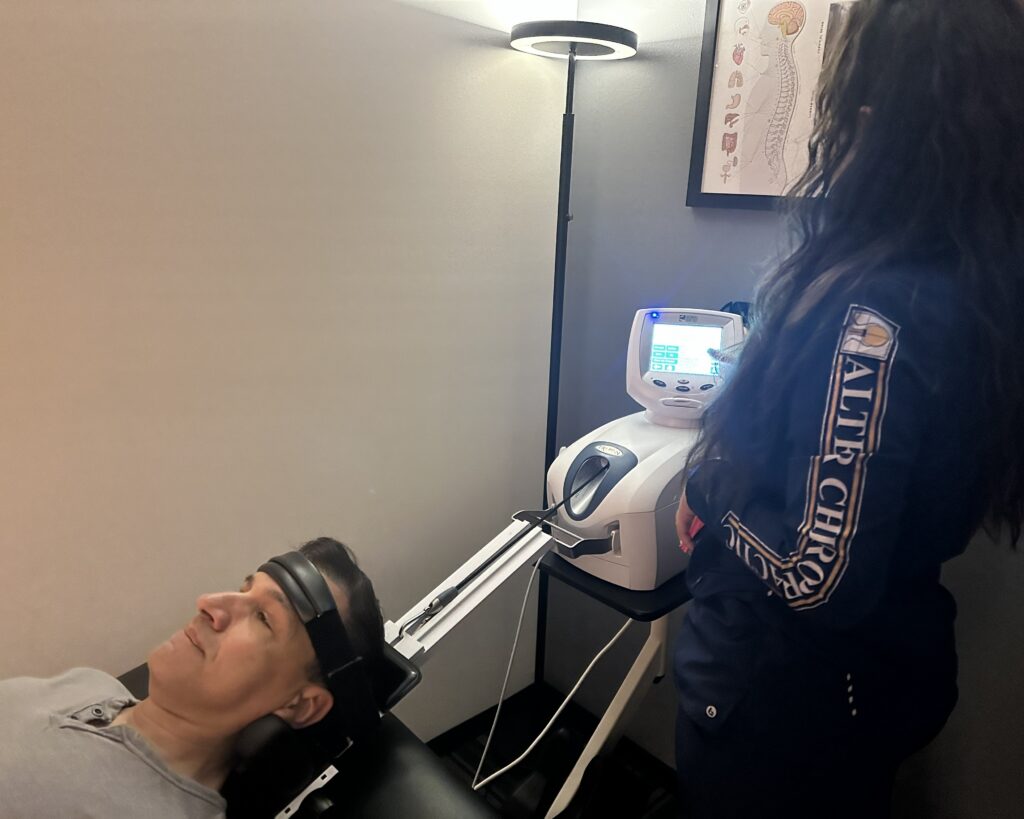
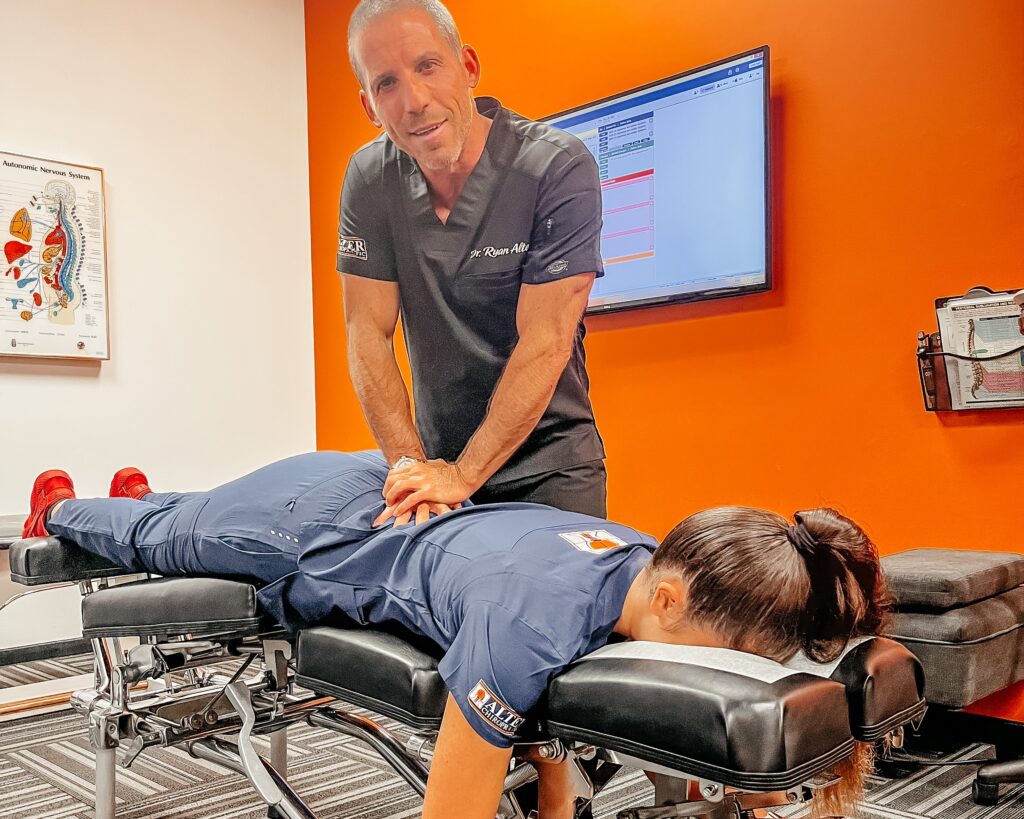
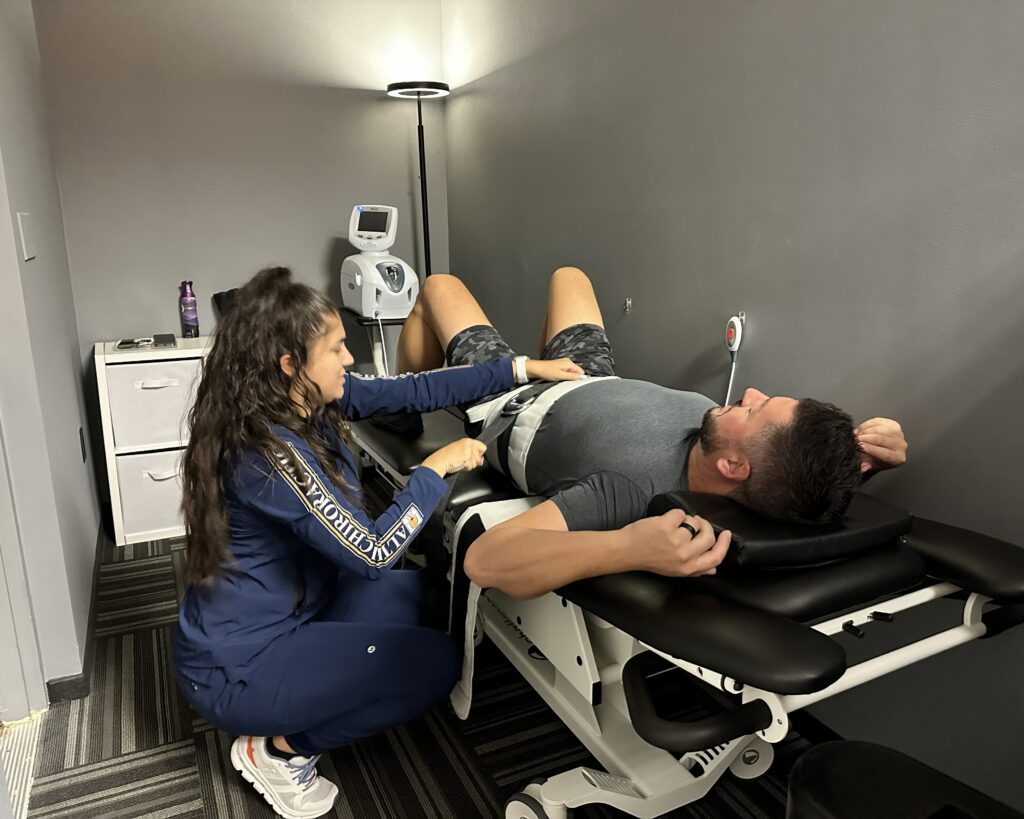
First, gentle chiropractic adjustments can alleviate pain and improve mobility, ensuring that your body is aligned and functioning optimally. In addition, incorporating specific exercises and stretches can help strengthen the affected areas and prevent future injuries.
Nutrition also plays a pivotal role in recovery. Eating a balanced diet rich in anti-inflammatory foods can promote healing and provide your body with the necessary nutrients to support recovery.
Lastly, I encourage incorporating mindfulness practices such as meditation or yoga into your routine. These practices not only help reduce stress but also enhance your mental resilience, which is just as important as physical recovery.
By combining these elements, you can create a comprehensive recovery plan that supports both your physical and mental health. If you have any questions about how chiropractic care can assist you in your healing journey, feel free to reach out. I’m here to help you get back to doing what you love!
Understanding the Importance of Recovery
As a local chiropractor, I want to emphasize how crucial recovery is when you’ve experienced a sports injury. It’s not just about resting; it’s a comprehensive process that involves healing both your body and your mind. Proper recovery is essential for ensuring that you return to your sport safely and effectively.
Listening to your body is key. Many people might be tempted to ignore pain or rush back into their activities, but this can lead to further injuries and setbacks. Instead, I encourage you to embrace gentle movements and stretching, which can enhance your recovery by improving blood flow and flexibility.
Additionally, prioritizing quality sleep and managing stress are vital components of the healing process. These factors significantly impact how quickly and effectively your body can recover.
As your chiropractor, I’m here to support you through this journey, offering guidance on natural healing techniques that can help you regain your strength and get back to doing what you love.
The Role of Nutrition in Healing
As a local chiropractor, I want to emphasize that recovery from a sports injury involves more than just physical rest; nutrition plays a crucial role in the healing process. When your body is injured, it requires specific nutrients to effectively repair tissues and reduce inflammation.
It’s important to focus on a well-balanced diet that includes proteins, healthy fats, and carbohydrates. For muscle repair, lean meats, fish, nuts, and legumes are excellent sources of protein. Additionally, omega-3 fatty acids, which are found in fish and flaxseeds, can significantly help in reducing inflammation.
Don’t overlook the importance of vitamins and minerals in your diet. For instance, vitamin C is essential for collagen formation, which is vital for healing, while zinc has a significant role in tissue repair. Incorporating a variety of fruits and vegetables into your meals will ensure you’re getting these necessary nutrients.
Hydration is another critical aspect of recovery. Drinking enough water aids in nutrient transport throughout your body and supports overall recovery.
Mindfulness and Mental Resilience
As a local chiropractor, I want to share the importance of mindfulness in your recovery from sports injuries.
Incorporating mindfulness practices can significantly enhance your mental resilience, helping you navigate the challenges that come with injury recovery.
One effective technique is visualization, which allows you to mentally envision your journey towards healing and achieving your goals.
Benefits of Mindfulness Practice
As a local chiropractor, I often see patients who are dealing with injuries that not only affect their bodies but also take a toll on their mental well-being.
It’s important to understand that managing the mental strain that comes with injuries is just as crucial as addressing the physical aspects. One effective approach I recommend is mindfulness practice.
By focusing on the present moment, mindfulness can significantly reduce the anxiety and negative thoughts that may arise during your recovery. This practice encourages you to acknowledge your feelings without judgment, helping you cultivate a sense of acceptance regarding your situation.
Incorporating mindfulness techniques such as meditation or deep breathing exercises into your routine can enhance your emotional resilience, promoting relaxation and mental clarity.
Staying present not only supports your mental health but also plays a vital role in your recovery process, fostering a positive mindset that can help you heal more effectively.
Ultimately, embracing mindfulness is a powerful complement to chiropractic care and natural healing.
It empowers you to regain control over your healing journey, allowing you to bounce back stronger and more resilient after an injury.
As your chiropractor, I’m here to support you in exploring these practices for a holistic approach to your health and recovery.
Building Mental Resilience Techniques
As a local chiropractor, I understand that injuries can take a toll not just on your body, but also on your mental well-being. It’s crucial to cultivate mental resilience while you undergo physical healing. One effective way to start is by incorporating mindfulness techniques into your daily routine. Practices like deep breathing and meditation can help you stay grounded and alleviate feelings of anxiety.
Another valuable tool is journaling. Writing down your thoughts and emotions can provide clarity and perspective on your healing journey. Setting small, achievable goals can also foster a sense of accomplishment, which is essential for maintaining motivation during recovery.
Surrounding yourself with a supportive network of friends and family is equally important. Their encouragement can significantly aid your recovery process. Additionally, I encourage you to foster a positive mindset by concentrating on what you can control instead of what you can’t.
Remember, resilience isn’t merely about bouncing back from setbacks; it’s about emerging stronger from challenges. Embrace this journey of healing, and you’ll find that you can achieve growth both physically and mentally.
As your chiropractor, I’m here to support you through this holistic approach to recovery.
Visualization for Recovery Success
As a local Chiropractor, I want to share how visualization can significantly enhance your recovery journey. By harnessing the power of your mind, you can greatly accelerate the healing process. Imagine yourself fully recovered, participating in your favorite activities with confidence and ease. This mental imagery not only reinforces positive outcomes but also alleviates the anxiety and stress that often accompany injuries.
When you engage in visualization during your recovery, you activate neural pathways that are essential for healing. Essentially, you’re training your brain to recognize your strength and resilience.
I encourage you to incorporate this practice into your daily routine—take a few quiet moments to focus on your recovery goals, feel the emotions associated with your success, and reaffirm your commitment to healing. This mental exercise can be a transformative component of your rehabilitation journey, complementing the chiropractic care and natural healing methods we provide in our practice.
Gentle Movement Techniques for Rehabilitation
As a local chiropractor, I want to emphasize the importance of gentle movement techniques during your recovery from a sports injury.
Many people may not realize that incorporating stretching and flexibility exercises can significantly enhance your healing process. These activities help maintain your range of motion, which is crucial for regaining full function.
Additionally, engaging in low-impact strength training can build stability in your muscles and joints without putting undue stress on your body.
This approach not only supports your recovery but also helps prepare you for a safe return to the activities you love.
By embracing these natural healing practices, you empower your body to heal and thrive.
Stretching and Flexibility Exercises
As a local chiropractor, I want to emphasize the importance of incorporating stretching and flexibility exercises into your recovery routine, especially if you’re healing from a sports injury.
These gentle movements play a crucial role in enhancing your rehabilitation process. They not only help to improve your range of motion but also promote better blood flow to the tissues that are healing.
Here are three effective exercises that I recommend:
- Hamstring Stretch: Begin by sitting on the ground with one leg extended in front of you. Gently reach toward your toes and hold the stretch for 15-30 seconds. This helps to alleviate tension and improve flexibility in your hamstrings.
- Quadriceps Stretch: Stand upright and pull one foot towards your glutes, ensuring that your knees remain together. Hold this position for 15-30 seconds. This stretch is excellent for relieving tightness in your quadriceps, which can often become strained during physical activity.
- Shoulder Stretch: Bring one arm across your body at shoulder height, using the opposite hand to gently pull it closer. Hold this position for 15-30 seconds. This stretch can help to reduce tension in your shoulders, which is especially beneficial if you’ve experienced upper body injuries.
Incorporating these stretches into your regular routine can significantly assist in speeding up your healing process and restoring your flexibility.
Remember, your body is capable of amazing things, and with the right care and attention, you can achieve optimal recovery.
If you’re interested in exploring more about how chiropractic care can aid in your healing journey, feel free to reach out for more information.
Low-Impact Strength Training
As a local chiropractor, I want to emphasize the importance of incorporating low-impact strength training into your recovery routine, especially if you’ve experienced a sports injury. This gentle approach can significantly enhance your healing process by allowing you to build muscle and improve stability without placing excessive strain on your body.
I recommend focusing on exercises such as resistance bands, bodyweight movements, or light weights. These exercises can effectively target the affected areas while promoting healthy blood flow.
It’s essential to listen to your body as you start this journey. Begin at a comfortable pace and gradually increase the intensity and duration of your workouts.
For optimal results, aim for two to three sessions per week, and always prioritize maintaining proper form during your exercises. Additionally, I encourage you to complement your low-impact strength training with stretching.
This combination not only aids in more effective recovery but also reduces the risk of future injuries and enhances your overall performance.
The Benefits of Physical Therapy
As a local chiropractor, I want to share how chiropractic care can play a vital role in your recovery from sports injuries. Our approach focuses on natural healing methods that enhance your overall well-being.
Here are three significant benefits of incorporating chiropractic care into your recovery journey:
- Customized Care Plans: We take the time to evaluate your unique injury and develop a personalized care plan that addresses your specific needs. This tailored approach ensures that your recovery process is both effective and efficient.
- Natural Pain Relief: Utilizing techniques such as spinal adjustments, soft tissue therapy, and rehabilitative exercises, we aim to alleviate pain and reduce inflammation. This natural form of pain management can help you feel better more quickly without relying on medications.
- Injury Prevention and Wellness Education: Beyond just treating your injury, we educate you on proper body mechanics and techniques to prevent future injuries. This knowledge empowers you to maintain an active lifestyle while avoiding setbacks, allowing you to stay healthy and strong.
Natural Supplements for Enhanced Recovery
As a local chiropractor, I want to share some valuable insights on how natural supplements can significantly enhance your recovery from sports injuries. These supplements provide essential nutrients that support your body’s healing process.
For instance, omega-3 fatty acids, commonly found in fish oil, are fantastic for reducing inflammation and promoting joint health, which is crucial for anyone recovering from an injury.
Another powerful option is curcumin, the active ingredient in turmeric. Its anti-inflammatory properties can accelerate your recovery and help alleviate pain.
Don’t forget about the importance of vitamins and minerals in your healing journey. Vitamin C plays a vital role in collagen production, essential for tissue repair, while vitamin D is crucial for maintaining bone health.
Additionally, magnesium is beneficial for muscle relaxation and can help prevent cramps during your recovery.
Amino acids, such as L-glutamine, are also instrumental in muscle repair and recovery. Furthermore, adaptogenic herbs like ashwagandha can be incredibly helpful in managing stress and enhancing your overall well-being as you heal.
However, I always recommend consulting with a healthcare professional before starting any supplement regimen. This ensures that what you choose is safe and tailored to your specific needs, especially when considering how these supplements can complement your chiropractic care for a more holistic approach to recovery.
Utilizing Heat and Cold Therapy
As your local chiropractor, I want to share some effective methods that can aid in your recovery from sports injuries—specifically, heat and cold therapy.
These natural techniques can significantly help alleviate pain, reduce inflammation, and ease muscle tension, ultimately speeding up your healing process.
Here’s how you can incorporate heat and cold therapy into your recovery plan:
- Cold Therapy: In the first 48 hours after an injury, applying ice packs or cold compresses for 15-20 minutes can be incredibly beneficial. This technique not only minimizes swelling but also numbs the affected area, providing immediate relief.
- Heat Therapy: Once the initial swelling has subsided, using a heating pad or a warm towel can work wonders for stiff muscles or joints. Heat therapy helps to increase blood flow and relax tight areas, making it a great option during your recovery.
- Contrast Therapy: A combination of both heat and cold can be particularly effective. Start with cold therapy for 10 minutes, then switch to heat for another 10 minutes, and repeat this process. This alternating method enhances circulation and helps relieve pain more effectively.
By understanding and utilizing these therapies, you can support your healing journey and complement the chiropractic care I provide.
If you have any questions or need further guidance on how to integrate these methods into your routine, feel free to reach out during your next visit. Your well-being is my priority!
Listening to Your Body: When to Seek Professional Help
As a local chiropractor, I want to help you understand the important signals your body sends, especially when it comes to recovering from sports injuries.
It’s crucial to pay attention to pain, swelling, or stiffness that doesn’t seem to improve with rest. If you’re experiencing sharp or persistent pain, that’s a clear indication it’s time to seek professional help. Ignoring these warning signs can lead to further injury, complicating your recovery process.
Moreover, if you’re finding it difficult to move or perform everyday activities without discomfort, I encourage you to reach out to a healthcare professional like myself. I can provide a proper diagnosis and create a customized recovery plan that aligns with your specific needs.
While some soreness after physical activity is normal, any significant changes in your condition shouldn’t be overlooked. Trust your instincts—if something feels off, there’s a good chance it is.
Conclusion
As a local chiropractor, I want to emphasize the importance of incorporating natural recovery methods into your healing journey. Focusing on nutrition, mindfulness, and gentle movement can significantly enhance your recovery process. It’s essential to understand that healing isn’t just about mending physical injuries; it’s also about nurturing your mental well-being.
Listening to your body is key—pay attention to what it needs, and don’t hesitate to seek professional guidance if you’re unsure. By embracing a holistic approach to recovery, you can effectively address your injury and come back even stronger and more resilient. Remember, chiropractic care can play a vital role in this process by helping to align your body and support your overall health. Let’s work together to get you back on your feet!