
You might feel overwhelmed by daily stress, but non-invasive therapy offers a range of effective strategies to help you regain your calm. Techniques such as mindfulness and breathing exercises can ground you, while activities like yoga and time spent in nature promote a deeper connection between mind and body. As you explore these options, consider how each can uniquely contribute to your well-being. Curious about which methods might resonate with you and how to create a personalized plan? Let's uncover the possibilities together.
Understanding Non-Invasive Therapy
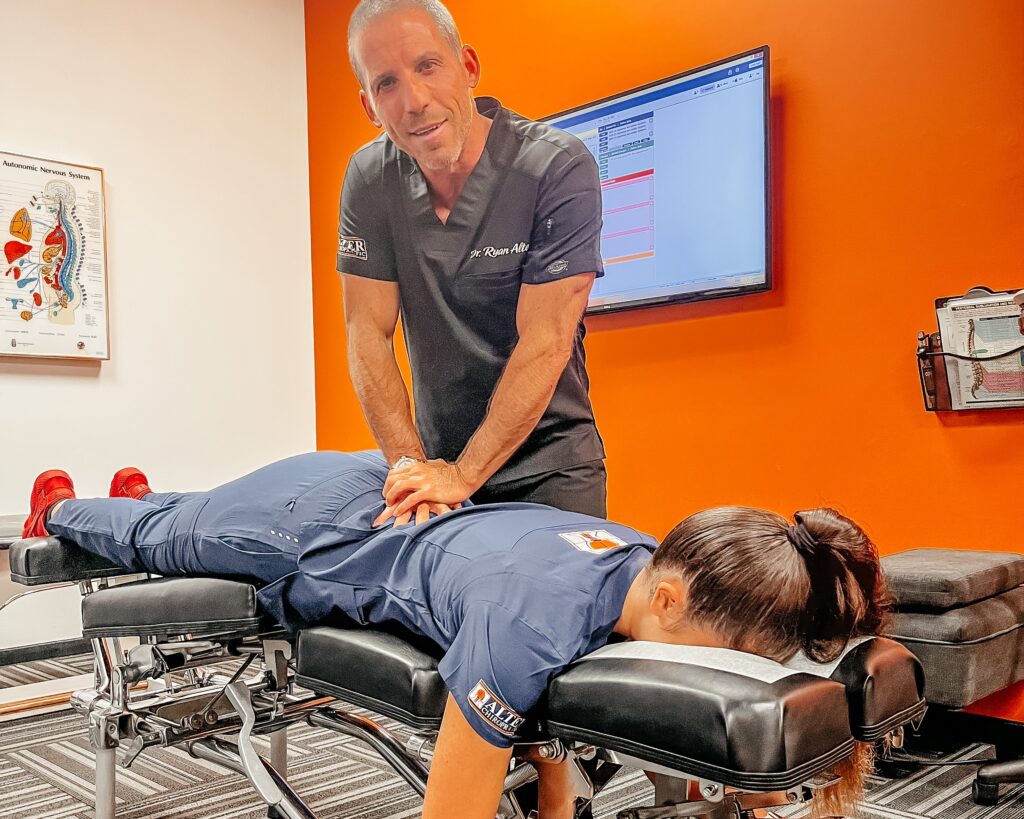
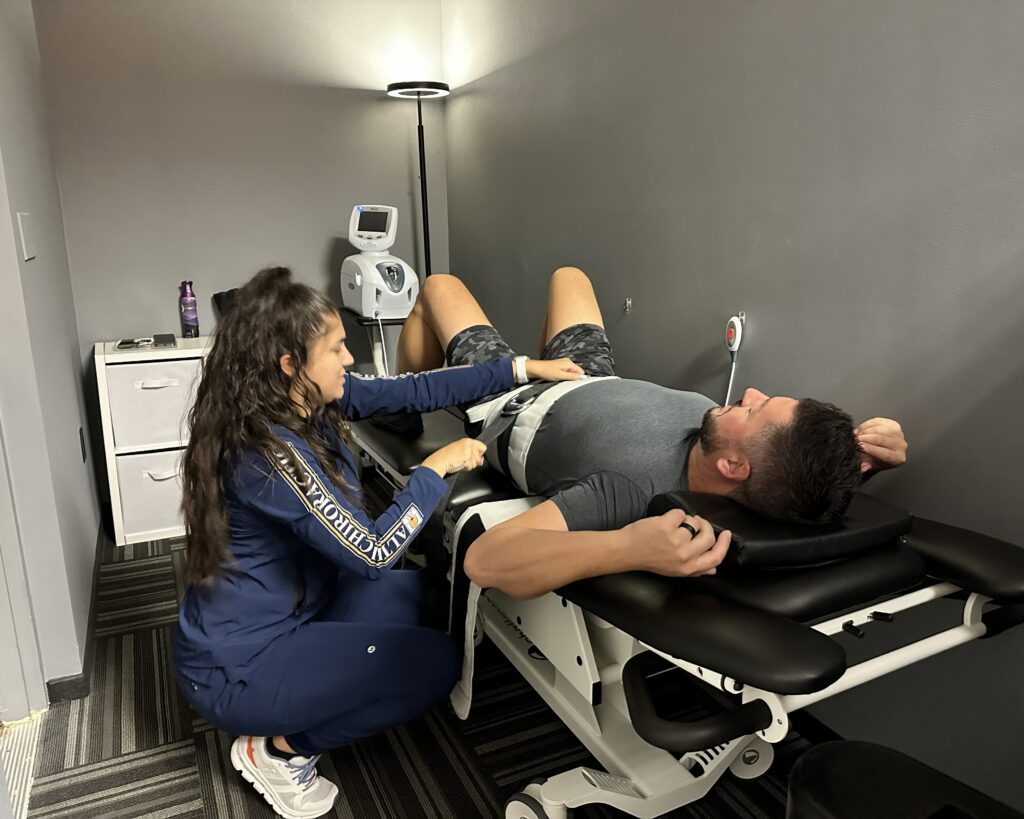
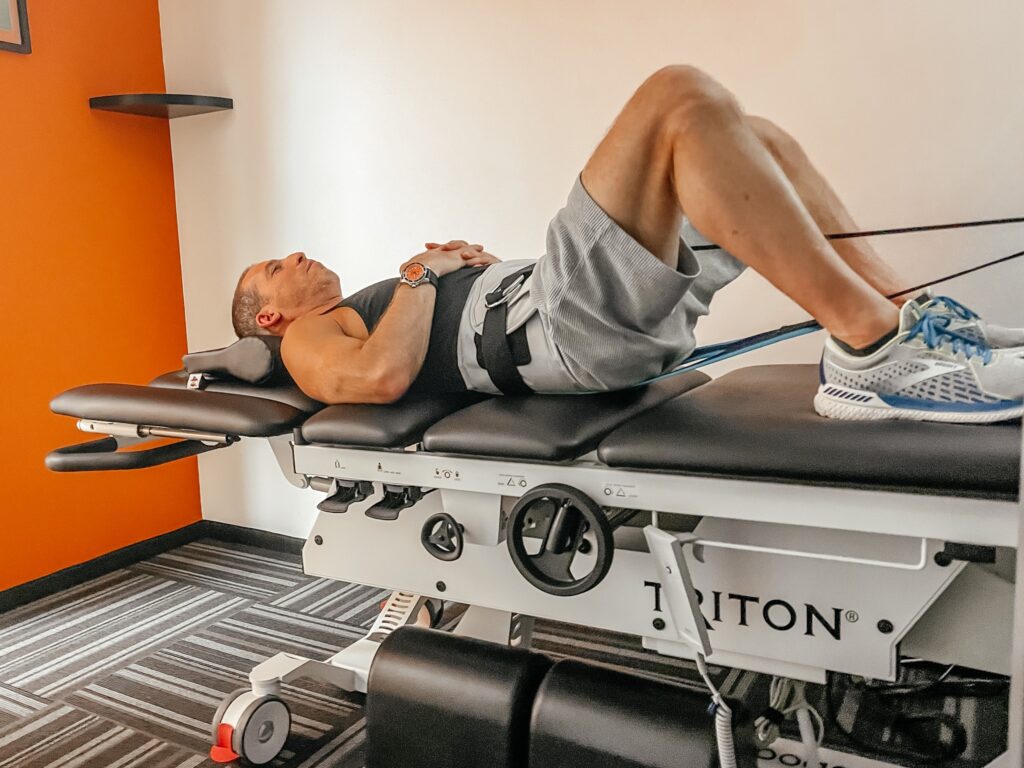
Non-invasive therapy offers a range of approaches to help you manage stress without the need for surgical procedures or medication. These therapies focus on utilizing your body's natural ability to heal and restore balance, providing effective relief from the pressures of daily life.
You'll find that non-invasive techniques are designed to be gentle yet powerful, making them accessible to nearly everyone.
One popular form of non-invasive therapy is mindfulness and meditation. By practicing mindfulness, you can become more aware of your thoughts and feelings, allowing you to respond to stressors in a calmer, more centered way.
Another effective method is cognitive-behavioral therapy (CBT), which helps you identify negative thought patterns and replace them with positive ones. This shift can greatly reduce your stress levels.
Physical therapies, such as yoga and tai chi, combine movement with breath control, promoting relaxation and physical well-being. These practices encourage you to connect with your body and mind, fostering a holistic approach to stress management.
Additionally, art and music therapies provide creative outlets for expression, helping you process emotions and reduce tension.
You might also explore biofeedback, where you learn to control physiological functions like heart rate and muscle tension through real-time feedback. This technique empowers you to manage your stress responses effectively.
Ultimately, understanding non-invasive therapy gives you the tools to take charge of your stress management, leading to a healthier, more balanced life.
Benefits of Non-Invasive Approaches
Exploring non-invasive therapy opens up a world of benefits that can greatly improve your well-being. One of the most significant advantages is that these methods often have minimal to no side effects. Unlike invasive treatments, you won't have to worry about recovery time or post-treatment complications, allowing you to feel better without unnecessary stress.
Non-invasive approaches can also be tailored to fit your specific needs. Whether you're dealing with anxiety, chronic pain, or general stress, you can find a technique that resonates with you. This personalized aspect makes it easier for you to engage in the therapy, resulting in more effective outcomes.
Another benefit is accessibility. Many non-invasive therapies can be done at home or in a comfortable setting, making it easier for you to incorporate them into your daily routine. This convenience not only saves time but also encourages consistency, which is essential for long-term stress relief.
Additionally, non-invasive therapies often promote a deeper connection between your mind and body. Techniques like gentle movement, breathing exercises, or light therapy can help you cultivate awareness and enhance your overall quality of life. This holistic approach fosters a sense of empowerment, as you take an active role in managing your stress.
Lastly, these methods can be cost-effective compared to invasive procedures. You'll find that many non-invasive therapies are more affordable, allowing you to prioritize your mental health without breaking the bank. Embracing non-invasive therapy can lead to a healthier, happier you.
Mindfulness and Meditation Techniques
Practicing mindfulness and meditation can markedly reduce stress and enhance your overall well-being. By focusing your attention on the present moment, you can create a mental space that helps you manage anxiety and promote relaxation.
Start by finding a comfortable position, whether sitting or lying down. Close your eyes and take a few deep breaths, allowing your body to settle.
Next, pay attention to your thoughts and feelings without judgment. Acknowledge them and let them pass, like clouds drifting across the sky. If your mind wanders, gently bring your focus back to your breath or a specific sensation in your body.
Try to practice this for a few minutes each day; gradually increase the time as you become more comfortable with the process.
You can also incorporate mindfulness into your daily activities. During a walk, notice the sights, sounds, and smells around you. Feel the ground beneath your feet and the air against your skin. Engaging fully in these moments can ground you and clear your mind.
Consider guided meditation apps or local classes if you need more structure. These resources can help you learn various techniques and find what resonates with you.
Breathing Exercises for Stress Relief
When stress hits, focusing on your breath can make a big difference.
You can try techniques like diaphragmatic breathing, box breathing, or the 4-7-8 pattern to help calm your mind.
Let's explore how these exercises can bring you instant relief and promote relaxation.
Diaphragmatic Breathing Techniques
How can something as simple as breathing help you manage stress? Diaphragmatic breathing, also known as abdominal or deep breathing, harnesses the power of your diaphragm to promote relaxation. By engaging this muscle, you can slow your heart rate and lower blood pressure, creating a sense of calm.
To practice diaphragmatic breathing, find a comfortable position—sitting or lying down. Place one hand on your chest and the other on your abdomen. As you inhale deeply through your nose, focus on expanding your abdomen rather than your chest. You should feel your stomach rise while your chest remains relatively still.
Hold your breath for a moment, then exhale slowly through your mouth, letting your abdomen fall. Aim for a breathing pattern of four counts in, four counts hold, and six counts out. Repeat this cycle for several minutes.
You'll notice that with each breath, tension melts away, and your mind clears. Incorporating diaphragmatic breathing into your daily routine can help you manage stress effectively, giving you a powerful tool to regain control during overwhelming moments.
Box Breathing Method
One effective technique for stress relief is the Box Breathing Method, a structured approach that helps calm your mind and body. This technique involves four simple steps that you can visualize as drawing a box in your mind.
Here's how it works:
- Inhale deeply for a count of four, filling your lungs completely while imagining the air nourishing your body.
- Hold your breath for another count of four, feeling the stillness as you embrace the calmness that surrounds you.
- Exhale slowly for a count of four, picturing any stress or tension leaving your body like a balloon deflating.
- Pause and hold your breath again for four counts, allowing yourself to savor the moment before starting the cycle anew.
Repeat this process several times, and you'll find that your heart rate slows and your mind clears.
The Box Breathing Method not only reduces stress but also enhances your focus and concentration.
4-7-8 Breathing Pattern
Building on the calming effects of the Box Breathing Method, the 8 Breathing Pattern offers another effective way to manage stress. This technique focuses on a rhythmic inhalation and exhalation that can ground you in the present moment.
To begin, find a comfortable position, either seated or standing. Take a deep breath in for a count of four, then hold it for a count of four. Next, exhale slowly for a count of eight. This extended exhalation helps release tension and promotes relaxation.
Repeat this cycle several times. As you inhale, visualize drawing in calmness; as you exhale, imagine releasing stress and anxiety. If your mind starts to wander, gently bring your focus back to your breath.
The 8 Breathing Pattern not only lowers your heart rate but also activates your body's relaxation response, making it easier to cope with daily stressors.
Incorporate this breathing exercise into your daily routine, whether it's during a break at work or before bedtime. With consistent practice, you'll likely find it easier to manage stress and cultivate a sense of inner peace.
Exploring Acupuncture Methods
Acupuncture, an ancient practice rooted in Traditional Chinese Medicine, offers a unique approach to stress relief. By targeting specific points on your body, acupuncture works to balance your energy, or qi, promoting relaxation and alleviating stress. If you're feeling overwhelmed, this therapy might be the answer you're looking for.
Here are four methods of acupuncture you can explore:
- Traditional Acupuncture: This involves inserting thin needles into specific points along your meridians. You'll likely feel a slight sensation, which many describe as a deep warmth or tingling.
- Electro-Acupuncture: This method uses small electrical currents to stimulate the needles, enhancing the treatment's effectiveness. It's particularly useful for releasing endorphins, which can help lift your mood.
- Acupressure: If you're hesitant about needles, acupressure is a great alternative. By applying pressure to the same points, you can achieve similar stress-relieving benefits without any invasiveness.
- Cupping Therapy: Though not strictly acupuncture, cupping can complement your sessions. It involves placing suction cups on your skin to promote blood flow and relaxation, helping to ease muscle tension and stress.
The Power of Aromatherapy
Aromatherapy can be a powerful tool in your stress relief arsenal.
By harnessing the benefits of essential oils, you can create a calming atmosphere that promotes relaxation.
Let's explore some effective techniques for using these oils to enhance your well-being.
Essential Oils Benefits
When it comes to relieving stress, essential oils offer a simple yet powerful tool that can enhance your well-being. These concentrated plant extracts provide numerous benefits that can help you unwind and feel more balanced.
Here's how they can make a difference in your daily life:
- Calming effects: Lavender oil is well-known for its soothing properties, promoting relaxation and improving sleep quality.
- Mood booster: Citrus oils like lemon and orange can uplift your spirits, helping to reduce feelings of anxiety and stress.
- Mental clarity: Peppermint oil stimulates the mind, enhancing focus and concentration, making it easier to tackle your daily tasks.
- Physical relaxation: Eucalyptus oil not only eases breathing but also helps relieve tension in your muscles, allowing you to feel more at ease.
Incorporating essential oils into your routine can be an enjoyable and effective way to manage stress.
Whether you choose to diffuse them, apply them topically, or inhale them directly, you'll likely find a method that resonates with you.
Embrace the power of aromatherapy and let it work wonders for your mental and emotional well-being.
Techniques for Use
Releasing the full potential of essential oils involves mastering various techniques for use that can enhance your aromatherapy experience.
One effective method is diffusion. Using a diffuser, you can disperse the oils into the air, filling your space with calming scents. This method allows for a continuous release, which can help create a soothing atmosphere.
Another technique is topical application. You can mix essential oils with a carrier oil like coconut or jojoba, then gently massage it onto your skin. This method not only provides a calming aroma but also allows the oils to be absorbed directly into your body, enhancing their therapeutic effects. Always perform a patch test to avoid skin irritation.
Inhalation is a quick and effective way to experience the benefits of essential oils. Simply place a few drops on a cotton ball or your palms, then take deep breaths. This technique is especially useful during stressful moments when you need immediate relief.
Experimenting with these methods will help you discover what works best for you.
Creating a Relaxing Environment
Creating a relaxing environment is essential for stress relief, and incorporating essential oils can greatly enhance this experience. The right scents can transform your space into a sanctuary, helping you unwind and rejuvenate.
Here are four ways to use aromatherapy effectively:
- Diffuser: Invest in an essential oil diffuser. Fill it with water and a few drops of your favorite oil, like lavender or eucalyptus, and let the calming scents permeate your room.
- Candles: Light scented candles infused with essential oils. The flickering flame and soothing aroma will create a warm, inviting atmosphere perfect for relaxation.
- Bath: Add a few drops of essential oil to your bathwater. Oils such as chamomile or ylang-ylang can provide a tranquil experience, easing tension and promoting calm.
- Pillow Spray: Mix essential oils with water in a spray bottle and mist it on your pillows. A blend of bergamot and frankincense can help prepare your mind for restful sleep.
Yoga and Movement Practices
Yoga and movement practices often serve as powerful tools for relieving stress and promoting overall well-being. Engaging in these activities allows you to connect your body and mind, helping you to release tension and cultivate a sense of calm.
Whether you're a beginner or experienced, there's a style of yoga or movement practice that can suit your needs. Incorporating yoga into your routine can be as simple as dedicating a few minutes each day to a few poses.
Focus on your breath, let go of distractions, and allow yourself to feel the energy flowing through your body. Poses like Child's Pose, Downward Dog, and Savasana can help ground you and alleviate stress.
You can also explore different styles, such as Hatha for relaxation or Vinyasa for a more dynamic experience. Movement practices like tai chi, qigong, or even dance can also be effective.
These activities promote mindfulness and body awareness, encouraging you to be present in the moment. You don't need a lot of space or equipment; just find a comfortable spot and let yourself move freely.
Sound Therapy and Music Healing
Sound therapy and music healing offer unique methods to reduce stress and enhance your mental well-being. By tapping into the power of sound, you can create a soothing environment that helps calm your mind and body.
Whether you're listening to calming music or engaging in sound baths, these techniques can greatly improve your mood and reduce anxiety.
Here are four ways sound therapy and music healing can benefit you:
- Relaxing Melodies: Imagine lying down as soft, gentle melodies wash over you, instantly easing tension in your body. These tunes can lower your heart rate and help you breathe more deeply.
- Binaural Beats: Picture listening to specific frequencies that synchronize brain waves, promoting relaxation and clarity. These beats can help alleviate stress and improve focus.
- Sound Baths: Envision being surrounded by rich, resonant sounds from singing bowls. This immersive experience can transport you to a tranquil state, allowing you to release pent-up emotions and stress.
- Rhythm and Movement: Consider how engaging with music through dance or simple rhythmic movements can lift your spirits. This active participation helps you connect with your body, releasing endorphins that combat stress.
Incorporating sound therapy and music healing into your routine can provide you with a powerful toolkit for managing stress.
Nature Therapy and Outdoor Activities
Connecting with nature can be just as effective for relieving stress as sound therapy. When you immerse yourself in natural surroundings, you allow your mind to escape the chaos of daily life. Whether it's a walk in the park, a hike through the woods, or simply sitting by a lake, outdoor activities can rejuvenate your spirit.
Engaging with nature encourages mindfulness, drawing your attention away from worries and helping you focus on the present moment. The sights, sounds, and smells of the outdoors stimulate your senses and promote relaxation. Breathing in fresh air and feeling the sun on your skin can greatly elevate your mood and reduce anxiety.
Consider incorporating regular outdoor activities into your routine. You don't have to undertake a rigorous hike; even a leisurely stroll can work wonders. Try to explore different environments—woods, beaches, or gardens—each offers unique benefits.
Bring a friend or family member along to enhance your experience and build connections, which can also help reduce stress.
If you're short on time, even a few minutes spent outside can be beneficial. Step outside during your lunch break or enjoy your morning coffee on the porch. The key is to make nature a part of your daily life.
Creating a Personalized Stress Plan
To effectively manage stress, creating a personalized stress plan can be a game changer. This plan helps you identify your stressors and develop strategies tailored to your unique lifestyle. Here are four essential steps to take into account:
- Identify Your Triggers: Start by jotting down what stresses you out. It could be work deadlines, family responsibilities, or even social situations. Recognizing these triggers will empower you to face them head-on.
- Set Realistic Goals: Once you know your triggers, establish achievable goals to manage them. Instead of aiming for perfection, focus on progress. For instance, if public speaking makes you anxious, set a goal to practice in front of a friend before your next presentation.
- Incorporate Relaxation Techniques: Integrate stress-relief activities into your routine. Whether it's deep breathing exercises, yoga, or meditation, find what resonates with you. This will help you recharge and gain perspective when stress arises.
- Evaluate and Adjust: Your stress plan isn't set in stone. Regularly review its effectiveness and make adjustments as needed. If a particular technique isn't working, don't hesitate to try something new or revisit a previously effective method.
Conclusion
Incorporating non-invasive therapies into your routine can greatly reduce stress and enhance your well-being. By exploring mindfulness, breathing exercises, and physical activities like yoga, you'll find what resonates with you. Don't forget the healing power of nature and sound. Create a personalized stress relief plan that fits your lifestyle and preferences. You've got the tools to cultivate calmness and resilience, so take a moment today to prioritize your mental and emotional health.