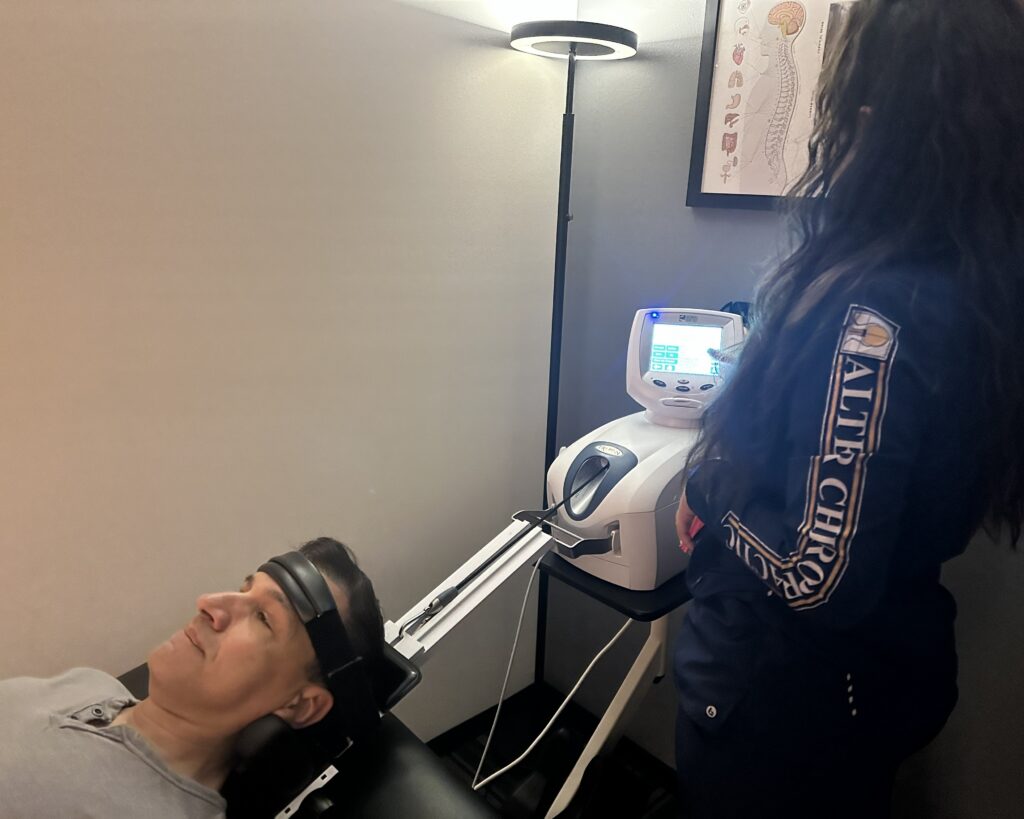
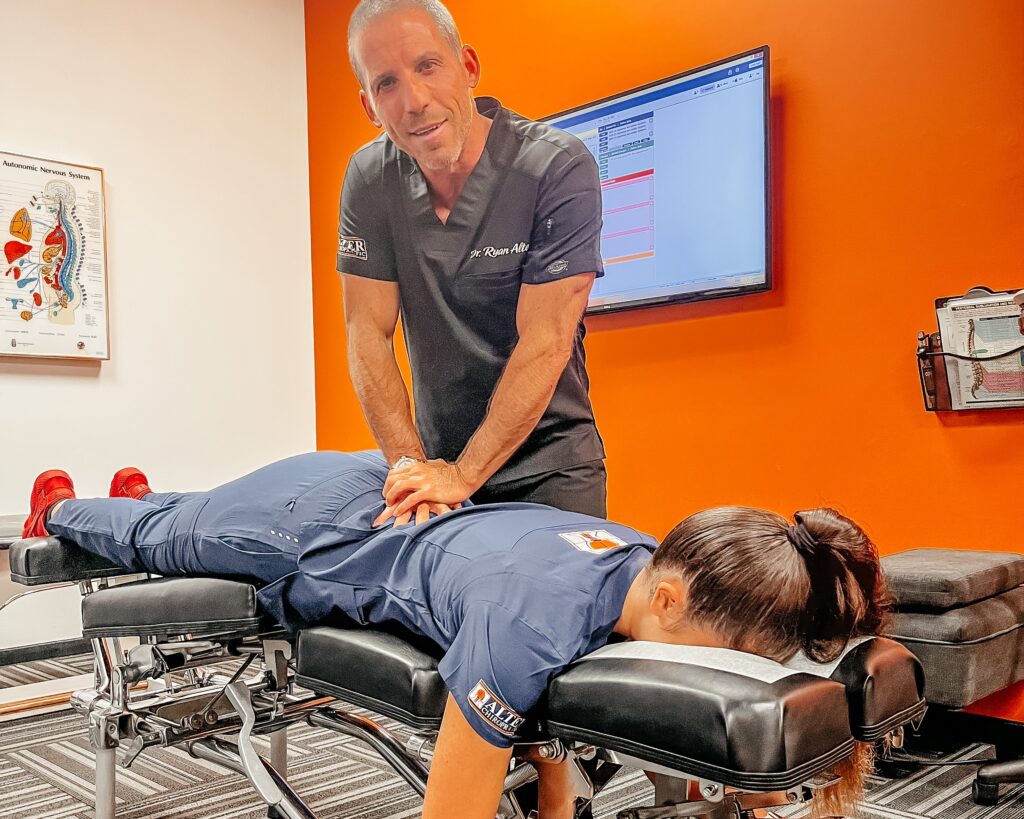
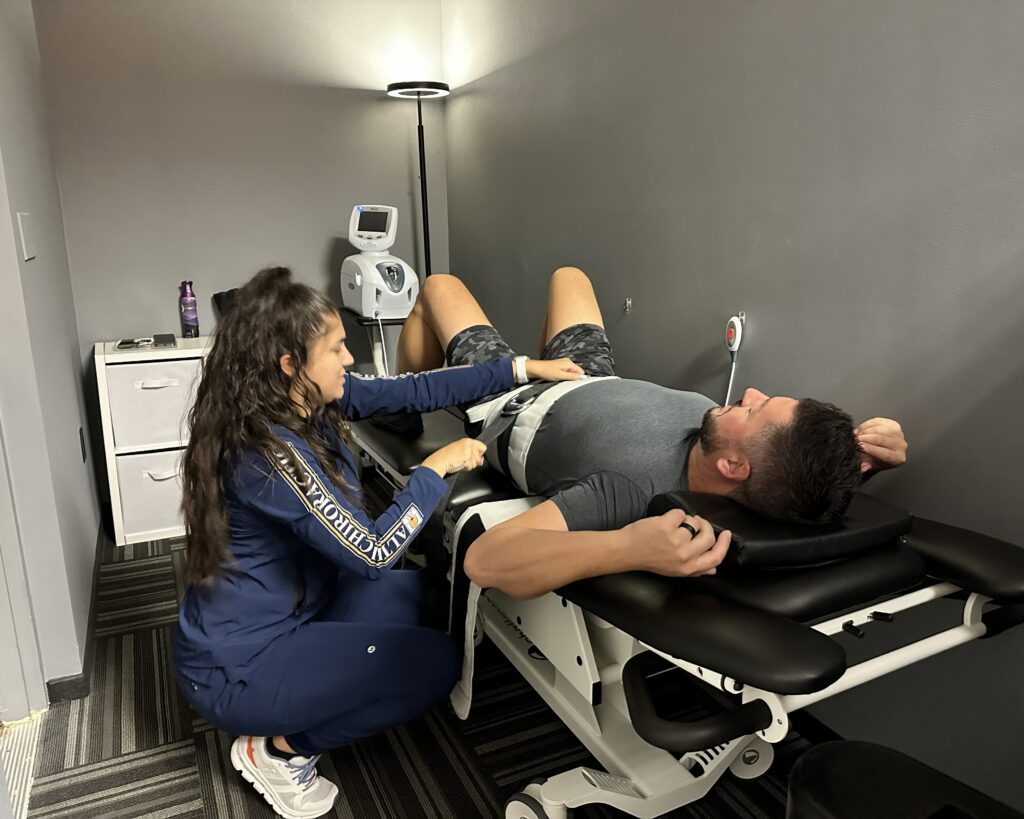
As a local chiropractor, I want to share with you that when it comes to back pain, many people often believe that conventional medicine is their only option. However, I’ve seen countless patients find relief through chiropractic care and other natural healing methods. While medications and surgery may provide quick fixes, they often fail to address the underlying causes of pain.
This raises an important question: can a more holistic approach, such as chiropractic care, offer lasting relief? By exploring chiropractic adjustments, lifestyle changes, and other alternative therapies, you may discover solutions that you never considered before. My goal is to help you understand these options so you can make informed decisions about your health and well-being. Together, we can create a personalized plan to address your back pain and improve your quality of life.
Understanding Back Pain: Common Causes and Symptoms
As a local chiropractor, I often encounter patients who are experiencing back pain, and it’s important to understand that this discomfort is usually a sign that something isn’t functioning properly in your body. By learning about the common causes of back pain, you can take proactive steps toward relief and recovery.
Many times, back pain arises from straining your muscles while lifting heavy objects, maintaining poor posture while sitting or standing, or leading a sedentary lifestyle. Additionally, conditions like herniated discs or arthritis may contribute to your discomfort.
It’s also worth noting that stress can manifest physically, leading to tension in your back.
The symptoms of back pain can differ widely from person to person. You might experience a sharp, shooting pain or a persistent dull ache. In some cases, the pain can radiate down your legs, which may indicate nerve involvement.
You may also find that stiffness makes it difficult to move easily. Being aware of these symptoms is crucial, as it can guide you in deciding how to manage your pain effectively.
Listening to your body is key—don’t overlook persistent discomfort. It’s important to recognize that ongoing pain may be a sign of deeper issues that require attention.
Seeking chiropractic care early on can lead to better outcomes, helping you regain mobility and improve your overall quality of life through natural healing approaches.
Let’s work together to address your back pain and support your journey to wellness!
Conventional Treatments: An Overview
When it comes to back pain, I want to help you understand the range of conventional treatments available, but I also invite you to consider the benefits of chiropractic care and natural healing.
Many people are familiar with medications and surgical options, but these can come with side effects and risks. As a chiropractor, I focus on addressing the root causes of pain through non-invasive methods, such as spinal adjustments and holistic approaches that promote your body’s natural healing abilities.
Let’s take a closer look at these common conventional treatments, but also explore how chiropractic care might be a safer, more effective alternative that works for your body without the need for invasive procedures.
Together, we can find the best path to relief and recovery for you.
Common Conventional Approaches
As a local chiropractor, I understand that back pain can feel overwhelming and complex. However, I want to share with you some effective, natural solutions that can provide relief.
One of the primary methods we utilize is chiropractic care, which focuses on spinal alignment. By adjusting the spine, we can alleviate pain and restore your body’s natural function, allowing you to move more freely and comfortably.
In addition to chiropractic adjustments, I often recommend incorporating physical therapy into your treatment plan. A trained physical therapist can guide you through exercises designed to strengthen your back and improve your overall flexibility, which is crucial for long-term relief.
Another option to consider is acupuncture. This ancient practice involves the insertion of thin needles at specific points on the body to stimulate healing and reduce pain. Many patients find this technique beneficial in managing their discomfort.
Lastly, I frequently suggest heat or cold therapy as a complementary approach. Applying heat can help to relax tight muscles, while cold therapy is effective in reducing inflammation and numbing pain.
By exploring these natural, conventional approaches, you can find a personalized strategy tailored to your needs. My goal is to help you regain control over your back pain and improve your quality of life.
If you have any questions or would like to learn more, feel free to reach out!
Medications and Their Effects
As a local chiropractor, I want to share how we can effectively manage back pain through natural healing methods, complementing any medications you may be considering.
Medications can provide quick relief, but understanding how to support your body holistically can lead to lasting results.
For mild discomfort, you might find relief from over-the-counter options like ibuprofen or acetaminophen, but keep in mind that these are just temporary solutions.
For more intense pain, it’s important to consult with your healthcare provider about stronger medications, but I encourage you to also explore non-invasive approaches.
Here’s how various treatments can help:
- NSAIDs: While these can reduce inflammation and alleviate pain, chiropractic care focuses on addressing the root cause of your discomfort.
- Muscle relaxants: These might ease muscle tension, but techniques like spinal adjustments can help restore proper alignment and function.
- Topical analgesics: They offer localized relief, yet incorporating therapies such as massage or acupuncture can enhance overall well-being.
- Corticosteroids: While effective in fighting inflammation, we often find that targeted chiropractic adjustments can provide significant pain relief without the side effects.
- Opioids: These are typically reserved for severe pain, but we advocate for safer, natural alternatives that promote healing and mobility.
At our practice, we emphasize a comprehensive approach to back pain, integrating chiropractic adjustments, lifestyle changes, and therapeutic techniques to help you regain functionality and improve your quality of life.
Let’s work together to find the best path to healing for you!
Surgical Interventions Explained
As a local chiropractor, I want to share some insights about managing back pain and the options available to you. Many people turn to surgical interventions when conservative treatments, such as chiropractic care, physical therapy, or lifestyle changes, don’t bring the relief they seek.
However, it’s important to understand that these surgical procedures, like discectomy, laminectomy, and spinal fusion, are often more invasive and come with their own set of risks and benefits. A discectomy, for example, involves the removal of herniated discs that may be pressing on nerves, while a laminectomy requires the removal of part of the vertebra to relieve pressure.
Spinal fusion aims to stabilize the spine by fusing two or more vertebrae together, but this can limit mobility. While these surgeries can offer pain relief for some, they aren’t always guaranteed to resolve the issue entirely.
As a chiropractor, I focus on natural healing methods that address the root causes of pain without resorting to surgery. Through techniques like spinal adjustments, soft tissue work, and personalized exercise plans, we can often find relief and promote healing in a way that supports your overall well-being.
If you’re considering surgery, I encourage you to explore all your options, including chiropractic care, to see if a more conservative approach might work for you. Together, we can evaluate your specific situation and discuss the best path toward improving your quality of life.
The Role of Medication in Back Pain Management
As a local chiropractor, I want to emphasize the important role that medication can play in managing back pain, but it’s crucial to understand that there are many options beyond just pharmaceuticals.
While various pain medications can provide relief, they come with their own set of benefits and potential risks that you should be aware of.
At our practice, we focus on a holistic approach to healing that includes understanding these medication options.
However, it’s equally important to explore natural healing methods, such as chiropractic adjustments, physical therapy, and lifestyle changes.
These alternatives can’t only help alleviate your pain but also address the underlying issues contributing to your discomfort.
Educating yourself about all available options, including the side effects of medications, will empower you to make informed decisions about your pain management journey.
Types of Pain Medications
As a local chiropractor dedicated to helping you find natural solutions for managing back pain, I want to educate you about the various types of pain medications available.
While chiropractic care focuses on addressing the root causes of pain through adjustments and holistic methods, it’s important to understand the medication options that may complement your healing journey.
Here are some common types you might hear about:
- Nonsteroidal Anti-Inflammatory Drugs (NSAIDs): These medications are often used to reduce inflammation and relieve pain, making them a common choice for many individuals dealing with back issues.
- Acetaminophen: This is generally recommended for mild to moderate pain relief. It’s important to note that it doesn’t have anti-inflammatory properties, so it may be more suitable for specific situations.
- Muscle Relaxants: If you’re experiencing muscle spasms related to your back pain, these medications can help provide relief, allowing for better mobility and comfort.
- Opioids: These are typically prescribed for severe pain and are most effective in short-term scenarios due to their potential risks and side effects. It’s crucial to approach this option with caution.
- Topical Analgesics: These are creams or patches you apply directly to your skin, offering localized relief and often complementing other treatment methods.
By familiarizing yourself with these options, you can have informed discussions with your healthcare provider about the best approach to managing your back pain.
Risks and Side Effects
As a local chiropractor, I want to help you understand the importance of managing back pain safely and effectively. While medications can provide temporary relief, they often come with potential risks and side effects that you should be aware of.
For instance, over-the-counter pain relievers like NSAIDs can cause stomach issues or affect your kidneys if taken too frequently. Prescription opioids, on the other hand, can lead to dependency and addiction, which may complicate your recovery in the long run.
Muscle relaxants might help alleviate discomfort, but they can also cause dizziness or drowsiness, making it difficult to carry out your daily activities. Additionally, long-term use of corticosteroids can weaken your bones and contribute to other health problems.
I encourage you to consult with a healthcare professional before starting any medication. However, I also want to introduce you to the benefits of chiropractic care and other non-pharmacological therapies.
These natural approaches can help you manage your back pain effectively without relying heavily on medications. Your health and safety are my top priorities, and I believe that together, we can find a holistic solution to your pain.
Physical Therapy: Techniques and Benefits
As a local chiropractor, I want to share with you the powerful benefits of chiropractic care for alleviating back pain and enhancing mobility. Many individuals find that our tailored approach to treatment can significantly improve their daily lives.
Here are some key techniques you can expect to experience through chiropractic care:
- Spinal manipulation: This hands-on technique helps realign the spine, relieving pain and restoring movement.
- Rehabilitative exercises: We provide personalized strengthening and stretching exercises to support your back and enhance stability.
- Posture training: By educating you on proper body mechanics, we aim to prevent future discomfort and promote long-term wellness.
- Therapeutic modalities: We may use heat, ice, or electrical stimulation to help reduce inflammation and discomfort during your recovery.
- Functional rehabilitation: We focus on helping you regain the ability to perform everyday activities safely and effectively.
Incorporating these chiropractic techniques into your routine can lead to significant improvements in your back health and overall quality of life.
If you’re looking for a natural, holistic approach to healing, consider chiropractic care as a proactive step towards a healthier back!
Alternative Therapies: Exploring Non-Traditional Options
As a local chiropractor, I understand that many of you may be seeking relief from back pain and are curious about alternative therapies that offer non-traditional healing approaches. Chiropractic care is one such option that focuses on spinal alignment to help reduce discomfort and improve mobility.
In my practice, I often utilize techniques that target the root causes of pain rather than merely masking the symptoms. By gently manipulating the spine and joints, we can enhance your body’s natural ability to heal itself, which may lead to long-lasting relief.
Additionally, I encourage my patients to consider complementary therapies like acupuncture, which stimulates specific points on the body to promote healing, and massage therapy, known for easing muscle tension and enhancing circulation.
Incorporating herbal remedies, such as turmeric and ginger, can also support your recovery with their anti-inflammatory benefits.
It’s important to remember that each individual’s experience with these therapies can vary. That’s why I recommend consulting with a healthcare professional before embarking on any new treatment plans.
Together, we can explore natural healing options that align with your health goals and help you on your journey toward relief.
Mind-Body Approaches: Yoga, Meditation, and More
As a local chiropractor, I want to share how mind-body approaches like yoga and meditation can greatly assist in managing back pain and enhancing your overall well-being.
These practices not only foster relaxation but also help you develop a deeper awareness of your body, which is crucial for healing.
Here’s how they can be beneficial for you:
- Improves Flexibility: Engaging in regular yoga can effectively target the muscles in your back, promoting flexibility and alleviating tightness that may contribute to discomfort.
- Enhances Strength: By focusing on strengthening your core muscles through yoga, you provide essential support to your spine, which can help prevent injuries and maintain proper alignment.
- Promotes Relaxation: Meditation plays a vital role in calming the mind, making it easier to manage pain and stress. A relaxed state can significantly impact your perception of discomfort.
- Increases Body Awareness: You’ll begin to notice tension patterns in your body, which can empower you to address stress more effectively and take proactive steps towards relief.
- Encourages Mindful Movement: Practicing yoga teaches you to move with intention and awareness, reducing the risk of further injury and promoting a healthier lifestyle overall.
Incorporating these mind-body techniques into your daily routine can lead to a more balanced life, free from the constraints of pain.
Lifestyle Changes: Prevention and Long-term Relief
As a local chiropractor, I want to share some valuable insights on how you can achieve lasting relief from back pain through intentional lifestyle changes. It’s essential to understand that your daily habits play a significant role in your spinal health.
First and foremost, incorporating regular physical activity into your routine is crucial. Simple exercises such as walking, swimming, or gentle stretching can help strengthen your back muscles and improve flexibility.
Remember, it’s not just about exercising; paying attention to your posture is equally important. Whether you’re sitting at a desk or lifting objects, using ergonomic furniture and maintaining a neutral spine can significantly reduce strain on your back.
Nutrition should also be a focus in your journey toward better health. A balanced diet rich in anti-inflammatory foods can help alleviate pain and support your overall well-being. Staying hydrated is vital as well; it contributes to the health of your spinal discs and overall spinal health.
Managing stress is another key factor. Techniques such as mindfulness or meditation can effectively lower muscle tension, which often contributes to back pain.
Lastly, never underestimate the importance of sleep. A supportive mattress and pillow can help keep your spine aligned, allowing for a restful night and better recovery.
By making these lifestyle changes, you’re not just working to prevent future back pain; you’re also enhancing your overall quality of life.
As a chiropractor, I’m here to support you on this journey to natural healing and improved well-being.
Integrating Conventional and Alternative Treatments for Optimal Care
As a local chiropractor, I want to share how integrating alternative therapies with conventional treatments can significantly enhance your care for back pain. Many of my patients find that combining different approaches allows them to address not just their symptoms, but also the underlying issues contributing to their discomfort.
Here are some alternative treatments you might consider alongside your chiropractic care:
- Acupuncture: This ancient practice involves fine needles inserted at specific points to relieve pain and improve overall function. Many of my patients have found it to be a valuable addition to their wellness routine.
- Chiropractic care: Regular adjustments are essential for maintaining spinal alignment and reducing discomfort. By focusing on the spine and its connection to the nervous system, chiropractic care can help restore balance and function.
- Massage therapy: This technique targets tight muscles and promotes relaxation, which can enhance your mobility and overall well-being. It’s a great way to complement your chiropractic sessions.
- Physical therapy: Personalized exercise programs can strengthen your back and help prevent future injuries. Working with a physical therapist can provide you with the tools you need to support your recovery.
- Mindfulness and meditation: These practices assist in managing stress and altering your perception of pain. Incorporating mindfulness into your routine can improve your overall mental and physical health.
Conclusion
As your local chiropractor, I want to emphasize that you don’t have to depend solely on conventional medicine for relief from back pain. There are numerous alternative therapies available that can complement traditional approaches. Techniques like chiropractic adjustments, physical therapy, acupuncture, and mind-body practices such as yoga and meditation can provide a holistic solution. These methods not only focus on alleviating your symptoms but also aim to identify and address the underlying causes of your discomfort.
Incorporating lifestyle changes, such as proper posture and exercise, along with these natural healing methods can lead to a more comprehensive recovery and improved long-term health. Remember, your journey to relief can be multifaceted, so I encourage you to explore all your options, including chiropractic care, to find the best path for your well-being!