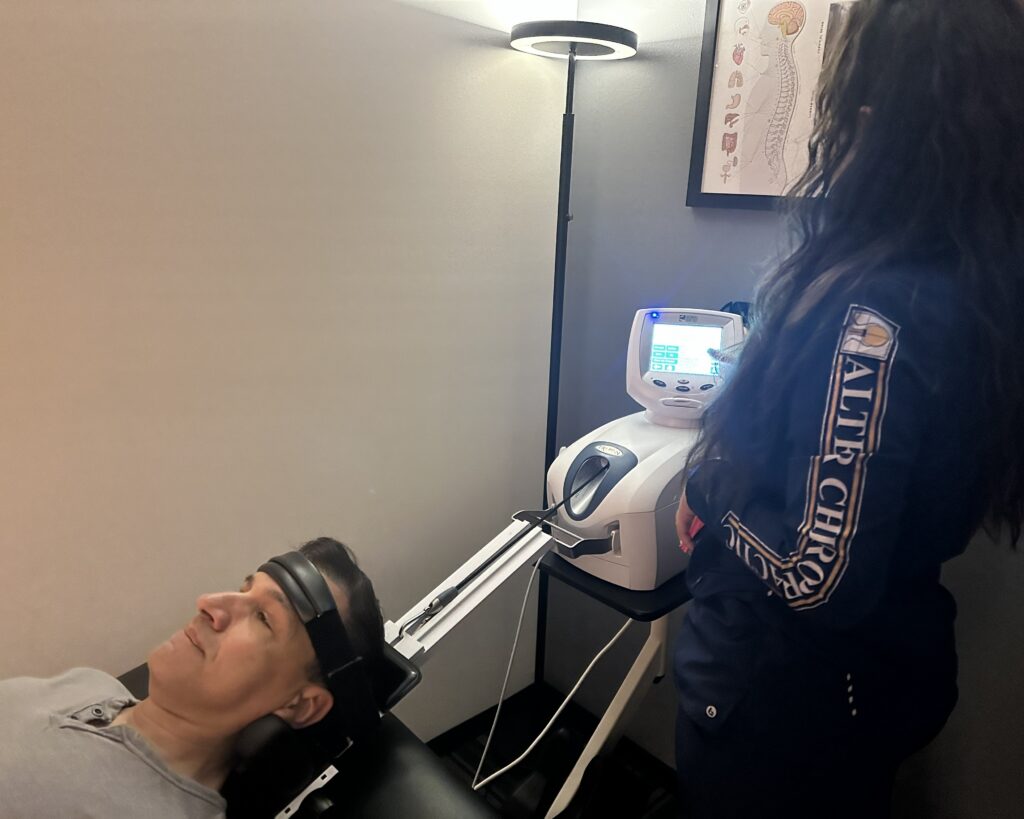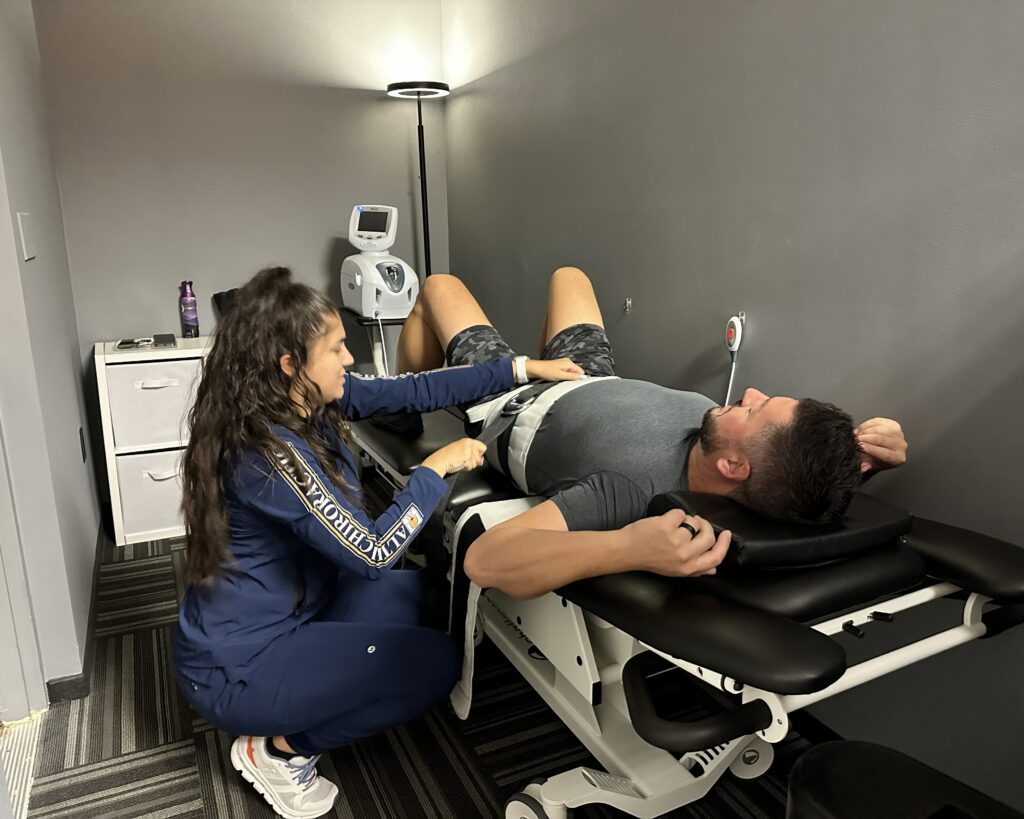

As a local chiropractor, I want to shed light on how we can support children managing ADHD symptoms through natural healing approaches. It's important to recognize the unique challenges these children face, and one of the ways we can help is by establishing a structured and nurturing environment. This not only aids in fostering focus but also promotes emotional regulation.
In my practice, I often emphasize the importance of developing effective routines and encouraging open communication as a means to create a supportive atmosphere for these children. However, our efforts can be further enhanced through collaboration with educators and healthcare professionals. This teamwork can uncover deeper insights and strategies that align with holistic health principles.
What strategies can you implement at home to ensure that your child's journey toward managing ADHD symptoms is as effective as possible? By incorporating chiropractic care, we can address underlying physical issues that may contribute to their symptoms, helping them thrive both emotionally and physically.
Understanding ADHD Symptoms
As a local chiropractor, I want to help you understand how recognizing the signs and symptoms of conditions like ADHD can enhance your approach to your child's well-being. Just as we focus on the alignment of the spine for better physical health, understanding the symptoms of ADHD—categorized into inattention and hyperactivity-impulsivity—can improve how you support your child's behavioral health.
Inattention may manifest as challenges in focusing on tasks, making careless mistakes in homework, or having difficulty organizing activities. You might observe that your child frequently misplaces school materials, forgets instructions, or becomes easily distracted by their surroundings. Acknowledging these signs is crucial, as it allows you to implement strategies that cater to your child's individual needs, much like personalized treatment plans in chiropractic care.
Conversely, hyperactivity-impulsivity might present as constant fidgeting, trouble staying seated, or excessive talking. Your child could interrupt others or find it hard to wait their turn, which may create social difficulties. By understanding these behaviors, you can approach them constructively, offering guidance and support similar to how we guide patients through their healing journeys.
It's essential to remember that each child with ADHD is unique, just as every patient has different chiropractic needs. Symptoms can vary widely in intensity and expression. By closely observing your child's behavior, you can identify patterns that may lead to their challenges, enabling you to develop tailored interventions—akin to how we customize chiropractic treatments based on individual assessments.
Consider utilizing organizational tools, establishing clear routines, and employing positive reinforcement to encourage desired behaviors. Engaging in open conversations about feelings and frustrations fosters a supportive environment, just as we encourage dialogue about your health goals in our practice.
Ultimately, understanding these symptoms empowers you with the knowledge to support your child more effectively, making daily life more manageable and fulfilling for both of you.
Importance of Early Diagnosis
As a chiropractor dedicated to holistic health, I want to emphasize the importance of recognizing signs of ADHD early in children.
By identifying these symptoms sooner, you can take proactive steps that promote overall well-being and support your child's development in a natural way. Early diagnosis allows for the implementation of strategies that not only enhance academic and social skills but also foster healthier emotional states.
Chiropractic care can play a vital role in supporting your child's nervous system, helping to alleviate some of the challenges associated with ADHD.
Signs of ADHD
As a local chiropractor, I want to share the importance of early recognition of signs related to attention and focus, which can significantly impact a child's overall development and well-being. It's crucial to be aware of these signs so that you can seek appropriate support, including chiropractic care, which can play a role in holistic health.
Common indicators to watch for include difficulty in maintaining attention, impulsivity, and hyperactivity. For instance, if you notice your child struggles to focus on details or frequently makes careless mistakes in their schoolwork, this may be a sign that something needs to be addressed. You might also see them daydreaming often or losing track of their tasks, which can affect their daily life.
Impulsivity might present itself through behaviors such as interrupting conversations, having trouble waiting their turn, or blurting out answers before questions are fully asked. If your child tends to act without considering the consequences, it's essential to take note of these behaviors.
Hyperactivity can manifest as constant fidgeting, difficulty remaining seated, or excessive talking.
Being vigilant about these signs enables you to address potential issues early on. In my practice, I believe that early intervention, including chiropractic care, can help manage symptoms and improve overall health. Chiropractic adjustments can support the nervous system and may enhance focus and attention, contributing to a more balanced life for your child.
If you suspect your child may be exhibiting signs of attention-related challenges, don't hesitate to reach out for guidance. Consulting with a healthcare professional, including a chiropractor, can offer valuable insights and strategies that lead to a positive outlook for your child's future.
Embracing a holistic approach to health can make a significant difference in your child's life.
Long-term Effects
As a local chiropractor, I want to emphasize the importance of early identification and holistic management of conditions like ADHD for a child's long-term success and well-being. Recognizing ADHD symptoms early on allows you to take proactive steps in supporting your child's health naturally.
Early intervention can include chiropractic care, which focuses on enhancing the nervous system's function and overall wellness. Research indicates that children diagnosed with ADHD at a young age are often less likely to face emotional challenges, academic difficulties, or behavioral issues as they grow older.
By collaborating with healthcare professionals, including chiropractors, you can develop a comprehensive plan that incorporates natural healing techniques, such as spinal adjustments and lifestyle modifications, to support your child's unique needs. This not only helps alleviate the symptoms of ADHD but also promotes resilience and self-esteem.
Additionally, early diagnosis helps foster better communication with teachers and caregivers, ensuring that everyone involved in your child's life is aligned in their approach. This teamwork creates a nurturing environment that's crucial for your child's development.
Ultimately, investing in early intervention and natural healing through chiropractic care lays a strong foundation for your child's future, empowering them to face challenges with confidence and realize their full potential. By prioritizing early diagnosis and holistic approaches, you're making a commitment to a healthier, more promising future for your child.
Creating a Structured Environment
Creating a structured environment for children with ADHD can greatly enhance their ability to focus and thrive, and as a chiropractor, I often see the benefits of a holistic approach to health, which includes not only physical care but also environmental factors. A consistent setting helps reduce distractions, allowing your child to navigate daily tasks more easily, which can positively influence their overall well-being.
Start by designating specific areas for different activities, such as homework, play, and relaxation. This separation can help your child understand when it's time to focus and when it's time to unwind, leading to a more balanced state of mind. Establishing clear rules and expectations within these spaces can also be beneficial. Simple guidelines about where to keep toys, books, and school supplies can prevent overwhelming clutter, which is crucial for maintaining a calm environment that supports both physical and mental health.
Using labels or color-coded systems to make organization visually appealing and easy to follow can aid your child's memory and foster a sense of responsibility. In my practice, I emphasize the importance of a well-structured lifestyle, as it complements the physical adjustments and therapies we provide.
Incorporating visual schedules can also be beneficial. A colorful chart displaying daily activities can serve as a clear roadmap of what to expect, reducing anxiety and helping them feel more in control. Involving your child in creating this schedule can increase their investment in sticking to it, which is an empowering experience that promotes self-regulation.
Finally, consider minimizing distractions in their environment. Keeping electronic devices out of study areas and maintaining low noise levels during focused tasks can significantly enhance concentration.
Developing Effective Routines
As a local chiropractor, I want to share how establishing consistent daily routines can greatly benefit children with ADHD.
Just like we use adjustments to align the body and promote overall wellness, creating structured schedules can help your child stay focused and engaged throughout the day.
Incorporating visual timers and cues can serve as effective tools to keep them on track.
Remember, flexibility is key—it's important to adjust these routines as needed to accommodate your child's individual needs and support their natural healing journey.
Embracing a holistic approach, including chiropractic care, can complement these routines and enhance your child's overall well-being.
Consistent Daily Schedules
Establishing consistent daily schedules can significantly enhance the well-being of children, particularly those with ADHD. As a chiropractor, I understand the importance of a holistic approach to health, which includes not just physical care but also emotional and psychological stability. When you create a routine, you provide a sense of stability and predictability that helps your child feel secure and balanced.
Begin by outlining a daily plan that incorporates time for homework, chores, meals, and relaxation. It's crucial to include breaks, allowing your child to recharge and maintain their focus. Just as we emphasize the importance of regular adjustments for spinal health, consistency in daily activities is key for overall well-being.
Aim to keep wake-up and bedtime consistent, along with meal times and other activities. This structure helps your child understand what to expect throughout the day, which can reduce anxiety and distractions—much like how a well-aligned spine can reduce stress on the body.
Furthermore, involving your child in creating the schedule fosters a sense of ownership and responsibility, making them more likely to adhere to it.
However, flexibility is also essential. Life can be unpredictable, and it's important to adapt your routine when necessary. If something isn't working, don't hesitate to make adjustments, just as we'd modify a treatment plan based on individual needs.
Regularly reviewing the schedule together can keep both you and your child on track.
By maintaining a consistent daily schedule, you'll not only support your child in managing their ADHD symptoms but also help them cultivate a sense of accomplishment and independence—key components in their overall health journey.
As we focus on natural healing through chiropractic care, remember that a balanced lifestyle contributes significantly to your child's well-being.
Visual Timers and Cues
Visual timers and cues can be incredibly beneficial tools for children with ADHD, particularly in fostering effective routines that can complement chiropractic care. Just as we use clear indicators in our bodies to understand what's happening, visual aids provide a tangible representation of time, helping your child grasp how long they've for various tasks or activities.
By incorporating a timer, you can facilitate smoother transitions between activities, which can help ease anxiety and uncertainty—much like how we aim to reduce tension in the spine to promote overall wellness.
To implement visual timers, consider utilizing digital timers with countdown features or classic hourglasses. Coupling these timers with visual cues such as charts or color-coded schedules can outline daily tasks in a way that's easy for your child to understand, just as we use visual aids to explain the importance of spinal alignment.
Encouraging your child to take ownership of their schedule can enhance their confidence and sense of responsibility—similar to how we empower patients to take charge of their health. Allow them to choose their own visuals, whether it's stickers, drawings, or images that resonate with them personally.
Regularly reviewing the routine together is also crucial. Discussing what works and what doesn't fosters open communication, which is key in both chiropractic care and in managing daily activities.
This approach helps instill a sense of control and understanding, making it easier for them to adhere to their schedule. By incorporating visual timers and cues, you're not only aiding your child in better time management but also supporting their ability to focus and stay on task—aligning with the holistic principles of chiropractic care and natural healing.
Flexible Routine Adjustments
Creating a flexible routine for managing health and wellness can significantly enhance your overall well-being, especially for those dealing with challenges like ADHD. While having a structured approach is important, it's equally crucial to incorporate flexibility into your daily life.
Start by outlining a daily schedule that includes key activities such as exercise, meal times, and relaxation. Engaging in this planning process can empower you and help you feel more in control of your health journey.
Consider using a visual aid, such as a color-coded chart, to map out these activities. This can provide clarity on what to expect throughout your day and when it's time to switch tasks. However, it's important to remain adaptable. If you find yourself feeling overwhelmed or fatigued during a particular activity, allow for breaks or switch to a different task to maintain engagement and motivation.
Additionally, be attuned to your body's signals and energy levels. Recognizing when you might need extra support or a change in your routine is vital. Regularly checking in with yourself about how your health routine is working can foster a deeper understanding of your needs and promote open communication with your healthcare provider.
Encouraging Positive Communication
Effective communication is crucial for creating a welcoming atmosphere for those exploring chiropractic care and natural healing. When you engage positively with your patients, you help them feel understood and valued. Start by using clear and straightforward language. Many individuals may not be familiar with chiropractic terminology, so it's important to keep your explanations simple and concise.
Encourage your patients to express their feelings and concerns about their health. Create a safe space where they can share without fear of judgment. Show genuine interest in their experiences, and listen actively. Use nods, affirmations, and thoughtful follow-up questions to demonstrate that you're engaged. This not only boosts their confidence in discussing their health but also enhances their understanding of chiropractic care.
It's also vital to focus on positive reinforcement. When a patient shares their experiences or communicates their needs effectively, acknowledge their efforts with praise. This encourages them to keep participating in their healing journey and helps to build their self-esteem. Instead of solely addressing areas for improvement, highlight what they're doing well in managing their health.
Nonverbal communication is equally important in our practice. Your tone of voice, facial expressions, and body language can convey support and understanding. Ensure that your nonverbal cues align with your verbal messages to prevent any confusion about the care being discussed.
Finally, practice patience. Some patients may take longer to articulate their questions or concerns. Give them the time they need to express themselves without interruption.
Implementing Behavioral Strategies
Implementing behavioral strategies can significantly improve the overall well-being of children, particularly those managing ADHD. As a chiropractor, I want to emphasize the importance of a holistic approach to health, which includes not only physical adjustments but also behavioral and lifestyle modifications that support mental clarity and focus.
First, it's crucial to establish clear expectations for your child at home and in school. Just as spinal alignment can affect physical health, clarity in expectations can enhance mental health. Make sure your child understands what you expect from them in different situations. Consistency is vital; by maintaining the same rules and routines, you create a sense of security that can help reduce anxiety and promote better focus.
Positive reinforcement is another key strategy. When your child accomplishes tasks or follows directions, celebrate their successes with praise, rewards, or extra playtime. This affirmation reinforces the positive behaviors you want to encourage. Similarly, it's essential to have a system in place for addressing negative behaviors. Logical consequences, such as losing privileges, can teach accountability and help your child understand the impact of their actions—much like how regular chiropractic care teaches the body to function optimally.
Consider incorporating visual aids, such as charts or timers, to help your child manage their time and responsibilities. These tools can provide structure and make it easier for them to stay focused, much like how a well-aligned spine can improve overall bodily function. Breaking tasks down into smaller, manageable parts can also be beneficial, and celebrating each small achievement can promote a sense of accomplishment.
Involve your child in the development of these strategies. When they feel a sense of ownership in the process, they're more likely to engage and cooperate. By consistently applying these behavioral strategies alongside chiropractic care, you can't only help manage your child's ADHD symptoms but also foster their self-esteem and independence.
Embrace this journey together, and remember that small changes can lead to significant improvements in your child's overall health and well-being. As a chiropractor, I'm here to support you in exploring natural healing approaches that can enhance your child's quality of life.
Supporting Emotional Regulation
As a local chiropractor, I want to emphasize the importance of supporting emotional regulation, especially for children dealing with challenges like ADHD. Just as we focus on physical well-being through chiropractic care, nurturing emotional health is vital for overall development and daily functioning.
Here are some strategies to help kids identify and manage their emotions, which can lead to a more balanced life:
- Encourage open communication: It's crucial to create a supportive environment where your child feels safe to share their feelings. Let them know that it's perfectly normal to express emotions such as sadness, anger, or joy, much like we discuss physical discomfort during a chiropractic visit.
- Teach coping strategies: Similar to how we provide exercises for physical strength, helping your child develop emotional coping tools can be incredibly beneficial. Techniques like deep breathing, counting to ten, or using calming visuals can empower them to regain control during overwhelming moments, just as we encourage patients to use stretches for relaxation and relief.
- Model emotional regulation: Children often mirror the behaviors they observe. By demonstrating healthy ways to manage your own stress and emotions, you provide them with a relatable example. Share your feelings and how you cope, akin to how we explain the healing process in chiropractic care, fostering an understanding and acceptance of emotional health.
By integrating these practices into your child's daily routine, you can significantly enhance their emotional well-being and help them navigate life's challenges more effectively.
Collaborating With Educators
Collaborating with educators is essential for supporting children with ADHD, especially since they spend so much time in the classroom. As a local chiropractor, I want to emphasize the importance of establishing a strong partnership with your child's teachers. They can provide valuable insights into your child's behavior and learning needs, which can be complemented by chiropractic care.
Start by scheduling a meeting with your child's teachers to discuss their specific challenges and strengths. Just as you might share strategies that work at home, consider discussing how chiropractic adjustments can support your child's overall well-being, potentially enhancing their focus and behavior in class.
Open communication is key. Regular check-ins with teachers can help you stay informed about your child's progress and any issues that arise. Encourage teachers to share their observations, as they may notice patterns or triggers related to your child's physical health or stress levels that you mightn't see at home.
It's also important to advocate for appropriate accommodations when necessary. If you believe that chiropractic care could be beneficial, work together with educators to explore how it can support your child's learning environment.
This collaborative approach can create a holistic plan that addresses both educational and physical health needs, allowing your child to thrive.
Exploring Professional Resources
Exploring professional resources can significantly enhance your journey toward managing your child's ADHD through holistic and natural approaches. As a local chiropractor, I believe that finding the right support can provide you with tailored strategies and tools to help your child thrive. Here are a few resources you might consider:
- Chiropractic Care: Chiropractors focus on the alignment of the spine and nervous system, which can positively influence overall health and well-being. Regular adjustments may help improve your child's focus and reduce stress, supporting their ability to manage ADHD symptoms.
- Holistic Practitioners: These professionals often integrate various natural therapies, including nutrition, herbal remedies, and mindfulness techniques, to create a comprehensive plan that addresses both physical and emotional needs.
- Support Groups: Connecting with other parents who are navigating similar challenges can provide emotional support and practical advice. Sharing experiences and strategies can foster a sense of community and understanding.
When seeking out these resources, it's essential to do your research. Look for professionals who specialize in ADHD and have a holistic approach to treatment.
Don't hesitate to ask for recommendations from your pediatrician, local health practitioners, or other parents.
Once you've identified potential resources, consider scheduling initial consultations to discuss your child's specific needs. This will give you a feel for each professional's approach and how well it aligns with your family's values and beliefs about health and wellness.
Conclusion
Managing ADHD symptoms in children can greatly benefit from a holistic approach, which is where chiropractic care can play a vital role. As a local chiropractor, I want to emphasize the importance of understanding the unique challenges that children with ADHD face. By incorporating chiropractic adjustments into their routine, we can help improve their overall well-being and support their nervous system, which is crucial for optimal functioning.
Establishing structured routines at home is essential, but don't forget that regular chiropractic visits can enhance this process. Open communication with your child about their feelings and experiences, along with positive reinforcement from both caregivers and healthcare providers, can significantly bolster their confidence.
Collaboration with educators is also important, and I encourage parents to explore how chiropractic care can complement the educational support their child receives. By addressing physical misalignments and promoting a balanced nervous system, chiropractic care can help children navigate their ADHD symptoms more effectively.
With patience and consistency in both chiropractic care and supportive home environments, we can empower children with ADHD to flourish, fostering their growth and emotional well-being naturally. Remember, a holistic approach to health can make a significant difference in your child's life.