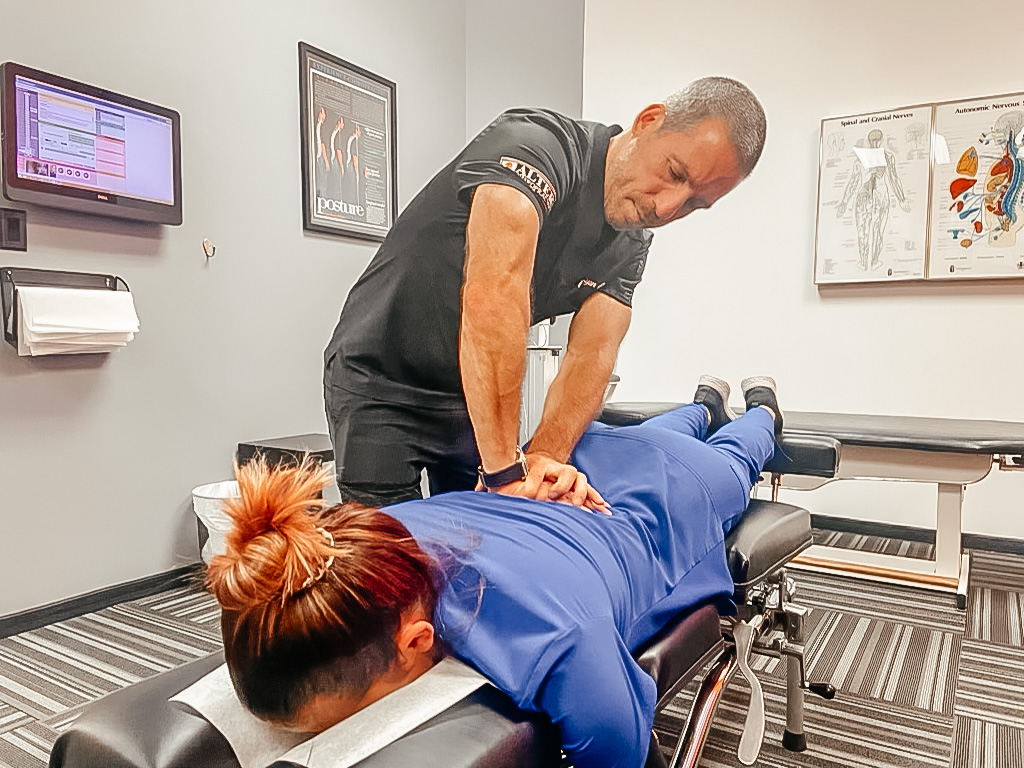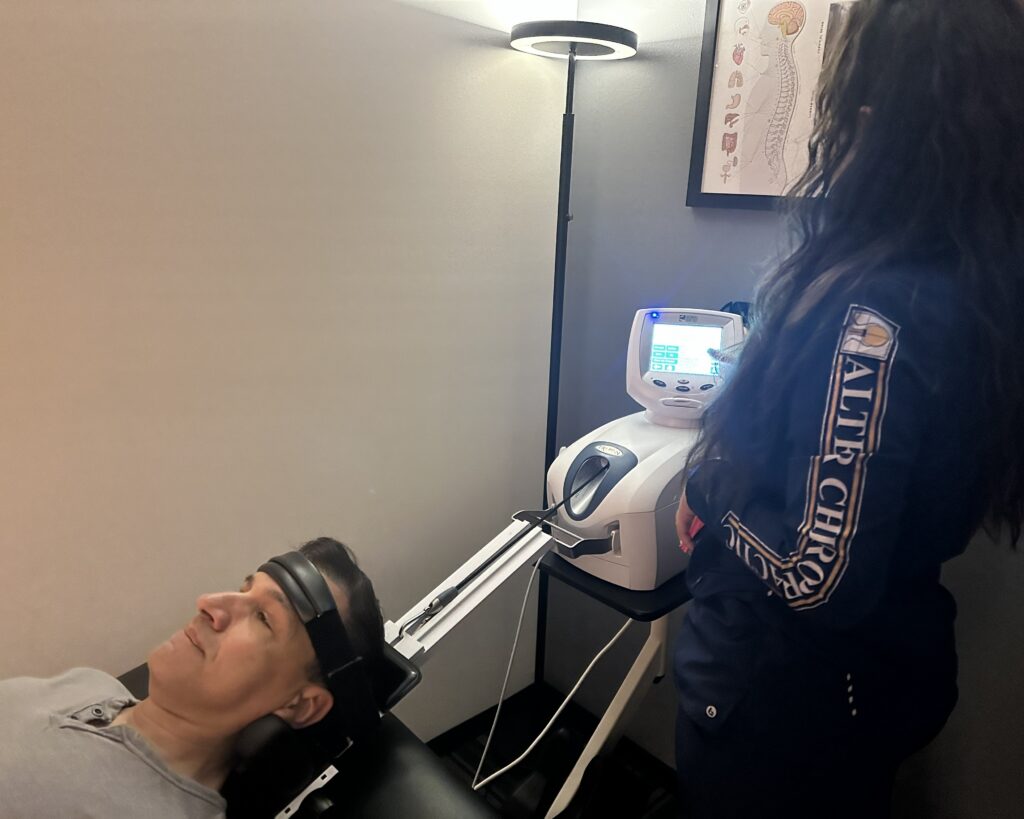

Managing back pain sustainably is not just about quick fixes; it requires a comprehensive approach that considers various facets of your daily routine. As a chiropractor, I often see patients who are unaware of how their posture or workspace can significantly influence their discomfort. By gaining insight into the underlying causes of your pain and implementing small, manageable changes, you can experience considerable relief and improvement in your overall health.
So, what specific steps can you take to foster a healthier back? Let’s delve into the key elements that contribute to effective back pain management and enhance your well-being. From adjusting your ergonomic setup at work to incorporating gentle exercises and mindful posture practices, I’ll guide you through sustainable strategies that align with natural healing principles. Together, we can work towards a lasting solution to your back pain.
Understanding the Causes of Back Pain
As a local chiropractor, I want to help you understand the underlying causes of back pain so you can manage it more effectively. Back pain can arise from a variety of sources, including muscle strain, improper lifting techniques, and injuries that occur during everyday activities. You may find that discomfort can result from overexertion or awkward movements, making it important to pay attention to how you move in your daily life.
Additionally, conditions such as herniated discs or arthritis can significantly contribute to your pain. It’s also crucial to recognize how a sedentary lifestyle impacts your back health; prolonged sitting can weaken your back muscles, increasing your risk of discomfort.
Stress is another factor that can aggravate back pain by tightening your muscles and creating tension.
To manage your pain effectively, it’s vital to identify your specific triggers. Keep a record of when your pain worsens and consider any repetitive actions or habits that might be at play. By understanding these causes, we can work together to implement effective strategies for relief and prevention.
This approach not only helps alleviate your pain but can also enhance your overall quality of life through natural healing methods. Remember, chiropractic care focuses on addressing these issues holistically, aiming for long-term wellness rather than just temporary relief.
Importance of Proper Posture
As a local chiropractor, I want to emphasize the crucial role that proper posture plays in preventing and managing back pain. Many people aren’t aware of the common posture mistakes they make daily, but with a few small adjustments, you can significantly enhance your comfort and overall well-being.
Let’s delve into the benefits of maintaining good posture and some practical tips to help incorporate it into your everyday life.
Good posture not only alleviates stress on your spine but also promotes better circulation, digestion, and even boosts your mood. By being mindful of your posture, you can reduce the risk of developing chronic pain and discomfort that often stems from poor alignment.
To help you get started, here are some simple tips:
- Adjust Your Workspace: Ensure your chair supports your lower back, and your computer screen is at eye level to prevent slouching.
- Take Breaks: If you’re sitting for long periods, make it a habit to stand up and stretch every 30 minutes to keep your muscles engaged.
- Mind Your Movements: When lifting, always bend at your knees rather than your back to protect your spine.
Incorporating these practices into your daily routine can make a world of difference.
Benefits of Good Posture
As a local chiropractor, I want to emphasize the importance of maintaining good posture for your overall well-being. Many people are unaware of how significantly proper alignment can impact their health.
Here are a few key benefits of good posture that you should consider:
- Reduces Back Pain: When your spine is properly aligned, it alleviates unnecessary strain on your muscles and joints, which can help prevent discomfort and chronic pain. This is a fundamental aspect of chiropractic care.
- Boosts Confidence: Did you know that standing tall can improve not only your appearance but also your self-esteem? Good posture conveys confidence and can positively influence how you feel about yourself.
- Improves Breathing: Proper alignment opens up your chest and allows your lungs to expand fully. This means better oxygen flow to your body, which can lead to increased energy levels and overall vitality.
- Enhances Digestion: Maintaining an upright position while sitting or standing supports your digestive organs, allowing them to function more efficiently. This can help reduce bloating and discomfort, promoting better digestive health.
Incorporating good posture into your daily life isn’t merely about aesthetics; it’s an essential part of maintaining physical health and enhancing your overall well-being.
As we explore chiropractic care together, remember that good posture plays a crucial role in your journey toward optimal health.
Common Posture Mistakes
As a local chiropractor, I often see patients who are unaware of the common posture mistakes that can lead to discomfort and long-term health issues. One of the most prevalent issues is slouching, whether you’re sitting or standing. This poor posture puts significant strain on your spine and muscles, which can lead to pain over time.
Many people also lean forward excessively when working on computers or looking down at their phones for long periods. This forward head posture creates tension in the neck and shoulders, potentially leading to chronic pain.
I also frequently notice patients crossing their legs while sitting, which can misalign the hips and create imbalances throughout the body.
Even the shoes you wear can impact your posture; poorly fitted footwear can contribute to back pain and other alignment issues.
Recognizing these posture mistakes is crucial for preventing discomfort and supporting your overall well-being. As your chiropractor, I’m here to help you understand these factors and guide you toward healthier habits that promote natural healing and alignment.
Tips for Improvement
As a local chiropractor, I want to share some valuable insights on how improving your posture can significantly reduce back pain and boost your overall health. Many of you may not be familiar with chiropractic care, but understanding the importance of posture is a great first step toward natural healing.
Here are some essential tips to help you maintain proper posture throughout your daily activities:
- Sit Smart: Choose a chair that offers good lumbar support. It’s crucial to keep your feet flat on the floor to maintain balance and support your lower back.
- Stand Tall: When standing, make sure to distribute your weight evenly on both feet. Avoid locking your knees, as this can lead to unnecessary strain on your back.
- Lift Correctly: When lifting heavy objects, remember to bend at your hips and knees rather than your back. This technique helps protect your spine and prevent injuries.
- Take Breaks: If you find yourself sitting for extended periods, make it a habit to take regular breaks. Stand up, stretch, and move around to avoid stiffness and promote healthy circulation.
By incorporating these simple yet effective practices into your daily routine, you’ll be taking significant steps toward better posture and overall well-being.
If you have any questions or need personalized advice, don’t hesitate to reach out. Your journey to a healthier back starts here!
Effective Stretching and Strengthening Exercises
As a local chiropractor, I believe that effective stretching and strengthening exercises are vital in managing back pain and improving your overall mobility. Many of my patients are surprised to learn how incorporating routines that focus on your core, hips, and back can significantly alleviate discomfort.
I often recommend starting with gentle stretches such as the cat-cow and child’s pose. These movements are fantastic for increasing flexibility and reducing tension in your back.
Once you feel comfortable with these stretches, we can introduce some strengthening exercises like planks and bridges. These exercises are designed to support your spine and enhance your posture, which is crucial for long-term relief.
It’s important to maintain a balanced routine that emphasizes both flexibility and strength. This dual approach will help create a stable foundation for your back, which is essential for everyday activities.
I also want to emphasize the importance of listening to your body. If you experience any pain during these exercises, it’s best to back off and modify the movement.
Consistency is key to seeing results, so I encourage you to dedicate a few minutes each day to these exercises. By committing to this practice, you won’t only manage your back pain more effectively but also improve your overall physical health, making daily tasks much more enjoyable and less challenging.
Incorporating Ergonomics in Daily Life
As your local chiropractor, I want to help you understand how the way you arrange your workspace and engage in daily activities can significantly influence your back health.
By embracing ergonomic principles, you can alleviate strain and enhance your comfort. Here are four essential adjustments to consider for better spinal health:
- Chair Height: Ensure that your chair is adjusted so your feet rest flat on the floor, with your knees forming a 90-degree angle. This adjustment is vital for maintaining proper posture and supporting your spine.
- Monitor Position: Your computer screen should be at eye level. This simple adjustment can prevent neck strain and promote a neutral spine alignment, which is crucial for overall back health.
- Keyboard Placement: Position your keyboard within easy reach, keeping it close enough that your elbows remain at your sides. This will allow your wrists to stay in a straight, comfortable position, reducing the risk of strain or injury.
- Breaks: It’s important to take regular breaks to stand, stretch, or walk around. These short intervals can help relieve tension in your muscles and improve circulation, contributing to better spinal health.
By making these adjustments, you can take proactive steps towards maintaining a healthy back and overall well-being.
If you have further questions or need assistance, feel free to reach out!
Mindfulness and Stress Management Techniques
As a local chiropractor, I often observe that stress can significantly affect your physical health, particularly manifesting as tension in your back. This is why incorporating mindfulness and stress management techniques into your daily routine is crucial for your overall well-being.
Practicing mindfulness enables you to focus on the present moment, which can help alleviate anxiety and promote relaxation. One of the simplest yet most effective techniques is deep breathing. I encourage you to try this: inhale slowly through your nose, hold your breath for a few seconds, and then exhale gently through your mouth. This practice can help ease tightness in your muscles and provide a sense of calm.
Additionally, incorporating meditation into your routine can greatly enhance your stress management skills. Just dedicating a few minutes each day to focus on your breath or repeat a calming mantra can make a difference.
You might also want to explore gentle yoga or stretching exercises, which can help release built-up tension in your back and improve your overall flexibility.
Nutrition and Hydration for Back Health
As a local chiropractor, I want to emphasize the crucial role that nutrition and hydration play in supporting your back health. Many people may not realize that incorporating anti-inflammatory foods into your diet can significantly reduce pain and enhance your overall well-being.
Foods rich in omega-3 fatty acids, like salmon and walnuts, as well as fruits and vegetables, can help combat inflammation.
Additionally, staying well-hydrated is essential for maintaining the health of your spine. Proper hydration aids in the lubrication of joints and helps prevent discomfort.
I encourage you to drink plenty of water throughout the day and consider how your dietary choices can impact your back health. By focusing on these natural approaches, we can work together to promote better spinal health and overall wellness.
Anti-inflammatory Foods
As a local chiropractor, I want to emphasize the crucial role that diet plays in your overall back health and wellness. One of the most effective ways to support your body and reduce pain is by incorporating anti-inflammatory foods into your daily meals.
These foods work to combat inflammation, which is often a significant contributor to discomfort and pain in the body, including the back. Here are four essential anti-inflammatory foods to consider adding to your diet:
- Fatty Fish: Fish such as salmon and mackerel aren’t just delicious; they’re also rich in omega-3 fatty acids, which are known for their powerful anti-inflammatory properties. Including these in your diet can help reduce inflammation and support your spinal health.
- Leafy Greens: Dark, leafy vegetables like spinach and kale are packed with antioxidants. These nutrients play a vital role in fighting inflammation and can help your body heal more effectively.
- Berries: Fruits such as blueberries and strawberries aren’t only tasty snacks; they also contain compounds that can lower inflammation markers in your body. Adding these to your diet can be a sweet way to support your health.
- Nuts: Nuts like walnuts and almonds are great sources of healthy fats and antioxidants. Regularly including them in your meals can contribute to overall reduced inflammation and promote a healthier spine.
By choosing these anti-inflammatory foods, you’re not just nourishing your body; you’re actively working towards better back health and a more comfortable life.
Hydration Importance
As your local chiropractor, I want to emphasize the critical role hydration plays in maintaining not just a healthy back, but your overall wellness as well. Proper hydration is vital for the efficient functioning of your body’s tissues, including your muscles and intervertebral discs.
When you’re well-hydrated, water acts as a lubricant for your joints, helping to reduce stiffness and discomfort that can contribute to back pain.
To keep your spine and surrounding muscles in optimal condition, I recommend aiming for about eight glasses of water a day—though it’s important to listen to your body and adjust based on your activity level and environment.
If you find yourself being active or spending time in warmer conditions, you may need to increase your water intake.
In addition to drinking water, you can also hydrate by incorporating fruits and vegetables into your diet, which provide essential nutrients that support your overall health.
Remember, staying hydrated not only boosts your back health but also enhances your energy levels and overall well-being.
When to Seek Professional Help
When should you consider seeking professional help for back pain? As your local chiropractor, I want to help you understand when your discomfort may warrant a visit to our office. It’s important to recognize when your pain goes beyond typical soreness.
If you find yourself experiencing any of the following signs, it’s time to reach out for professional guidance:
- Persistent Pain: If your back pain lasts longer than a few weeks despite trying home remedies or self-care techniques, it may be time to consult with a chiropractor.
- Severe Discomfort: If your pain is intense enough to hinder your daily activities, it’s crucial to seek help. We can explore safe, natural methods to alleviate your discomfort.
- Numbness or Weakness: If you begin to notice tingling, numbness, or weakness in your legs or arms, this could indicate a more serious issue that needs attention from a healthcare professional.
- Unexplained Symptoms: If your back pain comes with symptoms like unexplained weight loss, fever, or problems with bowel or bladder function, it’s essential to get evaluated as soon as possible.
Listening to your body is key. Don’t overlook these warning signs.
As a chiropractor, I can offer you personalized treatment options that focus on natural healing and overall wellness.
Conclusion
As a local chiropractor, I want to emphasize the importance of a holistic approach to managing back pain. By focusing on proper posture, incorporating effective exercises, and practicing mindfulness, you can significantly enhance your overall well-being and support your back health. It’s essential to recognize that nutrition and ergonomics play a crucial role in your daily routine as well.
Many patients are unaware of how interconnected these elements are and how they can contribute to pain relief and prevention. If your discomfort continues or worsens, I encourage you to seek professional help—chiropractic care can offer valuable insights and tailored solutions for your specific needs.
By committing to these sustainable practices, you can take proactive steps towards achieving a healthier, pain-free back. Remember, your journey to wellness is not just about alleviating pain; it’s about nurturing your body for long-term health.