
Injuries can feel like a major roadblock on your athletic journey, but as a chiropractor, I want to assure you that they don't have to dictate your path forward. Embracing a comprehensive approach to recovery that focuses on rest, rehabilitation, and proper nutrition is essential. It's important to tune into your body during this healing process, allowing yourself to gradually transition back into your usual activities.
Here at our clinic, we emphasize specific recovery strategies that not only facilitate healing but also enhance your overall performance. You may be surprised to learn that the recovery phase is not just about getting back to where you were; it's also an opportunity to gain valuable insights that can help prevent future injuries and take your athletic capabilities to the next level.
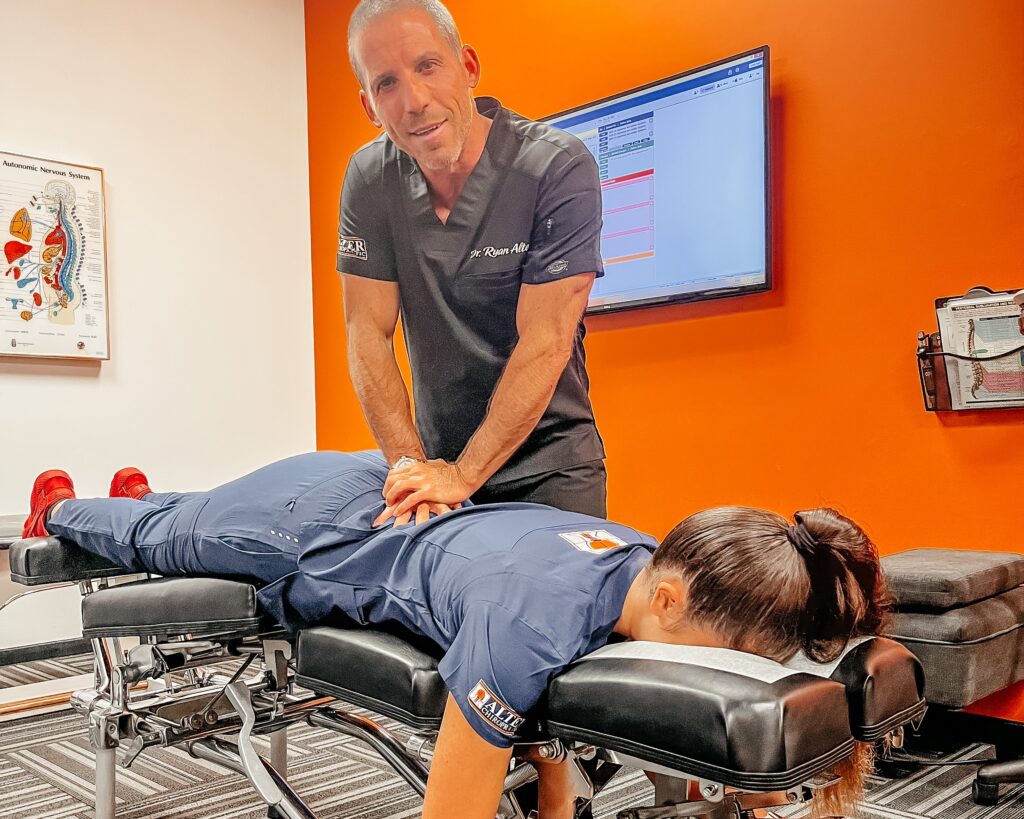
Chiropractic care plays a vital role in this process. We can help assess and treat underlying issues, ensuring that your body is properly aligned and functioning optimally. By integrating chiropractic adjustments, therapeutic exercises, and nutritional advice, we aim to support your recovery in a natural and effective way. Remember, your journey to recovery can lead to even greater achievements in your athletic endeavors!
Understanding Injury Types
As a local chiropractor, I find it essential to educate my patients about the various types of injuries you might encounter, as understanding these differences can greatly enhance your recovery journey.
Injuries can typically be categorized into two main types: acute and chronic.
Acute injuries are those that occur suddenly, often as a result of a specific incident. For example, you might experience a sprain, fracture, or muscle tear while playing sports or lifting weights. It's crucial to identify these injuries quickly, as they often require prompt attention and appropriate care to prevent long-term issues. Chiropractic care can be incredibly beneficial in these cases, as we focus on realigning the body and promoting healing through natural methods.
Conversely, chronic injuries develop gradually over time, usually due to repetitive stress or overuse. Conditions like tendonitis or stress fractures often arise from improper techniques or insufficient recovery. If you experience persistent pain that doesn't improve, it's vital to listen to your body. Ignoring these warning signs can lead to more severe problems that could keep you from your activities for a longer period. Chiropractic adjustments can help address the root causes of chronic pain and facilitate a more effective healing process.
Additionally, injuries can be classified into soft tissue injuries, which involve muscles, tendons, and ligaments, and hard tissue injuries, which affect bones and cartilage. Each type requires a tailored approach to recovery.
By understanding these distinctions, you can make informed decisions about your treatment options, including the benefits of chiropractic care.
Familiarizing yourself with these different injury types empowers you to take control of your healing and minimize their impact on your daily life and performance.
The Importance of Rest
As a local chiropractor, I want to emphasize the critical role that rest plays in your recovery journey.
Rest allows your body the necessary time to heal and repair itself effectively. Quality sleep is particularly important; without it, the healing process can be significantly hindered.
By prioritizing rest, you can greatly enhance your ability to bounce back from injuries.
Rest and Healing
As a local chiropractor, I want to emphasize the importance of rest in your healing journey. Healing isn't just about treating symptoms; it requires a commitment to allowing your body the time it needs to recover and repair itself. When you push through pain or fatigue, you may be prolonging your injury and hindering your progress. Instead, I encourage you to view rest as an essential element of your recovery plan.
Rest doesn't mean complete inactivity. Engaging in gentle movements or light stretching can actually support circulation without putting undue strain on your body. It's crucial to listen to your body's signals. If you're experiencing fatigue or discomfort, consider this a clear indication that it's time to take a step back.
Incorporating regular rest days into your routine is vital, and don't hesitate to adjust your activities as necessary. Finding a balance between staying active and allowing for adequate downtime is essential for effective healing.
Active recovery techniques, such as yoga or swimming, can be beneficial as they promote blood flow and expedite the healing process, all while honoring your body's need for rest.
Remember, taking time to rest isn't a sign of weakness; rather, it's a strategic approach to ensure that you return even stronger. By prioritizing rest, you lay the groundwork for a successful recovery and improve your overall athletic performance in the long run.
As your chiropractor, I'm here to guide you in this process and help you understand the natural healing capabilities of your body.
Sleep Quality Matters
As a local chiropractor, I want to emphasize the critical role that quality sleep plays in your recovery process. It's often the key factor that can distinguish between a quick return to your daily activities and prolonged discomfort.
During sleep, your body performs vital repair and regeneration work. For instance, hormones like growth hormone surge during deep sleep, which is essential for tissue recovery and muscle repair. If you overlook the importance of quality sleep, you may inadvertently hinder your healing journey.
To enhance your sleep quality, I recommend establishing a consistent sleep schedule. Try to go to bed and wake up at the same time every day, including weekends. This helps regulate your body's internal clock.
Additionally, create a calming bedtime routine—activities such as reading or gentle stretching can signal to your body that it's time to wind down.
It's also important to make your sleep environment conducive to rest. Aim to keep your room dark, quiet, and cool, as these factors can significantly influence your ability to sleep well.
Be mindful of stimulants like caffeine and screen time before bed; both can disrupt your natural sleep cycle, making it difficult to achieve the restorative sleep your body needs.
Lastly, consider incorporating relaxation techniques such as meditation or deep breathing exercises into your nighttime routine to help ease your mind and body before sleep.
Effective Rehabilitation Techniques
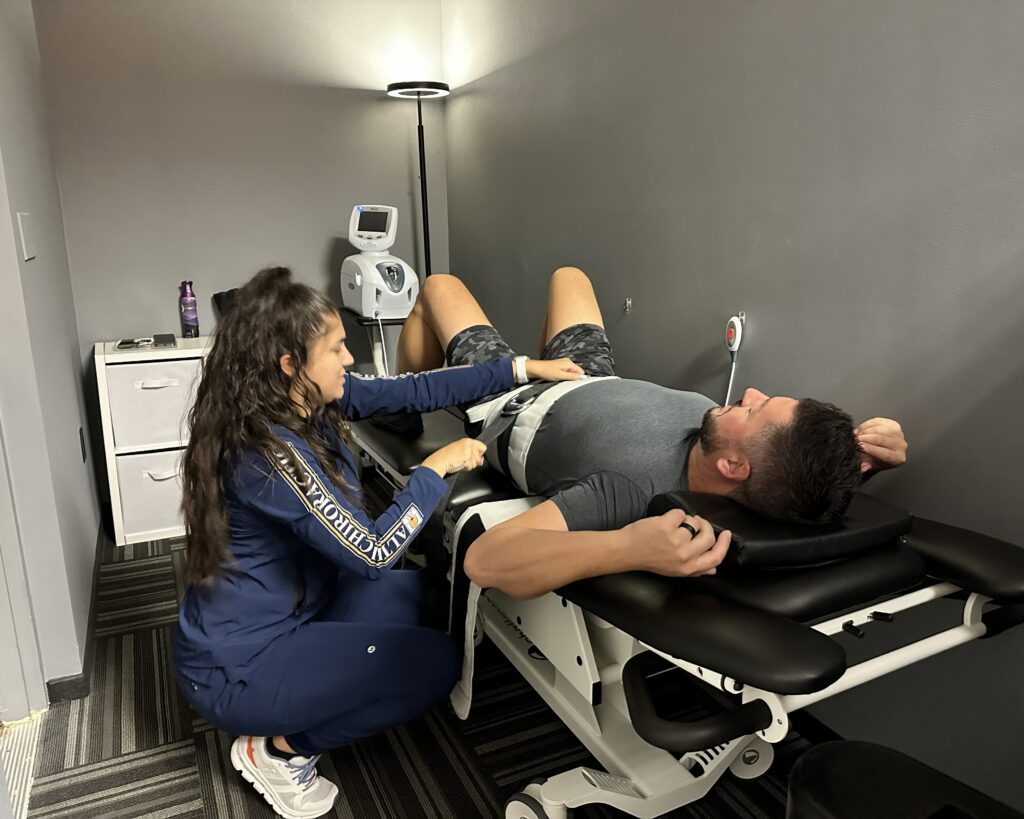
Rehabilitation is a crucial component of your recovery journey following an injury, and as a local chiropractor, I want to share how chiropractic care can play a vital role in this process. To help you return to optimal performance, it's essential to utilize effective rehabilitation techniques that are tailored to your individual needs.
These approaches not only assist in regaining strength and mobility but also significantly lower the risk of future injuries. Here are some key methods to consider:
- Chiropractic Adjustments: Regular adjustments can help realign your spine and joints, improving your overall function and reducing pain in the injured area.
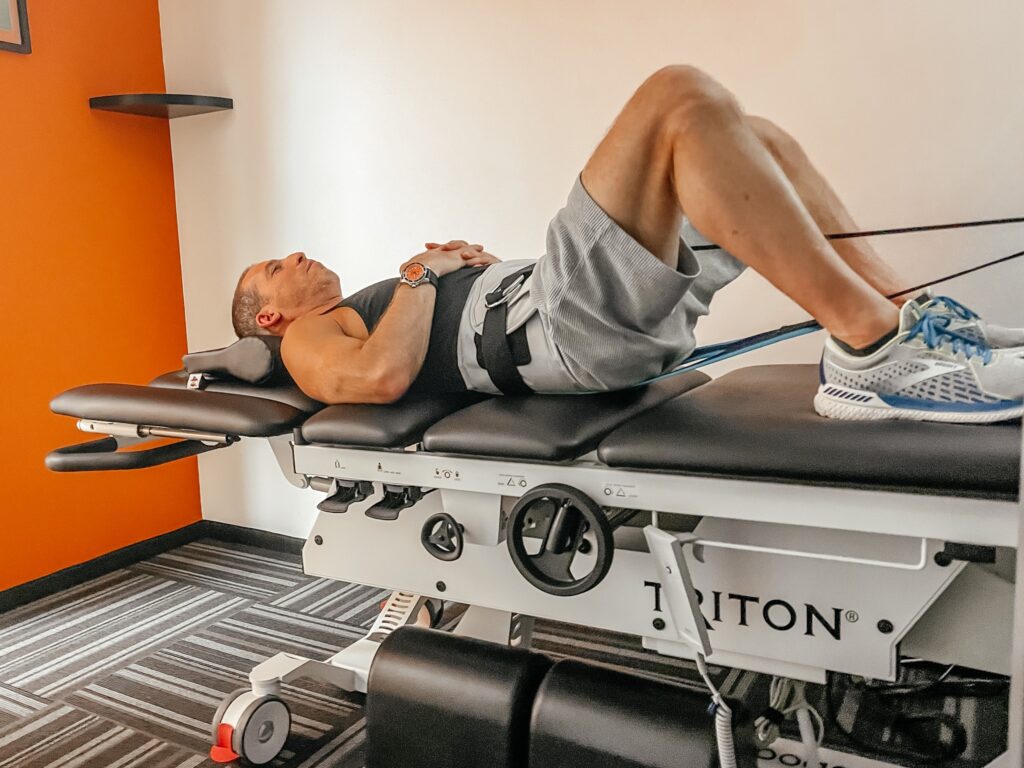
- Rehabilitative Exercises: I'll guide you through specific exercises designed to strengthen your muscles and support your joints, helping you rebuild your physical capabilities.
- Stretching and Mobility Work: Gentle stretching and mobility exercises can enhance your flexibility and ensure that you regain full range of motion, critical for your recovery.
- Functional Movement Training: By incorporating sport-specific movements into your rehabilitation, we can prepare your body for the demands of your chosen activities, making your return smoother and safer.
Listening to your body is paramount during your rehabilitation journey. If you experience pain during any exercise, it's essential to stop and reevaluate your approach.
Consistency is also vital; following a well-structured rehabilitation plan will yield the best results. Open communication with your chiropractor is crucial; as your condition evolves, I can adjust your treatment plan to better suit your needs.
Remember, our goal goes beyond mere recovery – we aim to help you come back stronger and more resilient than before. By committing to effective rehabilitation techniques, you'll lay the foundation for long-term success in your athletic pursuits and overall well-being.
Embrace the natural healing power of chiropractic care, and together, we can optimize your recovery.
Nutrition for Recovery
As a local chiropractor, I want to emphasize the crucial role nutrition plays in your recovery journey after an injury. Healing isn't just about the adjustments we make in the office; it's also about what you put into your body. Focusing on essential nutrients can significantly support your healing process.
Make sure to stay well-hydrated, as proper hydration is fundamental for tissue repair and overall recovery.
Additionally, pay attention to meal timing; fueling your body at the right moments can enhance healing and help you get back to your daily activities more quickly.
By optimizing your diet in conjunction with chiropractic care, you can accelerate your recovery and improve your overall well-being.
Essential Nutrients for Recovery
As a local chiropractor, I want to emphasize the crucial role that essential nutrients play in your recovery process. These nutrients help repair tissues, reduce inflammation, and support your overall healing journey. Incorporating the right foods into your diet can enhance your recovery and improve your health.
- Protein: This nutrient is vital for muscle repair and growth. I recommend lean sources such as chicken, fish, and legumes to help your body recover effectively.
- Omega-3 Fatty Acids: These healthy fats are known to reduce inflammation and support joint health. Incorporating fatty fish, walnuts, or flaxseeds into your meals can make a significant difference.
- Vitamins C and E: Both of these vitamins are powerful antioxidants that combat oxidative stress in your body. Look for sources like citrus fruits, berries, nuts, and green leafy vegetables to boost your intake.
- Zinc: This essential mineral plays a key role in immune function and tissue repair. Foods like nuts, seeds, and whole grains are excellent ways to ensure you're getting enough zinc.
To optimize your recovery, it's important to maintain a balanced diet rich in these nutrients. Consider meal planning to help you stay on track and ensure you're consuming adequate amounts.
Pay attention to how your body responds to different foods and adjust your intake as necessary. Remember, the food you eat directly affects how quickly you heal, so make nutrition a priority in your recovery strategy.
With the right nutrients, you'll be on your way to achieving peak performance in no time! If you have any questions about nutrition or how it relates to chiropractic care, feel free to ask during your next visit.
Hydration Strategies Post-Injury
As a local chiropractor, I want to emphasize the crucial role hydration plays in your recovery journey after an injury. Many people may not realize that staying properly hydrated is just as important as consuming the right nutrients. Adequate hydration helps your body transport essential nutrients, flush out waste, and maintain optimal joint function—all of which are vital for healing.
To start, it's important to drink plenty of water throughout the day. A good goal is to aim for 8-10 cups daily, but be sure to adjust this based on your level of activity and the climate you're in. If you're engaging in physical therapy or light workouts and find yourself sweating more than usual, consider incorporating electrolyte-rich beverages. Options like coconut water or specific sports drinks can help replenish the minerals you lose through sweat.
Pay attention to your body's signals. If you're feeling thirsty or notice that your urine is darker than usual, these are clear indicators that it's time to hydrate. Additionally, don't forget that many fruits and vegetables have high water content. Incorporating hydrating foods like watermelon, cucumbers, and oranges can also enhance your fluid intake while providing essential vitamins and minerals.
Finally, I recommend creating a hydration schedule. Setting reminders to drink water at regular intervals can be a proactive way to ensure you're meeting your hydration needs. This simple practice will support your recovery efforts, helping you heal more effectively and get back to your best self faster.
As we focus on your overall wellness, remember that hydration is a key component of your healing process.
Meal Timing Importance
As your local chiropractor, I want to emphasize the importance of meal timing in your recovery process, especially after an injury. Proper nutrition can significantly enhance your body's ability to heal and rebuild. Here are some essential points to consider:
- Post-Workout Nutrition: It's crucial to fuel your body within 30 minutes after exercise. This is when your muscles are most receptive to nutrients, helping to kickstart your recovery.
- Balanced Meals: Aim to incorporate a mix of protein, healthy fats, and carbohydrates in your meals every 3-4 hours. This regular intake promotes optimal nutrient absorption and supports your healing journey.
- Hydration: Remember to drink enough fluids with your meals. Staying hydrated is key for digestion and helps transport nutrients throughout your body.
- Sleep and Timing: Try to eat your last meal at least 2-3 hours before bedtime. This practice can enhance your sleep quality, which is vital for effective recovery.
By focusing on meal timing, you can maximize the benefits of your nutrition strategy. Coordinating your eating habits with your training and recovery schedule ensures that your body receives the nutrients it needs when it needs them the most.
This approach not only speeds up healing but also helps maintain muscle mass and energy levels during your recovery phase. Think of your body as a finely tuned machine; providing it with the right fuel at the right times can make a significant difference in how quickly you recover from an injury.
If you have any questions or need guidance on nutrition as part of your healing process, feel free to ask during your next visit!
Mental Resilience Strategies
As a chiropractor, I understand that building mental resilience during your injury recovery is just as crucial as focusing on the physical aspects of healing. When setbacks arise, it's important to foster a positive mindset and keep your long-term recovery goals in sight.
I encourage you to set realistic, achievable milestones throughout your healing journey. By breaking down the recovery process into smaller, manageable steps, you can celebrate each accomplishment along the way. This approach not only boosts your confidence but also helps maintain your motivation.
Incorporating mindfulness techniques into your daily routine can also be beneficial. Practices such as meditation and deep breathing exercises can assist you in managing stress and staying present in the moment. These strategies can help alleviate anxiety and enhance your overall emotional well-being.
I often recommend journaling to my patients as well. Reflecting on your thoughts and feelings can be a powerful tool for processing emotions and tracking your progress during recovery.
It's also vital to surround yourself with a supportive network. Sharing your experiences and feelings with friends, family, or fellow athletes who understand your journey can provide the encouragement you need during challenging times.
Additionally, working with a sports psychologist might be beneficial. They can provide tailored coping strategies that enhance your mental resilience and help you navigate the emotional aspects of recovery.
Lastly, I encourage you to visualize your success. Picture yourself fully recovering and performing at your best. Using mental imagery can reinforce your commitment to the healing process and remind you of the goals you're striving for.
Embrace the challenges that come with injury recovery, as they're opportunities for personal growth. By building mental resilience, you'll not only manage this phase of recovery more effectively but also emerge stronger and more prepared for future challenges.
Gradual Return to Activity
As a local chiropractor, I want to emphasize the importance of safely returning to your physical activities after injury. A gradual return to activity is crucial for preventing further injuries and ensuring a successful recovery. I often see patients who rush back into their routines, leading to setbacks that can prolong their healing process. It's essential to take the time to ease back into your workouts.
Here are some key points to consider during your recovery journey:
- Listen to Your Body: Your body communicates with you; pay attention to any signs of pain or discomfort. If something doesn't feel right, it's important to take a step back and assess the situation.
- Start Slow: Begin with low-impact activities that are gentle on your joints and muscles. Consider walking, swimming, or cycling as excellent starting points to gauge how your body is responding.
- Set Realistic Goals: Establish small, achievable milestones to keep yourself motivated without overwhelming your body. This approach can help you regain confidence and maintain a positive mindset.
- Maintain Flexibility: Incorporate stretching and mobility exercises into your routine. These practices enhance your range of motion and help prevent stiffness, which is especially important as you return to more vigorous activities.
As you gradually increase the intensity and duration of your workouts, remember to include rest days. These breaks aren't a sign of weakness; they're essential for recovery, allowing your body to adapt to the new demands you're placing on it.
It's also beneficial to keep track of your progress. If you have any concerns or questions, don't hesitate to consult with me or another healthcare professional.
By following these guidelines, you'll build a solid foundation for your return to peak athletic performance, setting yourself up for long-term success while minimizing the risk of re-injury.
Preventing Future Injuries
As a local chiropractor, my goal is to help you understand how to effectively prevent future injuries through natural healing and proper body care. It all starts with prioritizing your body's preparation and maintenance. A well-rounded warm-up routine is essential. I recommend incorporating dynamic stretching and mobility exercises to increase blood flow to your muscles and enhance flexibility. This practice can significantly reduce the risk of strains and sprains.
Strength training is another crucial aspect tailored to your specific activities. By focusing on strengthening key muscle groups, you not only improve your athletic performance but also provide support for your joints and stabilize your movements.
Don't overlook the importance of core exercises; a strong core is fundamental for maintaining overall stability and preventing injuries.
Listening to your body is vital in this process. If you experience pain or discomfort, it's important not to push through it. Instead, take a moment to assess what might be causing the issue.
Just as your training sessions are important, so are scheduled rest days. They give your body the necessary time to recover and rebuild, which can significantly reduce the chances of overuse injuries.
I also encourage you to consider cross-training. This approach allows you to maintain your fitness while avoiding repetitive strain on specific muscle groups. Engaging in a variety of activities not only keeps your workouts enjoyable but also helps you develop a more balanced physique.
Lastly, ensure that you're using the right equipment. Properly fitting shoes and appropriate protective gear can greatly influence your injury prevention efforts.
Conclusion
Injury recovery is a journey that requires a holistic approach, and as your local chiropractor, I'm here to guide you through it. Understanding your injury is the first step, and I can help you with that. Prioritizing rest is crucial, but it's also important to incorporate effective rehabilitation techniques tailored to your specific needs.
Don't overlook the vital roles of proper nutrition and mental resilience in the healing process; they are essential components of recovery. As you begin to ease back into your activities, it's important to listen to your body and take things at a steady pace. With these strategies in place, you're not just on the road to recovery—you're setting the foundation for future athletic success. Remember, chiropractic care can support your healing journey by addressing any underlying issues and promoting overall wellness. Let's work together to maximize your recovery and improve your athletic performance!